Buy in Croatia After the Tourists Leave: Tax & Timing
Buy when Croatia’s summer season ends: shoulder‑season viewings reduce competition, reveal year‑round life, and let you lock clear VAT versus 3% transfer‑tax outcomes.
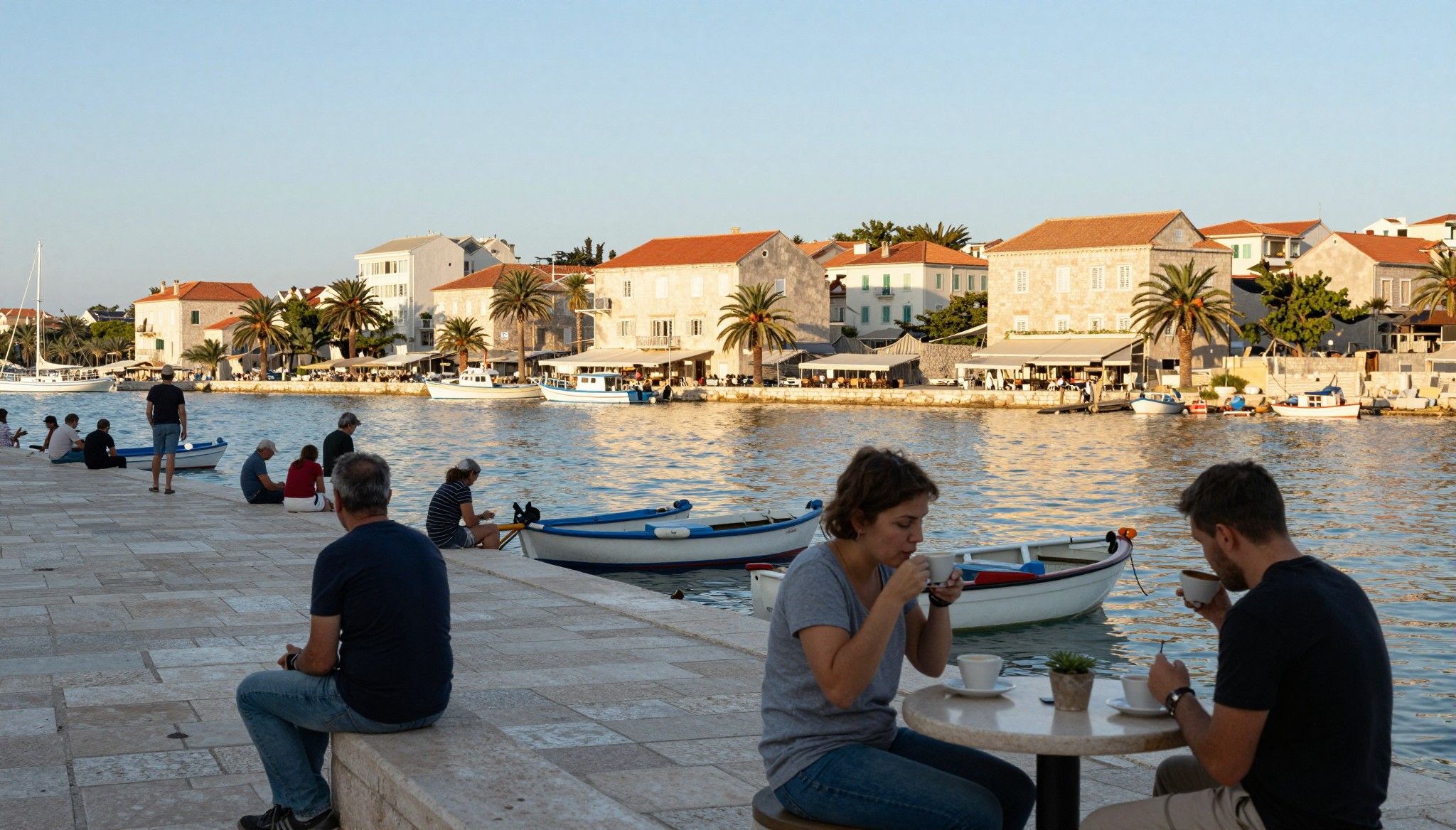
Imagine walking a quiet Riva in late October: fishermen mending nets, cafés open for locals, sunlight on limestone — and far fewer bidding wars. For many international buyers the Croatian summer is a postcard; the smarter move is to look when the crowds leave. That seasonal shift changes not only prices and negotiation tone but also tax and registration timing that can save you money and stress.
Living the Croatia lifestyle, off‑peak
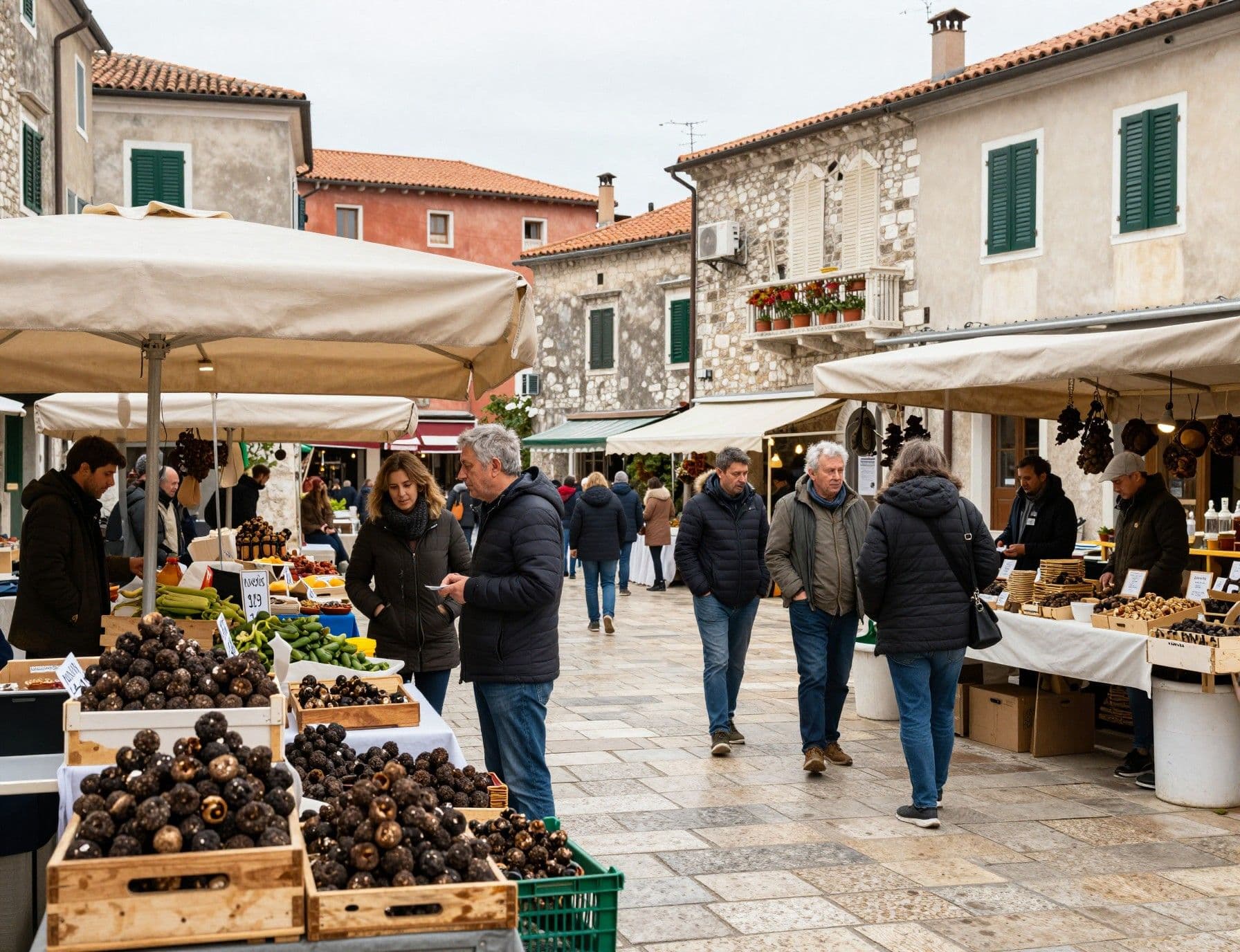
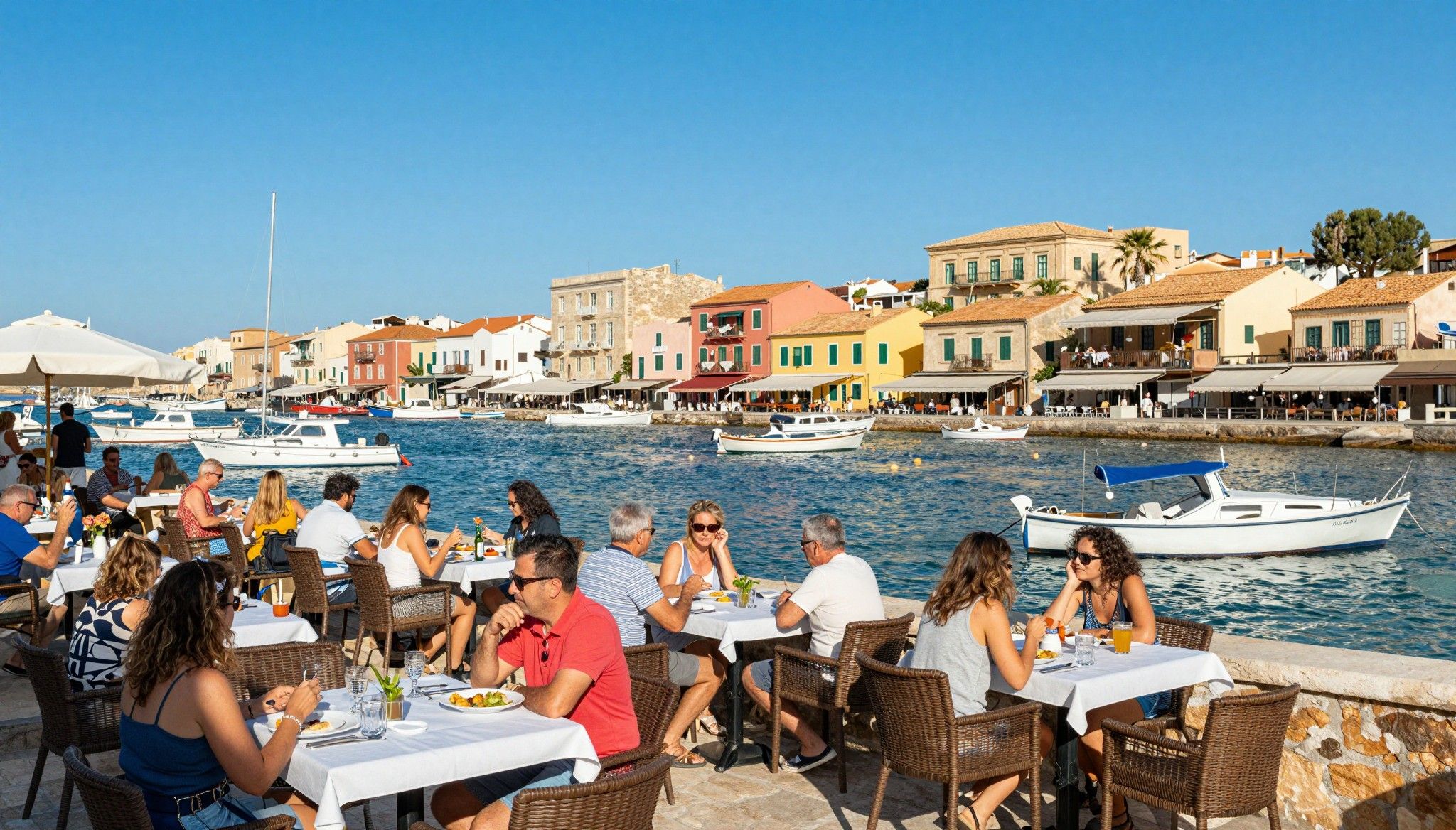
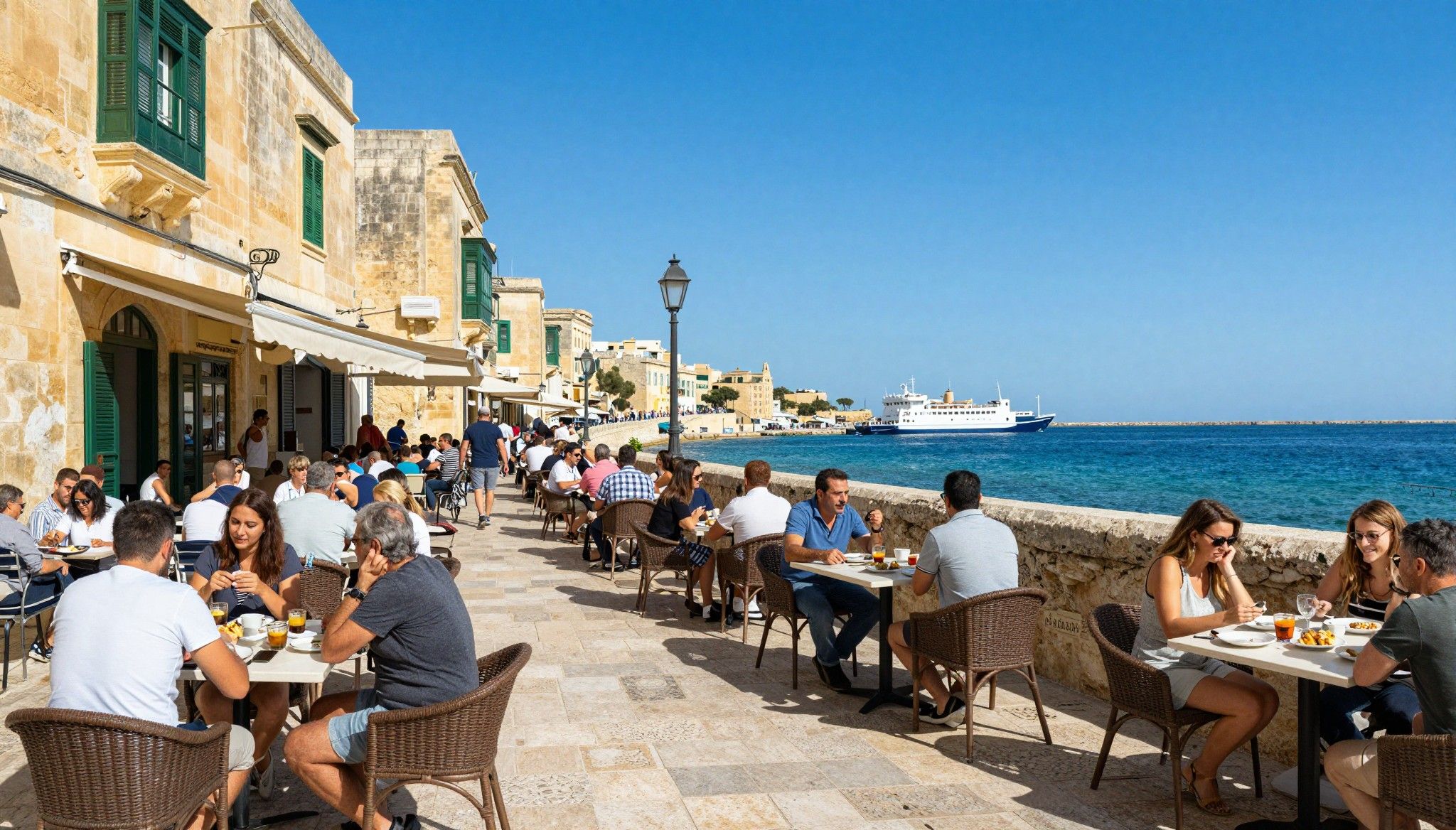
Croatia is not a single mood — it is a set of daily rhythms. Mornings in Zagreb mean markets and bakers on Ilica; afternoons on Hvar mean sailing, espresso on tiny piazzas and late sea swims. But outside July–August the country reveals quieter neighborhoods, year‑round services and a different property market: local life, not tourism. Buying then buys you access to the life you’ll actually live.
Zagreb, coastal towns, and Istrian seasons
Zagreb hums through the calendar with cultural festivals and a strong rental market for professionals. On the coast — Split, Dubrovnik, Rovinj — property demand peaks in summer. In Istria (Pula, Rovinj, Motovun) autumn truffle season and spring olive harvests reshape local life. Each region’s seasonality affects offer volumes, local services, and the patience of sellers.
Daily life and small joys that influence location choice
Picture espresso at Café U Dvorištu on a crisp morning in Split, a weekend market run in Zagreb’s Dolac, or an autumn walk through Rovinj’s cobbled lanes after the crowds melt away. These micro‑moments determine whether you want a compact apartment in a lively center or a stone villa with more privacy and storage for seasonal living.
- Lifestyle highlights to check in‑person off‑season
- 1. Morning markets: Dolac (Zagreb) and Pula market for fresh produce and social life. 2. Harbor cafés: Split’s Riva benches in shoulder months — real local rhythm. 3. Truffle events: Motovun and Buzet gatherings — food culture that sustains year‑round demand. 4. Ferry frequency: Check winter schedules if island living is on your list. 5. Local clinics and services: Ensure healthcare access outside peak tourist season.
Making the move: practical tax and timing advantages
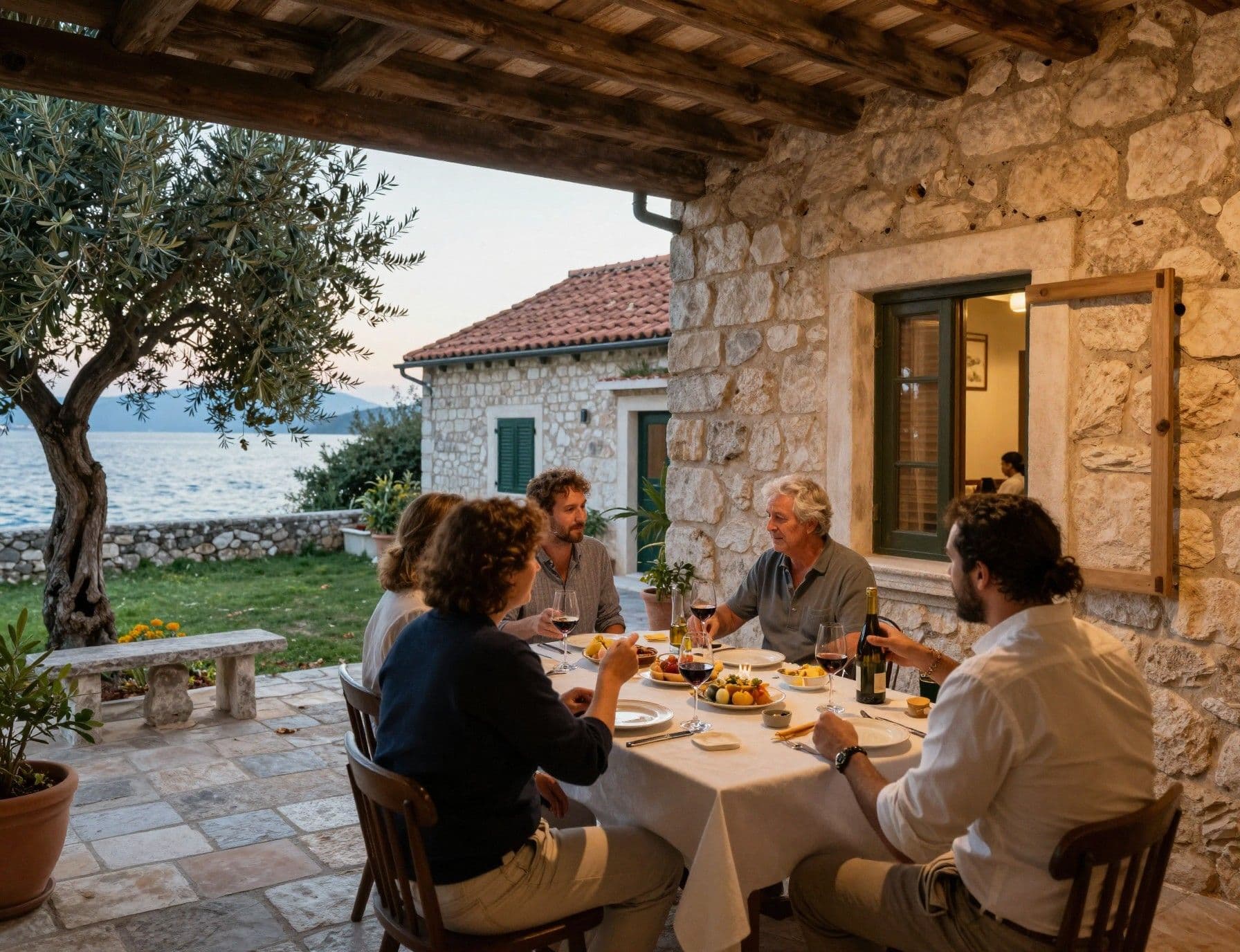
If you buy after the high season you often face less competition and more motivated sellers — but there are concrete fiscal advantages too. Croatia’s transfer tax is a flat 3% on purchases where VAT does not apply, and VAT (25%) applies selectively to new builds or certain developer sales. Timing a contract to clarify VAT vs transfer‑tax status matters for cost certainty.
VAT vs transfer tax: a quick reality check
New developments sold within a defined post‑occupancy window normally attract VAT (25%) rather than the 3% transfer tax. That changes the buyer’s landed cost dramatically. Ask developers for paperwork proving whether VAT applies — and time your exchange so you’re not signing during a transition where tax treatment is ambiguous.
Why off‑peak contracts can reduce friction
Authorities and market reports show price momentum but also slower transaction counts on the Adriatic after peak months. That means motivated sellers and fewer multiple‑offer scenarios if you start viewings in autumn or winter. From a legal side, not rushing due diligence reduces the chance of mistakes in ownership records, zoning notes, or tenancy encumbrances.
- Steps to exploit off‑peak buying (practical checklist)
- 1. Schedule viewings in shoulder months (September–November or March–May) to see real neighborhood life. 2. Confirm tax treatment (VAT vs transfer tax) with seller/developer and your notary before signing. 3. Commission a cadastral title search and check for tenancy rights or easements. 4. Ask for winter running costs and utility bills to avoid seasonal surprises. 5. Negotiate timelines — sellers are likelier to accept delays outside summer.
Insider knowledge: expat realities and red flags
Expat buyers often fall for summer façades: busy cafés, daytime markets and full ferry timetables. The quieter months reveal whether a place offers essential services year‑round — schools, healthcare, shops — and whether the property’s construction suits winter winds and humidity. These are the details locals use when deciding where to live permanently.
Cultural and administrative realities
Local bureaucracy is predictable but detailed: municipal zoning, cadastre entries and utility connections each have their own rhythm. Use a reputable local notary and an agent who accompanies you to town hall appointments. Expect straightforward processes if documents are clean — but delays if registrations, heritage protections or coastal zone rules apply.
Long‑term practicalities that change lifestyle value
Consider longer horizons: planned policy moves to tax vacant second homes or encourage long‑term rentals can alter returns. Follow local legislation and municipal plans — they affect the rental pool, renovation permissions and community resilience. Buying with the life you want in mind — not just a summer income thesis — reduces downside risk.
- Red flags to watch (seasonally sensitive)
- • Overly optimistic summer occupancy projections without winter data. • Missing utility statements (winter heating bills, water) or sparse maintenance records. • Properties sold through opaque intermediaries without clear cadastral documentation. • Promises of immediate rentals during shoulder months when ferry or transport frequency falls. • Developers unwilling to confirm VAT status in writing.
Conclusion: If you want Croatia for daily life, watch the calendar. Buying after the tourists leave gives you better negotiation power, clearer views of neighbourhood life and the fiscal breathing room to sort VAT/transfer‑tax implications cleanly. Use local experts — a notary, accountant and an agent who knows winter timetables — and treat seasonality as a strategic advantage, not an afterthought.
Norwegian market analyst who relocated to Mallorca in 2020. Focuses on data-driven market insights and smooth relocation for international buyers.