Malta: Compact Island Life That Changes Price Perception
Malta’s compact Mediterranean life reshapes the ‘expensive’ label: steady demand, strong rentability, and neighbourhood micro-prices create selective opportunities for discerning international buyers.
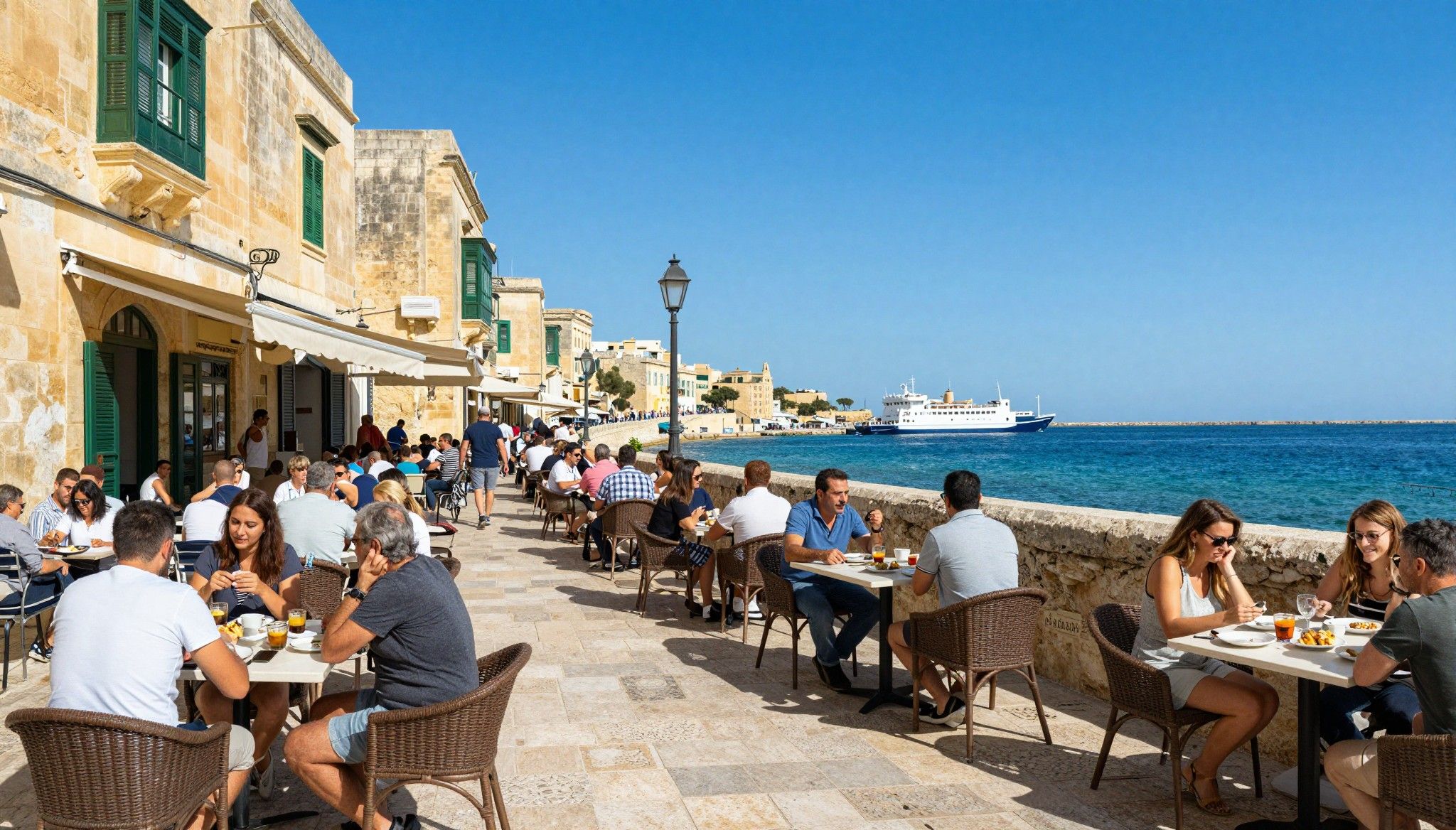
Imagine stepping out at dawn onto Sliema’s seafront promenade with an espresso in hand, limestone buildings warming in the sun, and ferries cutting a clean line toward Valletta. That compact, walkable rhythm — short commutes, sea-to-table dinners, and neighbourhood cafés where the barista already knows your order — is what draws buyers from northern Europe and beyond. Yet many arrive with a single-minded belief: Malta is expensive and therefore out of reach. Scratch the surface and the island’s story is more nuanced: price pressure exists, but lifestyle liquidity — rental demand, year-round tourism, and a dense professional expat community — changes the value equation for the right buyer. Recent NSO data confirms steady price growth, but pockets of opportunity remain if you look beyond headline averages.
Living the Malta lifestyle
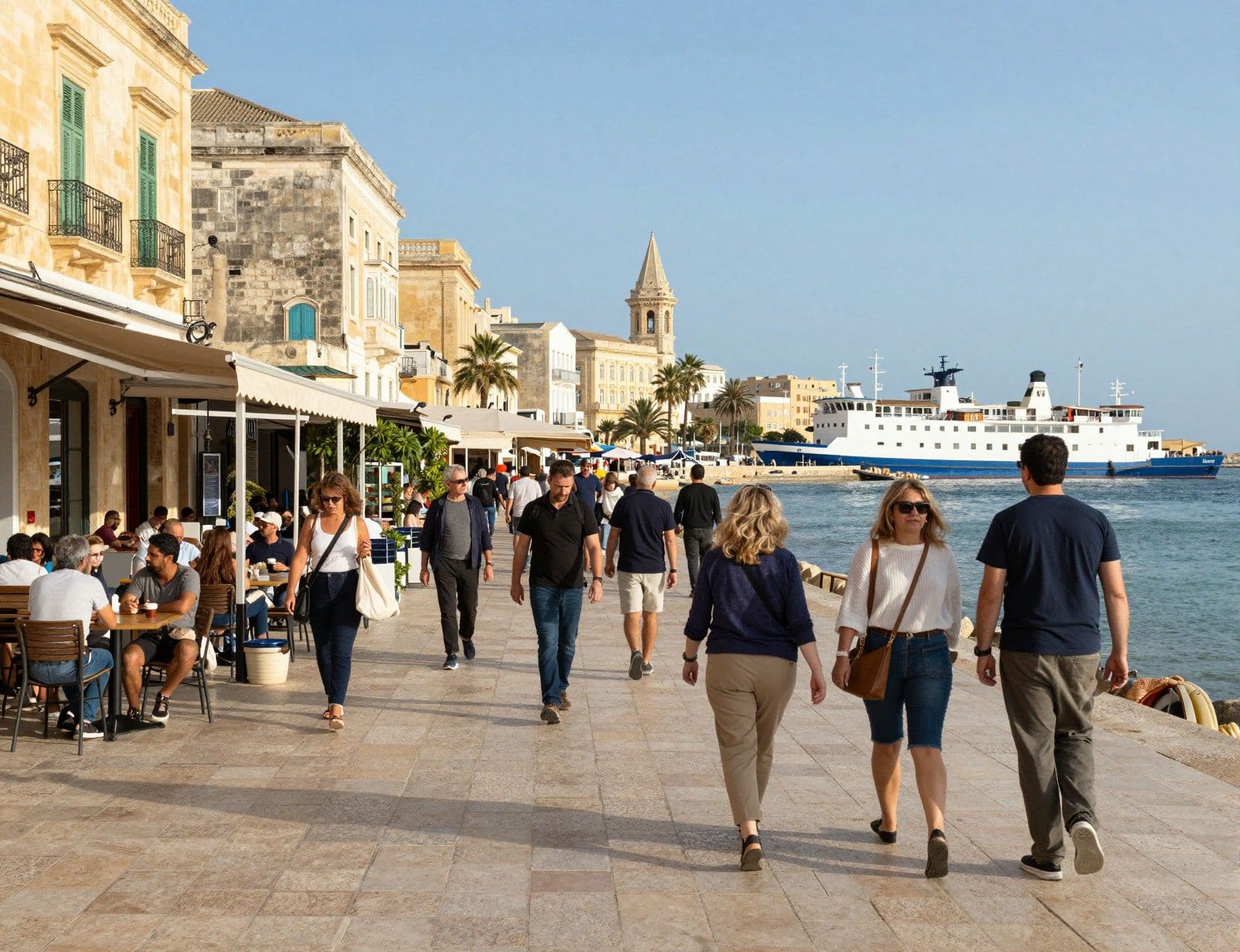
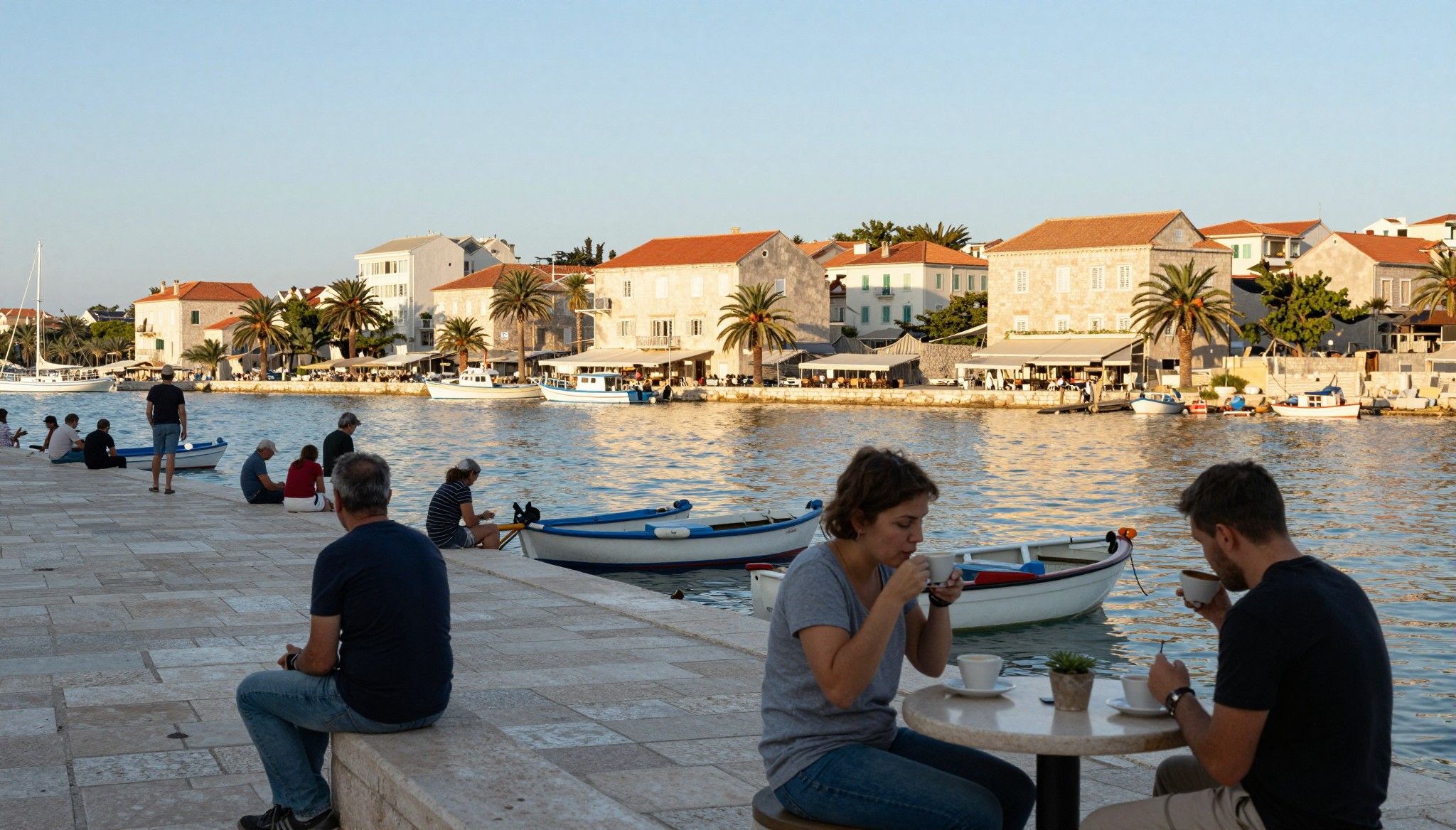
Life here feels intentionally human-scaled: mornings move at café pace, afternoons drift to harbour swims or short coastal hikes, and evenings gather in waterfront restaurants. Choose Valletta and your days will be threaded through baroque streets and cultural calendar peaks; pick Sliema or St. Julian’s and you’ll live by promenades, gyms, and coworking cafés. Expats often describe Malta as a place where English works everywhere — shops, legal paperwork, and schools — which shortens the integration curve and makes property ownership operational from day one. These everyday textures are what turn a house purchase into real life rather than a financial spreadsheet.
Valletta is compact, historic, and best for buyers chasing architectural character and a city‑center, culture-first lifestyle. Sliema offers a calmer residential rhythm with boutiques, reliable ferry links and family-friendly promenades. St. Julian’s splits between Spinola Bay’s marina life and Paceville’s nightlife; pick the right micro-neighbourhood and you get both social energy and quiet residential streets.
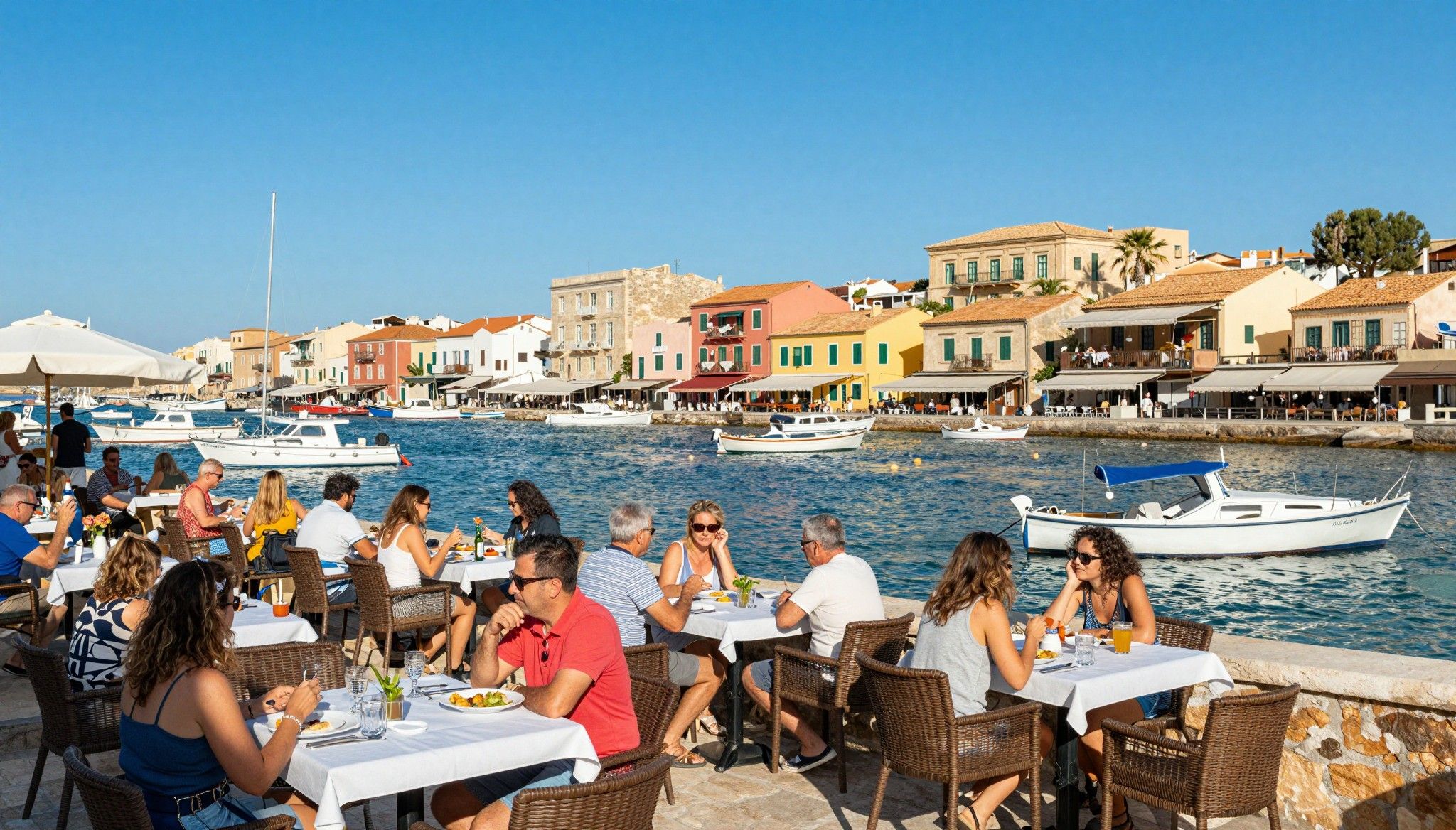
Walk the narrow streets of Valletta at 18:00 and you’ll hear rehearsals from theatres and the clink of glasses on small piazzas; in Sliema, parents roll strollers past cafés while digital nomads lap up fast café Wi‑Fi. St. Julian’s Spinola Bay is postcard-ready but also home to established restaurants like Ta’ Kris and neighbourhood bakeries that shape daily life. For buyers who crave variety within short distances, Malta’s compressed scale is its main luxury: beaches, history, and modern comforts are rarely more than 30 minutes apart. That proximity also affects demand dynamics — locations with true walkability command a premium because they deliver the lifestyle on the street level.
Food, markets and weekend rituals
Weekends here begin at the market: fruit sellers, fresh catch stalls and bakeries set the tempo for family lunches. Seafood restaurants line the north coast; ftira (Maltese flatbread) and rabbit stews appear on menus in season. Dining is a social ritual — tables linger, neighbours swap news, and your choice of neighbourhood will determine whether that ritual happens on a harbour terrace or in a tucked-away square. For buyers, proximity to favourite eats and a lively market can mean both daily joy and stronger short-term rental appeal.
Lifestyle highlights: Spinola Bay waterfront dining, Valletta theatres and museums, Sliema promenades and ferries, Għajn Tuffieħa and Golden Bay beaches for weekend escapes, Marsaxlokk Sunday fish market, and Gozo’s quieter pace a 25‑minute ferry away.
Making the move: practical considerations
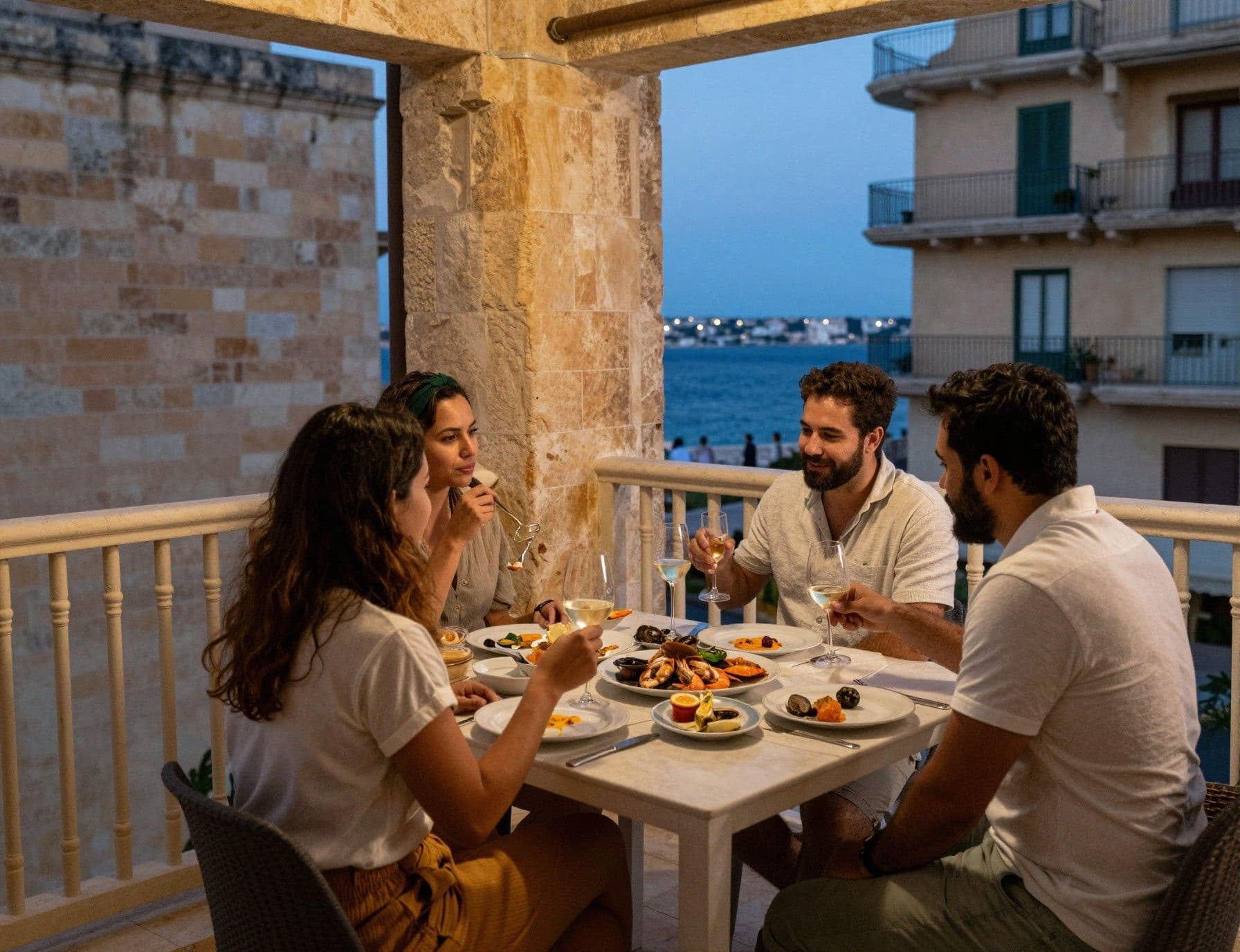
Dreams meet paperwork quickly on a small island — local market mechanics matter. NSO transaction data and local reporting show steady price increases and healthy sales volume, which means sellers can be selective but buyers who come prepared still find value. For international purchasers, the process is straightforward compared with other EU markets: English-language contracts are common, and local agents and notaries streamline title checks and compliance. That said, timing and neighbourhood selection materially change the investment profile: a renovated Valletta maisonette has different rental seasonality and maintenance needs than a sea-view apartment in Sliema.
Property styles and how you’ll live in them
Malta’s stock ranges from restored limestone townhouses and converted palazzini to modern concrete apartments and gated Portomaso-style developments. Townhouses offer vaulted rooms, thick walls and character but often require higher renovation budgets and specialist contractors. Newer builds deliver insulation, lifts, and parking that suit families or buyers seeking turnkey living; they also attract long-term rentals and professionals working in iGaming or finance. Choosing property type is less about resale and more about the lifestyle you want: entertaining on a sea-view terrace, quiet town-centre living, or a family garden in Swieqi.
Working with local experts who know the lifestyle
A good local agency does three things: translates lifestyle into search criteria (which streets catch afternoon sun, where delivery parking is realistic, which buildings have true sea views), vets paperwork with a Maltese notary, and connects you to trusted renovators or property managers. Agents who specialise in expat relocations can also advise on schooling choices, healthcare access and community clubs that match your rhythm of life. Expect to pay for quality local guidance — on an island the right contact often saves weeks of time and unexpected expense.
Steps to align lifestyle and purchase: 1) Shortlist three neighbourhoods and spend days there at different times, 2) Ask to see utility bills and council records for shortlisted properties, 3) Build renovation contingencies into budgets, 4) Test the commute and access to medical/schooling options, 5) Engage a notary and local tax advisor before offer.
Insider knowledge: what expats wish they'd known
Three candid notes from buyers who arrived first and learned fast: localised premium streets outperform island averages; renovation timelines expand when old stone meets modern regulation; and rental demand is highly seasonal but steady year-round for well-located, well-managed units. Expats highlight that learning a few Maltese phrases opens doors socially, even if English runs the official systems. Finally, the island’s small size means reputations travel fast — choose contractors and agents with verifiable local references.
Cultural integration and community rhythms
Maltese social life centres on gatherings: festas, family lunches, and café conversation. Getting involved in local clubs, volunteering at markets or joining language cafés accelerates feeling at home. For families, community networks deliver school and childcare tips that are often more valuable than online research. Over time, buyers report that proximity to a supportive local circle determines happiness more than square metres.
Long-term lifestyle and investment outlook
Demand drivers — tourism, professional services, and a steady expatriate inflow — support long-term liquidity on the island, but buyers should match horizon to product. Shorter-term rental plays near Spinola Bay or Valletta perform differently from long‑lease family homes in Swieqi. Recent sale volumes and value totals demonstrate a market that trades actively; that liquidity is attractive for international buyers who can be patient and selective.
Red flags to watch for: unclear renovation permits, buildings without proper waterproofing or thermal upgrades, properties on busy roads misrepresented as ‘quiet’, and agents without registered references. Verify energy and water infrastructure if you plan remote work or family stays, and insist on a pre-purchase survey in older stone properties.
Malta compresses a Mediterranean life into a small geography that rewards people who prioritise daily rhythms over headline price tags. If you crave sea-to-street living, easy communication in English, and a compact network of cultural life, few European buys feel as immediate. Next steps: visit during a shoulder season to sample the year-round rhythm, shortlist agents with demonstrable local experience and check NSO transaction data for the micro-neighbourhood you love. An island purchase is as much about joining a community as it is about acquiring real estate — pick both with equal care.
British investor turned advisor after buying in Costa del Sol since 2012. Specializes in cross-border compliance and data-driven investment strategies for UK buyers.