Buy Where Tourists Skip: Malta’s Quiet Value Corridors
Look where tourists don’t linger: Malta’s quieter neighbourhoods offer the Mediterranean life with steadier demand, clearer permits and better long-term liquidity.
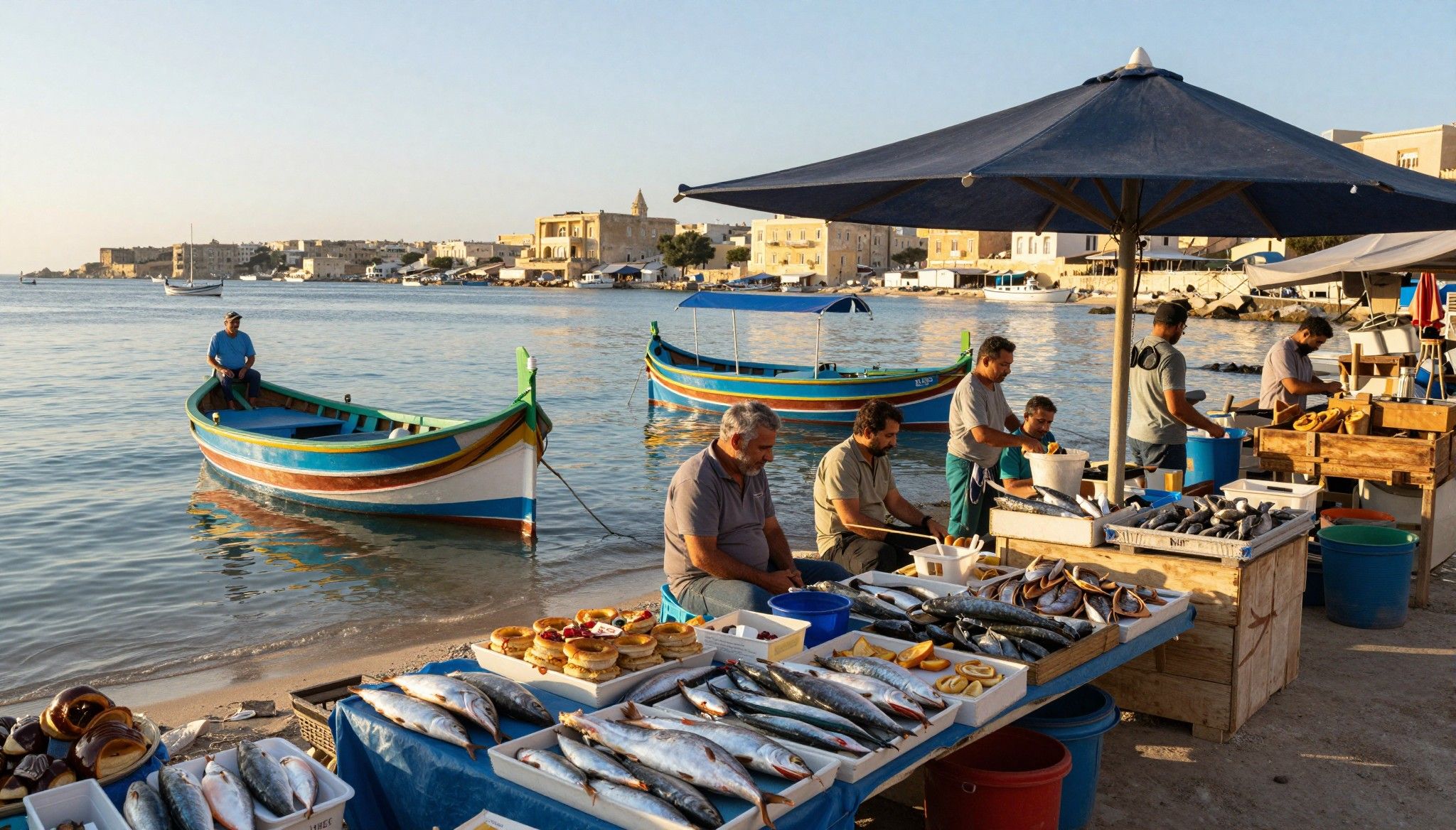
Imagine waking to the clatter of fishermen hauling nets in Marsaxlokk, then crossing a quiet lane to a bakery for warm ftira and espresso. In Malta that morning ritual exists side-by-side with busy promenades in Sliema and the club lights of Paceville — a compact island where lifestyle contrasts are counted in minutes, not kilometres. That contrast is precisely why bucket-list buyers sometimes overpay for the postcard spots while missing quieter corridors that deliver the same Mediterranean life with better liquidity and fewer headaches. This piece flips the usual advice: look where tourists don’t linger and you’ll find lifestyle value and practical buying advantages in Malta.
Living Malta: How small distances shape big lifestyles
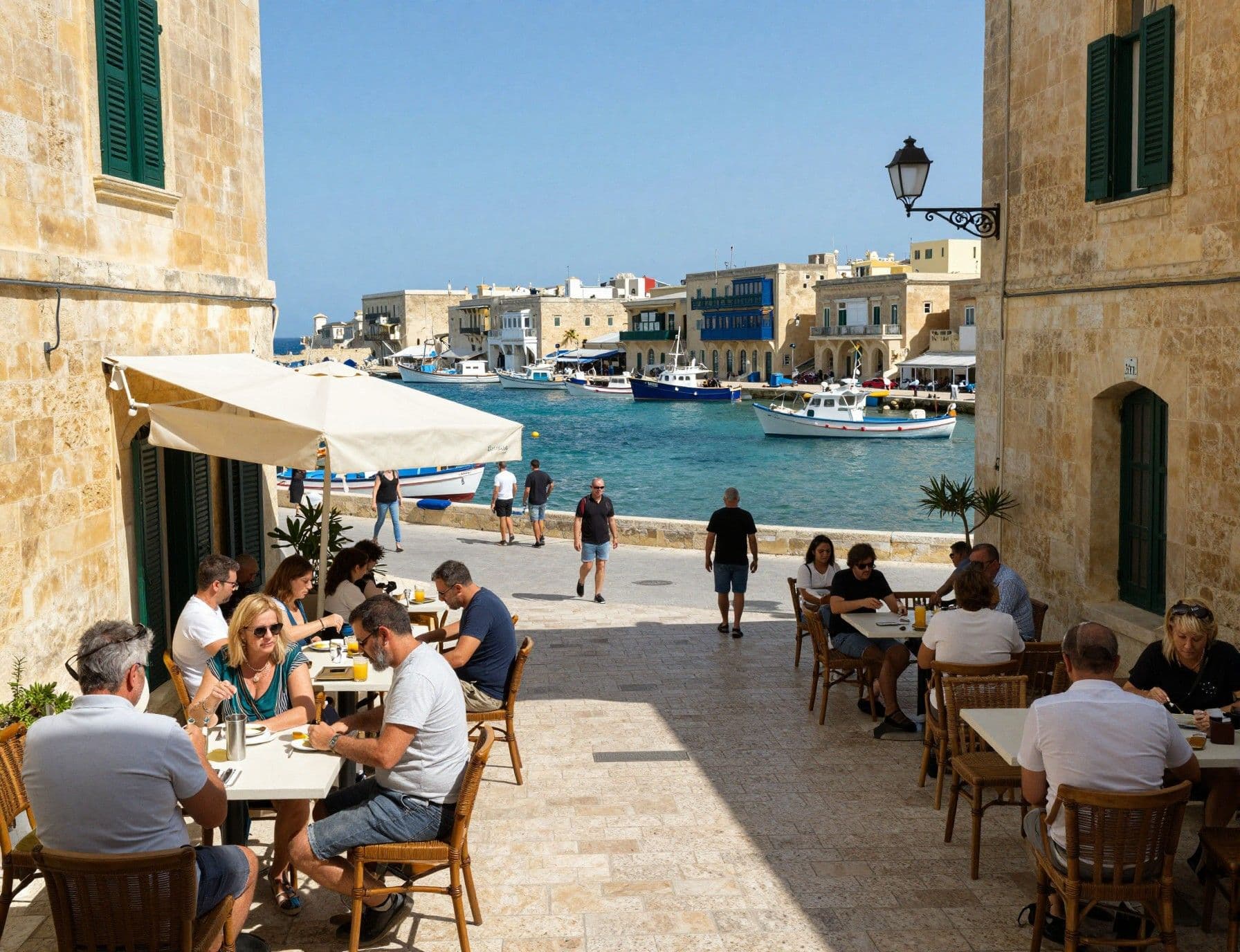
On a weekday morning in Sliema you’ll find cafés full of readers and remote workers, while an hour’s drive north delivers wide sand at Għajn Tuffieħa and a different tempo. Malta’s compactness means your choice of street — Triq L-Ifran in Mellieħa versus Tower Road in Sliema — defines your daily soundtrack more than the town name. Recent data show residential prices rose steadily through 2024–2025, but that headline growth masks meaningful locality differences; pockets with fewer tourists often have steadier, more predictable demand. For buyers who prize calm day-to-day life, those pockets are where personal happiness and long-term liquidity align.
Neighborhood spotlight: Valletta & the Three Cities — culture without congestion
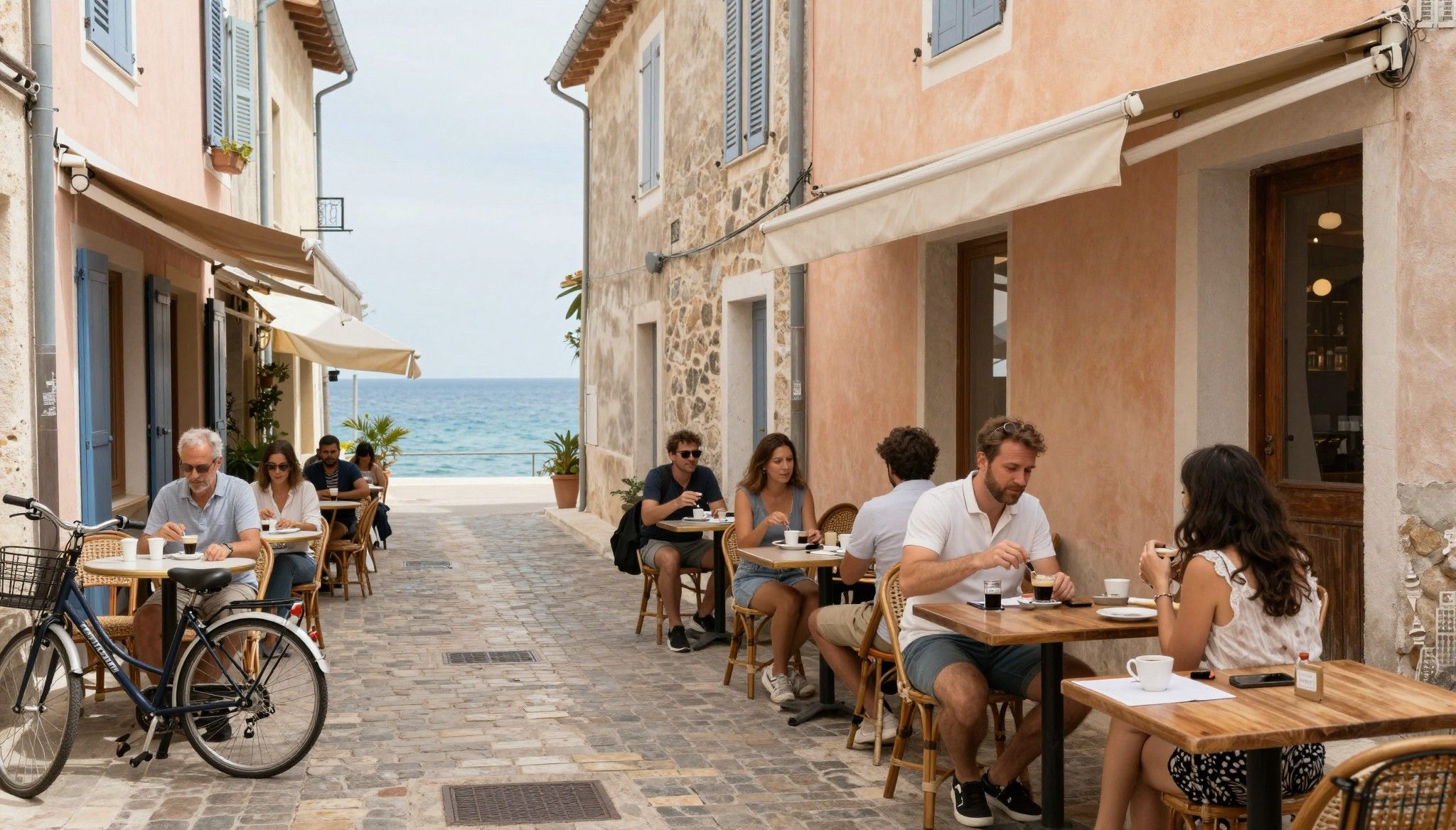
Valletta and the Three Cities carry Malta’s history in limestone facades, late-afternoon passeggiatas and small neighbourhood cafés serving pastizzi and strong coffee. Yet these areas aren’t all tourists: residents run bakeries, small retailers and neighbourhood bars that keep streets lively year-round. If you want culture within walking distance of your front door but dislike the constant tourist churn of certain waterfront promenades, seek streets one block inland — the quality of life is the same, but the crowds thin and community bonds strengthen. For buyers, that can translate into better long-term rental profiles for renters seeking authentic local life rather than transient vacationers.
Food, markets and weekend rhythms: From Marsaxlokk to Swieqi
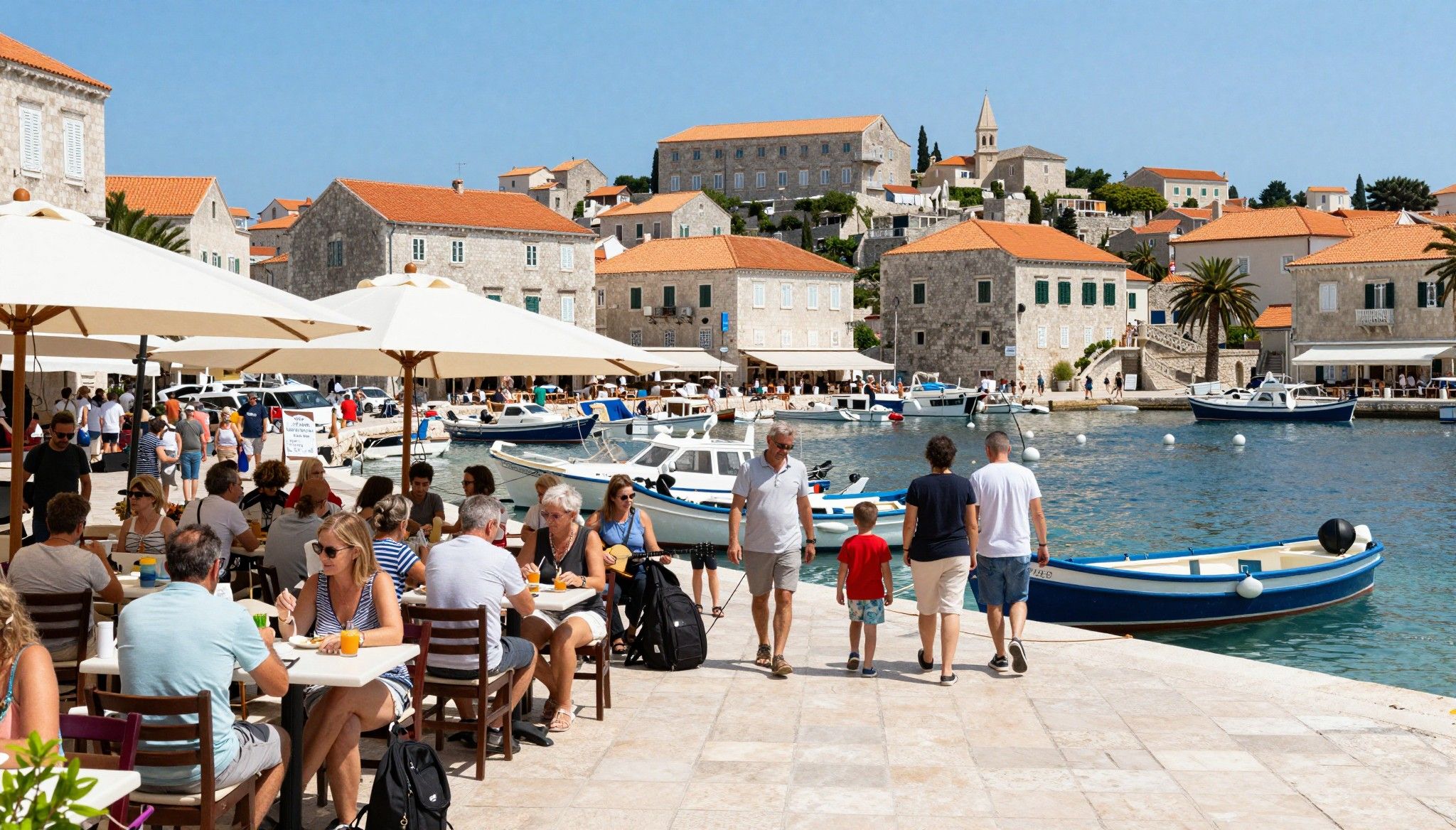
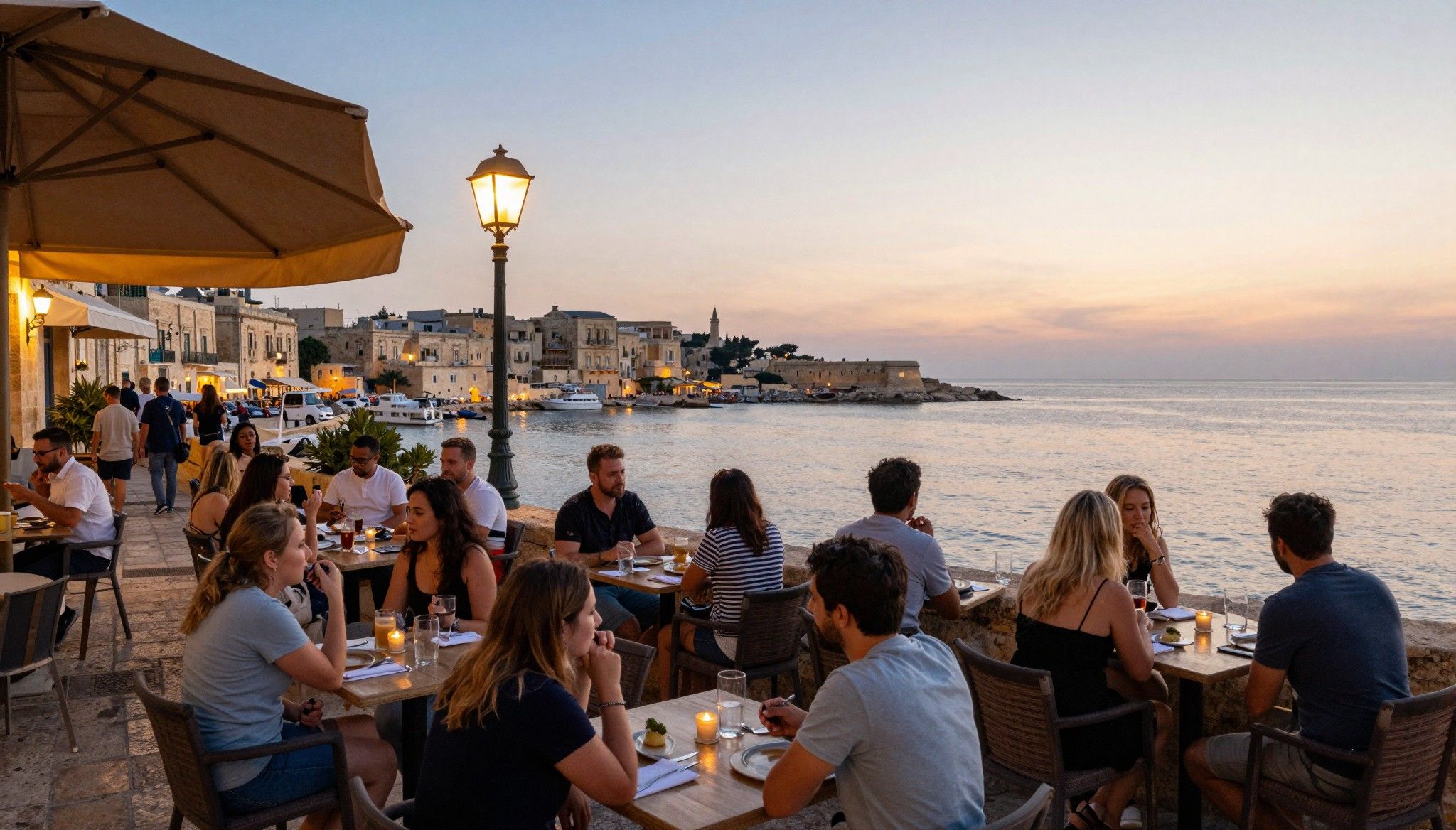
Saturdays mean fish markets at Marsaxlokk, terraces in St Julian’s filling for long lunches and small family-owned grocers stocking fresh produce in Żabbar and Żurrieq. Coffee culture here is a mix of quick espressos and slow conversation; a favourite local sequence is espresso, newspaper, then a stroll to the sea. For many internationals, the draw is immediacy: good food, English widely spoken and compact travel times. Those daily pleasures are why buyers often choose neighbourhoods that feel lived-in rather than packaged for visitors.
Lifestyle highlights to scout in person
Morning ritual: Coffee and ftira on Triq it-Torri (Rabat) or a sea promenade walk in Balluta Bay.
Weekend market: Marsaxlokk fish market for fresh fish and Sunday people-watching.
Hidden beach: Mellieħa’s Ghadira marsh edges for early-morning solitude and birdlife.
Making the move: practical steps with a lifestyle lens
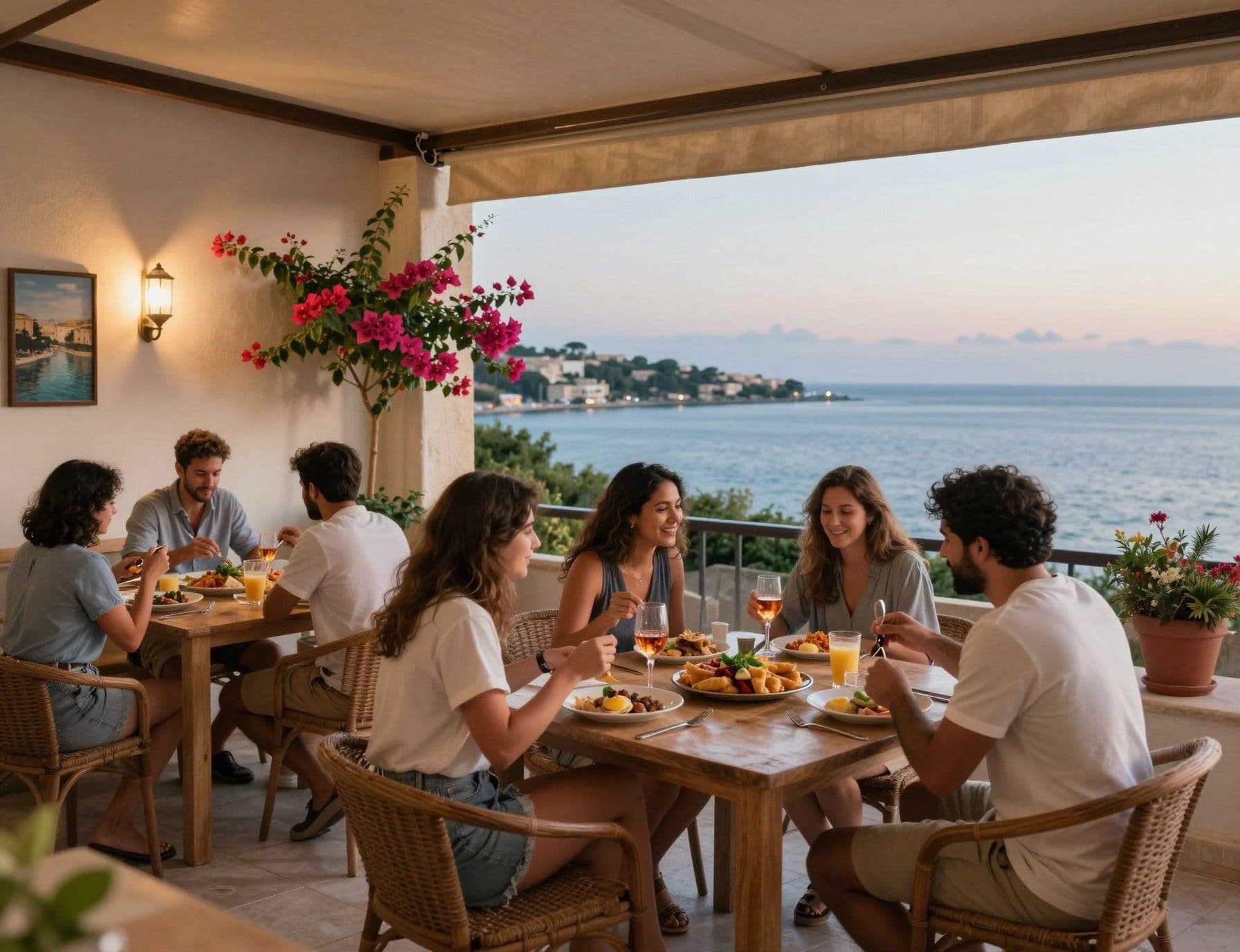
The lifestyle you want should shape the practical checklist: type of property, planning zones (Urban Conservation Areas), and whether the plot sits in a Special Designated Area (SDA) that allows non-resident purchases without extra permits. Non-EU buyers commonly need an Acquisition of Immovable Property (AIP) permit unless the property lies within an SDA. Work with a local agent who can translate the lifestyle brief — quiet terrace for morning sun, short walk to a café — into zoning-appropriate searches and realistic budgets. That approach keeps the dream front-and-centre while avoiding wasted viewings.
Property types and how they shape daily life
Apartments and maisonettes dominate Maltese supply; a maisonette with a private terrace can change your living pattern more than a larger flat without outdoor space. New-builds on Tigné Point or Portomaso offer modern amenities but can carry higher entry prices and stronger short-stay demand. Stone houses in older cores require informed renovation planning but reward with charm and potentially lower competition from investor buyers. Align the property type to how you intend to live: daily outdoor use, frequent entertaining, or a quiet retreat for part-year residency.
Work with experts who match lifestyle to legalities
How a tight team turns lifestyle into a safe purchase: instruct a local lawyer early; choose an agent who knows which streets are year-round and which are seasonal; ask for recent comparable sales from within a 200–500 metre radius; confirm permit requirements for non-resident buyers before signing. These steps reduce surprises and keep the emphasis on the life you want to live in Malta rather than redrafting budgets after the fact.
Insider knowledge: what expats wish they'd known
Three common surprises keep cropping up in expat conversations: (1) the island’s market is locally nuanced — two streets can diverge materially in price and demand; (2) seasonal tourism matters less for long-term rental income than neighbourhood composition; and (3) English as an official language eases integration but local customs and municipal rhythms still drive daily life. Buyers who treat Malta as a collection of micro-markets — not a single coastline — avoid emotional overbidding and find better liquidity when they resell.
Cultural integration and everyday practicalities
English is spoken widely and municipal life is walkable, but local social norms — evening family meals, Sundays for church and markets, and small-scale neighbour networks — influence how quickly you settle. Joining language cafés, volunteering at a festa committee, or signing up for local cooking classes accelerates belonging and opens off-market opportunities. Practically, those social ties often lead to better long-term tenants or faster local resale because reputation still matters in small communities.
Long-term lifestyle checks (prepare before you buy)
1. Verify local planning restrictions (UCA and SDA) for renovation freedom. 2. Confirm water and insulation needs for summer heat and winter damp — factor in modest renovation budgets. 3. Ask for a 12‑month running costs estimate (local rates, utilities, insurance and management). 4. Run a 3‑year rental performance scenario if you plan partial letting: realistic yields often differ from tourist-season asking rates. 5. Meet neighbours or long-term residents to test day-to-day fit — energy, noise and neighbourliness matter.
Conclusion: Live the life first, treat paperwork as the enabler. Malta’s appeal is immediate — short commutes, sea at the end of most streets and a food culture that anchors daily life — but the smartest purchases come from pairing that lifestyle vision with locality-level diligence. For international buyers, the best path is practical: a local agent who knows the quieter corridors, a lawyer who anticipates permit needs, and on-the-ground checks that match the experience you imagined. Start with a short reconnaissance visit focused on routine experiences — morning coffee, market shopping, and a weekday ferry crossing — then let those small rituals guide where you look next.
Norwegian market analyst who relocated to Mallorca in 2020. Focuses on data-driven market insights and smooth relocation for international buyers.