Malta’s Neighbourhoods the Price Guides Overlook
Malta’s compact streets hide neighbourhood value differences. Choose by daily life—streets, markets and tempo—not just headline price indices.
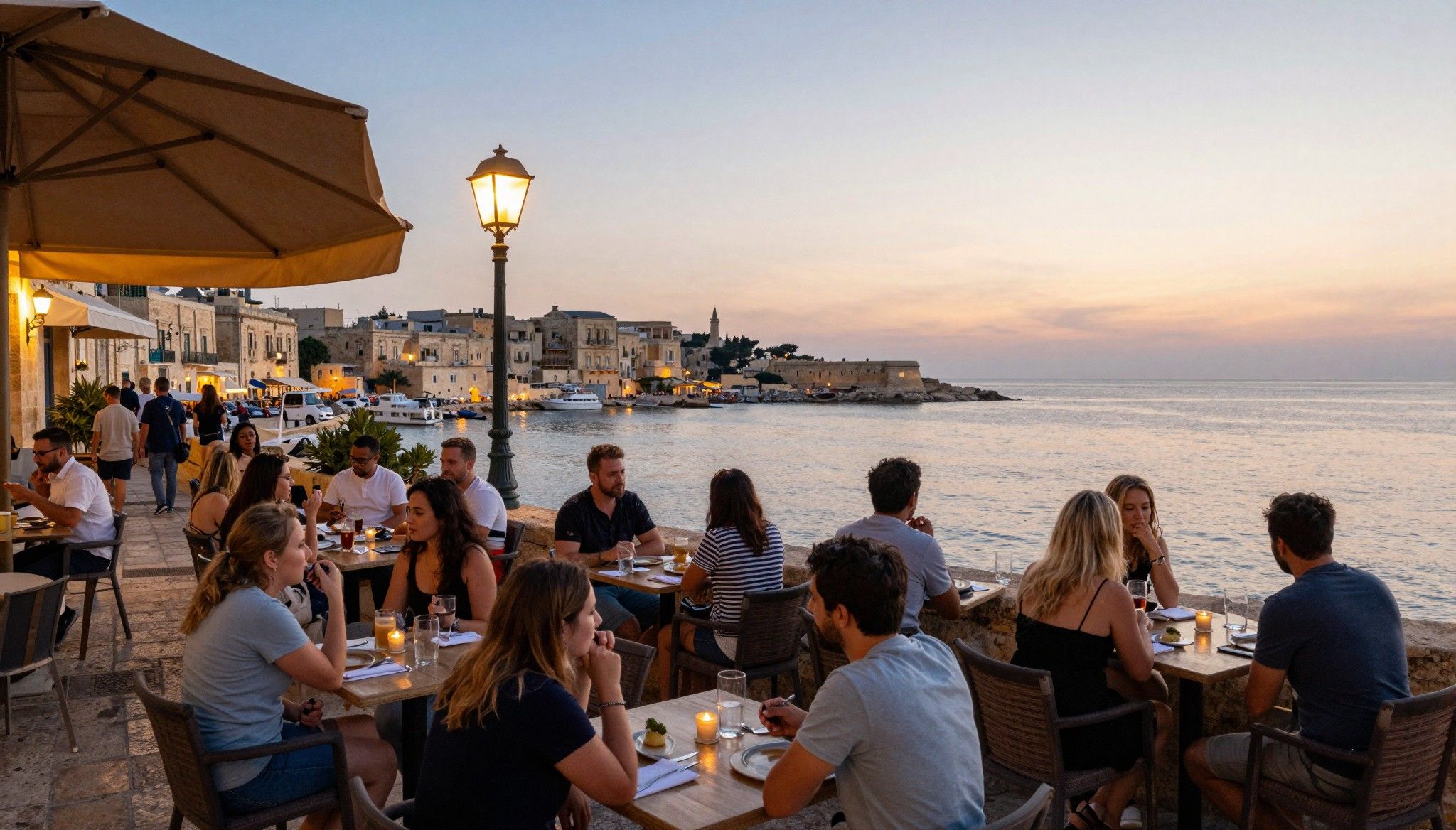
Imagine starting your morning with an espresso on a sun-warmed balcony in Sliema, or coming home to narrow baroque streets in Vittoriosa after a seafood dinner at the waterfront. Malta is compact—roughly 316 km²—so neighbourhood differences arrive fast: one stone stairway can separate lively cafés from quiet courtyards. That compactness makes lifestyle the primary investment: where you place your purchase shapes the rhythm of daily life more than price per square metre alone.
Living the Malta lifestyle: close, textured, surprising

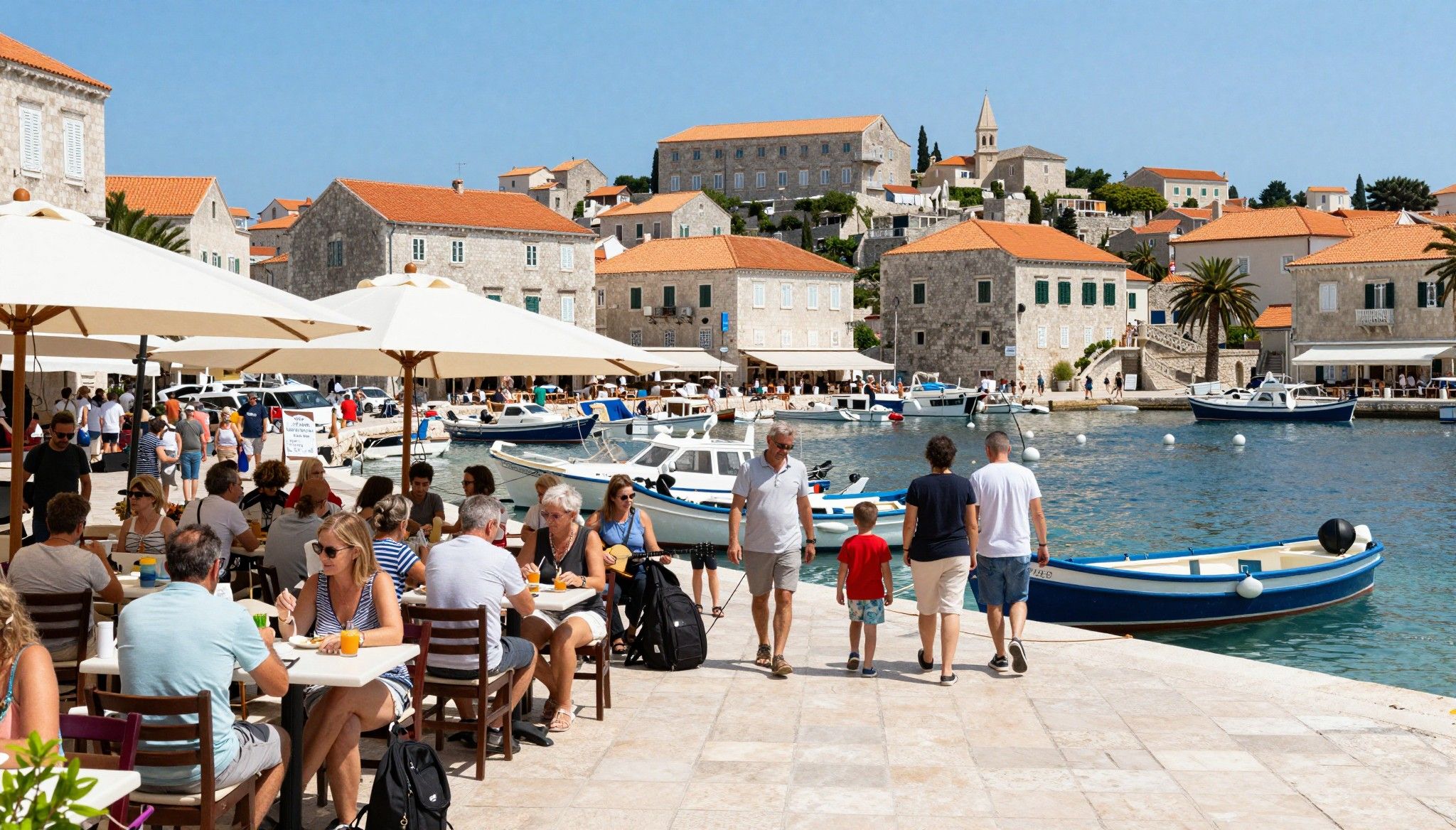
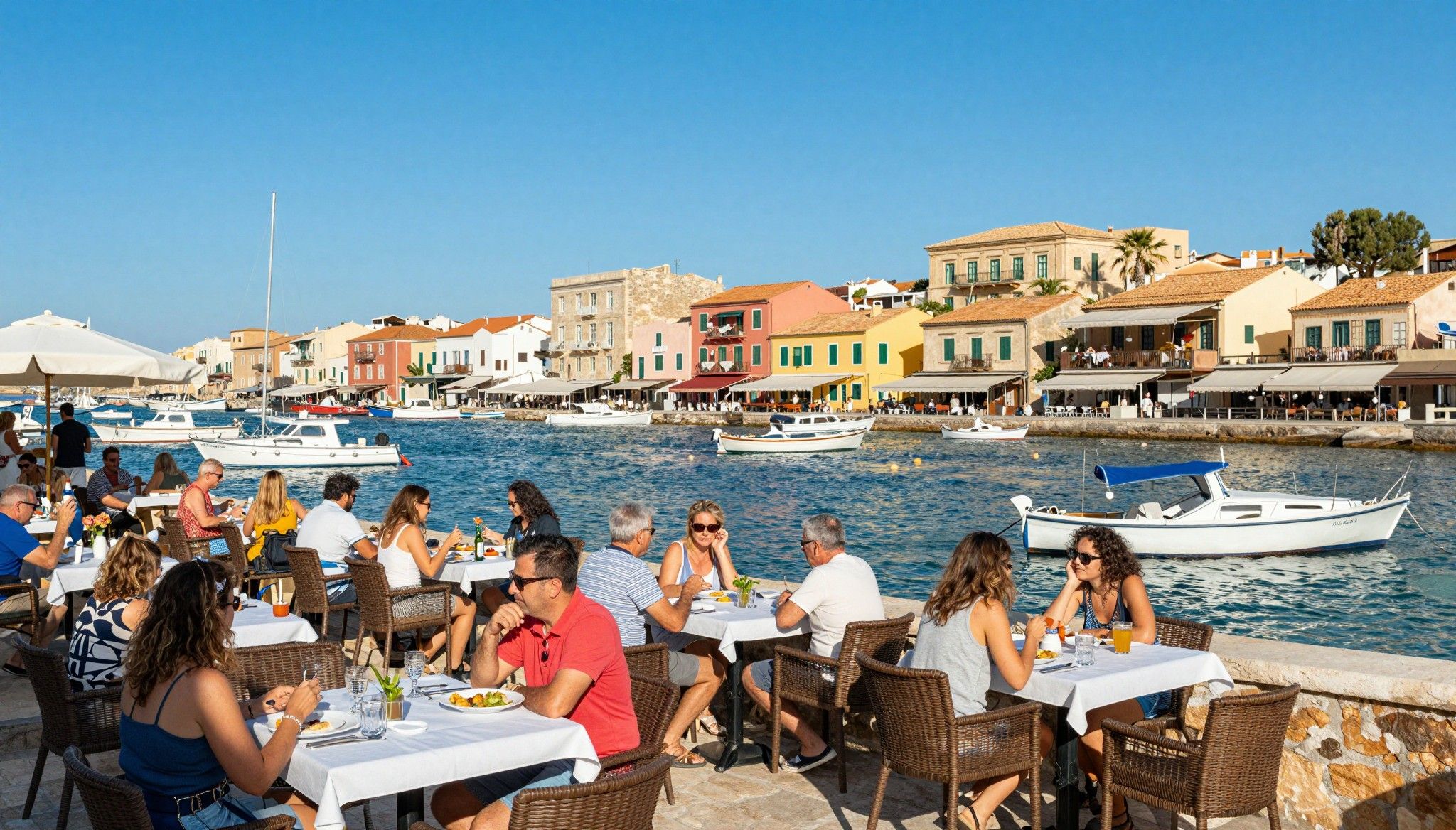
Daily life in Malta feels like a series of neighbourhood vignettes: morning markets in Marsaxlokk, lunchtime terraces in St Julian’s, quiet evening promenades along Valletta’s bastions. The Central Bank and NSO show steady price growth in recent years, but that headline belies local nuance — some streets are priced for tourists, others for long-term living where community ties and services matter more than sea views.
Vittoriosa to Sliema: different seas, different tempos
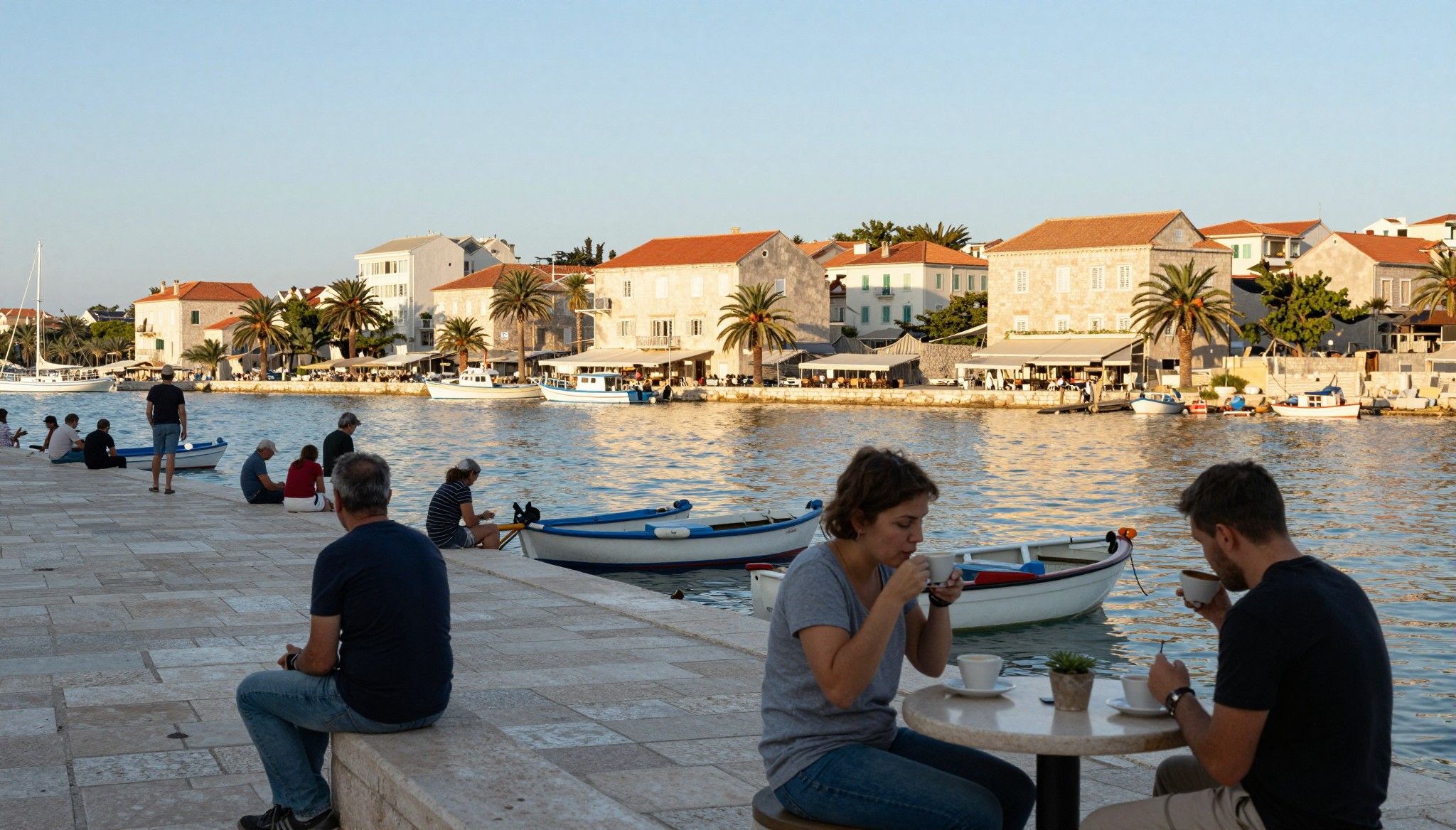
Vittoriosa (Birgu) smells of salt and history: narrow lanes, restored townhouses and marinas where morning fishermen still mend nets. Sliema is brighter, busier and oriented toward cafés, shopping and ferries into Valletta; apartments here suit buyers who want immediate social life and services. Walk five minutes inland and the price dynamics shift—streets with working‑class roots often offer better space per euro and surprisingly robust rental demand.
Food, markets and the rhythm of weekends
Weekends unfold around markets and harbours: Marsaxlokk’s fish market on Sundays, the pastry-lined streets of Rabat on Saturdays, and aperitifs along St Julian’s Spinola Bay most evenings. These rituals matter to buyers: proximity to a market or a harbour influences how you’ll live and what rental audience a property will attract. For international buyers, being near an English-friendly neighbourhood eases integration—many shops and services operate in English alongside Maltese.
- Streets and experiences that define life in Malta - Spinola Bay, St Julian’s: lively terraces and evening crowds - Strait Street (Valletta): nightlife reborn among restored facades - Triq il-Kbira, Rabat: bakery-lined mornings and family life - Ix-Xatt tal-Birgu (Vittoriosa): marina life and historic restoration - Marsaxlokk Market: weekly fish trade and Sunday bustle
Making the move: practical choices that shape the lifestyle

Turning the dream into a purchase means aligning purchase type with daily life: an apartment with a terrace if you love outdoor dining, a maisonette if you want internal courtyard privacy, or a townhouse if you crave street life. Market data points to steady demand for apartments near business hubs and tourist zones, but smaller towns often return better value for space and long-term comfort. Work with advisors who ask how you intend to live here, not only what yield you expect.
Property styles and how they shape your days
Apartments dominate the market and suit buyers who prioritise location and low-maintenance living; maisonettes and terraced houses offer private outdoor space but often need renovation. New developments target energy efficiency and open-plan living, matching remote-work lifestyles. If you plan year‑round living, evaluate insulation, air conditioning and water storage—Mediterranean summers are hot and these features materially affect comfort and running costs.
How local experts earn their fee
- Step-by-step local support that preserves lifestyle value: 1. Shortlist streets, not just towns—agents who walk those streets know micro-value. 2. Validate rental demand and seasonality—some bays peak in summer but are quiet off‑season. 3. Inspect utilities and retrofit potential—older Malta stock often rewards targeted upgrades. 4. Negotiate condition-based pricing—buying a movable renovation plan often beats premium location alone.
Insider knowledge: the expat reality and seasonal truths
Expats often arrive enchanted but discover practical tradeoffs: central Valletta means culture at your door but smaller living spaces, while quieter towns offer larger homes and community life but less immediate nightlife. Rental yields in Malta are moderate; short-let potential is strong in tourist pockets but banks and regulators treat short-lets differently. Seasonality affects daily life—summer brings crowds and livelier hospitality scenes; winter reveals whether a neighbourhood supports full-time living.
Language, integration and community tempo
English is an official language and used extensively in commerce, education and government, which accelerates integration for many internationals. Learning Maltese opens doors to deeper neighbour relationships, but day-to-day life is navigable with English. Community tempo varies: older towns keep long lunches and fixed routines; resort areas pivot toward nightlife and tourism rhythms—choose the tempo you want to keep.
Long-term lifestyle considerations
Think about how your life will evolve over five to ten years: family needs, healthcare access, and commuting to work or schools. Malta’s economy and property demand have been resilient, but a compact island also means supply constraints that change neighbourhood character quickly. Prioritise properties that adapt—rooftop terraces convertible into winter living spaces, or flexible rooms for home office and guests.
- Red flags and actions before you sign - Overpriced sea‑view listings with short rental seasonality: check year‑round demand. - Properties without clear ventilation or cooling plans: test in summer. - Missing building permits on renovations: ask for paperwork and certificates. - Agents who refuse a local solicitor review: insist on independent legal checks. - Listings that lack realistic maintenance budgets: budget for 5–10% annual maintenance in older stock.
Malta packages a Mediterranean life into short distances: cafes, coast and culture can fit into a single afternoon. For buyers, the trick is choosing the neighbourhood that delivers the life you picture every day—not just the picture postcard moment. Work with agents who map lifestyle to streets, validate data from NSO/Central Bank reports, and prioritise adaptability so your home grows with you.
Next steps: visit with a neighbourhood checklist, prioritise experience over headline prices, and ask local advisors for street-level data. If you want help translating the life you imagine into three streets to view on your first trip, local agencies with neighbourhood dossiers and on‑the‑ground visits are the most useful partners. Malta rewards buyers who buy into a way of life, not a postcard.
Norwegian market analyst who relocated to Mallorca in 2020. Focuses on data-driven market insights and smooth relocation for international buyers.