Greece vs Costa Blanca: Mediterranean Tradeoff
Compare Greece’s lived‑in Mediterranean life with Costa Blanca liquidity: marry island romance with market prudence using data on price trends and residency rules.
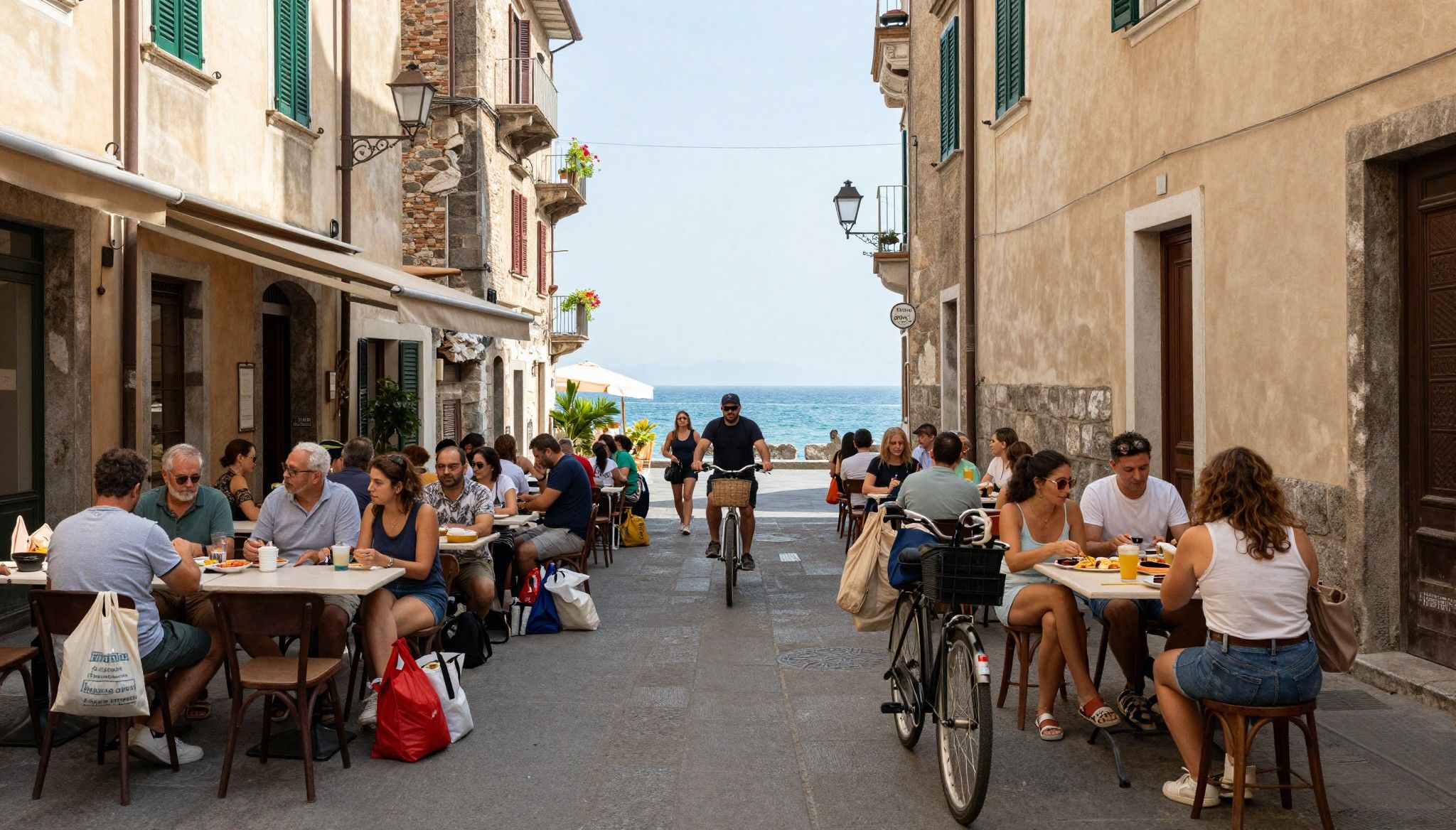
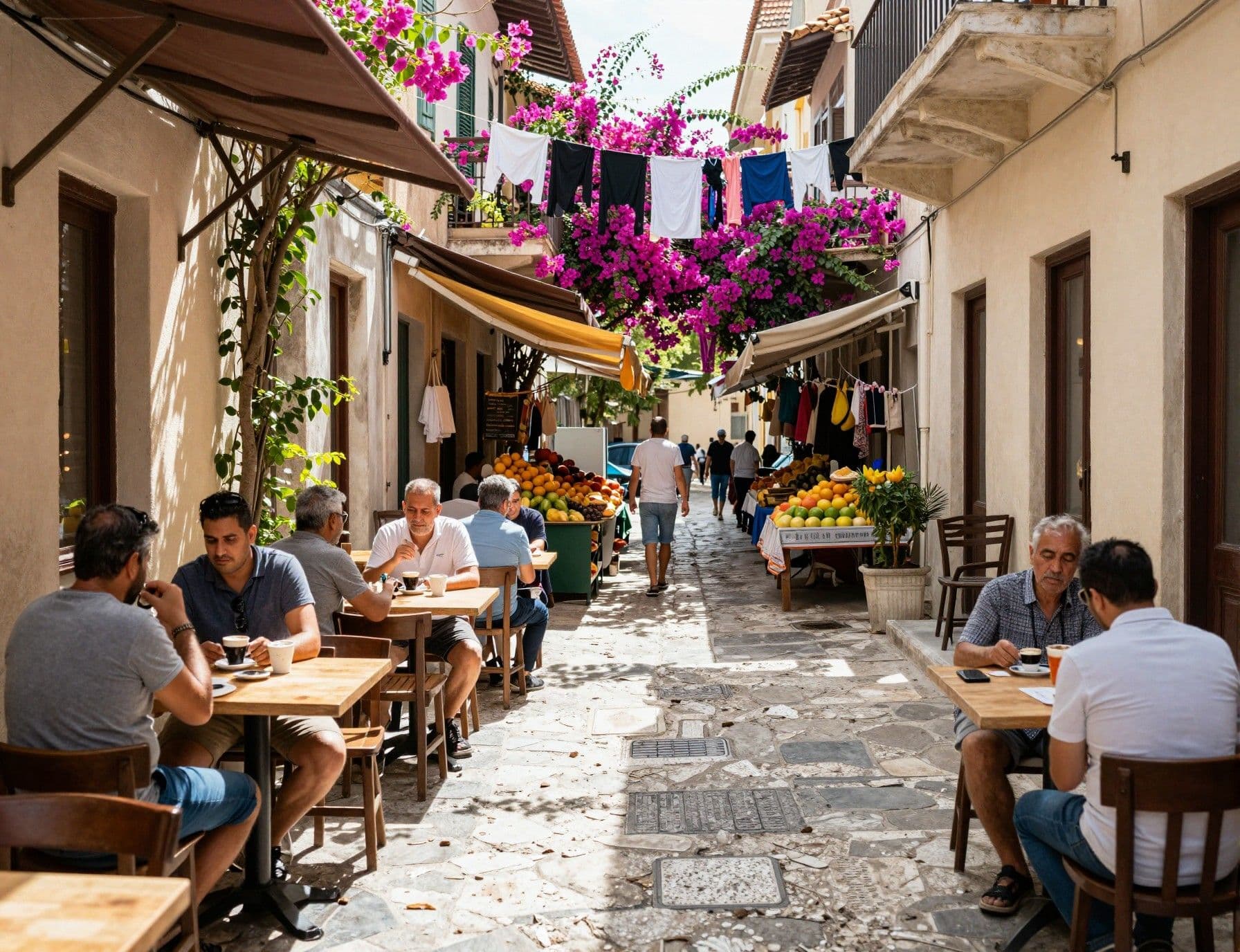
Imagine sipping a late‑morning espresso at a shaded table in Plaka, then jumping on an island ferry for an evening swim — that kind of day is what draws people to Greece. But the purchase decision is rarely only atmospheric: buyers want liquidity, seasonality, and clear rules. This piece compares the lived reality in Greece with what buyers often seek in Spain’s Costa Blanca, using market data and on‑the‑ground detail to challenge common assumptions.
Living the Greece Lifestyle
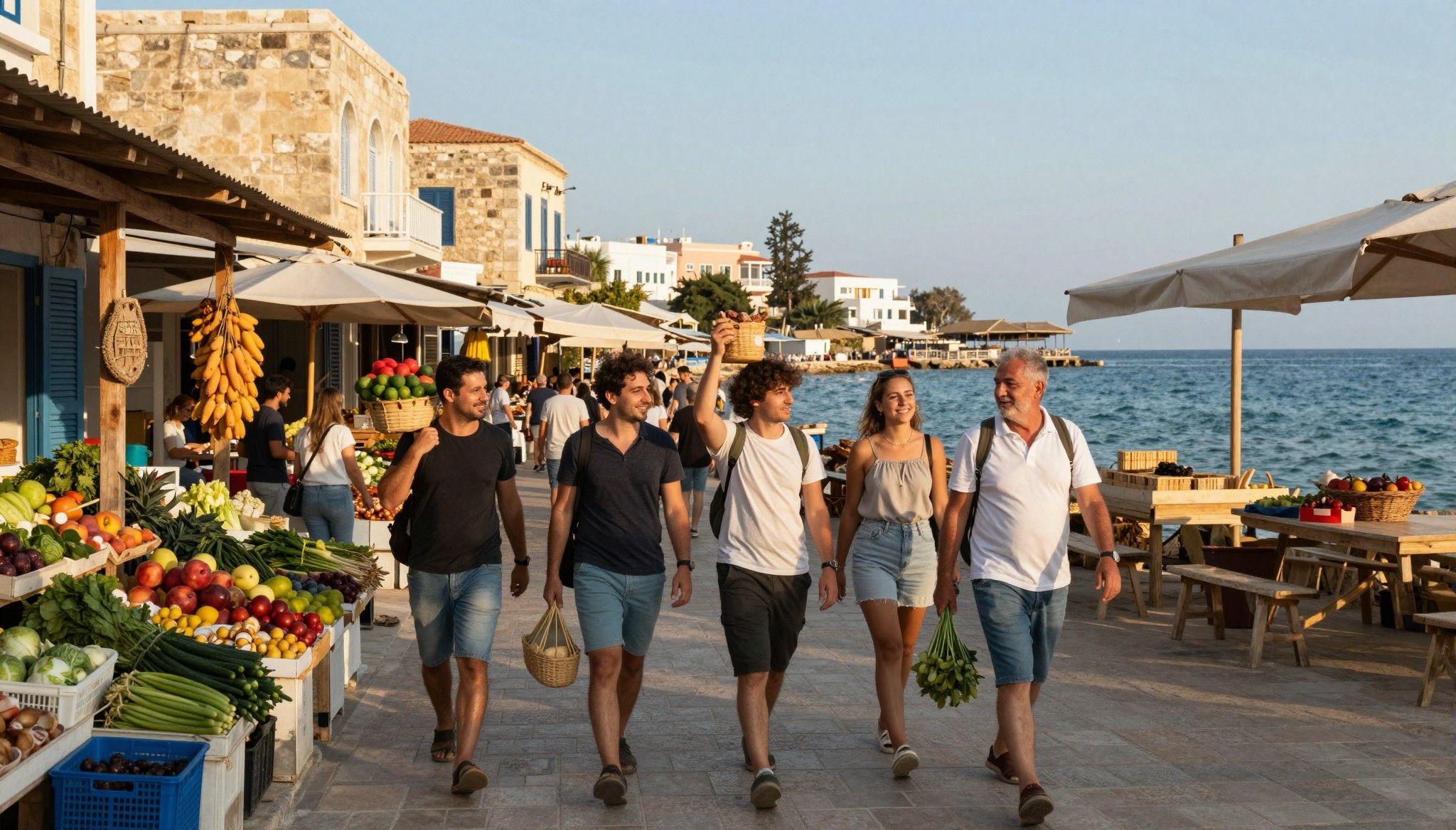
Greece moves at a Mediterranean rhythm where mornings begin with cafés and afternoons dissolve into seaside siestas. Cities like Athens blend classical streetscapes with buzzy neighbourhood cafés, while islands from Naxos to Symi offer small‑town markets, tavernas lit by lanterns, and a daily cadence shaped by sea, sun and seasons. For international buyers the attraction is tangible: food culture, outdoor life, neighbourhood memory and a feeling that you are investing in a lived place, not just a view.
Athens neighborhoods: city life with island access
Walk from Kolonaki’s cafes to the pedestrian lanes of Thissio and you feel a layered city: contemporary galleries sit beside neoclassical buildings. Glyfada on the Athens Riviera handles the sea‑day with yacht marinas and modern malls, while Kifisia offers tree‑lined avenues and boutique living for families. Each neighbourhood answers a different lifestyle brief — nightlife, beaches, schools — which directly affects resale demand and rental appeal.
Island life: the seasonal tradeoff
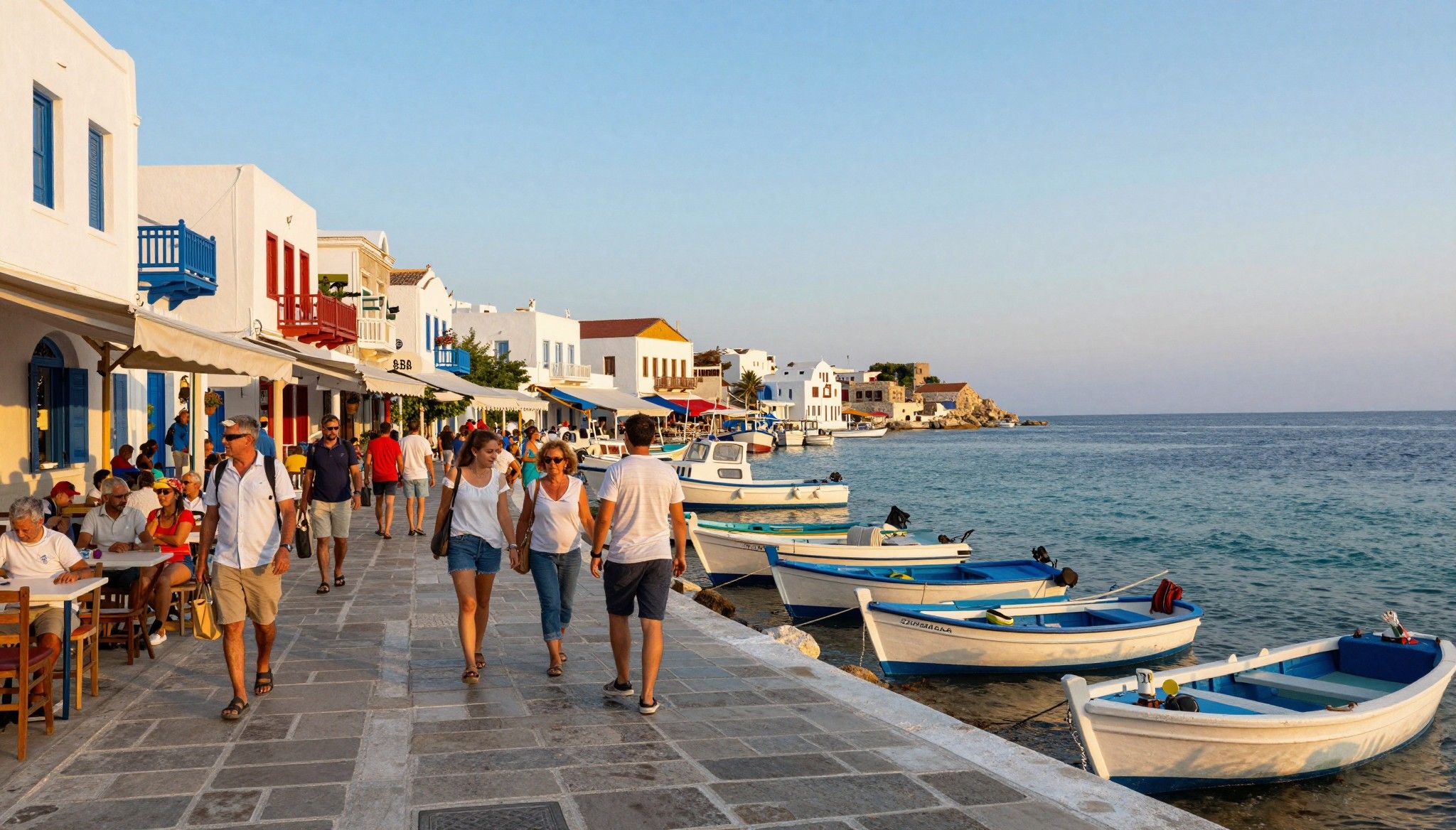
Islands offer immediate escape: morning markets, narrow alleys, and tavernas where fishermen sell the day’s catch. But they also come with seasonality — population and rental income spike in summer and quiet down for much of the rest of the year. That seasonality is part romance, part liquidity constraint, and buyers who plan for it avoid over‑estimating year‑round rental yields.
- Lifestyle highlights: Plaka cafes, Glyfada marina, Varvakios Market, Naxos lemon farms, Mykonos late‑night scene, traditional island panigiria (festivals).
Making the Move: Practical Considerations
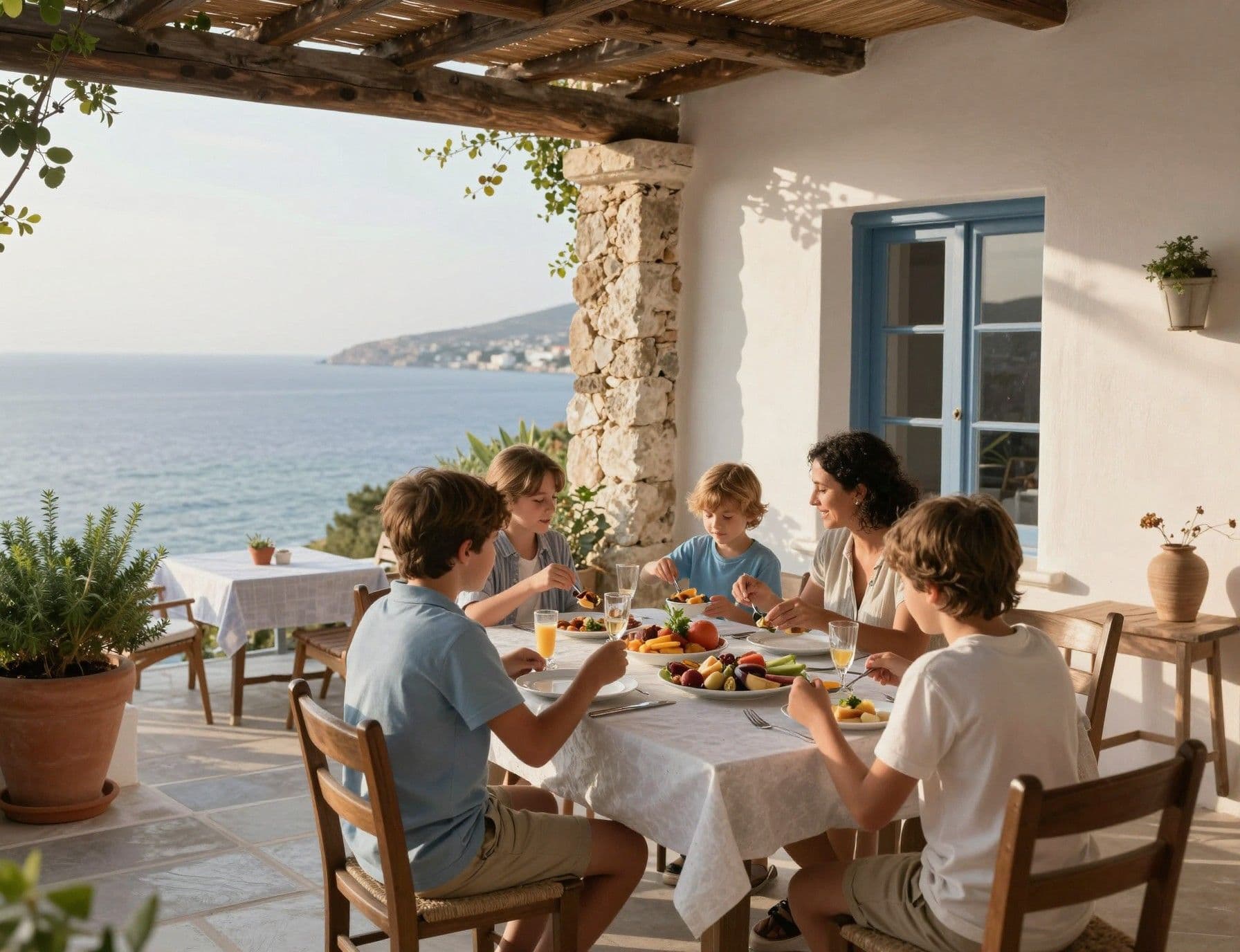
Greece’s market has been rising: recent central bank and industry reports show sustained price growth driven by tourism, limited supply and renewed investor interest. Those macro trends matter, but so do micro factors — title clarity, building permits and access to reliable local property management. Treat agencies as cultural translators who also manage paperwork and local supply chains.
Property styles & what they mean for daily life
From neoclassical apartments in central Athens to Cycladic whitewashed houses and modern coastal developments, property types determine usability. Renovated city flats offer year‑round rental and proximity to services, while island stone houses give authenticity but higher maintenance and lower off‑season liquidity. Match the property type to the life you want: low‑maintenance for frequent travel, traditional for immersion, or new build for predictable running costs.
Working with local experts becomes crucial when regulation shifts occur. Greece’s residence‑by‑investment rules have evolved — deadlines and thresholds changed recently — so advisors and lawyers keep deals compliant and timing sensible. A local agency with legal partnerships will flag red flags like irregular titles, pending building violations, or planning constraints that will affect resale.
- Practical steps to marry lifestyle and prudence: 1. Tour neighbourhoods at different times of day to sense year‑round life. 2. Commission a local title search and building inspection before offer. 3. Ask for rental history and occupancy rates if income matters. 4. Budget 8–12% for refurbishment and licensing when buying older homes. 5. Secure a local property manager to maintain rental readiness and utilities.
Insider Knowledge: What Expats Wish They'd Known
Expats often say the surprise is not the beauty but the bureaucracy and seasonality. You’ll find warmth in local networks, yet practical matters — registry processes, municipal licenses for short‑term lets, and seasonal utilities — require patience. Those who thrive combine social integration with conservative financial planning: enjoy festivals and neighbourhood life, but plan cashflow for quiet months.
Cultural integration and community
Language helps, but it isn’t mandatory; learning basic Greek opens doors at markets and with neighbours. Join local clubs, volunteer at festivals and use cafés as your social office — Greeks value warmth and reciprocity. For families, neighbourhood schools and community sports clubs provide immediate social anchors and faster integration than isolated expat enclaves.
Long‑term living: growth, maintenance and lifestyle shifts
Over five to ten years, buyers see neighbourhoods evolve — Athens suburbs are getting new transit and amenities, and smaller islands are professionalizing tourism services. That evolution improves resale and rental prospects but also changes local character. If preserving a village lifestyle matters, choose locations slightly off the busiest routes and accept slower liquidity in exchange for authenticity.
- Expats’ red flags: unclear title deeds, properties without occupancy permits, aggressive short‑term lets damaging neighbourhood quality, underperforming rental forecasts during low season.
Conclusion: Greece offers a compelling Mediterranean life that rewards buyers who pair romance with due diligence. Use local agencies to translate lifestyle wants into concrete property briefs, confirm titles and licences, and plan for seasonality. If you prioritise year‑round liquidity over island solitude, target Athens and the Riviera; if you prize slow‑season silence and local festivals, consider smaller islands with conservative financial modelling.
Next steps: visit off‑peak (spring or autumn) to see real life, request transaction histories from sellers, and shortlist agencies with legal partners. That way you arrive in Greece ready to fall in love — and prepared to buy sensibly.
Swedish strategist who relocated to Marbella in 2018. Specializes in legal navigation and tax planning for Scandinavian buyers.