France: Match the Rhythm — Lifestyle Signals & Price Trends
France’s lifestyle-led markets are stabilising; buy with sensory visits plus local data (INSEE, notaires, broker reports) to match daily rhythm with price momentum.
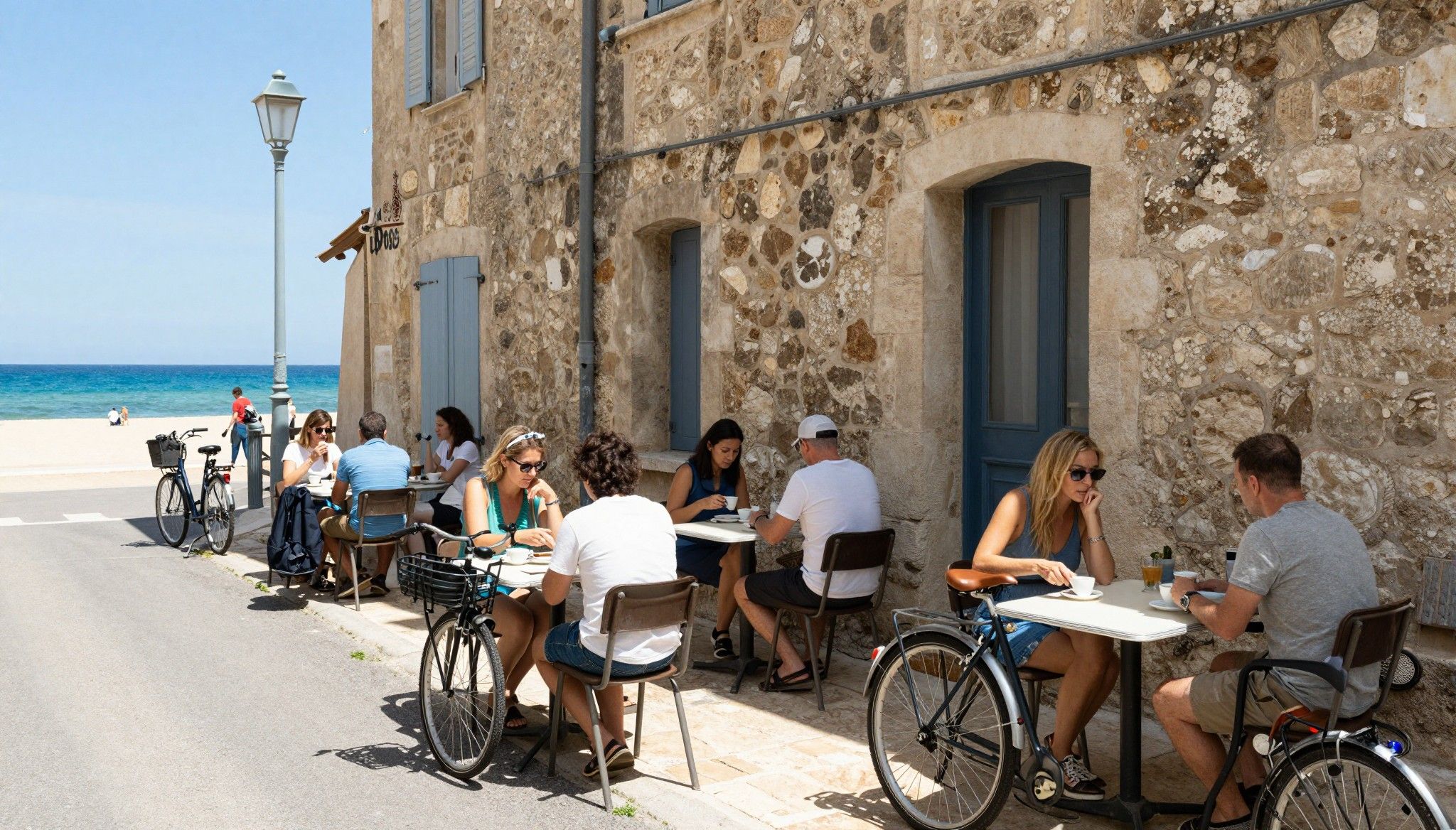
Imagine waking early in Lille to warm bread from a corner boulangerie, or sipping an evening rosé on a sunlit terrace in Cassis while distant church bells mark the hour. France feels lived-in: neighborhood markets, narrow streets of chestnut trees, and cafes where locals linger. For international buyers this sensory life is the reason to look — but the market has subtle currents beneath that charm. A few data points change when and where that dream translates into a smart purchase; this guide shows you how.
Living the French rhythm
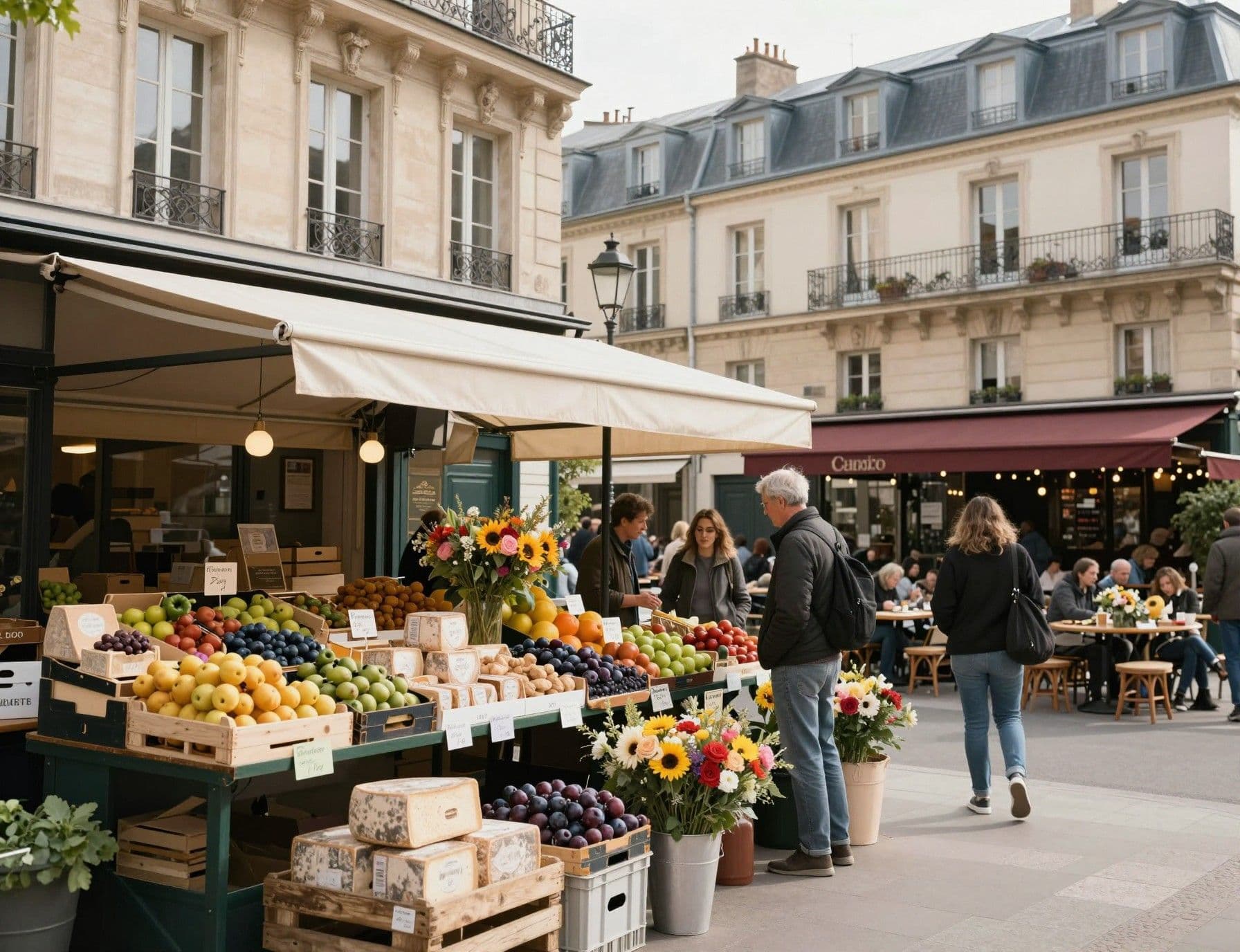
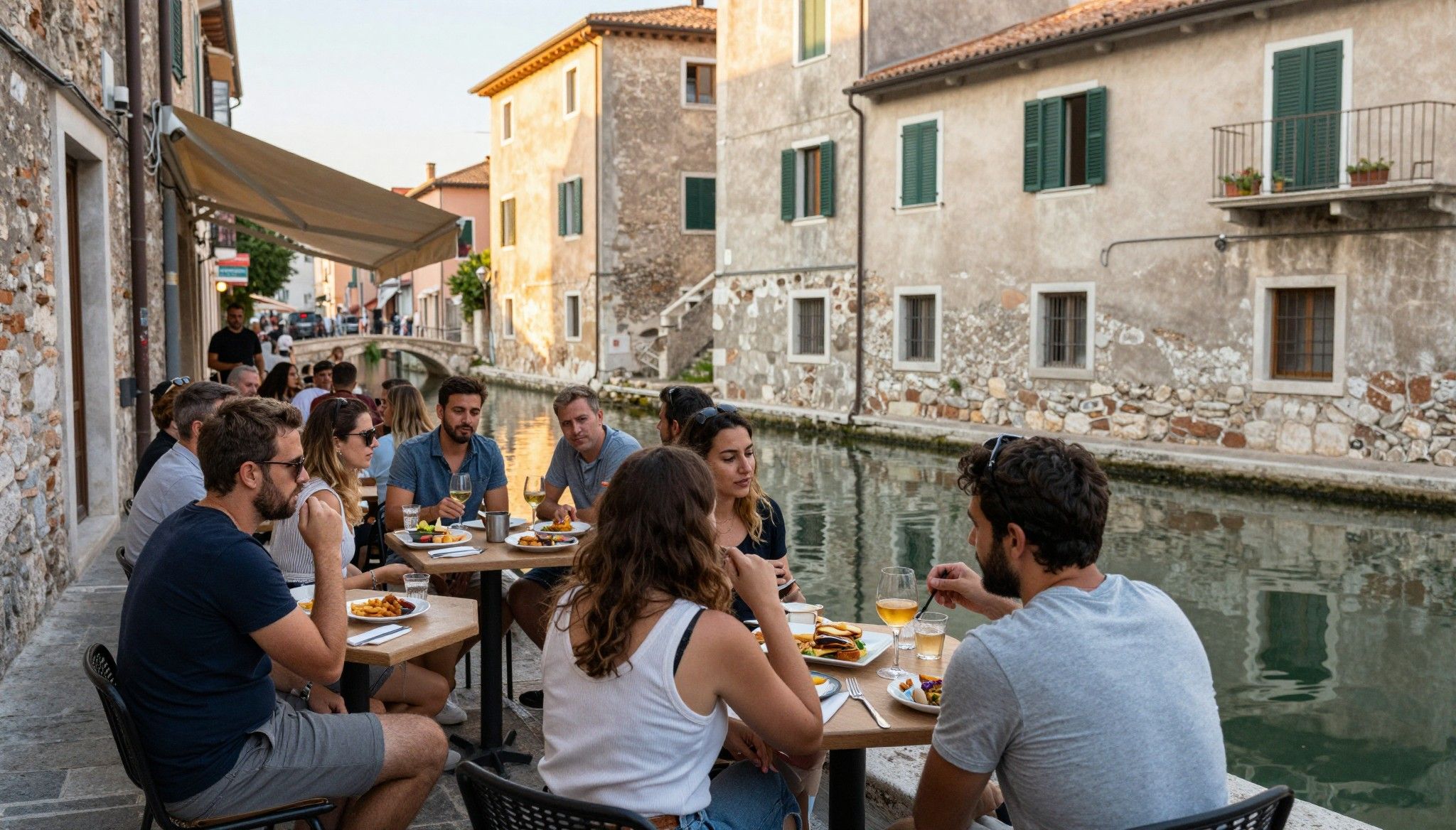
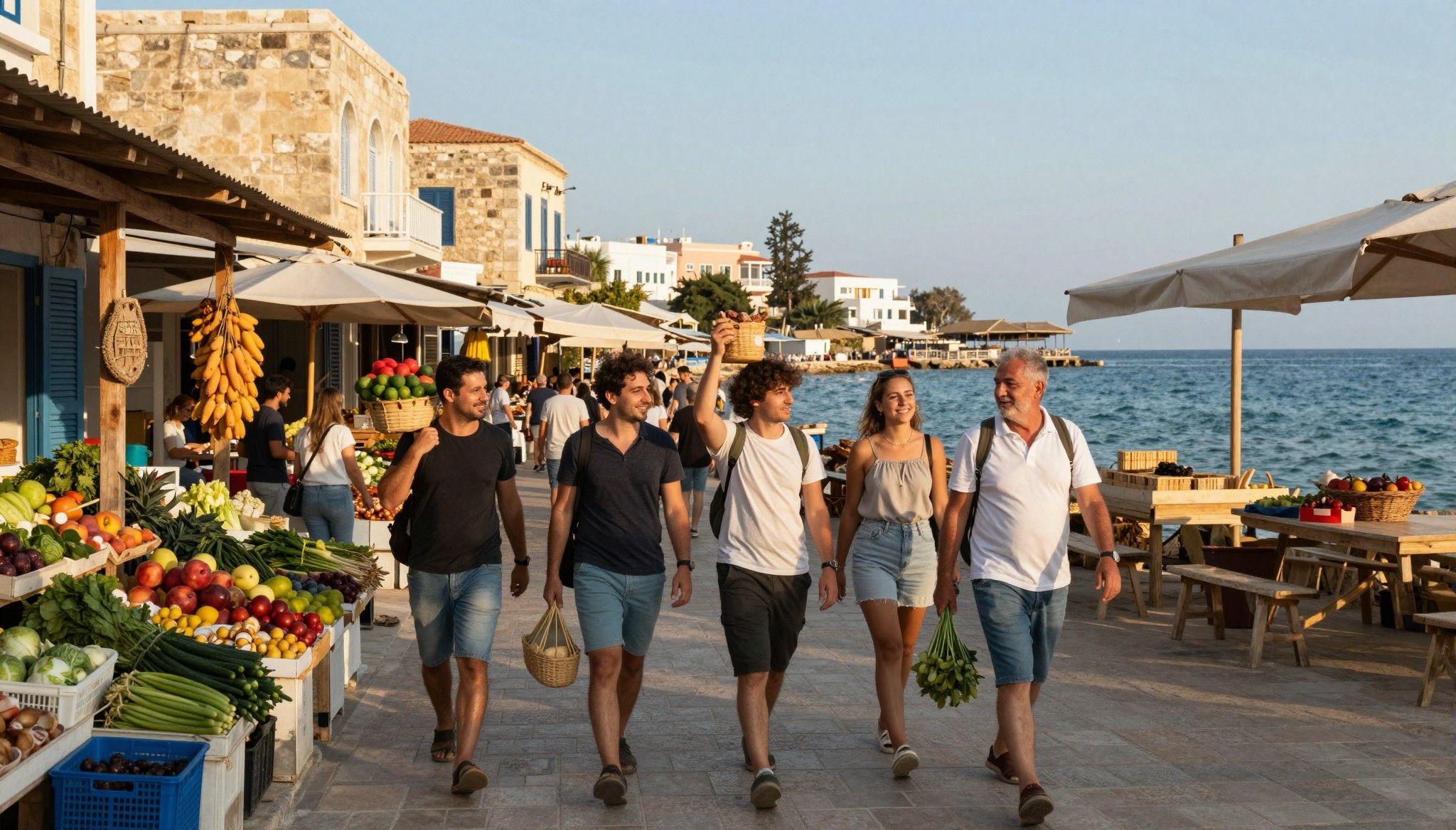
Life in France is paced by local rituals: morning markets on Rue Mouffetard in Paris, post‑school aperitifs along Nice’s Promenade des Anglais, and weekend drives through Dordogne villages. Those rituals shape property choices — proximity to a market square matters as much as square metres. Recent regional recoveries in prices mean that coastal and western cities are reasserting value, while Paris is normalising after a period of volatility, according to notarial indicators.
A tale of three neighbourhoods
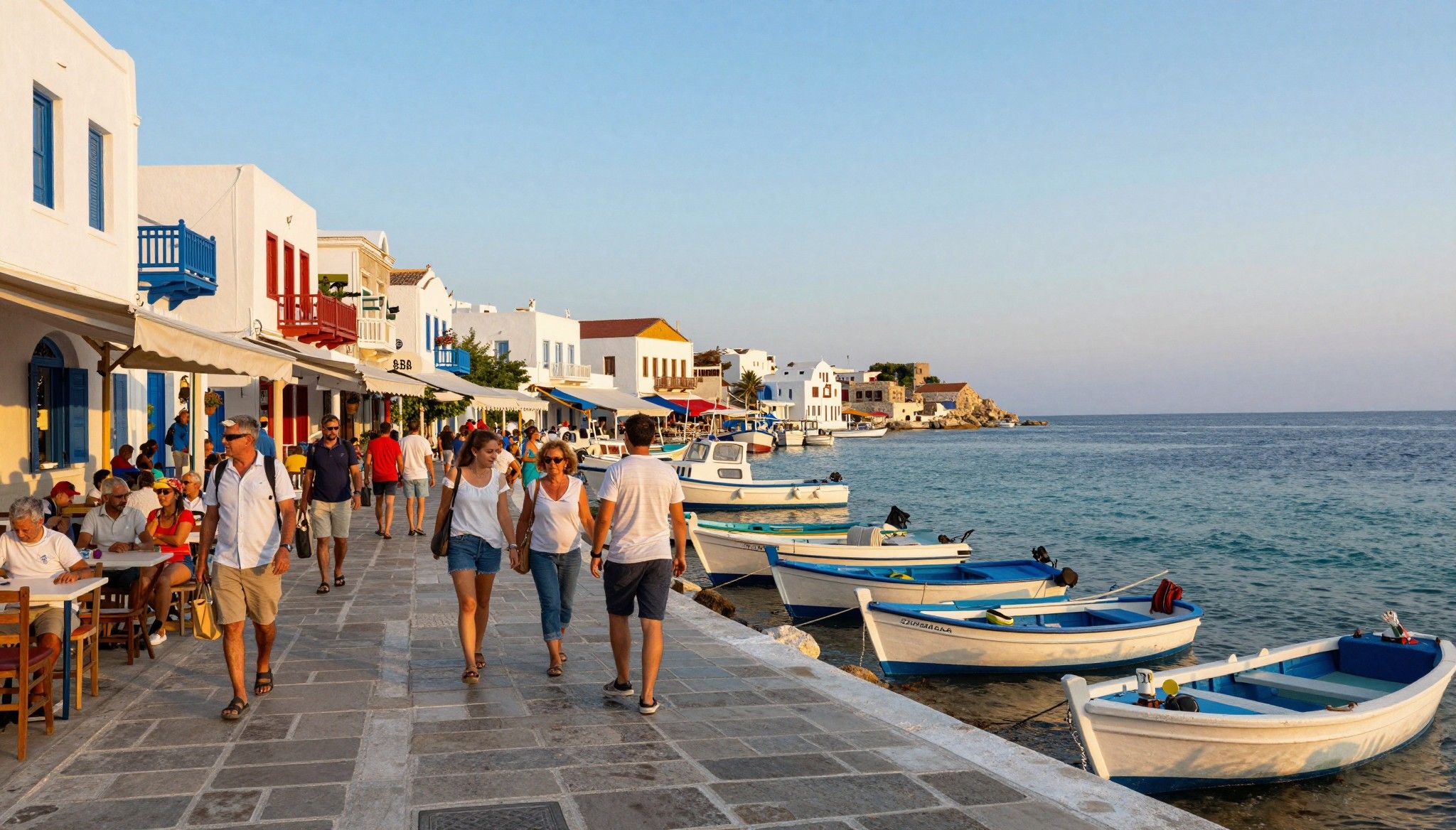
In Marseille’s Le Cours Julien you buy into creative energy — street art, evening food markets and cafés that stay open late. In Lyon’s Croix‑Rousse you get hilltop village vibes with excellent urban schools and short commutes. On the Côte d’Azur, towns like Antibes combine protected marinas and family beaches with strict planning that preserves scarcity. Each spot delivers a different daily rhythm, and price movement often follows lifestyle demand rather than headline city‑level averages.
Food, seasonality and social life
Markets in gastronomic towns or wine regions behave seasonally: harvests and festivals increase short‑term rental demand and visibility, while cold winters lower footfall and negotiating power. Data from national indices show modest national upticks recently, but local peaks often align with festivals or tourist seasons. For lifestyle buyers, timing a viewing outside peak tourist weeks reveals the authentic neighbourhood and better negotiating clarity.
- Market‑shaping lifestyle hotspots to know: Marché d’Aligre (Paris) — daily fresh food and village feel; Le Panier (Marseille) — artisan culture and short walks to the port; Vieux Nice — nightlife, narrow streets, and regulated coastal building; Saint‑Germain‑des‑Prés — bookstores, late cafes, premium apartments.
Making the move: lifestyle meets market realities
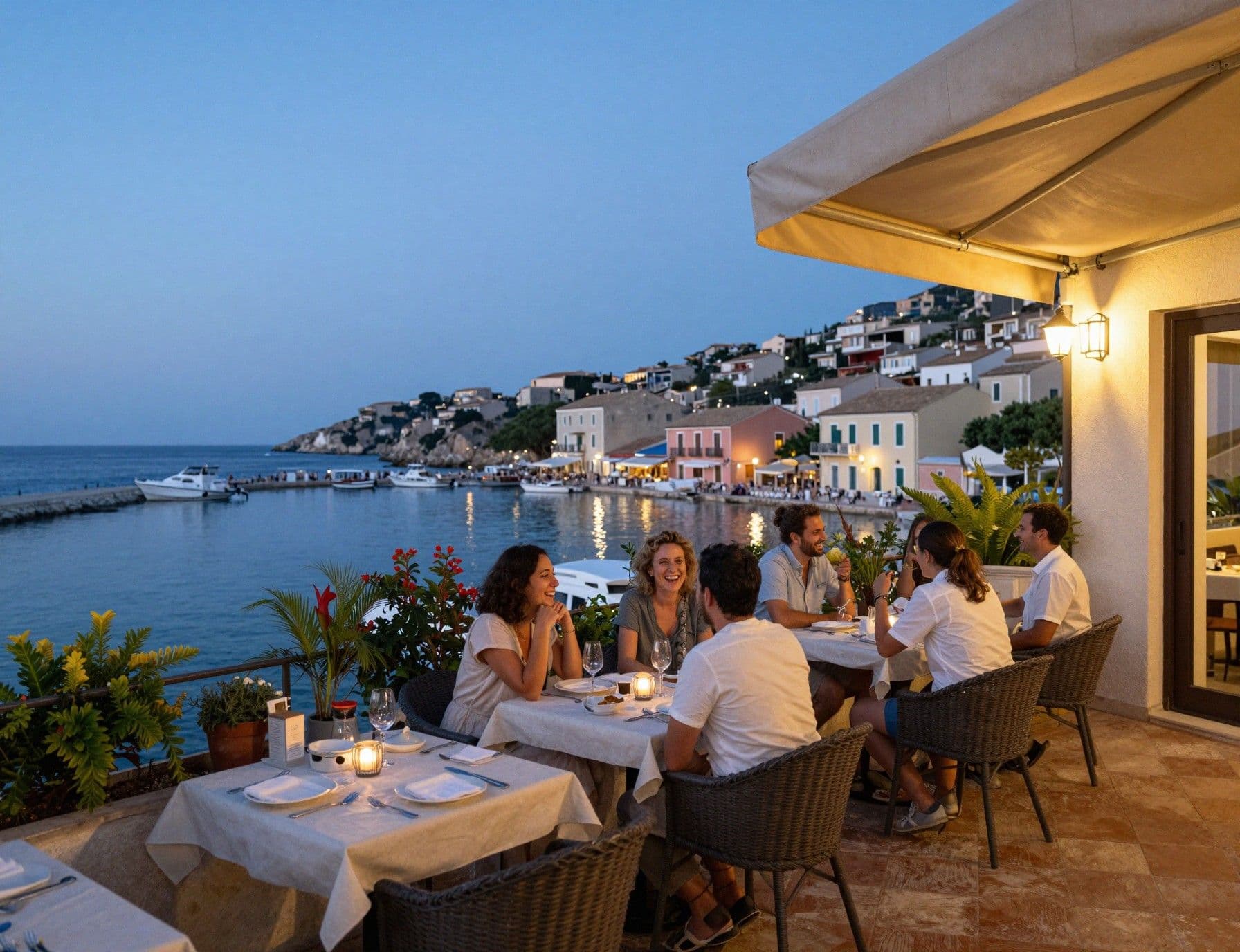
Dreams of a terrace in Bordeaux or a pied‑à‑terre in Paris meet real pressures: interest rate shifts, local supply constraints, and energy performance expectations. Reports from international brokers and national statistics indicate a stabilising national market with pockets of growth; that means you can still find value, but you should calibrate timing and expectations. Work with local agents who read both lifestyle signals and contract-level details — the right agent will show you how community patterns map to price momentum.
Property types and how they shape life
A renovated Haussmann apartment gives central Paris life — cafes, museums, walking commutes — but comes with higher service charges and stricter renovation rules. A renovated stone farmhouse in Dordogne offers outdoor space, fruit trees and quiet mornings but needs maintenance and village integration. New coastal developments near La Rochelle deliver pools and low‑maintenance living, attractive for second‑home or rental use. Each type changes daily routines, local costs and resale pathways.
How local experts turn vision into transactions
- 1. Ask agents for recent comparable sales within 500 m of the property and DPE (energy) ratings. 2. Visit at two different times (weekday morning and weekend evening) to sense local rhythm and noise. 3. Confirm municipal planning rules — coastal and protected areas have strict renovation limits. 4. Compare total holding costs (charges de copropriété, local taxes, maintenance) against rental income in high season. 5. Use a bilingual notaire or lawyer to review pre‑contract conditions and any rights of first refusal.
Insider knowledge — expat realities and surprising tradeoffs
Expats often expect Parisian life to be constant glamour, but inner arrondissements differ drastically — some are softening in price while others climb. Regional towns are where you’ll meet neighbours in markets and form community quickly, yet may face slower resale liquidity. National coverage shows renewed buyer interest in 2025–2026; smart buyers use that momentum to negotiate favourable terms when sellers have planned moves or tax timing influences decisions.
Cultural cues that affect property choices
French buyers prize provenance and civic rhythm: long tenancies, well‑managed syndic for apartments, and municipal festivals that animate public spaces. Learning basic phrases and showing respect for local calendars — market days, municipal meetings — accelerates acceptance in smaller communities. Expat owners who embrace local rituals often find better neighbours and maintenance support, which in turn preserves property value.
Long‑term lifestyle: when to buy, renovate, or rent out
- Considerations for sustainable ownership: Buy energy‑rated properties to future‑proof resale; prioritise locations with hospitals, schools and transport if planning long stays; treat renovation as an opportunity to increase DPE rating and rental yield; factor in off‑season occupancy when projecting rental revenue.
To close: fall in love with the rhythm before you sign. Use lifestyle visits to confirm the feeling, then ask for the data — recent comparable sales, DPE certificates, and advance sales trends from local notaires. If you blend sensory research (markets, cafes, daily routes) with practical diligence (contracts, energy, running costs), you position yourself to buy both a life and a liquid asset. When you’re ready, choose an agency that reads streets and spreadsheets equally well.
Swedish strategist who relocated to Marbella in 2018. Specializes in legal navigation and tax planning for Scandinavian buyers.