Italy’s Coastal Surprise: Live Richer for Less
Italy’s coast is full of surprising value — choose by daily rhythms and seasonality, then back lifestyle picks with ISTAT and industry data for confident offers.
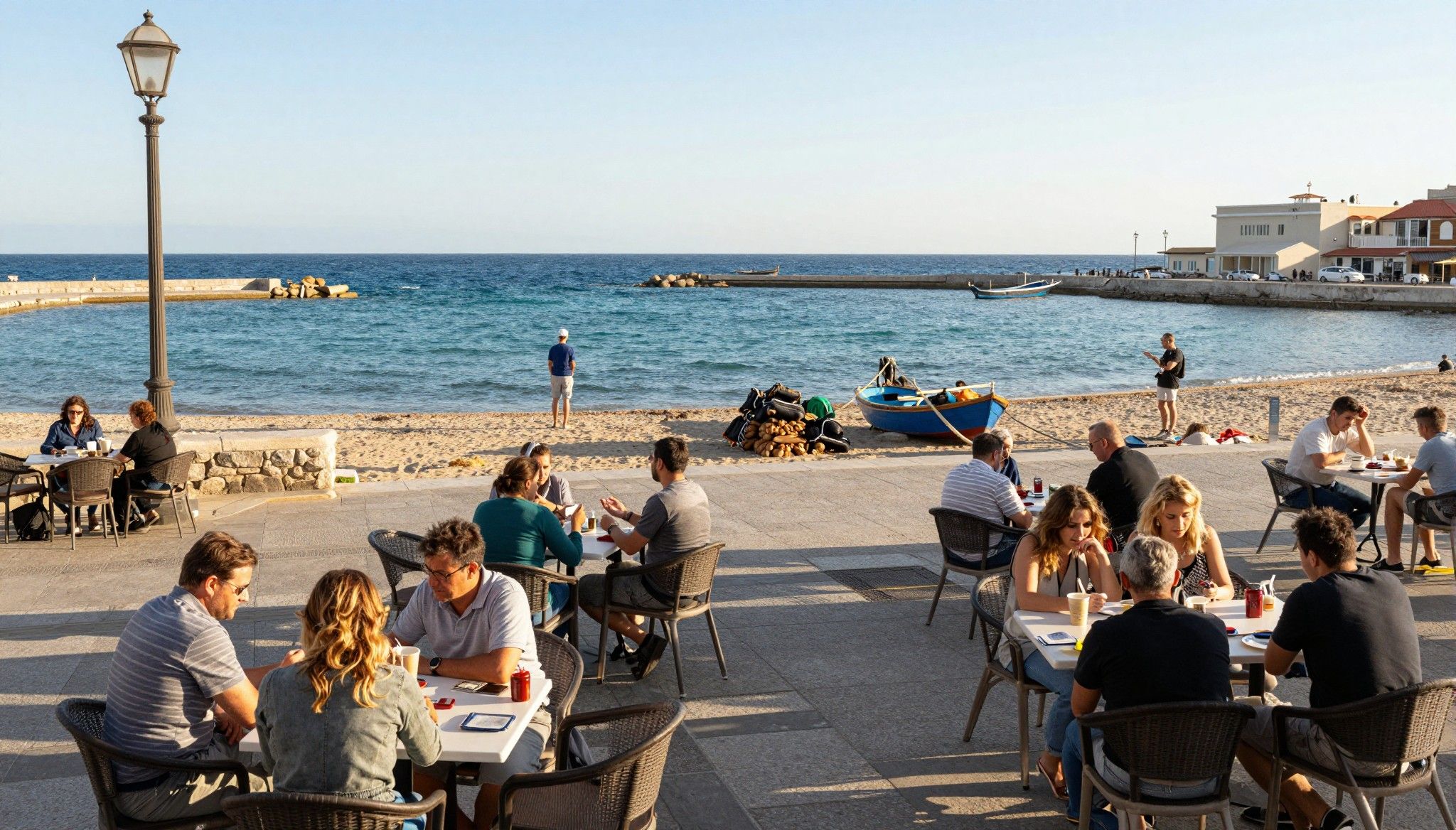
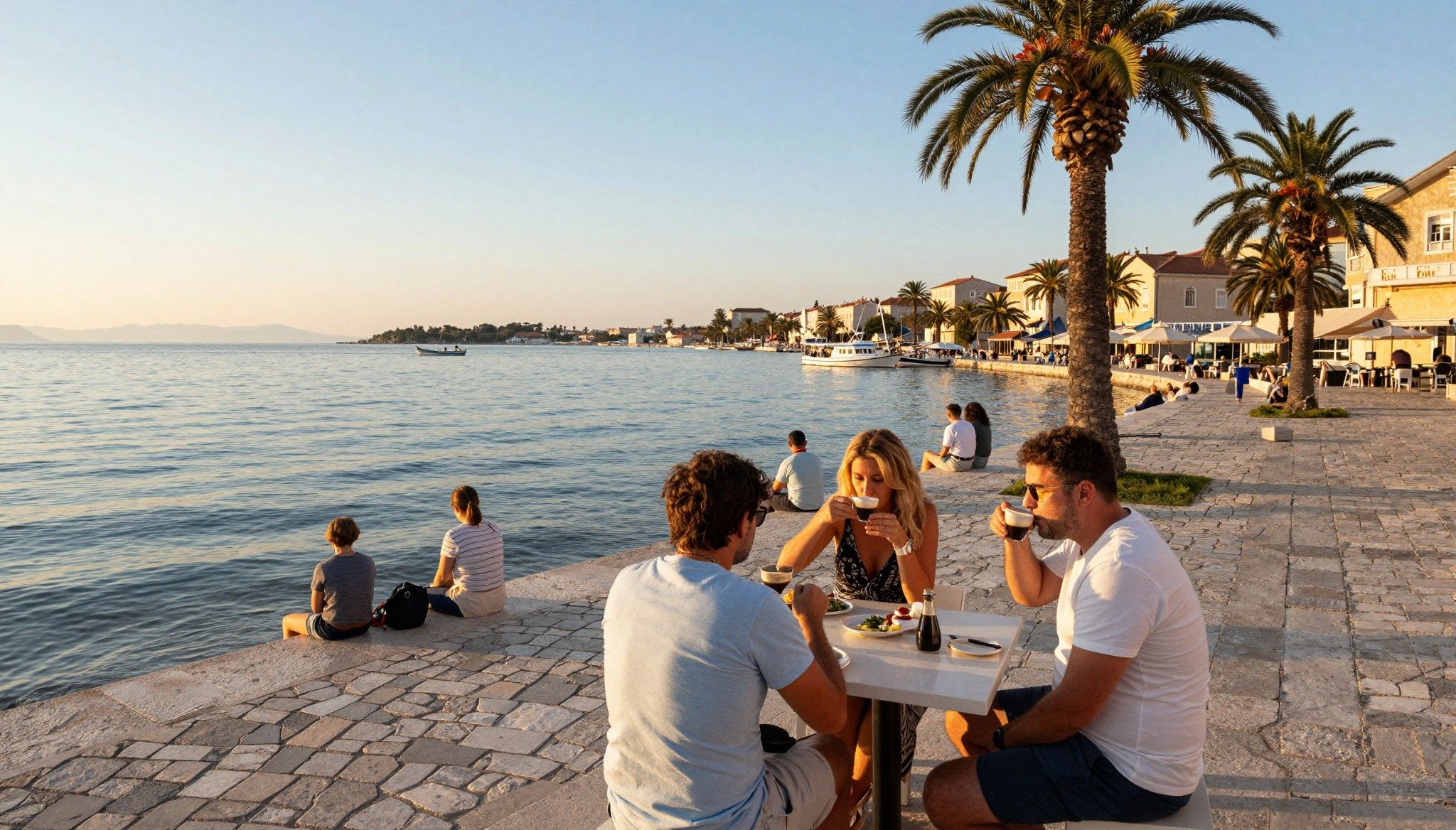
Imagine sipping an espresso on a sun-drenched piazza in Liguria at 09:00, then buying fresh fish from a vendor on the seafront by 11:00 — and knowing your property purchase still stretches further than in many other European coastal markets. Italy’s coast is not a single story of sky-high prices; it’s a patchwork of surprising value, slow‑moving charm and pockets of premium demand. Recent ISTAT data shows modest national price growth but real differentiation between regions. (See source below.)
Living the Italian coastal life
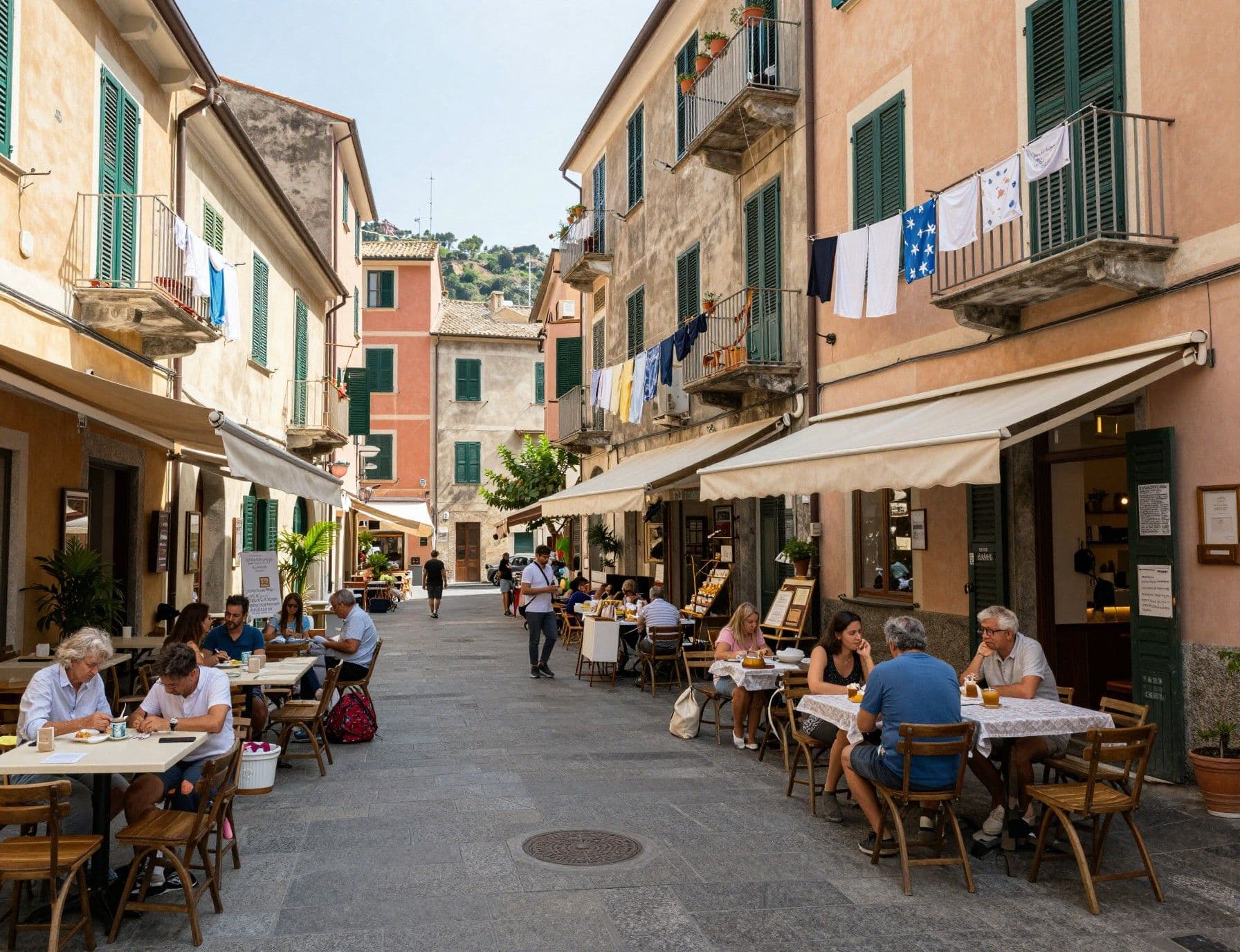
Wake-up routines in coastal Italy feel deliberate. In Naples you’ll hear scooters and market calls; in Liguria mornings smell of focaccia and the sea; in Puglia weekends are full of family lunches that spill into the afternoon. Streets are lived-in: laundry on balconies, café tables on every corner, and small grocers who know your name. That rhythm shapes the homes buyers choose — compact historic flats for walking life, terraced houses for sun and sea breezes, and restored farmhouses a short drive inland for privacy.
Neighborhood spotlight: Santa Margherita Ligure to Salento
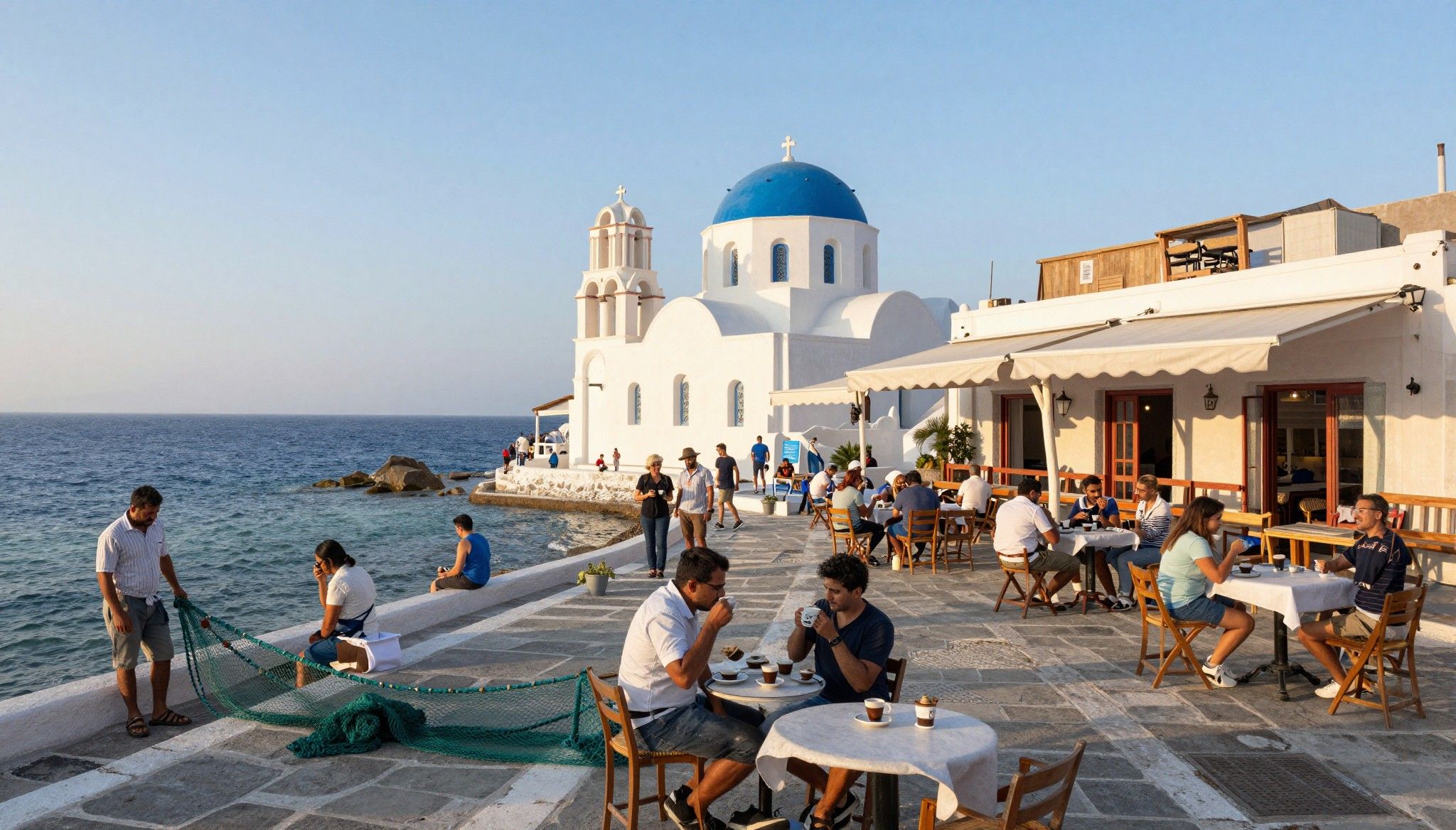
Santa Margherita Ligure (Liguria) still feels intimate: narrow streets, sea-facing cafés, and a marina that sets a gentle tempo. Contrast that with Gallipoli and Otranto in Salento (Apulia), where whitewashed alleys, lively summer markets and wide beaches make sun-and-food living effortless. Each coastal stretch offers distinct daily lives — quieter mornings in Liguria, boisterous market days in Campania, late-night summer festas in Puglia — and these rhythms will determine the kind of property that works for you.
Food, markets and the social calendar
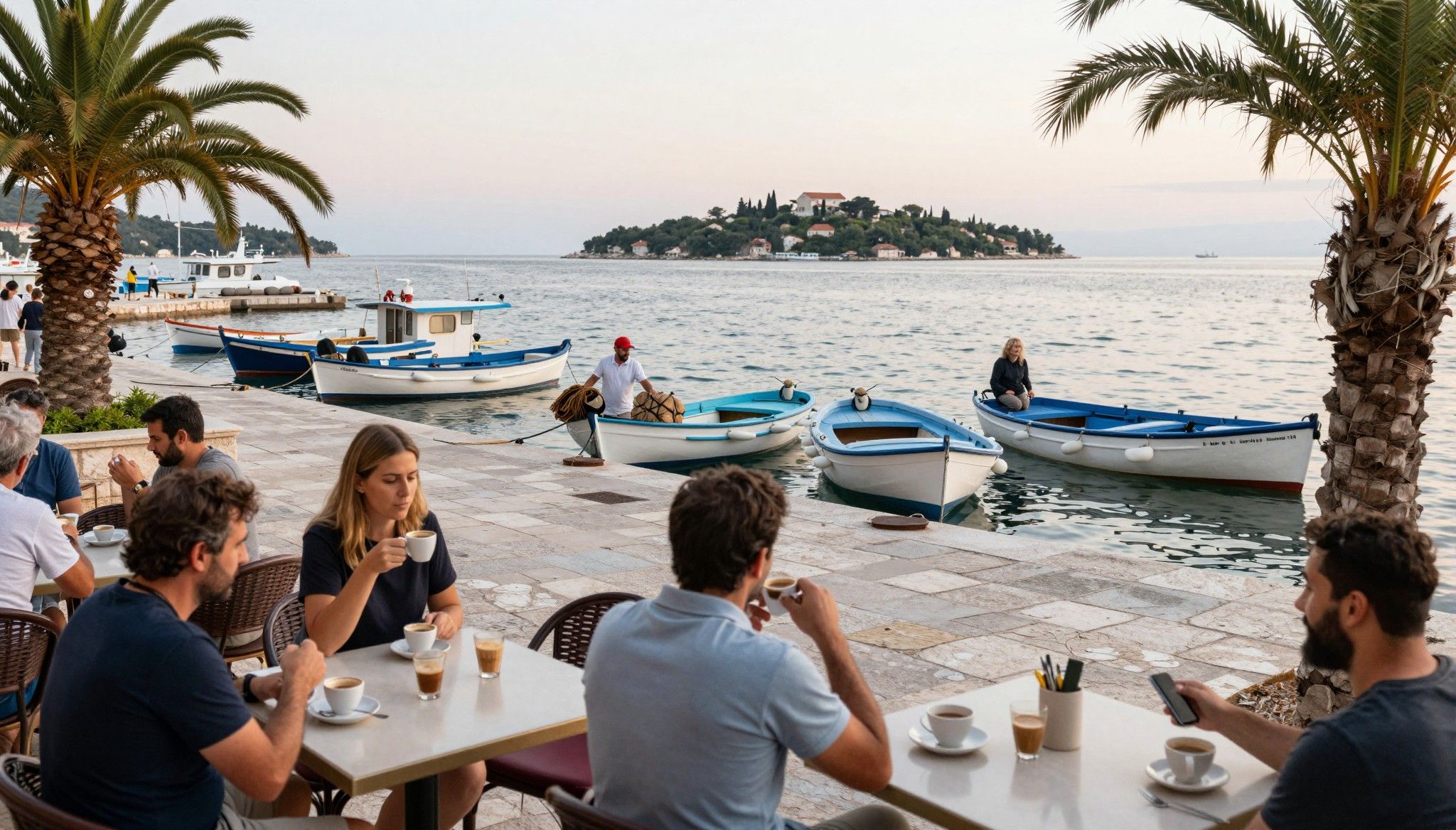
From morning fish auctions to evening aperitivo, the coastline’s food scene is local-first. Weekly mercato stalls are where you learn names of cheeses and where regulars gather; small restaurants serve single‑farm olive oil and catch of the day. Food culture affects property choices: proximity to markets and walkable piazzas adds lifestyle value that rarely shows up in headline price-per-metre comparisons.
- Lifestyle highlights to look for on the coast
- Morning markets: Pescheria di Porto in Genoa, the fish market in Naples
- Cafés and bakeries on key streets: Via Garibaldi (Genova), Corso Vittorio Emanuele (Salento towns)
- Hidden beaches and coves: Cinque Terre trails, small bays around Santa Maria di Castellabate
Making the move: lifestyle choices meet property reality
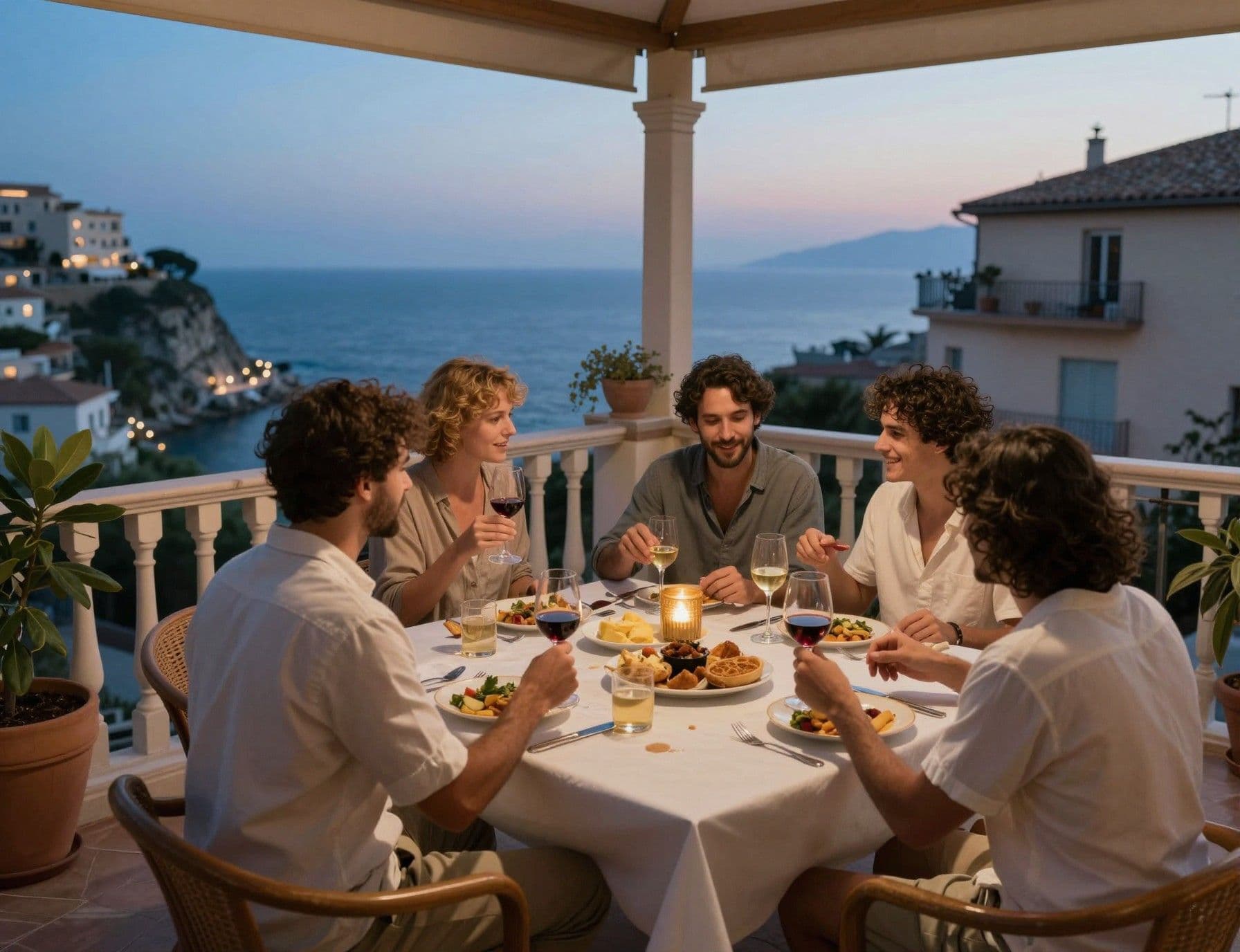
Dreams of a sea-view terrace must pass practical filters: seasonal rental demand varies sharply, maintenance of historic stone façades can be pricey, and transport links determine long‑term livability. National statistics show house prices rose modestly (+2–3% year-on-year in recent periods) but the real story is regional divergence; coastal pockets often lag or lead depending on tourism profile and infrastructure. Use lifestyle priorities to narrow locations before you look at headline yield numbers.
Property styles and how you'll live in them
Stone village houses: authentic, compact and walkable — great for weekend retreats but often require renovation. Seafront apartments: convenient for living and short‑term rental, though communal maintenance and seasonal management matter. Restored masserie or villas inland: larger plots, quieter, often better value per square metre for families or buyers seeking gardens. Think about daily patterns — do you want a short walk to a café or a private garden for summer dining? That choice changes both price and recurring costs.
Local experts who match life to listings
A good local agency is less a salesperson and more a translator: they map neighbourhood rhythms, explain seasonal maintenance costs, and vet rental managers. Look for agents who show portfolios across seasons, provide neighbour references and detail utility histories. Agencies that work with local architects and geometra (surveyors) save weeks in due diligence when you are buying from abroad.
- Steps that blend lifestyle and practical due diligence
- Shortlist three towns by daily rhythm (market access, evening life, transport).
- Visit in two seasons (spring and autumn) to see true occupancy and noise levels.
- Commission a local survey and ask for running-cost histories (condominio fees, water, heating).
- Confirm rental demand with agencies who manage holiday lets and request anonymised occupancy data.
Insider knowledge: what expats wish they'd known
Expats often say the same things after a year: Italian bureaucracy is patient, community acceptance matters, and a great local shop can become your social anchor. Practical surprises include slower closing timelines than some northern markets and higher-than-expected seasonal utility or maintenance spikes for older buildings. Market commentary from industry firms highlights a cautious but recovering market — good for buyers who are patient and selective.
Cultural integration and daily social life
Language helps but isn’t a gatekeeper. Learn key phrases, join local market days, volunteer at neighbourhood festivals, and you’ll be welcomed. Italians value long relationships; a reliable local builder, barber or grocery owner will open doors — and reduce friction in renovations, permits and community approvals.
Long-term lifestyle and investment outlook
If you plan to rent, expect yields that vary widely: city cores like Milan and Rome behave differently to coastal towns where short‑term tourism drives seasonality. Reliable data sources show gross yields differ by city and property type; use local occupancy data rather than national averages when modelling returns. For lifestyle buyers who value use over yield, look for towns where you’d happily spend three months a year — those choices tend to age well.
- Red flags for coastal purchases
- Unclear title chains in older buildings — insist on registry extracts (visura catastale).
- Excessive condominio fees without maintenance plans — ask for last three years’ minutes.
- Seasonal accessibility issues (limited ferry or train schedules in low season).
Conclusion: Italy’s coastline is a collection of lived-in places where lifestyle and prudence must travel together. Start with what you want to feel every morning, then test that feeling across seasons and through data: local price trends (see ISTAT), rental patterns (see Savills and local managers) and expert agency references. When lifestyle and numbers align, you’ll find properties that feel right and perform responsibly over time.
Norwegian market analyst who relocated to Mallorca in 2020. Focuses on data-driven market insights and smooth relocation for international buyers.