Croatia: Fall for the Rhythm, Buy with Evidence
Fall in love with Croatia’s rhythms—coastal markets, island seasons and city life—then match those lifestyles to data on prices, tourism flows and neighbourhood realities.
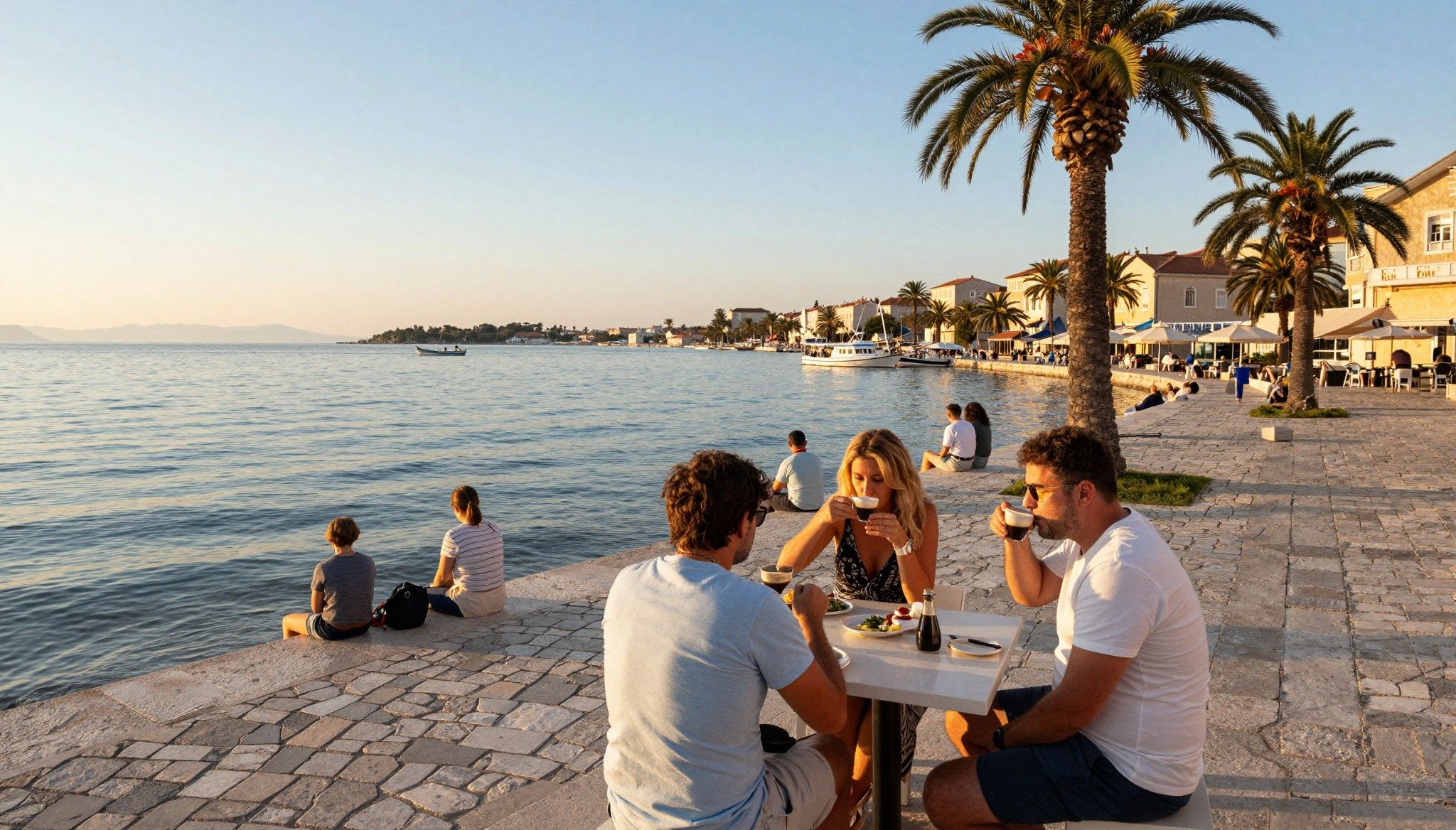
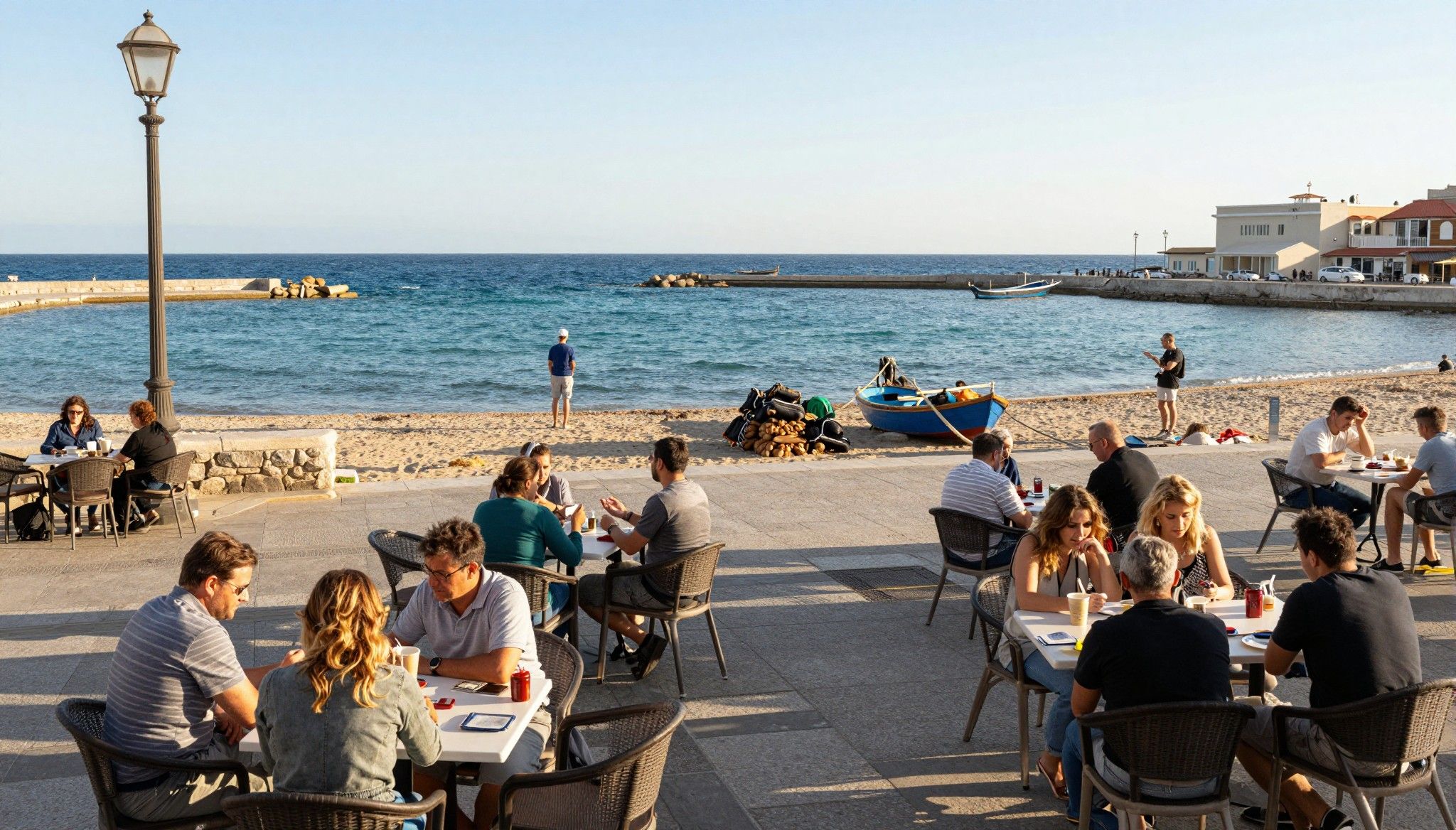
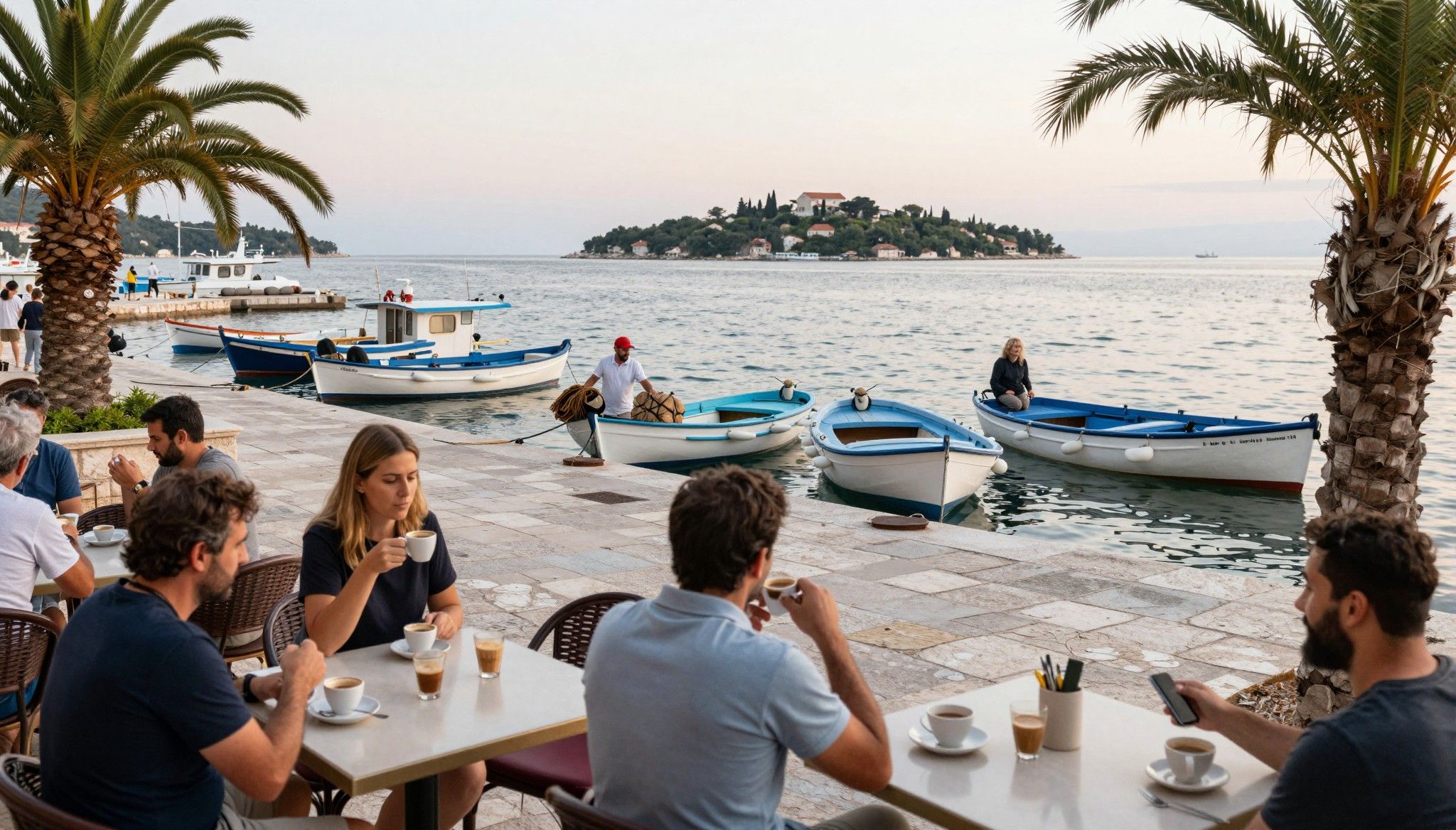
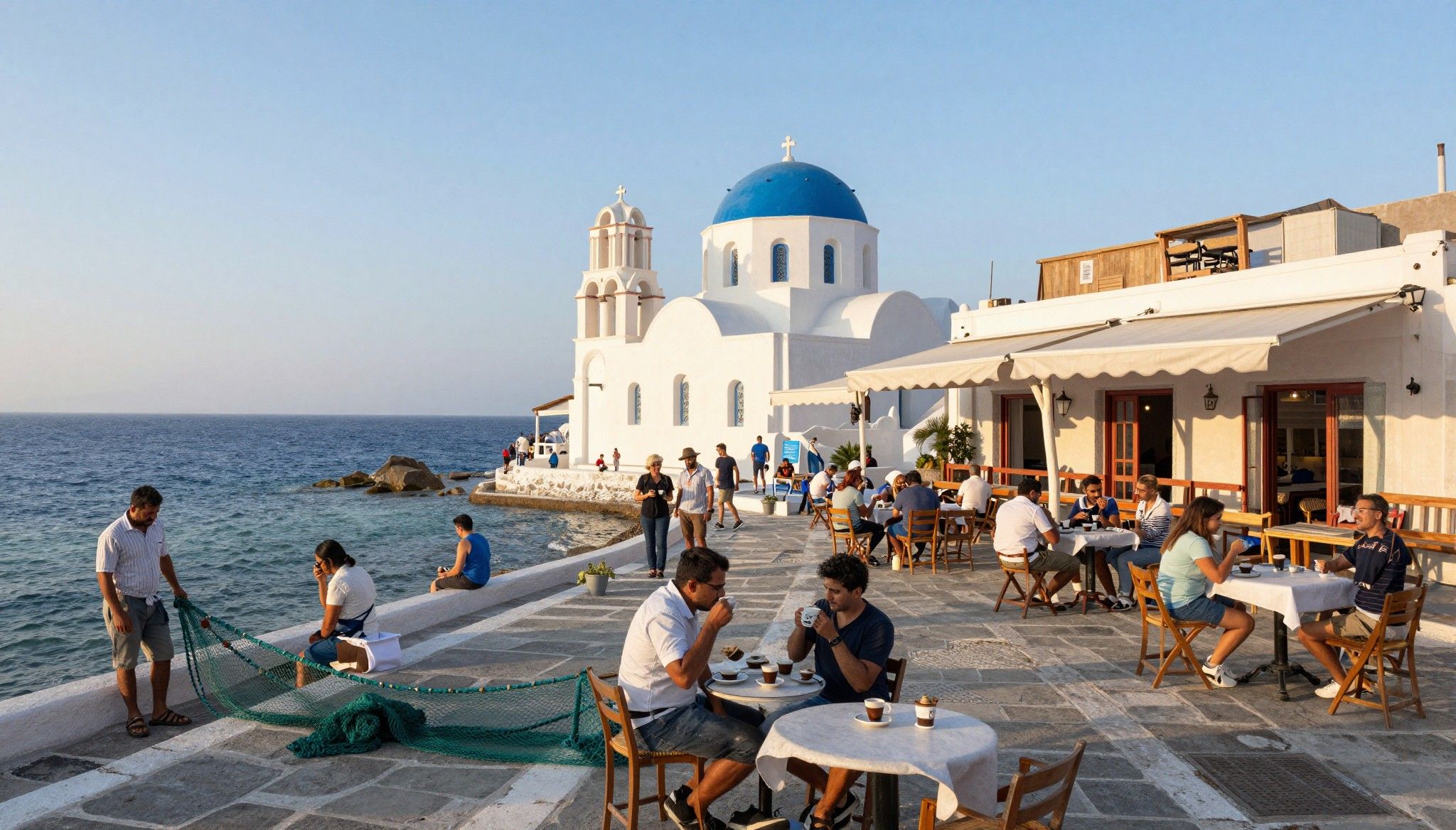
Imagine waking before breakfast to a narrow street in Split, the scent of baking burek drifting from a corner bakery, then stepping down to the Riva for an espresso as fishermen unload the morning catch. Croatia’s daily rhythms—island ferries, weekend markets, summer festivals—shape not just your weekends but how you use a home here: compact historic apartments for walking life, stone villas for sea-facing summer living. For international buyers the romance is obvious, but so are practical trade-offs: seasonality, location-specific demand and a rapidly changing price environment that rewards local knowledge. This guide blends the sensory life of Croatia with up-to-date market signals so you can fall in love with the place and buy with confidence.
Living the Croatian Rhythm
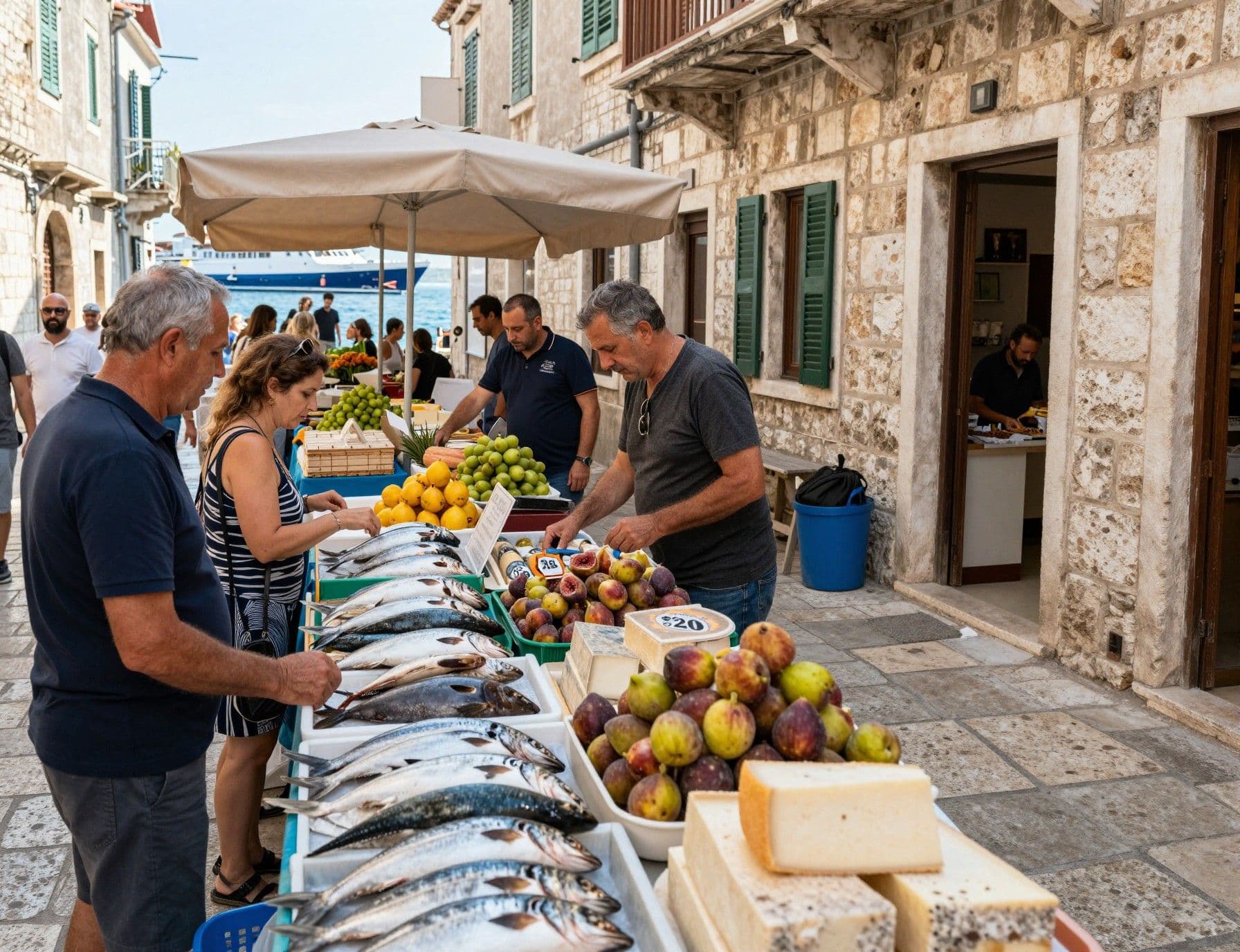
Life in Croatia runs on two tempos: the coastal pulse from Rijeka south through Zadar, Split and Dubrovnik; and the quieter continental beat around Zagreb, Istria and the interior. On the coast mornings are maritime—ferries, cafés and fish markets—while evenings belong to long meals and small-town festivals. Inland, you’ll find market days, tram-side cafés and green parks; Zagreb’s neighborhoods like Maksimir and Britanski trg have an urban calm with easy access to city services. Understanding which tempo fits you will determine whether you buy near a piazza, a marina or a leafy residential street.
Coastal towns vs. city quarters
Pick Dalmatia and mornings smell of salt and coffee; choose Istria and you’ll discover truffle fairs and cycling routes that shape weekends. In Split, neighborhoods like Varoš and Sustipan place you within stone alleys and local life; in Dubrovnik, Lapad combines quieter residential streets with coastal access. Zagreb’s Gornji Grad (Upper Town) is historic and walkable, while neighborhoods such as Trešnjevka and Maksimir offer parks, family-friendly blocks and better value. Each micro-location shifts the kind of property that suits your life—historic apartment, seafront flat or modern townhouse—so start with rhythm, then find the building.
Food, markets and seasonal rituals
Weekends in Croatia are market-driven: Pazar stalls sell fresh figs, cheeses and Adriatic fish, and festival seasons—film festivals in Pula, summer music in Split—turn towns into living rooms. Tourism is a major economic force and nearly year-round flows (with peaks in summer) affect rental demand and local services according to national tourism figures. That seasonality makes certain properties ideal for short‑term letting, while others—inner courtyards, elevated apartments—are better for year-round living. Decide early whether you want a place to host summer guests or a four-season home; that choice changes where you should look.
Making the Move: Practical Considerations
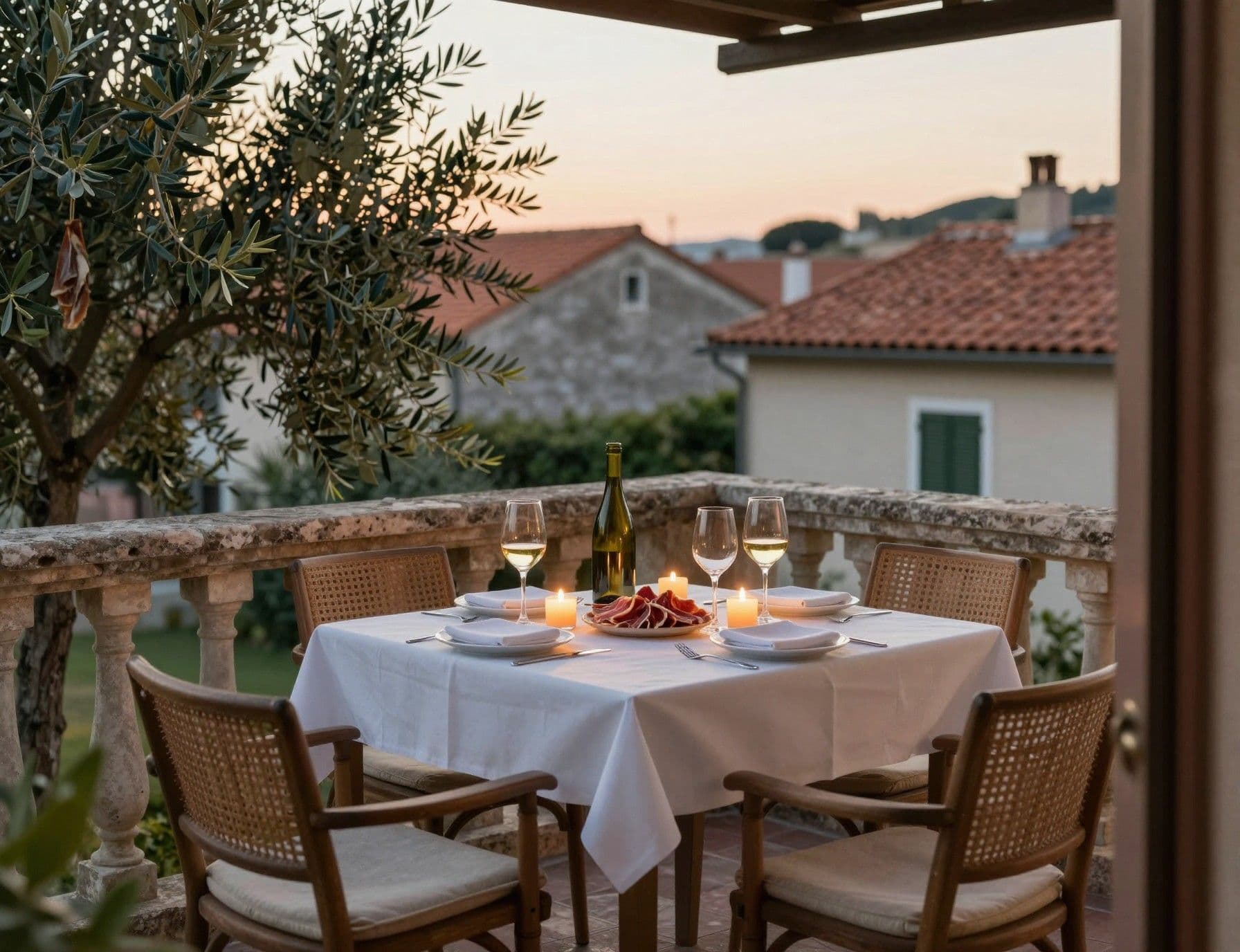
Croatia’s housing market has been on a steady appreciation path: coastal hotspots and select inland suburbs recorded substantial price growth in recent years, driven by tourism, EU membership momentum and limited coastal supply. Buyers should pair lifestyle aims with data: average prices vary widely—Zagreb suburbs and Istrian hill towns can offer better year-round value than prime Adriatic seafront. Recent market reports show double-digit year-on-year increases in some segments; that means timing and professional valuation matter more than ever. Work with agents who can show comparable transactions, seasonal occupancy rates and real local supply constraints.
Property styles and what they mean for living
In old towns you’ll find stone apartments with high ceilings and narrow layouts—perfect for walkable life but often requiring investment in insulation and plumbing. Modern coastal developments offer terraces and parking, suiting families or buyers wanting turnkey convenience, while renovated konobas (converted farmhouses) in Istria or the interior deliver longer-term quiet living and garden space. Think practically: stone walls stay cool in summer but need moisture checks; terraces sell for lifestyle but add maintenance. Choose a property that matches how you’ll actually live—daily routine, storage needs, guest hosting—and budget for adaptation.
How local experts turn lifestyle dreams into suitable buys
- 1. Local agencies identify neighbourhood rhythms and off‑season life so you see a place beyond its summer veneer. 2. Lawyers verify title, coastal building setbacks and any communal ownership quirks that often surprise foreign buyers. 3. Valuers and tax advisors estimate rental potential and running costs so lifestyle and finance align. 4. Property managers explain the realities of short‑term letting, seasonal closures and maintenance windows. 5. Translators or bilingual agents protect you in negotiations where idiomatic language can alter contract meaning.
Insider Knowledge: What Expats Wish They'd Known
Expats often tell the same stories: they fell for a summer snapshot and underestimated winter logistics, or they bought near a popular beach and later learned about access restrictions and seasonal noise. Croatia’s Schengen entry and euro change improved travel ease and pricing transparency—but also increased demand and competition for coastal assets. The practical lesson is simple: visit in at least two seasons, ask about year-round services, and check municipal plans for coastal development or road changes. Local knowledge prevents costly surprises and preserves the lifestyle you fell in love with.
Language, community and daily integration
Croatian is the official language, and while English is widely spoken in tourism hubs and by younger people, learning basic Croatian opens doors to neighbourhood life and local services. Expat communities cluster around Split, Dubrovnik, Istria and Zagreb and often form language-exchange groups, co‑working meetups and market days that help newcomers settle. Integrate slowly: shop at local markets, join a klapa singing evening or volunteer at a festival to build authentic ties. Those social anchors determine whether a property becomes a house you visit or a real home.
Red flags and lifestyle-stability checks
- • Check utility seasonality: some island properties have limited winter water or ferry schedules. • Confirm legal coastal setbacks and public access rights—these affect future alterations and privacy. • Verify parking and year‑round road access if you plan permanent residency. • Assess rental demand by month, not just peak season, if income matters. • Obtain recent sale comparables; advertised asking prices often differ from transacted ones.
If you want to test life before committing, look for flexible options: a long‑term rental in your favoured neighbourhood, a managed holiday-let that provides occupancy data, or co-ownership with a trusted local partner. These give you real sensory data—mornings, errands, doctor access, community rhythms—before a large purchase decision. Pair those experiences with professional checks: a lawyer for title and coastal law, a local valuer for pricing, and an agent who knows micro‑neighbourhoods. That combination protects the lifestyle you envision while grounding choices in reality.
Conclusion: Say yes to the life, then plan the buy. Croatia rewards buyers who prioritise lived experience over postcards: choose a neighbourhood whose daily rituals you enjoy, verify seasonal realities, and lean on agents and local experts who translate lifestyle into durable investment. Start with visits in different seasons, gather local comparables, and engage a lawyer early. When you pair the feeling of Croatia—the markets, the sea, the small festivals—with measured data and local counsel, you buy both a property and a life that will keep rewarding you.
Norwegian market analyst who relocated to Mallorca in 2020. Focuses on data-driven market insights and smooth relocation for international buyers.