Croatia’s Pipeline: Where the Lifestyle Meets Value
Croatia’s coastal romance hides a simple truth: pipeline and regional supply shape long‑term value. Visit off‑season, verify permits, and prioritise neighbourhood rhythm over views.
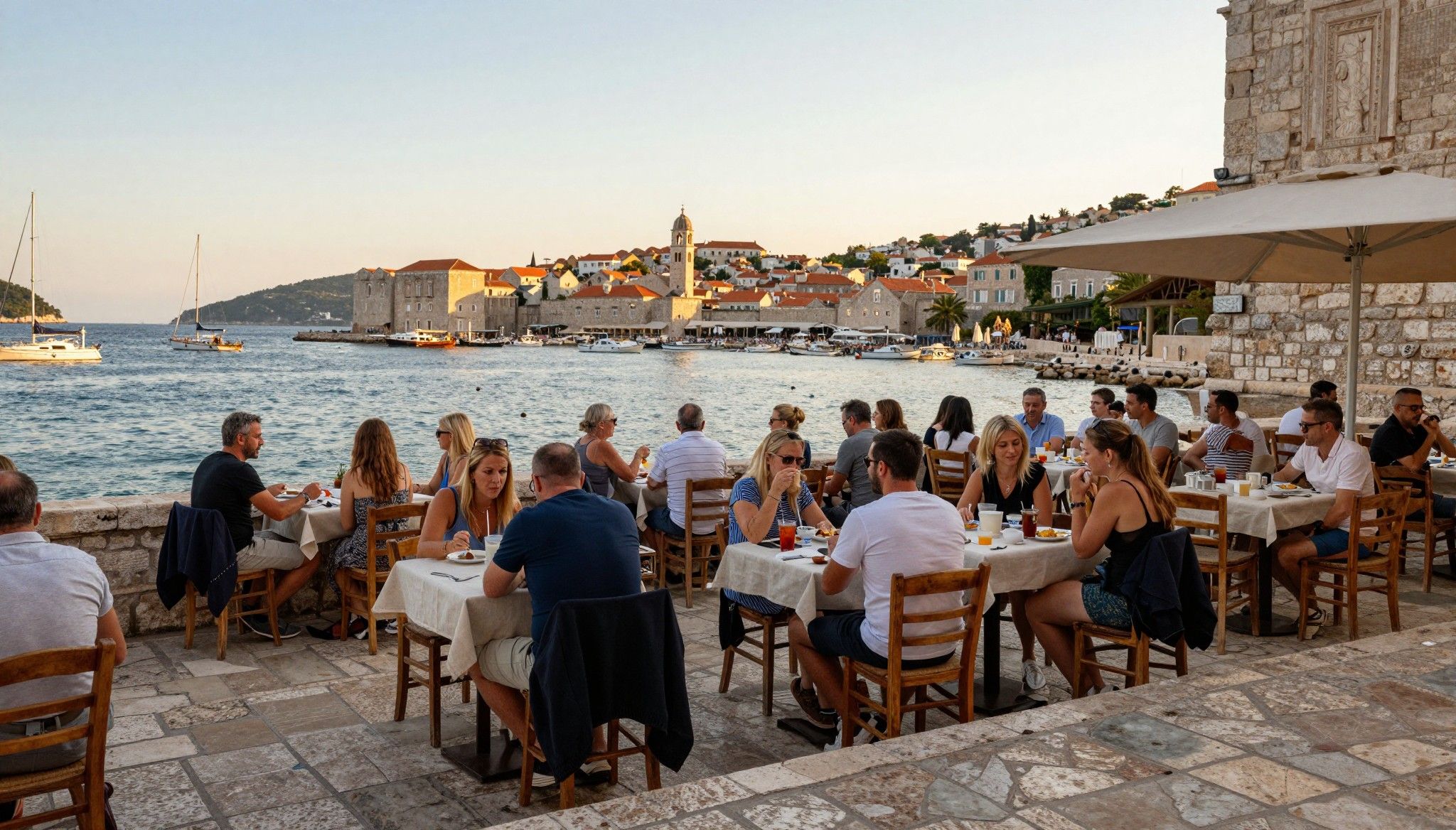
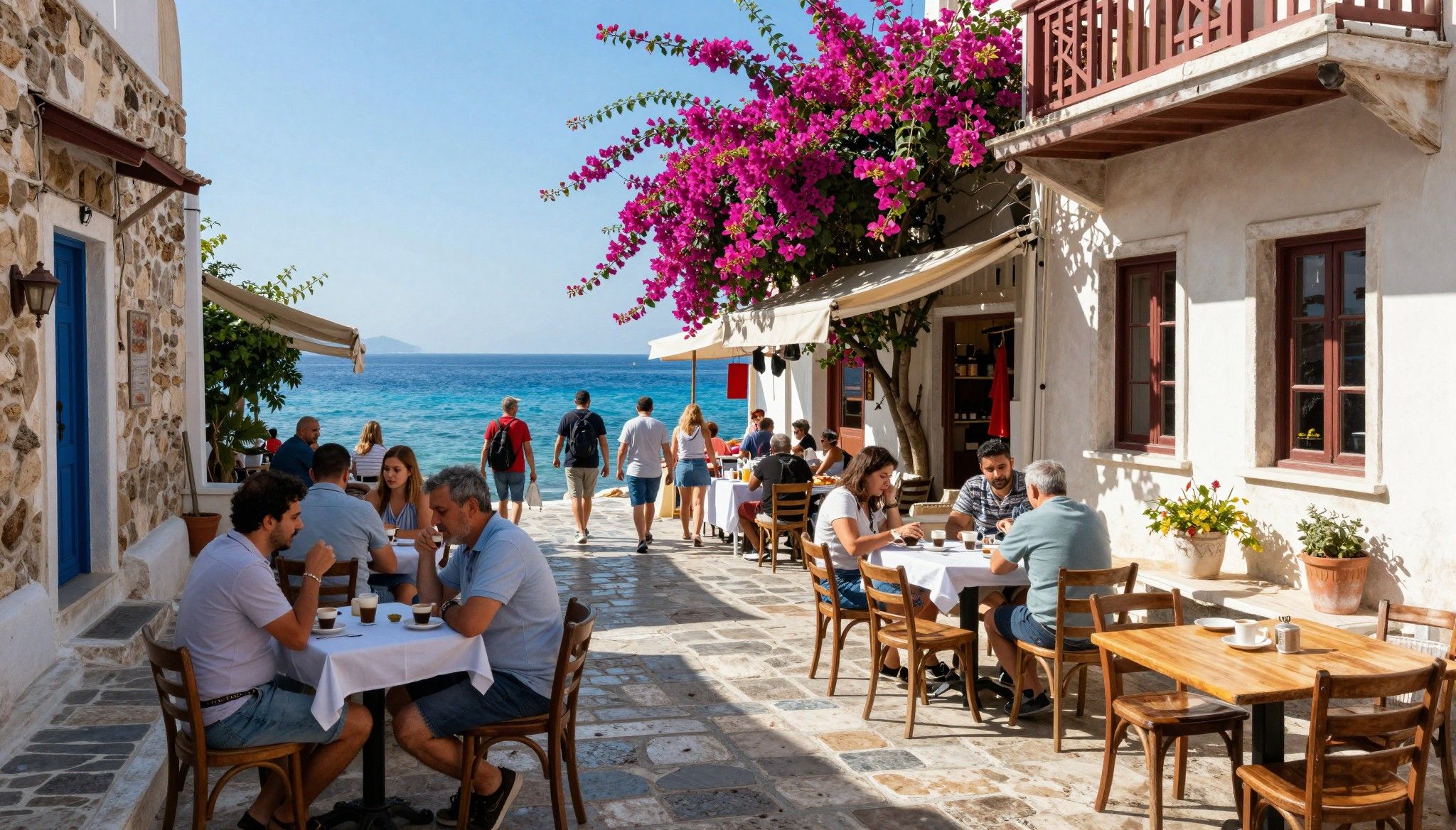
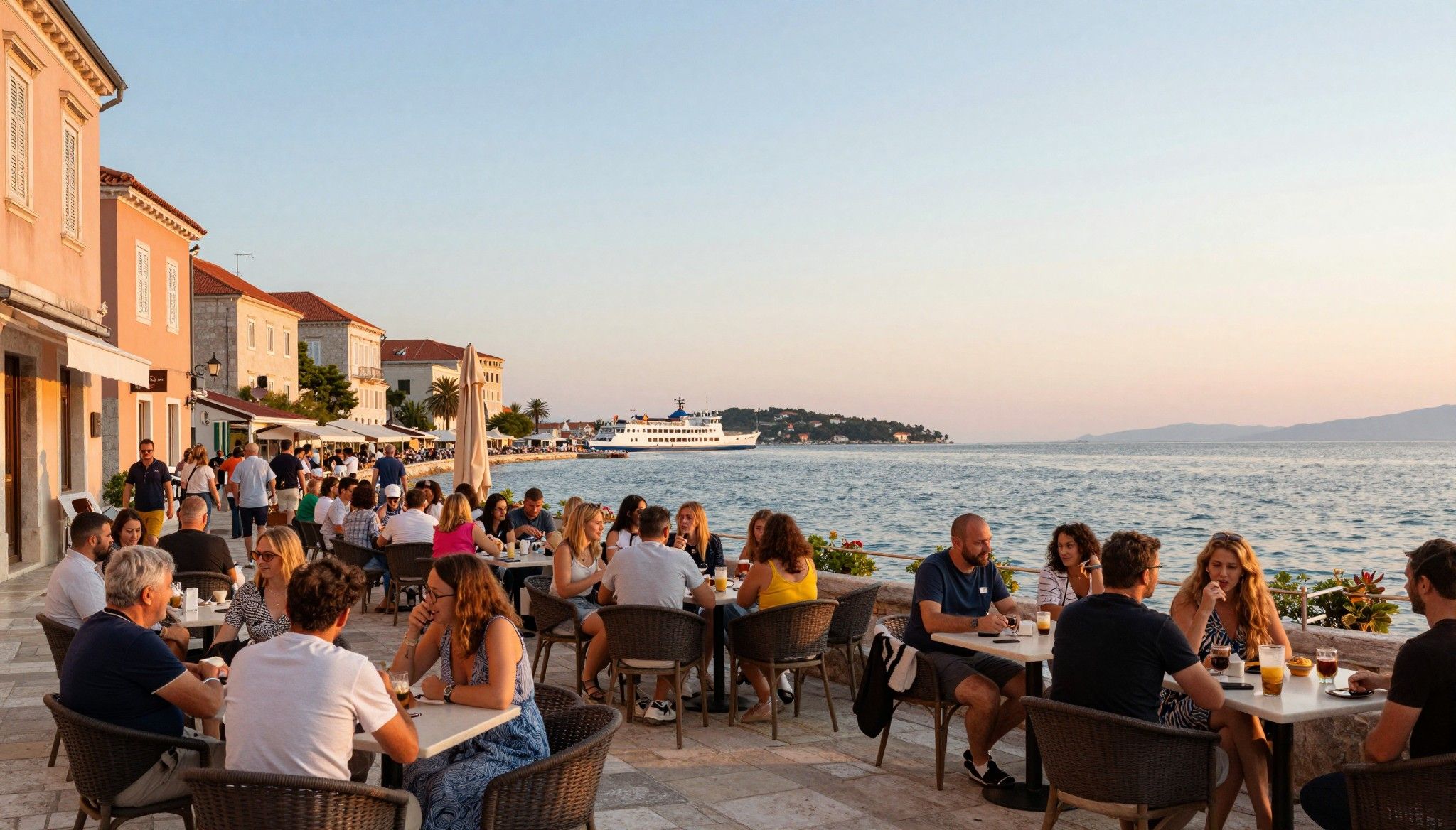
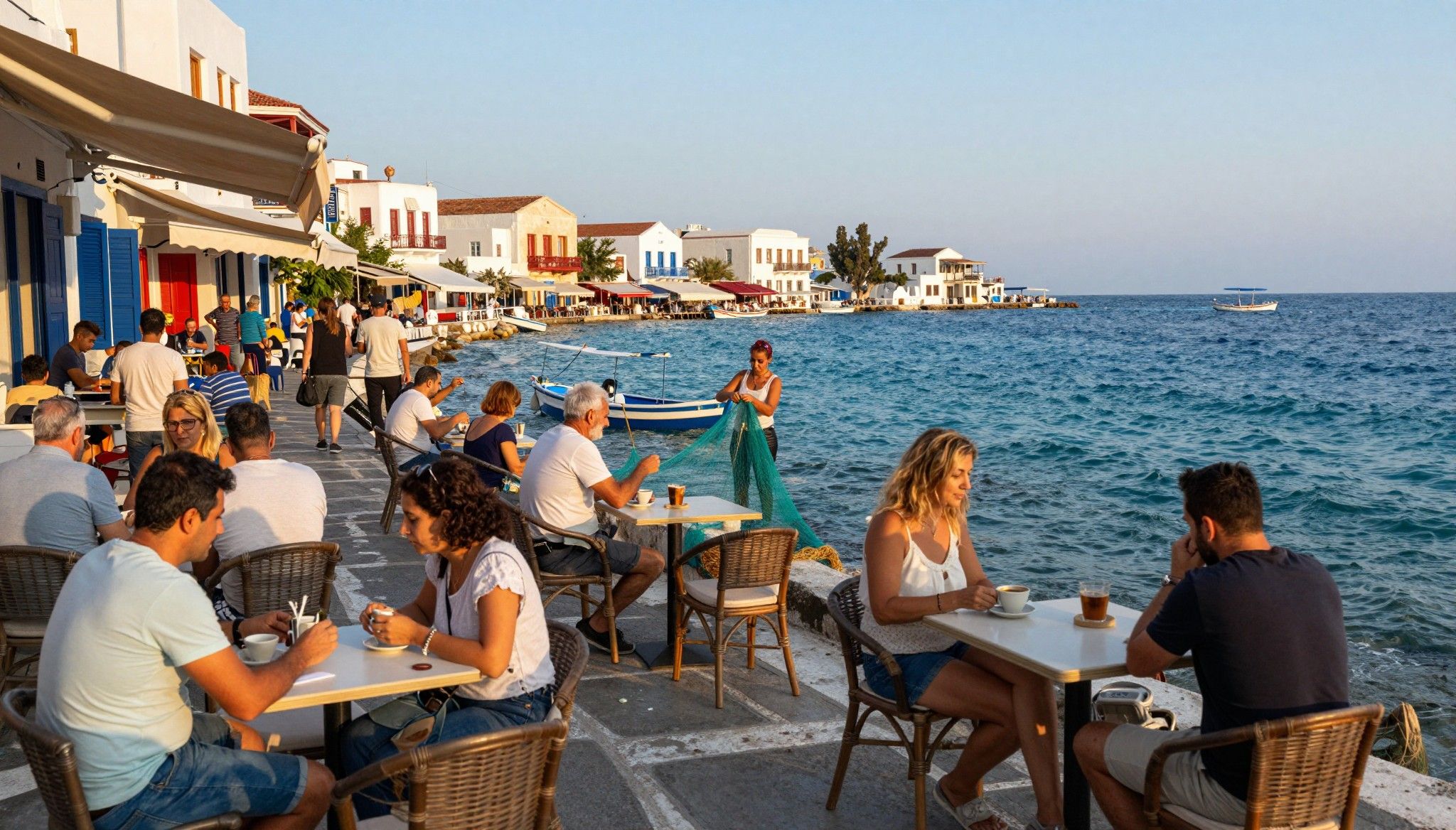
Imagine a late‑afternoon espresso on Split’s riva, fishermen hauling nets nearby, a neighbor carrying fresh figs from their balcony and a new‑build condominium with a terrace that catches the last sunlight. Croatia feels like an Adriatic slow burn: historic stone, boats bobbing, and summers that fill streets with life. For international buyers chasing that scene, the development pipeline now matters as much as the view — supply, timing and developer quality determine whether you buy a place to live or a seasonal mirage.
Living Croatia: the rhythms behind the postcards
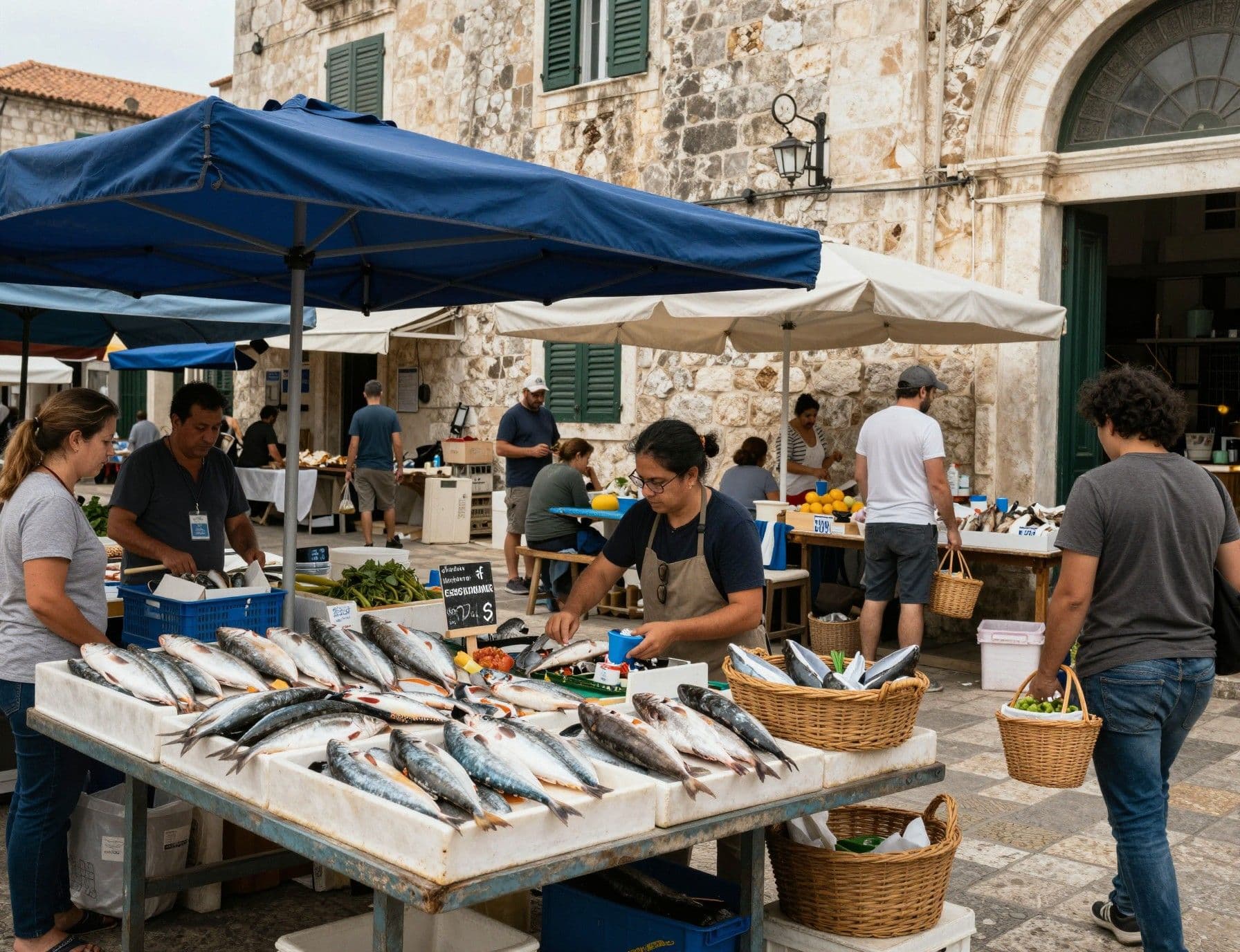
Walkable old towns, pebble beaches and kafana terraces shape daily life across the coast; inland, vineyards, olive groves and quieter villages set a different pace. Mornings start with market runs — fresh sardines in Zadar, burek in Rijeka — and evenings close at a slower tempo with neighbours lingering over wine. That sense of place is why buyers fall in love first, then do the paperwork second.
Coastlines & small towns: where summer and heritage collide
From historic Dubrovnik to quieter islands like Vis, each town has a neighborhood rhythm: Split’s Veli Varoš hums with morning bakers and fisherman, Šibenik’s waterfront blends restoration projects with family tavernas, and Hvar’s old centre is busy by day and hushed by winter. New developments on the coast often sit at the edge of these rhythms — close enough for convenience, but watch for projects that turn a local lane into a construction zone for two summers.
City life: Zagreb and the inland alternative
Zagreb offers a year‑round cultural calendar, leafy neighborhoods like Maksimir and Jarun with parks and cafés, and a different kind of new‑build market: apartment blocks for local families and professionals rather than holiday rentals. For buyers who want all‑season life, inland urban districts can deliver more stability and rental liquidity outside the tourist months.
- Lifestyle snapshots: real places to know • Split — Veli Varoš morning markets and terraces on Ljubljanica Street • Dubrovnik — Ploče edge: walkable to Old Town, quieter by late autumn • Hvar Town — Castello & harbour cafés, strong summer rental demand • Zagreb — Maksimir for families; Tkalčićeva for nightlife and cafés • Istria (Rovinj, Poreč) — truffle and wine routes, weekend agritourism
Making the move: pipeline, prices and market signals
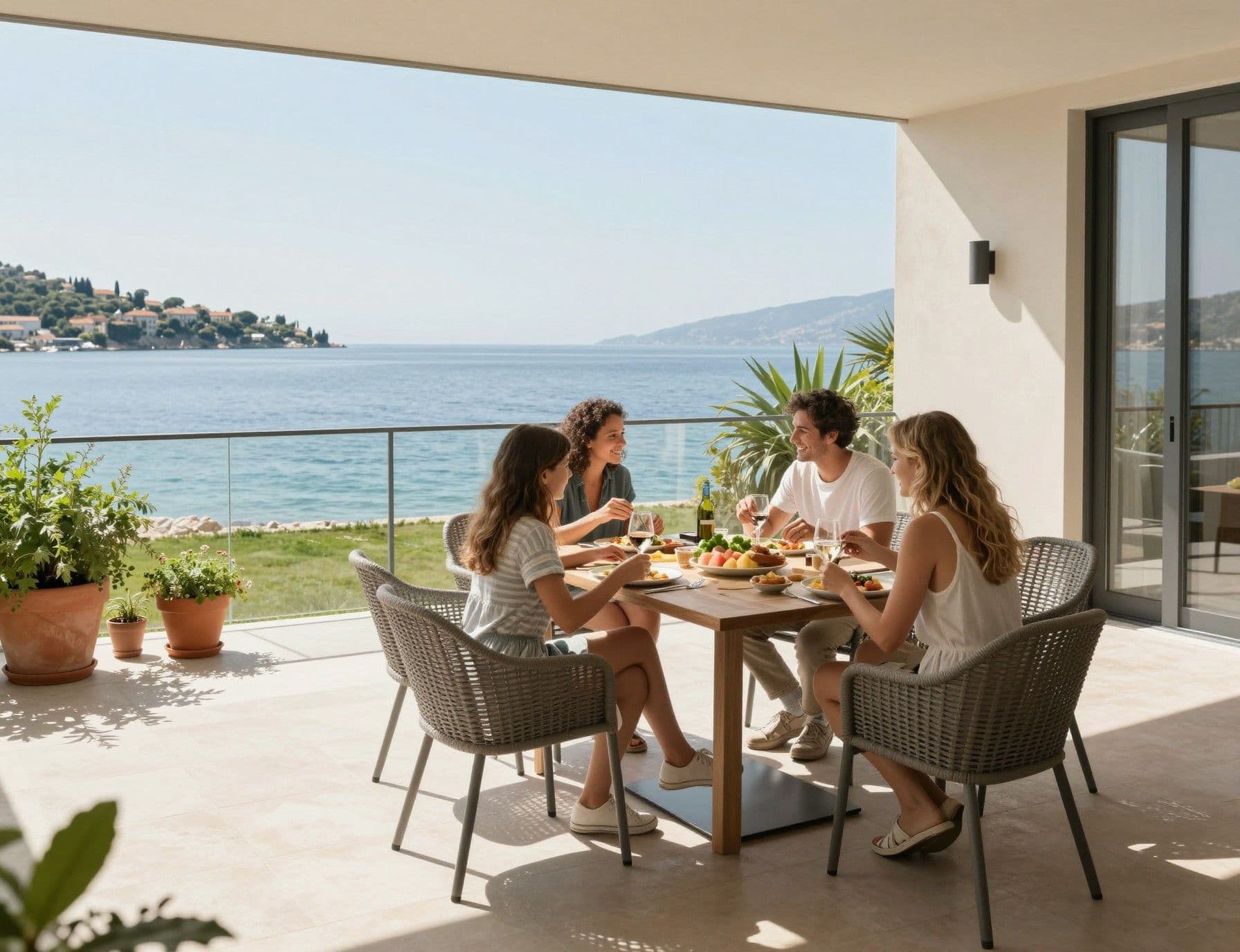
The numbers matter. Recent official data show Croatia’s house prices have risen strongly in 2024–2025 driven by constrained coastal supply and rising construction costs. Mortgage availability has expanded, but so has buyer competition — the pipeline of new builds varies sharply by region, which creates local price pockets and timing opportunities. Always check the most recent DZS house‑price releases and HNB lending indicators before making an offer.
What new builds actually tell you
A developer’s pipeline shows where supply will relieve pressure and where it will not. Large, approved hotel or condo projects in tourist hotspots can flood the short‑term rental market; smaller, high‑quality residential developments in suburbs or inland towns usually support longer‑term community life. Inspect titles and permits: a shiny brochure without permit history is a risk, and completion delays are common where logistics and materials are constrained.
Who to rely on locally — agencies, architects, notaries
- Steps to blend lifestyle with pipeline signals: 1. Visit three comparative sites in the same market (old town, newly developed waterfront, inland suburb) to judge seasonality and noise. 2. Ask developers for construction-stage documentation and recent completion photos; verify permits with the local municipal office. 3. Use an agency with proven local closings and references from recent buyers in that specific town or island. 4. Confirm infrastructure plans (roads, sewage, ferry schedules) as these change neighbourhood value dramatically. 5. Factor a 6–18 month buffer for coastal projects where tourist season affects finishing work.
Insider knowledge: expat truths and seasonal realities
Expats often mistake peak summer behaviour for year‑round life: terraces empty in October, ferries reduce frequency and local rhythms reset. Long‑term residents value micro‑services — a friendly baker, a pharmacy open Sundays, reliable ferry timetables — more than an extra square metre of holiday rental space. That’s why choosing a neighborhood matters more than chasing a view.
Cultural cues that change where you’ll be happy
Croatians prize community continuity: seasonal homeowners who arrive once in summer are treated differently from full‑time neighbours. Learn basic phrases, attend a local festa, and respect quiet hours — this soft currency opens doors to informal rentals, local tradespeople and insider market tips that help when sourcing renovations or sub‑contracts.
Longer‑term view: where the pipeline creates winners
Regions where controlled, high‑quality development meets local services will outperform pure holiday hotspots. Think Rovinj and parts of Istria with agri‑tourism growth, or Zagreb suburbs with improving infrastructure. Use regional pipeline maps and price indices to favour projects where supply growth is measured, not explosive.
- Red flags developers sometimes hide • No municipal permit numbers on contracts or brochures • Unclear ownership of the plot (co‑owned land, inheritance disputes) • Unrealistic completion dates tied to next summer season • Lack of nearby all‑season services (pharmacy, medical, schools) • Overreliance on holiday rental projections without comparables
- If you’re serious: a practical negotiating checklist 1. Request a full construction schedule, permit references and three recent completion photos; verify with the municipal urban planning office. 2. Ask for recent comparable sales within 500 m and 12 months; compare with DZS price indices. 3. Negotiate phased payments tied to verified milestones (foundations, roof, finishing) and include a retention clause for defects. 4. Insist on an English legal summary from your notary and a local lawyer who specialises in coastal property and cross‑border transactions. 5. Factor service fees and seasonal property management into your yield calculations — tourism revenue is volatile.
Croatia can be both an everyday life and a seasonal dream. The smartest buyers marry the two: visit outside summer, vet pipelines, and prioritise neighbourhoods that offer the life you want in all seasons. Work with an agency that lives the market, not only sells it — they’ll save you time and expose real opportunities beyond brochure promises.
Norwegian market analyst who relocated to Mallorca in 2020. Focuses on data-driven market insights and smooth relocation for international buyers.