Malta: Live the Pace, Check the Permits
Malta blends baroque streets, seaside promenades and strong tourism. Match lifestyle to property type, verify AIP/SDA rules, and schedule off‑season viewings to see the real island life.
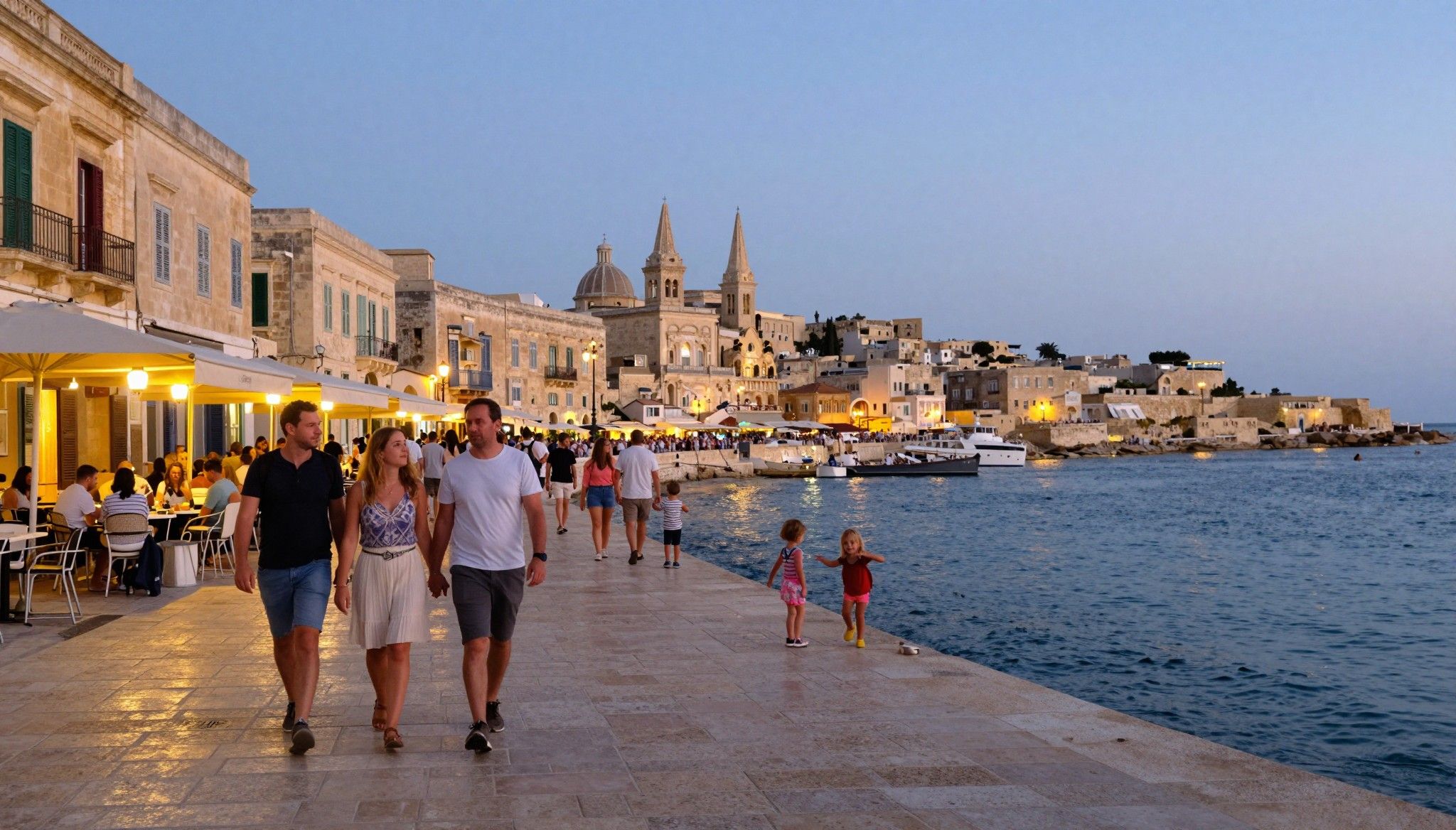
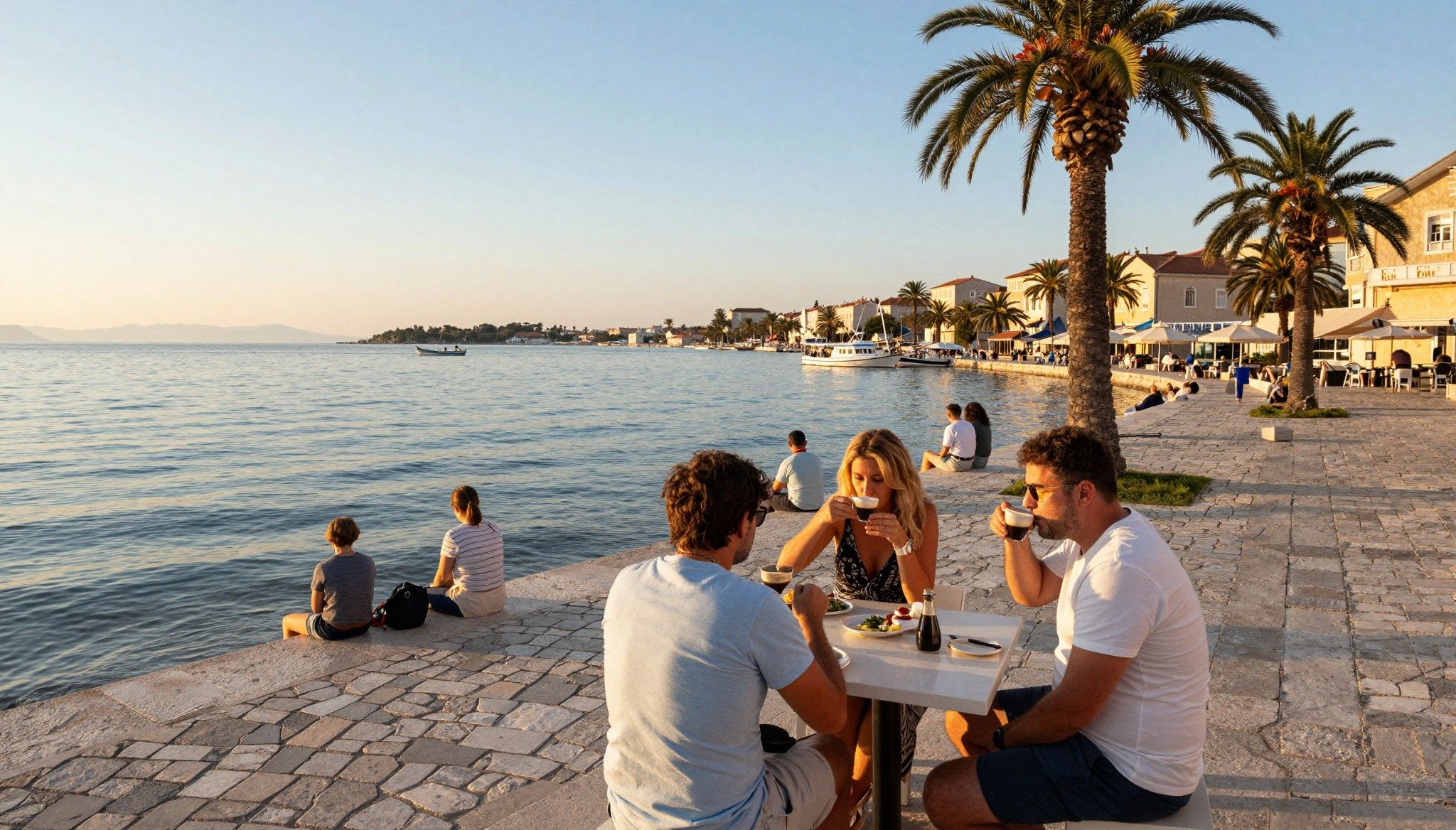
Imagine sipping a late‑morning espresso at Caffè Cordina in Valletta, then walking five minutes to a limestone townhouse whose terrace opens on a narrow street of ochre shutters. That contrast—intense urban history a short step from sea breeze—explains why buyers from across Europe keep showing up. But Malta is not a postcard market; beneath the charm are rules, seasonal strains and micro‑markets that change how a property actually performs. This piece pairs the life you’ll live with the practical moves that preserve it.
Living the Malta life: daily rhythms and neighbourhood character
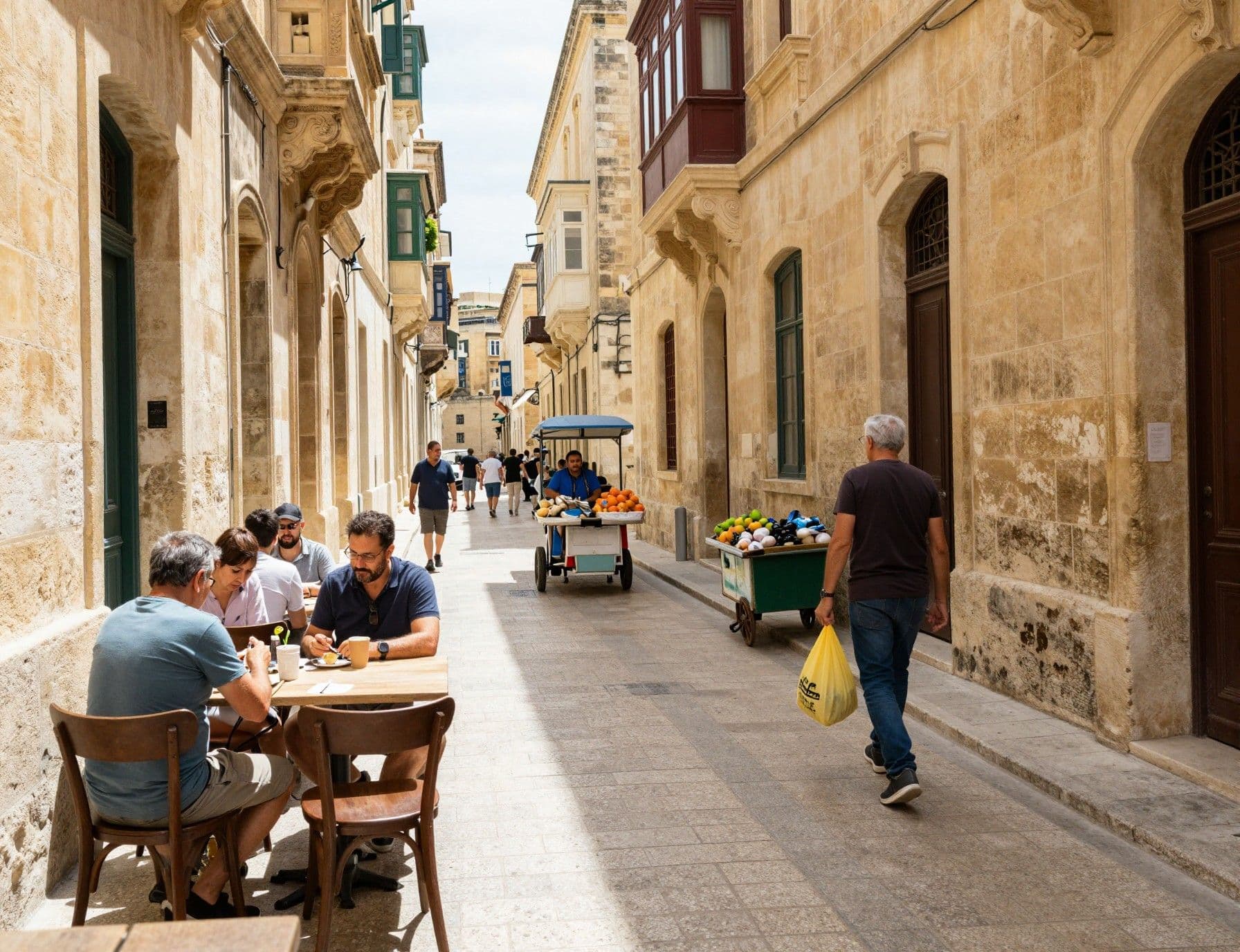
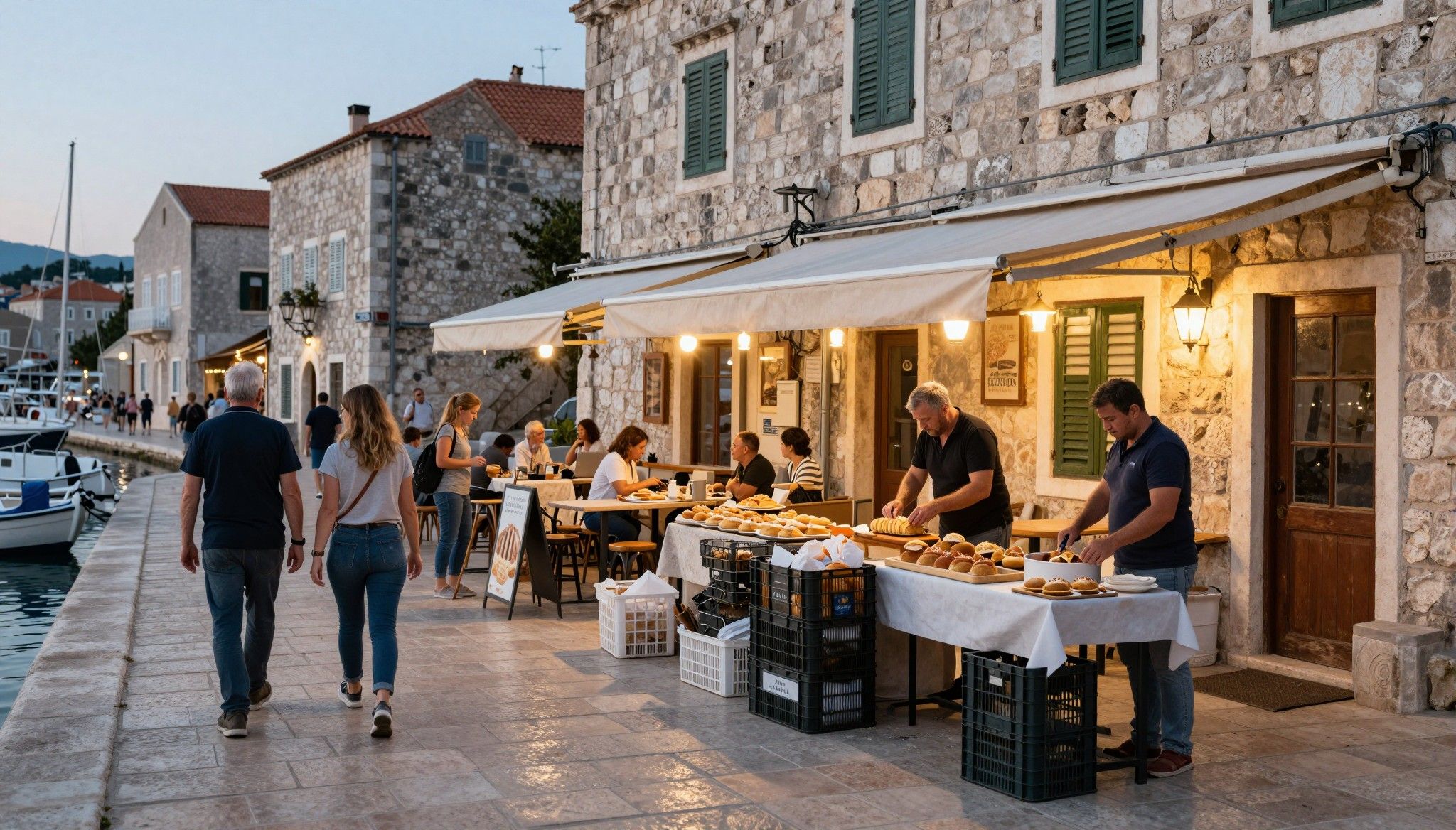
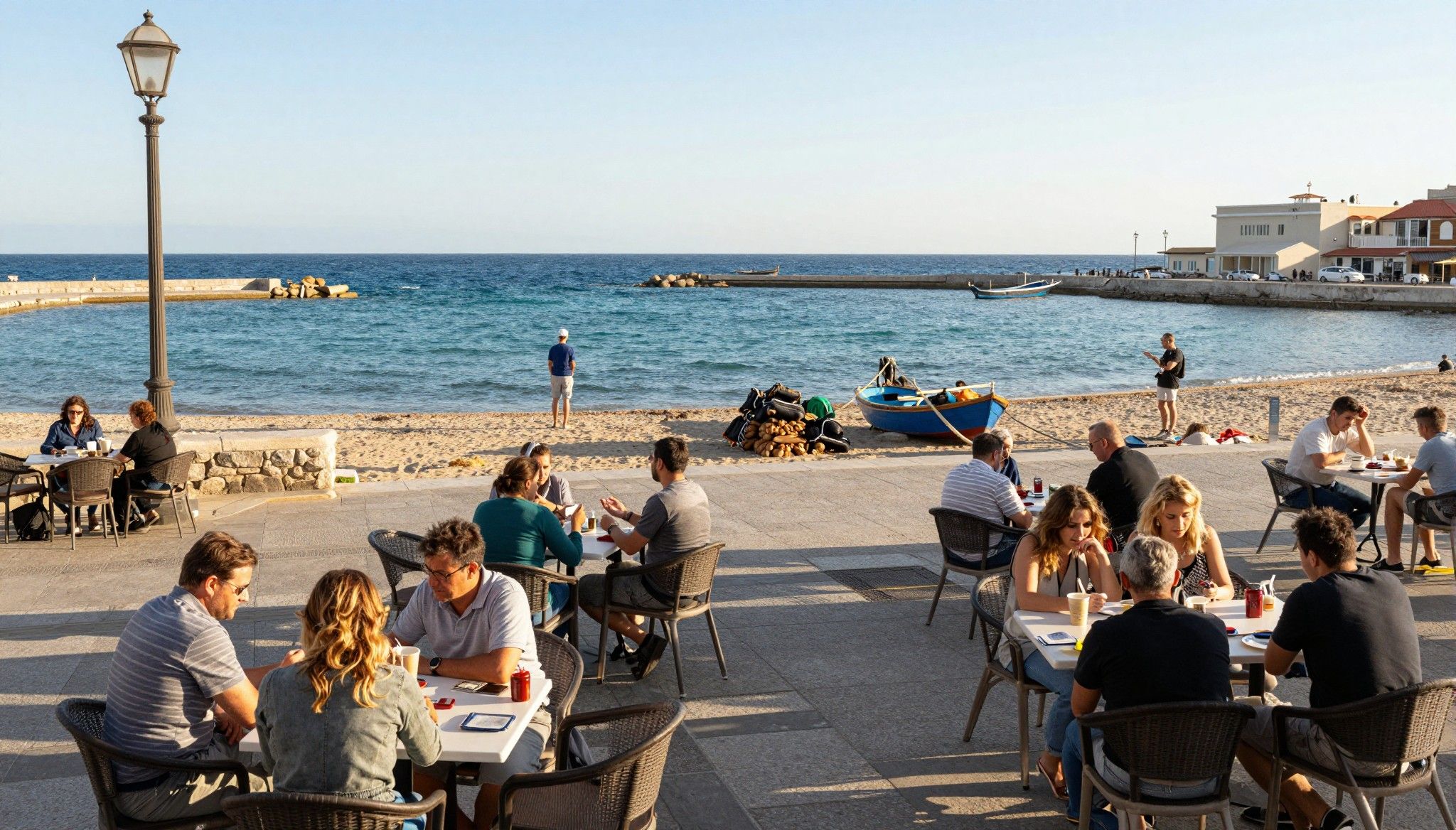
Malta’s days are shaped by light, short distances and layered public life: markets at dawn, cafés full by mid‑morning, siesta‑light pauses and an energetic evening. The islands’ small area means a weekend can include Mdina’s quiet lanes, the surf at Golden Bay, and a seafood dinner in Marsaxlokk — all within a 40–60 minute drive. Strong tourism (over 3.5 million inbound visitors in 2024) and a compact resident population make neighbourhood choice a crucial lifestyle and investment decision.
Valletta & Three Cities: history by the harbour
Valletta’s baroque streets reward slow living: morning light on St. John’s Co‑Cathedral, lunchtime chatter outside the Grandmaster’s Palace and evening promenades along the Grand Harbour. Properties here are often period apartments and townhouses with thick stone walls and internal courtyards — intimate, walkable, and priced for scarcity. Expect character: original beams, narrow staircases and the occasional rooftop view that adds market premium.
Sliema, St Julian’s & Balluta: lively coastlines and convenience
If you want cafés, shops and a seafront promenade, Sliema and St Julian’s deliver. Modern apartments, recent developments with pools and international amenities sit alongside older maisonettes. Nightlife clusters around Paceville, while quieter pockets near Balluta Bay attract families and professionals seeking schools and services within walking distance.
- Lifestyle highlights to taste the islands (actual places): Valletta’s Republic Street and Caffè Cordina; Marsaxlokk fish market Sundays; Golden Bay for sunset swims; Il-Bajja ta’ San Ġiljan promenade; Mdina’s Teatro Cafe for quiet afternoons; Ta’ Qali craft village on weekends.
Making the move: how lifestyle maps to property choices
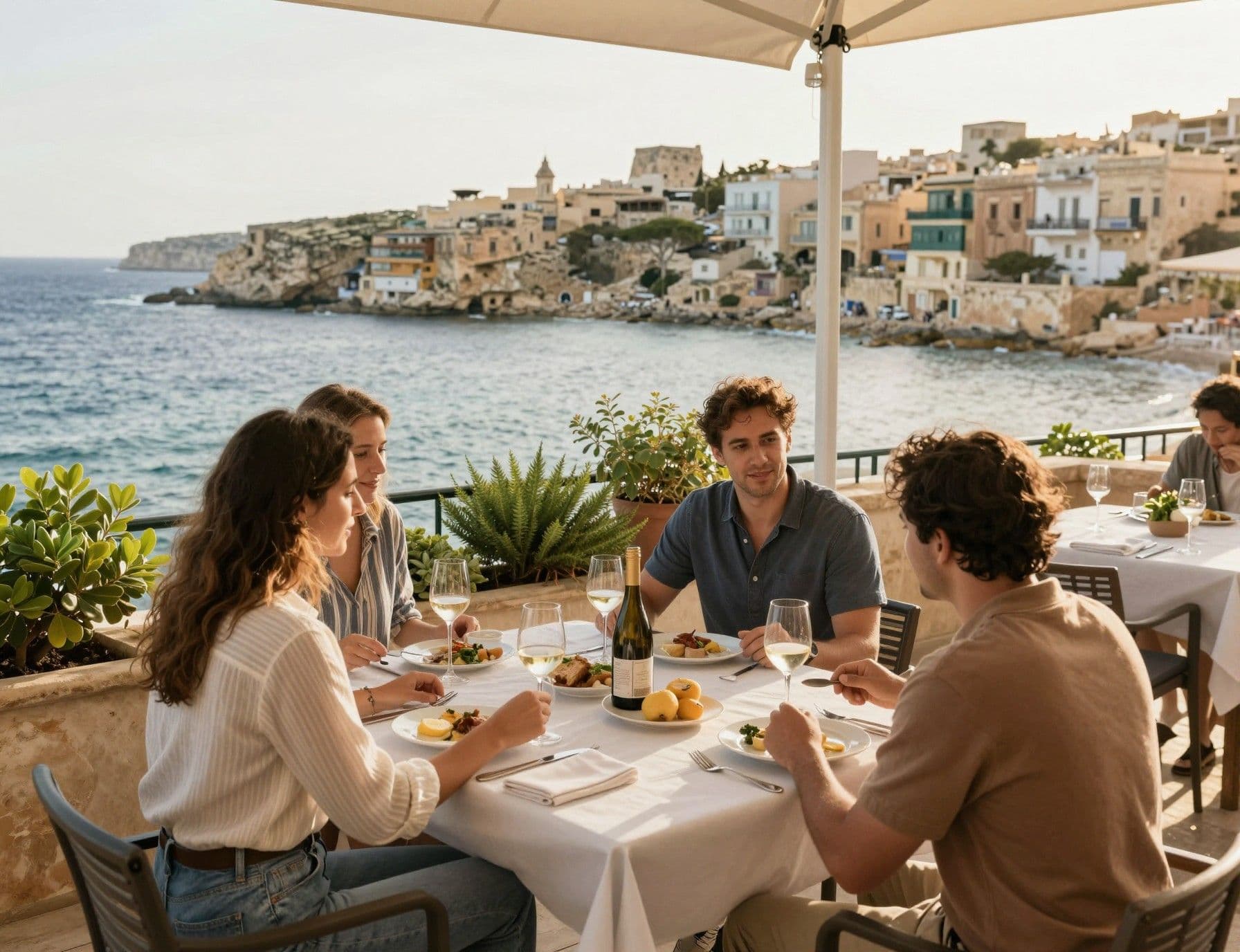
Living in Malta is intimate; the property market reflects that. Non‑residents face Acquisition of Immovable Property (AIP) rules and minimum price thresholds in many areas, while Special Designated Areas (SDAs) allow freer ownership and short‑term lettings. Translate your desired lifestyle into a property type — townhouses for historic immersion, new apartments for seaside convenience — and then match it against permission rules and seasonal demand.
Property types and the life they support
Stone townhouses and maisonettes deliver intimacy and indoor‑outdoor courtyards; apartments in Sliema or St Julian’s give access to promenades and cafés; new developments in SDAs often include communal pools, parking and professional property management. Think through access to services, how often you’ll travel, and whether you favour a year‑round community versus a seasonal pocket where summer tourists dominate.
How local agencies convert lifestyle briefs into searchable deals
- 1. Clarify your rhythm: weekday routines, family needs, and how often you’ll host guests. 2. Map permissions: confirm whether your target property falls inside an SDA or needs an AIP permit. 3. Prioritise walkability vs parking: ask agents for 7‑day activity notes, not just photos. 4. Check seasonal utility comfort: older stone buildings can be cool in winter but need AC in summer. 5. Build a local services list: clinics, schools, cleaners and property managers before signing. 6. Demand source‑backed comparables: insist on recent transaction data rather than advertised prices.
Insider knowledge: what expats learn the hard way
Expats quickly notice three realities: summer intensity (inbound tourism concentrates pressure on services), regulated ownership (AIP and SDA distinctions change feasibility), and micro‑price pockets (two streets can differ significantly). Recent data show steady price growth and strong tourist demand — factors supporting rental resilience but also driving competition for desirable streets and period homes.
Cultural integration, language and everyday norms
English is an official language and widely used in business, which eases daily life and bureaucracy. Still, integrate by joining local clubs, markets and parish events — Maltese social life is neighbourhood‑centred. Expect direct but friendly interactions, punctual small‑business hours, and a slower service rhythm outside tourist nodes.
Long‑term lifestyle + property considerations
Think beyond the first year: maintenance on older stone homes adds routine costs, while newer builds may charge service fees that impact returns. Rental demand is strong in established tourist years, but landlords should plan for regulation changes and maintenance cycles. Engage an agency that provides local contract templates, trusted contractors and an estimated 5‑year cash‑flow picture.
- Red flags and smart checks before you bid: • Promises of guaranteed rental income — ask for actual occupancy and tax‑filed revenue data. • Missing permits for works or conversions — confirm planning approvals. • Vague boundary descriptions in older townhouses — insist on precise cadastral maps. • No structural survey for buildings over 50 years — budget for professional inspection.
- 1. Request recent transaction comparables for the exact street. 2. Verify AIP/SDA status with the agency and the Malta Planning Authority. 3. Commission a structural and services survey (water, electricity, drainage). 4. Obtain quotes for recurring costs (condominium fees, insurance, maintenance). 5. Confirm short‑term letting rules if you plan holiday rentals.
A contrarian timing tip: why winter viewings can win you the life you want
Summer show‑flat season dazzles but hides faults: winter visits reveal damp, noise levels and real neighbourhood rhythms. Many expats who bought after winter viewings found quieter streets, better negotiating leverage and clearer service‑cost expectations. If you can, schedule viewings in two seasons: imagine both July and January mornings in the same flat before you commit.
Conclusion: fall for the life, buy with local clarity. Malta offers a concentrated, layered lifestyle — from baroque mornings in Valletta to coastal promenades and compact village life. Match the property type to how you want to spend your day, insist on AIP/SDA verification, budget for older‑stone maintenance or condominium fees, and favour agencies that translate lifestyle briefs into legally vetted offers. When you pair vivid local knowledge with transaction discipline, Malta rewards both the heart and the ledger.
Swedish strategist who relocated to Marbella in 2018. Specializes in legal navigation and tax planning for Scandinavian buyers.