Croatia: The Life You Buy—Rhythms, Rules, and Real Value
Croatia’s coastline sells a lifestyle; smart buyers pair seaside rituals with legal checks—EU buyers move fast, non‑EU buyers need reciprocity approval; coastal gains outpace inland.
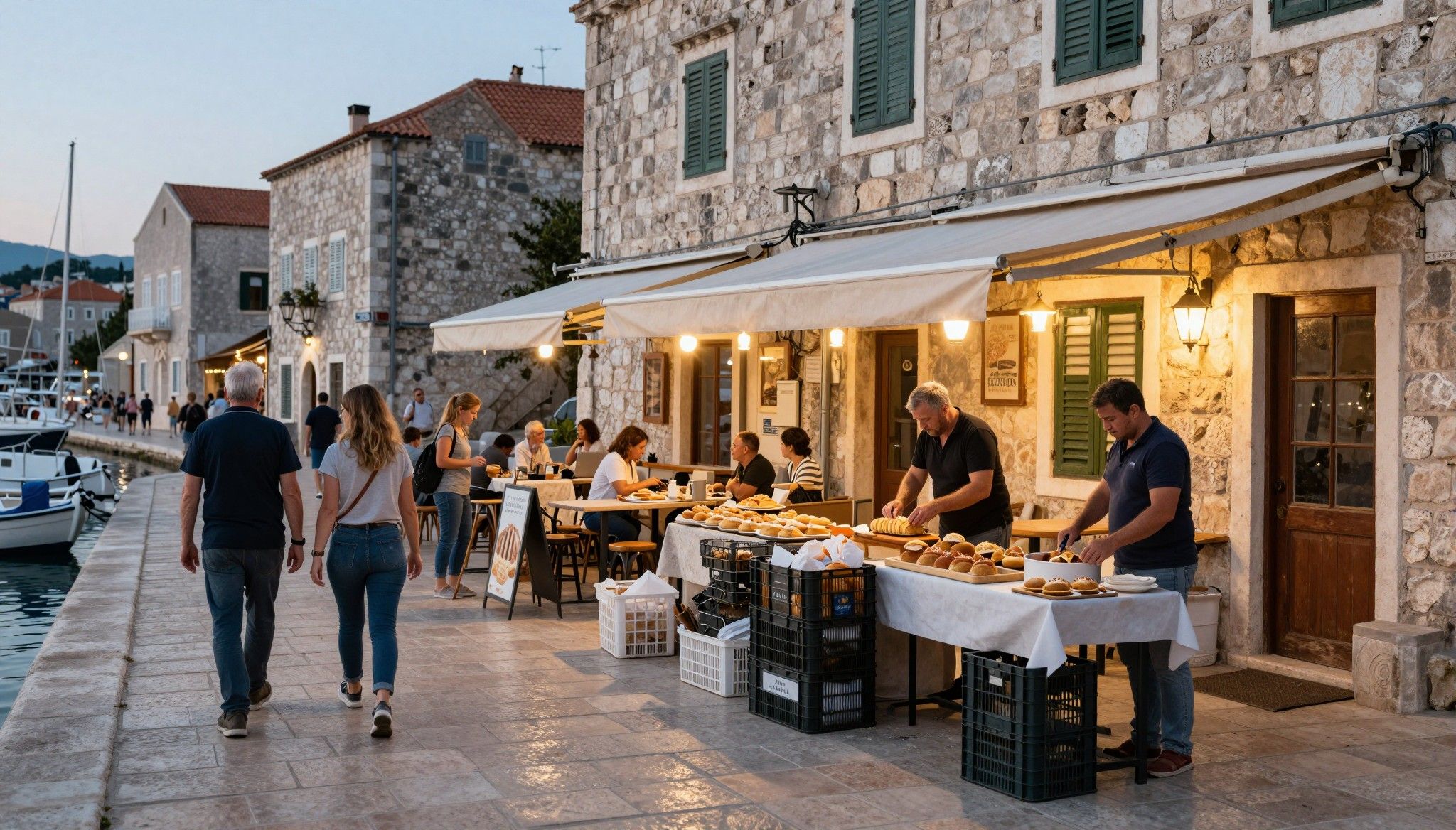
Imagine waking to a breeze off the Adriatic, walking past a morning market on Split’s Obala or a café-lined lane in Rovinj before heading to a nearby renovation site where exposed stone meets modern glazing. Croatia moves at two comfortable speeds: unhurried coastal rituals and efficient, quietly modern city life. That duality—timeless Mediterranean living plus improving market infrastructure—is the reason buyers fall in love, and why understanding the facts matters as much as feeling the light.
Living the Croatia Rhythm
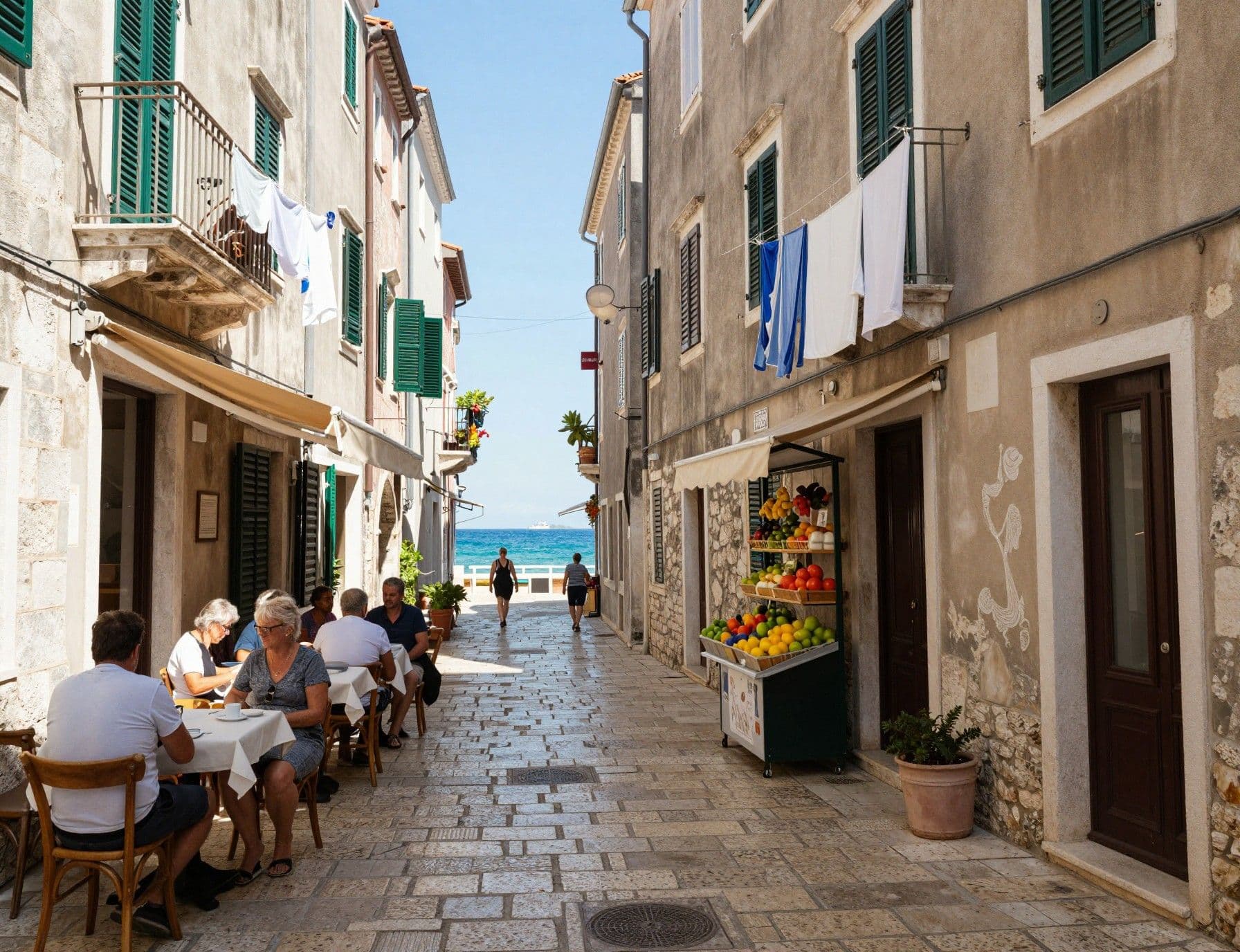
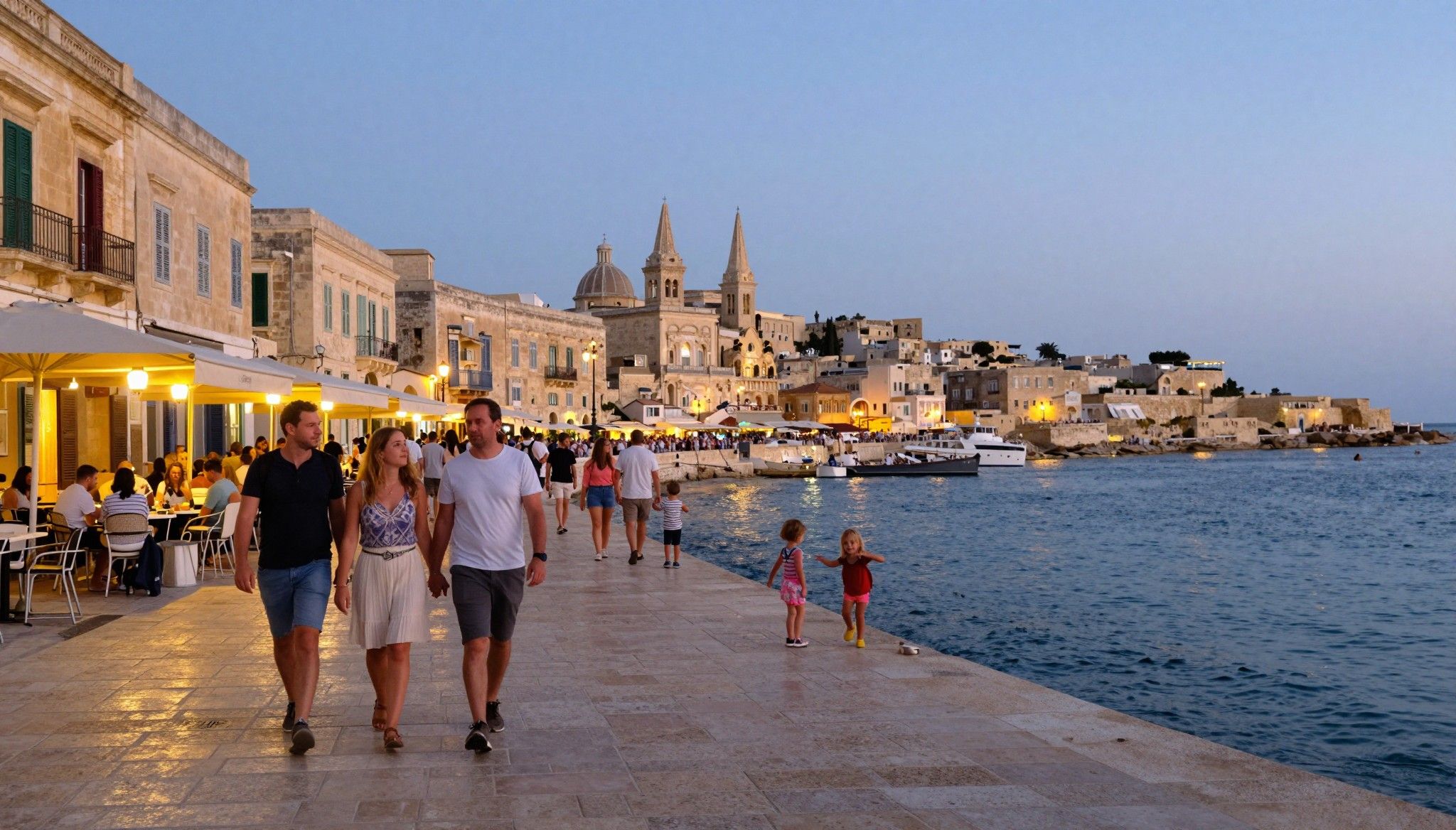
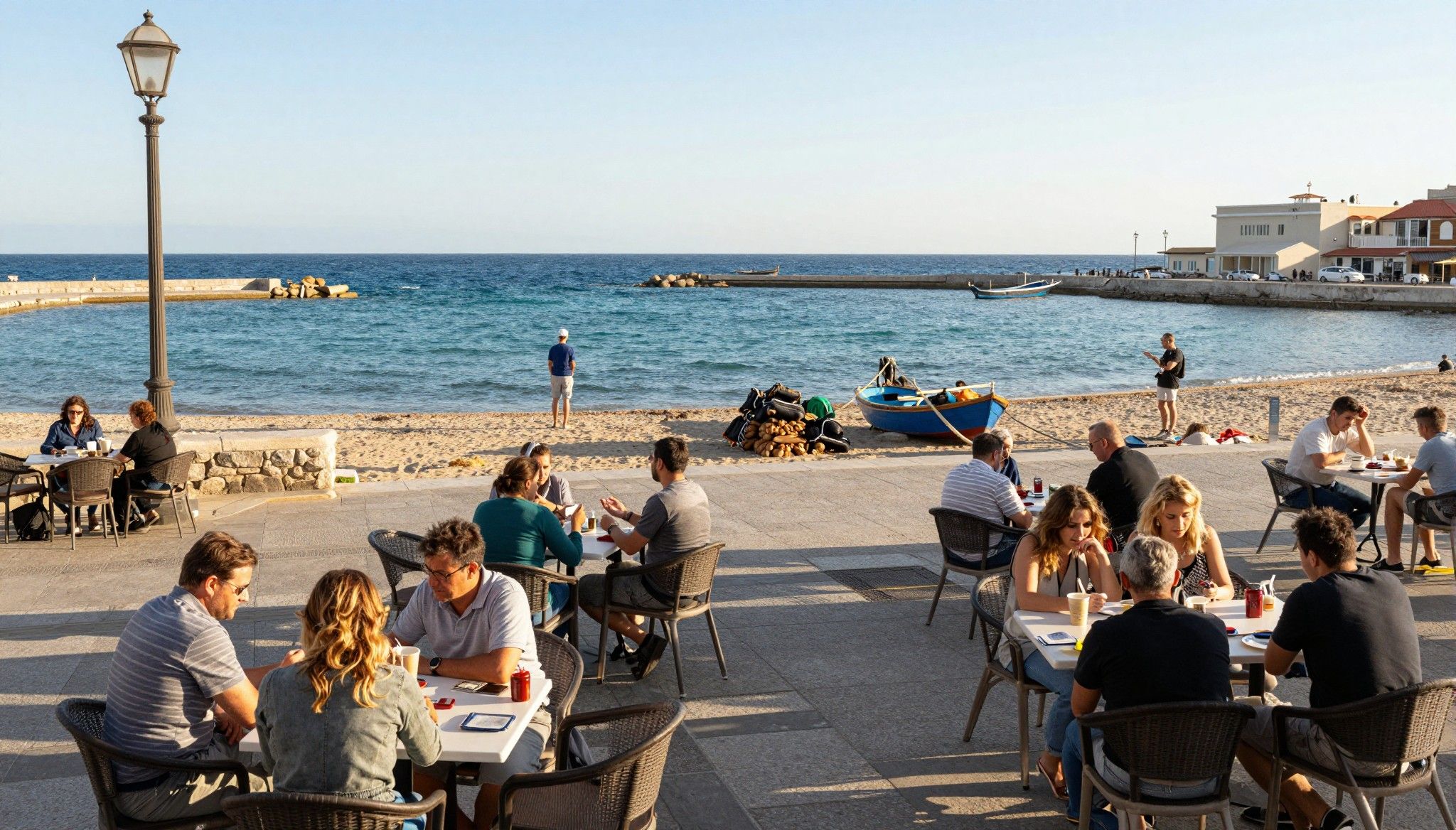
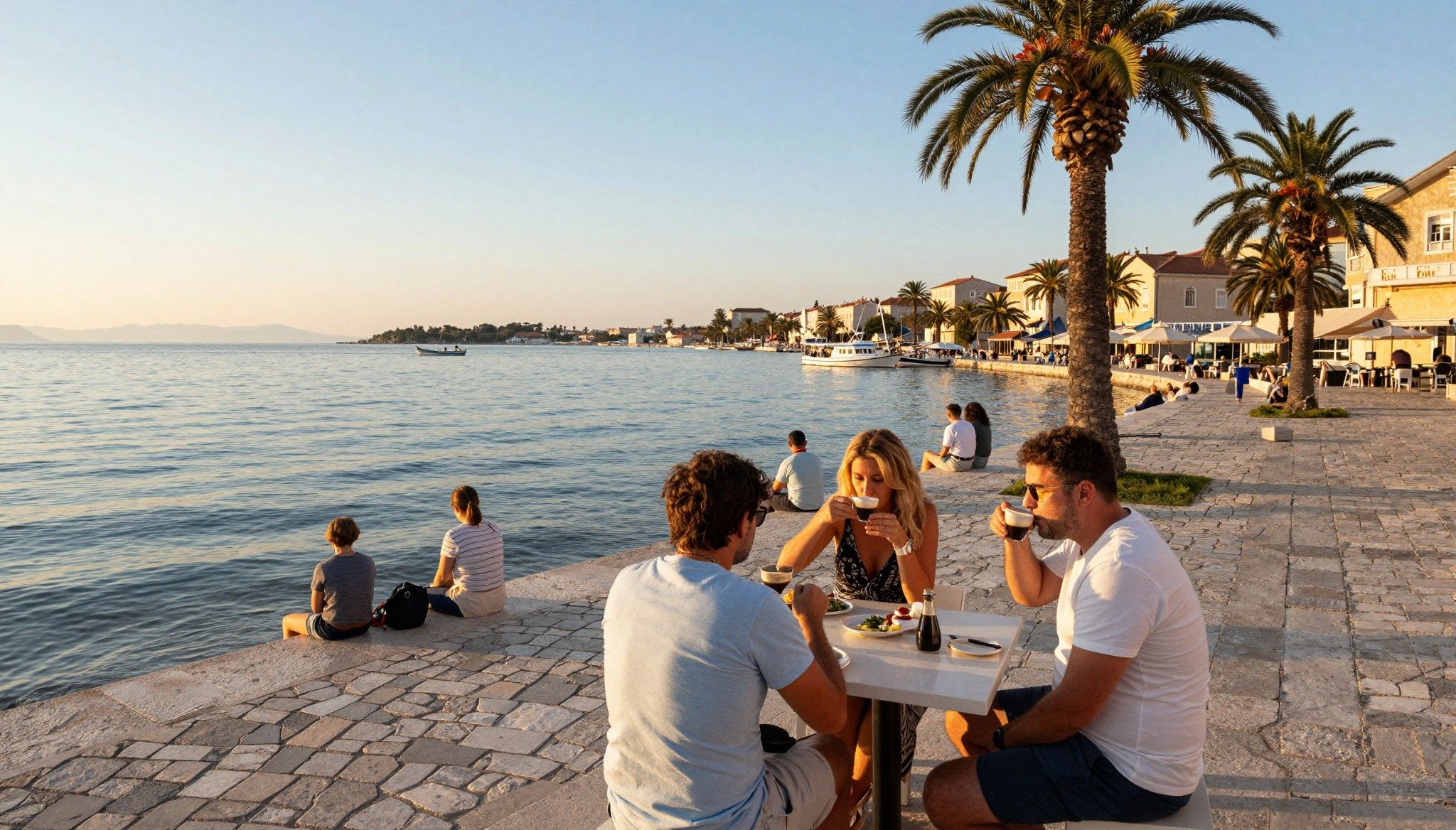
Daily life in Croatia blends espresso culture, markets and the sea. In Zagreb mornings mean bakeries and tram commutes; on the coast, a day can begin with a swim and end with grilled fish and a glass of Malvazija. Streets are social places: piazzas, waterfront promenades and small family-run konobas shape where you shop and what you value from a home—proximity to a market, a shady terrace or a harbour-side promenade often matters more than floorplan statistics.
Coastal neighborhoods: Split, Dubrovnik, Istria
Split’s Veli Varos and the Riva pulse with cafes and short leases that suit part-time coastal living; Dubrovnik’s Old Town is postcard-perfect but tightly regulated, which affects renovation and rental patterns. On Istria’s west coast, Rovinj and Poreč combine Venetian stone streets with newer waterfront developments—appealing to buyers who want old façades and modern comforts within a short walk of fish markets and galleries.
Food, festivals and seasonality
Taste matters here: mornings at Dolac Market in Zagreb or the fish markets of Hvar set weekly rhythms. Festivals—ultra-local lace festivals in Pag, film festivals in Pula—change rental demand and local life for weeks at a time. Seasonality is not a nuisance so much as a feature: summer demand lifts yields on short-term rentals, while autumn and winter reveal communities you’ll live with year-round.
- Morning market runs in Dolac (Zagreb); swimming off Bacvice (Split); truffle dinners in Motovun (Istria); Sunday family lunches in Konoba Štrukla; coastal island hopping from Hvar’s harbour
Making the Move: Practical Considerations
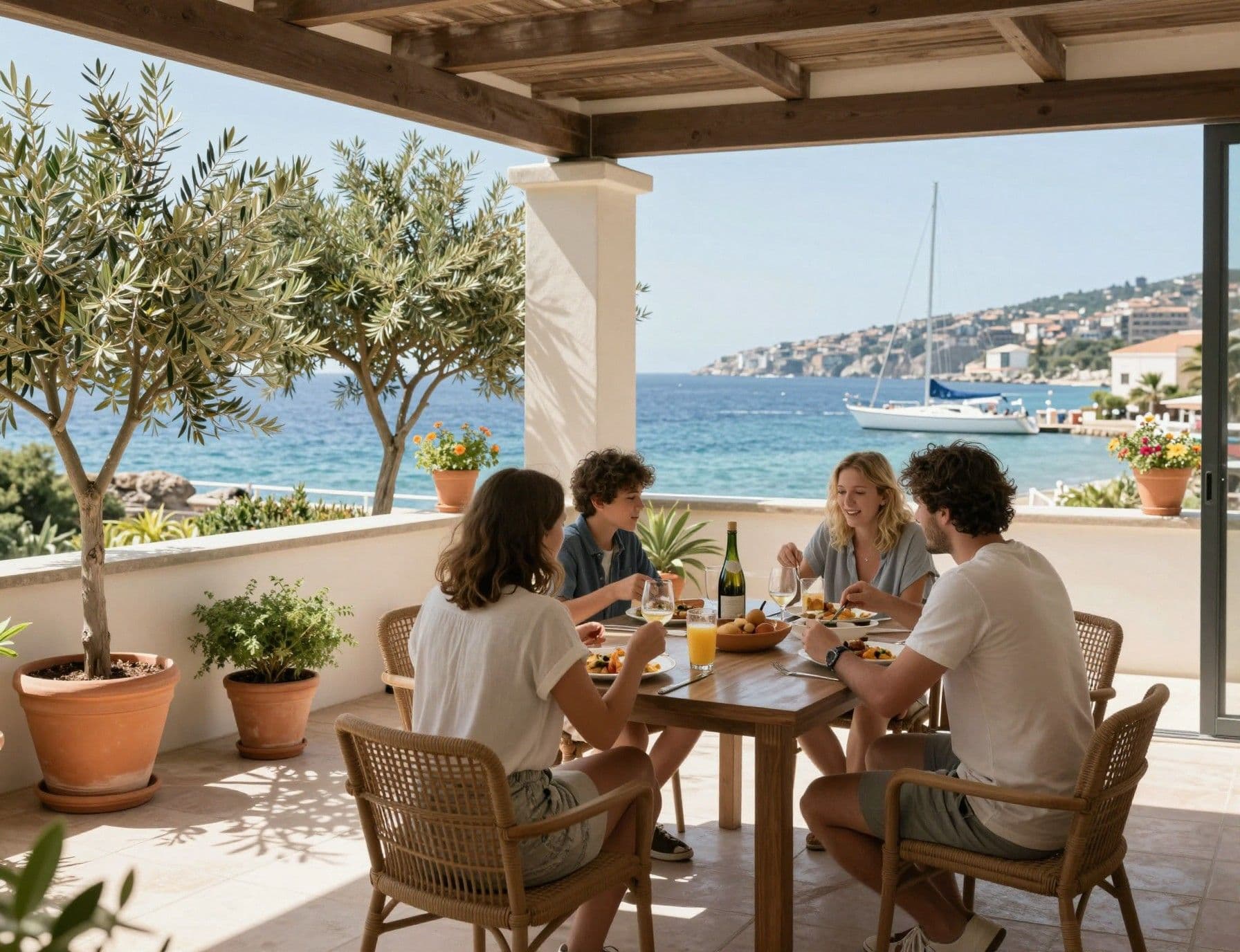
Romance meets regulation. If you’re EU/EEA/Norway/Iceland/Liechtenstein citizen, purchase rights are effectively equal to locals. Non-EU buyers must satisfy reciprocity rules and often wait for Ministry approval, so timeline planning—especially if you’re chasing a coastal bargain—matters. Market data show prices rising but unevenly distributed by region; coastal hotspots and city centres carried most of the 2023–2024 price growth while inland areas moved slower. Always match the lifestyle you want with the legal route that makes it feasible.
Property types and how they shape life
Stone town flats offer walkable life and high maintenance realities; new-build coastal apartments bring parking, insulation and amenities but often carry developer VAT versus property transfer tax rules. Villa living on islands promises privacy and outdoor space but adds ferry logistics. Match property archetype to how you will actually spend days (market visits, seaside swims, remote work) rather than buying an asset that looks good on paper.
How local experts translate lifestyle into market advantage
- 1) Use a lawyer familiar with Ministry reciprocity approvals and land-register quirks. 2) Choose an agency that shows lived-in neighbourhoods, not glossy brochures—ask to visit a market and elementary school nearby. 3) Insist on a full ownership chain (extract from land register) before any deposit. 4) Factor seasonality into valuation: summer rental comps can be misleading for year-round occupancy.
Insider Knowledge: What Expats Wish They’d Known
Here’s the real talk: language will rarely be the barrier you expect—most agents, developers and services in hotspots speak English—but local bureaucracy and municipal customs will be. Small choices (a north-facing terrace, a ground-floor flat without separate drainage) matter in winter rains; proximity to a ferry timetable matters on islands. Expat communities form quickly around good bakeries, co‑working spaces and international schools; follow them to learn where life actually happens.
Cultural cues that change where you buy
Croatians prize local ties and small-scale civic life: building committees, local associations and neighbourhood traditions influence renovations, permits and social acceptance of rentals. Ask how neighbours use a street: long-term residents will often resist short-term rental conversions in inner-coastal lanes, affecting both income potential and day-to-day harmony.
Long-term lifestyle and market outlook
Data show price growth concentrated in coastal towns and Zagreb, while inland areas lag—meaning buyers who want lifestyle may pay a premium, but also that lesser-known regions offer entry points for long-term value. Expect infrastructure and tourism-led demand to keep coastal markets supported; balance that with personal use needs and upkeep realities to ensure the home you buy now remains a place you want to live in five years.
- Checkpoints before you sign: verified land-register extract; Ministry reciprocity approval (if non-EU); up-to-date utility documentation; clear municipal permit records; realistic seasonal rental comparables
Conclusion: Croatia rewards buyers who pair romance with rules. Fall for market rhythms—morning markets, island ferries, convivial konobas—but book a local lawyer and an agency that measures lifestyle as a market metric. Visit outside high season, ask for neighbourhood life tours, and layer statutory checks (land register, ministry approvals) under your lifestyle checklist. Do that and you’ll buy more than a property—you’ll buy the life that made you look.
British investor turned advisor after buying in Costa del Sol since 2012. Specializes in cross-border compliance and data-driven investment strategies for UK buyers.