The Summer Mirage: When to Buy Property in Greece
Greece’s market is seasonal and local: buy for how you’ll live, not the postcard — test off‑season, secure legal checks, and prioritise year‑round services.
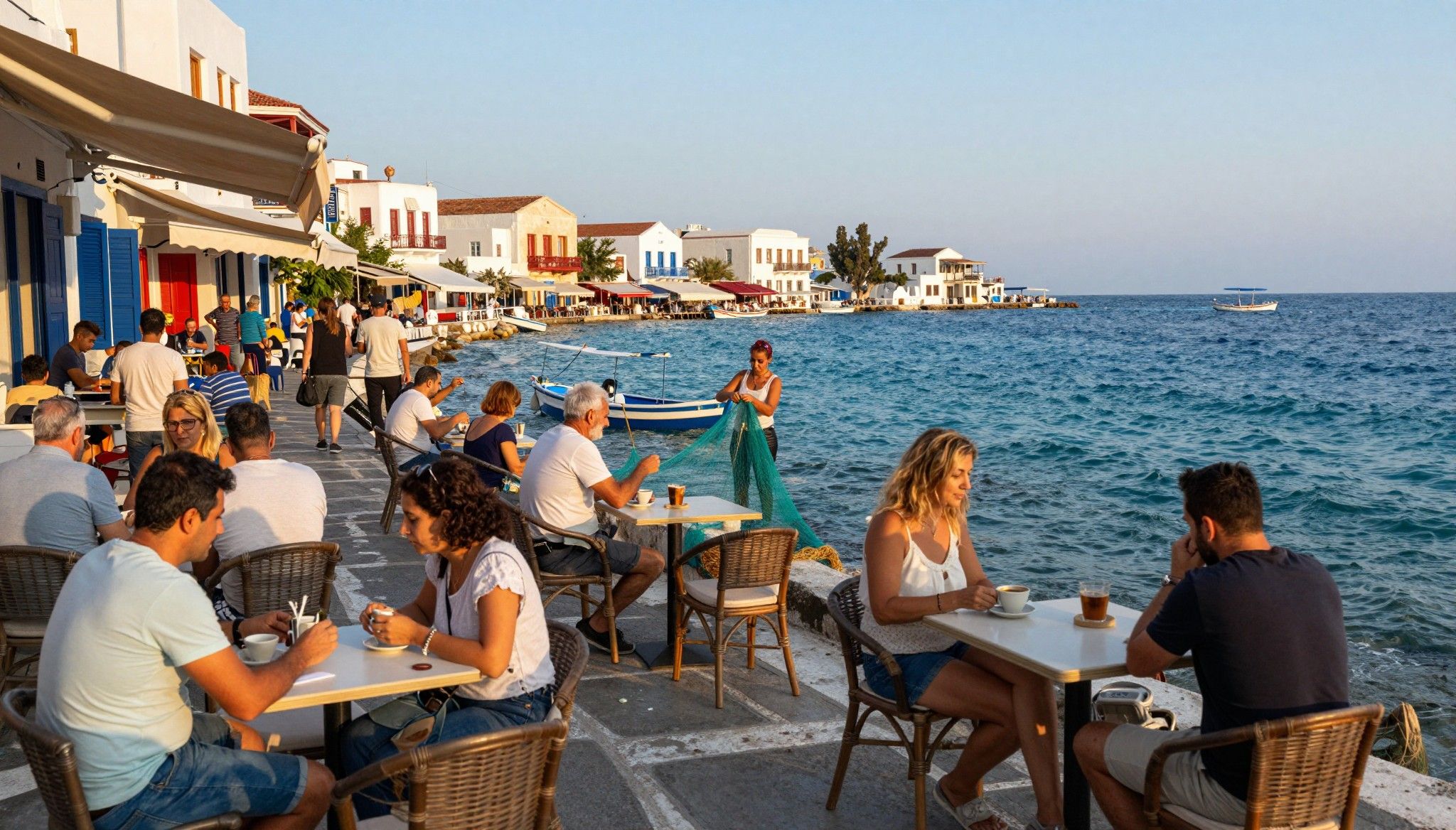
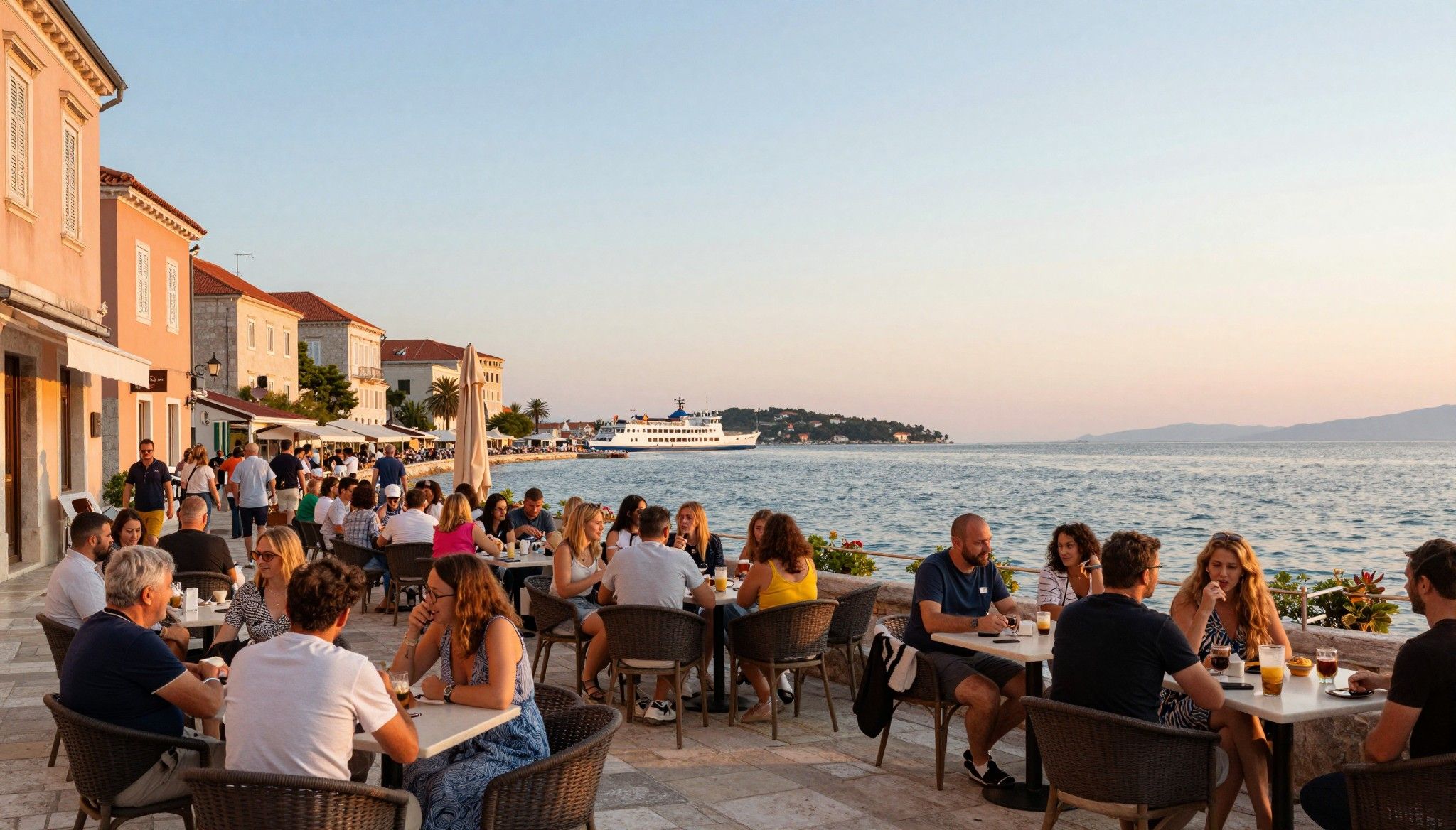
Imagine waking to the clatter of a neighbourhood kafeneio in Plaka, the smell of freddo espresso blending with salty air from a nearby Aegean quay. In Greece life often begins outside: narrow streets, morning markets, and late‑afternoon terraces that spill into the evening. This piece compares the lived reality across Greece’s most sought‑after coastal and island markets and explains the purchase moments that deliver the best lifestyle value.
Living the Greek lifestyle — rhythms that shape where you buy
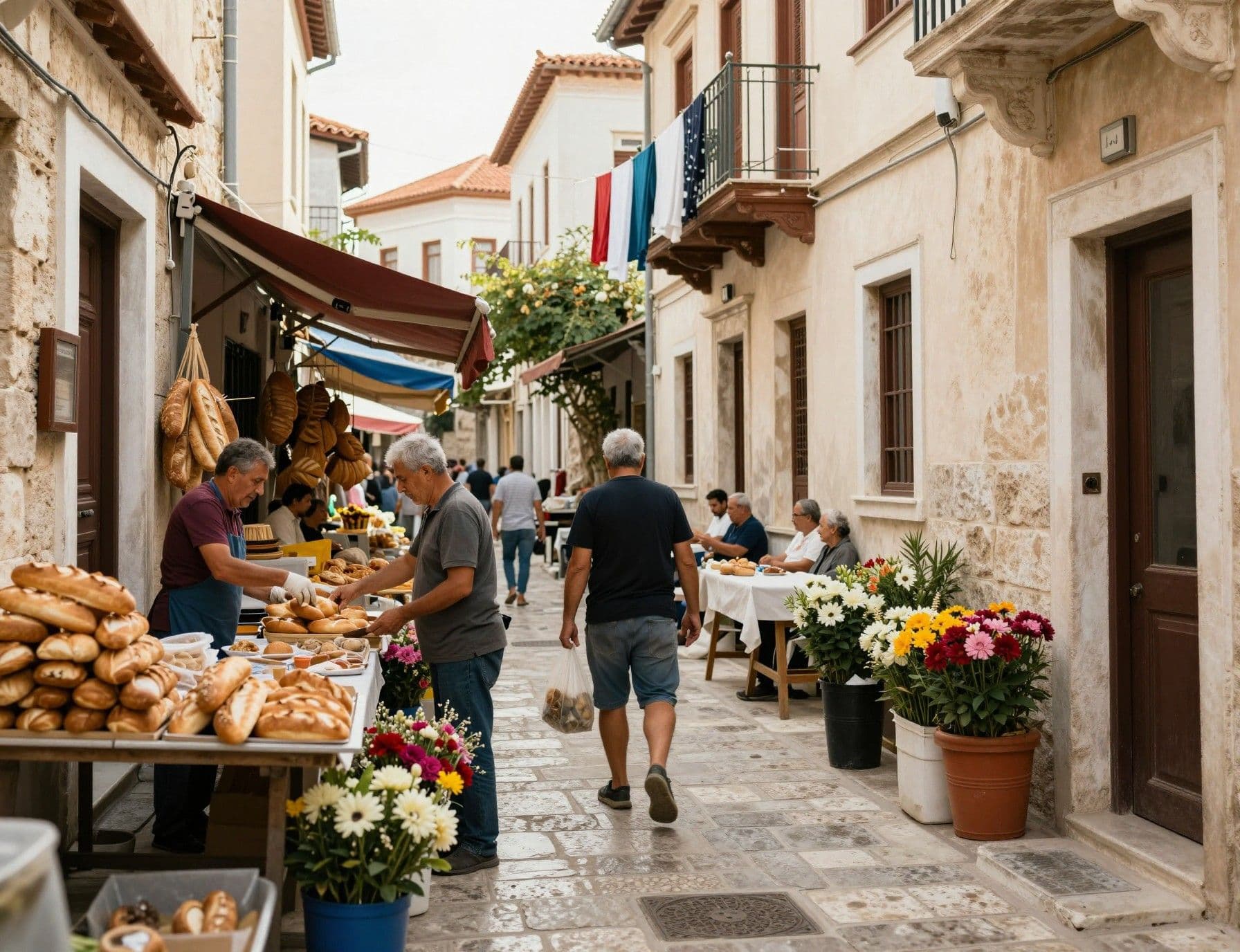
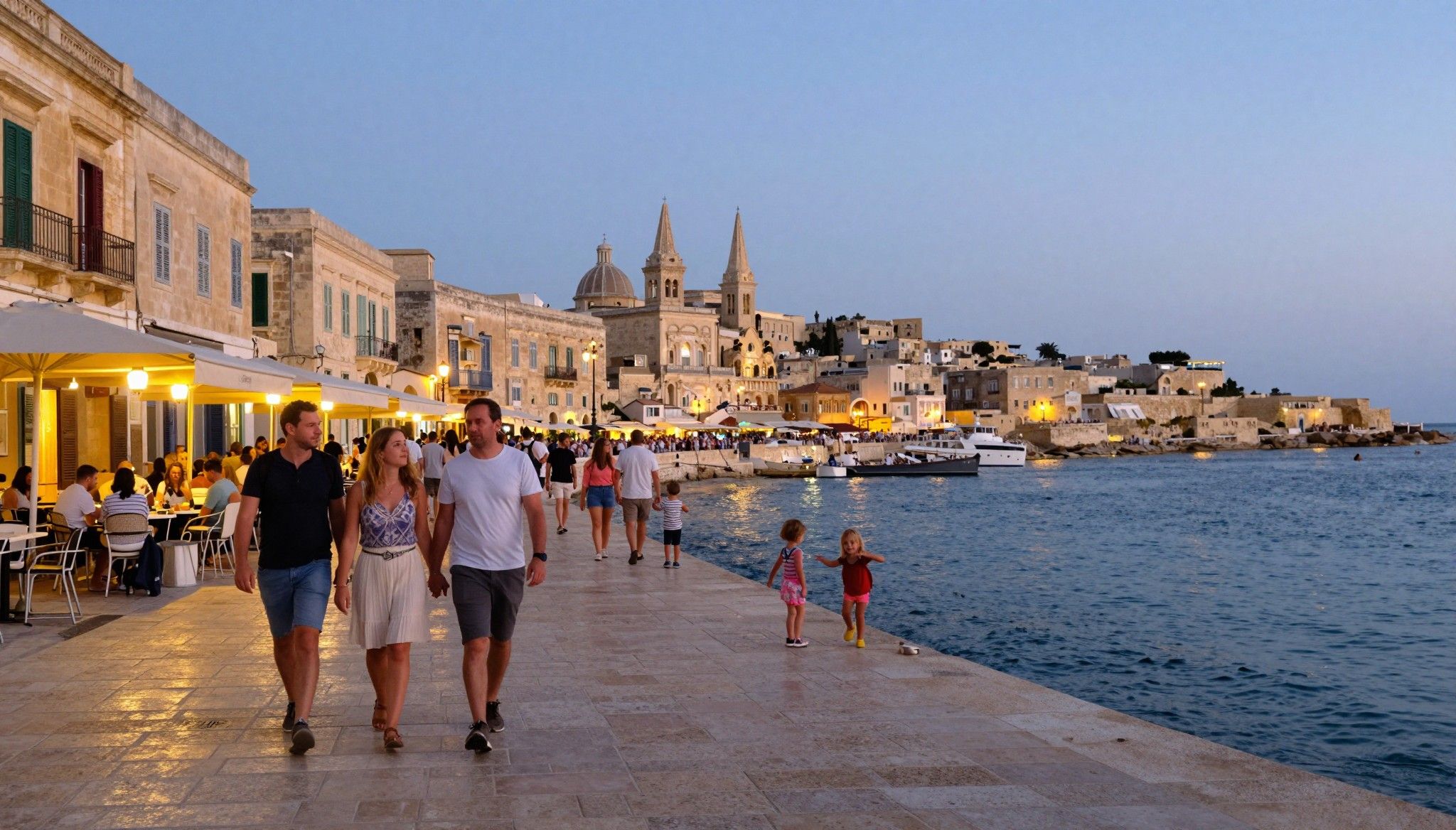
Daily life in Athens, Mykonos, Chania or Kalamata is shaped by scale and season. Athens hums with year‑round cafes and cultural programming; the islands pulse intensely in July and August and quiet dramatically off‑season. Prime market notes show different rhythms: some coastal pockets soften outside summer, while urban apartments keep steady demand from locals and remote workers. Understanding those rhythms is the first step to buying a property that feels like home rather than a postcard.
Athens neighbourhoods: city life, sea views, and village pockets
Walk from Kolonaki to Pangrati and you pass registry offices, boutique bakeries and pockets of modernist apartments with terraces. Koukaki and Anafiotika offer granular, village‑scale streets within reach of evening concerts on the Acropolis. If you want cafes by day and neighbourhood life by night, Athens combines metropolitan infrastructure (hospitals, international schools, airports) with micro‑neighbourhood character — useful when your property needs to perform as both a home and a rental.
Islands and coastal towns: Mykonos, Corfu, Chania — different seasons, different values
An island like Mykonos sees extreme demand in high season and stronger price pressure historically, while regional towns like Chania on Crete attract year‑round residents and remote workers. Bank of Greece data for 2024–2025 shows apartment prices rising in many urban areas even as some coastal prime pockets moderated. That means buyers can trade seasonal premium for steady rental yield by choosing towns with stable year‑round traffic.
- Lifestyle highlights: cafés, beaches and hidden streets to know
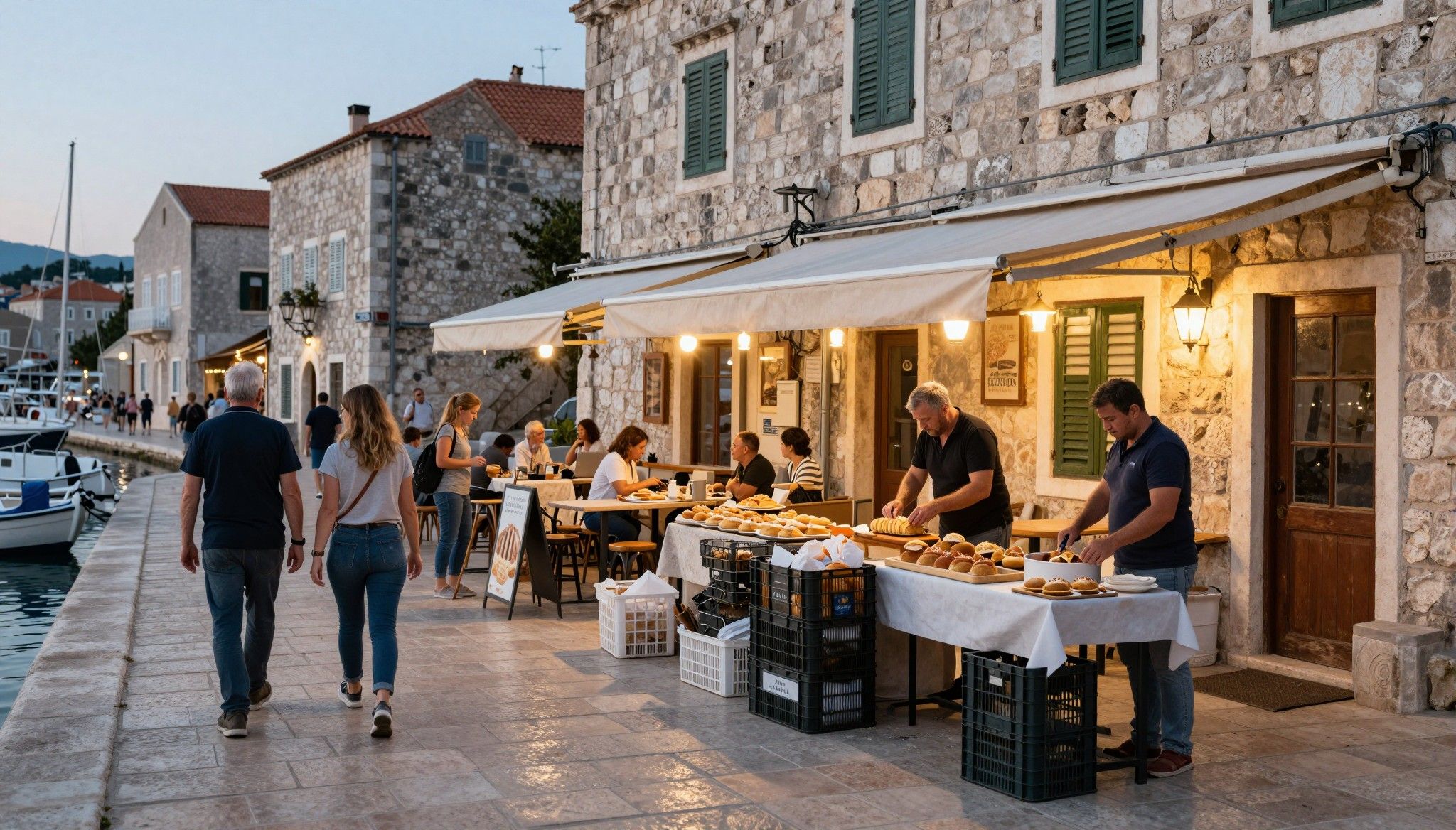
- Morning freddo in Monastiraki market (Athens), evening pastries in Plaka, and seaside tavernas in Agios Nikolaos.
- Hidden beaches: small coves on Lefkada and the quieter east coast of Naxos where locals keep their boats.
- Local favs: the fish market in Chania at dawn, small vineyards near Nafplio, late‑night music in Thessaloniki’s Ladadika quarter.
Making the move: practical considerations that preserve lifestyle
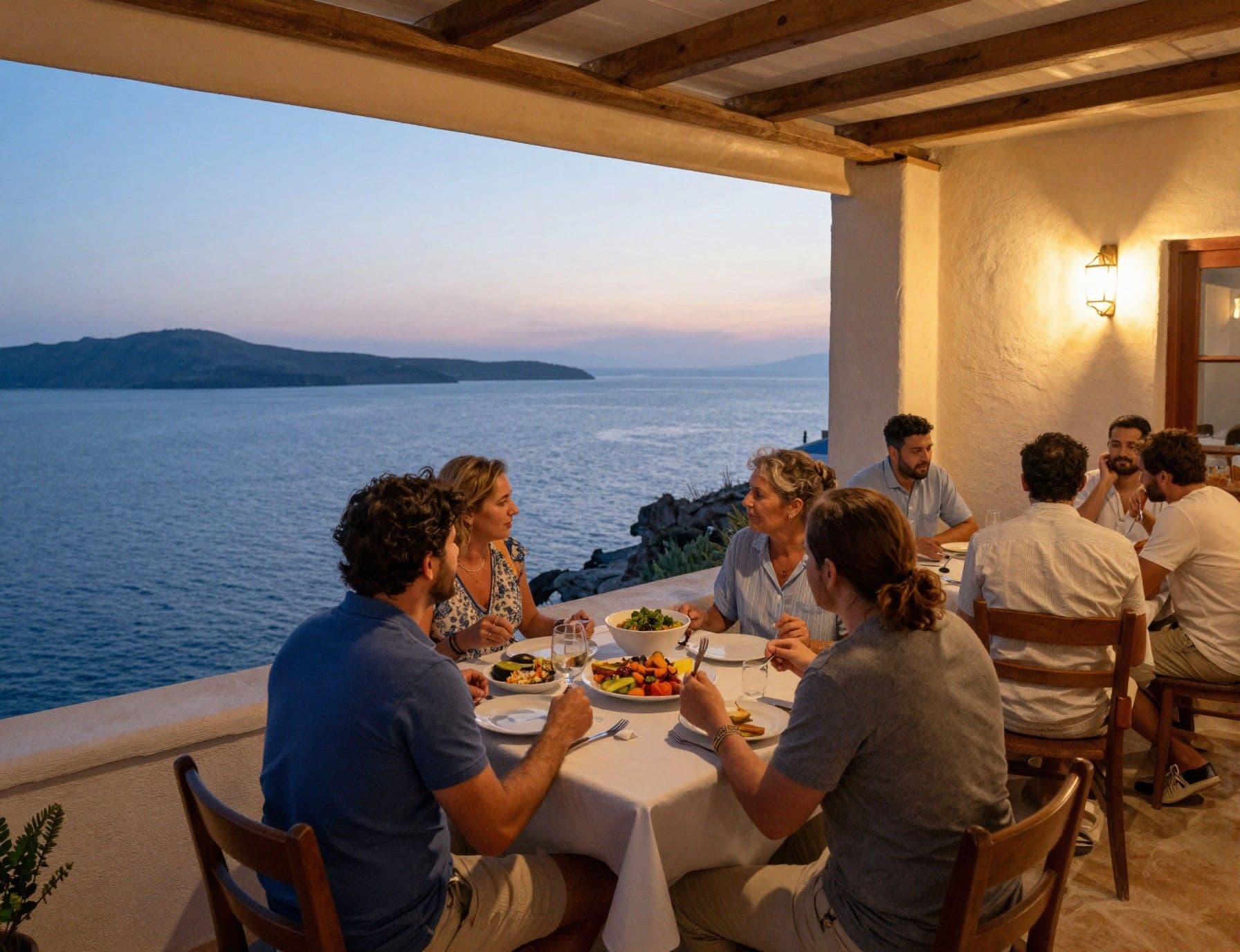
You can romanticise island life, but the property you choose must match how you plan to live — full‑time, seasonally, or as a rental. Market shifts since 2023 rebalanced demand: policy changes reduced speculative flows to some islands, while urban and year‑round coastal towns gained steadier interest. A clear brief — lifestyle priorities, occupancy pattern, rental expectations — will focus your search and reduce costly surprises.
Property styles: what each type actually delivers
Stone townhouses deliver character and potential for boutique rentals; new builds offer energy efficiency and low maintenance; coastal apartments trade terrace views for proximity. Choose by use: if you want year‑round rental, prioritise accessibility and services; for retreat‑style living, privacy and sea proximity matter more than immediate transport links.
Working with local experts who protect the lifestyle you bought
A specialist agent plus a Greek lawyer change your purchase from hopeful to secure. Advisors translate local titles, zoning, and the subtleties of seasonal rental licensing. They also read policy shifts — for example recent changes to investor residence rules — so your purchase aligns with current requirements rather than last season’s incentives.
- Steps that blend lifestyle and legal certainty
- Define your daily life: year‑round resident, part‑timer or rental owner — this decides location and size.
- Engage a local lawyer before offers to verify title, recent Golden Visa use, and permitted property use.
- Match property type to maintenance capacity: restored stone homes need more hands; modern apartments less so.
Insider knowledge: myths, seasonal truths and expat lessons
Myth: "Greece is cheap." Reality: prices are uneven. Islands and prime Athenian neighbourhoods can command major premiums, while inland towns and emerging coastal towns offer surprising value. House price indices show strong recoveries since the late‑2010s but with local pockets of cooling after policy changes — an opportunity if you look beyond postcards.
Cultural integration: daily rules that change where you belong
Language matters less in cafés and markets than it does in municipal offices and when signing contracts. Join local associations, learn basic Greek phrases, and treat neighbours’ routines with respect — small courtesies accelerate acceptance and practical help (like trusted builders or seasonal cleaners). Expats often say the people they met in local squares became the biggest asset of their move.
Long‑term view: how lifestyle needs evolve and what to buy for the future
Expect life to change: a seaside retreat can become a primary home, and a city apartment a base for family visits. Choose properties with flexible spaces, good natural light, and potential for modest upgrades — these features preserve lifestyle utility and resale appeal as local demand cycles through seasons and policy shifts.
- Red flags local buyers watch for
- Unclear title history or previous Golden Visa use without paperwork.
- Properties far from year‑round services if you plan to live outside summer months.
- Vendors who push seasonal occupancy numbers as guaranteed income.
- How to test a neighbourhood in 3 steps
- Visit in off‑season to gauge year‑round services.
- Stay in different accommodation types (apartment, townhouse) to feel maintenance realities.
- Meet local expats and residents to understand community rhythms and costs.
Conclusion: buy the life you want, not the postcard. Begin with a clear lifestyle brief, work with a Greece‑based lawyer and agent, and test neighbourhoods across seasons. With current market moderation and policy shifts, the smartest purchases combine lived‑in practicality with the Mediterranean life you fell for — a terrace for morning coffee, neighbours who know your name, and the security of proper legal checks.
British investor turned advisor after buying in Costa del Sol since 2012. Specializes in cross-border compliance and data-driven investment strategies for UK buyers.