Why France’s ‘Expensive’ Label Masks Practical Buying Wins
Fall for France’s markets, cafes and seasons—then buy with clarity: understand notary costs, social charges and seasonal dynamics to protect lifestyle and yield.
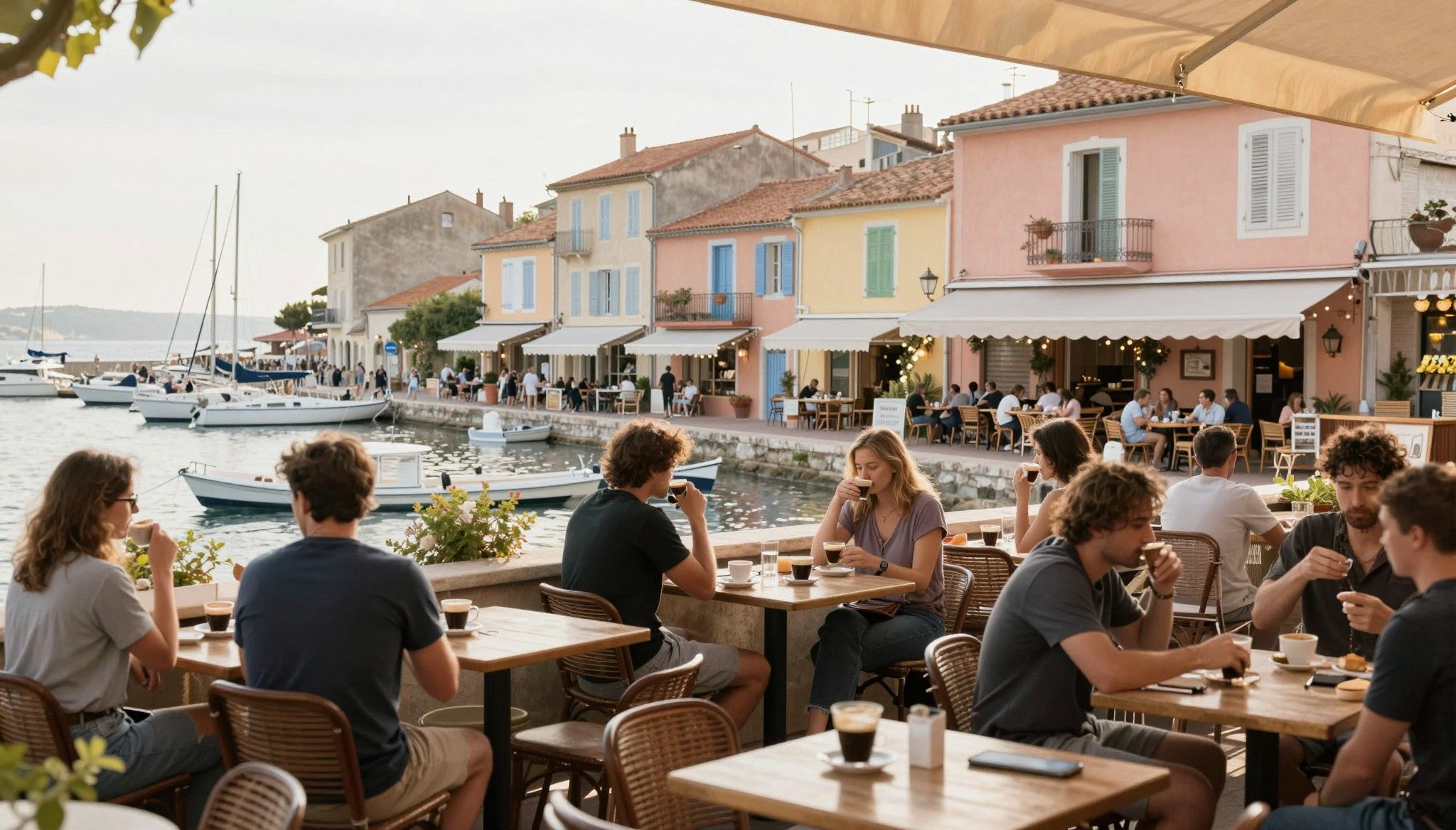
Imagine waking up to a boulangerie queue on Rue Cler, then spending the afternoon at a marché in Aix‑en‑Provence before dinner on a terrace in Le Vieux‑Nice. France feels like a sequence of lived moments—cafés, markets, village fêtes—that shape where you want to live. But the romantic image collides with reality: tax bills arrive, notary procedures have their quirks, and residency rules quietly influence offers. This guide shows how the French lifestyle you crave pairs with pragmatic tax and regulation moves so you can buy with delight and certainty.
Living the France lifestyle
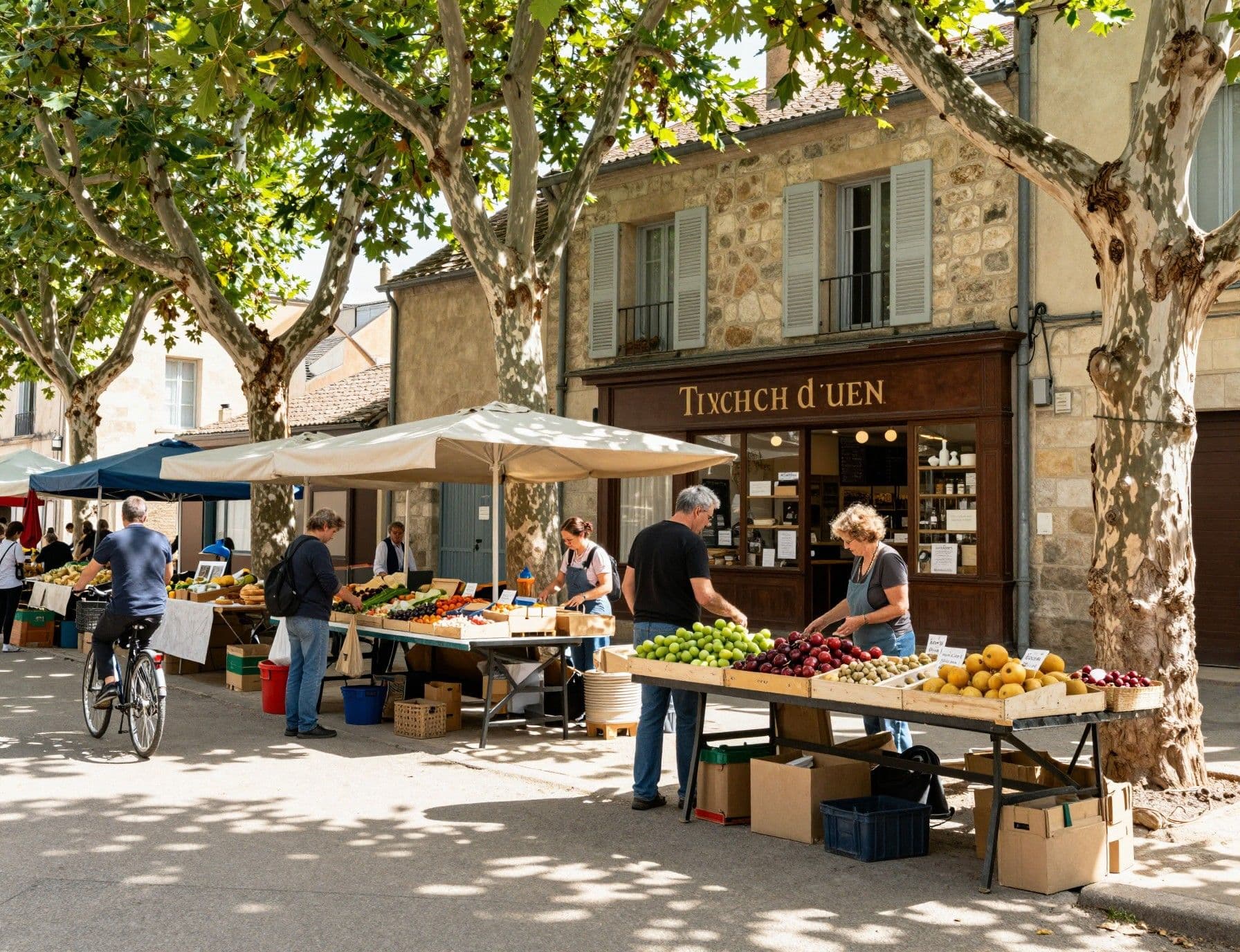
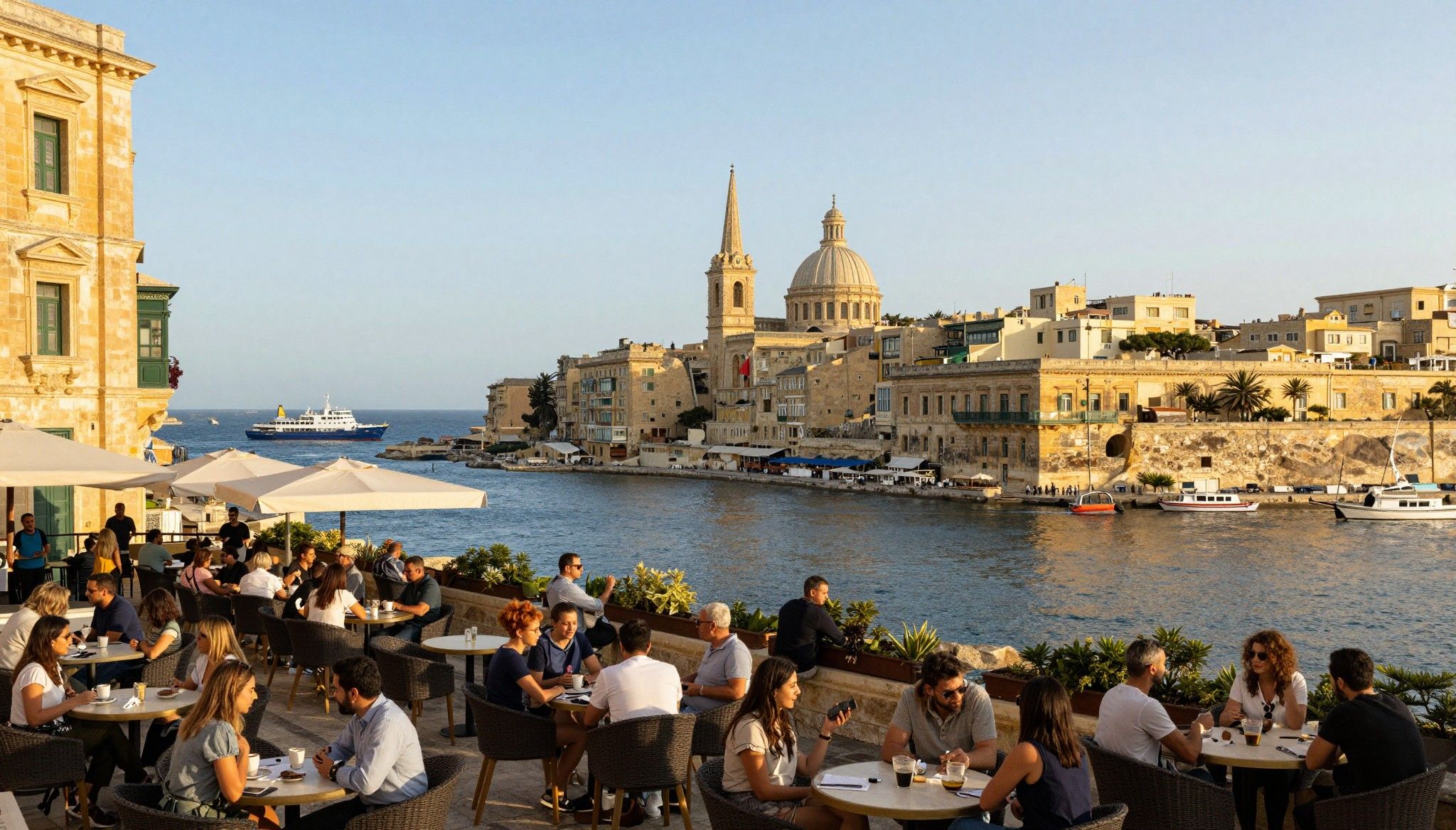
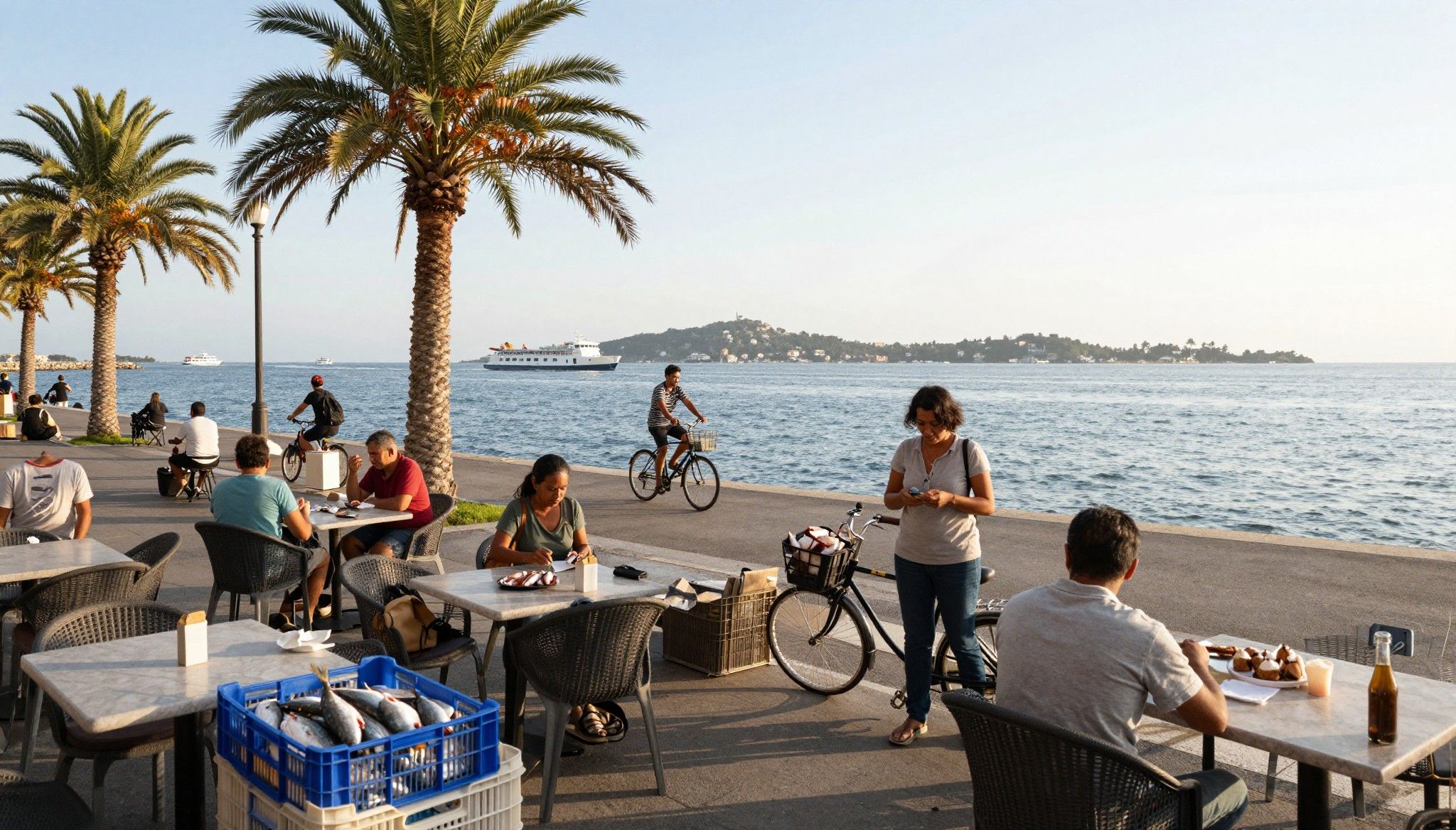
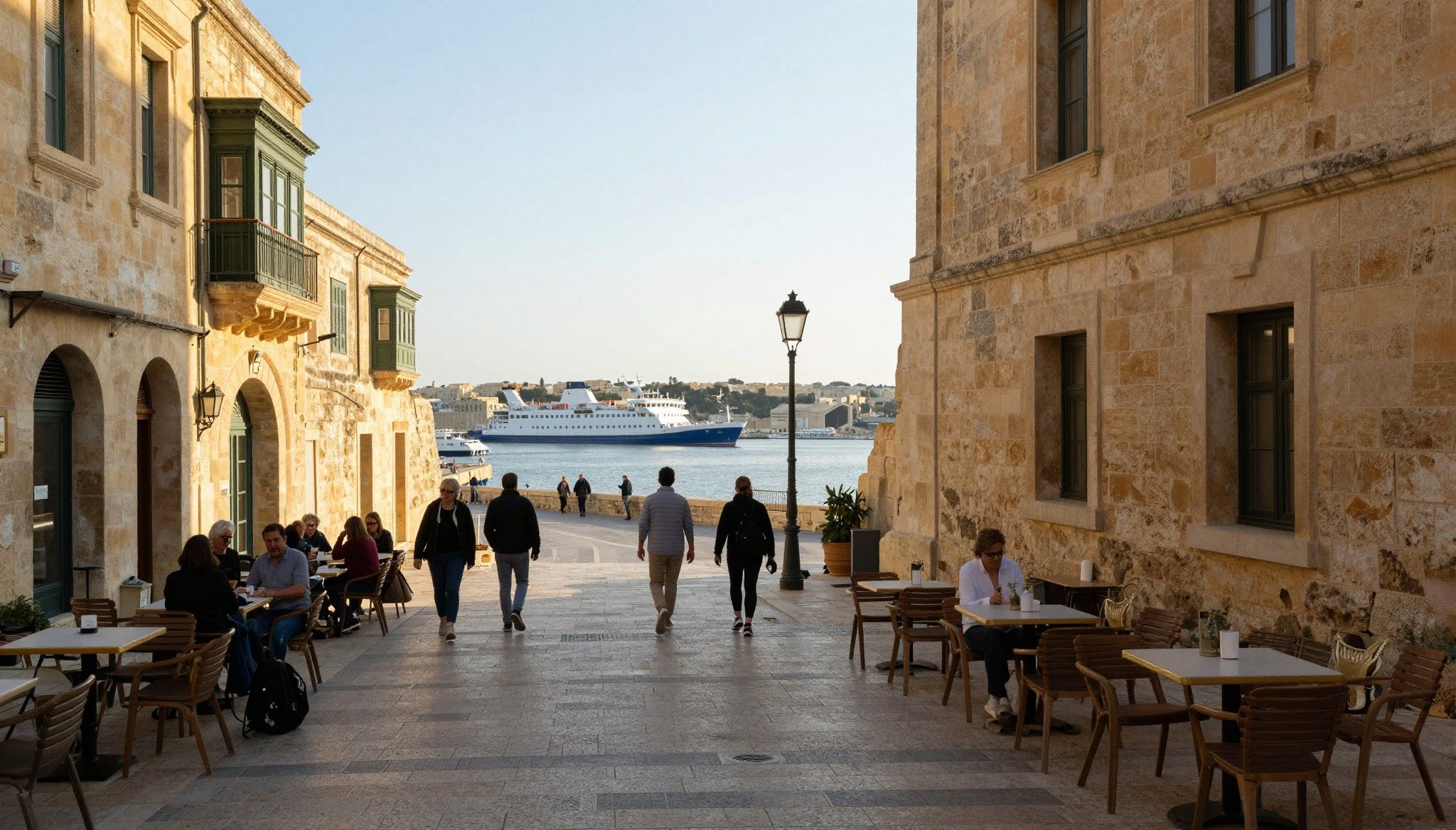
France is simultaneously intimate and regional: Saturdays mean markets in Lyon’s Croix‑Rousse, aperitifs on Marseille’s Vieux‑Port, and long boulangerie lines in small Breton towns. Streets are lived in—children ride bikes under plane trees, terraces fill at lunch, and municipal fêtes animate squares in summer. These rhythms determine what you buy: a compact flat near a bustling marché, a stone farmhouse with a vegetable plot, or a coastal apartment for seaside weekends. Understanding local tempo matters as much as understanding tax brackets.
Neighbourhood snapshots: Paris, Provence, Côte d'Azur
Parisian arrondissements offer a precise lifestyle trade-off: 6th and 7th deliver cafe life and museums with limited outdoor space, while 19th and 20th give green pockets and lower per‑m² prices. In Provence, villages such as Lourmarin or L’Isle‑sur‑la‑Sorgue combine weekly markets with seasonal tourist peaks—plan for busy Jul–Aug windows. On the Côte d'Azur, Nice’s Liberation district or Antibes’ Old Town put you a short walk from beach and market, but coastal premiums and short‑term rental demand shape taxation and yield prospects.
Food, markets and social life that decide where you live
Markets are the social glue—Marché Forville in Cannes, Marché d’Aligre in Paris, and Marseille’s Noailles bring daily life to properties nearby. Chefs and younger buyers cluster around emerging food scenes; where a vibrant market exists, expect stronger demand for smaller units that deliver lifestyle. Seasonality matters: festival months and summer tourists inflate short‑term rental income but also complicate year‑round living. If your priority is daily local life, choose streets a 3–10 minute walk from the nearest market or café.
Making the move: practical considerations

The dreamy lanes and markets are real—and so are transactional costs that reshape offers. Expect acquisition costs (commonly called "frais de notaire") that include transfer taxes, notary emoluments and disbursements; these commonly add about 7–8% for older properties and less for new builds. Capital gains rules and social contributions affect resale and rental yield calculations; non‑residents face specific declarations and potential social taxes on rental income. Use official sources and a local notary early: it prevents surprises and reframes what you can afford.
Property styles and what they mean for daily life
Stone cottages in Dordogne offer gardens and a slow rural life but often need renovation, insulation work, and planning permissions—budget for upgrades and seasonal heating costs. Haussmannian flats in Paris deliver light and high ceilings but come with copropriété (co‑ownership) rules, charges, and sometimes limited storage. New developments (VEFA) simplify tax treatment and lower early maintenance, but may be further from markets and local character. Choose a property style that fits how you will spend mornings, afternoons and weekends.
How local experts turn lifestyle into a purchase (step by step)
- Work with a bilingual notary to confirm acquisition costs and local transfer taxes; they collect the fees and explain reimbursements. Pair a local agent who knows the market rhythm (market days, rental seasonality, municipal rules) with a tax adviser for cross‑border implications. Ask for recent comparable sales rather than glossy listings; demand data on seasonality and short‑term rental occupancy if yield matters. Get a diagnostic immobilier and quoted renovation costs before committing; small structural surprises change ROI math quickly.
Insider knowledge: what expats wish they'd known
Expat buyers often under‑price recurring local costs and over‑estimate resale speed in popular spots. Social charges on rental income (around 17.2% when applicable) and local property tax (taxe foncière) can erode gross yield; some communes also levy additional charges for second homes. Language matters in administrative steps—small wording differences in a compromis de vente or a taxe notice can have financial consequences—so an advisor who translates both language and local practice is essential.
Cultural and seasonal quirks that affect contracts
Municipal calendars shape life and maintenance: some towns close in August, affecting trades and paperwork; harvest season in wine regions brings temporary rental demand spikes. Sellers will price for peak‑season desirability—so consider off‑season viewings for negotiating leverage. Also, co‑ownership meetings (assemblée générale) decide building works and budgets—review minutes before buying an apartment to spot imminent levies.
Practical red flags to check before you bid
- Unpaid copropriété charges or court cases linked to the building. Large scheduled travaux (renovations) voted but unpaid. Unclear land registry boundaries or servitudes that restrict use. History of short‑term rental restrictions in the commune. Heating system non‑compliant with current regulations.
Long-term lifestyle and tax planning
Think beyond the first five years: inheritance law in France (forced heirship) affects estate planning and may require specific wills or holding structures if you want to protect family interests. Residency choices influence tax residency and how pension or rental income is taxed—get early advice on treaties between France and your home country. Treat the purchase as a life shift: where you buy determines schools, healthcare access and the social circles that make France feel like home.
Conclusion: the life you want in France is often within reach if you match lifestyle signals with regulatory clarity. Start with neighbourhood visits off season, calculate acquisition and recurring taxes using official simulators, and lock in bilingual local experts early. That combination preserves the joie de vivre while preventing last‑minute financial surprises—so your French mornings stay about market croissants, not tax shocks.
Swedish strategist who relocated to Marbella in 2018. Specializes in legal navigation and tax planning for Scandinavian buyers.