Croatia: The Lifestyle You Love, The Taxes You Must Price
Fall for Croatia’s coast and towns — but price ownership correctly: VAT on new builds, 3% transfer tax on resales, EU buyer parity and island connectivity shape offers.
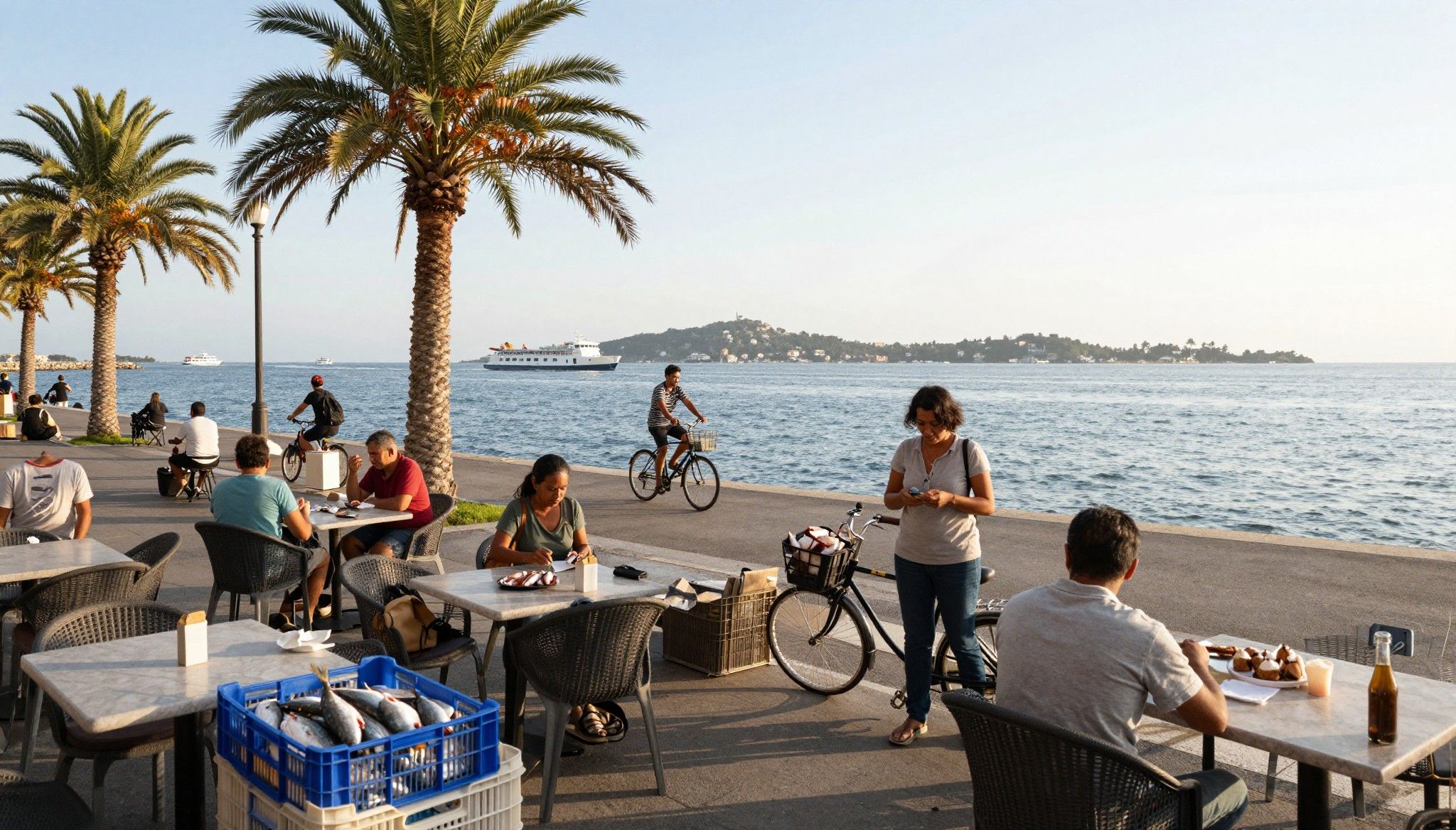
Imagine sipping a short espresso at Café Dešković on Split’s Riva as fishermen unload catches nearby, then cycling home along a palm‑lined quay to an apartment where shutters click shut at dusk. Croatia’s shoreline smells of sea salt and grilled fish; inland towns hum with weekend markets, chestnut trees and vineyard terraces. For many international buyers the country is a romance of stone streets, islands and clear Adriatic light — but the rules, costs and rhythms of ownership differ from the fantasy. This guide blends the lived‑in Croatia you fall for with the tax and regulatory realities you must know to turn that feeling into a secure purchase.
Living the Croatia lifestyle
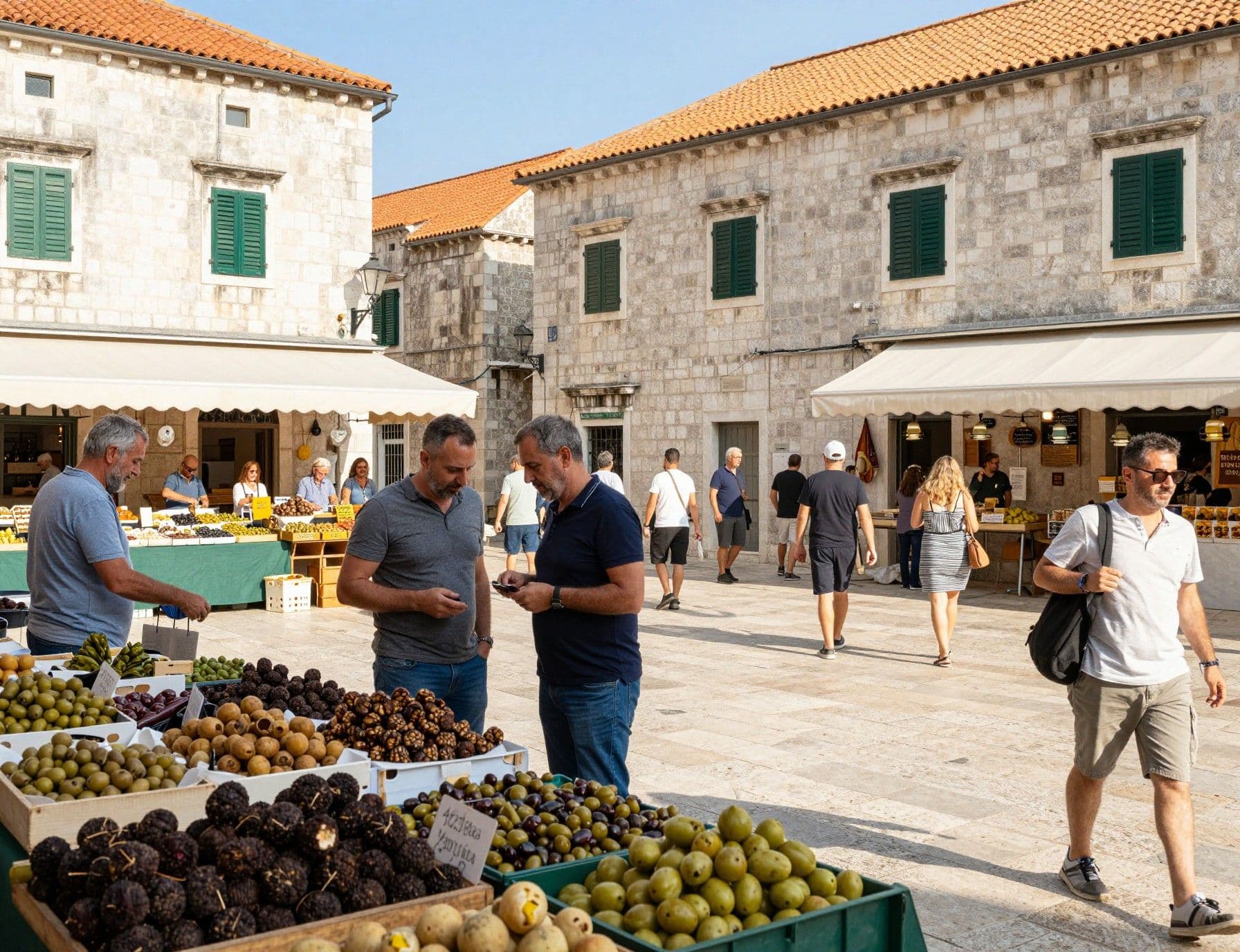
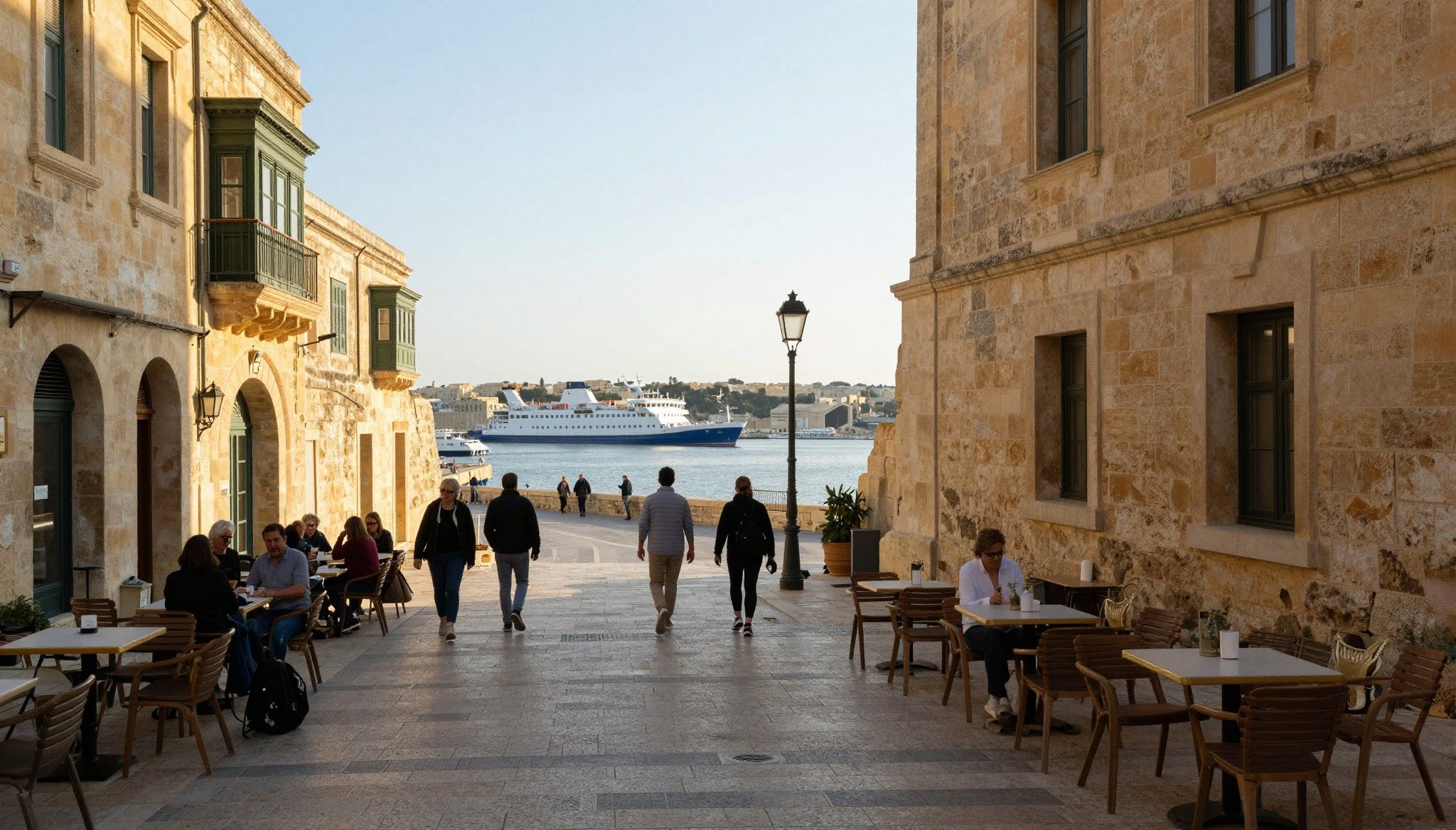
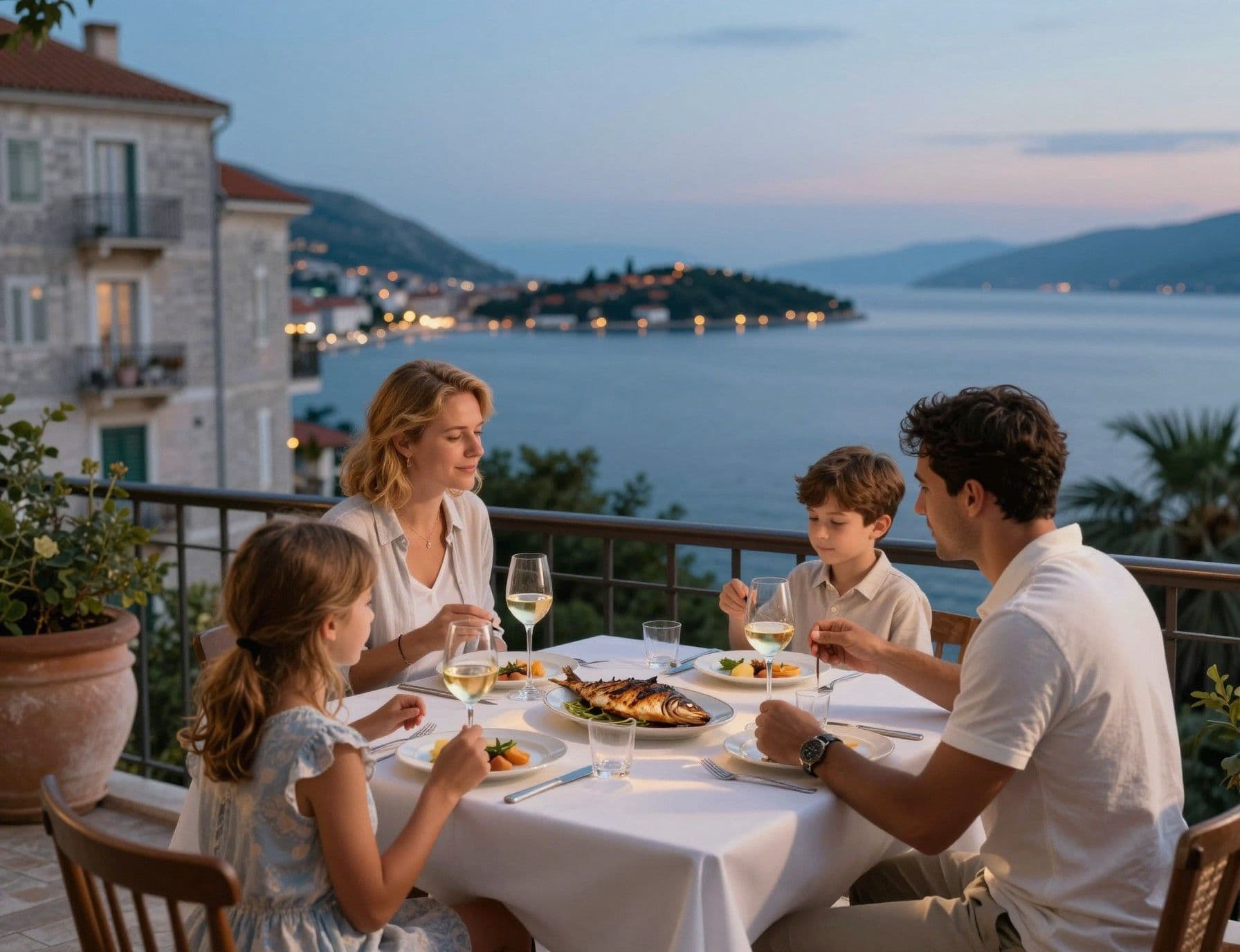
Daily life in Croatia is paced by seasons and place. On the Dalmatian coast mornings belong to cafés and market stalls, afternoons to beaches and siestas, evenings to long dinners that stretch past midnight. Zagreb’s neighbourhoods trade coastal breezes for tree‑lined boulevards, weekend food markets and a café culture shaped by Austro‑Hungarian traditions. Whether you want island solitude (Hvar, Vis) or town rhythm (Dubrovnik’s Old Town, Split’s Varos), lifestyle choices should shape the property type you target — not the other way around.
Dalmatian coast: stone alleys and anchor‑in mornings
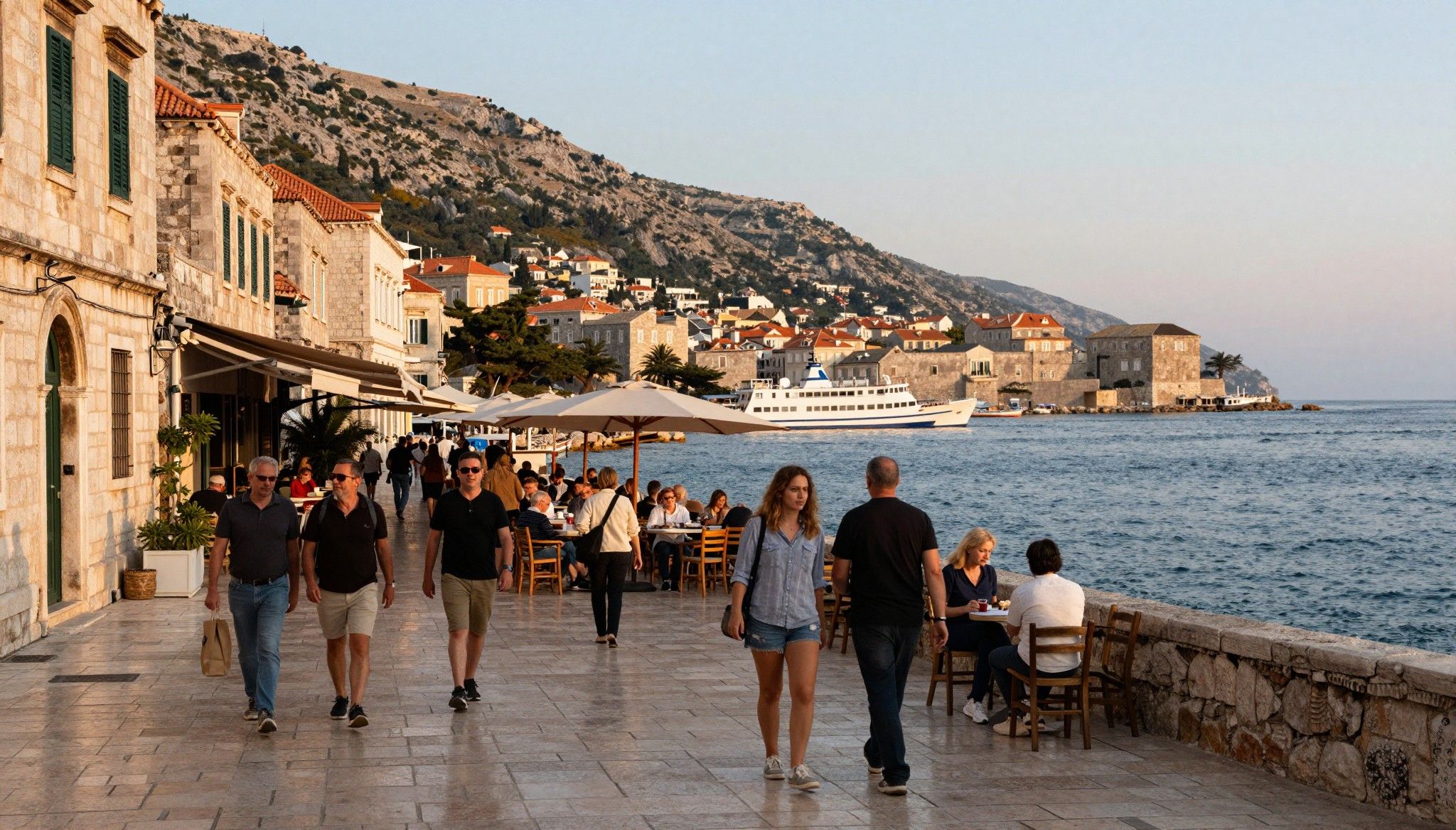
Walk the marble lanes of Trogir at dawn, buy fresh sardines at the fish market, then catch a ferry to an island for a Sunday hike — that’s coastal living. Properties near Split’s Sustipan and Bol’s Zlatni Rat offer different rhythms: one year‑round town life, the other seasonal surf and tourists. For buyers who want both, look for buildings with good insulation and double glazing — summer crowds are lively, but winters can be damp and quieter than you expect.
Istria and Kvarner: food, wine and gentle hills
Istria’s hilltop towns (Motovun, Grožnjan) pair truffle markets with boutique restaurants; Rijeka and Opatija offer a mix of seaside promenades and cultural festivals. If you dream of farm‑to‑table life, look for properties with usable land or terraces facing south — microclimates matter and can extend the season for outdoor dining and vineyards.
- Lifestyle highlights to scout during a visit:
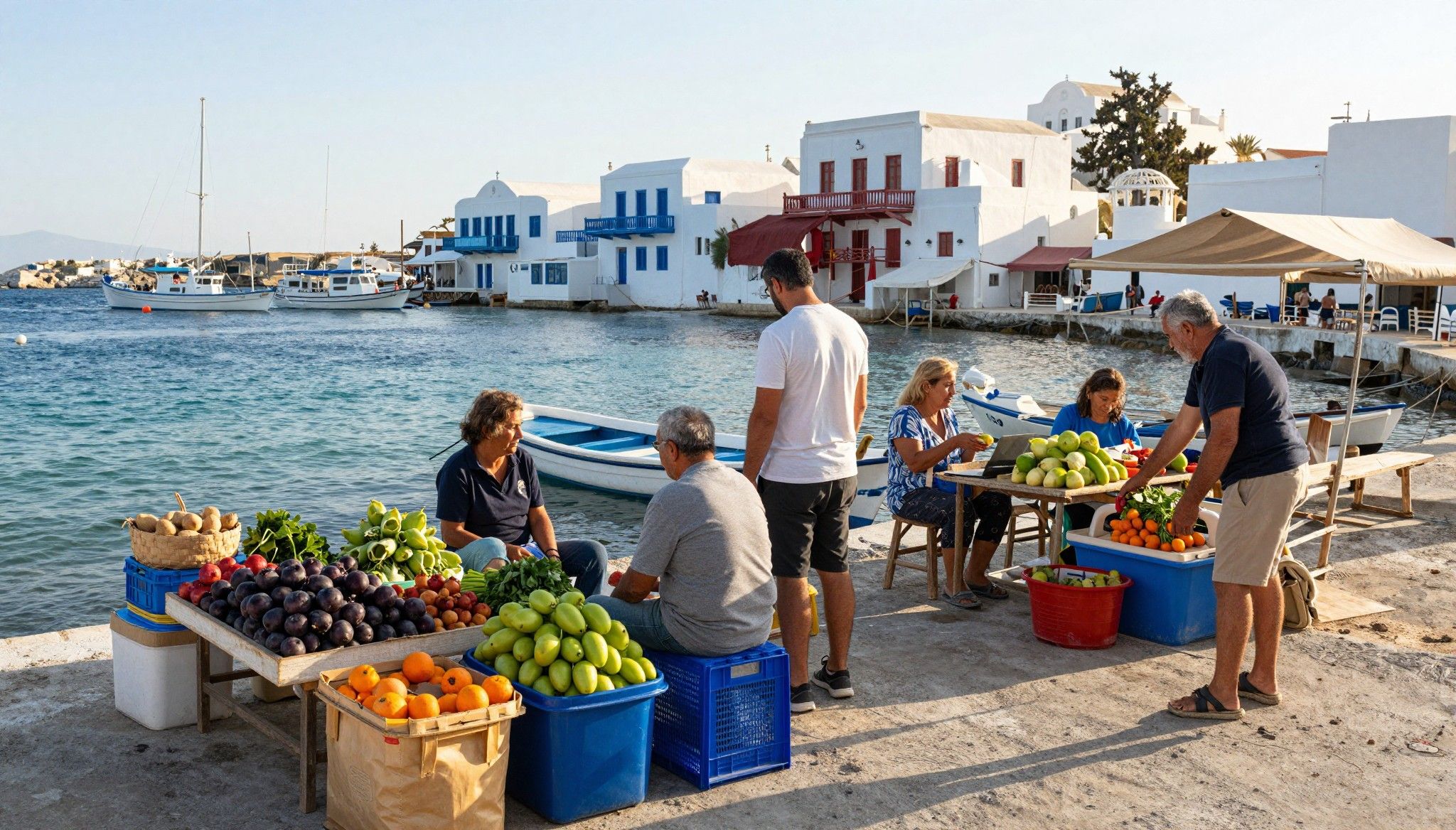
- Visit local markets: Split’s Bit Pazar, Dubrovnik’s Gundulićeva Poljana.
- Try cafés on streets like Marmontova (Split) and Tkalčićeva (Zagreb) to test daily noise and community vibe.
- Check ferries and seasonal transport if you’re island‑focused — connectivity shapes resale and rental potential.
Making the move: practical considerations
Lifestyle sells the dream; regulation secures it. EU citizens generally acquire property on the same terms as Croatians, while non‑EU buyers often need reciprocity or ministerial consent. Investors commonly set up a Croatian company to streamline acquisition, but that adds corporate compliance and accounting — so weigh convenience against ongoing costs. For clear rules, consult official guidance before making an offer.
Tax structure that changes the math
Two headline rules change offers: first‑sale new properties are typically subject to VAT (standard rate 25%) rather than transfer tax; re‑sales usually carry the real estate transfer tax at 3% of market value. That distinction matters when comparing developer pricing and private sellers, and it often makes new developments pricier upfront but cleaner legally. Always confirm whether a specific plot is VAT‑able — it will materially affect your offer.
What local experts must solve for you
A notary, a lawyer fluent in Croatian property law, and an accountant are non‑negotiable. Your lawyer checks title, zoning and whether the sale is VAT or transfer‑tax subject; your accountant models ownership tax, annual property tax, and rental income treatment. Agencies with island experience will flag ferry seasonality and utilities; mainland specialists will negotiate municipal planning constraints that affect renovation possibilities.
- Steps to validate a Croatian property before you sign:
- Commission a land‑registry extract and title search to confirm the seller and encumbrances.
- Obtain a planning statement from the municipality to check permitted uses and any outstanding fines.
- Confirm VAT vs transfer‑tax status with your lawyer—this alters the tax at closing and the buyer’s net cost.
Insider knowledge: what expats wish they’d known
Expats often assume the Adriatic year is endless — but winter quiet, bureaucracy speed and municipal deadlines shape real life. An unexpected advantage: Croatia’s 2023 euro and Schengen integration simplified banking and travel, making life easier for EU buyers and renters. Still, local cadastre timings, seasonal rental demand and municipal planning windows are the practical puzzles that catch newcomers off guard.
Language, community and small‑town social rules
Croatian is the language of record; official documents and municipality correspondence will be in Croatian. Learning basic phrases opens doors — neighbors respond to effort, and local tradespeople prefer dealing directly. Expat communities cluster in places like Split, Dubrovnik and Istria; joining the local market or a cultural association speeds integration and uncovers off‑market opportunities.
Longer‑term living: maintenance, insurance and inheritance
Owning in Croatia is a multi‑decade commitment: seawater exposure raises maintenance and insurance needs; energy retrofits reduce bills; and Croatian inheritance rules will affect family succession. Plan for an annual property tax and budget routine façade and roof work if you’re on the coast. Also discuss inheritance planning with a Croatian lawyer to prevent surprises for heirs and to leverage double‑taxation agreements where applicable.
- Red flags to watch for during due diligence:
- Ambiguous waterfront claims — Croatian law does not allow private beaches; be wary of sellers who promise private shorelines.
- Unclear VAT status on a sale — it dramatically changes closing costs.
- Missing municipal certificates or pending fines — these can block registration.
Conclusion: live the rhythm, respect the rules
Croatia offers a life defined by sea, market mornings and slow dinners — and a market that rewards careful homework. Start with a lifestyle scouting visit, engage a local lawyer and accountant, confirm VAT vs transfer tax treatment, and build maintenance and inheritance plans into your offer. If you pair that local diligence with an agency that knows seasonal dynamics and municipal rhythms, you’ll buy not just a property but a sustainable Croatian life.
Dutch investment strategist with a Portugal-Spain portfolio. Expert in cross-border financing, rights, and streamlined due diligence for international buyers.