When to Move to Greece: Seasons, Streets and Price Signals
Live like a local in Greece: pair neighbourhood rhythms—Koukaki squares, Glyfada marina, island seasons—with current market signals and practical steps for confident buying.
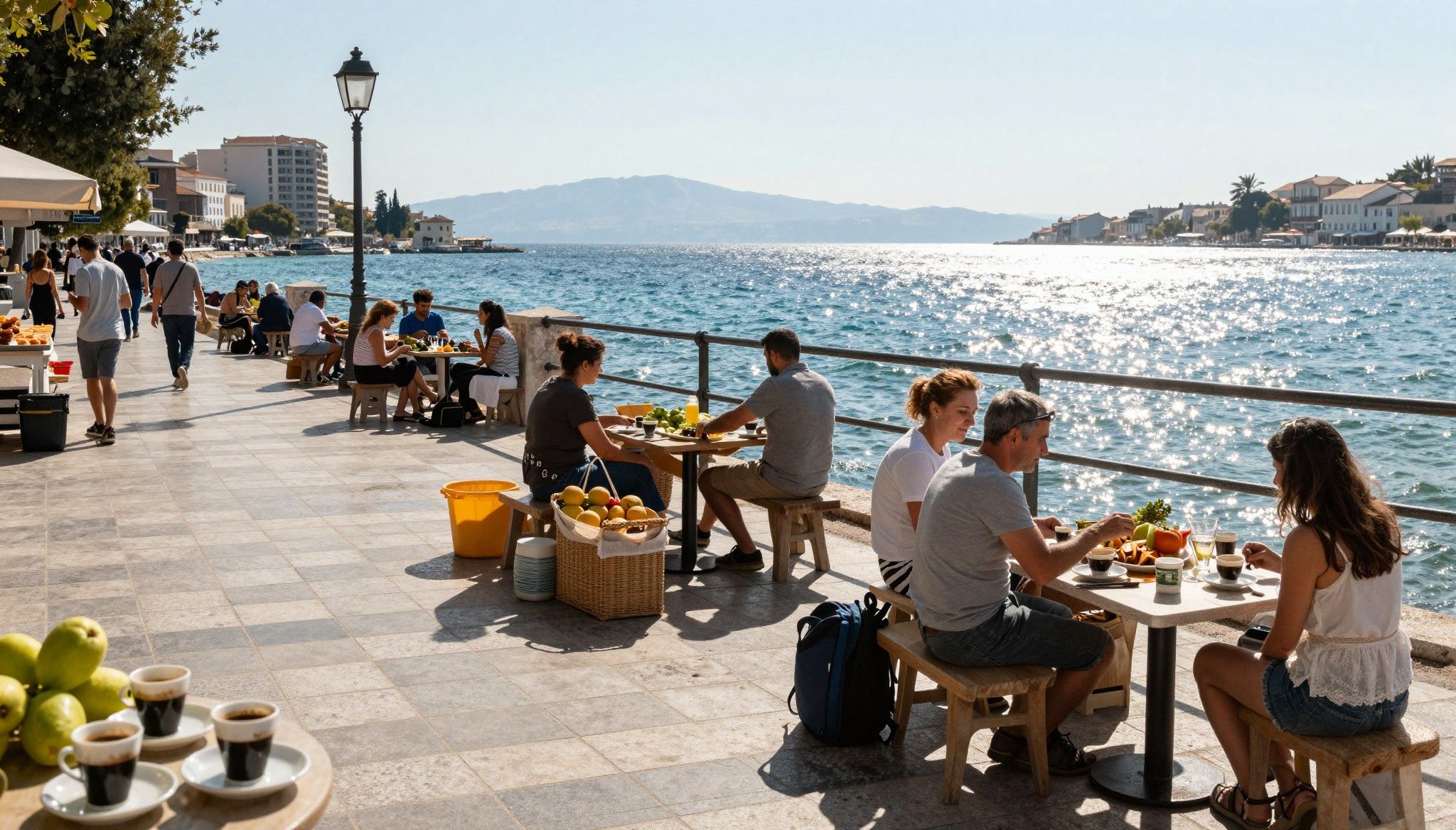
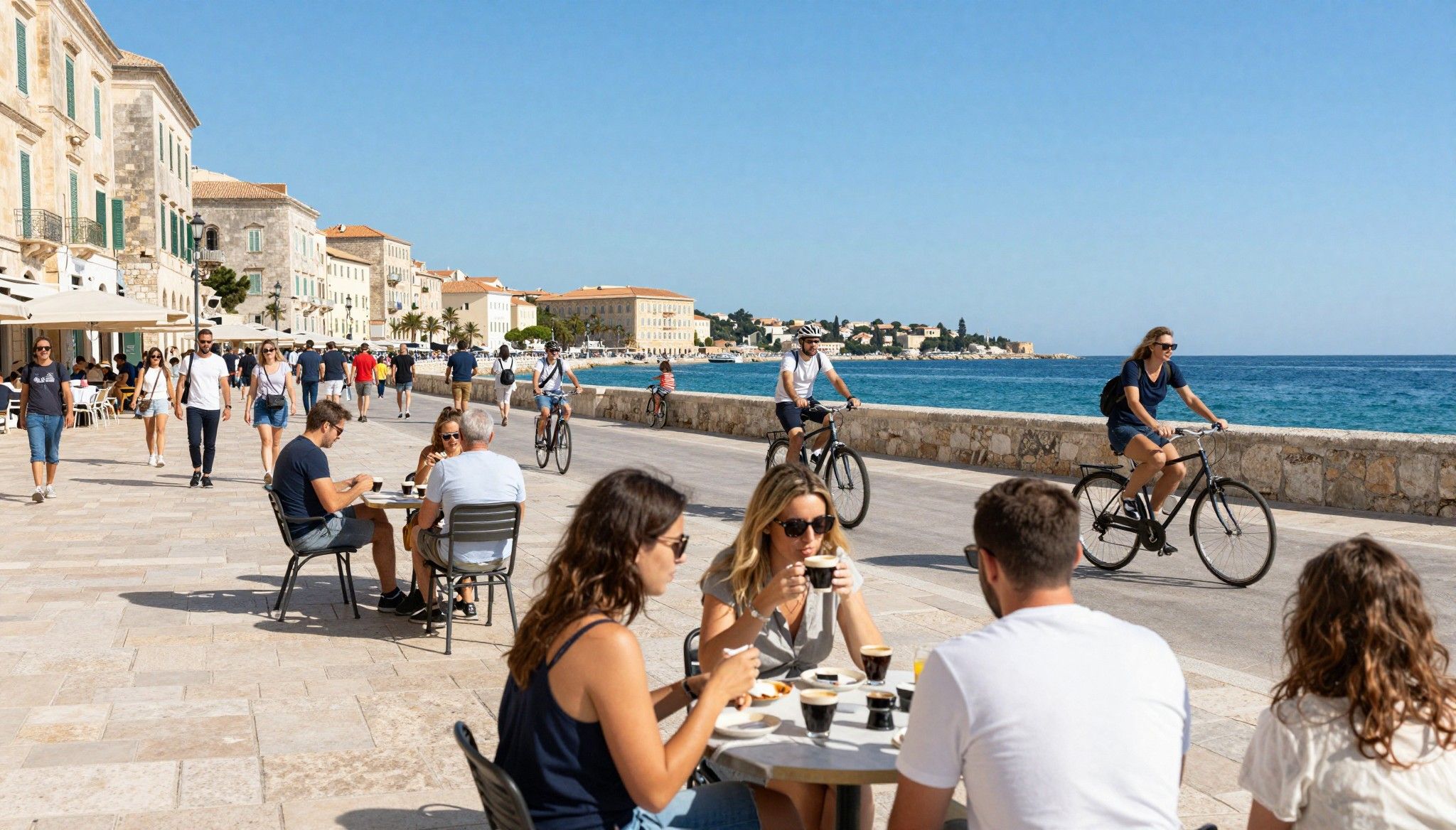
Imagine an Athenian morning: espresso crema on a ceramic cup, the chatter of fishmongers at Varvakeios, and a short walk from your apartment to a sunlit pedestrian square where neighbourhood cafés still trade gossip in Greek. That is daily life in Greece — tactile, social and seasonal — and it’s the rhythm international buyers fall for before they ever sign a contract.
Living the Greek rhythm: city, coast and island life
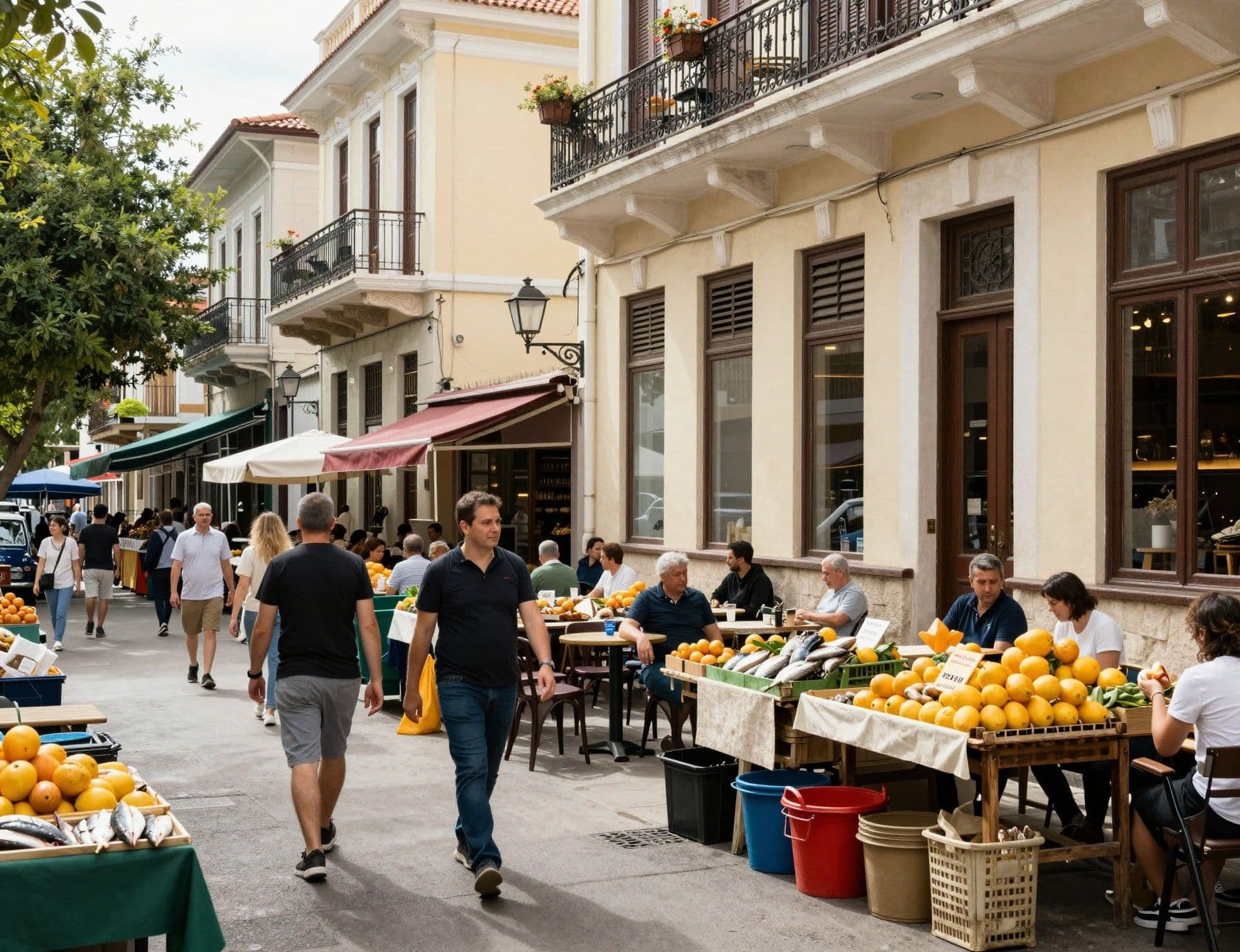
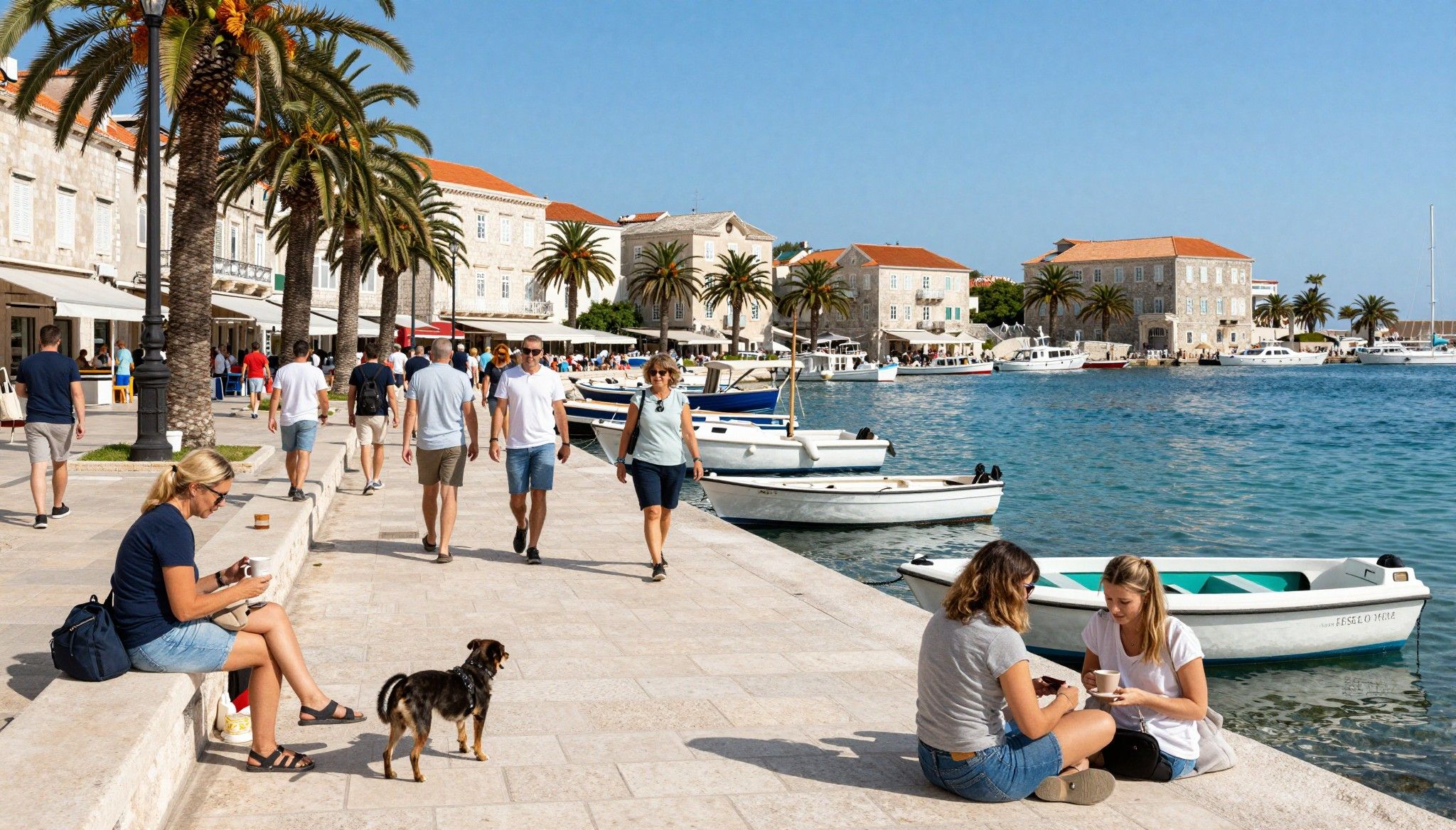
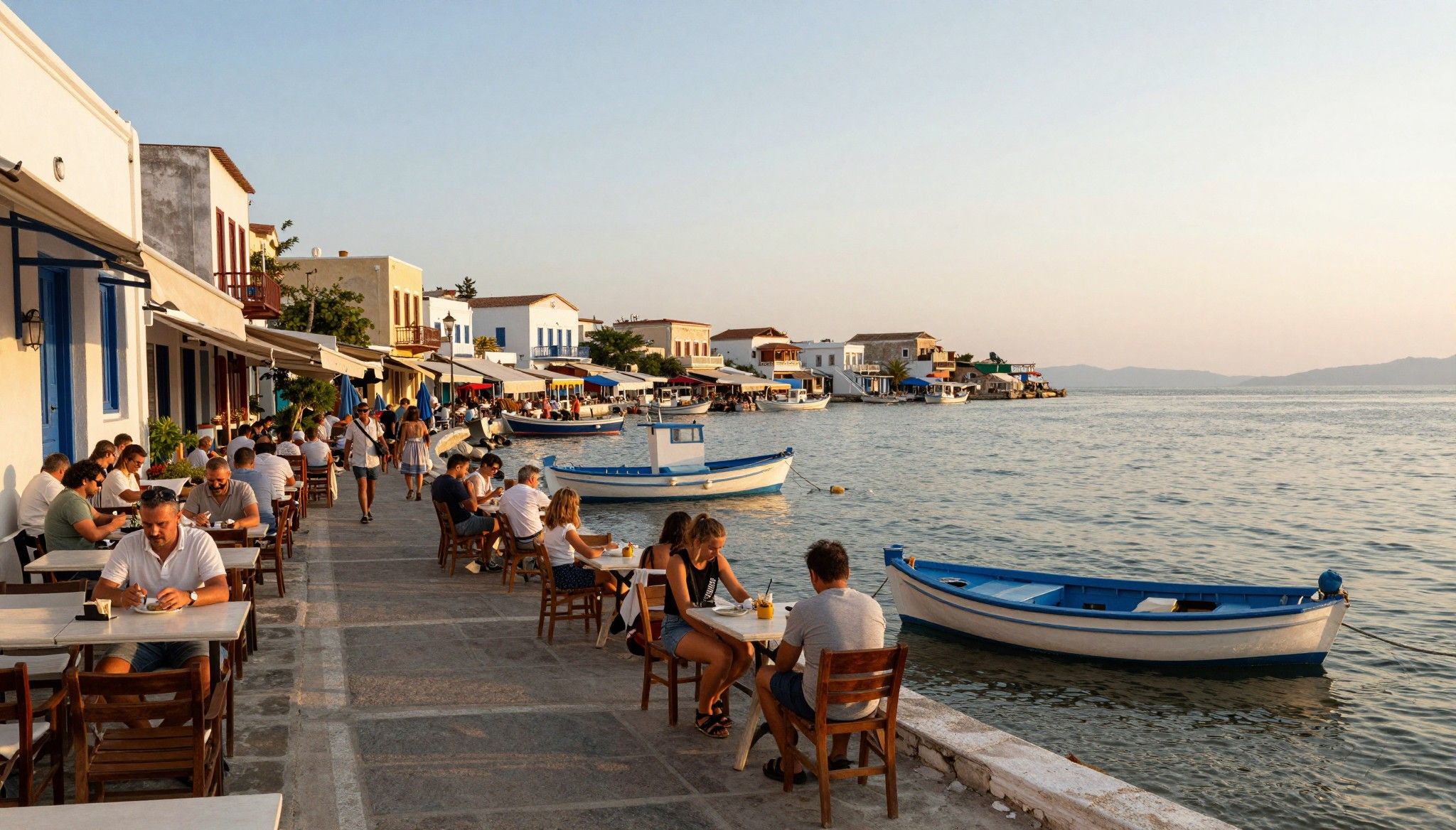
Greece lives in layers. Athens hums with neighbourhood squares (Koukaki, Pangrati, Exarchia) where weekday markets and late-night tavernas coexist. On the coast, Glyfada’s marina and seafront cafés shift the pace toward beach leisure and yacht weekends. Islands like Crete or Corfu keep local rhythms governed by fishing seasons, summer tourism and slow winters — each tempo shaping what kind of home suits you.
Koukaki, Glyfada and the Athens Riviera — neighbourhood spotlights
Koukaki sits under the Acropolis: neoclassical facades, narrow streets and a cluster of wine bars make it a favourite for residents who want centrality without the tourist crush. Glyfada, part of the Athens Riviera, trades proximity to blue water for wider boulevards, marinas and boutique shopping — better for buyers wanting coastal routines while staying connected to Athens.
Food, markets and the social calendar
Weekends revolve around markets and family meals. Walk the Varvakeios Central Market on Athinas Street for fresh catch and cheeses, then join a late-afternoon aperitivo in a shaded square. Festivals — from local panigyria to island music weeks — punctuate the year and often determine short‑term rental flows and neighbourhood vibrancy.
- Lifestyle highlights: Varvakeios market, Koukaki cafés, Glyfada marina, Aegina day‑trips, weekday seaside swims
Making the move: how lifestyle and market data meet
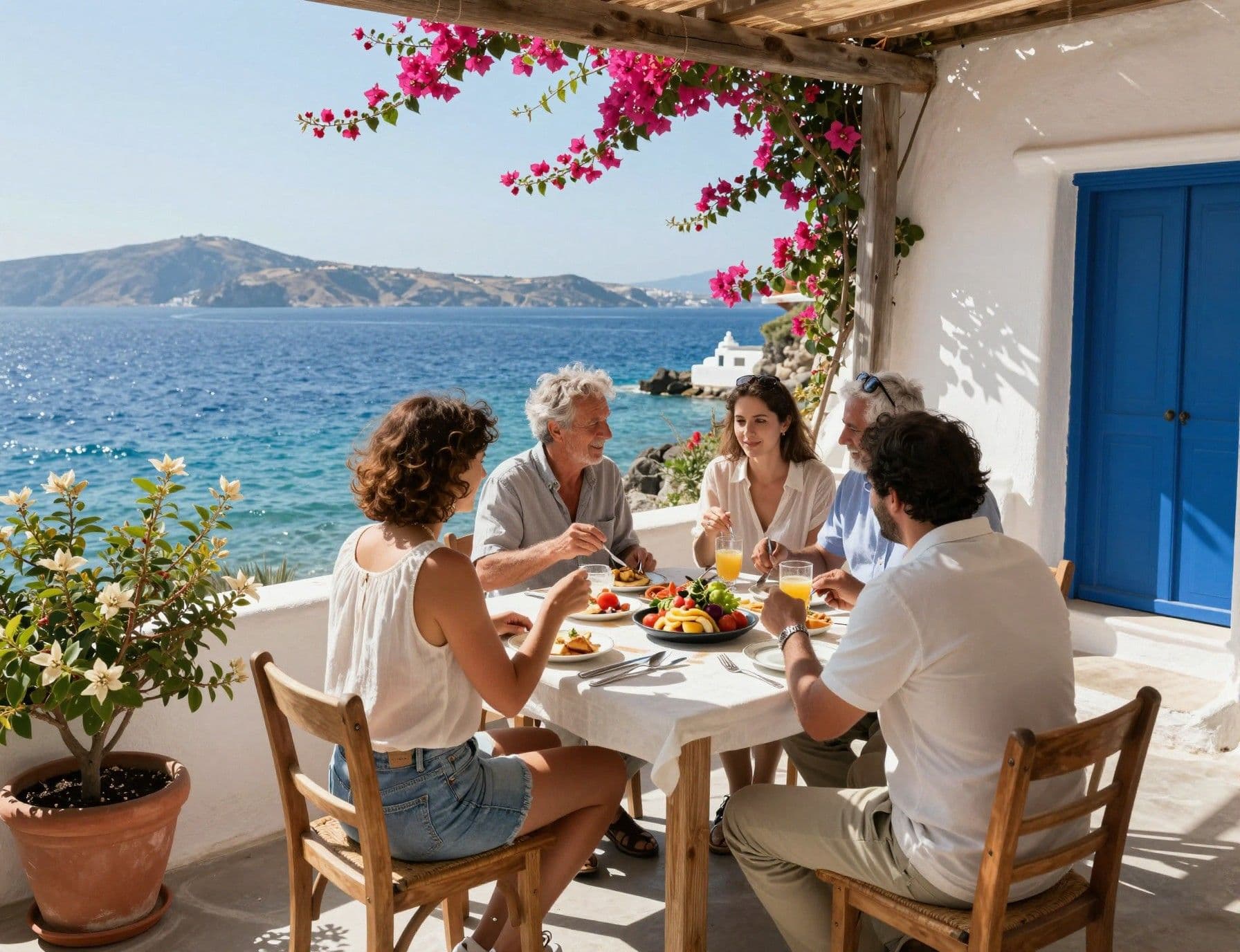
Falling in love with a neighbourhood is the first step; matching that feeling to market reality is the second. Greece’s housing price indices show steady increases in recent years, led by apartments in Athens and desirable island locations. That momentum means timing, neighbourhood choice and property condition directly affect both lifestyle fit and future resale potential.
Property types and how they shape daily life
Choose a neoclassical flat in Koukaki for walkable squares and rooftop views; pick a modern apartment in Glyfada for seafront promenades and marina services; opt for a Cycladic house for outdoor terraces and seasonal tourism potential. Each typology demands different upkeep, insulation for hot summers, and local service networks — factor those into living costs and renovation plans.
Work with agencies that live the lifestyle you want
Local agents do more than show listings: they decode seasonal rental demand, advise on insulation and cooling upgrades, and point you to neighbourhoods where expat communities, international schools or co‑working hubs cluster. Where residency programmes or investment thresholds change (see recent Golden Visa amendments), an agent’s network and up‑to‑date knowledge are invaluable.
- Six lifestyle‑to‑practical steps when touring Greece: 1) Map daily routes (grocer, café, doctor), 2) Visit at least once outside peak summer, 3) Check insulation and A/C systems, 4) Ask about property water supply and plumbing history, 5) Understand short‑term rental potential by neighbourhood, 6) Request recent municipal energy certificates
Insider knowledge: what expats wish they'd known
Expats often learn the same lessons: Greek summers are long and demand proper shading and air conditioning; local bureaucracy moves at its own pace and patience pays; and the social fabric — neighbourhood coffee rituals, Sunday family lunches, and local festivals — is as important as square metres when choosing a home.
Cultural cues that change where you buy
In many towns locals prefer multi‑generational houses and ground‑floor shops; coastal villages prioritise seawalls and access paths. Respecting those local patterns will help you find properties that integrate with community life rather than sit awkwardly on the fringe.
Long‑term lifestyle considerations
Plan for change: neighbourhoods that are vibrant today may gentrify further, improving services but raising costs. Conversely, islands with seasonal economies can offer lower entry prices but require a plan for winter months when rental income and services dip.
- Red flags to watch for: unclear land registry entries, missing energy performance certificates, inconsistent water supply records, properties with heavy undocumented renovations, and listings that avoid showing neighbourhood noise or access details
If you want to live the Greek rhythm, start by visiting neighbourhoods at three different times of day and one off‑season weekend. Work with local agents who show you not just homes but how you will inhabit them — where you’ll buy bread, sit on Sundays and swim on a rainy afternoon. Those are the details that turn a purchase into a life.
Conclusion: Greece offers a blend of daily rituals, coastal leisure and rising market momentum. Match the rhythm you love with the neighbourhood realities and you’ll buy not just a property but a place to belong. Next step: book a local‑agent‑led neighbourhood tour and compare two properties in the season you plan to live there.
Norwegian market analyst who relocated to Mallorca in 2020. Focuses on data-driven market insights and smooth relocation for international buyers.