Why House‑Hunting in Greek Summer Costs More Than You Think
Summer charm hides year‑round realities in Greece — test neighbourhoods off‑season, use official price indices and local dossiers to avoid seasonal buying mistakes.

Imagine a Saturday morning in Athens: espresso steam, a tram’s distant clack, and narrow streets bright with bougainvillea. Now picture the same Saturday on Naxos: fishermen mending nets, children chasing stray cats, the sea a turquoise frame to whitewashed homes. Greece sells itself easily in summer postcards — but if you arrive in July to house‑hunt, the island festivals, inflated short‑term rents and seasonal behaviour will hide year‑round realities that shape value and daily life.
Living the Greece rhythm — beyond the postcard
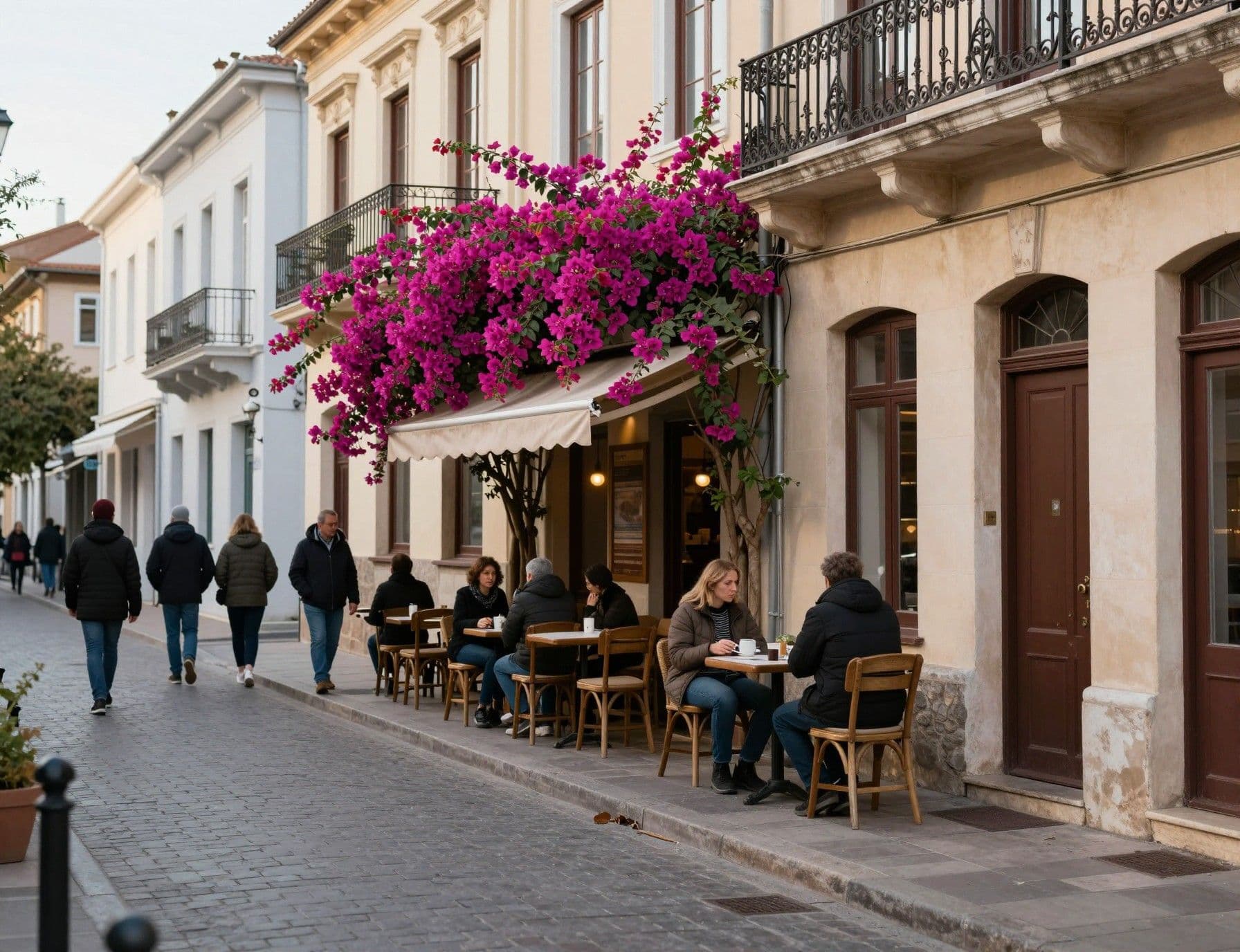
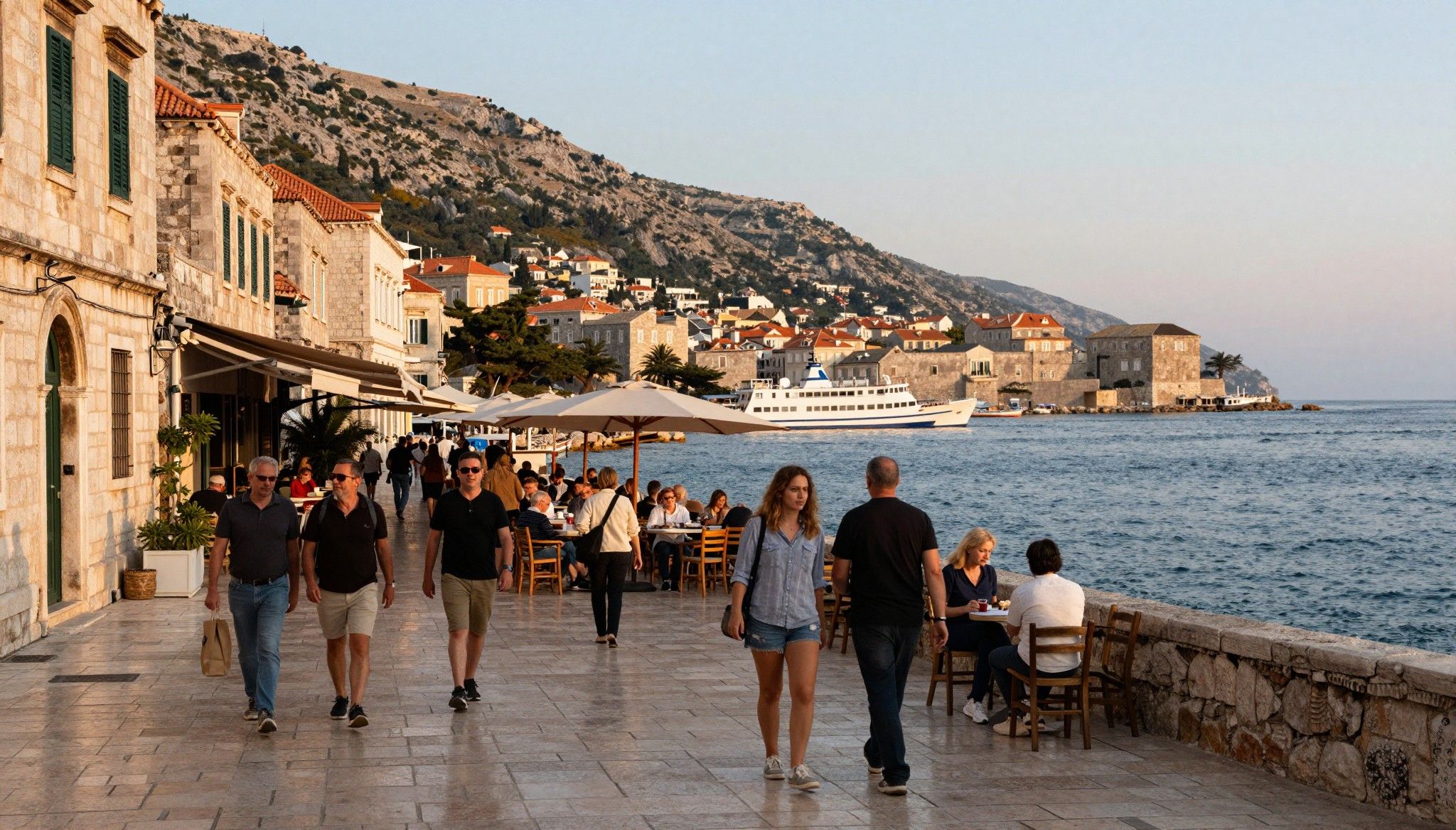
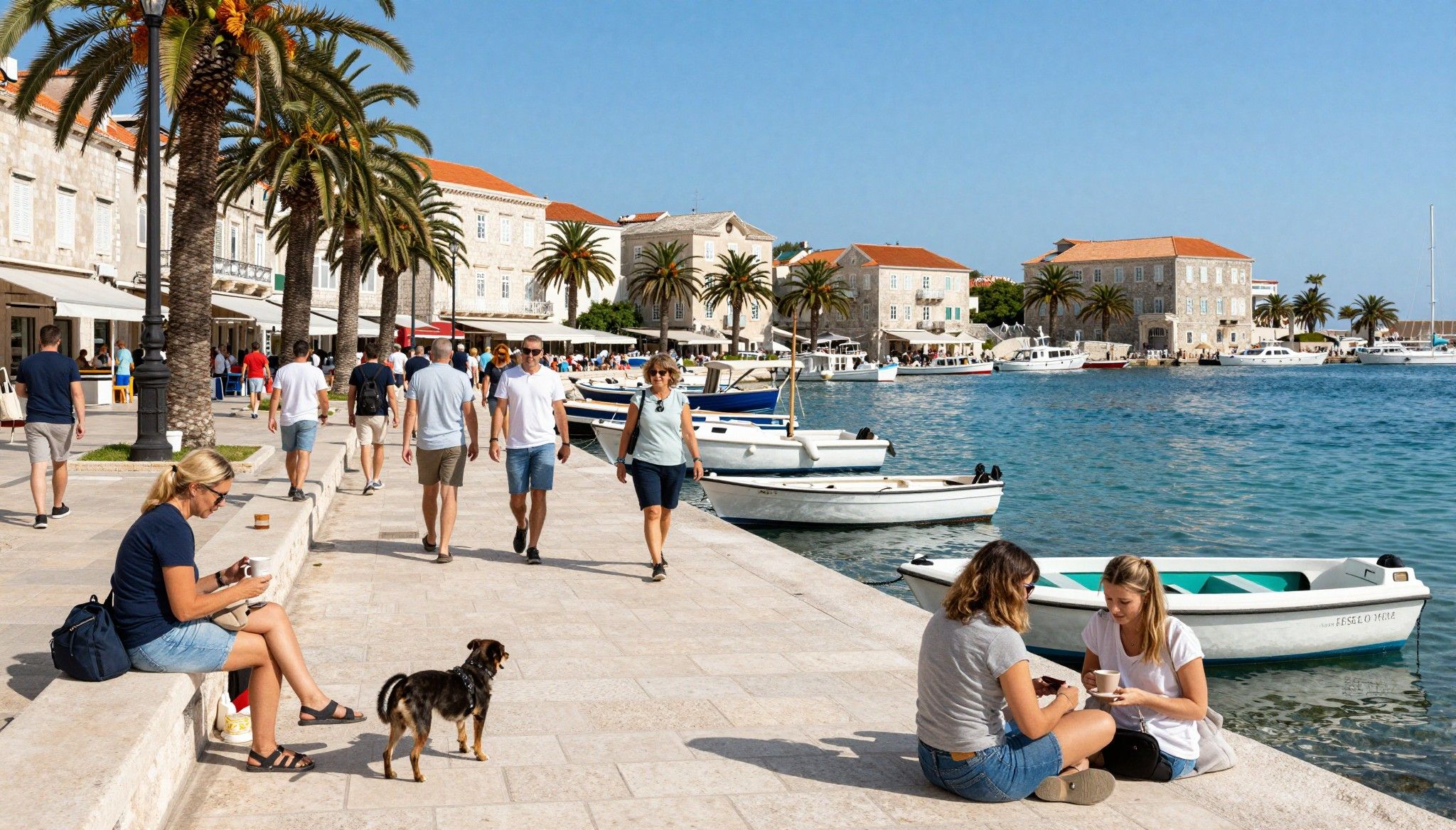
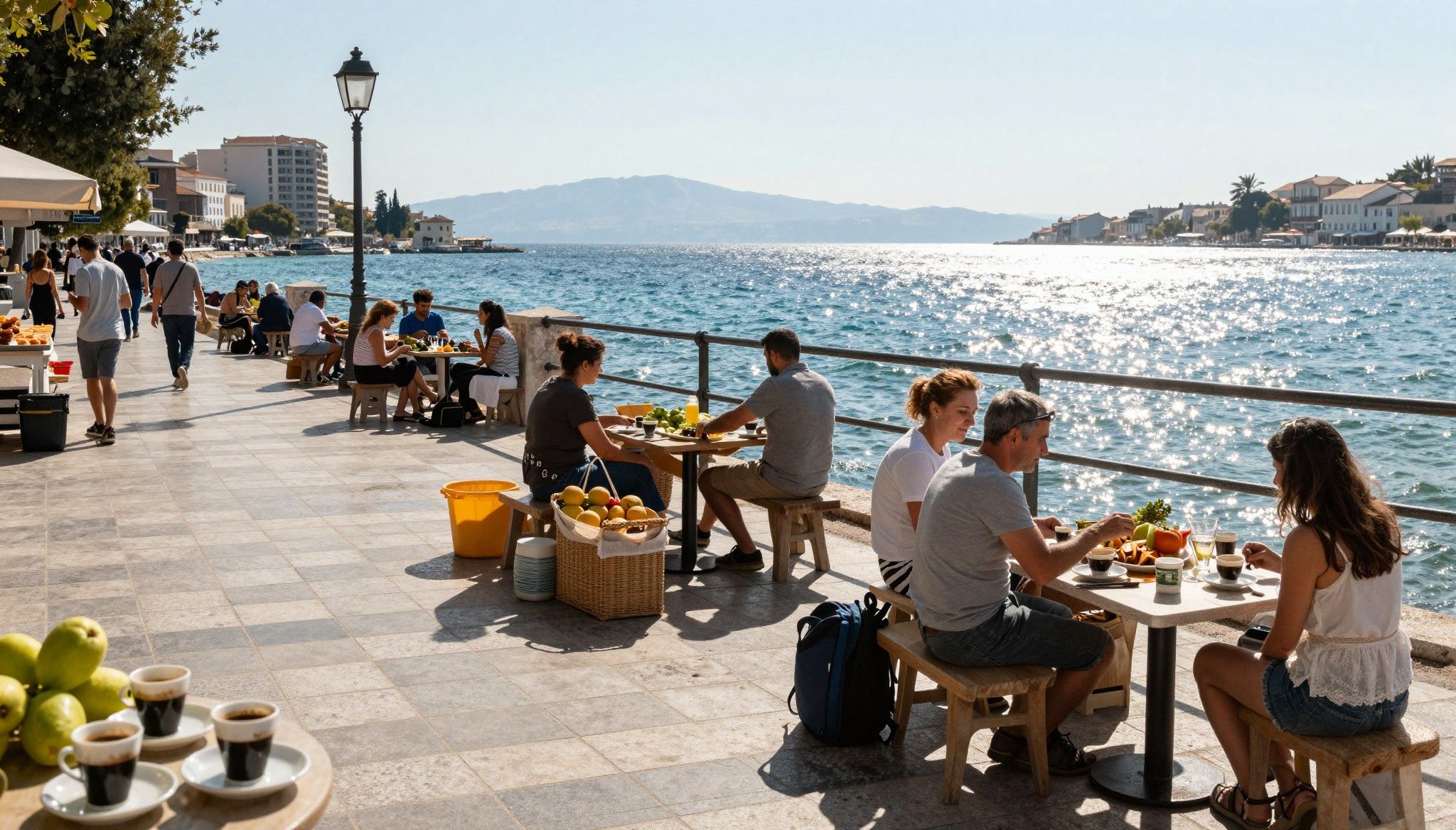
Greece moves at different speeds depending on time and place: cosmopolitan mornings in Kolonaki, sleepy late‑afternoons in Mani villages, and a late‑night buzz along Mykonos’s Little Venice in high season. The country’s daily rhythm affects everything from noise and neighbourhood character to service schedules and even utility usage. For a buyer, the lifestyle you imagine in August may not exist eight months of the year — and that mismatch should inform where and what you buy.
Athens: city pulse and neighbourhood choices
Athens offers everything from leafy Pangrati cafés to the cultured calm of Plaka beneath the Acropolis. If you want nightlife, hip Kolonaki or Gazi suit; if you want local rhythm, Koukaki’s bakeries set the day. Streets like Dionysiou Areopagitou offer immediate culture and walking access, while properties on quieter side streets trade tourist noise for community life — know which rhythm you want and test it across a working week, not a holiday weekend.
Islands vs mainland: different seasons, different realities
Island life — from Paros’s surf coves to Santorini’s caldera draws — is intoxicating in summer but often quieter and cost‑sensitive in winter. Services, transport frequency, and short‑term rental demand all swing with the season; islands with populations under 3,100 have seen specific legislative attention recently, too. For buyers seeking residency benefits, legal changes in 2023–24 adjusted investment thresholds by region, which matters when you choose island vs mainland.
- Lifestyle highlights to try before you buy
- Espresso ritual at TAF in Exarchia or a late brunch in Koukaki; explore both on a weekday and a Sunday to compare rhythms.
- Mornings at Varvakios Market in Athens to smell, taste and meet vendors — great for assessing nearby kitchens and storage needs.
- A winter stay on a chosen island to check ferry frequency, healthcare access and whether the community feels permanent or seasonal.
Making the move: lifestyle meets practical choice

Translating lifestyle into the right property requires data and boots‑on‑the‑ground testing. National indices show continued house price growth through 2024, with new builds leading gains; that trend matters if you prefer modern finishes and lower immediate maintenance. Use official indices to check neighbourhood trends, then overlay on‑the‑ground checks — how many properties are short‑term rentals, which streets quiet after October, and where daytime population drops by half outside summer.
Property styles and how they shape daily life
A neoclassical Athenean apartment gives different light, insulation and ceiling height than a Cycladic stone house with thick walls and small windows. New builds often offer insulation and modern plumbing — important for winter comfort and lower running costs — while older homes deliver character but usually need renovation. Match the building type to when and how you’ll live: full‑time residents benefit from insulation and central heating; seasonal buyers can prioritise outdoor spaces and easy rental management.
How local experts turn lifestyle into choices
A local agency does more than show listings — they reveal rhythms: which cafés double as neighbourhood noticeboards, which boats dock year‑round, and which streets lose all services after October. Choose agents who split time between seasons, can demonstrate winter occupancy stats, and have a record of handling conversions and building permits. Ask for a neighbourhood dossier that includes service frequency, known renovation costs, and recent sales comparables across different months.
- Steps to test lifestyle match and reduce seasonal bias
- Spend at least one weekday and one weekend in your target area during low season to observe services, noise and community life first‑hand.
- Request transaction data by month from local registrars or your agency to see if prices and demand spike only in summer.
- Check transport schedules (ferries, flights, buses) for off‑season reliability — a place that feels remote in winter may hurt long‑term living and rental yield.
Insider knowledge: expat truths and red flags
Expats often tell the same two stories: a summer love affair and a winter surprise. The surprise can be logistics (limited healthcare access), social isolation or seasonal closures of essential shops. Red flags to watch for include a street dominated by short‑term lets, a property listing that only shows summer images, and councils with slow permitting records for conversions — all indicate a lifestyle that peaks for months then contracts.
Cultural integration and everyday community life
Language helps, but do not overestimate it as a barrier: many local markets and municipal offices work in basic English, especially in tourist areas, yet deeper integration happens through neighbours, volunteer groups and local clubs. Join a weekly cooking class, attend a local church festival or shop weekly at the neighbourhood market to anchor yourself in community rhythms. Those small habits reveal whether you’ll feel like a resident or a visitor.
Long‑term lifestyle and value signals to watch
Look for municipal investments in transport, healthcare and coastal protection; these are quiet predictors of sustainable demand. Observe where renovation projects cluster — a block of restored homes often precedes rises in everyday services and year‑round residents. Where short‑term rental density is high, expect volatility in neighbourhood life and rental yields that may peak but can fall sharply outside season.
Conclusion: Fall for the life, measure the rhythm, then act. Test neighbourhoods across seasons, use official data like Bank of Greece indices and the OECD context to temper summer impressions, and work with agents who can prove year‑round performance. If the lifestyle fits in February as easily as August, you’ve likely found a property that supports real life — and real value.
Danish relocation specialist who has lived in Barcelona since 2016. Helps families move abroad with onboarding, schooling, and local services.