Cyprus: The Non‑Dom Edge and the Life You’ll Live
Cyprus blends Mediterranean daily life with tax advantages — notably the non‑dom regime — that materially affect ownership, rentals and long‑term lifestyle costs.
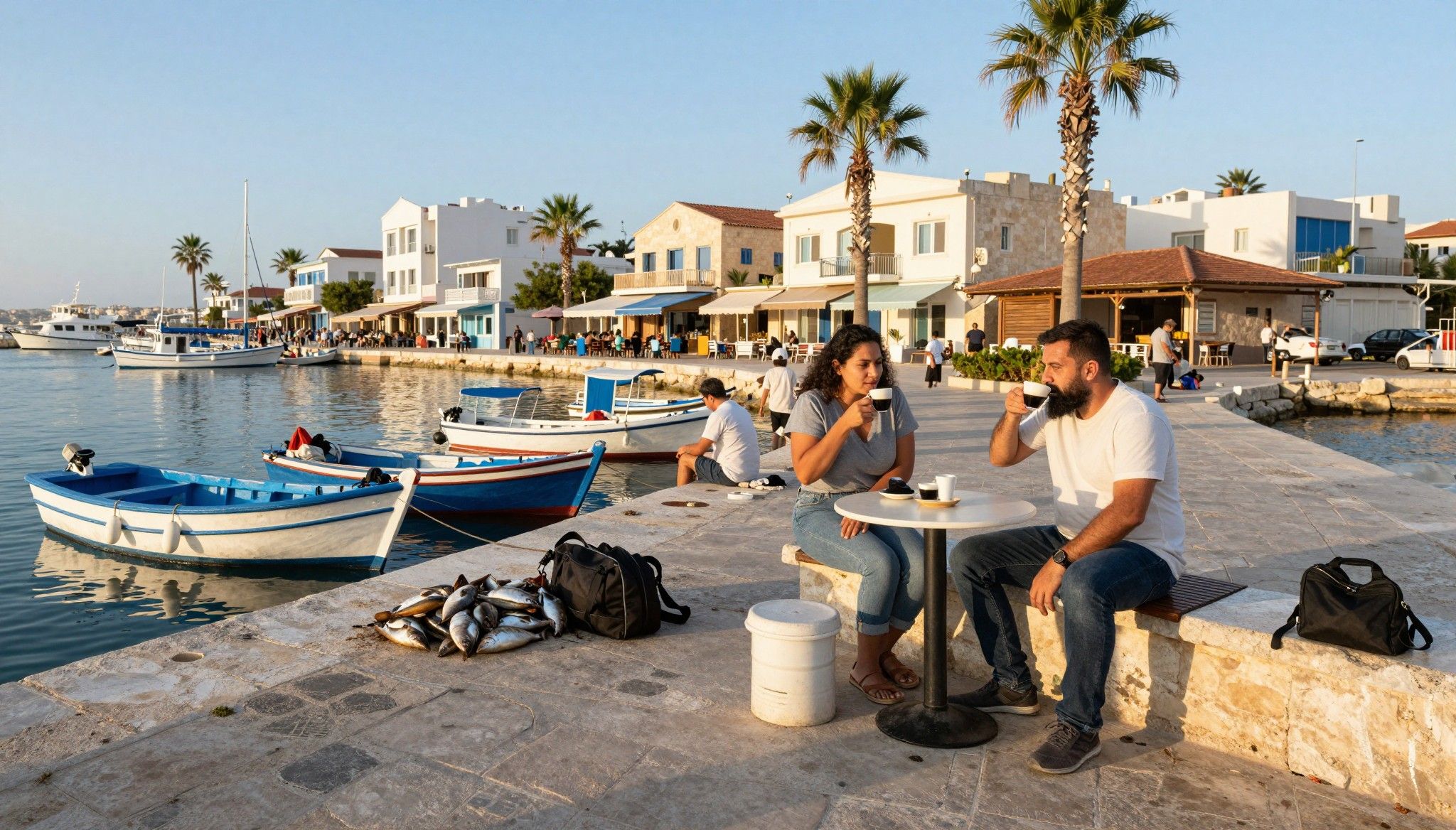
Imagine walking from a sea‑side café in Limassol to a narrow lane where a neighbour sells fresh halloumi, then signing papers on an apartment whose rental income is tax‑efficient. That small scene captures Cyprus: an island where Mediterranean rhythms meet surprisingly sophisticated tax rules — and where the non‑dom tax status can change the arithmetic of owning a home.
Living the Cyprus lifestyle
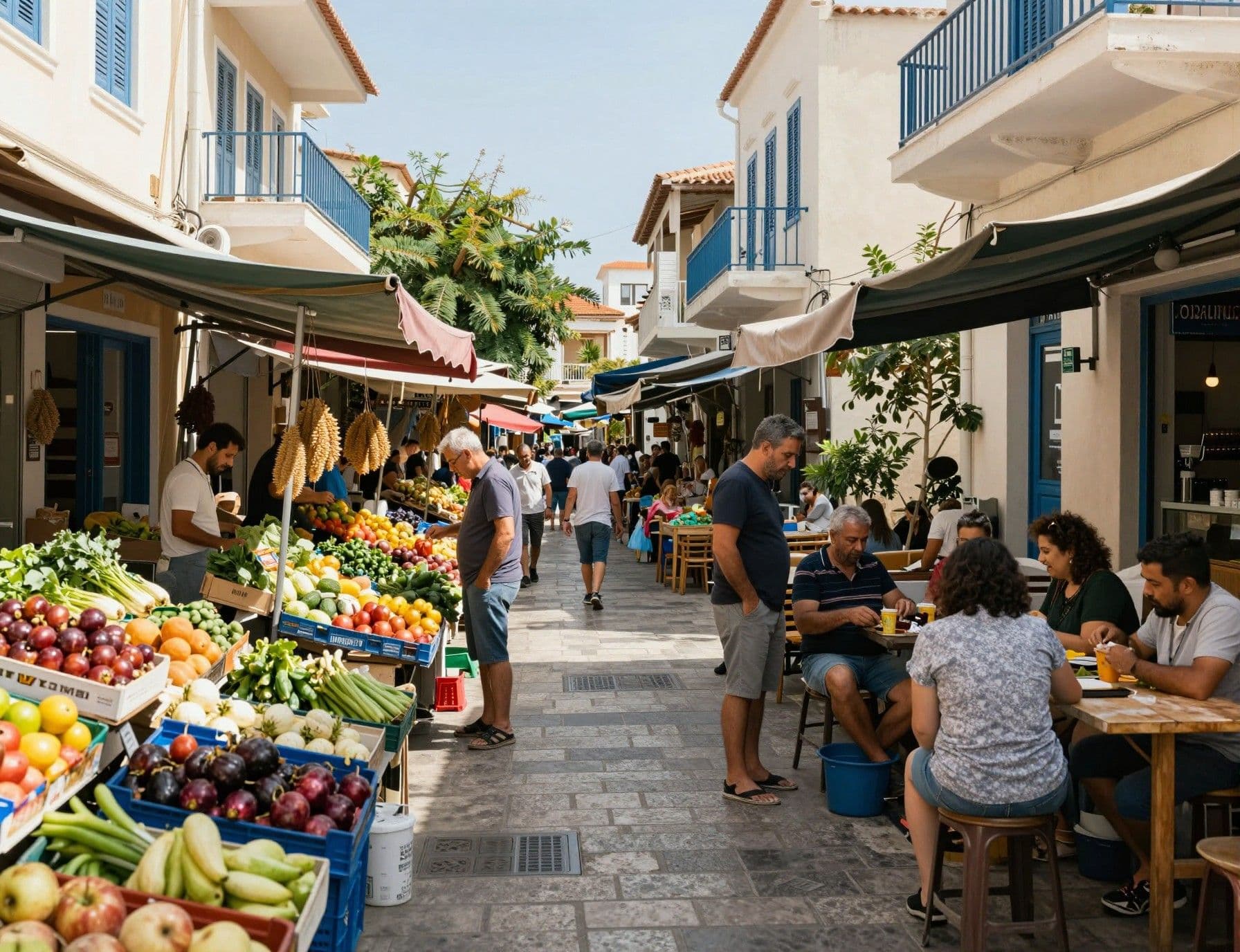
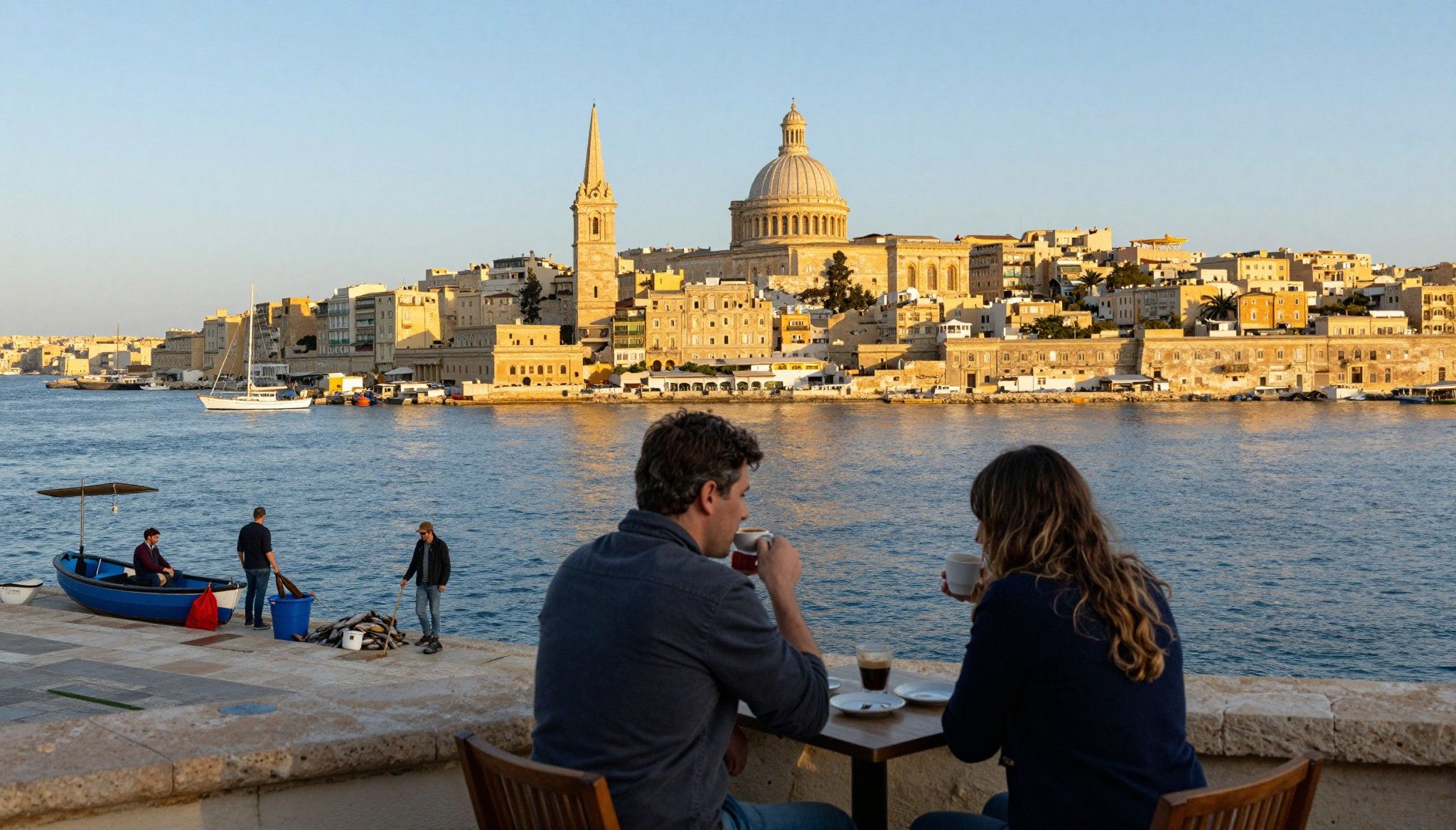
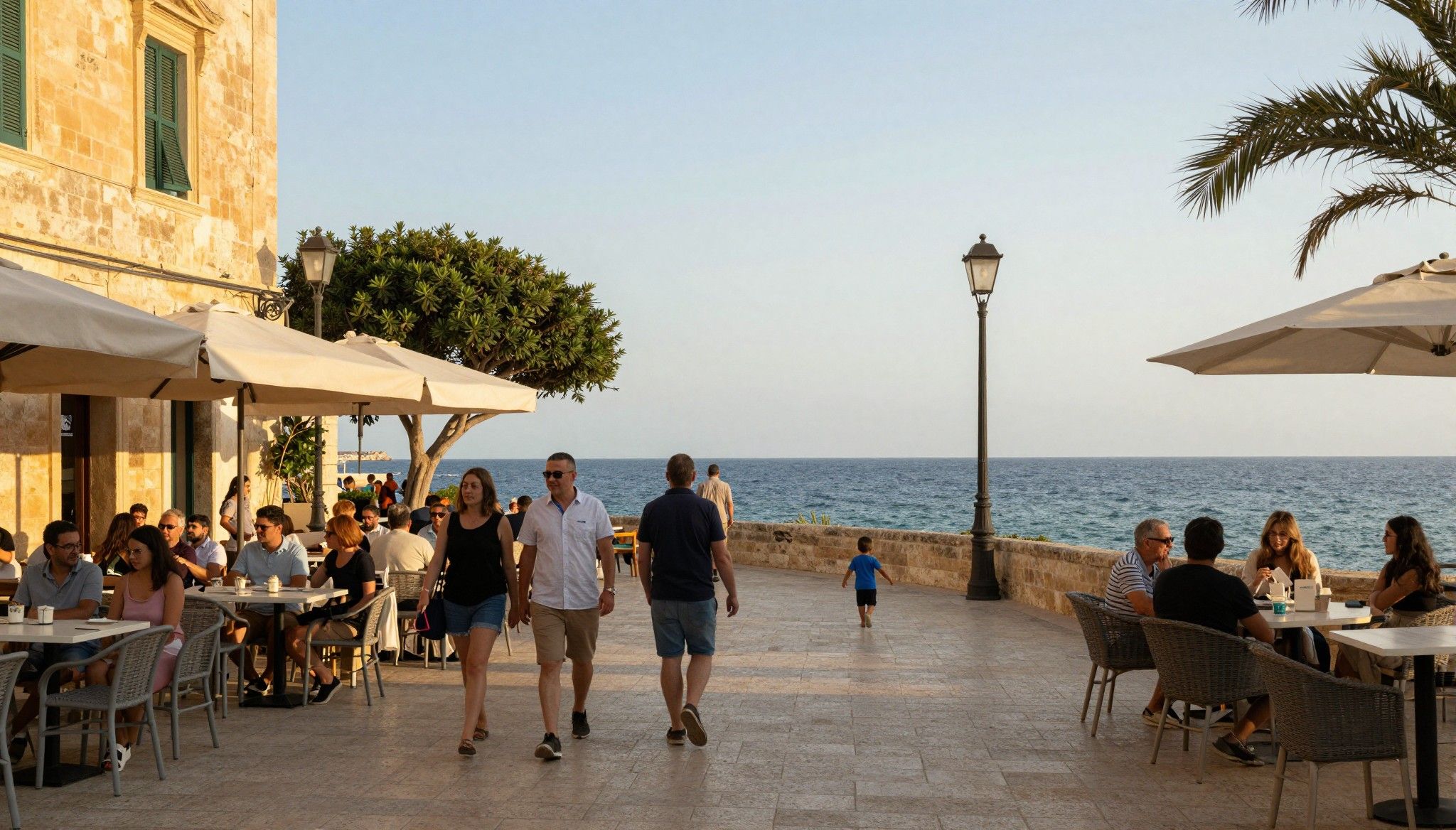
Days here are governed by light: morning coffee on a shaded terrace, afternoons on pebble beaches or mountain walks in the Troodos, and long dinners that start late. Coastal towns — Limassol, Paphos and Larnaca — hum with sea life and international schools; Nicosia offers city rhythm, old‑town cafes and a quieter cultural pulse. For buyers, that mix means you can trade between a year‑round beach life and a village pace within an hour’s drive.
Neighbourhoods worth meeting: Limassol, Paphos, Larnaca
Limassol’s Old Port and Germasogeia offer coastal promenades, craft coffee and new developments aimed at families and professionals. Paphos mixes historic lanes around Kato Paphos with modern complexes near Coral Bay. Larnaca’s finikoudes promenade and the quieter Meneou district appeal to buyers after a balanced price-to‑lifestyle ratio. Each neighbourhood has its own rhythm: pick the one that matches how you want to spend mornings and weekends.
Food, markets and small‑town rituals
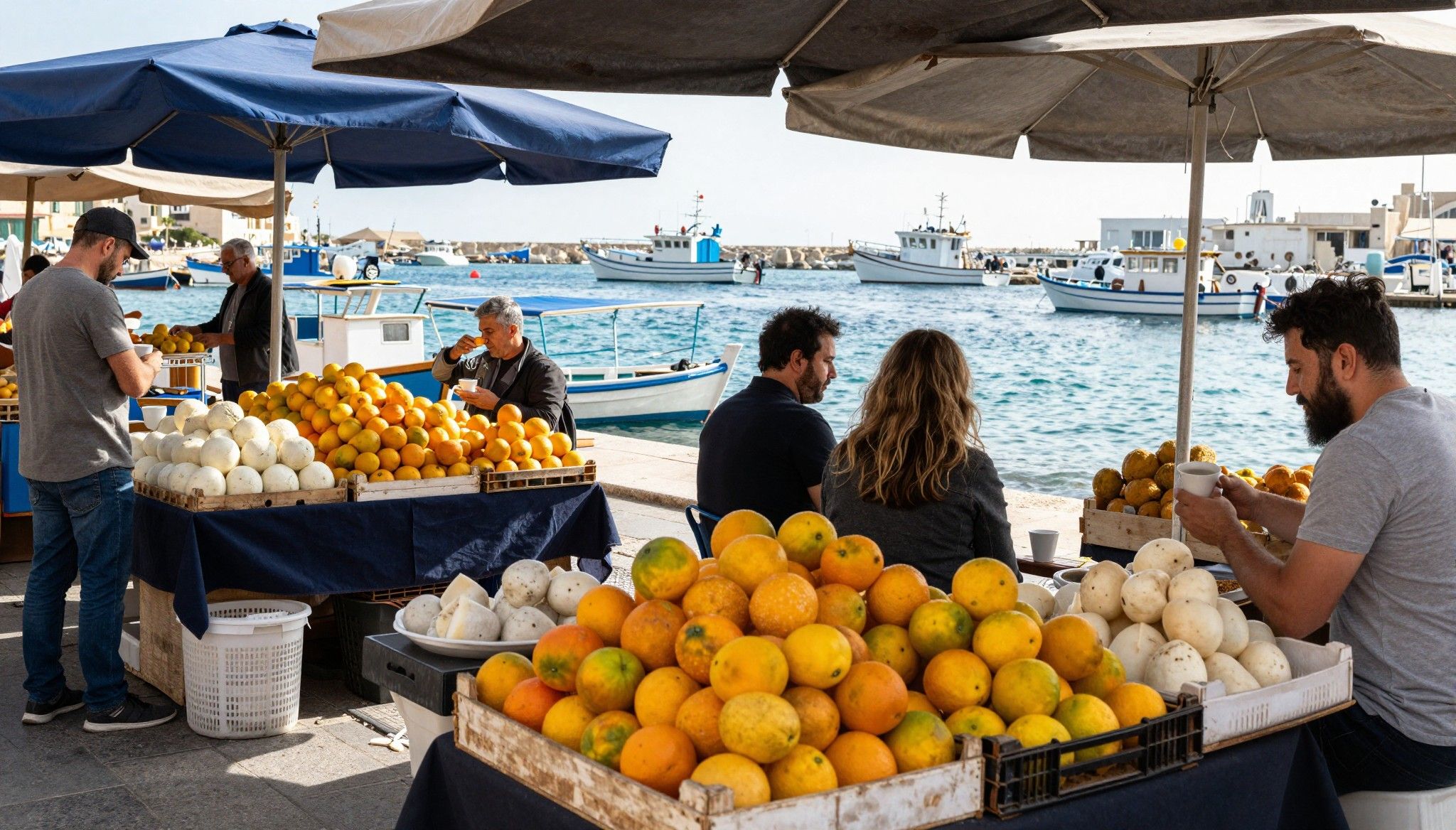
Weekends mean village markets, grilled sardines by the sea and wine tastings in Limassol’s outskirts. Try the municipal market on Riga Fereou in Limassol, or the small seafood tavernas on Paphos’ harbor. These rituals shape property choices: a home near a lively market offers daily convenience; a hillside villa trades bustle for privacy and cooler summers.
- Lifestyle highlights: Limassol port promenade, Paphos harbour, Larnaca’s Finikoudes, Troodos hiking trails, local weekly markets, small village tavernas
Making the move: lifestyle meets practical realities
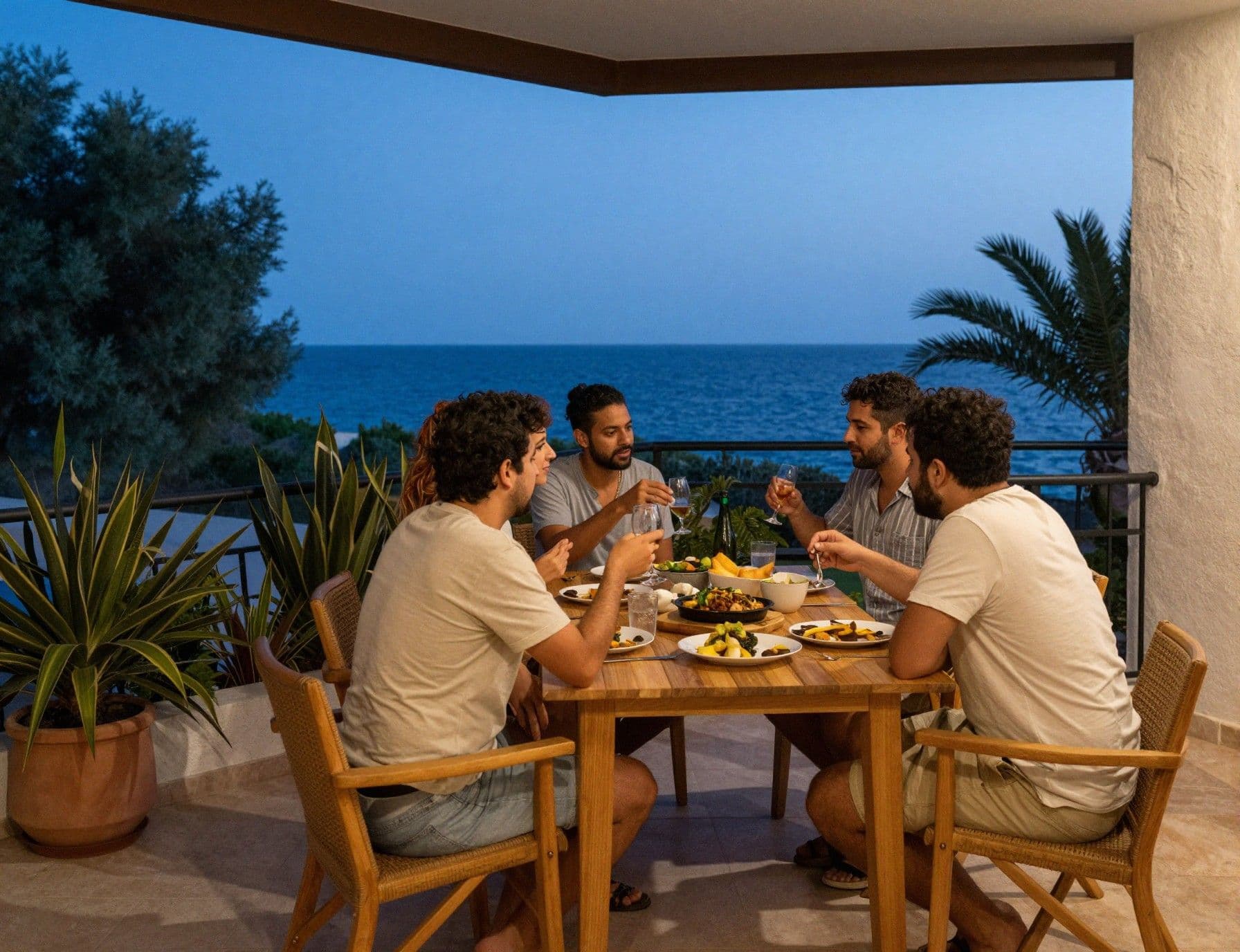
The dream is the hook; the numbers are the backbone. Cyprus’s Central Bank data show steady residential price growth in recent years but a deceleration in late 2024, which matters if you’re timing purchase versus rental yield. Combine lifestyle priorities with market data — neighbourhood liquidity, supply pipeline and recent price trends — before making offers.
Property styles and how they map to daily life
Seafront apartments give easy access to promenades and short‑term rental demand; townhouses in suburban Limassol suit families; stone village houses in Paphos or the Troodos are about atmosphere and seasonal living. Think beyond square metres: roof terraces, passive cooling, and storage for food and produce matter for Mediterranean life.
- Six lifestyle‑plus‑practical steps before you sign
1) Check recent RPPI trends for your target town; 2) Verify title and planning status with a local lawyer; 3) Model tax outcomes including non‑dom treatment for passive income; 4) Confirm VAT exposure on new builds and transfer fees; 5) Inspect seasonal accessibility and services; 6) Add 5–10% for local transaction costs and renovations.
Insider knowledge: tax, residency and common surprises
Two tax facts consistently surprise newcomers. First, Cyprus’s non‑dom regime can exempt dividends, interest and rental SDC for qualifying residents — a material advantage for owners who plan to rent or hold investments. Second, tax residency can be achieved via the 183‑day rule or the 60‑day rule if other conditions are met — so your time on the island affects tax treatment and the viability of the non‑dom status.
Common pitfalls buyers tell us about
- Assuming tax exemptions without formal confirmation; underestimating transfer and registration timelines after legal amendments; buying on a summer visit without checking off‑season neighbourhood rhythm; ignoring VAT on new developments versus transfer taxes on resale.
Working with local experts who protect lifestyle value
Use a local lawyer experienced in title searches, a tax adviser who understands non‑dom qualifications, and an agent who knows which streets hold year‑round demand (for example, avenues near Limassol Marina or Paphos’ Kato Paphos). The right team translates lifestyle preferences — morning market access, sea breeze, community feel — into concrete checks on planning, utility rights and rental prospects.
Practical checklist for the non‑dom buyer: confirm tax residency pathway (60 or 183 days), obtain written confirmation of non‑dom implications for SDC with your tax adviser, factor in transfer/VAT differences, schedule due diligence outside peak tourist season, and budget for local agency and legal fees. These steps keep the lifestyle dream aligned with return‑on‑ownership reality.
How life changes after the move
You’ll trade synthetic weekend escapes for real ones: morning markets become routine, neighbours know your kids, and small inconveniences (like narrow streets) feel charming. Financially, properly established non‑dom residency can make holding second‑home income more tax‑efficient — freeing budget for local services, renovation or travel.
- Final next steps: speak to a Cyprus tax adviser, ask agents for recent RPPI‑backed comparables, schedule an off‑season visit, obtain a lawyer’s title report, and model post‑tax rental yield under non‑dom assumptions.
Cyprus offers a rare blend: a lived‑in Mediterranean life and tax tools that matter. Come for the coast and community, but bring precise questions about residency rules, non‑dom status and transaction timelines. With the right local team, the island’s daily pleasures become a sustainable part of your financial plan.
Danish relocation specialist who has lived in Barcelona since 2016. Helps families move abroad with onboarding, schooling, and local services.