Malta: Why Summer House‑hunting Can Mislead Buyers
Malta compresses Mediterranean daily life into tight neighbourhoods—choose for rhythm, not postcard; verify zone, title and terrace exposure before you buy.
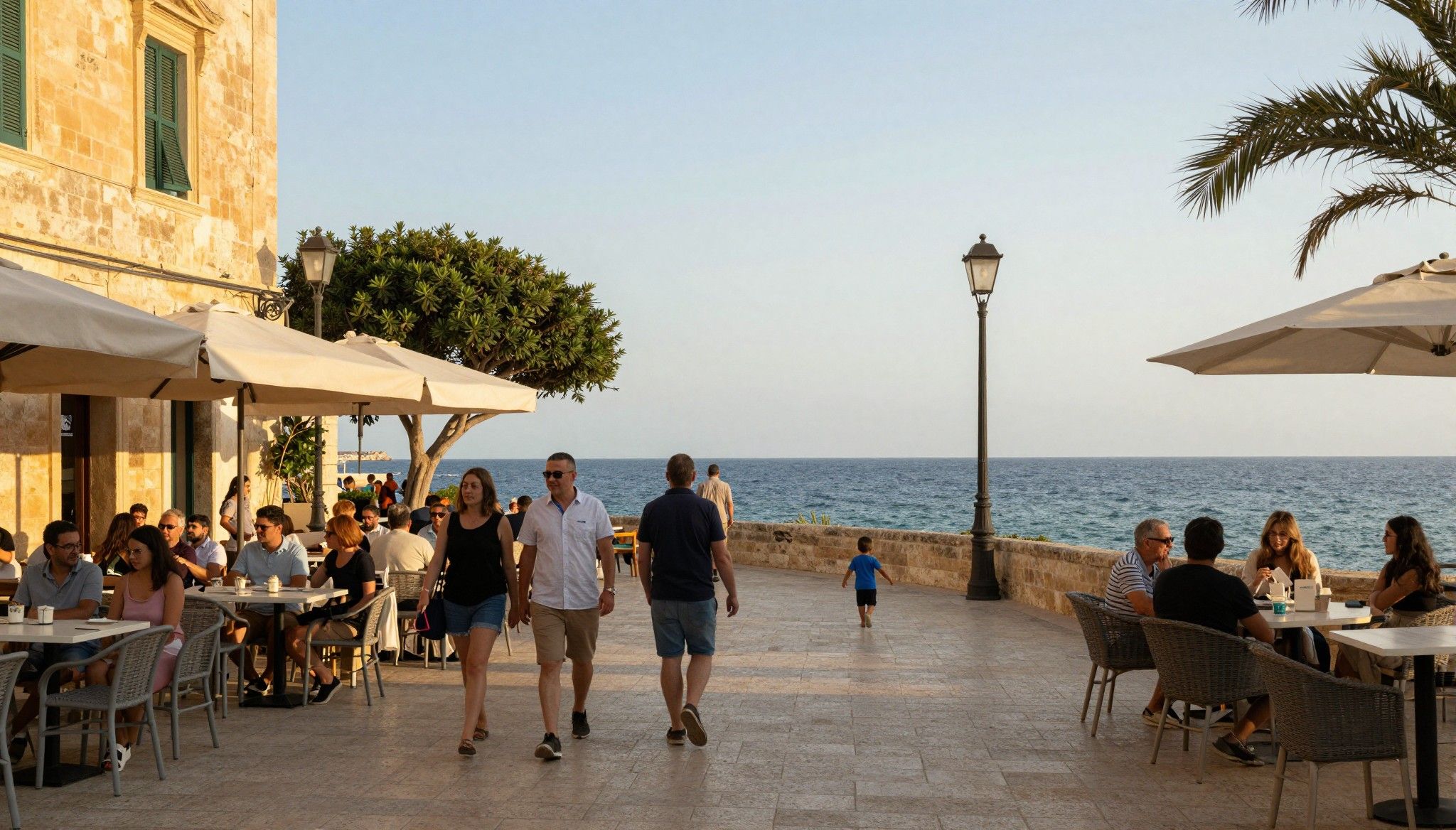
Imagine waking to espresso steam in Valletta’s cobbled streets, later snorkeling off the quiet coves of Gozo and finishing the day with a glass of local wine at Marsaxlokk’s harbor. Malta compresses Mediterranean life into a compact island rhythm — historic piazzas, short commutes, and water at the end of nearly every road. That compression is the charm — and the market constraint. In a small country, lifestyle demand translates quickly into price pressure; international buyers should feel the life first, then size up the signals.
Living Malta: daily rhythms in a dense Mediterranean island
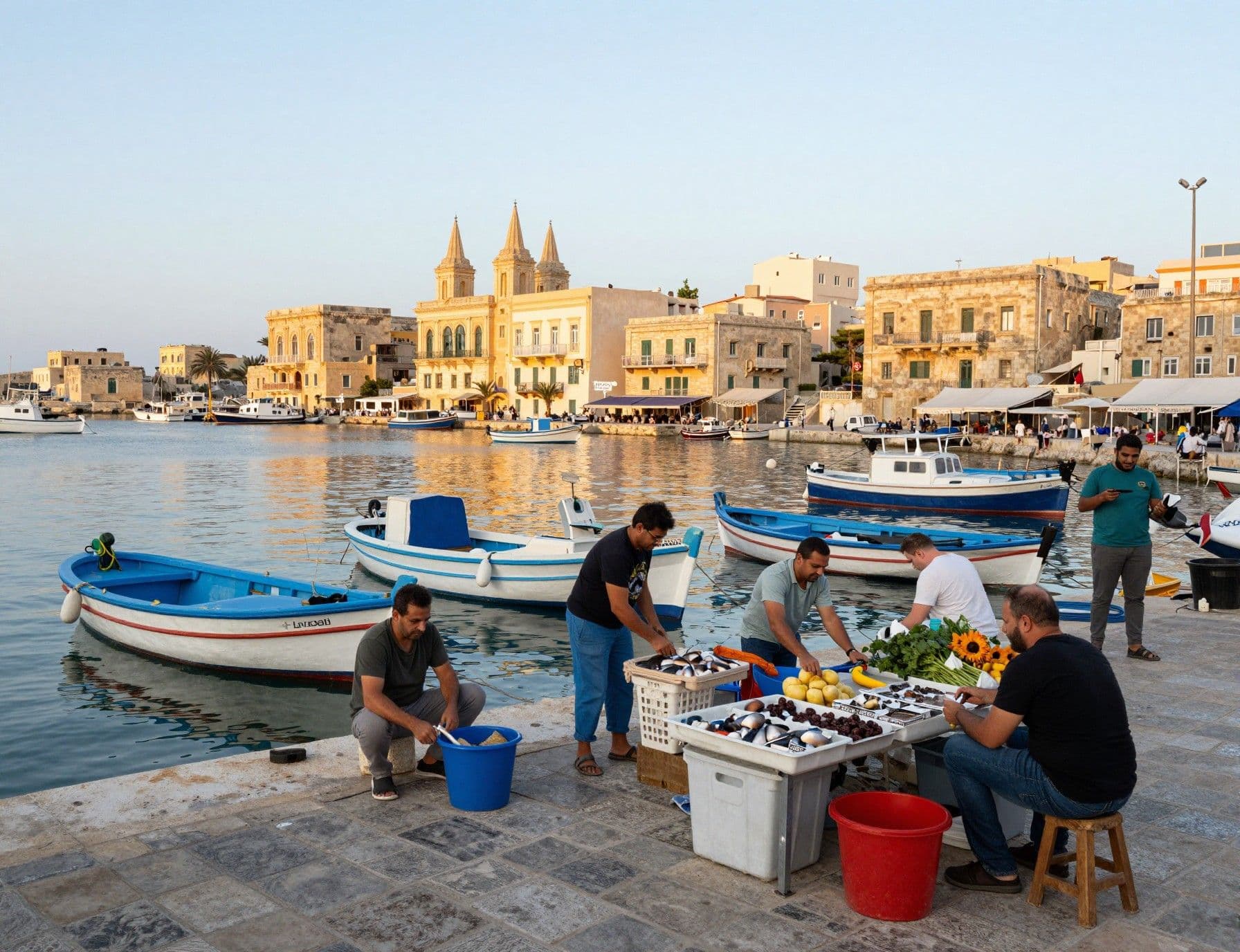
Streets hum with mixed generations — retirees perched at cafés, remote workers in co‑working hubs, and families cycling to local markets. English is an official language, so administrative life is approachable for many buyers, while Maltese signage and local festivals retain a strong sense of place. Weather shapes routines: summers are for sea mornings and later social nights; winters are mild, with off‑season calm that reveals how a neighbourhood truly functions beyond tourist postcards.
Neighborhood moods: Valletta, Sliema, Birgu, and Gozo
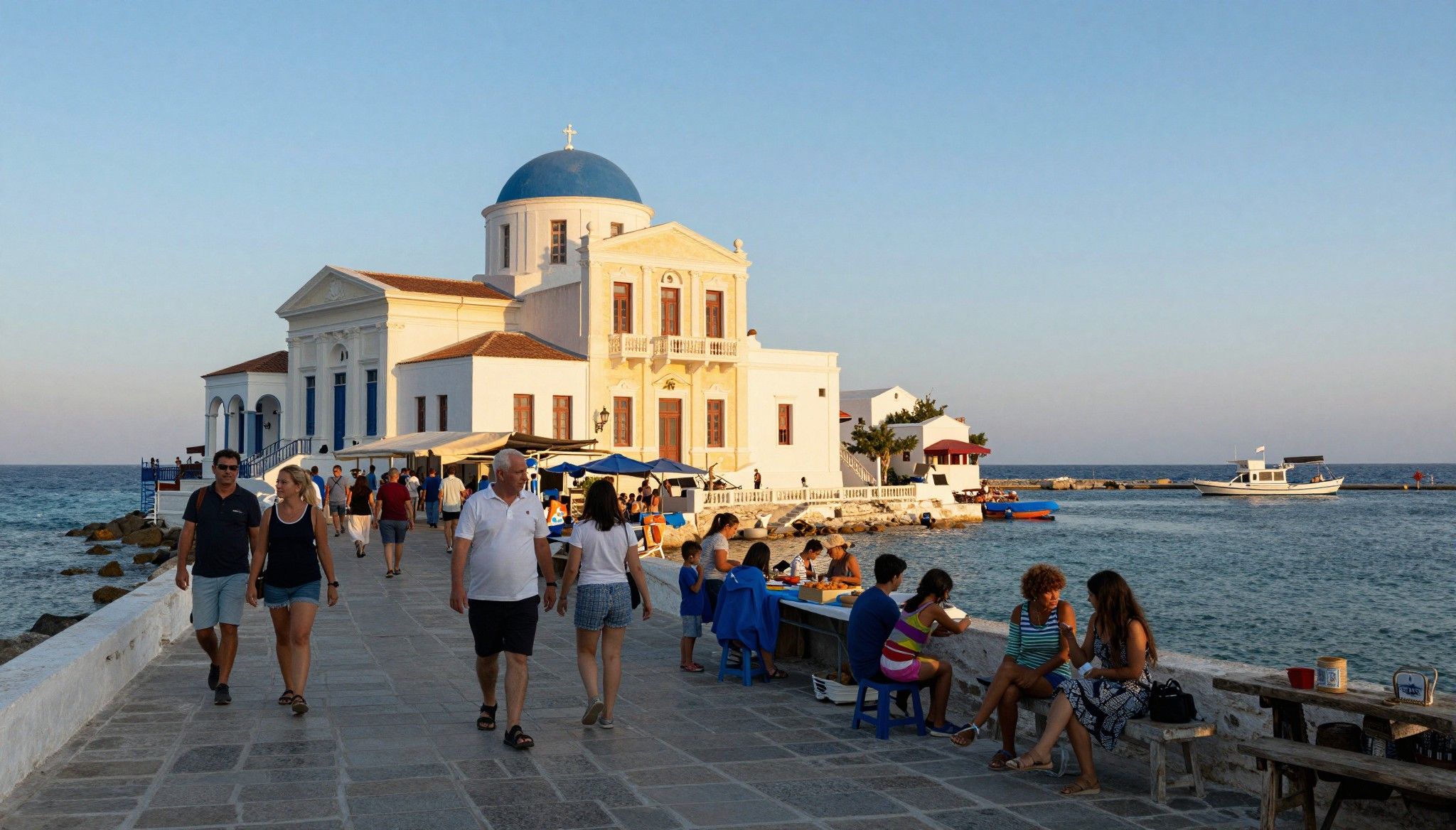
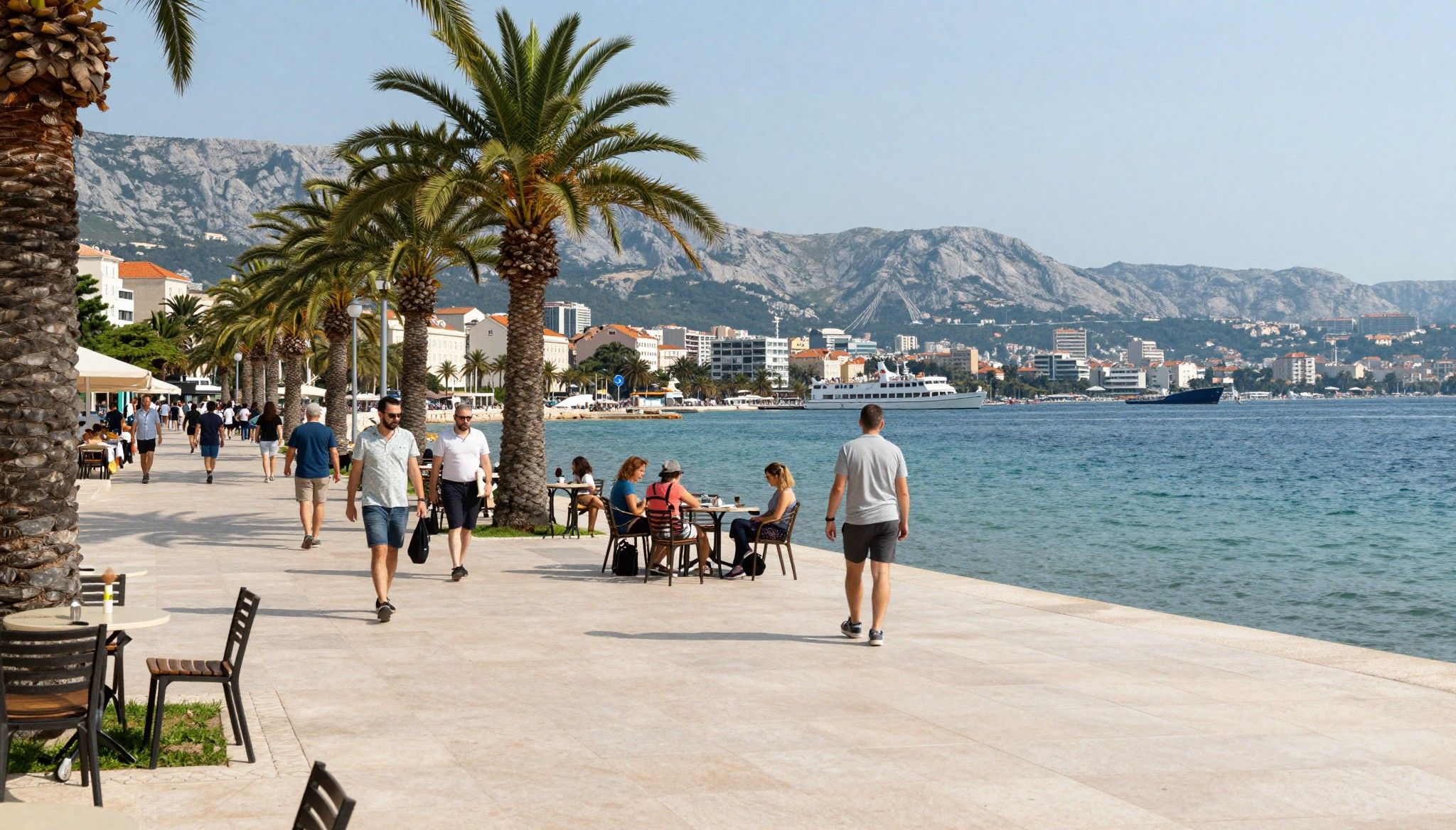
Valletta feels ceremonial — grand facades, narrow lanes and a sense that every balcony has a story. Sliema and St Julian’s trade historic quiet for a seaside modernity of promenades, cafés and apartment living. Birgu (Vittoriosa) and the Three Cities offer restored townhouses and harbour intimacy, while Gozo trades bustle for fields, slower rituals and stone farmhouses. Each area delivers a different day: coffee at a harbour-side café, a quick ferry to work, or afternoons gardening in a rural courtyard.
Food, markets and seasonal life
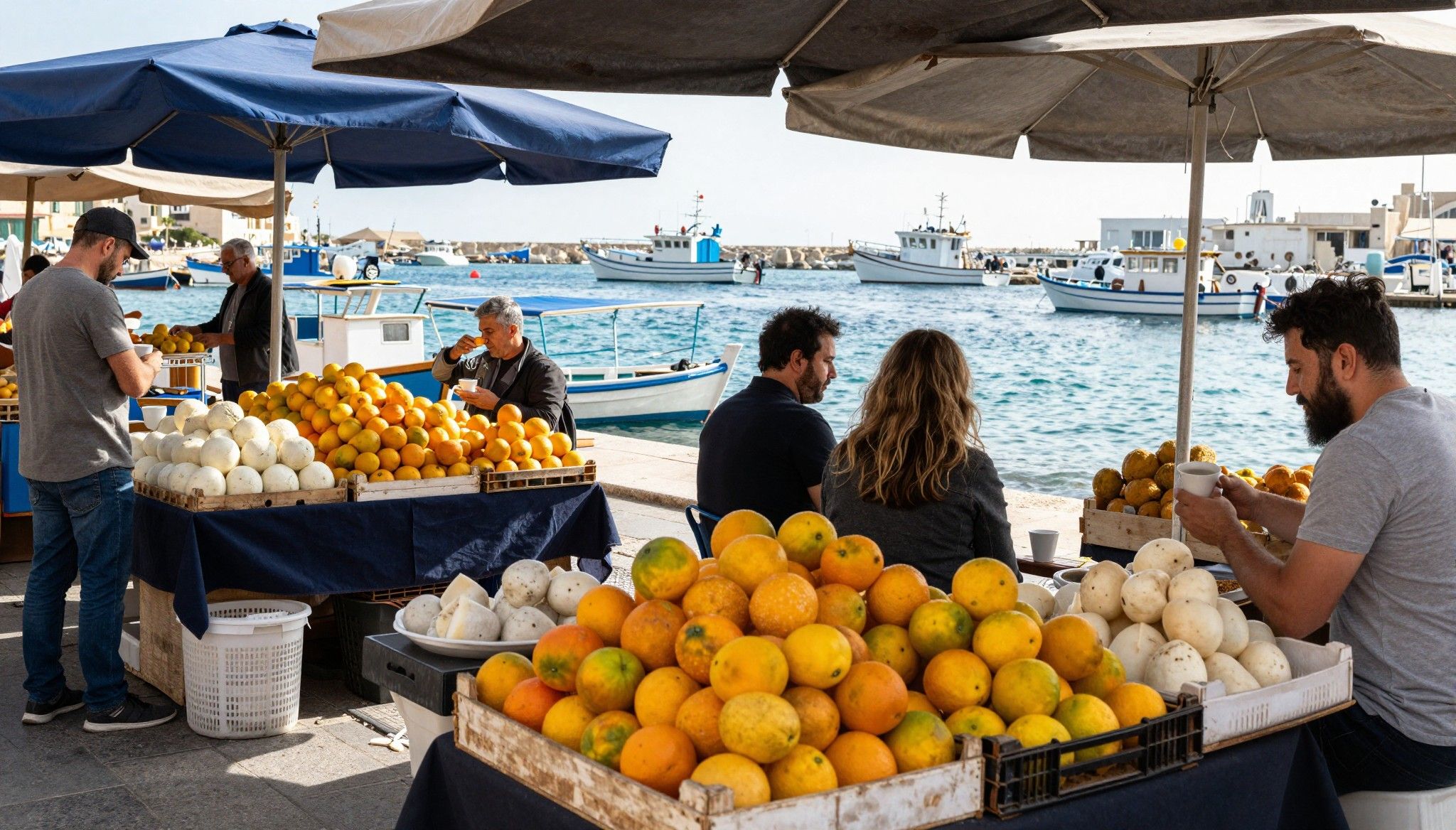
Malta’s food life is coastal and communal — fresh fish at Marsaxlokk, ftira sandwiches in Valletta alleyways, and neighborhood festas that reshape evenings. Weekend routines often mean market runs for seasonal produce, long lunches, and sunset swims. For buyers, proximity to markets and cafés matters as much as square meters: a small terrace facing a lively piazza may deliver more day‑to‑day joy than a larger inland apartment.
Making the move: lifestyle-led practicalities
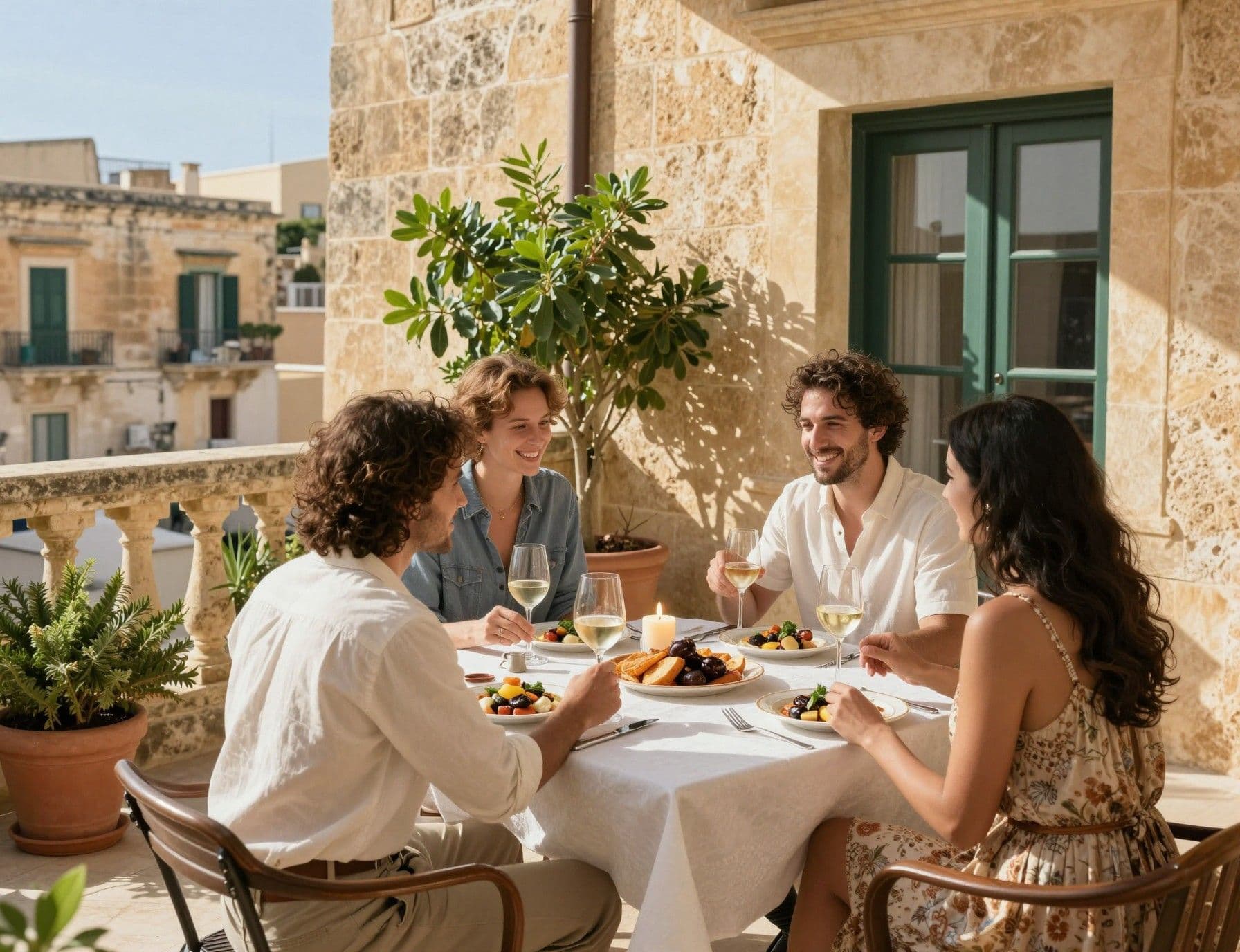
Malta’s market shows steady price appreciation: the National Statistics Office reports year‑on‑year gains and a compact pipeline of transactions that keeps supply tight. That means small shifts in demand — more expat interest, seasonal rental popularity, or residency programs — can move prices quickly. For lifestyle buyers this creates a trade‑off: fast access to Mediterranean life against a market where timing and local knowledge materially affect value.
Property types and lived reality
Choices range from Valletta townhouses and mezzanine apartments to new builds in Sliema and stone farmhouses in Gozo. Townhouses offer character and outdoor terraces but usually require renovation; modern apartments trade charm for amenities and easier maintenance. Non‑EU buyers should note designated zones and purchase conditions that affect where you can buy without special permits — locations and titles influence financing, rental prospects, and long‑term liquidity.
Working with local experts who know what 'lived in' means
A local agency should be fluent in lifestyle matching: connecting you to streets where neighbours keep cafés open late, arranging viewings at times that show real rhythms, and advising on terraces, insulation and cooling needs. They also translate permits, title types and residency program criteria into lifestyle outcomes: can you rent seasonally, will the property suit long winters or is it built for summer living, and how walkable is your daily life?
Insider knowledge: expat truths and red flags
Expats often say the same two things: they underestimated how compact Malta is, and they overpaid for sea‑proximate locations that trade convenience for long‑term maintenance or rental constraints. Watch for micro‑factors that change daily life: sun exposure on terraces, sound from festa bands, or access to a small quay for morning swims. These sensory details have outsized impact on satisfaction.
- Quick red flags and lifestyle checks
1. Check terrace orientation for summer heat and wind; 2. Confirm room sizes — advertised square metres can be misleading in older houses; 3. Ask about fenestration and insulation if you plan to live year‑round; 4. Verify rental permissions for the area if you expect seasonal lets; 5. Walk the neighbourhood at night to sense real social rhythms.
Step-by-step for a lifestyle-first purchase in Malta
1. Spend one week living like a local in two candidate towns; 2. Use a local agency to shortlist properties that match daily routines (markets, ferries, cafés); 3. Commission a structural and services survey to avoid hidden renovation costs; 4. Confirm legal title, zone restrictions and residency implications with a Maltese lawyer; 5. Negotiate with lifestyle trade‑offs in mind — a smaller terrace in Valletta can beat a larger inland lawn if your life centers on the sea.
Longer view: what buyers regret and what endures
Buyers who regret decisions usually skipped time in a place — they chose the postcard over the weekday. Enduring purchases tie to lifestyle anchors: a neighbourhood community, easy sea access, or proximity to an international school. In Malta, human networks matter; properties that support daily rituals — morning markets, late cafés, short ferry rides — keep value in lived terms even when indices flatten.
Final steps and the role of an agency
Work with an agency that frames listings by lifestyle: show you the corner café, test sound levels during festa, and measure terrace light across a day. Ask them to map out permit zones, potential rental caps, and likely renovation timelines. That combination — a vivid sense of daily life plus solid local process knowledge — is how you move from dreaming to living, with confidence.
Conclusion: Malta sells a Mediterranean life in concentrated form — cobbled mornings, harbour afternoons and convivial nights. If that life fits you, prioritise a lifestyle-driven search supported by local legal and market expertise. Spend time in candidate neighbourhoods, verify zoning and title, and choose an agency that shows the lived reality; do that and you buy more than property, you buy a way of life.
Dutch investment strategist with a Portugal-Spain portfolio. Expert in cross-border financing, rights, and streamlined due diligence for international buyers.