Malta: Buy the Life — Visit in Shoulder Season, Check the Permits
Malta compresses Mediterranean life into walkable neighbourhoods; visit in shoulder seasons, verify permits and avoid relying solely on summer short-let data.
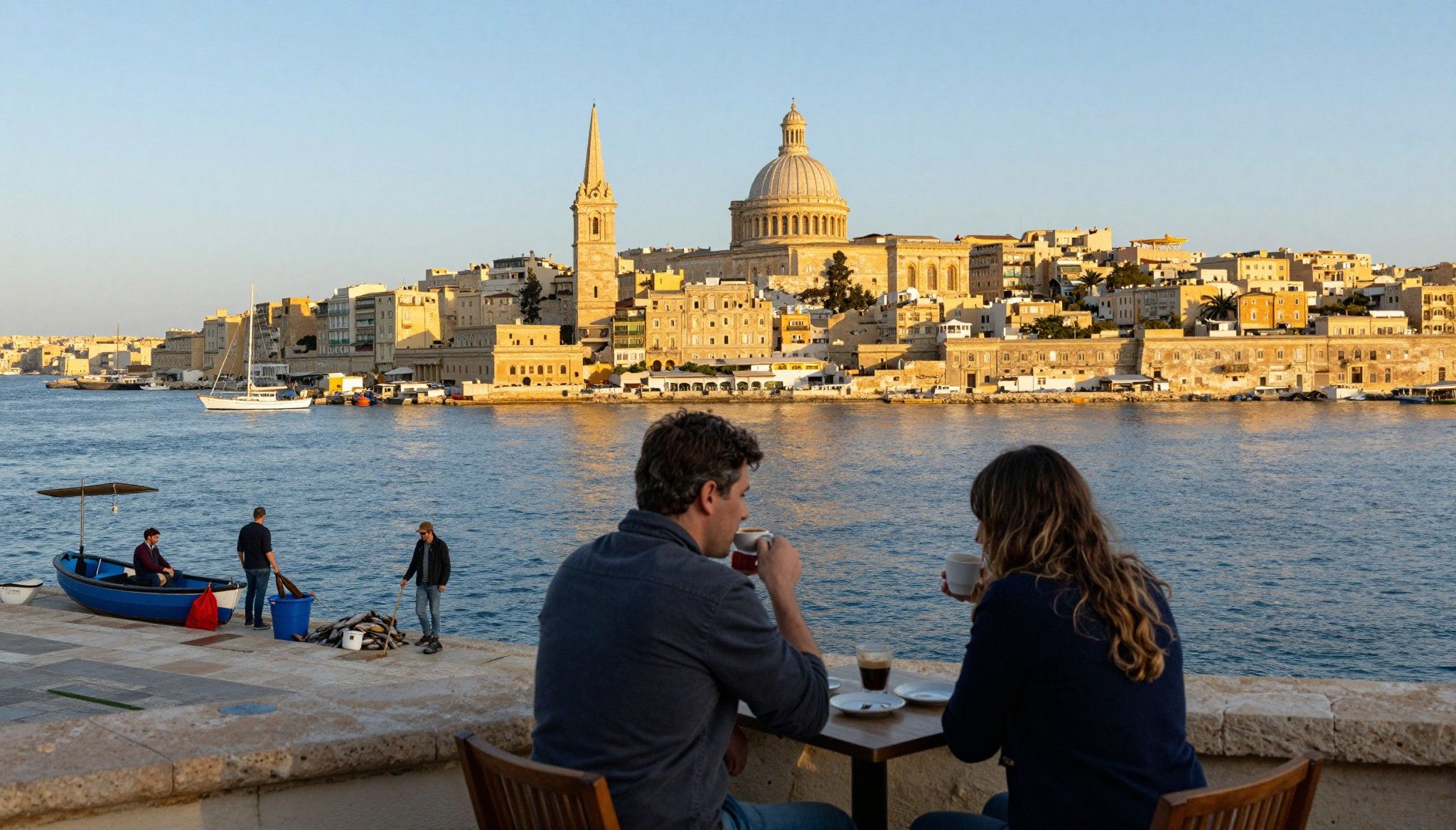
Imagine stepping off a ferry into Valletta at dawn: limestone facades glowing, espresso steam drifting from a corner café and neighbours trading the day’s news in English and Maltese. Malta compresses Mediterranean life — coast, history and a tight social fabric — into a group of islands where every errand can feel scenic. For international buyers, that compactness is seductive: short walks to shops, beaches and parish festas, but also a market where choices are finite and timing matters. Below I pair the lived experience — streets, cafés, seasonal rhythms — with the practical signals buyers need to spot value and avoid common mistakes.
Living the Malta lifestyle: day-to-day scenes
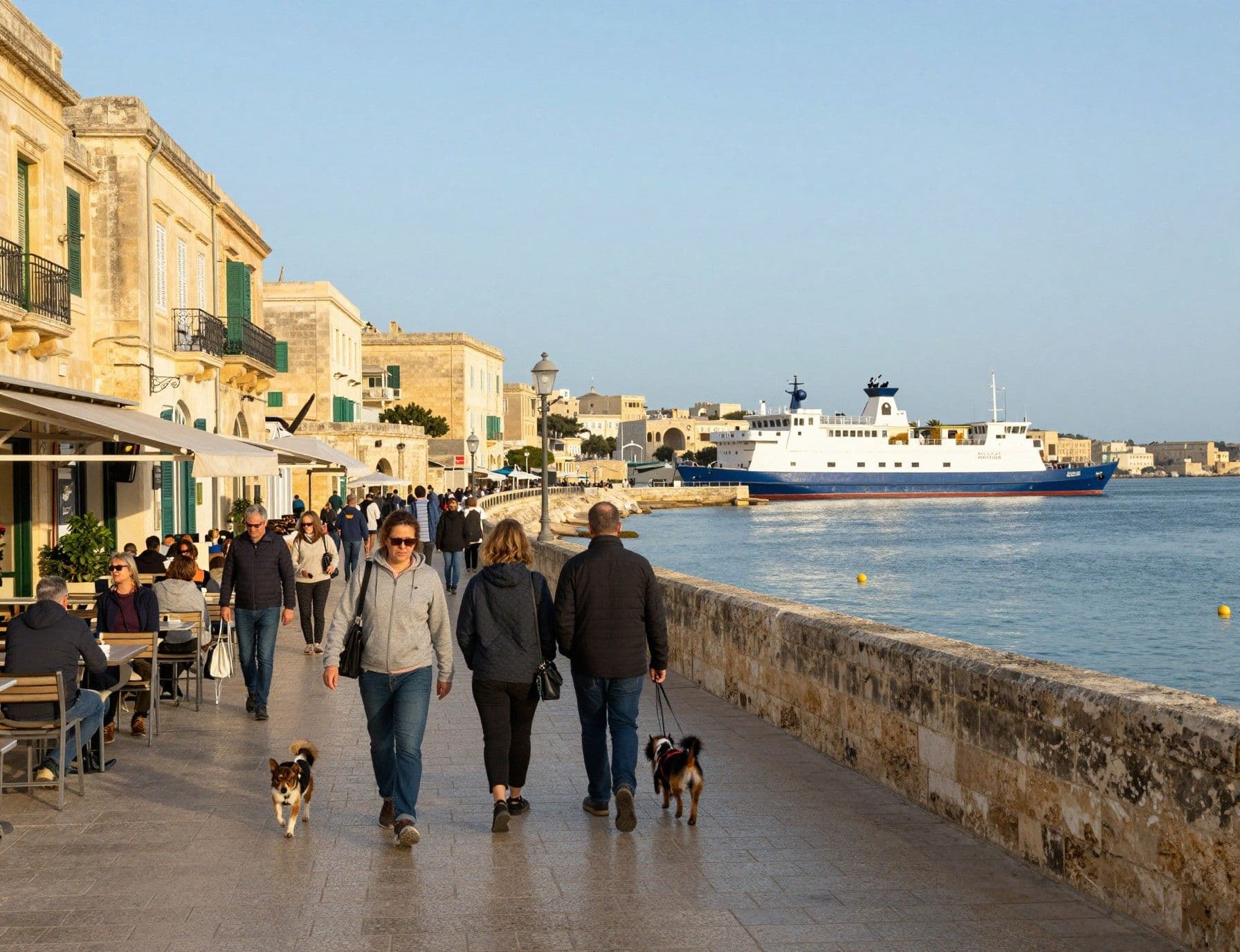
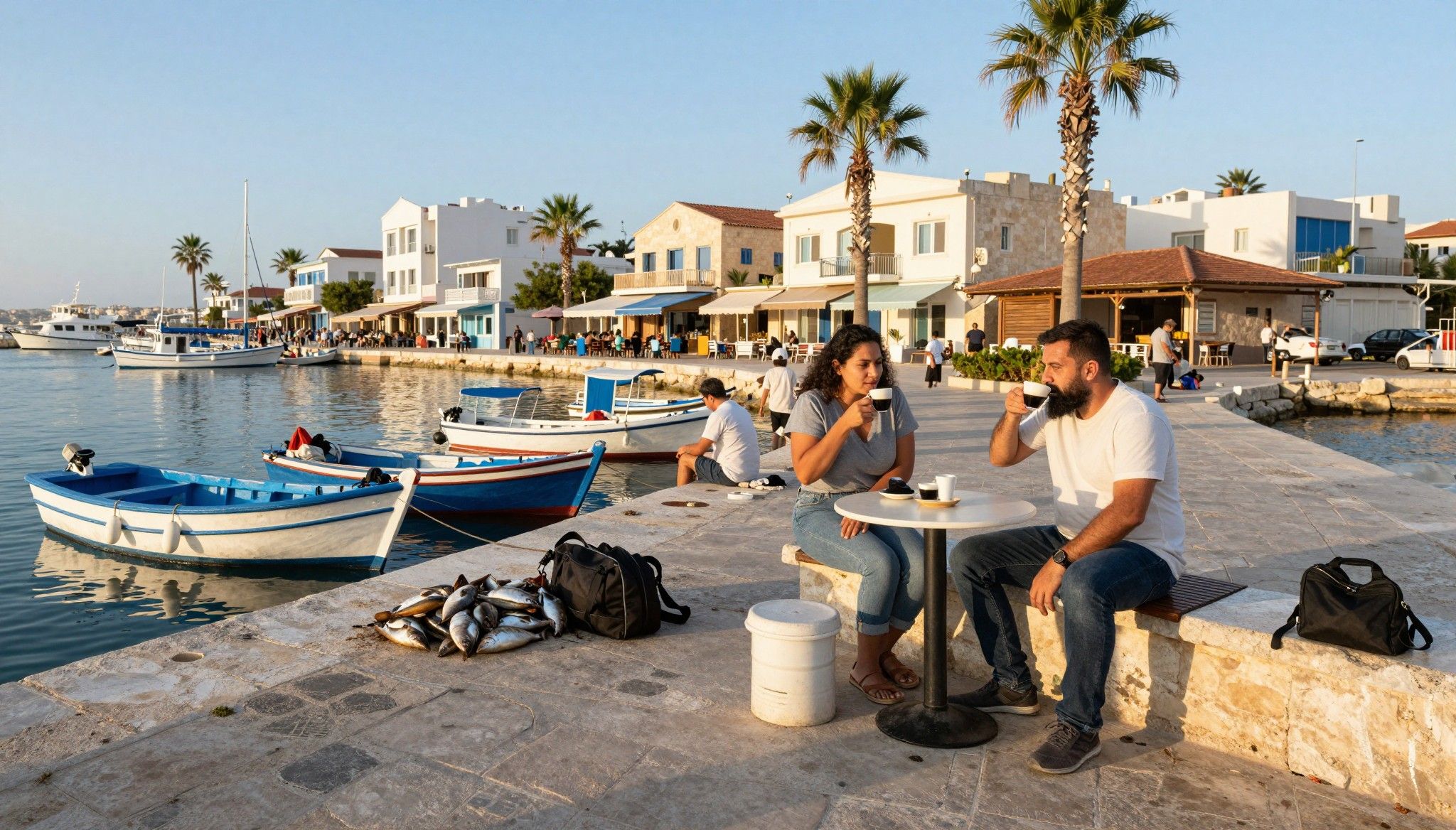
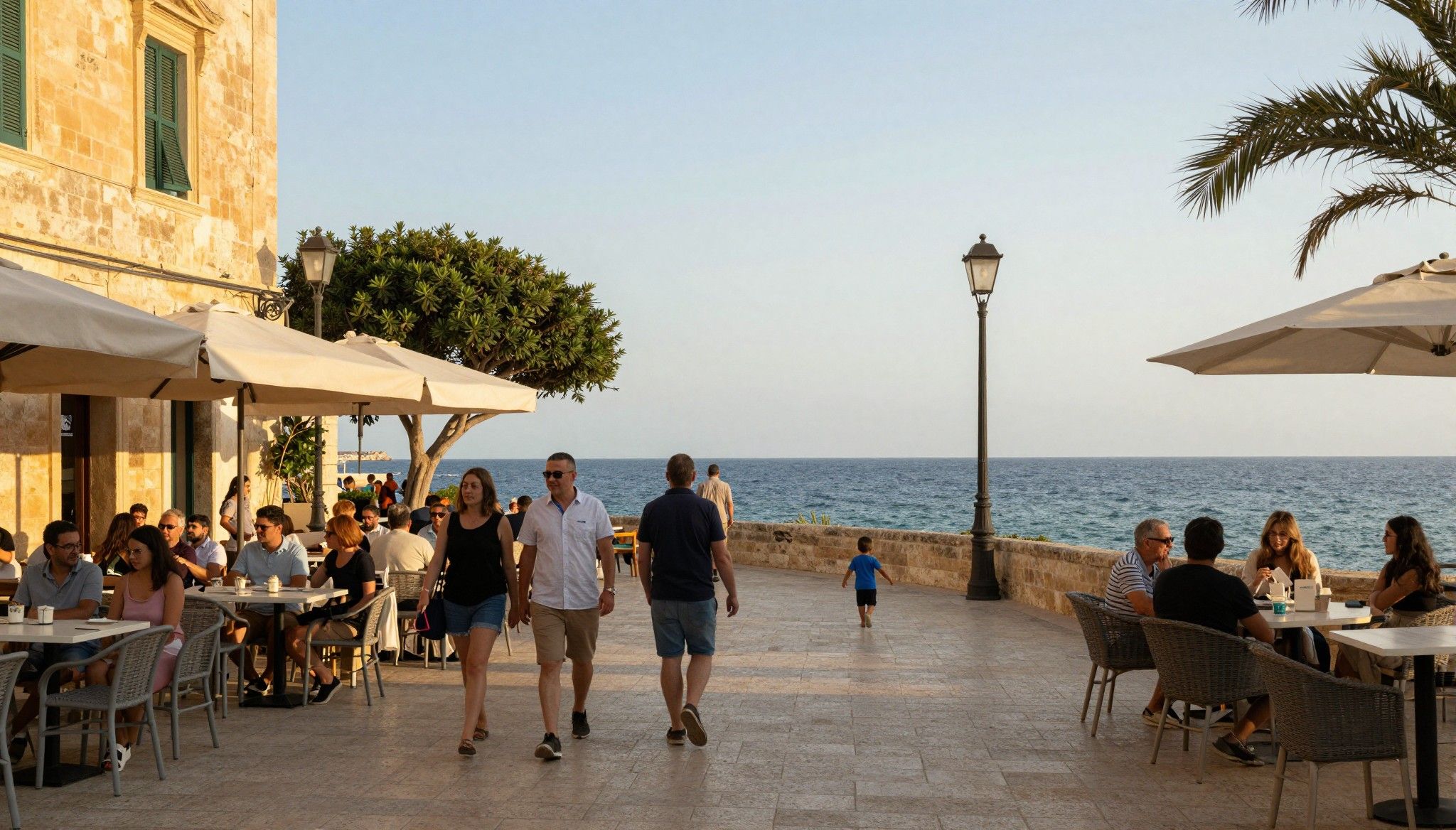
Life in Malta moves between harbour promenades, narrow baroque streets and the spontaneous energy of terrace dining. Morning routines often begin with a short coastal walk — Sliema’s Tower Road or the Sliema promenade — followed by a second coffee at a local pastizzeria. Evenings are for piazza chatter and neighbourhood festas where traditional band marches and fireworks are as much social glue as spectacle. That ritualised public life shapes where locals buy: proximity to a good square, church and market commonly adds price resilience.
Seaside promenades and modern apartment blocks define Sliema and St Julian’s. Choose Sliema if you want a balanced rhythm — morning shopping, seaside walks and quieter evenings — and St Julian’s if nightlife, restaurants and short-let demand matter. Both areas attract expatriates, professionals and investors drawn by ferry links to Valletta and consistent rental demand, but the lifestyle trade-off is noise versus convenience.
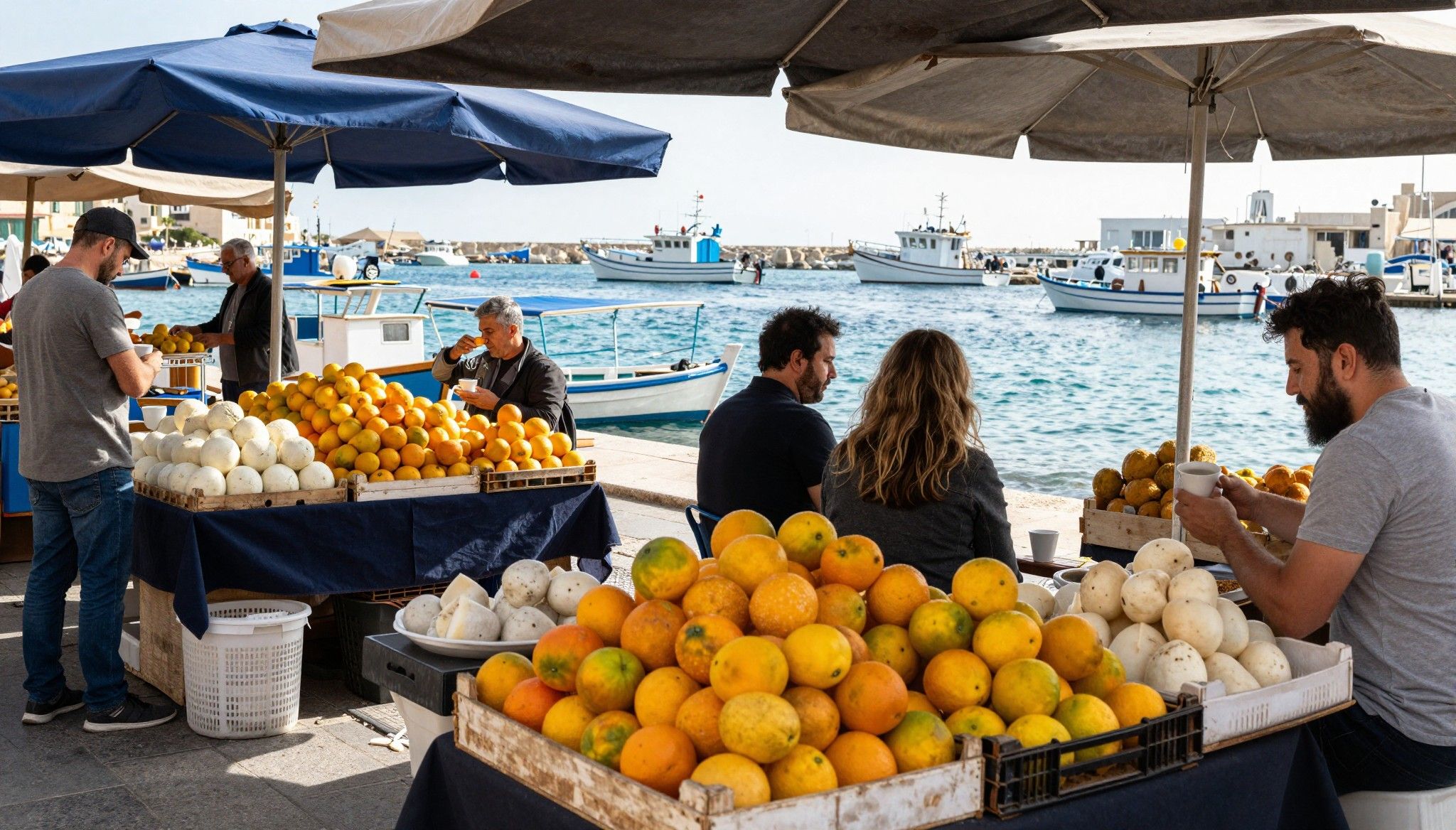
Food and markets feel immediate: fish stalls at Marsaxlokk on Sundays, tiny cafés in Mdina, and contemporary restaurants clustered around Spinola Bay. Seasonality is visible — summer terraces brim with tourists, while winter months reveal quieter neighbourhood rhythms and lower short-let occupancy. For buyers, that means mapping the lifestyle you want against seasonal rental cycles if you plan to let part-time.
Lifestyle highlights buyers value
- Tower Road promenade (Sliema) and evening passeggiata
- Spinola Bay cafés and seafood restaurants (St Julian’s)
- Marsaxlokk fish market for weekend rituals and fresh produce
- Mdina’s quiet streets and cultural evenings for a historic alternative
Making the move: practical considerations that keep the lifestyle
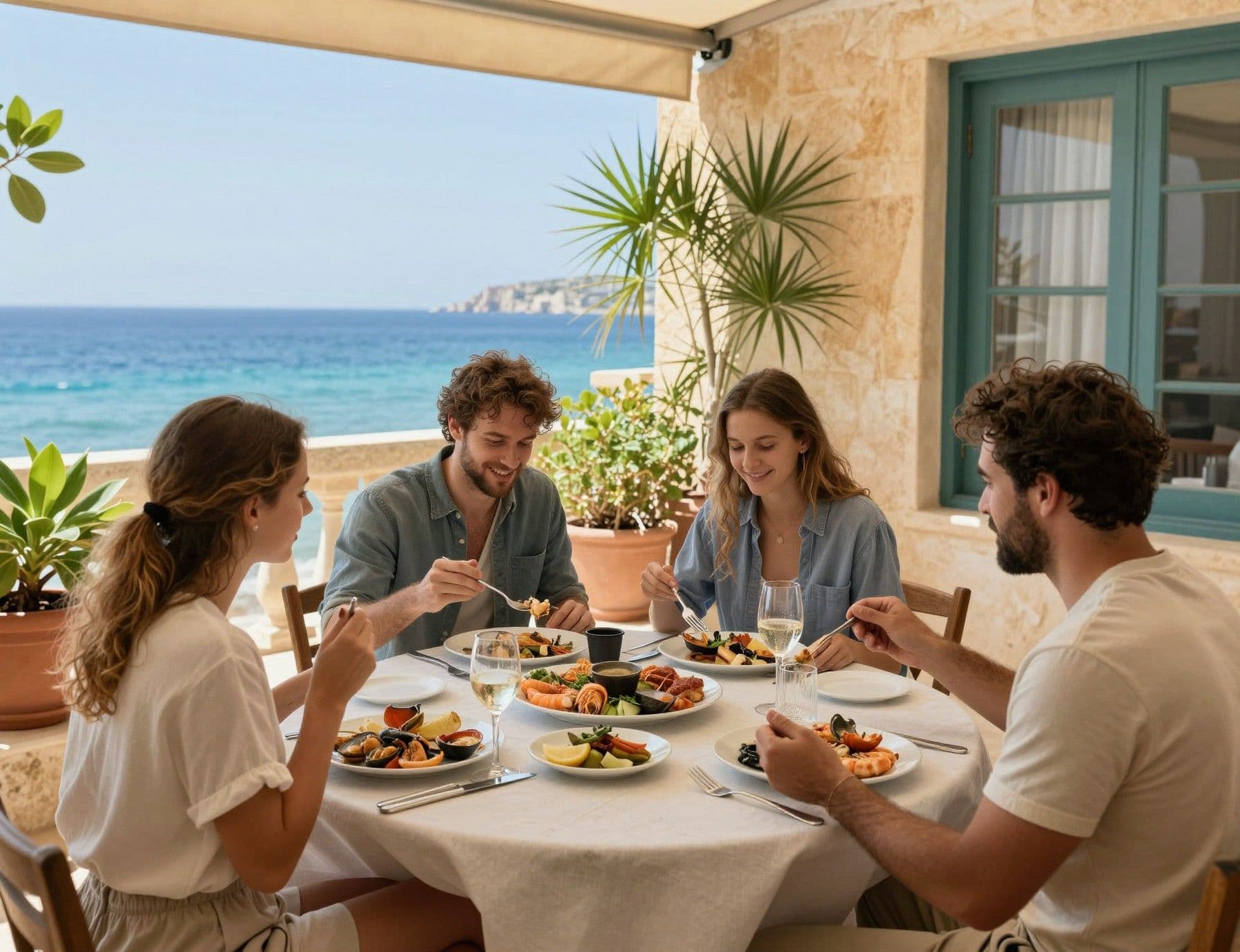
The dream — a terrace overlooking Marsamxett Harbour, a short walk to cafés — must be tempered by market signals. Malta’s Residential Property Price Index rose through 2024–2025, reflecting limited land supply and steady demand; the Central Bank and the NSO flag price growth but also signs of cooling in early 2025. Translating lifestyle into investment means mapping neighbourhood supply, advertised versus transaction prices, and short‑let cycles that peak in summer.
Property types and how they shape daily life
Maisonettes and older townhouses offer indoor-outdoor living with courtyards that suit family life and entertaining, but they can need more maintenance and planning permission for alterations. Modern apartments deliver turnkey convenience and amenities — useful for remote work and renters — though higher floors in tall blocks trade proximity for views. Consider energy performance and summer cooling: terraces are priceless, but insulation and good glazing keep bills manageable during high-sun months.
Working with local experts who know the rhythm
An agent who understands parish festas, short-let seasonality and local planning practice will save you time and money. Expect strong negotiation value on off-season listings, but limited bargaining where unique, central properties are scarce. If residency matters, work with firms who know current Residence-by-Investment rules and residency logistics; these administrative steps often determine how quickly you can turn a property into lived life.
- Match lifestyle to legal steps: 1) shortlist neighbourhoods using visits in shoulder seasons; 2) verify planning status and permits with a local architect; 3) confirm transaction costs and residency requirements; 4) negotiate timing to avoid peak tourist months that inflate short-let comparisons.
Insider knowledge: expat realities and red flags
Expats often arrive enchanted and discover the market’s tightness: good properties move fast and pricing can reflect local scarcity rather than future upside. The IMF and local banks have warned about household exposure to property, which means buyers should avoid over-leveraging and assume moderate rental yields — Malta’s gross yields sit in the mid-single digits. Red flags include inconsistent planning documentation, unclear service-charge regimes and properties marketed primarily on short-let potential without year-round demand evidence.
Cultural integration and everyday life
English as an official language flattens the learning curve but integration happens through routines: regular café visits, volunteering at festa committees, and joining local clubs. Parish life can influence social networks more than expat groups, so spending repeated weekends in a neighborhood helps you be known. Practical daily matters — from recycling rules to summer water restrictions — are part of fitting in and often affect maintenance choices for older homes.
Long-term lifestyle and property durability
Think beyond the purchase: maintenance budgets for limestone façades, insurers’ response to coastal exposure, and local planning limits on extensions determine long-term comfort. Many expats who stay a decade or more trade tourist areas for quieter villages once they know the islands; that shift often creates value in underappreciated streets where locals still buy. Monitor local pipeline projects and proposed zoning changes — these materially change neighbourhood trajectories.
- Practical red flags to check before you bid:
- Missing final deeds or incomplete planning permits
- Over-reliance on short-let income projections for year-round financing
- Unclear service-charge accounting in developments
- Evidence of structural damp or inadequate insulation for hot summers
A shoulder-season strategy that works
Visit in April–May or October when neighbourhoods breathe naturally and owners are likelier to negotiate. Listings are more candid, short-let distortions fall away, and you’ll feel the true rhythm of a street beyond summer crowding. Agents and vendors respond differently out of season — offers that make sense in October can be rejected during July’s tourist-driven comparisons — so time your visits to see the day-to-day life you aim to buy into.
- Practical next steps: 1) plan two visits (shoulder season + one week in-situ), 2) commission a local architect to pre-check permits, 3) ask for three years of service-charge statements, 4) arrange a local bilingual solicitor for deed searches.
Malta’s compact scale makes it intoxicating: you can buy a slice of Mediterranean life where cafés, markets and neighbours are minutes away. But that very closeness means buyers must blend imagination with discipline — test neighbourhood rhythms in shoulder seasons, verify permits, and work with agents who understand festa-driven social capital and short-let seasonality. When done right, the island’s daily scenes — early harbour light, evening passeggiata, weekend markets — are not just postcards; they become the predictable routines of a new life.
Norwegian market analyst who relocated to Mallorca in 2020. Focuses on data-driven market insights and smooth relocation for international buyers.