France: Where Lifestyle Choices Map to Price Opportunity
France’s price story is regional, not monolithic: learn which lifestyle choices map to resilient prices and where contrarian buyers find value.
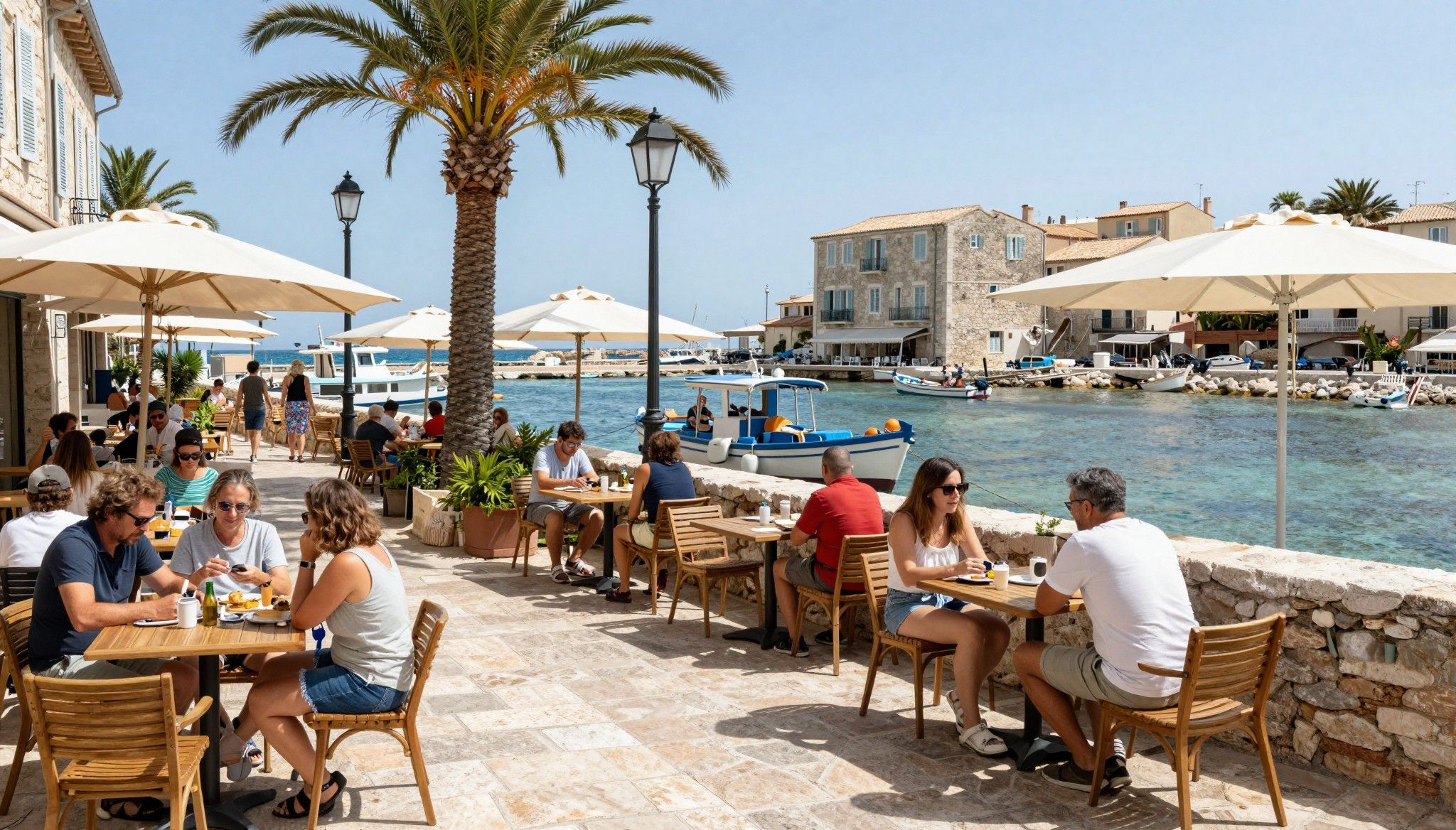
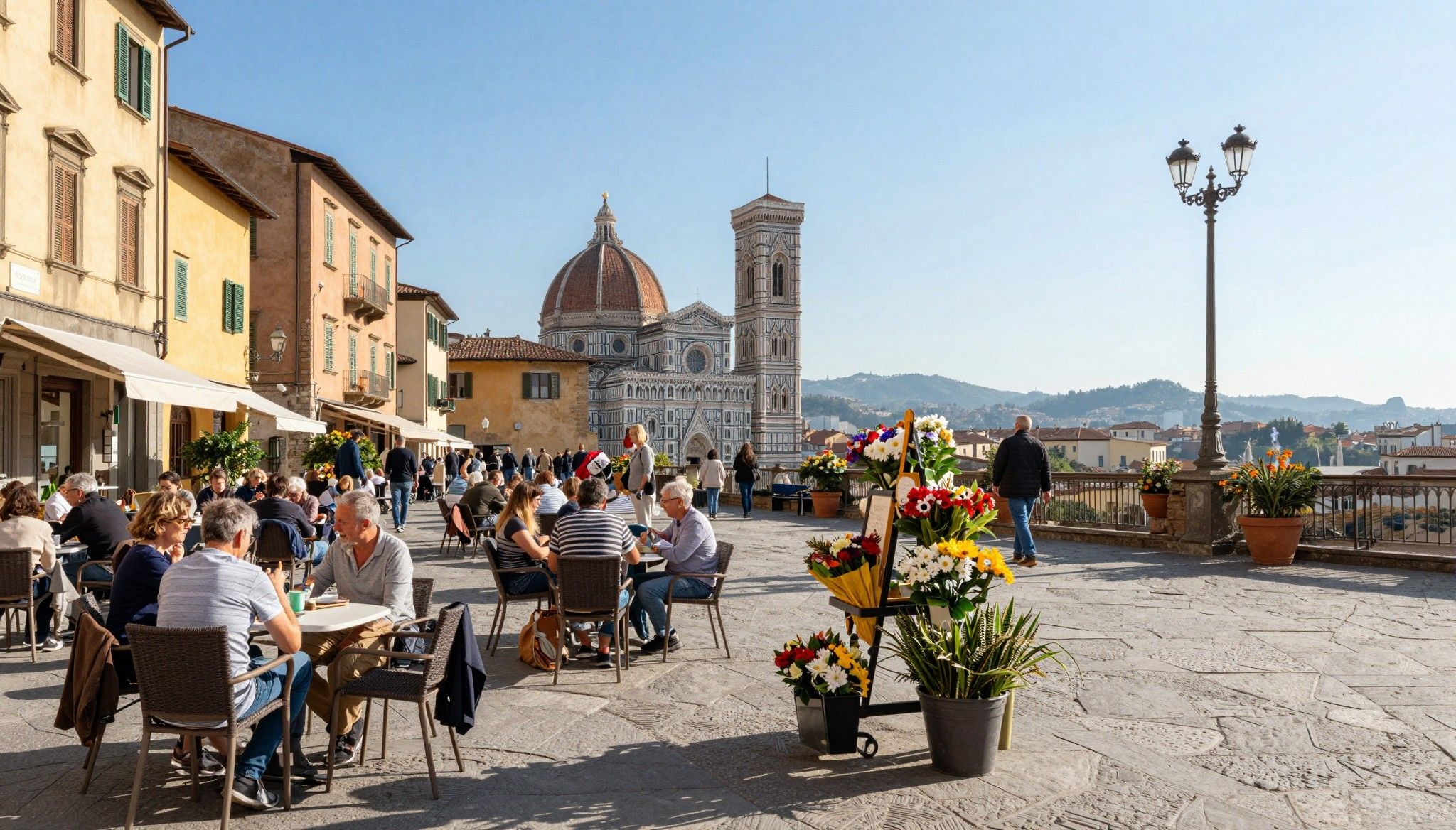
Imagine waking up to a market where the headlines say “France is expensive” but your street tells a different story. Stroll a Saturday morning market in Nantes, sip coffee on Rue Cler in Paris, or wander the pebble coves of Calvados and you feel the pull to stay. For international buyers the challenge is reconciling that romance with today’s price signals and transaction data; the good news is that recent French market indices show regional nuance, not a single national trend. Understanding those subtleties turns longing into a confident offer.
Living the France life: rhythm, streets and seasons
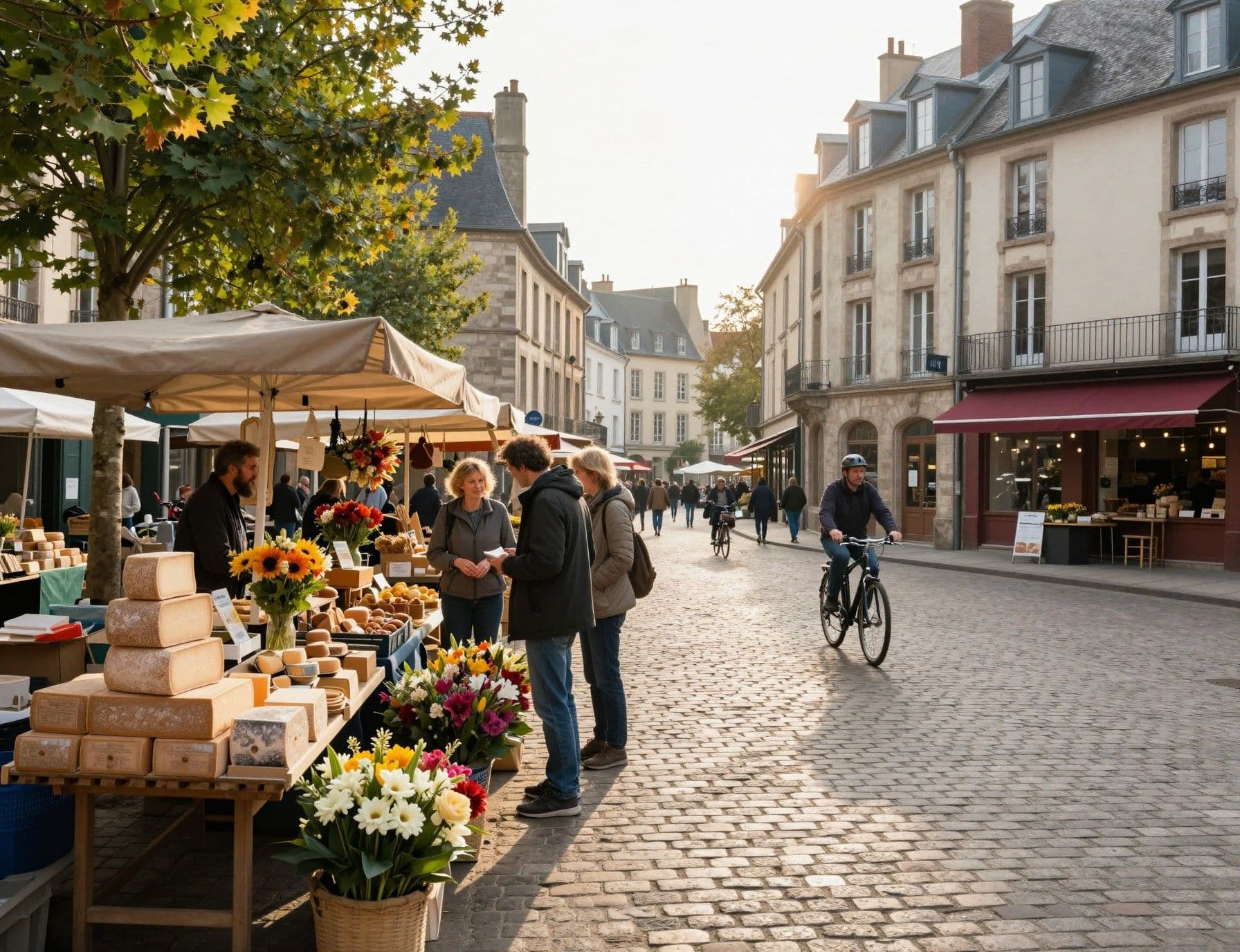
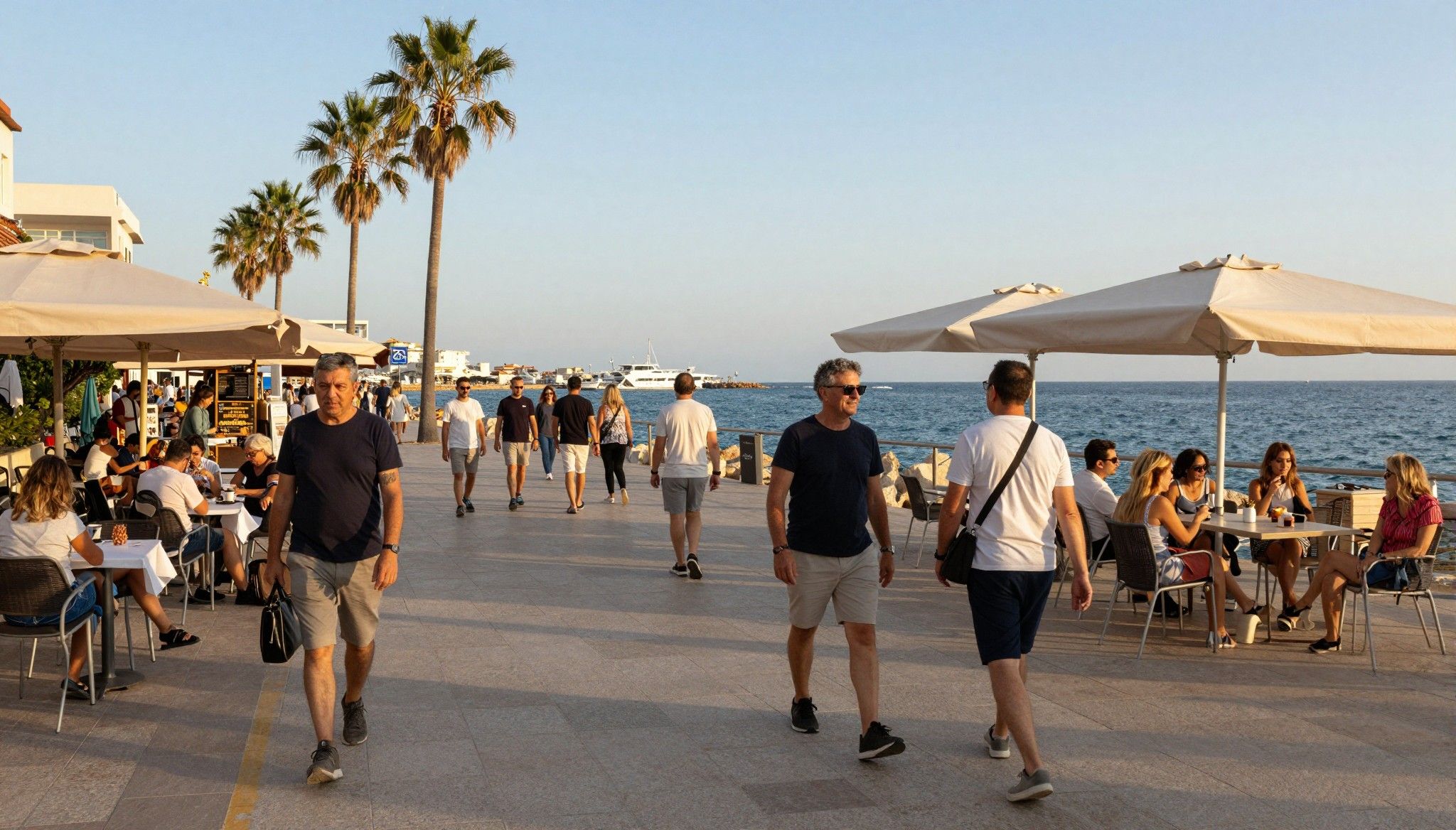
France is not one mood but many: morning markets in Lyon, maritime quiet on Brittany coasts, and late‑night terraces in Marseille. Daily life is textured — boulangeries with weekday queues, small parks where seniors play pétanque, and neighbourhood cafés that double as offices for freelancers. These everyday rituals shape what you value in a property: proximity to a marché, a sunny terrace, or a walkable high street influences both enjoyment and price. Expect to pay a premium for convenience in city centres, but discover value in transitions: former industrial quays, commuter towns with fast rail, and inland villages under tourist radar.
Paris to Provence: neighbourhoods that define lifestyle
Paris remains magnetic: the Marais for galleries and cafés, Batignolles for family life, and the 16th for quiet avenues near Bois de Boulogne. Yet the property story beyond Paris is where international buyers find surprises — the Languedoc villages around Pézenas, the Atlantic port culture of La Rochelle, and Annecy’s lakefront routine each offer distinct daily rhythms. Choose a place first for life — then compare price movement. In many cases, the lifestyle you want is still available at lower cost outside the headline markets.
Food, markets and the sensory logic of location
If your idea of France includes a weekly marché, note that market towns can reprice quickly once they attract international buyers and chefs. Coastal towns with fresh‑fish markets, such as Saint‑Jean‑de‑Luz, re‑price differently from inland gastronomic hubs like Dijon. Seasonality matters: many coastal communities quieten in winter, reducing short‑term rental demand and, often, asking prices — a pattern savvy buyers use to negotiate. Lifestyle decisions — the desire for terraces, market proximity, or vineyard views — should be mapped against local seasonality and transaction history.
Making the move: practical considerations that respect the life you want
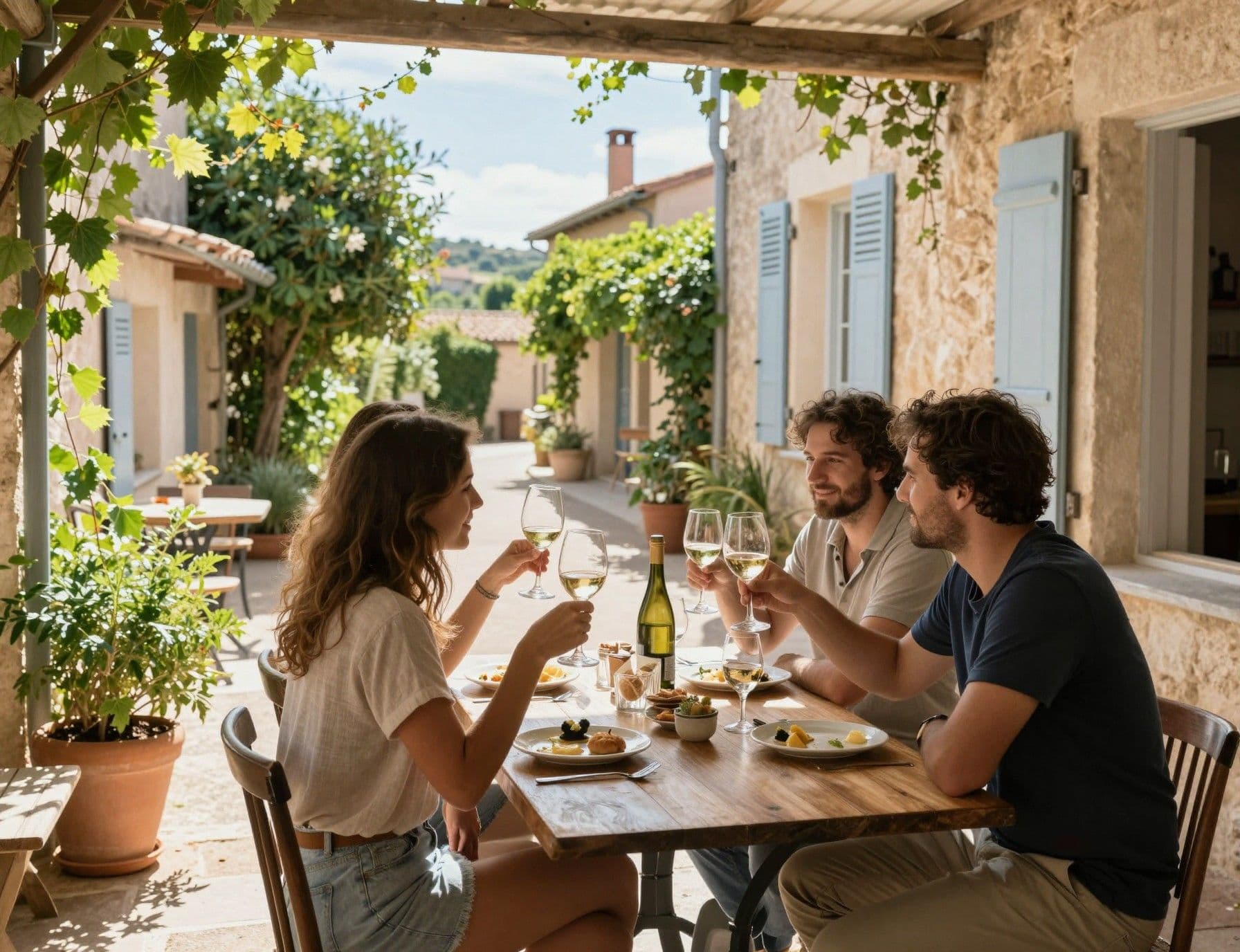
Dreams meet paperwork the moment you decide to buy. Recent data from Notaires de France and INSEE show that national prices have been relatively stable year‑on‑year in recent quarters, but regional differences and transaction volumes matter more to buyers than a single headline figure. For example, Paris and other large cities experienced sharper adjustments in 2023–2024, while many provincial coastal and western markets held up or recovered sooner. Use official indices to set realistic expectations for offers and timing.
Property styles and what they mean for everyday life
Stone village houses bring thick walls and small windows — cool in summer, slower to heat in winter — while Haussmannian flats offer high ceilings and central locations but can mean shared maintenance (charges de copropriété). New‑build apartments provide energy efficiency and predictable maintenance, often near transport hubs; they command premiums in sought‑after suburbs. Match dwelling type to routine: if you love café culture and walking, prioritise an apartment near the centre; if you dream of a garden and local markets, rural or small‑town houses deliver the lifestyle at different price points.
Working with local experts who speak life and law
A local agent does more than list properties: they translate neighbourhood rhythm, point to the boulangerie that defines the street, and flag municipal plans that could change life and value. Notaires, meanwhile, provide transaction transparency — volumes, median prices, and legal certainty — and their published summaries are essential reference points. Choose an agency comfortable with international logistics (viewing planning, remote offers) and ask for dossiers that include recent comparable sales rather than glossy staging photos. That diligence narrows the gap between a holiday feeling and a livable home.
Steps to align lifestyle with price signals
- 1. Visit the neighbourhood in off‑peak and peak seasons to compare atmosphere and noise levels. 2. Request recent comparable sales (3–6 months) and municipal plans from your agent before making an offer. 3. Factor seasonality into timing — coastal asking prices often soften in winter, creating negotiation leverage. 4. Pre‑arrange mortgage or proof of funds to move quickly when right property appears. 5. Engage a notaire early to review servitudes, co‑ownership charges, and any local rental restrictions.
Insider knowledge: red flags, contrarian picks and what expats wish they'd known
Expats often tell the same story: they chased a postcard market, paid a premium, and later wished they'd explored adjacent neighbourhoods. A growing number of buyers now find value in 'contrarian' picks — former industrial ports turned creative quarters, smaller provincial capitals with good rail links, or Côte d'Azur towns north of the prime Riviera belt. While headlines in 2025–2026 point to a modest recovery in urban prices, local microclimates of demand and planning decisions still determine where value is made or lost.
Cultural integration: simple habits that change how you enjoy a place
Learning a few phrases, joining a local association, or visiting the weekly market transforms a house into a home faster than renovations. French neighbours value discretion and reciprocal gestures — a bread at the door or an invitation for coffee works wonders. These social rhythms determine what neighbourhoods feel welcoming and which remain touristy; agents who know local communities can guide you to streets where expats integrate naturally rather than cluster in isolated pockets.
Long‑term lifestyle: what holds value beyond short cycles
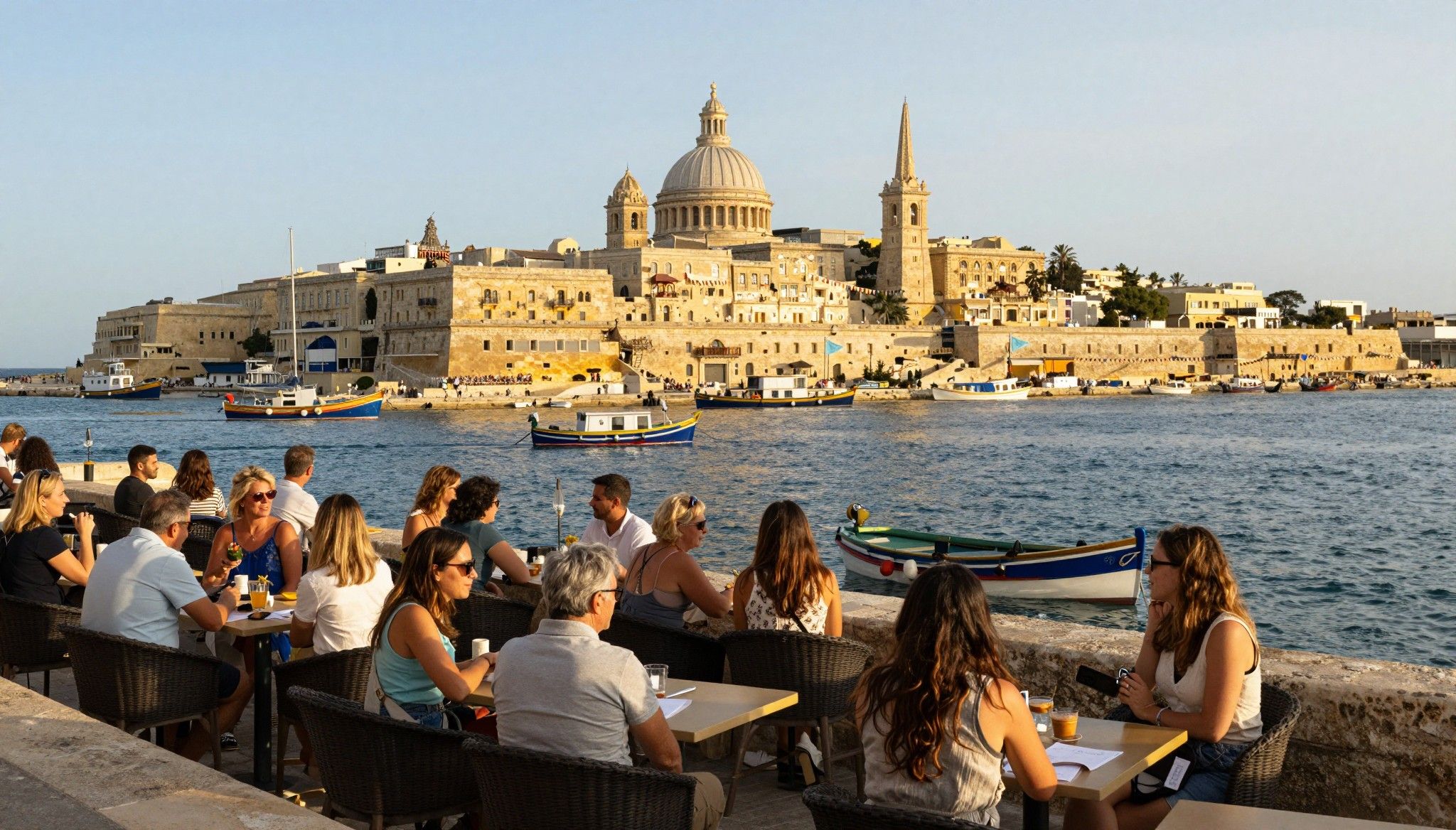
Sustainable locational value is rarely about trendiness; it is about transport links, planning stability, and everyday conveniences. Properties near TER or TGV stations, quality schools, and established markets tend to preserve value through cyclical shifts. Prime coastal markets retain appeal, but mid‑range coastal towns with infrastructure investment often deliver stronger medium‑term yields for life and rentals. Check regional reports — specialist agencies like Savills and notarial chambers publish spotlights that reveal where lifestyle-led demand meets structural supply limits.
Lifestyle highlights that often translate to price resilience
- • Proximity to a regular marché and independent shops (daily life convenience). • Reliable rail links (commuter access and broader market demand). • Protected historic centres with strict planning (supply constraint). • Nearby green spaces or coastline that remain accessible year‑round. • Active local cultural life — festivals, markets, artisan scenes.
Conclusion — fall for the life, not the label. France offers layered markets where lifestyle choices map directly to price patterns: seek neighbourhoods that match daily routines, use official indices to set offer expectations, and partner with agents who translate local colour into comparable sales. Begin with visits across seasons, request concrete transaction dossiers, and be ready to act when you find the street that feels like home. When lifestyle and data align, your decision becomes less gamble and more confident life change.
Dutch investment strategist with a Portugal-Spain portfolio. Expert in cross-border financing, rights, and streamlined due diligence for international buyers.