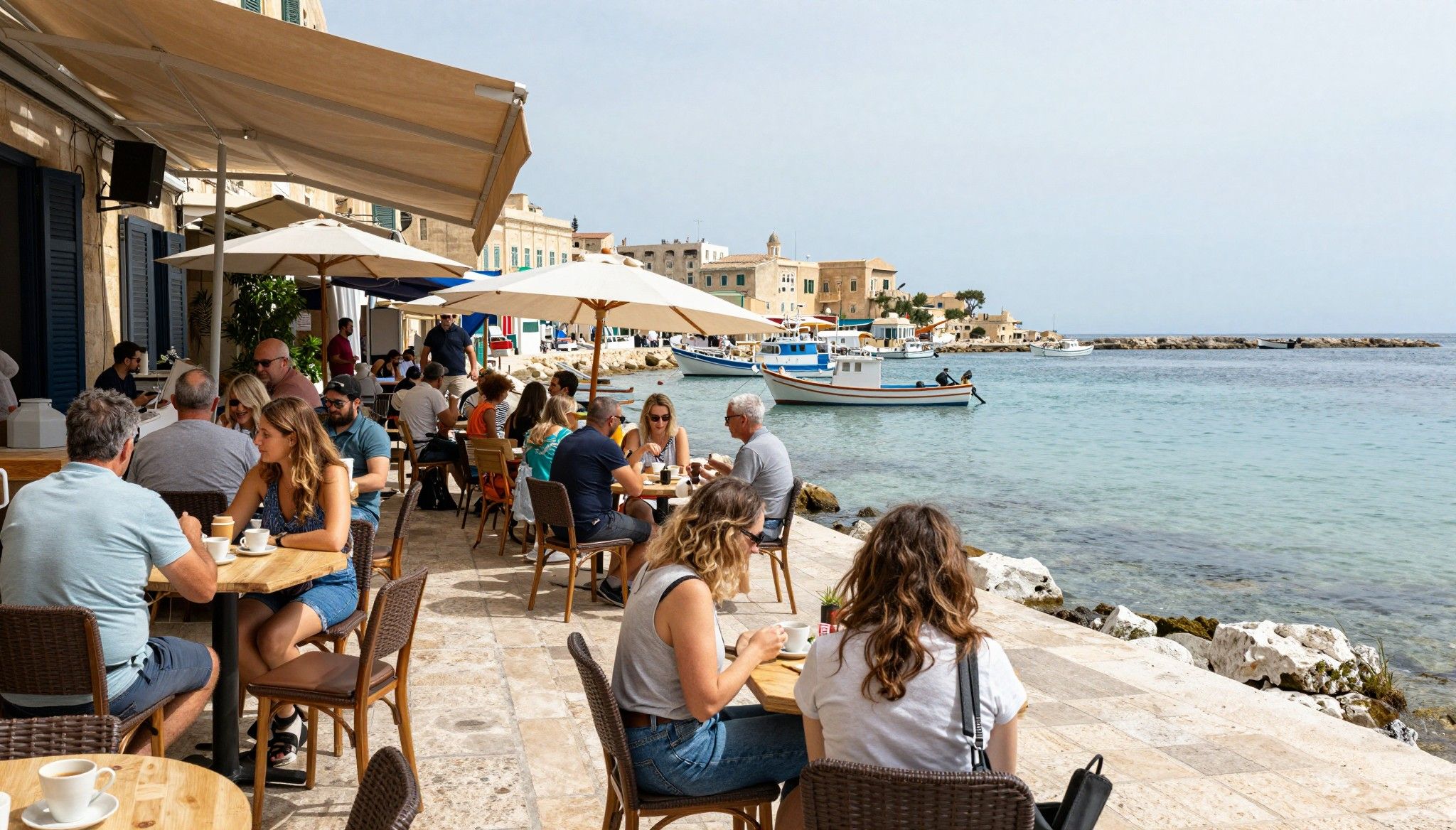
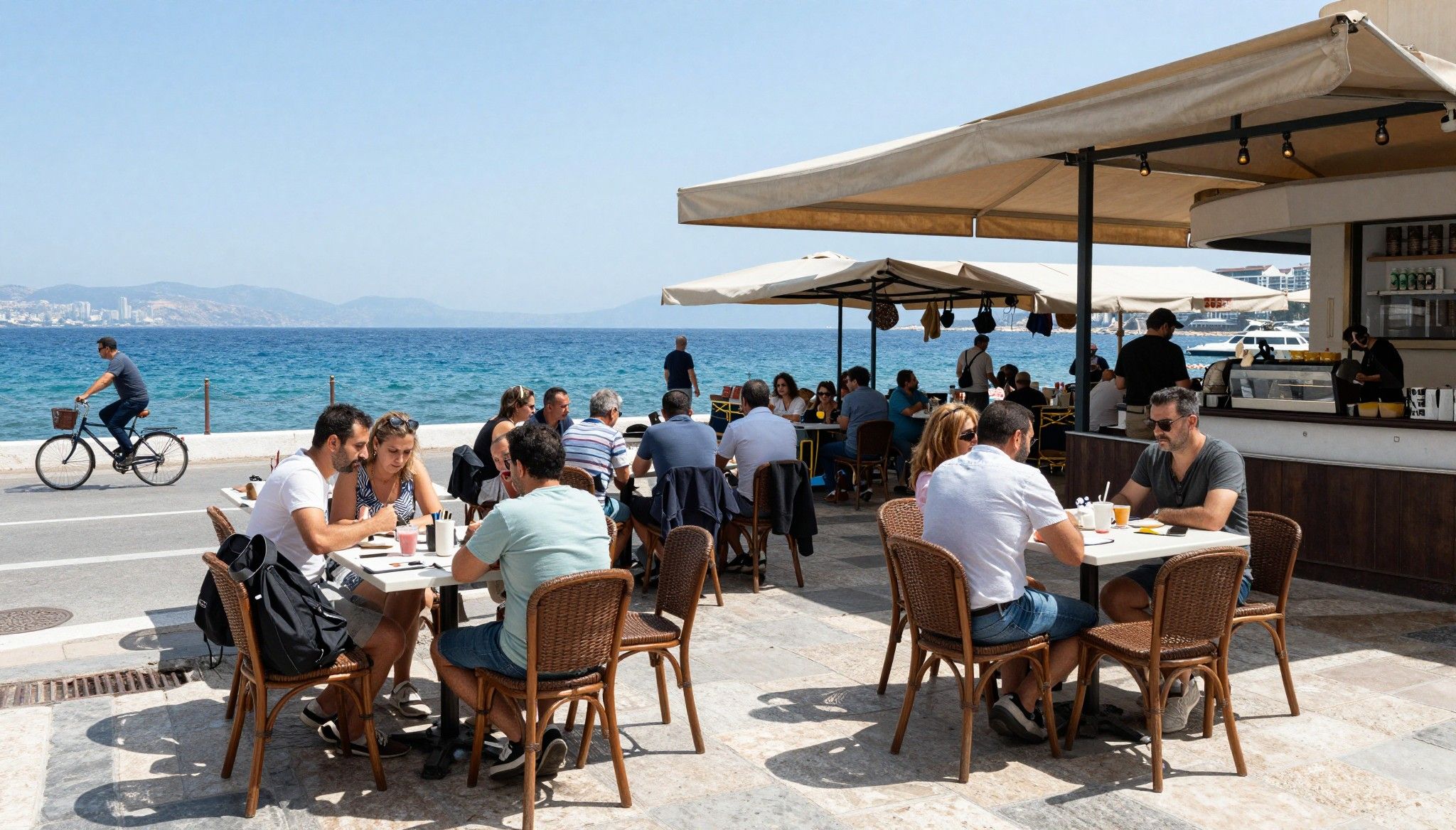
France: Lifestyle‑First Market Scenarios
Pair France’s unforgettable daily rhythms—markets, cafés, beaches—with scenario-driven market reading: regional indices, neighbourhood microclimates and practical steps to secure lifestyle value.
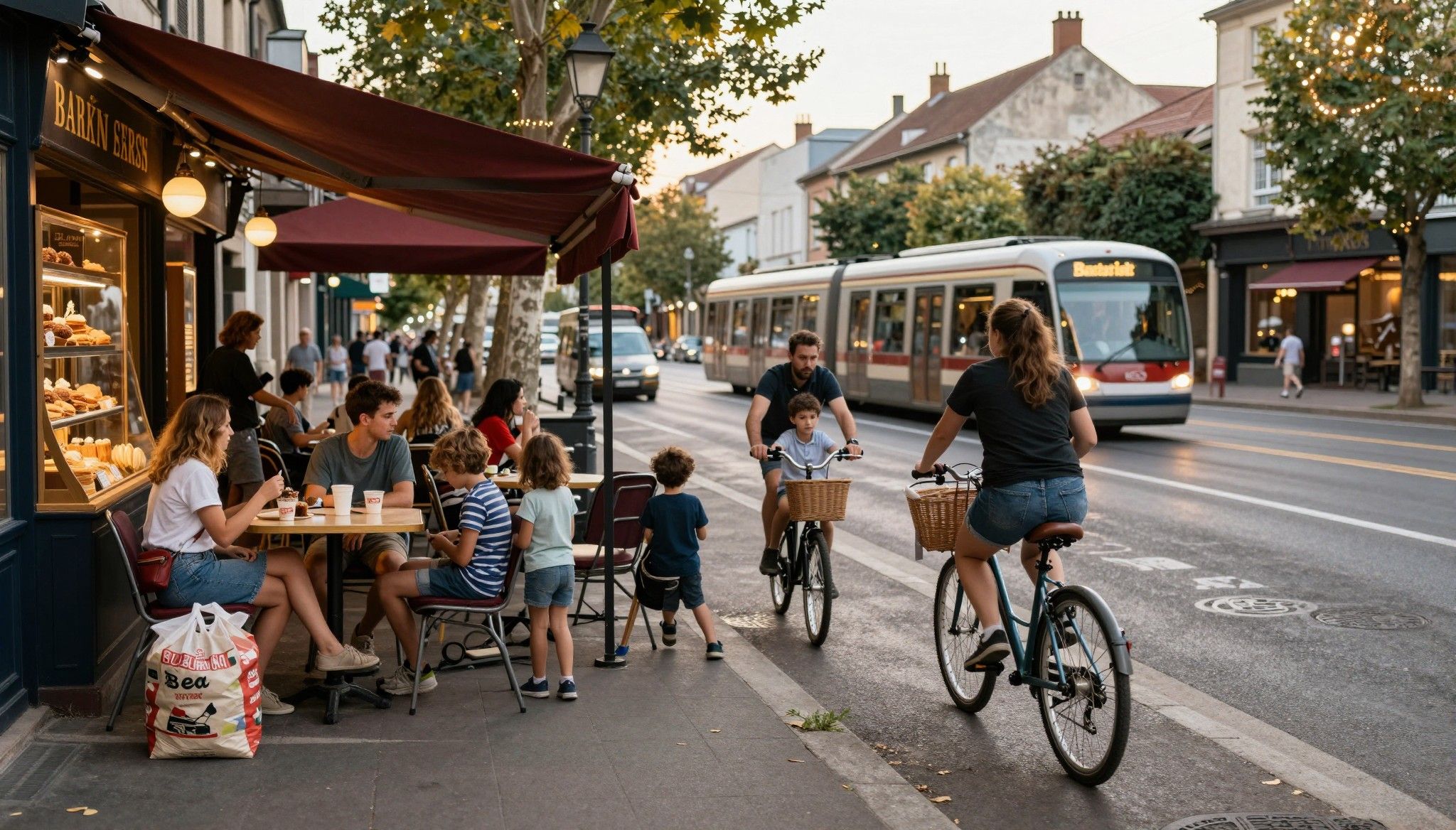
Imagine waking to the clatter of a neighbourhood boulangerie in Lyon, spending afternoons wandering the marché des Capucins in Bordeaux, and finishing the day on a Côte d'Azur terrace where neighbours linger long after dinner. That lived-in France—markets, cafés, seasons, and slow-moving Sundays—shapes which properties hold value and which simply sell postcards. For buyers from abroad, the emotional pull is strong; the smart move is pairing that feeling with scenario-driven market reading. Recent official indices show a market that is stabilising after two years of correction, and that seasonal, regional and property-type differences now matter more than headline national averages. (Source: INSEE house price bulletin).
Living the French life: what you’ll actually feel
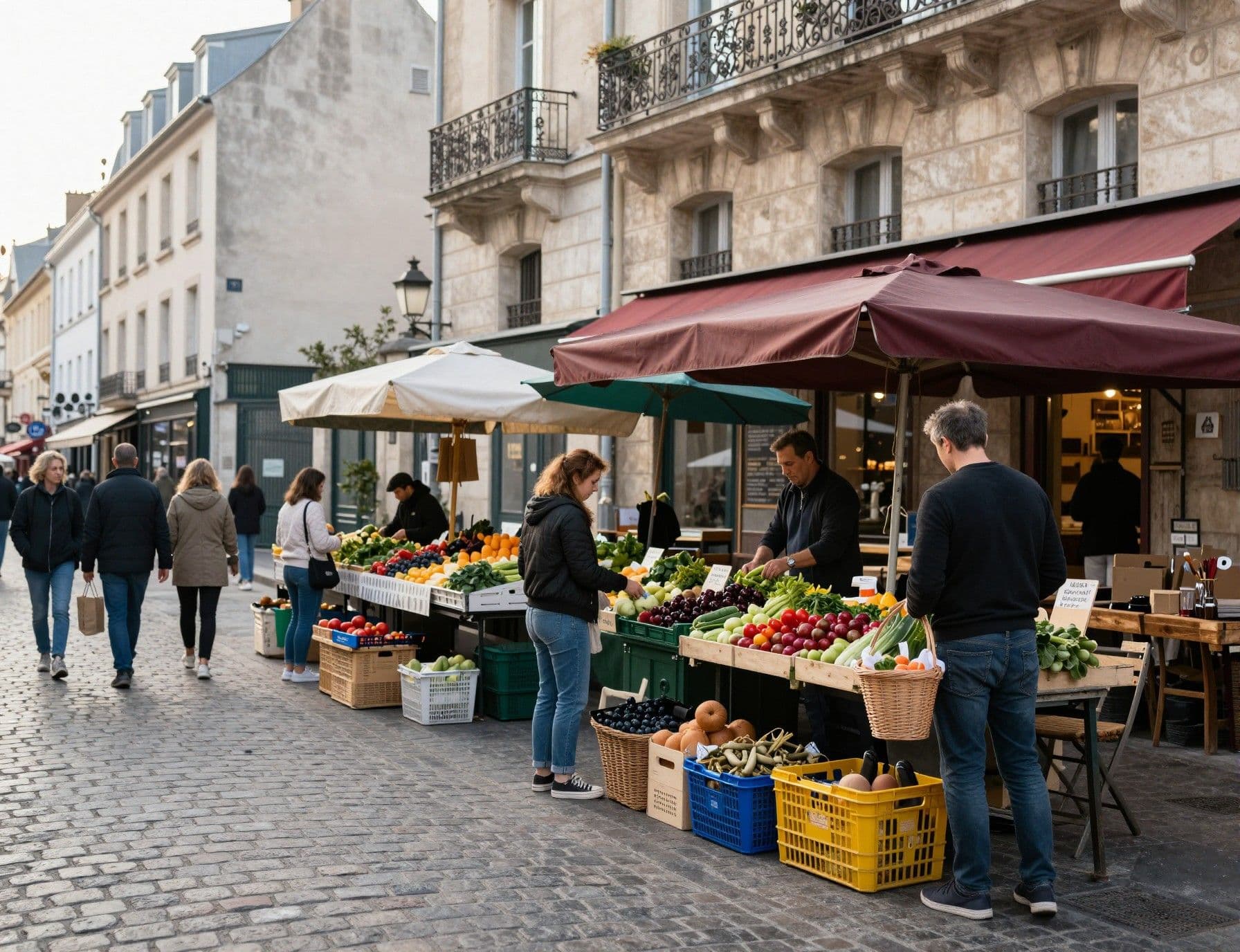
France isn’t one rhythm: it’s a mosaic. In Paris the morning is brisk and efficient; in Provence the day slows to lunch and light; on the Atlantic coast the pace is dictated by tides and markets. Those differences shape everything—balcony space in Marseille matters for outdoor living; in Brittany proximity to a harbour can change maintenance costs; in Lyon the size of the kitchen often trumps view for everyday happiness. Notaires de France price maps help show these micro-variations, and pairing them with local lifestyle scouting uncovers value that national averages hide.
Neighbourhood spotlight: Paris (10th–11th) and the quieter alternatives
If you love cafe culture but are priced out of Le Marais, look at the 10th or 11th arrondissements: canal-side aperitifs, independent bookstores, and a strong short‑walk community feel. These districts combine daily convenience with rental demand from young professionals—meaning both lifestyle satisfaction and liquidity. Conversely, for buyers seeking calm with quick access to Paris, towns like Saint‑Germain‑en‑Laye or Sceaux offer verdant parks and train commutes that change weekend rhythms without erasing city access. Match the street life you want to the micro‑price signals: narrow streets with active morning markets command premiums that wider, residential avenues do not.
Food and ritual: markets, cafés and the daily loop
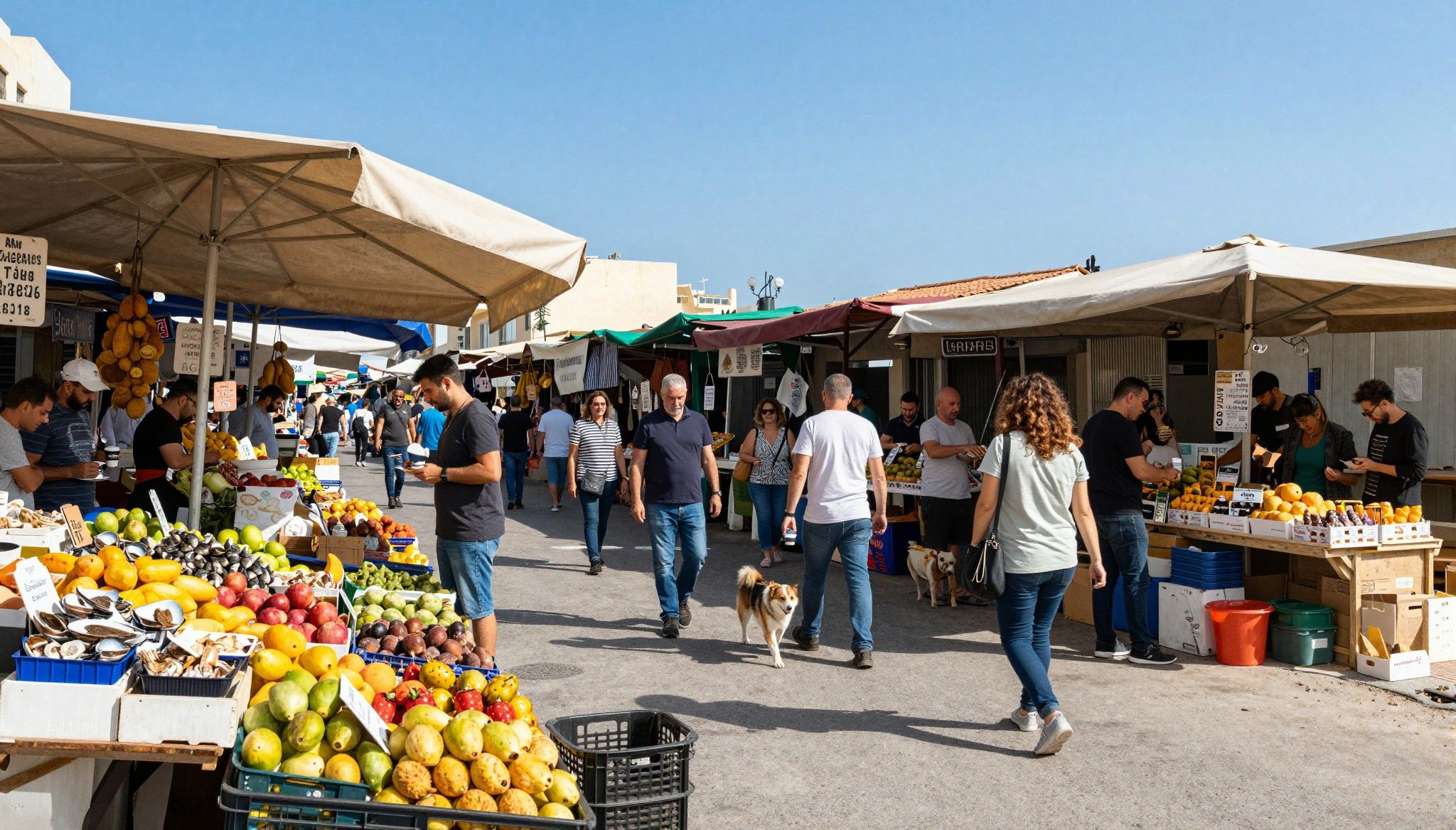
The market you buy into is lived in: morning markets set social ties, cafés host committees for local festivals, boulangeries signal changing demographics. In Bordeaux, the lunchtime marché can predict which streets will gentrify next; in Nice, proximity to a marché and tram stop often matters more than sea view for resale. Recent press coverage highlights renewed price momentum in large cities—an important reminder that desirable everyday amenities translate into sustained demand. Buy where the daily loop feels right, not solely where views photograph best.
- Lifestyle highlights to scout during a visit:
- Market mornings: sample a local marché on two different days before deciding.
- Transport rhythm: check weekday and weekend train/tram frequency to nearby city hubs.
- Noise test: spend an evening on the street to assess nightlife vs. peacefulness.
- Local services: note pharmacy, doctor and school openings—these define long‑term comfort.
Making the move: practical considerations that protect lifestyle
Dreams must meet local mechanics: French transaction timelines, renovation norms, and planning rules vary by region and often by municipality. National indices show stabilisation, but regional divergence can be wide—coastal resorts and ski towns can behave differently to mid‑size cities. Translating lifestyle priorities into property specifications (terrace size, insulation for wet Atlantic winters, secondary‑school catchment) reduces the risk of buyer’s remorse and keeps resale appeal intact.
Property styles and how they shape everyday life
Stone village houses deliver courtyard life and thick walls—excellent for summer heat and noisy seasons but often costly to heat in winter. Haussmannian apartments offer high ceilings and central locations yet carry shared‑building rules that limit visible alterations and short‑term rental income. New‑build coastal developments may include pooled amenities and lower maintenance, but check coastal‑zone regulations and rental return assumptions carefully. Choose the type that supports the life you plan to live every day, not the one you visit on holiday.
Working with experts who preserve the lifestyle you bought
Local agents, notaires, and a bilingual architect or surveyor are the practical trio that turn a dream into durable ownership. Agencies with neighbourhood intelligence steer you to streets where the morning market still exists; notaires flag legal easements and co‑ownership rules; architects translate lifestyle desires into realistic renovation budgets. Treat agency fees as the cost of cultural translation—good advice saves renovation headaches and lets you move in to life immediately.
- Six steps to align lifestyle with purchase:
- Visit during a shoulder season (spring or autumn) to experience typical daily life, not tourist peak or winter down‑time.
- Map out three streets that match your desired rhythm and compare transaction prices across them using Notaires/INSEE data.
- Commission a local survey early—historic buildings often carry hidden repair timelines that alter total cost.
- Agree on non‑negotiables (e.g., terrace, parking, school access) with your agent to avoid emotional bidding.
- Have a francophone lawyer or notaire review agreements to catch regional clauses and tax subtleties.
- Plan exit scenarios: seasonal rental rules, local demand cycles and potential renovation windows.
Insider knowledge: myths, surprises and what expats wish they’d known
Myth: France is uniformly 'expensive' and out of reach. Truth: pockets of affordability with strong lifestyle upside exist—western mid‑sized cities and inner suburban communes are examples where prices and quality of life meet. Surprising cost: renovation of historic façades and 'copropriété' (co‑ownership) rules can add recurring charges buyers underestimate. Expat regret: underestimating local seasonality—some towns almost double in daytime population in summer, which affects services and short‑term rental dynamics.
Cultural cues that change where you buy
French life values privacy, local networks and municipal identity. That means shopkeepers, syndic boards, and mairie initiatives can make or break neighbourhood cohesion. Integrating requires small acts—learn basic French greetings, attend a market regularly, and introduce yourself to the building syndic. These actions directly affect whether your street becomes a long‑term community or a transient postcard strip.
Longer horizon: when lifestyle becomes legacy
Think five to ten years ahead: Will your chosen town keep its market? Demographic trends, transport projects and climate resilience (coastal erosion, flood zones) alter house desirability. Use local planning documents and INSEE demographic data to model scenarios: short‑term holiday rental, long‑term rental to professionals, or retirement use. Aligning purchase intent with a plausible five‑year scenario reduces financial risk and protects the lifestyle you bought.
- Red flags to watch for during visits:
- Empty streets at midday only during high season—suggests tourism skew rather than resident community.
- Multiple short‑term rental listings for the same building—may mean future co‑ownership tensions.
- Patchy public transport on weekdays—limits long‑term rental demand and resale pool.
Conclusion paragraph with key takeaways and next steps: Picture your life in concrete terms—where you buy should support daily rituals as much as headline returns. Start with a short list of streets, test them in shoulder season, cross‑check local price indices (INSEE, Notaires), commission a survey, and engage a bilingual notaire. If you pair lifestyle scouting with scenario planning, France can offer both the slow, sensory life you crave and stable, data‑backed property outcomes. When you’re ready, use a local agency to schedule a micro‑itinerary that prioritises lived experience over postcards—then let the data confirm the feeling.
British investor turned advisor after buying in Costa del Sol since 2012. Specializes in cross-border compliance and data-driven investment strategies for UK buyers.