Buy Where Tourists Don’t: Greece’s Overlooked Value Zones
Look beyond tourist hotspots: find Greek neighbourhoods with real year‑round life—local markets, tavernas and transport—and match them to robust market data and legal checks.
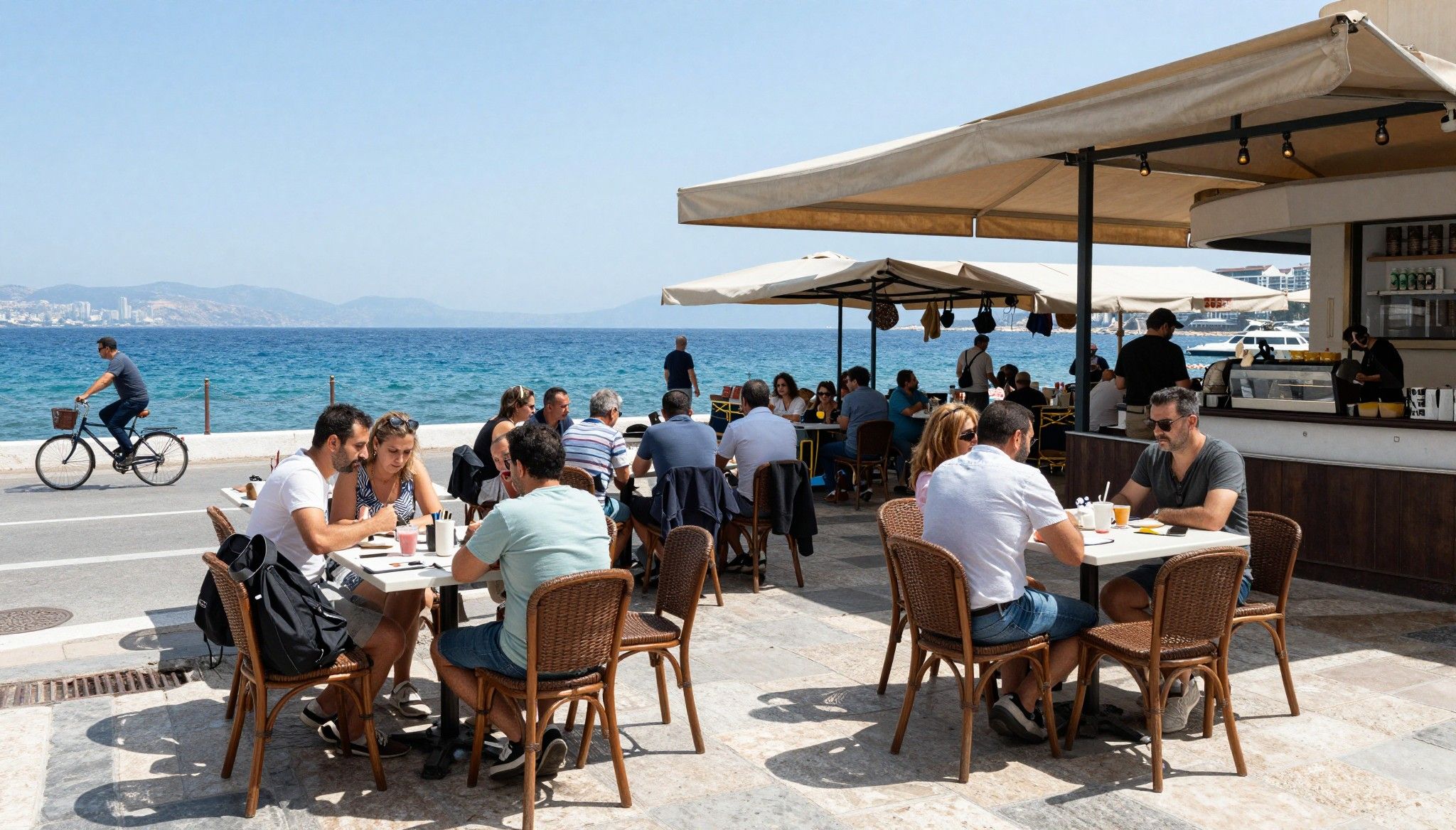
Imagine sipping an espresso at a shaded table on a quiet Athens side street, then driving 90 minutes to a pebble cove where the only English you hear is the occasional hello. Greece often sells itself as postcard-perfect, but the real-life rhythms—markets at dawn, tavernas filling at dusk, neighbours who swap produce—are where the value lives. For international buyers chasing lifestyle and long-term upside, the smartest opportunities are not always on Mykonos or the central boulevards of Athens. They’re where locals live and tourism hasn’t rewritten daily life.
Living the Greece lifestyle: everyday scenes that sell the place
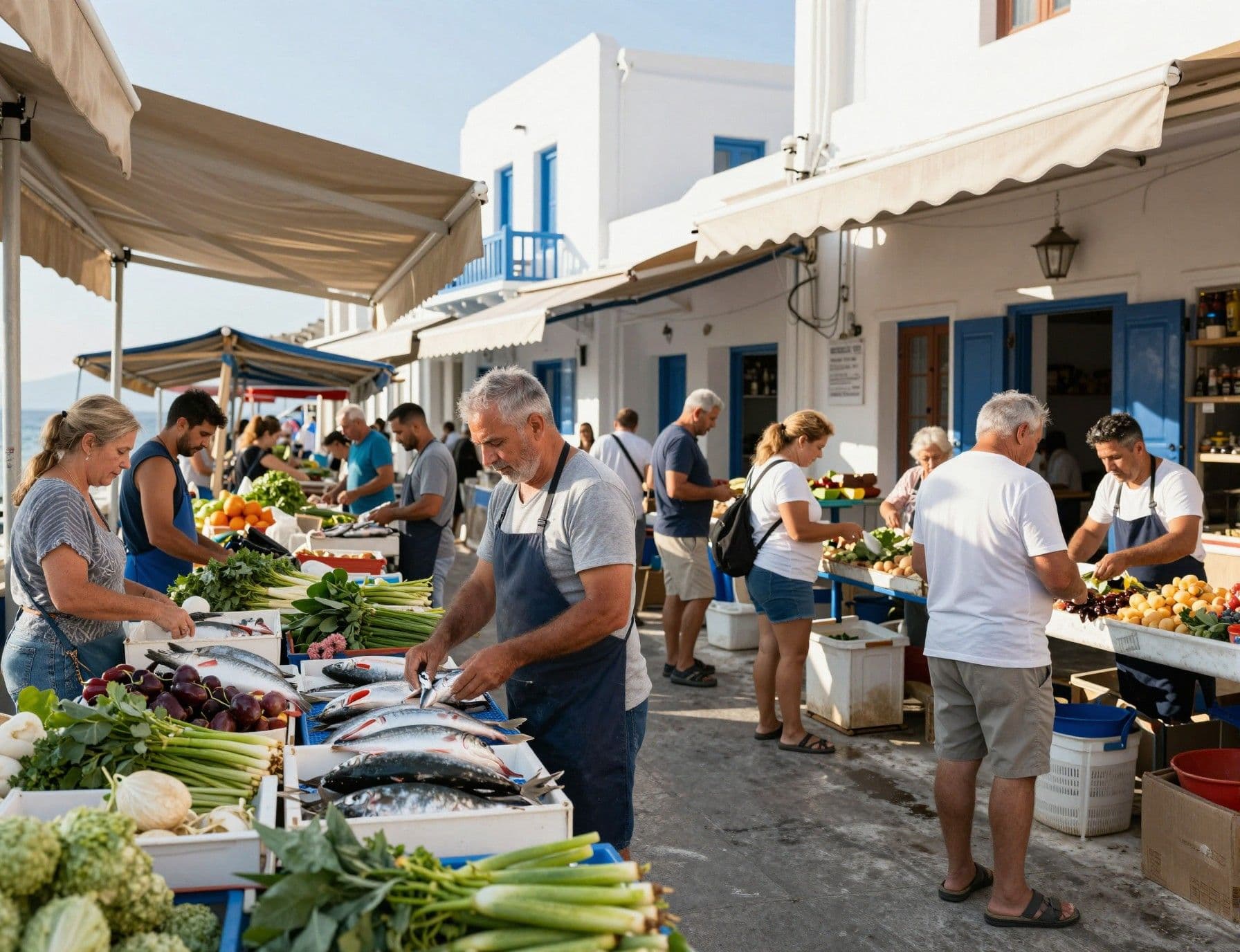
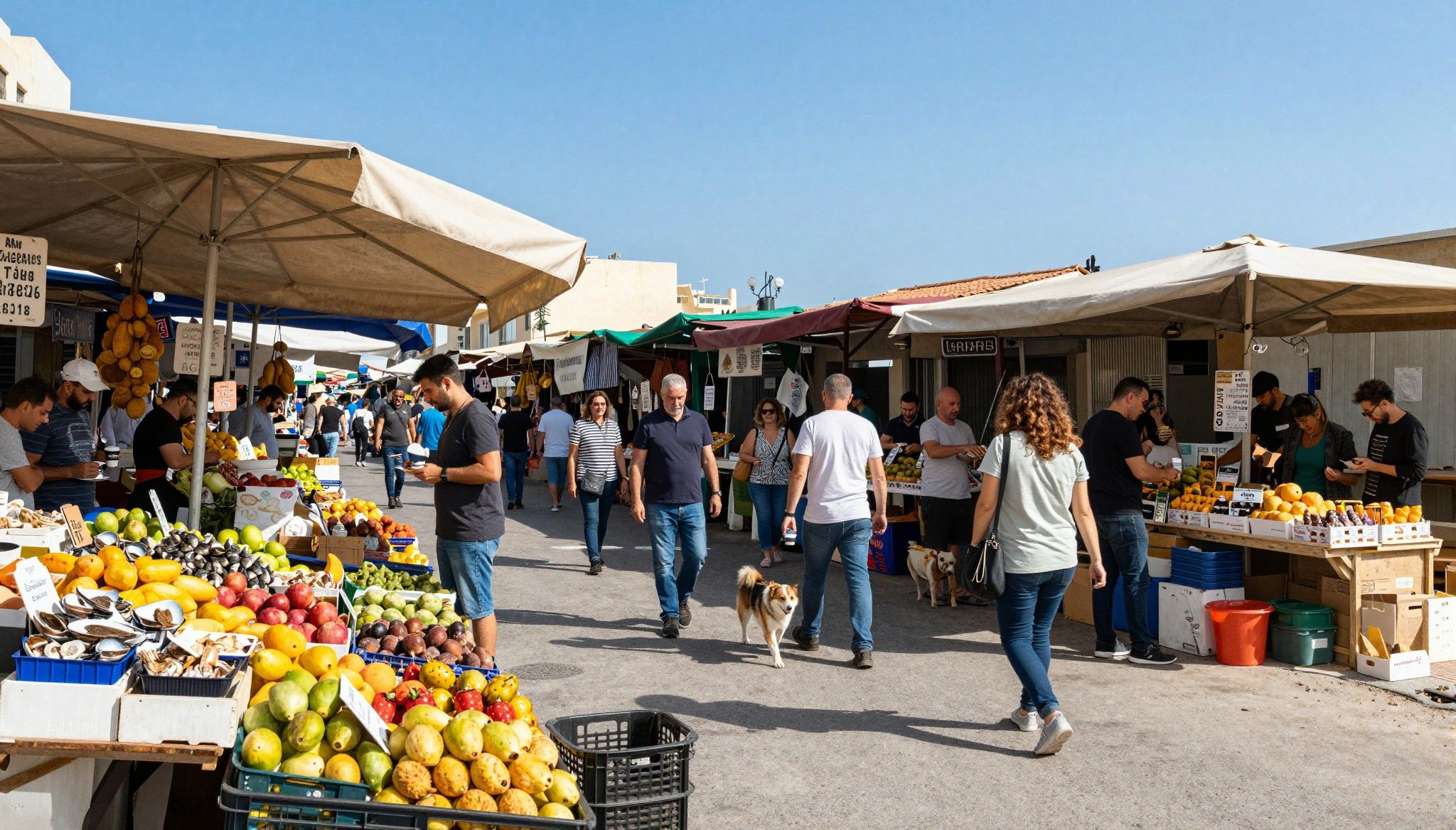
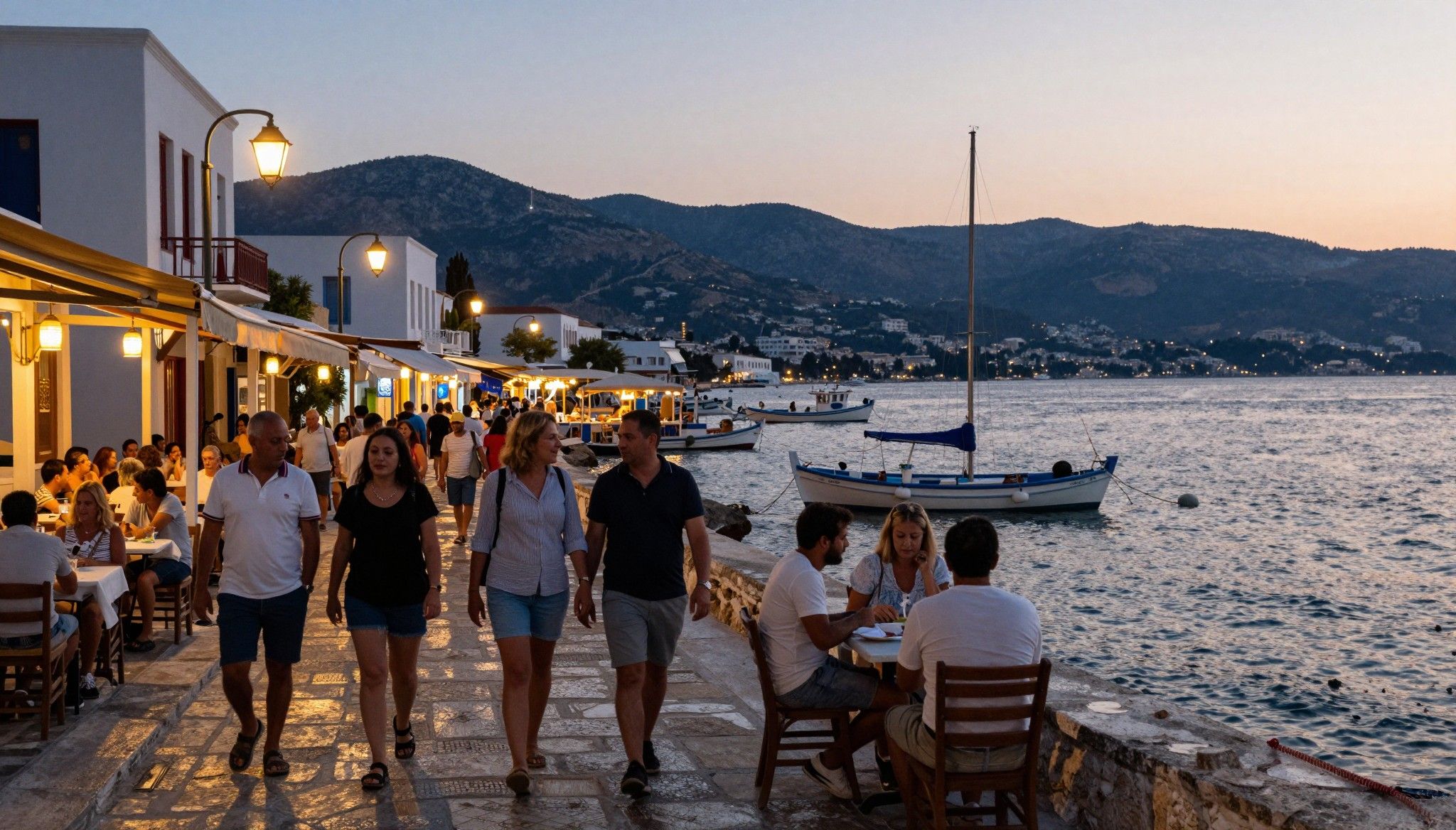
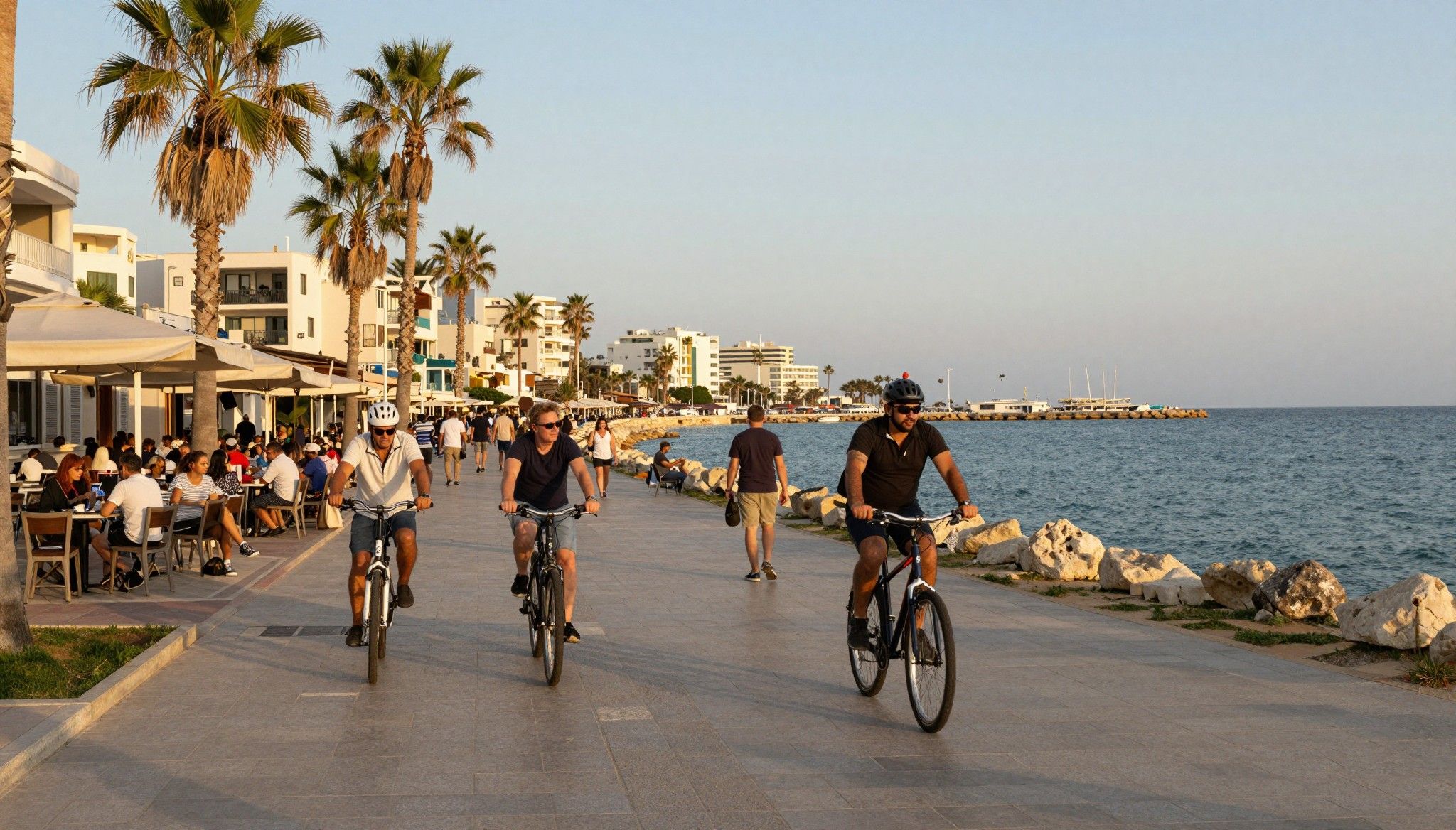
Greece feels public and private at once: plazas where elders play backgammon, weekend fish markets by the harbour, and compact inner-city neighbourhoods where bakeries sell warm koulouri by 07:00. Living here means layering slow mornings with active afternoons and sociable evenings—an attractive routine for remote workers, retirees and families who want life outdoors. Climate, cuisine and community shape day-to-day choices more than glossy amenities do.
Neighbourhood spotlight: Kypseli (Athens) and Ano Poli (Thessaloniki)
Kypseli—once a working-class grid—is now a mosaic of street cafes, second-hand bookshops and small food co‑ops. Prices remain below central Kolonaki, but the streets pulse with authentic life. In Thessaloniki, Ano Poli (Upper Town) rewards buyers with Ottoman-era lanes, community markets and views over the Thermaic gulf. Both areas show how neighbourhood character, not headline zip code, determines everyday quality.
Food, markets and micro-rituals that shape where you live
A neighborhood’s weekend market, a handful of reliable tavernas and a bakery with morning queues are as important to resale and rental appeal as sea views. RE/MAX data shows foreign buyers increasingly prize mid-range homes close to authentic amenities—places you can join the rhythm rather than rent to tourists alone. That means looking for streets with daily life, not just Instagram-ready vistas.
- Lifestyle highlights to seek (real, local, repeatable)
- A weekday morning market within a 10–15 minute walk
- A neighbourhood taverna that fills with locals, not just tourists
- Good transport links—regional bus or ferry connections that work year-round
- Street-level services (pharmacy, small supermarket, post office) within a short walk
Making the move: practical considerations that preserve lifestyle value
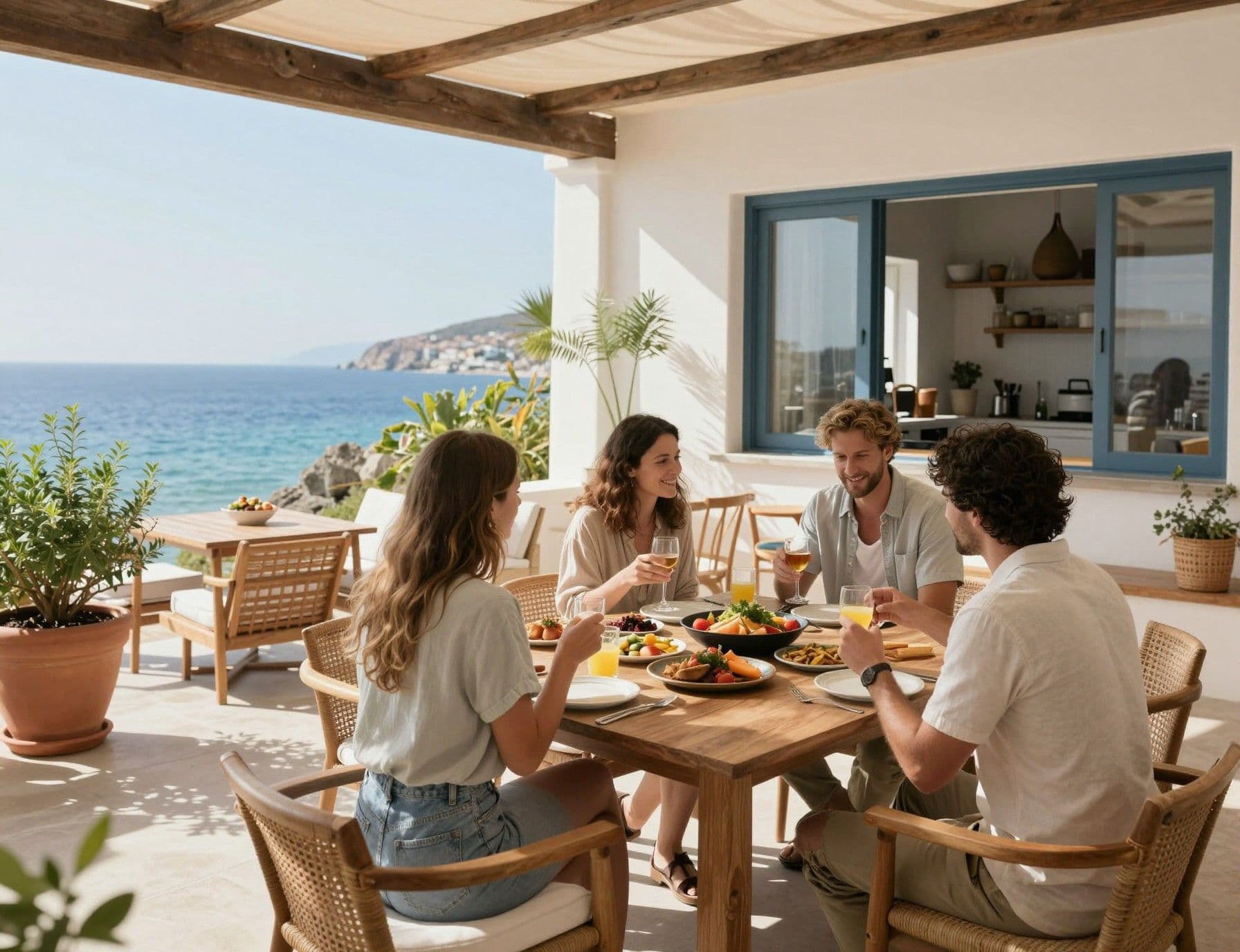
The market has momentum: national indices reported sustained price growth through 2024 and into 2025, though rates vary by region. Knowing where growth has already run ahead of fundamentals matters. Rely on local price indices and agent-level sales data to spot neighbourhoods where lifestyle demand is stable but prices haven't been artificially pushed by short-term tourism spikes.
Property styles worth your lifestyle premium
Traditional stone houses in Pelion or Mani offer authenticity and cool interiors in summer, but come with renovation realities—insulation, damp control and access. New developments around Thessaloniki and peripheral Athens offer modern finishes and reliable maintenance but can lack neighborhood soul. Match type to use: buy older village homes for life‑style immersion, choose new builds for ease of management and lettability.
Working with local experts who know the rhythm
Use agents who live the life they sell: agents with local networks, renovation partners, and long-term management options. Legal counsel should explain recent changes to residency-by-investment rules and zoning; since 2024 Greece reorganised Golden Visa thresholds by zones, the residency value of a property varies by island and municipality. Ask your advisor for recent transaction records in the specific street you’re considering.
- Steps to align lifestyle wishes with a sound purchase
- Clarify lifestyle non-negotiables (market, taverna, transport) and map them to three neighbourhoods.
- Request agent-supplied comparables for the exact street or small area, not the whole island/region.
- Commission a short local survey (access, road quality, seasonal crowds) before offer.
- Factor in seasonality for viewings—visit once in shoulder season to experience everyday life.
Insider knowledge: what expats wish they'd known (and how to avoid common pitfalls)
Expats commonly regret buying solely for views or tourist season hype. Several surveys show many foreign buyers opt for mid-range homes and prioritise habitability over headline prestige. The honest trade-off: a busy summer brings income but also crowds and wear; a neighbourhood where locals breathe year-round yields steadier satisfaction and easier integration.
Language, community and daily integration
Learning basic Greek opens doors—markets, local contractors and social invitations. Many expats find language school or volunteer work accelerates belonging. Choose a neighbourhood where people gather (church square, market street, coastal promenade) and you’ll meet neighbours faster than you expect. That social capital is as valuable as any rental yield.
Long-term considerations: maintenance, community change, and resale
Expect community change—tourist demand can push small streets toward short-term rentals, altering daily life and sometimes creating local pushback. Insist on transparency over historical occupancy, short-term rental pressure and planned zoning. Well-documented maintenance plans and conservancy agreements protect the long-term lifestyle you buy into.
- Red flags neighbours mention (listen first)
- Sudden spike in short-term rental listings on a single block
- Repeated utility or road-access complaints—hinting at costly fixes
- Vague ownership history or incomplete renovation permits
Conclusion: fall in love with the life, not the postcard. Start on the ground, prioritise streets with daily life, and use local experts who can map lifestyle features to real market data. If you want the life Greece promises—sociable neighbourhoods, fresh markets, coastal time—your property search should begin with those everyday scenes, then layer in legal and financial checks. When in doubt, visit in shoulder season, ask neighbours about winters, and choose the street where you can imagine buying your morning coffee.
Dutch investment strategist with a Portugal-Spain portfolio. Expert in cross-border financing, rights, and streamlined due diligence for international buyers.