Buyers' Blindspot: France's Affordable Growth Corridors
Discover France’s overlooked value corridors: lifestyle-led picks backed by Notaires‑INSEE data and practical steps to buy where daily life — not postcards — sustains price.
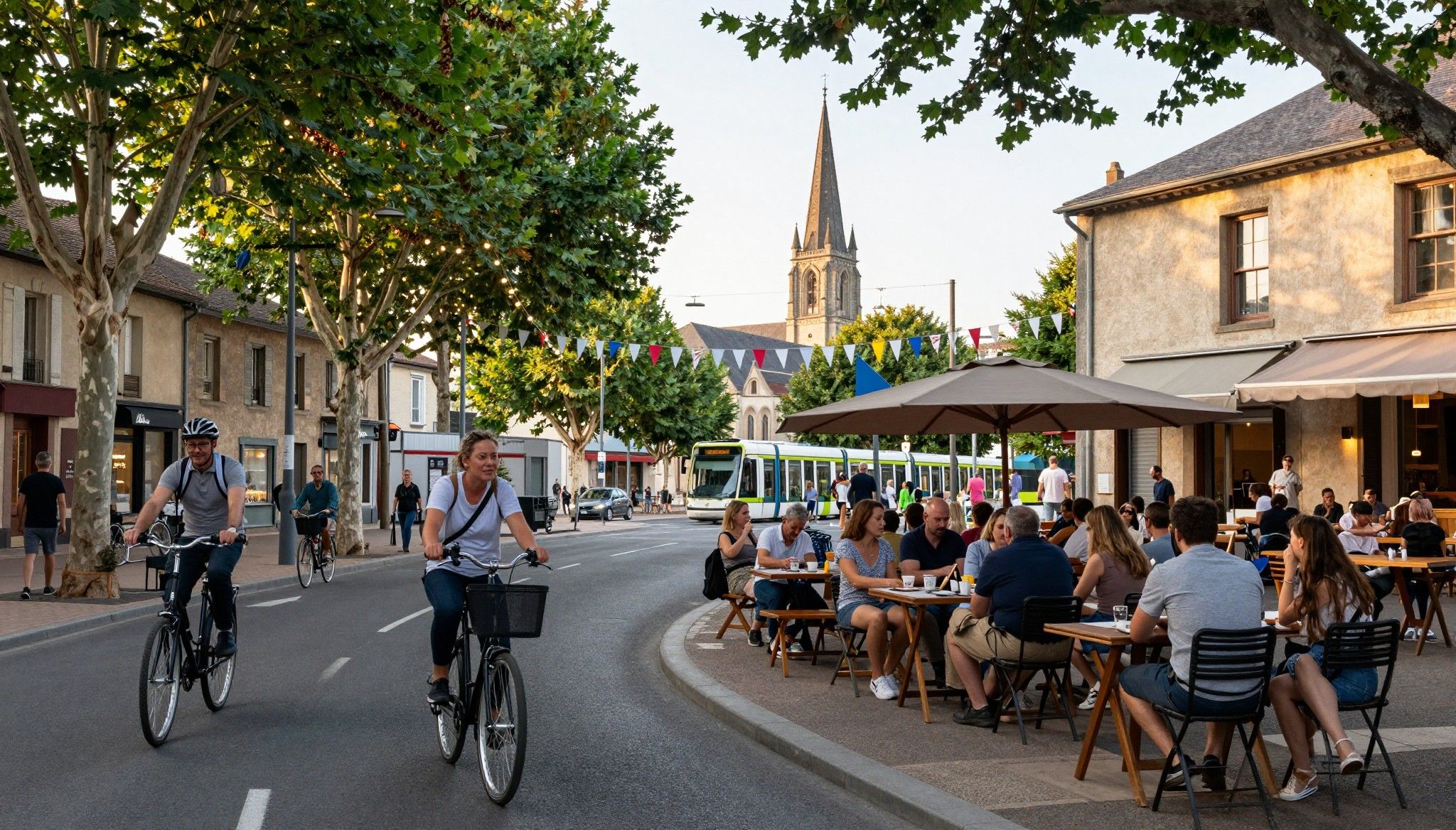
Imagine walking from a weekday marché in Rennes to a riverside café in the late afternoon, or cycling past limestone houses in the Loire Valley before arriving at a weekend farmers’ fête. France feels like a set of lived-in scenes — neighbourhood markets, seaside promenades, village squares where people still greet one another. But behind those scenes there’s a market most international buyers misunderstand: pockets outside the headline Côte d’Azur and Paris that combine lifestyle lift with stabilising price momentum. Recent Notaires‑INSEE data show a cautious recovery of prices and rising transaction volumes — the signal many buyers miss.
Living the France life (and where it’s quietly affordable)
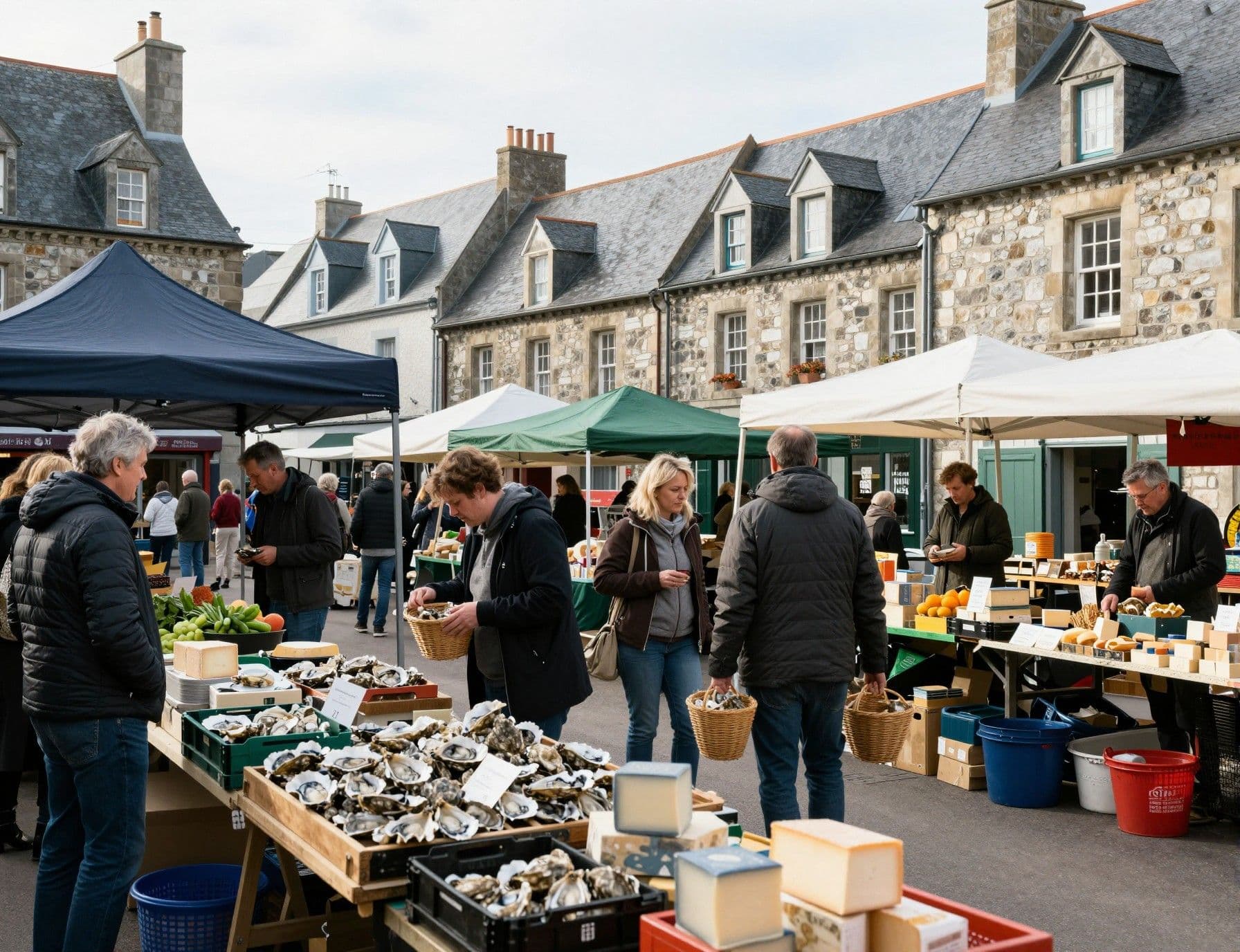
France’s daily rhythms — boulangeries at dawn, long lunch hours in summer, small-town fêtes — shape where people actually choose to live. Those lifestyle cues also map to value: departments with strong local services and transport links saw steadier prices during recent adjustments, even when Paris cooled. Notaires de France reports rising transaction volumes while prices stabilise, a sign that opportunity is returning in more modestly priced corridors.
Regional spotlights: the overlooked corridors
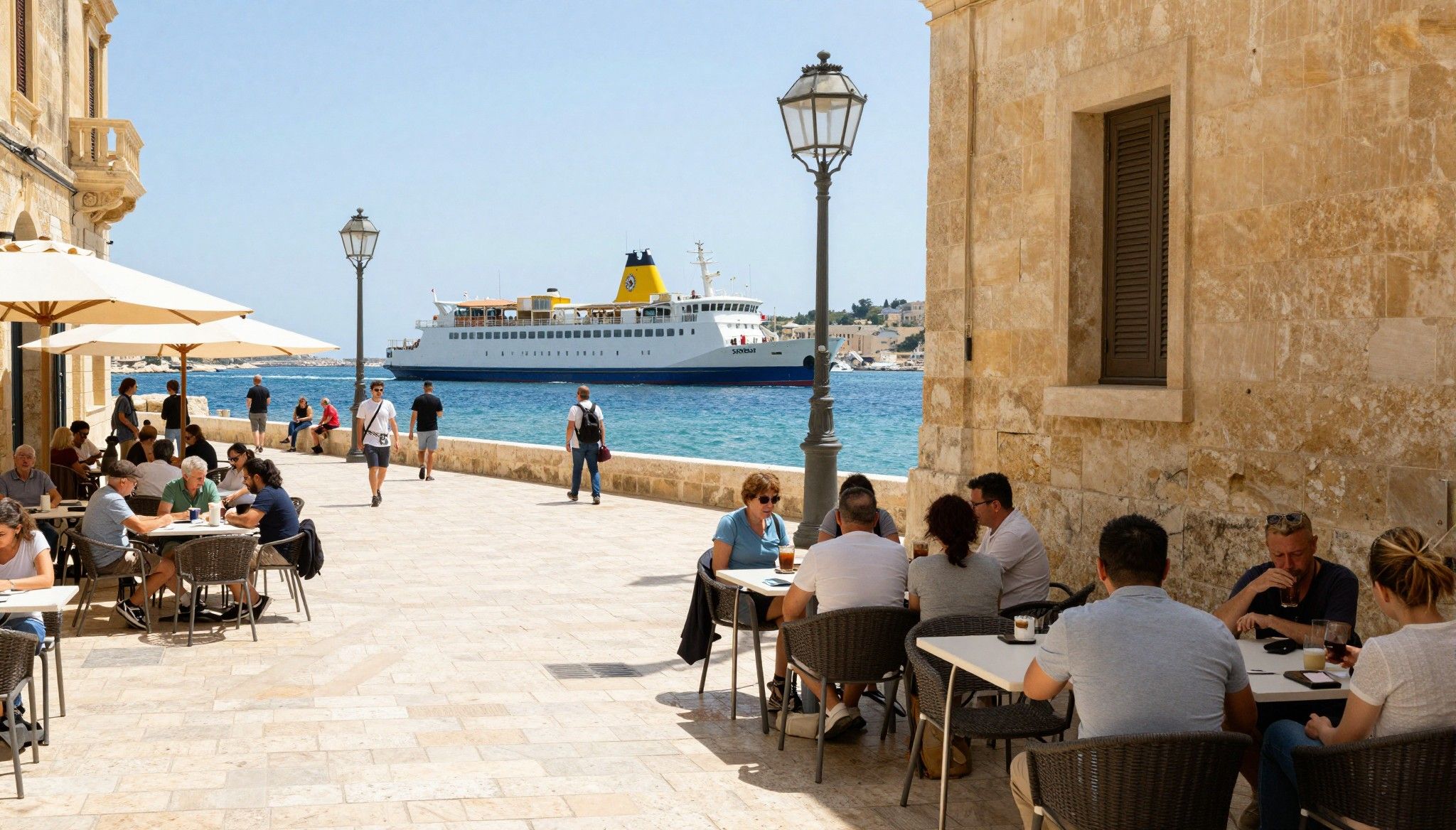
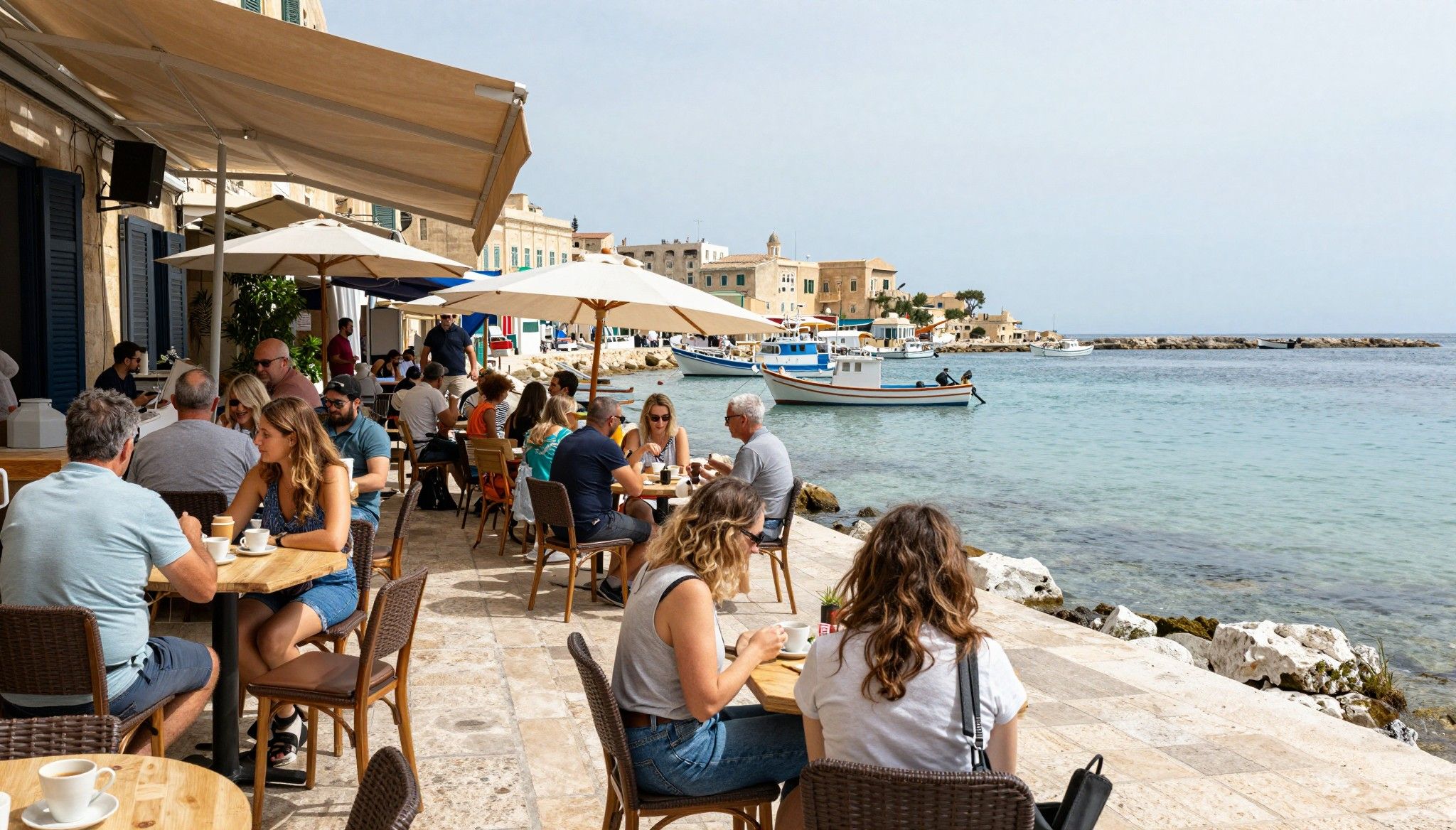
Think Brittany’s coastal towns (Saint‑Malo fringe), the Loire’s market towns (Saumur to Angers), rural Occitanie villages with rail links, and western Rhône departments. These places offer the texture of French life — weekly markets, local bakeries, regional wine bars — but with price per square metre often substantially below Île‑de‑France and the Riviera. For buyers who value everyday authenticity over postcard prestige, they deliver lifestyle now and upside later.
What you’ll actually do there: a day-in-life
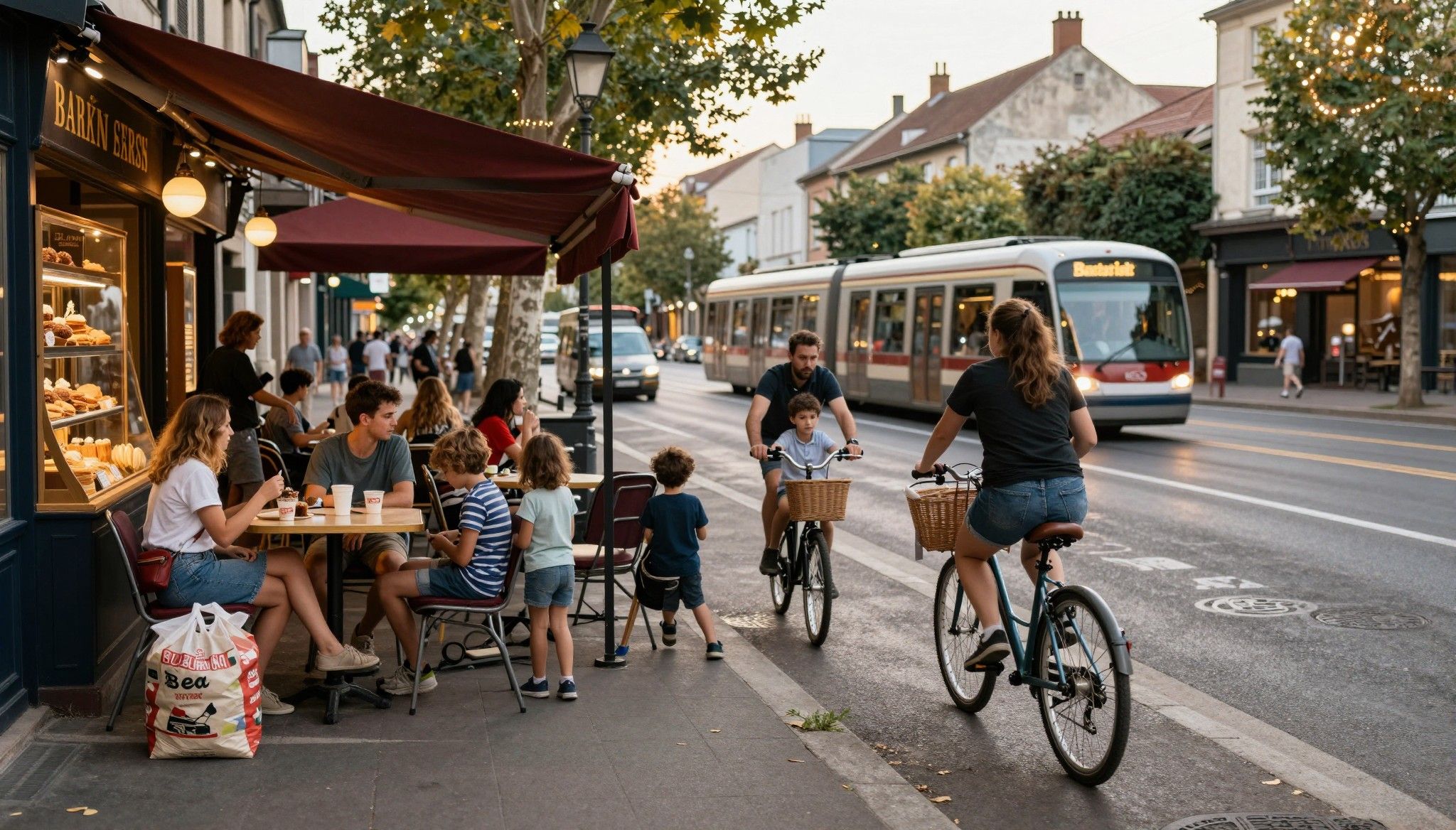
Picture a morning coffee at Café Leffe on Rue du Général, browsing oysters at the market for lunch, an afternoon walk along a river bank, then an aperitif on a small terrace. That everyday pattern — local shops, short commutes, strong community life — defines the best affordable French buys. It’s not glamour; it’s habitability, and that consistency is what supports stable prices.
- Lifestyle highlights buyers often overlook:
- Weekly marchés with local producers (example: Marché des Lices, Rennes)
- Smaller regional airports and TGV links that cut perceived distance to Paris
- Village fêtes and municipal investment in public spaces which sustain desirability
Making the move: practical considerations that preserve the lifestyle
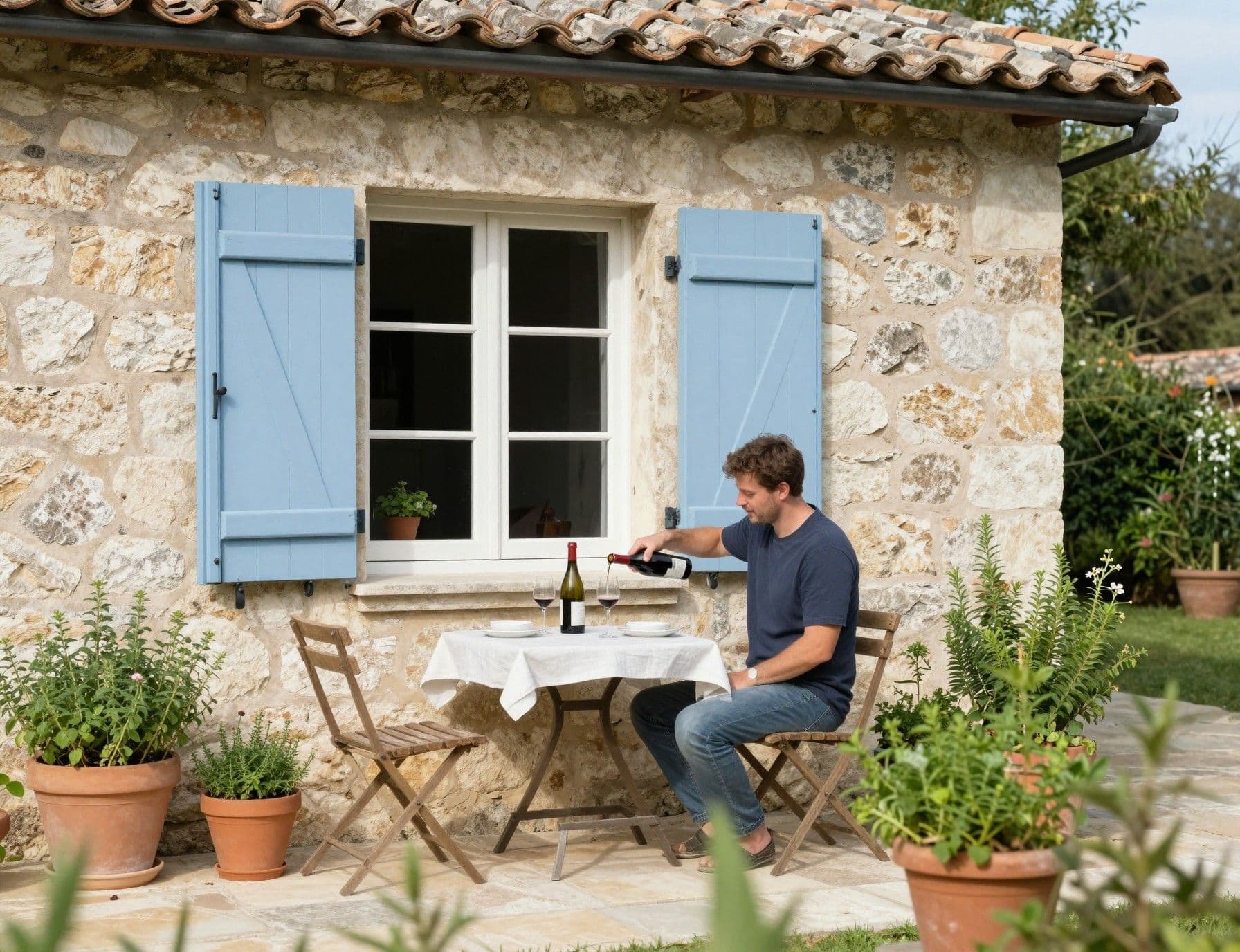
Lifestyle is the hook but process is the keel. National indices show price stabilisation and pockets of modest growth; that means buyers who marry a clear lifestyle brief with data-led area selection can often secure value. Start by matching everyday routines (schools, markets, transport) with price band and recent transaction activity — the combination separates charming villages from those with genuine buying momentum.
Property types and how they shape living
Stone cottages with gardens suit someone after slow weekends and home cooking; small town apartments suit those who prioritise cafés and shops on foot. Newer developments on the edges of regional cities offer modern heating and insulation (lower running costs) while historic townhouses offer charm but need maintenance — factor renovation timelines into your lifestyle calendar, not just the balance sheet.
Work with local experts who know the rhythm
Agents, notaires, and local architects will tell you what the market maps don’t: which street is getting new cafés, which mairie invested in cycle lanes, and which coastal path will be protected from development. Use them to verify transaction cadence, recent sale comparables, and practical constraints like renovation permits — these details turn lifestyle intent into an executable purchase.
- A simple step-by-step checklist to marry lifestyle with data:
- Define your daily non-negotiables (market, school, commute time).
- Map recent transaction volume and price trend for 12–24 months using Notaires/INSEE indices.
- Visit across seasons — a town in high-season can feel very different off-season.
- Engage a local notaire early to flag legal and permit constraints.
Insider knowledge: real expat lessons and hidden pitfalls
Expats repeatedly tell a similar story: they fell in love with a street before checking transaction cadence, underestimated renovation timing, or missed how local services vary by season. Notaires and local chambers emphasise that the current recovery is fragile — use that to your advantage but avoid buying impulsively in overheated micro‑markets where tourists distort short‑term comparables.
Cultural nuances that change where you buy
French buyers prize local ties: proximity to a mairie, good schools, and established marchés. Sellers use phrases like “quartier vivant” or “calme” with precision; ask for examples (which shop, which school) rather than generic adjectives. Learning a few phrases and visiting a few communal gatherings will reveal where you will fit — and where you won’t.
Longer-term lifestyle signals to monitor
Look for municipal investment (schools, cycle routes), improved rail or road connections, and demographic shifts such as inward migration from Paris. These are the signals that lifestyle demand — and therefore value — will persist. Conversely, heavy tourist dependence or single-season economies can produce dramatic seasonal swings in both life and price.
- Red flags to avoid:
- Overreliance on short-term rental comparables in a traditionally long‑term owner market
- Buying sight unseen without seasonal visits
- Skipping a notaire review of local servitudes and build regulations
Conclusion: France’s less‑told story is not one of uniform expense but of layered opportunity — towns where daily life is rich and price correction created entry points. Use national indices and notarial reports to shortlist corridors, then immerse yourself in the rhythms of those places across seasons. Bring local experts early, prioritise lived‑in lifestyle checks, and treat municipal investment as a leading indicator of value. Do this and you won’t just buy property in France; you’ll buy a way of life.
Swedish strategist who relocated to Marbella in 2018. Specializes in legal navigation and tax planning for Scandinavian buyers.