Cyprus Prices: Where the 'Expensive' Label Hides Value
Cyprus’s headline price growth masks local opportunity: read neighbourhood signals, timing tips and data sources to buy the life you want without overpaying.
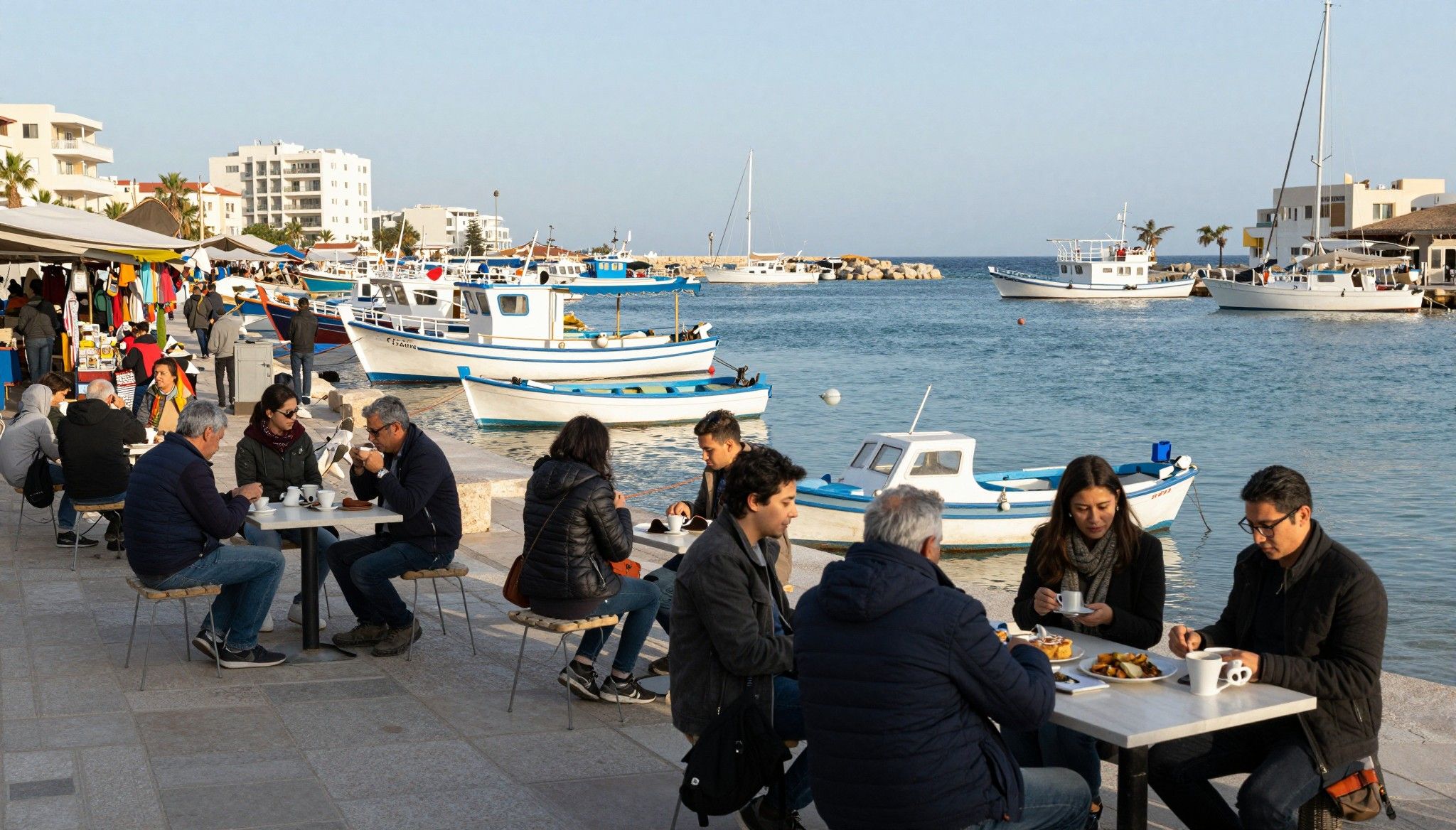
Imagine a morning espresso on Limassol’s Molos promenade, a baker pulling warm koulouri in old Paphos, and late-afternoon swim swims off Larnaca’s Mackenzie Beach — that easy, sunlit rhythm is why people fall for Cyprus. But underneath the postcard is a market of distinct microclimates: luxury waterfront ramps in Limassol, quieter hill villages inland, and pockets where tourist-season noise inflates asking prices. For international buyers this creates a powerful choice: buy the lifestyle, or buy the headline price — and sometimes you can do both.
Living Cyprus: day-to-day rhythms
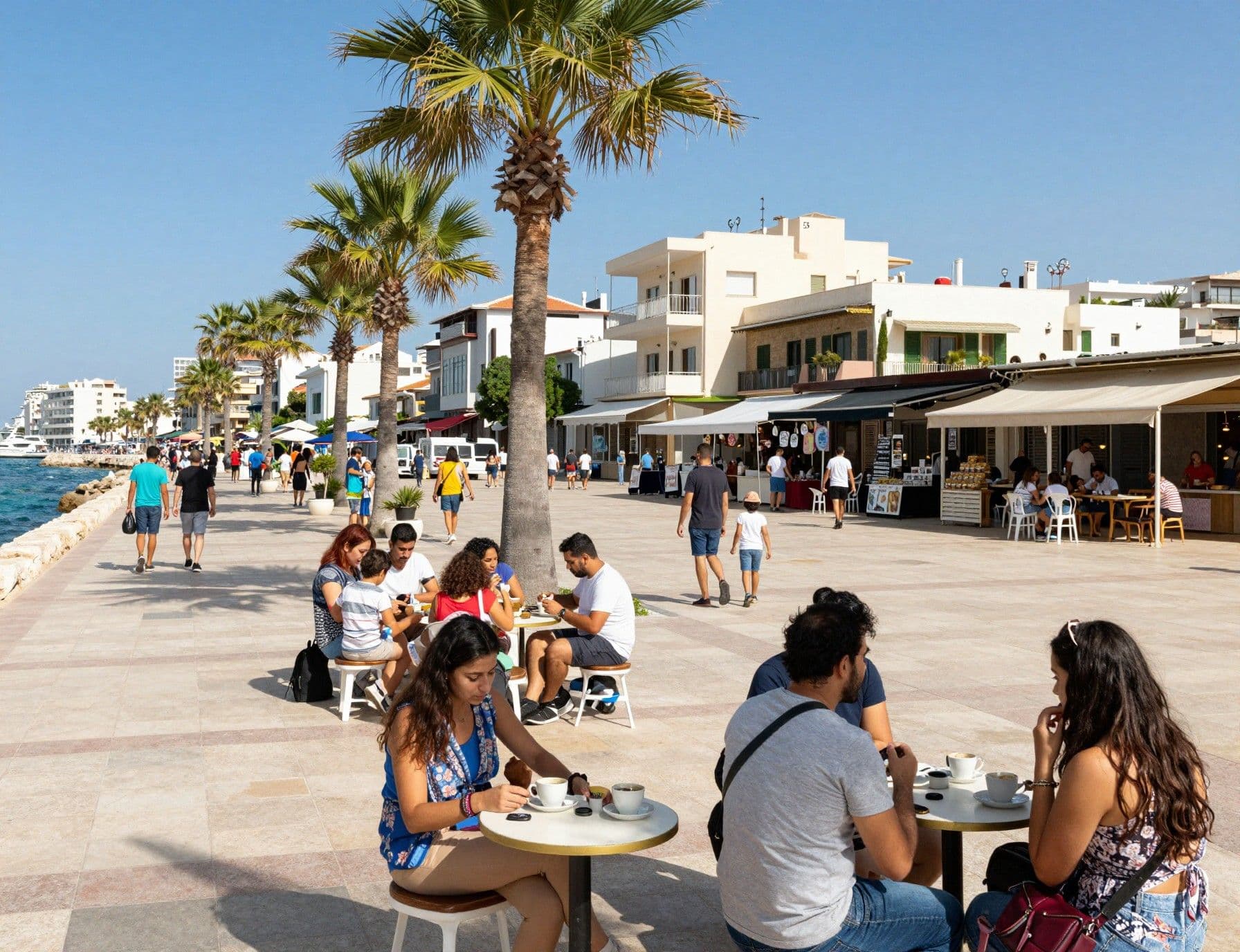
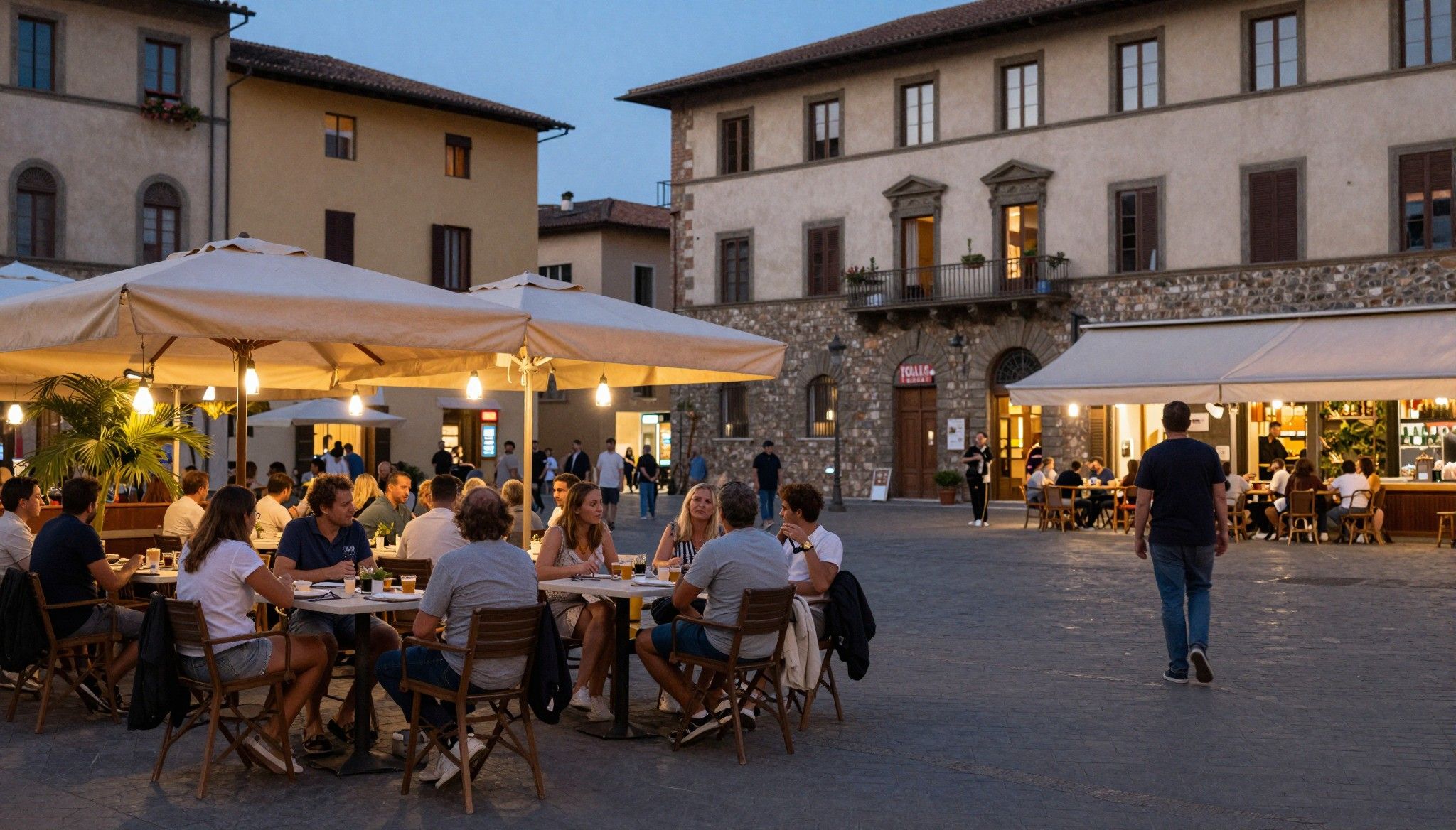
Cyprus moves at a Mediterranean pace that still surprises newcomers. Weekdays are punctuated by cafés filled with laptop workers and retired groups playing tavli (backgammon); Sundays are for family lunches that spill into the late afternoon. Coastal towns switch character through the year — Limassol hums almost year-round with business and events, Paphos feels seasonal but deeply local in winter, and Larnaca blends airport access with a relaxed marina life. Those rhythms shape what people pay for: proximity to a seafront promenade or a leafy square can add tens of thousands of euros to a listing.
Neighbourhood pulse: Limassol, Paphos, Larnaca
Limassol’s Molos and Old Port areas are where the international community meets café culture, yachts and high‑end developments — prices here consistently sit above national averages. Paphos’ Kato Paphos and the old town offer heritage, compact streets and stronger short‑stay rental yield potential because of tourism flows. Larnaca’s Finikoudes and Mackenzie provide airport convenience and a more domestic, year‑round feel that appeals to buyers wanting daily life rather than nightlife. Each neighbourhood rewards different lifestyles: social energy, heritage calm or logistical convenience.
Food, markets and the rhythm of seasonality
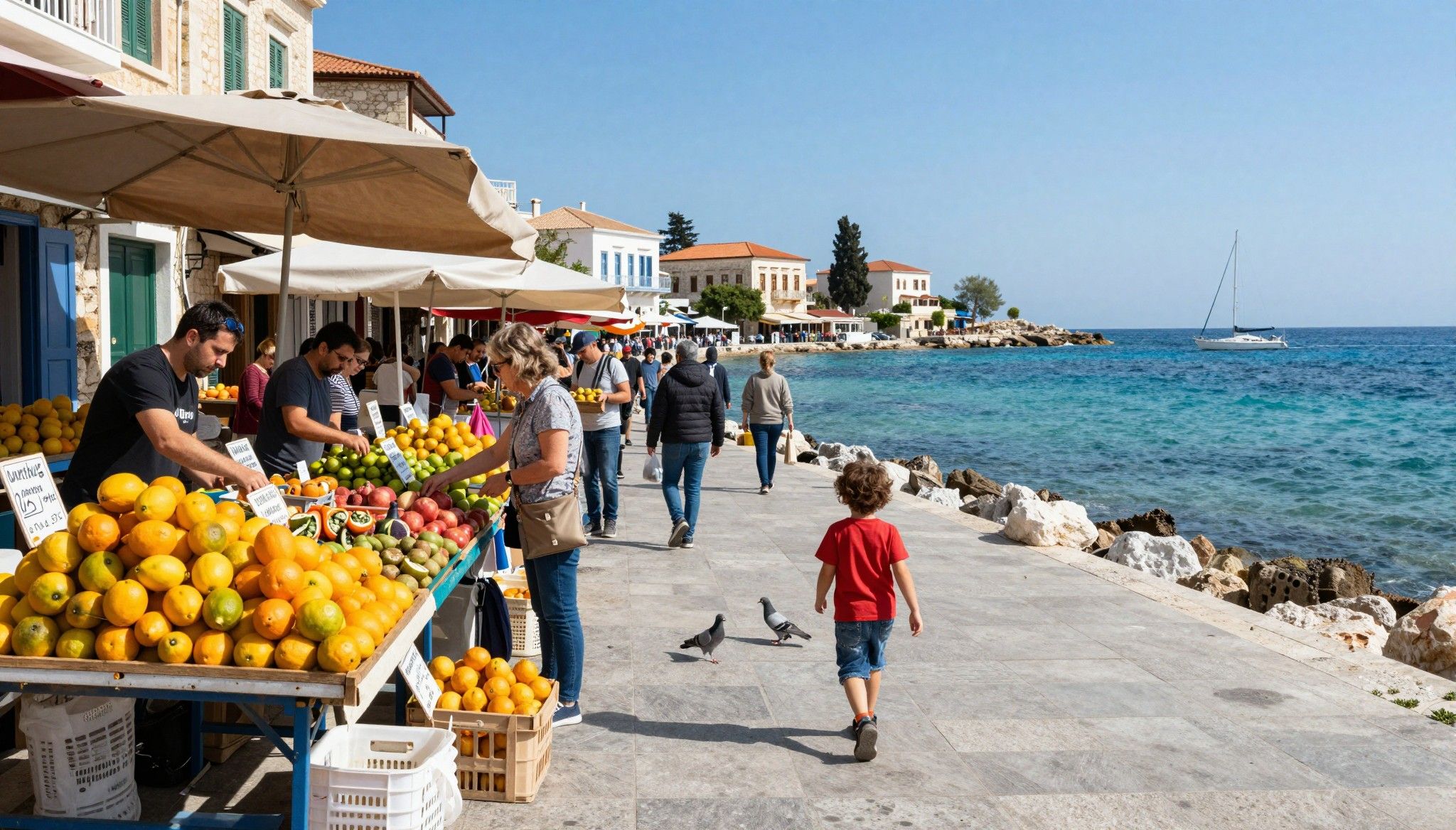
Eating in Cyprus is civic: morning coffee near municipal squares, lunchtime meze that lasts hours, and weekend markets where citrus and halloumi move fast. In spring the countryside smells of jasmin and orange blossom; autumn brings chestnut fairs in Troodos and calmer house‑viewing conditions. Seasonality also alters cash flows — coastal short‑lets spike summer revenue, while winter brings steadier long‑term rental demand. Buyers who synchronise viewing trips with shoulder seasons (April–May or September–October) see the truest daily life without summer price and availability distortions.
- Morning espresso at Molos promenade (Limassol); Farmers’ market in Pano Paphos; Mackenzie beachfront stroll and fish tavernas; Troodos chestnut festival in October; Nea Salamis waterfront cafés in Larnaca
Making the move: what prices and data actually say
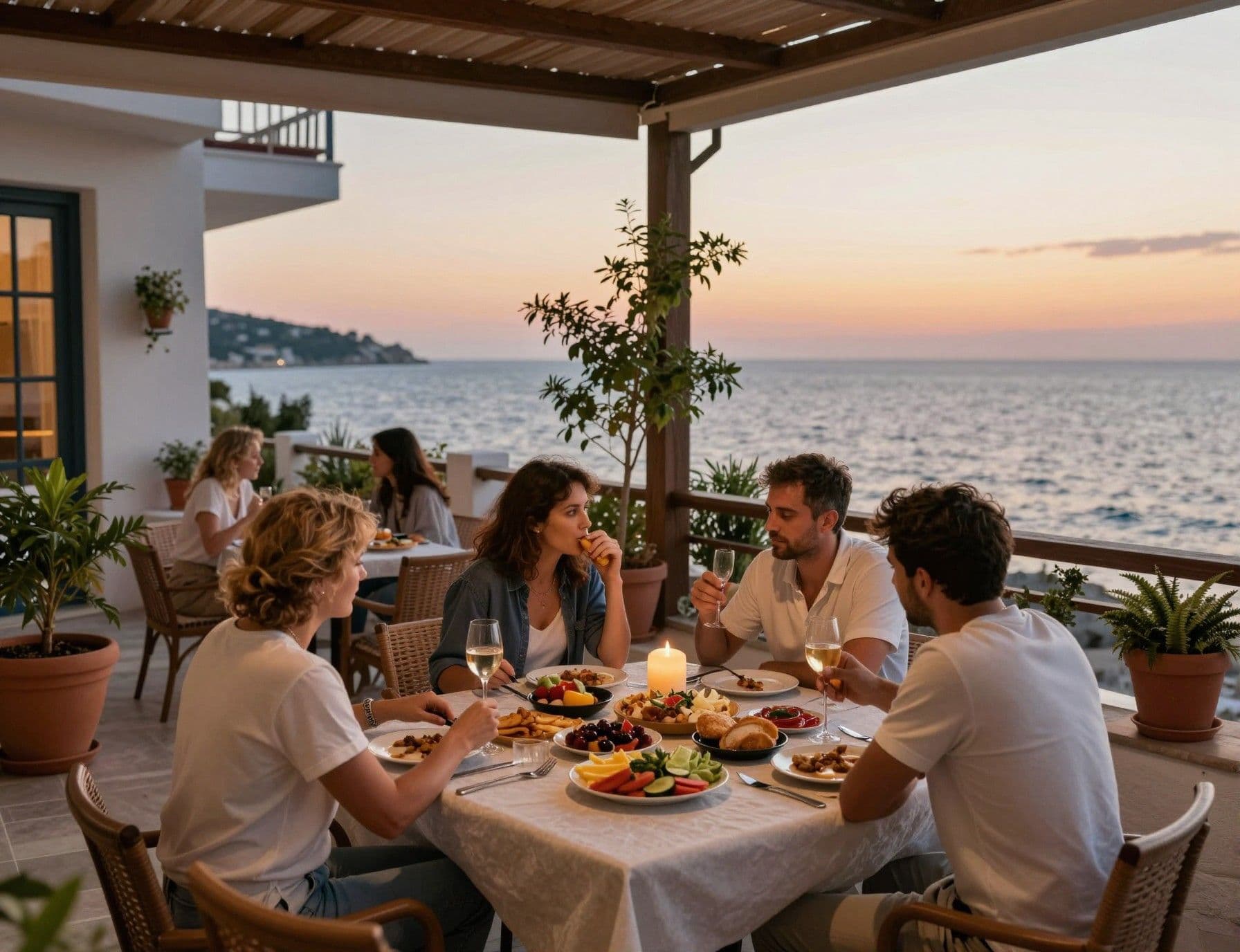
The popular line — “Cyprus is expensive” — needs context. National indices show steady price growth but uneven geography: Limassol and Paphos led gains, while other districts lagged. Official series from the Central Bank and national statistics reveal modest national annual increases (around mid‑single digits in recent quarters), yet pockets near marinas and city centres appreciate faster. That means headline growth coexists with granular opportunities for buyers who know which streets and supply pipelines matter.
Property types and what they cost
Apartments dominate coastal demand, particularly new developments with pools and concierge services; houses and villas cluster inland or on exclusive bays. Recent RPPI data show house price growth and apartment price growth can diverge by district — Limassol recently accelerated more than others while some resort areas cooled. For buyers this translates to a trade‑off: a modern seafront apartment gives lifestyle and rental liquidity, while a village house buys space and calmer costs.
Work with data‑led local experts
A local agent who reads RPPI updates, municipal planning notices and building permit flows will save time and money. They can flag pipeline supply that may depress near‑term prices, or street-level renovations that create sudden premium pockets. Insist on agencies that provide comparable sales (last 6–12 months), rental‑yield case studies, and a clear picture of service charges and building warranties. The right advisor bridges the lifestyle wishlist and the spreadsheet realities.
- Visit in shoulder season (April–May or Sept–Oct) to test daily life; Ask for three comparable sold prices within 500 metres from the listing; Check building permits nearby — new supply changes value; Confirm historical vacancy and seasonality for rental projections; Meet community representatives (local cafés, homeowner associations) to sense neighbourhood cohesion
Insider knowledge: expat lessons and red flags
Expats consistently tell the same two truths: you buy a life as much as a property, and the small cultural details matter. English is widely understood, especially in business and hospitality, but neighborhood integration requires patience and local gestures — learn a few Greek phrases, attend a festival, and your street will welcome you. Watch for red flags that hit both lifestyle and price stability: large unsold inventories in a new development, overly optimistic rental forecasts based on peak‑season rates, and opaque management fees that inflate ongoing costs.
Cultural adjustments and everyday logistics
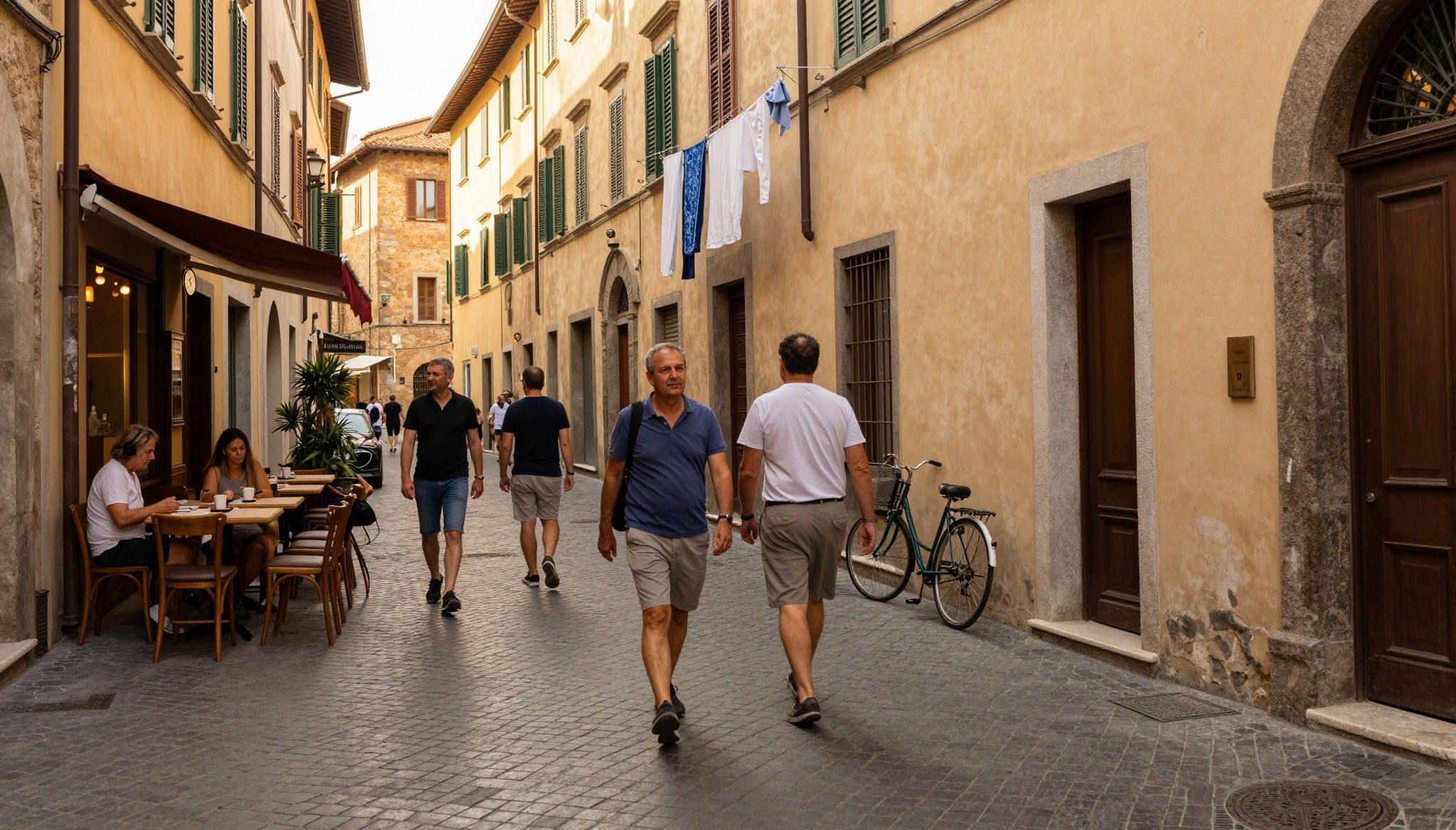
Daily life hinges on small logistics: is there a supermarket within walking distance, how reliable is local waste collection, and what are the transport links to airports and hospitals? For families, check international school commute times and municipal sports facilities. For remote workers, test broadband speed in the property and nearby coworking options — Larnaca and Limassol have growing hubs while village connections can be patchy.
Longer term: how lifestyle evolves with neighbourhood change
Neighbourhoods in Cyprus can change visibly within five years: a new marina, a boutique hotel, or a refurbished promenade quickly tilt buyer demand. That’s why looking beyond price per square metre to planned infrastructure and zoning gives a predictive edge. Buyers who balance immediate lifestyle fit with an informed view of municipal projects (sewage upgrades, promenade works, new schools) position themselves for both enjoyment and capital resilience.
- Red flags to watch: developer delays and unclear completion bonds; unusually high seasonal rent projections; properties without clear title history or consented plans; service charges that rise unexplained; streets with multiple “for sale” signs indicating oversupply
If Cyprus’s sunlit lifestyle speaks to you, approach the market like you’d approach a neighbourhood: spend time there, listen to locals, and align an agent who reads both the social rhythms and the data. Start with shoulder‑season visits, ask for verified comparables, and prioritise properties that match how you’ll actually live (not only how they photograph in July). With the right local partner, the island’s ‘expensive’ label often becomes a map to quieter value and a life you’ll love.
Danish relocation specialist who has lived in Barcelona since 2016. Helps families move abroad with onboarding, schooling, and local services.