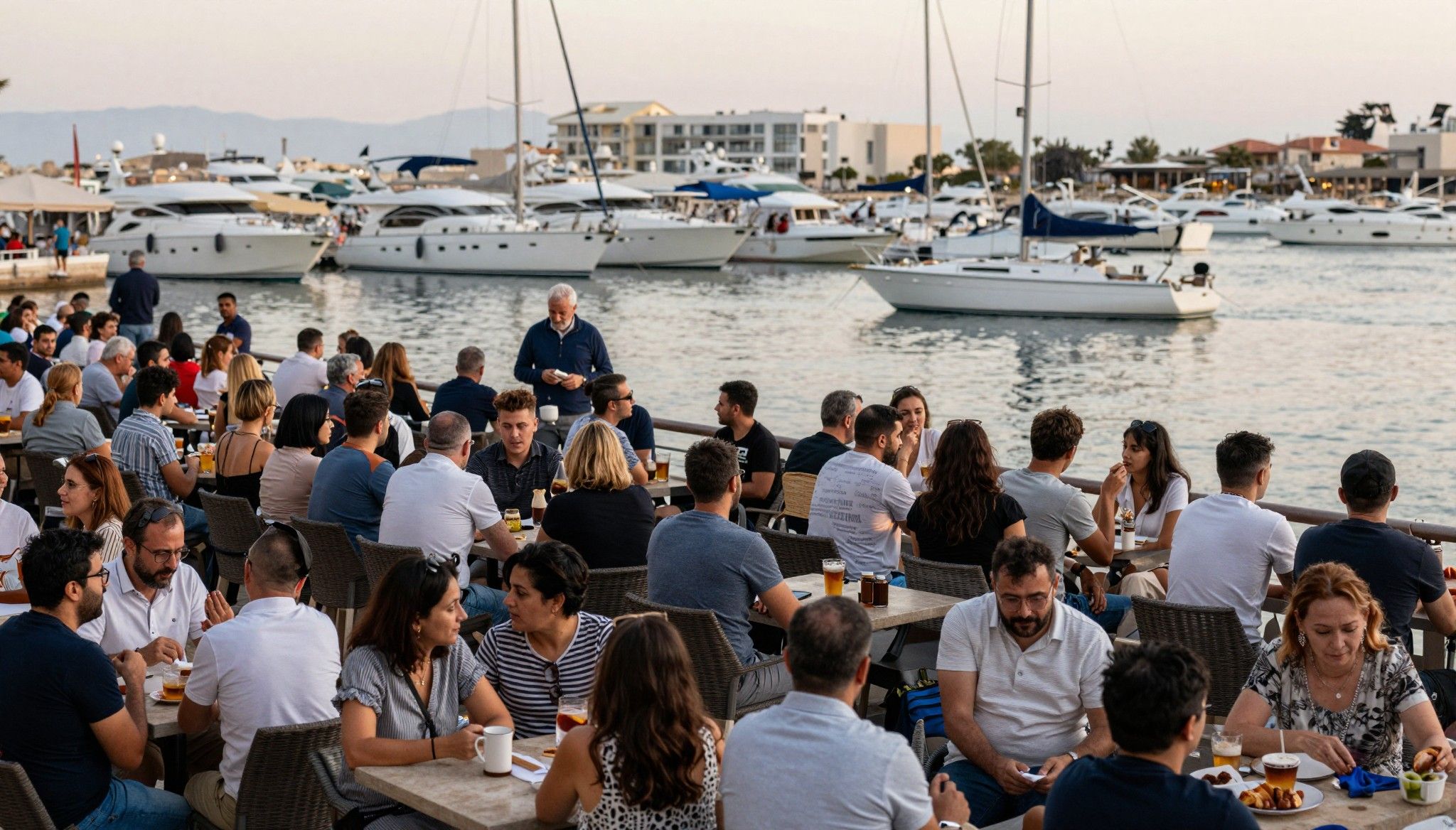
Malta Off‑Peak: Why Shoulder‑Season House‑Hunting Wins
Visit Malta off‑peak: shoulder seasons expose quieter streets, clearer negotiations and residency realities—use local data to match lifestyle with property value.
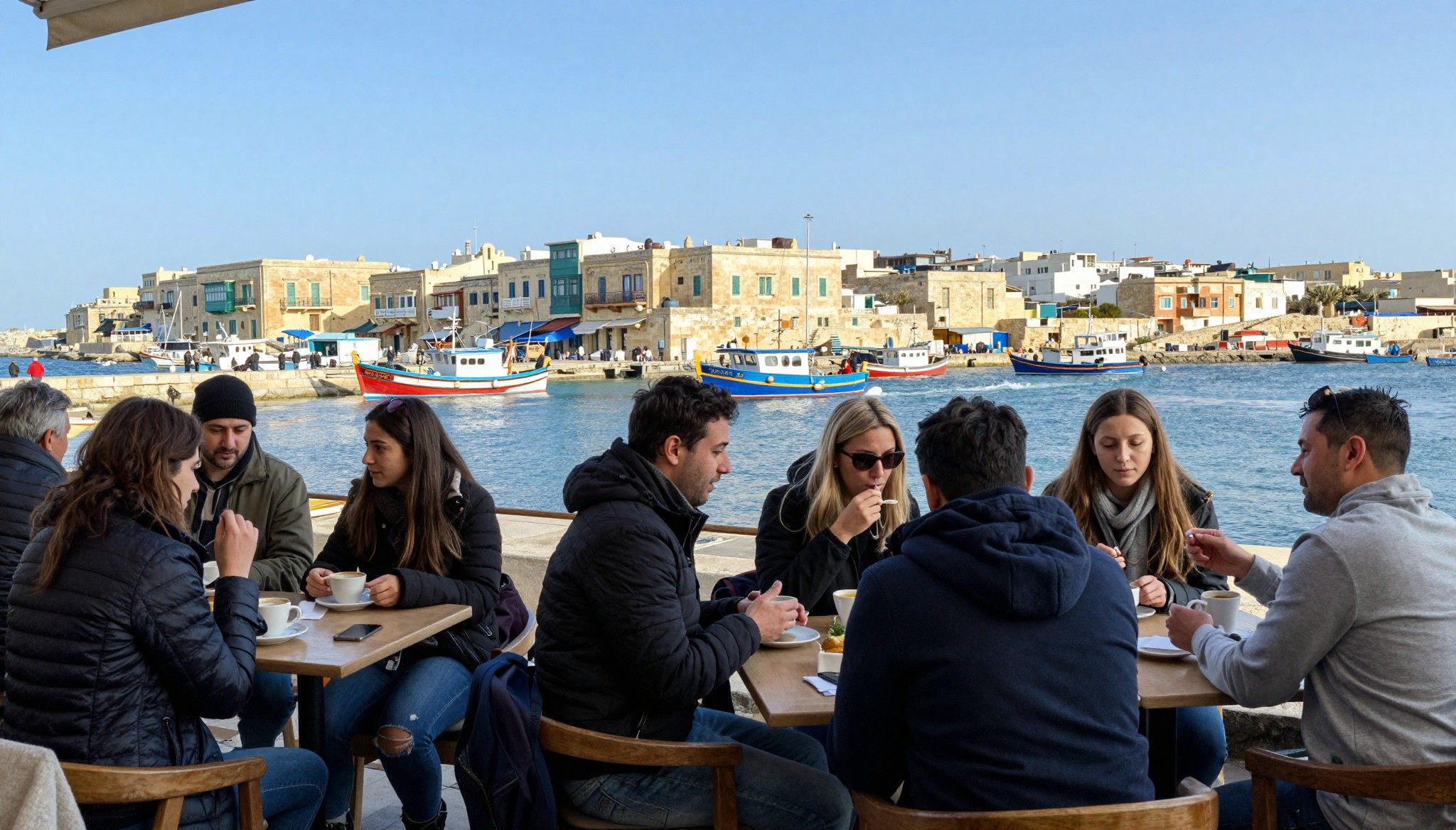
Imagine stepping off a ferry into Sliema at 08:30: espresso steam rising, fishermen resetting nets, and the city’s limestone facades warming under a sharp winter sun. Malta’s compact scale means neighbourhood life arrives early and lingers late; you feel the island before you read a single market report. For international buyers, that daily rhythm matters as much as headline price indices—it determines where you’ll walk, eat, and meet neighbours. Recent transaction data shows a busy market that behaves differently in shoulder months than in high summer, and that difference can be a buying advantage.
Living the Malta life
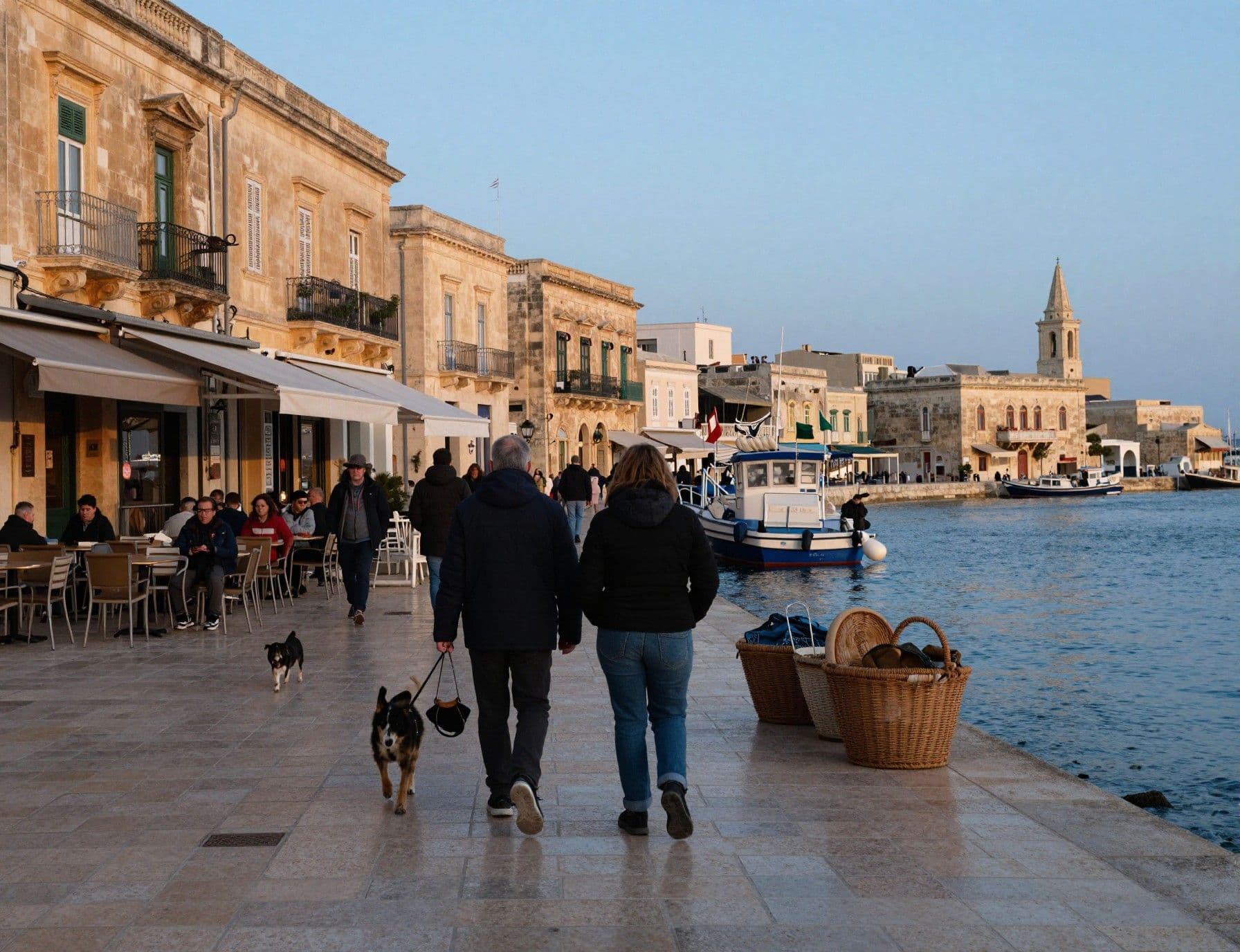
Malta is both Mediterranean neighbourhood and cosmopolitan crossroad. On a weekday you’ll find Valletta’s narrow streets hosting morning markets and government workers, while St Julian’s pulses with cafés and co‑working spaces later in the day. English is an official language, so integrating and managing legal steps is unusually accessible for many buyers. The island’s lifestyle is dense and layered: a 20‑minute drive can take you from UNESCO ramparts to a secluded cove where fishermen mend nets.
Neighbourhood portraits: Valletta, Sliema, Marsaxlokk
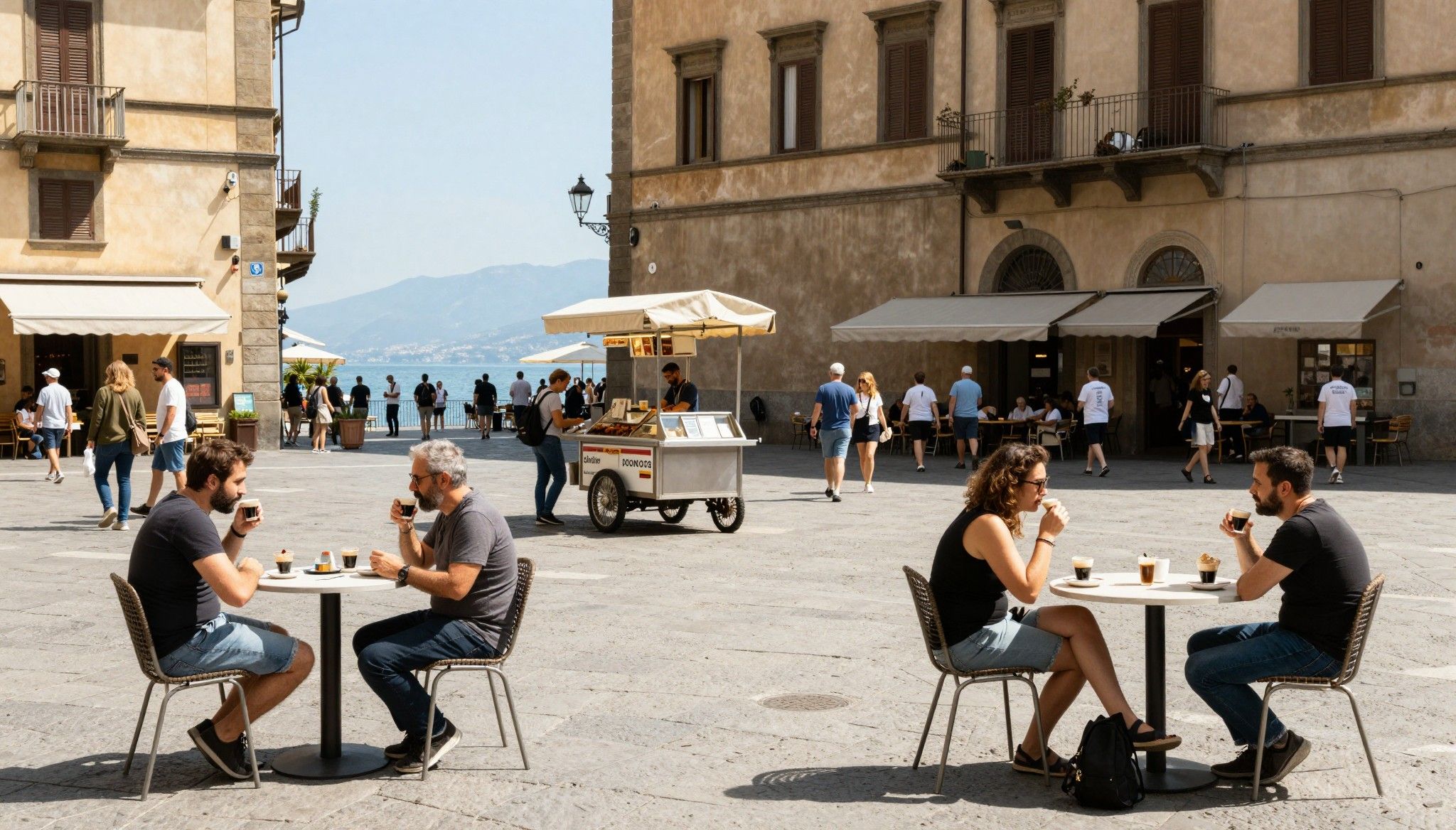
Valletta is a walkable baroque heart—stone doorways, boutique cafés and civic life on your doorstep. Sliema and St Julian’s are waterfront living with a stronger expat and rental market: think seaside promenades, modern apartments and late‑night dining. For a quieter, local feel, Marsaxlokk’s fishmarket Sundays and pastel fishing boats create a very different pace; properties here tend to suit lifestyle buyers seeking authenticity rather than short‑let yields. Local market snapshots show price and rent variance between these areas, so where you choose will shape both daily life and income potential.
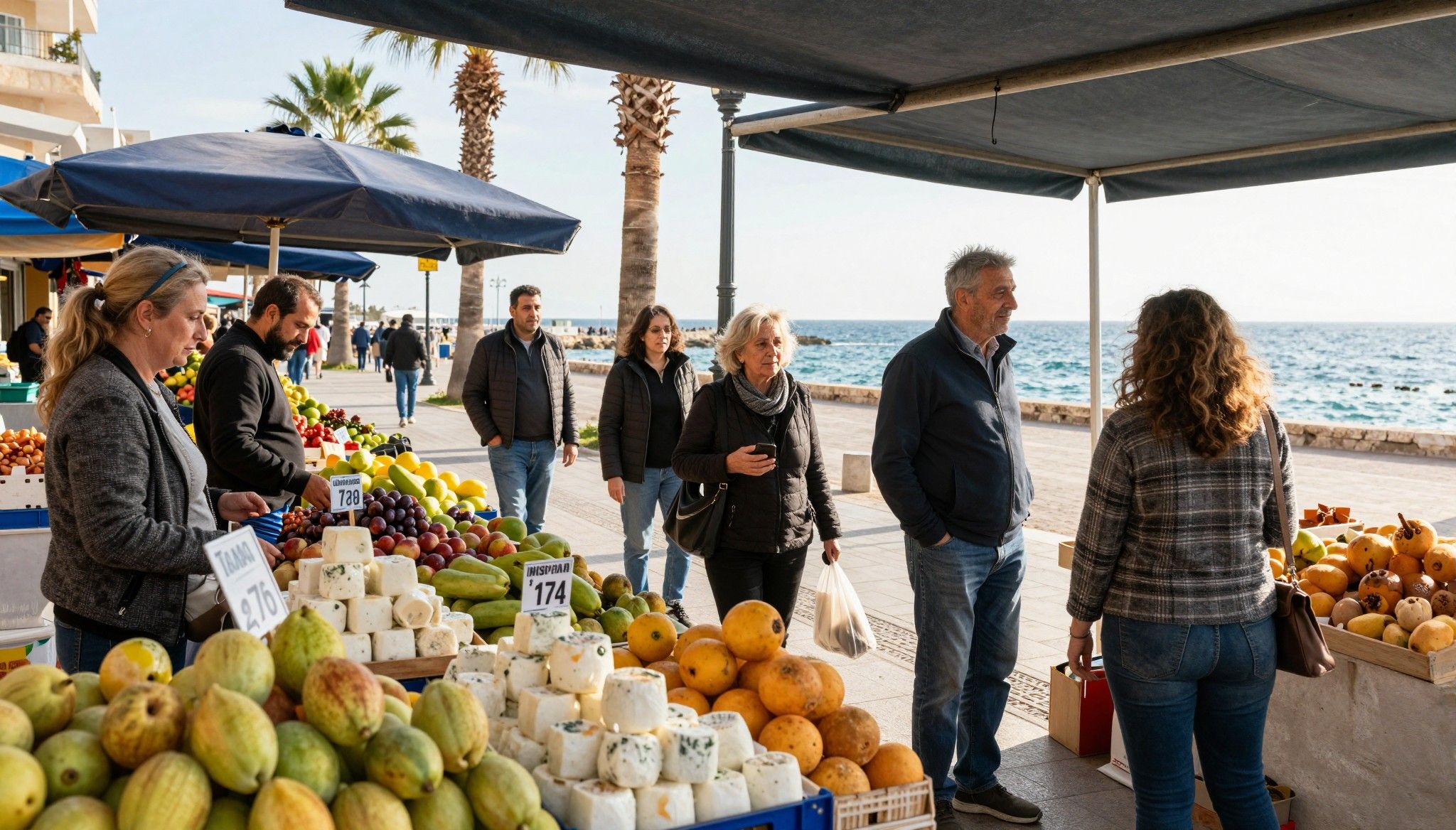
Food, markets and weekend rituals
Weekends in Malta are about portside lunches, pastizzi runs and local produce from agricultural hubs on Gozo. Chef‑driven openings in Sliema and Valletta have nudged younger buyers toward central neighbourhoods, while families prize quiet bays and schools in the north. The food scene is an important lifestyle anchor: where you shop and dine will dictate the morning routes and social circles that make a property feel like home.
- Sliema promenade coffee at Café Cuba; Valletta’s Strait Street tapas bars; Marsaxlokk fishmarket Sunday mornings; Mellieħa Bay for family beach days; St Julian’s Paceville for late dining and coworking hubs in Msida and Ta' Xbiex.
Making the move: practical considerations that protect the lifestyle
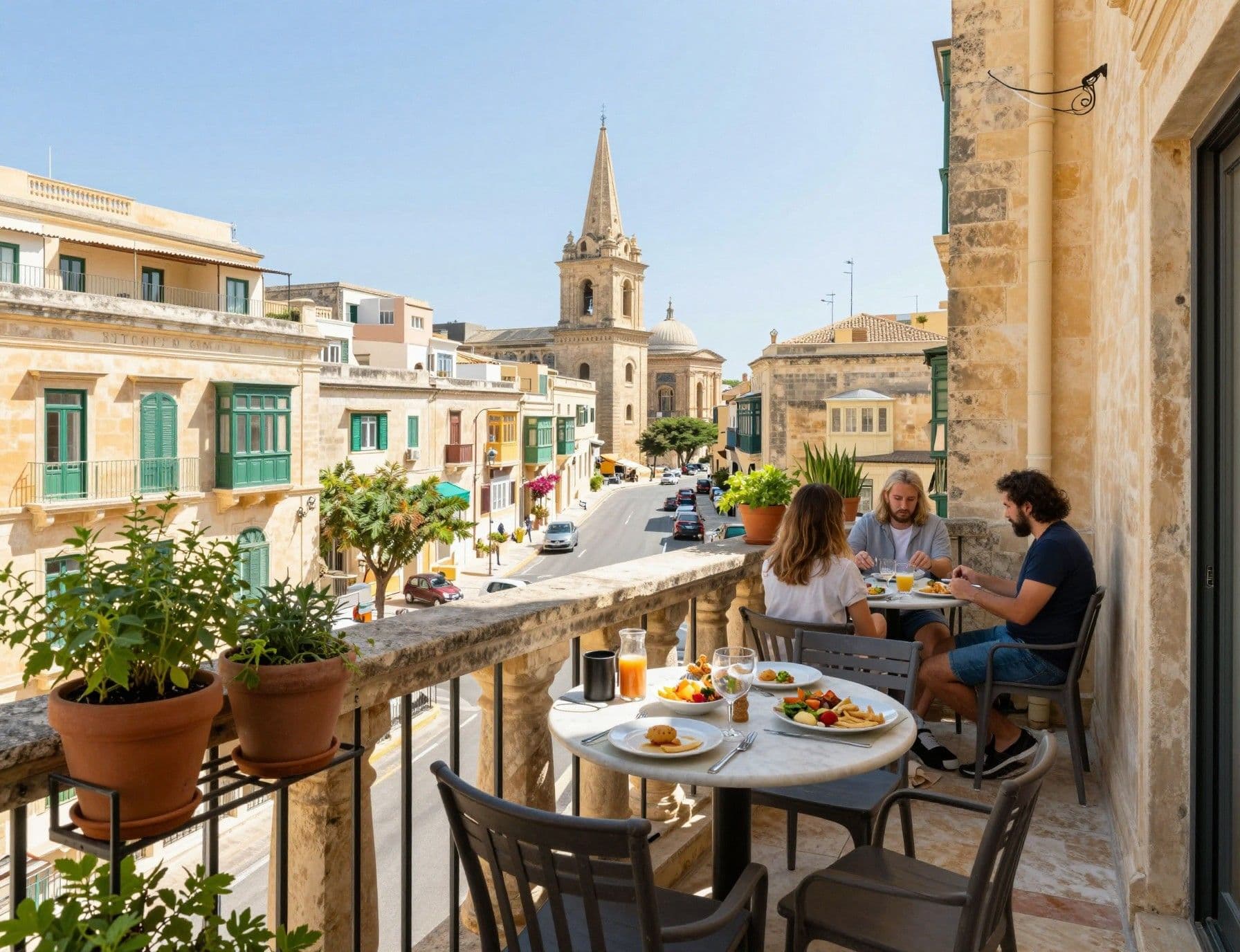
Turning a love for Malta into a purchase means mapping lifestyle priorities to market realities: transaction volumes, residency rules and seasonal demand. The National Statistics Office shows monthly sales remain active year‑round, but shoulder seasons reveal less competitive bidding and clearer access to agents and contractors. Residency programmes require qualifying property conditions or rental commitments—a practical detail that influences whether you should rent first or buy immediately. Understanding these constraints lets you preserve the lifestyle you came for while avoiding rushed decisions.
Property types and the life they enable
Apartment living in Sliema or Gzira suits buyers who prize walkability and seaside cafés; expect smaller square metres but easy rental demand. Maisonettes and townhouses in older villages offer terraces and family spaces—they suit those after slow evenings and community ties. Villas on Gozo or north coast suburbs deliver gardens and privacy for full‑time relocation. Match the property’s spatial logic to your day: do you want morning swims before work, or an afternoon market stroll with neighbours?
Working with local experts who know where life happens
- Good agents do more than show properties: they map schools, weekday noise patterns, and permit timelines. They will advise on whether a property qualifies for residency programmes and connect you with reliable surveyors. Expect to work with a local notary and agents who can translate customary seller language into practical terms—this saves negotiation time and protects the lifestyle you expect. Ask prospective agents for specific examples of recent transactions in the exact street you like, not just the town.
- Arrange an off‑peak visit (1) schedule neighbourhood walks at different times of day (2) meet expat groups and local café owners (3) request a full breakdown of recent sales on your target street (4) confirm property eligibility for residency programmes before making offers.
Insider knowledge: what expats wish they'd known
Experienced buyers tell a common story: the postcard view is memorable, but day‑to‑day quirks determine happiness. Summers bring crowds and short‑let income, but shoulder seasons reveal quieter streets, easier negotiation and clearer maintenance timelines. Local supply constraints have pushed prices up in recent years, increasing the value of patience and local insight when you make an offer. Transparency varies between agencies, so expect to ask for transaction paperwork and recent utility bills to avoid surprises.
Cultural integration and everyday practicalities
English and Maltese mingle in shops, while neighbours still value face‑to‑face introductions. Registering with local services and learning a few Maltese phrases bonds you faster than formal networking. For families, school options range from international to church‑run state schools—location drives the daily school run and social networks. Plan for seasonal shifts: storms and high winds are more likely in winter, so check drainage and roof condition before committing.
Long‑term lifestyle: where Malta evolves next
Infrastructure investment and new residential permits suggest continued pressure on supply, especially in central districts. That makes neighbourhood choice critical: areas with planned amenities or conservation protections often preserve long‑term character and value. If you want a sustained local life rather than a seasonal investment, prioritise community fabric—markets, clubs and small businesses—over immediate yield.
- Red flags to watch: unclear title or missing permits; inconsistent utility bills; unusually high short‑let occupancy claims; agents unwilling to share recent sale documents; roof or drainage issues revealed in winter storms.
Conclusion: Malta rewards patience and local knowledge. Visit in shoulder months, live the daily rhythms, and let lifestyle priorities direct the type of property you buy. Work with agents who explain residency rules, show exact street histories and connect you with trusted surveyors. Do that and Malta quietly becomes not just a holiday, but a neighbourhood you belong to.
Dutch investment strategist with a Portugal-Spain portfolio. Expert in cross-border financing, rights, and streamlined due diligence for international buyers.