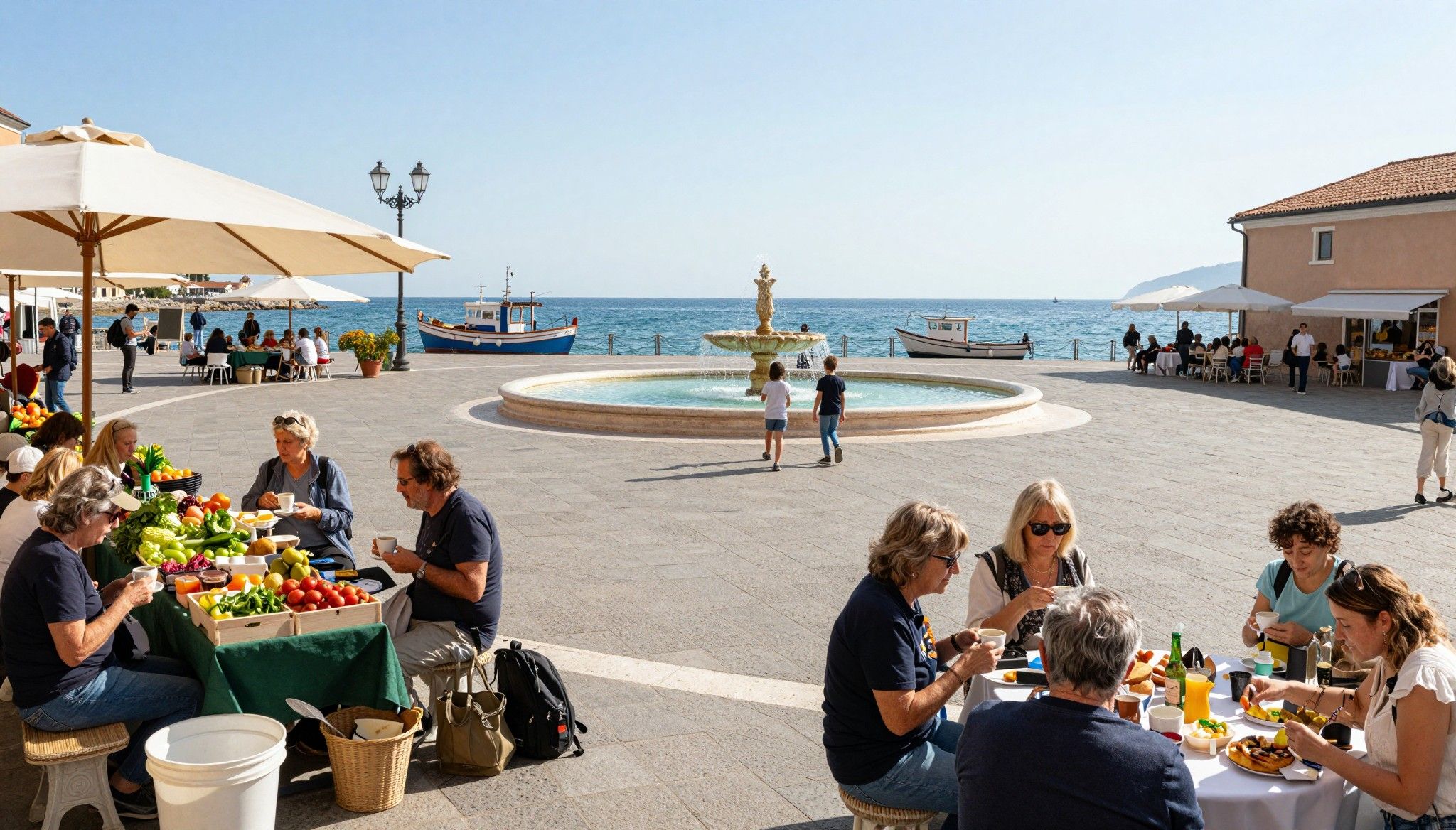
Summer House‑Hunting in France: The Seasonal Illusion
Summer viewings in France can mislead buyers: tourist demand and staged markets hide true year‑round value. Visit off‑peak and use notarial data to decide.
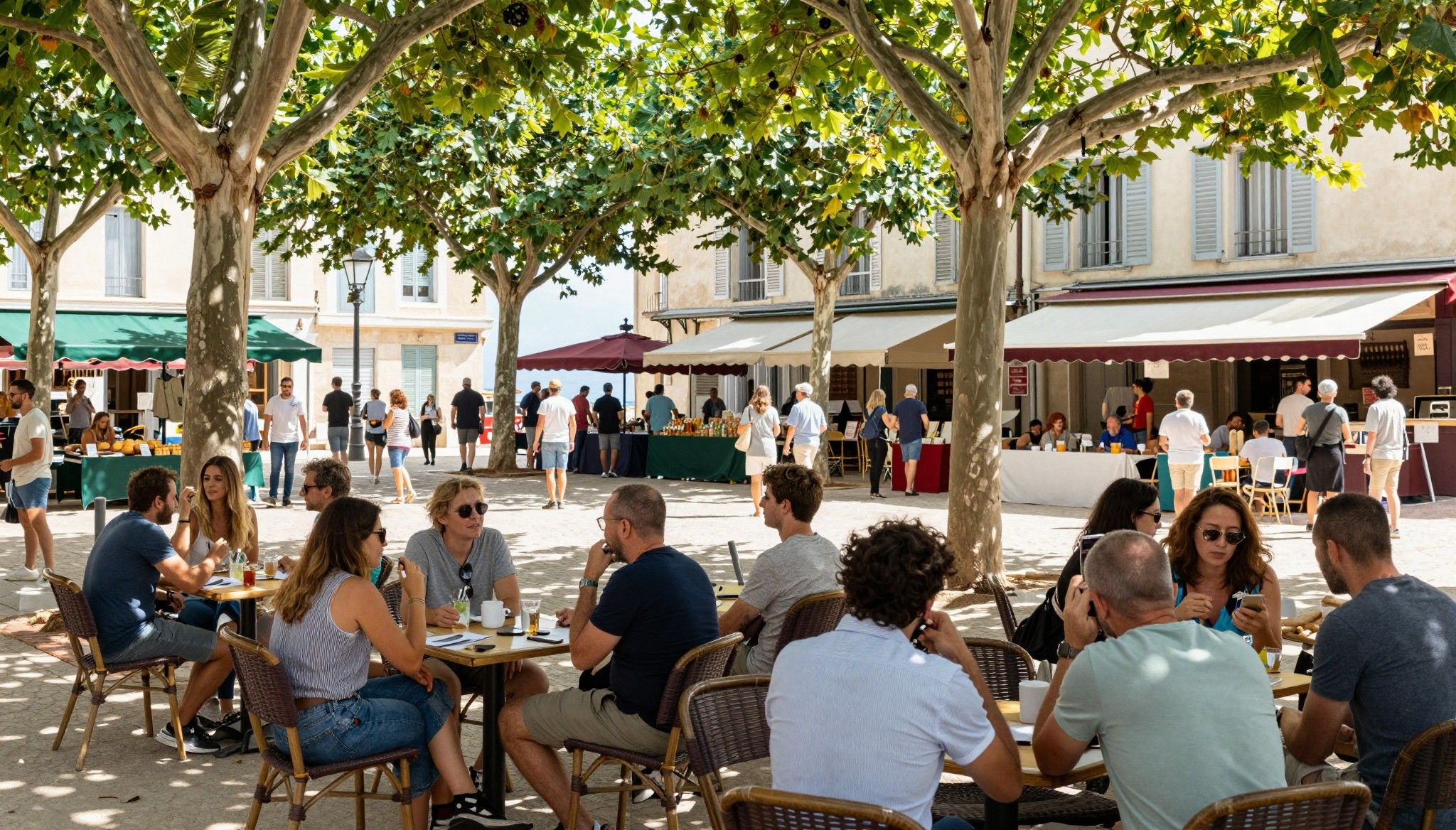
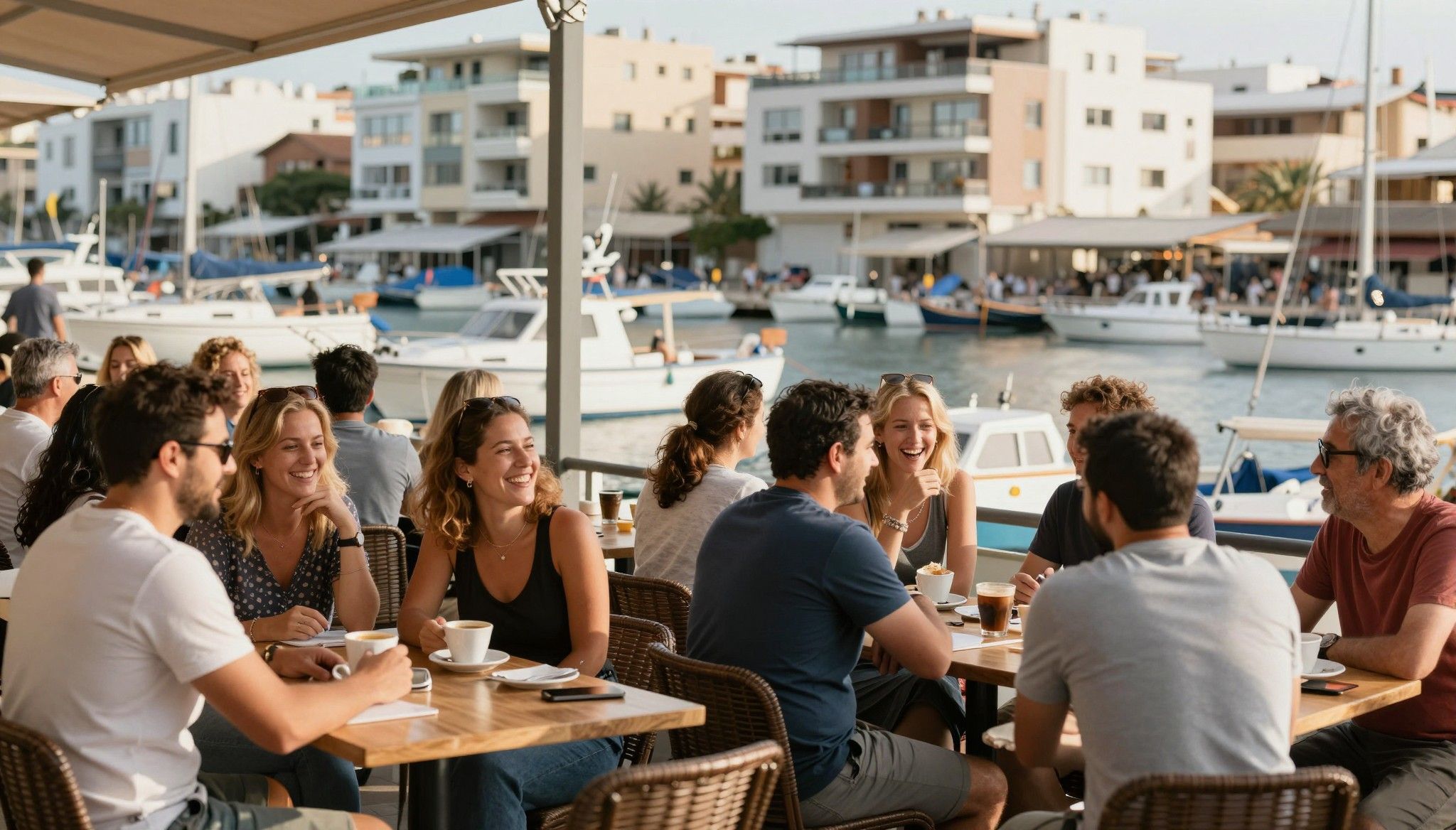
Imagine stepping out at 09:30 on a June morning in Aix‑en‑Provence: warm stone, a market spilling figs and lavender, and a local café terrace where conversations move at the pace of espresso. Summer in France feels cinematic — long lunches, seaside promenades on the Côte d'Azur, and lively marchés where you can taste place before you sign anything. That same summer spectacle, however, hides important market distortions: tourist rental demand, inflated asking prices, and thin weekday inventory that can mislead international buyers about true value. This guide explains why buying in peak season can create illusions — and how to read the real signals beneath the surface.
Living the French life, as it actually is
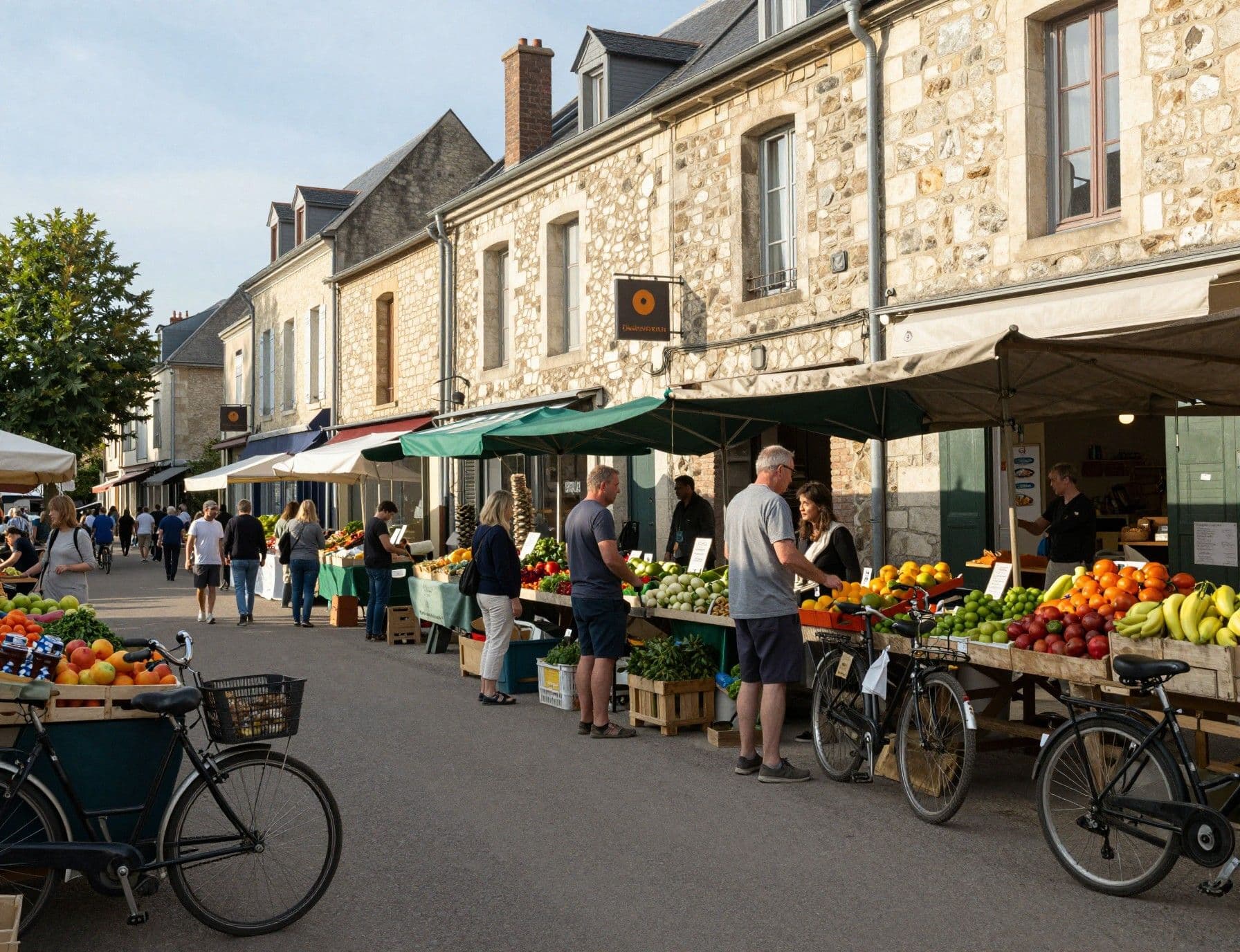
France moves at several rhythms at once: the commuter tempo of Paris, the market mornings in Lyon, the slow coastal days of Biarritz, and the harvest-driven pulses of Bordeaux. Daily life is sensory — boulangeries scent the street at dawn, municipal parks fill with pétanque players at dusk, and weekly marchés set the tone for the weekend. For an international buyer, imagining life here is the first step; matching that dream to the right micro‑market is the second. Look beyond postcards: neighbourhood rhythm, proximity to services, and seasonal population swings determine whether a property truly fits your life.
Neighbourhoods that reveal the real France
Walk a single street in any French city and you’ll see a hierarchy of life: morning cafés, mixed‑use façades, and residents who know one another by name. In Marseille, Le Panier offers narrow lanes and artisanal workshops; in Nantes, Île de Nantes mixes modern developments with riverside life; in Nice, Gambetta combines everyday errands with easy tram links to the Promenade. These are the neighbourhoods where locals buy, not the tourist squares. For buyers, success comes from spending time in these rhythms — mornings, evenings, weekday markets — not only weekend high season.
Food, markets and the calendar that shapes daily life
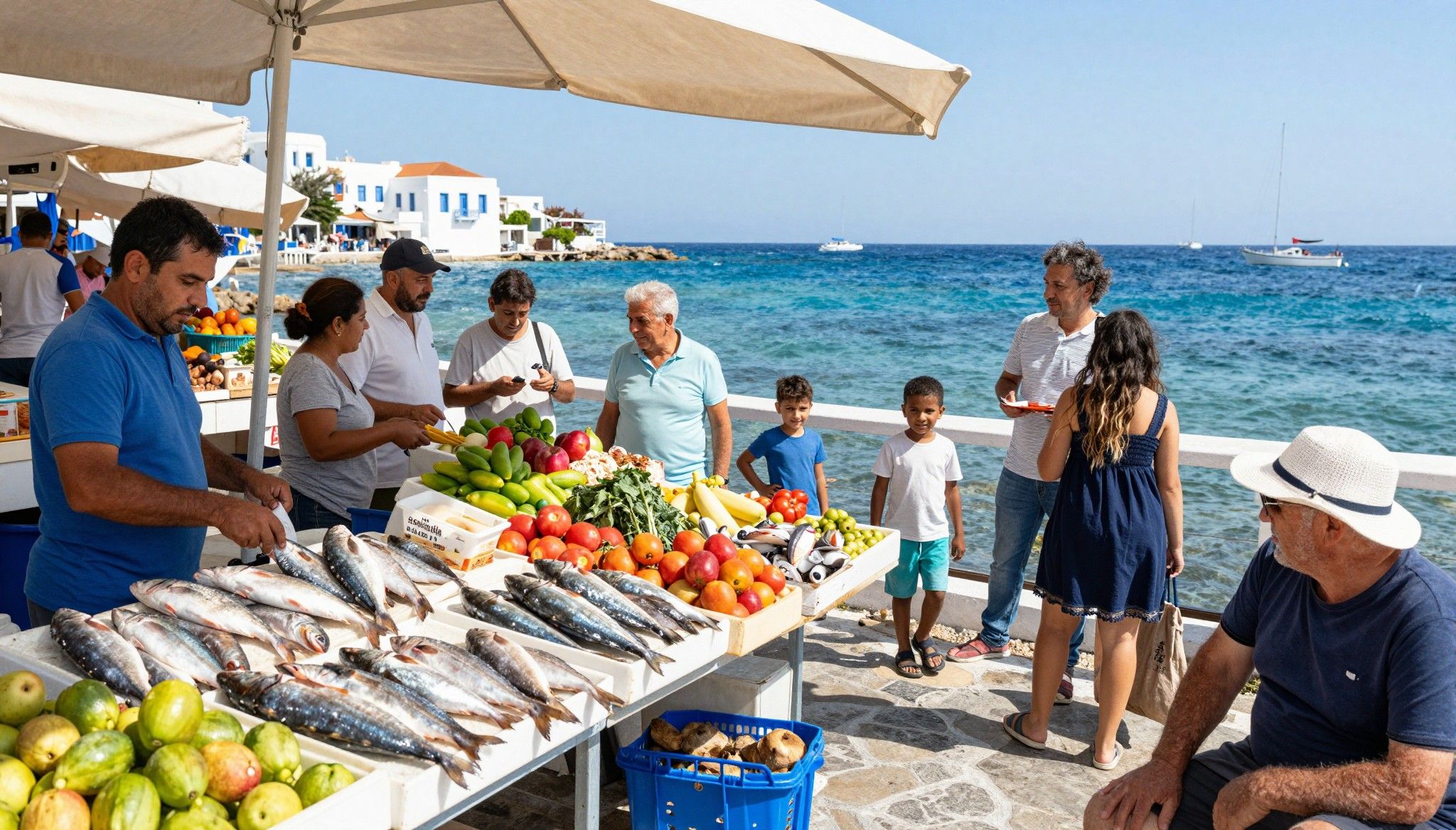
A French lifestyle plan begins at the market: think rue Cler in Paris for neighbourhood cheese and flowers, Cours Saleya in Nice for seasonal produce, or the covered Marché des Capucins in Bordeaux for oyster sellers. Seasonal festivals — the truffle markets of Périgord in winter, the Fête de la Musique in June — dramatically change neighbourhood footfall and short‑term rental demand. Those rhythms affect supply: developers schedule launches to match demand windows, and owners adjust asking prices by season. If you want authentic life, prioritize off‑peak visits to feel how a place behaves when tourists leave.
- Lifestyle highlights to look for on the ground
- Weekly market within a five‑minute walk (fresh food daily, social life)
- Local boulangerie open before 07:30 and a weekday café crowd
- Transport options: tram or regional train under 20 minutes to major centres
- Year‑round services (medical, schools, municipal life) rather than tourism‑only amenities
Making the move: market truths beneath summer gloss
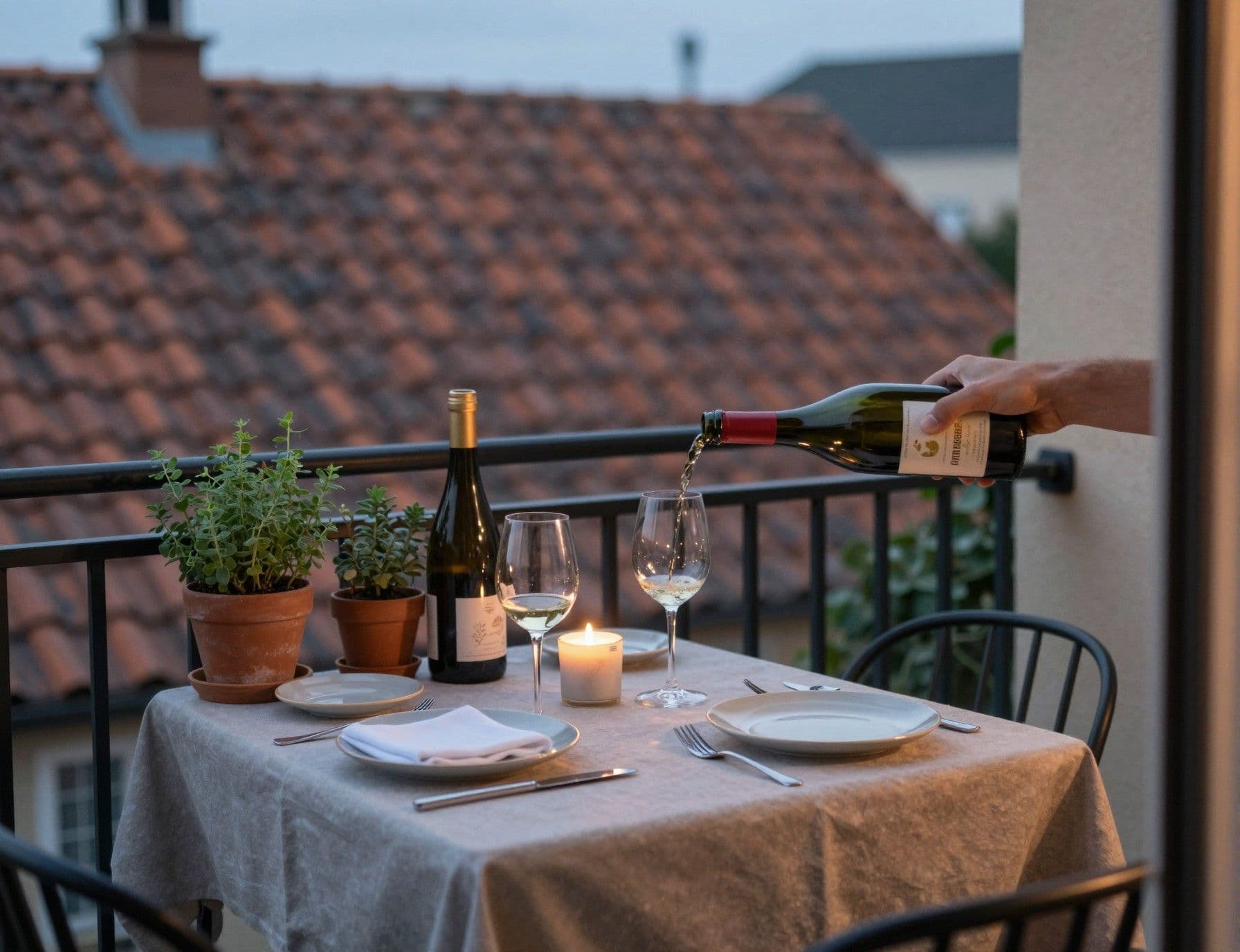
Data from INSEE and notaries shows that headline prices and transaction volumes can appear unusually active in certain quarters, while real median prices and long‑term trends tell a steadier story. For example, national indices recorded near‑flat to slight recovery movements across 2024–2025, but regional divergence was strong: Paris dynamics differed from western and southern cities. International buyers who base decisions solely on summer viewings risk paying for temporary demand spikes or paying a premium for staged properties. Use official indices and notarial reports to triangulate what you see in person.
Property styles and what they mean for daily life
From Haussmannian apartments in Paris to stone mas in Provence and contemporary coastal villas, the property type sets lifestyle and maintenance expectations. New developments (résidences neuves) offer warranties and lower immediate renovation needs but can sit in peripheral zones that lack street‑level life. Older properties deliver character and centrality, but often require structural, insulation, or electrical upgrades. When you view in summer, check insulation, north‑facing rooms and garden shade to understand year‑round comfort, not just summer appeal.
Working with local experts to see through the season
A local agent who knows off‑season indicators — average days on market, typical rental seasonality, and permit timelines — becomes indispensable. Developers often time launch events for summer audiences; an expert can show you earlier comparable launches and resale performance over multiple seasons. Ask for anonymised dossiers: past sales in the micro‑neighbourhood (last 12–36 months), rental occupancy across seasons, and recent renovation permits. These datasets separate summer theatre from consistent value.
- Steps to see past the summer illusion
- Visit outside peak months (March–May or October–November) to feel weekday life and true neighbour profiles.
- Request notarial sales history for the street and developer completion records to compare asking vs achieved prices.
- Check short‑term rental listings for the same property across an entire year to estimate seasonal income vs. year‑round demand.
- Inspect building fabric and insulation — a south‑facing terrace is lovely in July but a poorly insulated wall costs in winter heating.
Insider knowledge: what expats wish they’d known
Expat experience repeatedly shows a few avoidable mistakes: buying near tourist hot spots without checking off‑season life, underappreciating service access (doctor, groceries, school), and over‑estimating tourist rental income. Many buyers also underestimate ongoing maintenance of older French buildings — stairwell painting, syndic charges, and façade work are regular expenses in historic cores. Talk to neighbours, visit municipal websites for planned works, and ask the notaire to flag upcoming co‑ownership (copropriété) projects.
Cultural and community cues that affect daily life
Language matters: even a basic level of French unlocks markets, local tradespeople, and friend circles. Municipal calendars define the heartbeat of a town — closing days, market schedules, and school holidays that shift traffic and service availability. Neighbourhood cafés and associations are where you learn the unspoken rules: recycling days, delivery windows, and who to call for a trusted plumber. Embrace these cues before committing; they shape the lived experience more than square metres.
Long‑term lifestyle signals worth tracking
Look for public investment: new tramlines, school refurbishments, and hospital upgrades change desirability over a decade. Also monitor demographic changes — growing expat communities or remote‑worker clusters point to rising amenity demand and potential price resilience. Developers planning phased projects with onsite amenities can increase convenience but sometimes price a premium that softens after completion. Consider whether you want to buy into growth or buy to live the life that already exists.
- Red flags to spot during a summer viewing
- Mostly short‑term rental listings for the same property across multiple platforms (indicates investor turnover).
- A stitched‑together staging job: rented furniture, removable decor, and aggressive scenting — masks real condition.
- Sparse weekday pedestrian life (shops closed midweek) — a sign of tourism economy rather than resident community.
Conclusion: Fall in love, then verify with data and off‑season visits. France offers a layered, enlivening life — from market mornings to vineyard weekends — but the best property choices come from seeing a place in more than one season, reviewing notarial sales data, and working with agents who provide off‑market context. If summer showed you the romance, let winter and spring show you the reality: schedule an off‑peak visit, request transaction histories from your agent, and ask for a simple dossier comparing asking prices to recent notarial sales. That combination turns a holiday crush into a grounded, sustainable home purchase.
Norwegian market analyst who relocated to Mallorca in 2020. Focuses on data-driven market insights and smooth relocation for international buyers.