Cyprus: Life‑First Signals That Shape Smart Buys
Fall for Cyprus’s everyday life — then align that life with data: regional price trends, supply signals and street-level cues to buy wisely.
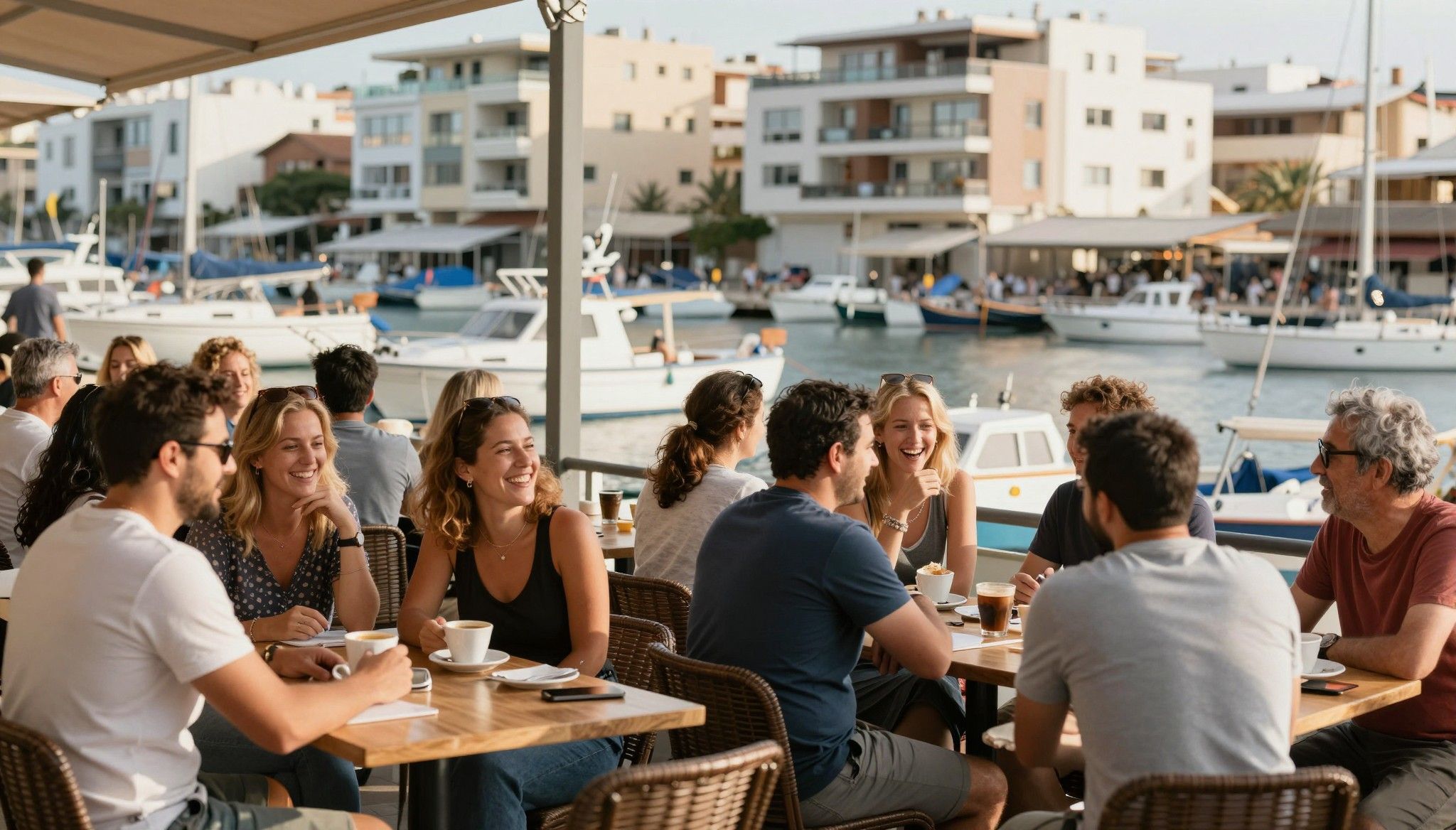
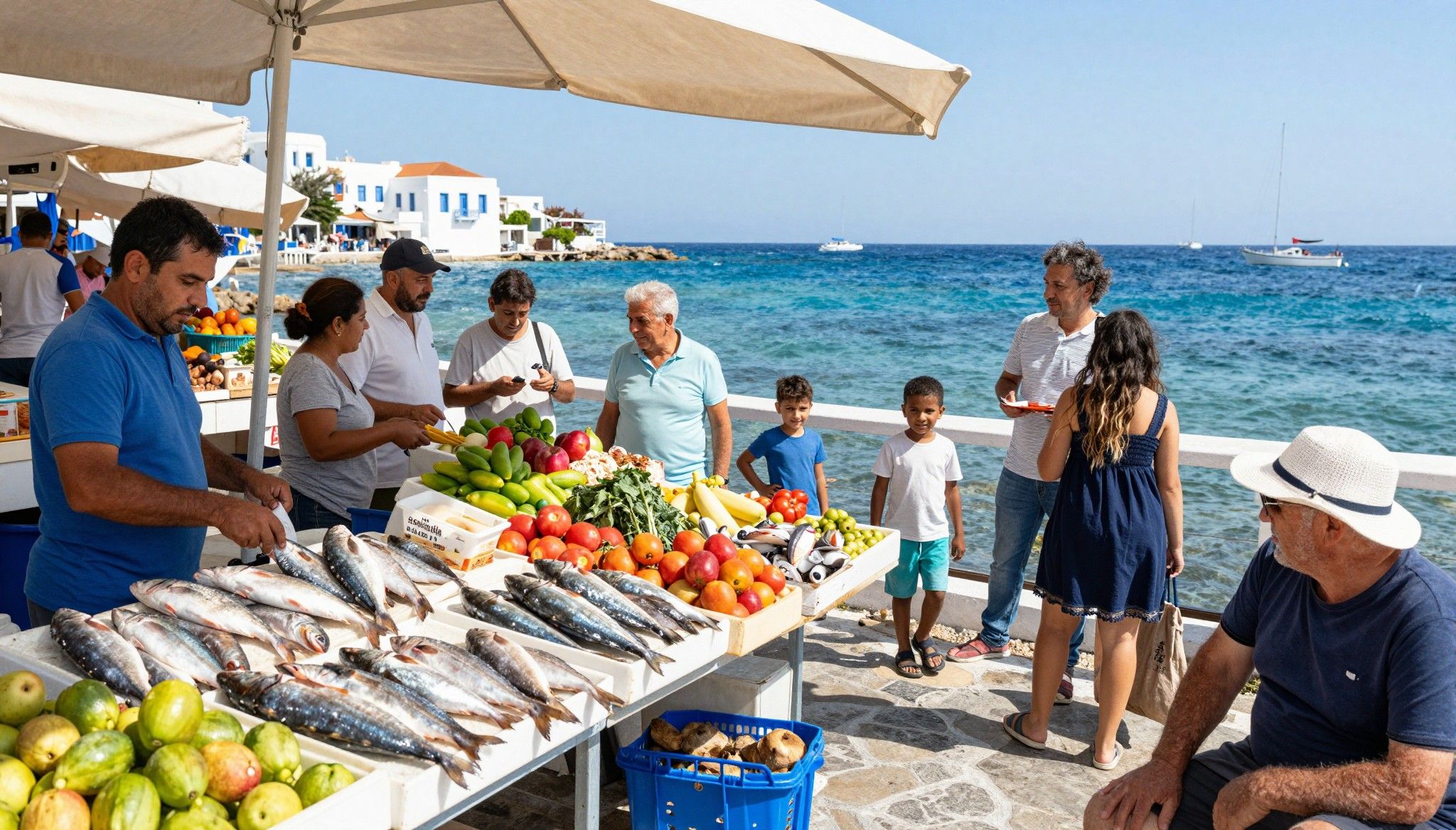
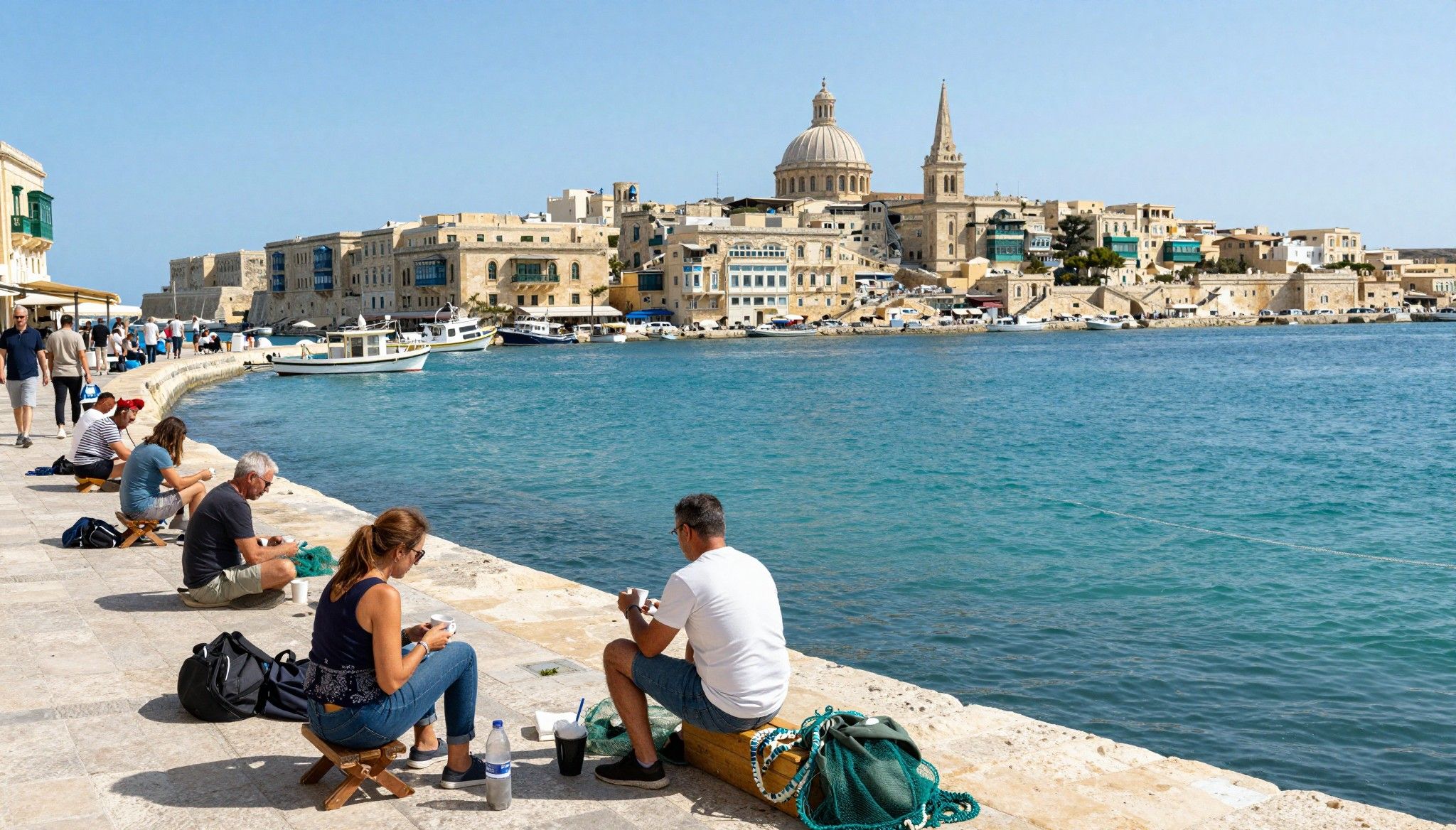
Imagine starting the day with an espresso on Limassol’s Mill Street, then walking five minutes to a beach where children still collect shells and neighbours swap produce from their terraces. Cyprus feels like compressed Mediterranean life: bright mornings, slow lunches, and compact towns where the sea, history and modern development overlap. That sensory life is why buyers come; the trick is matching that lifestyle to the neighbourhood and the market signals beneath the surface. Recent official data show the island’s housing market is active and evolving — understanding those signals separates a joyful move from a costly surprise.
Living Cyprus: daily rhythms and neighbourhood characters
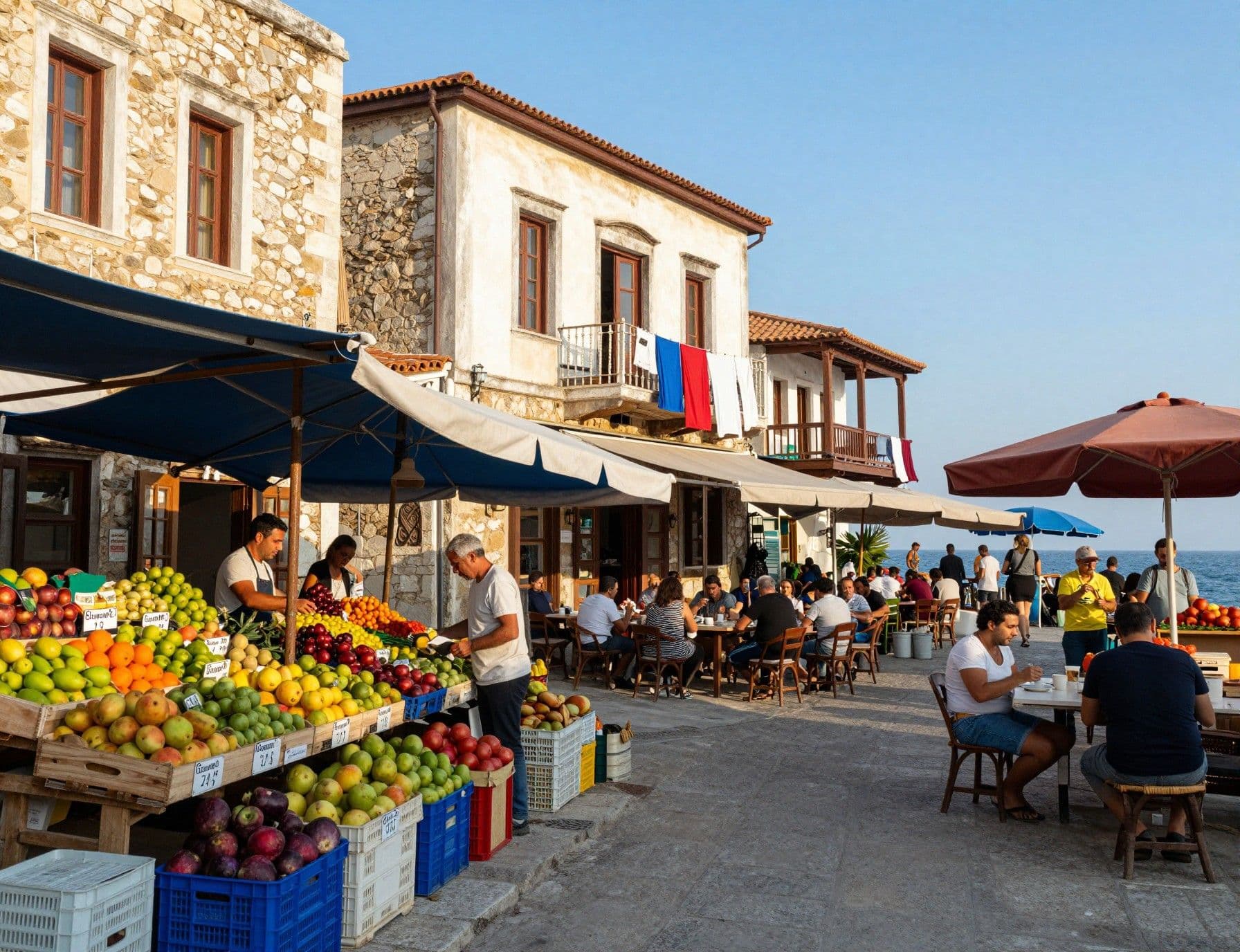
Cyprus’s pace changes with the seasons: coastal towns hum from April to October while mountain villages slow into a quieter, convivial winter. Holiday traffic remains important — the UK, Israel and Poland were top visitor markets in 2024 — but many expats live to a different calendar: morning markets, late cafés and weekend hikes in Troodos. Think in neighbourhoods, not whole cities; Limassol’s marina life differs from the compact, family-oriented suburbs of Larnaca, and Paphos mixes archaeology with increasing residential development. Lifestyle choices map closely to property types: a narrow historic flat suits courtyard living, while modern developments offer terraces and pools for outdoor life.
Limassol: cosmopolitan edge and sea-touch living
Limassol is where business, nightlife and beaches collide. Walk from Agios Tychonas to the Old Port and you’ll pass contemporary apartments, family restaurants and small grocers selling halloumi and local honey. Expats prize proximity to international schools and the city’s new developments around the marina, which deliver modern finishes and facilities — but often at a premium. For lifestyle-minded buyers, evaluate whether you want daily seaside promenades or the quieter residential pockets inland; the latter can deliver lower price per square metre while preserving access to the sea.
Larnaca & Paphos: slower rhythms and value angles
Larnaca’s compact marina and Paphos’s archaeological seafront offer different versions of coastal life: Larnaca feels residential with emerging cafés, while Paphos combines tourism pockets and quieter neighbourhoods inland. Recent market snapshots show new-build prices rising in parts of the island, but some coastal pockets still offer relative value versus Limassol. If you want community rituals — morning coffee at Zanettos in Larnaca or the Saturday market in Paphos — focus your search on streets where locals actually live year-round, not just on the tourist strip.
- Morning espresso at Zanettos (Larnaca); paddleboarding from Lady’s Mile; Troodos weekend hikes; Limassol marina strolls; Paphos Old Town tavernas; local farmers’ markets on Sundays.
Making the move: lifestyle‑first, market‑smart choices
Dreams should meet data. The Central Bank of Cyprus reports continued residential price increases through 2025, with regional differences in momentum across Limassol, Larnaca and Paphos. That means offer strategy, timing and product type matter: buying a new seafront apartment in Limassol follows a different playbook to a renovated townhouse in Paphos. Work backwards from the life you want — daily routines, proximity to healthcare or schools, and outdoor space — then overlay market indicators to prioritise targets.
Property types that fit how you’ll live
Modern developments with pools and concierge suit buyers who want low-maintenance outdoor life and rental potential; character townhouses in Old Paphos suit those after tight-knit street life and a garden patch. Apartment living is practical in Limassol and Larnaca, where proximity to services matters; detached houses are more common inland or in the hills for buyers prioritising privacy and land. Don’t buy features you won’t use — a large pool is a liability if you travel half the year; a small terrace with sun for morning coffee might matter more.
How local experts turn lifestyle into listings
A good local agent scopes streets, not just listings. They’ll tell you which cafes close in winter, where building permits are being issued, and which developments offer realistic maintenance estimates. Seek agents who provide dossier-style market briefs: recent sales, supply pipeline and management company reviews. That street-level knowledge helps you avoid cosmetic traps — a renovated seafront flat may look turnkey but carry disproportionate service charges and seasonal rental volatility.
- Define your life first (daily routines, must-haves); shortlist neighbourhoods that match those routines; request recent sales dossiers and service-charge histories; visit in shoulder months (March/April or October) to see year-round life; engage a solicitor and an agent with documented local performance.
Insider knowledge: what expats wish they’d known
Common surprises are cultural and seasonal: local shops shut earlier than buyers expect, summer noise concentrates in short bursts, and supply for renovations can be limited in smaller towns. Mortgage availability improved through 2025 as lending picked up, but expats should still bring clear proof of income and be conservative in leverage assumptions. Many long-term residents say the best move was prioritising neighbourhood communities — a friendly next-door neighbour and a local bakery matter more than a bigger terrace in the longer run.
Language, integration and daily life
English is widely used in business and services, which shortens the adjustment curve for many buyers. Still, learning basic Greek phrases improves street-level interactions and access to local networks. Participate in community events — tavern nights, church festivals, or seaside clean-ups — and you’ll quickly discover which streets truly feel like home. Social life in Cyprus is neighbourhood-based: invest time in local rituals and you gain both friends and better information about the area’s informal rules.
Long-term lifestyle sustainability and resale thinking
When planning for ten years, consider local infrastructure projects and tourism trends that shape demand. Limassol’s luxury pipeline supports rental markets but also compresses resale windows; smaller towns may see steadier, slower appreciation tied to local quality of life. Request documented forecasts and a conservative rental-yield scenario from your agent, and test resale appetite by asking agencies for comparable exits over the last 36 months. Pragmatic buyers balance the life they’ll live today with what future buyers will pay.
- Visit in shoulder seasons; prioritise street-level visits; validate service charges and maintenance history; ask for 36-month comparable sales; check local planning applications for nearby developments.
Cyprus is an island of contrasts — ancient ruins sit beside new marinas, village life coexists with expat enclaves, and seasonal tourists briefly change the tempo of everyday streets. If you anchor your search in the life you want and let verified market data guide the timing, you’ll more often end up in a home that feels both right and resilient. The next step is simple: shortlist two neighbourhoods that match your daily life, request dossier-level recent sales and service-charge records, and visit during a shoulder month to see how the place breathes off-season.
Dutch investment strategist with a Portugal-Spain portfolio. Expert in cross-border financing, rights, and streamlined due diligence for international buyers.