Why Summer House‑Hunting in Greece Misleads Buyers
Why summer viewings in Greece often mislead buyers: learn to buy for year‑round rhythm, not seasonal postcards, using market data and neighbourhood tempo.
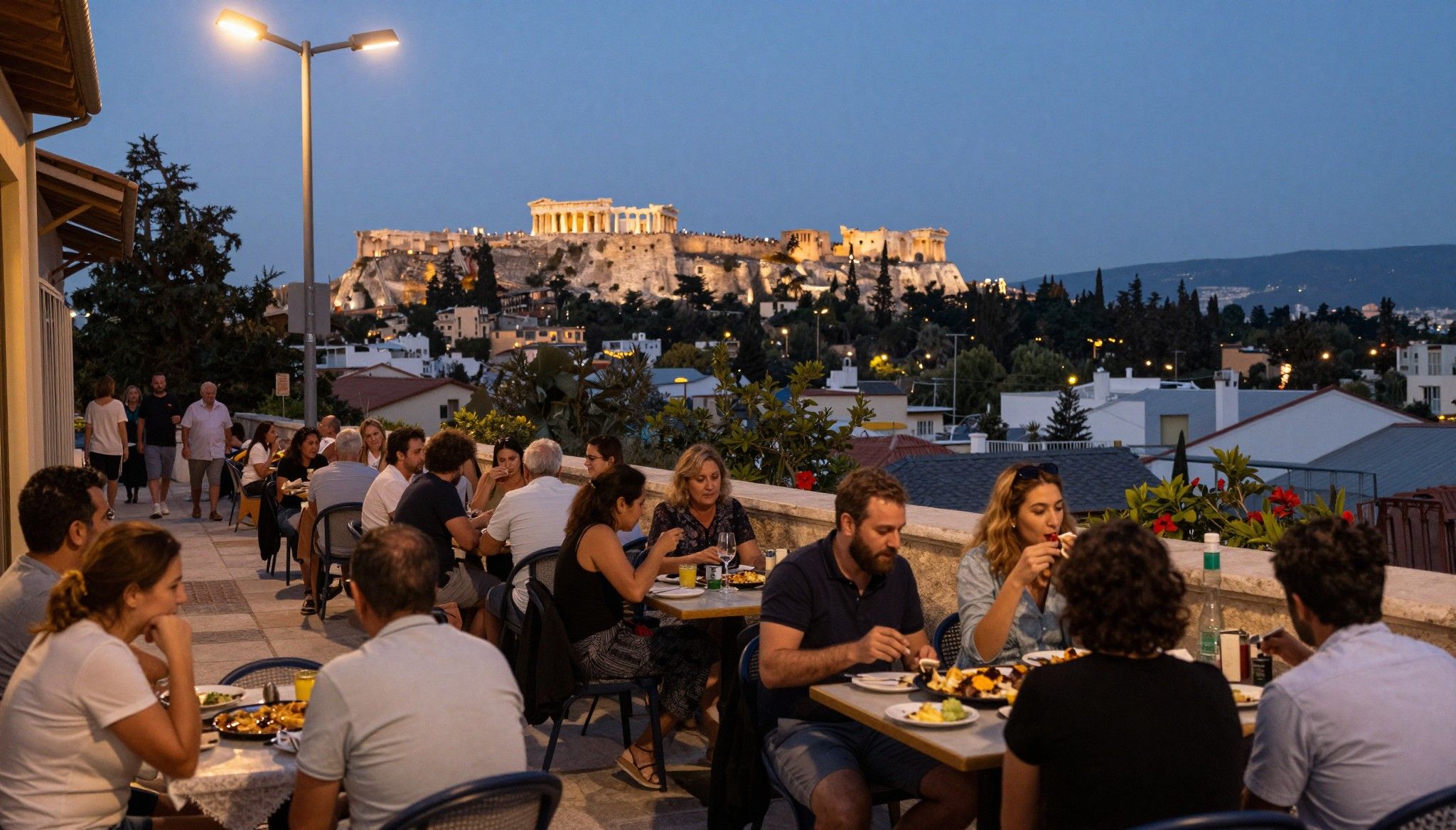
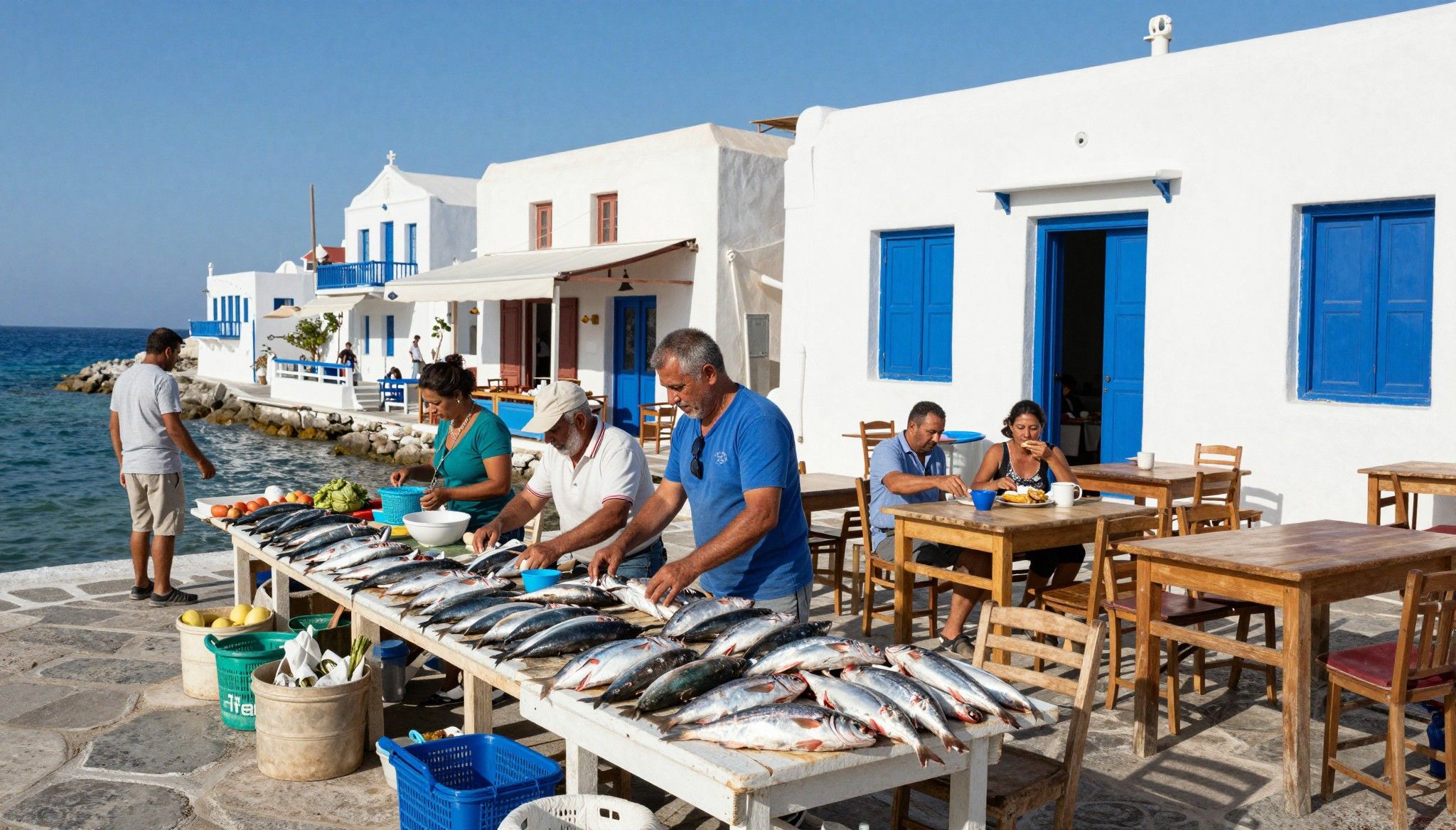
Imagine stepping out at 08:30 to grab an espresso on Dionysiou Areopagitou, the Acropolis an unfolded postcard above you, while fishermen return to the Plaka quays with the catch of the morning. Greece is lived in layers — sunlit terraces, late-night tavernas, neighbourhood bakeries that fill the air with warm phyllo — and those everyday scenes shape where you should buy. But a single, tourist-soaked summer weekend can trick even seasoned buyers about what life and liquidity look like year-round. This piece flips the usual holiday-romance pitch: it explains why peak-season viewings misrepresent both lifestyle rhythms and market realities, and how to buy with the real Greece in mind.
Living the Greek Rhythm: More Than Sun and Sea

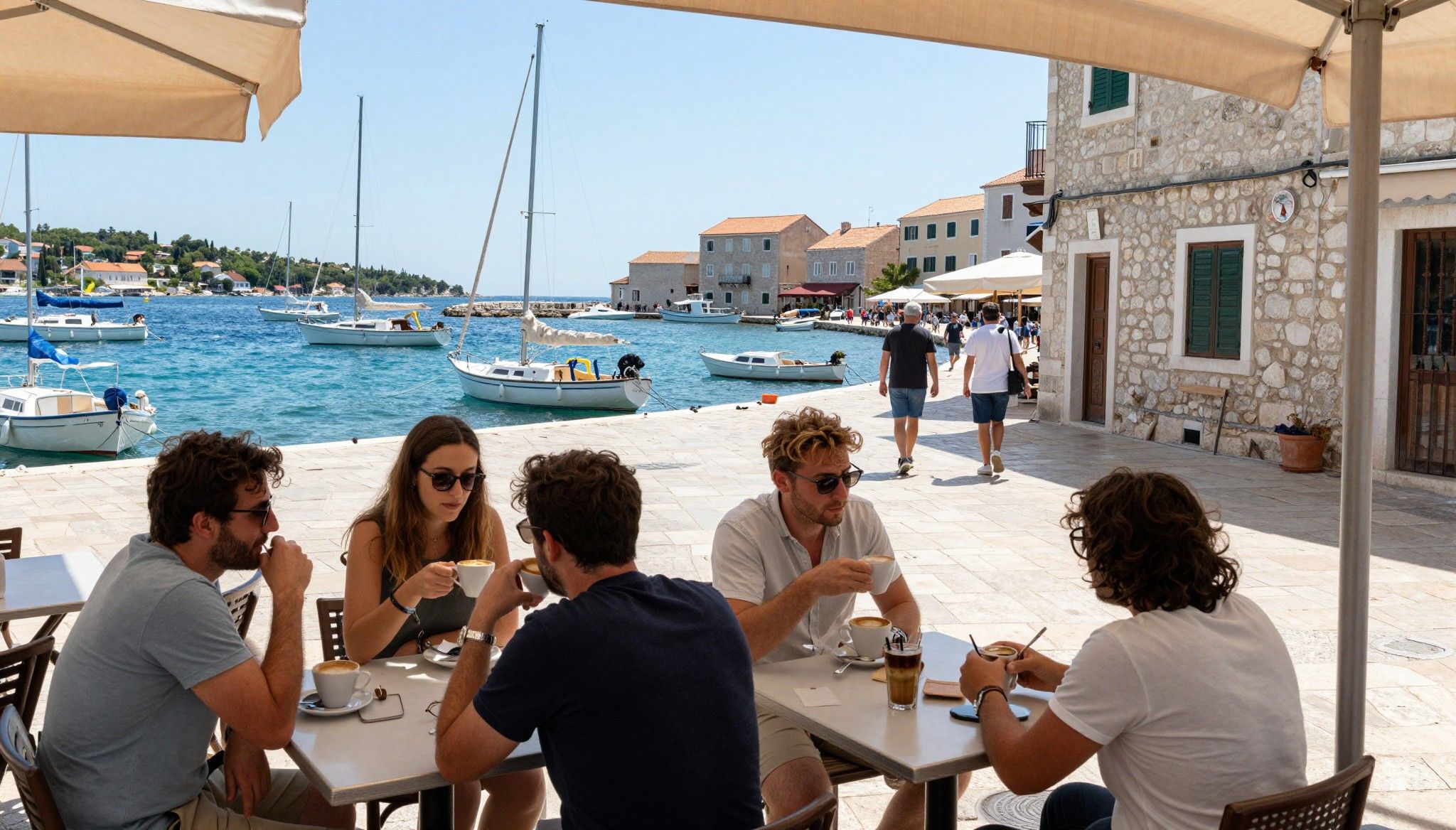
Days here follow a distinct cadence: mornings for errands and coffee, long midday pauses, then evenings that stretch into conversation and food. Athens neighbourhoods like Koukaki and Mets feel intimate — narrow streets, local markets and independent cafes — while islands such as Paros and Naxos trade nightlife for village squares and almost automatic neighbourliness. For buyers, choosing between an island village and an urban quarter is choosing a tempo: one offers slow seasonal community, the other offers year-round services and rental liquidity.
Athenian Neighbourhoods: Where City Life Breathes
Walk through Psyrri on a Tuesday and you’ll see cafes full of remote workers, bakeries filling crates with koulouri, and artisans opening late. Koukaki offers a calmer alternative: tree-lined streets, weekend produce markets on Veikou, and easier access to schools and medical services — factors that matter if you plan to live in Greece longer than the tourist-season romance. These neighbourhood traits translate directly into property considerations: proximity to services, public transport nodes, and the small conveniences that sustain daily life.
Island Life: Seasonal Magic, Year-Round Trade-offs
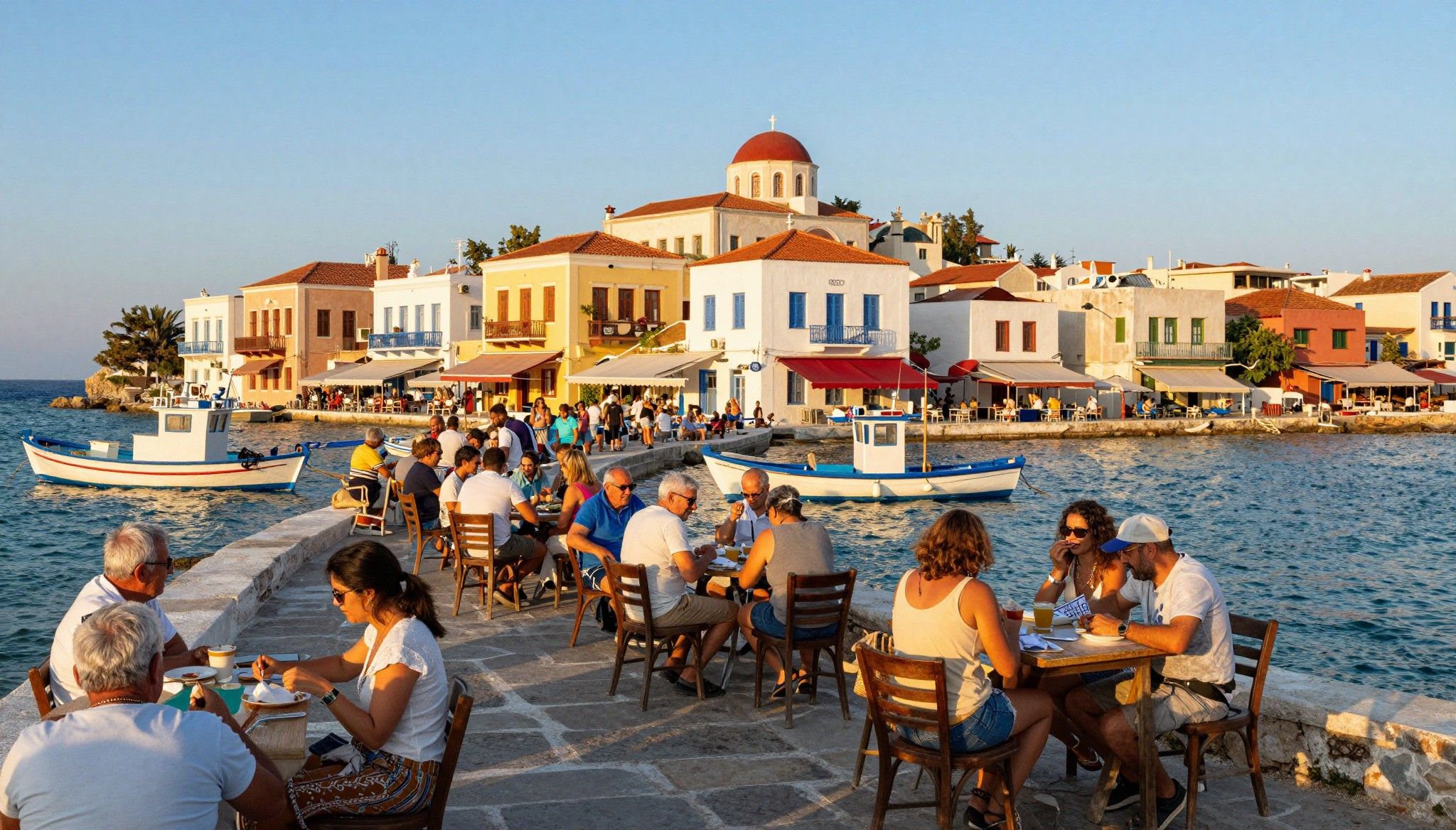
Islands like Paros, Syros and Kefalonia are seductive in July: whitewashed alleys, boat-filled harbours and ouzo-soaked evenings. But off-season the same islands can feel quiet — ferry schedules thin, shops close, and a property’s short-term rental yield can drop sharply. For buyers seeking both lifestyle and liquidity, understanding seasonal occupancy curves and transport timetables is as important as sea views.
- Lifestyle highlights to scout beyond the postcard: Koukaki’s neighbourhood cafes; Akadimia’s bookshops and student energy; Naoussa (Paros) for tavernas and windsurfing; Kolonaki’s boutique galleries; Vouliagmeni’s sheltered beaches and marina.
Making the Move: Practical Considerations That Match the Life

Translating desire into a successful purchase means pairing lifestyle priorities with market facts. Recent official indices show continued price growth across urban areas, and central-bank analysis highlights stronger apartment demand in cities than in many islands. That means affordability and liquidity often point you toward secondary-city neighbourhoods or larger islands with year-round transport links, rather than the most Instagram-famous coves.
Property Types & How You’ll Use Them
Traditional stone houses offer character and cooler interiors in summer but usually require renovation and insulation upgrades for winter comfort. Modern apartments in Athens and Thessaloniki give straightforward access to services and rental demand, while villas near Athens’ Saronic Gulf combine fast city access with seaside living. Choose the built form that matches how you want to live — weekend escape, full-time residence or yield-driven rental.
Working with Local Experts Who Know the Rhythm
- 1. Ask agents for year-round occupancy data and typical off-season listings. 2. Request transport timetables (ferries, flights) and municipal service hours. 3. Insist on recent energy bills and insulation reports for older homes. 4. Use a local notary and solicitor versed in regional zoning and renovation permits. 5. Validate short-term rental regulations with municipal authorities before assuming high summer yields.
Insider Knowledge: What Expats Wish They’d Known
Expats often tell the same stories: they fell in love in August, bought without a winter visit, and later discovered ferry gaps, closed bakeries and a quiet January. Official reports indicate housing prices continued to rise through 2025, underscoring competition in sought-after neighbourhoods. The practical lesson: test the place in at least one off-peak season, and insist on data that reveals true year-round life.
Cultural Integration, Language and Daily Life
Learning a few common phrases opens doors: a simple ‘‘Kalimera’’ at the baker, ‘‘Efharisto’’ to your neighbour, or ‘‘Pame gia kafe’’ will be rewarded with warmth. Local social life leans on invitations and small gestures — offer to bring produce from a market or join local festivals and you’ll be quickly accepted. For families, identifying schools (international vs local) early is crucial because neighbourhood choice often hinges on access to education.
Long-Term Lifestyle and Market Durability
- Factors that help a property age well: proximity to year-round transport; access to healthcare and schools; energy-efficient upgrades; legal clarity on build and use; a local buyer market (not only tourists).
Conclusion: Fall for the life, buy the rhythm. Visit outside peak season, prioritise neighbourhood tempo over postcard moments, and work with agents who supply off-season occupancy data and municipal confirmations. When you pair Greek everyday life with up-to-date market facts — such as central-bank indices and house-price reports — you’ll find places that deliver both the Mediterranean ease you crave and prudent liquidity for the future.
Norwegian market analyst who relocated to Mallorca in 2020. Focuses on data-driven market insights and smooth relocation for international buyers.