Italy: Lifestyle-First Market Insights for Buyers
Imagine mornings in Ligurian harbours and market Saturdays in Florence — then marry that lifestyle to regional market data and practical steps for confident buying in Italy.
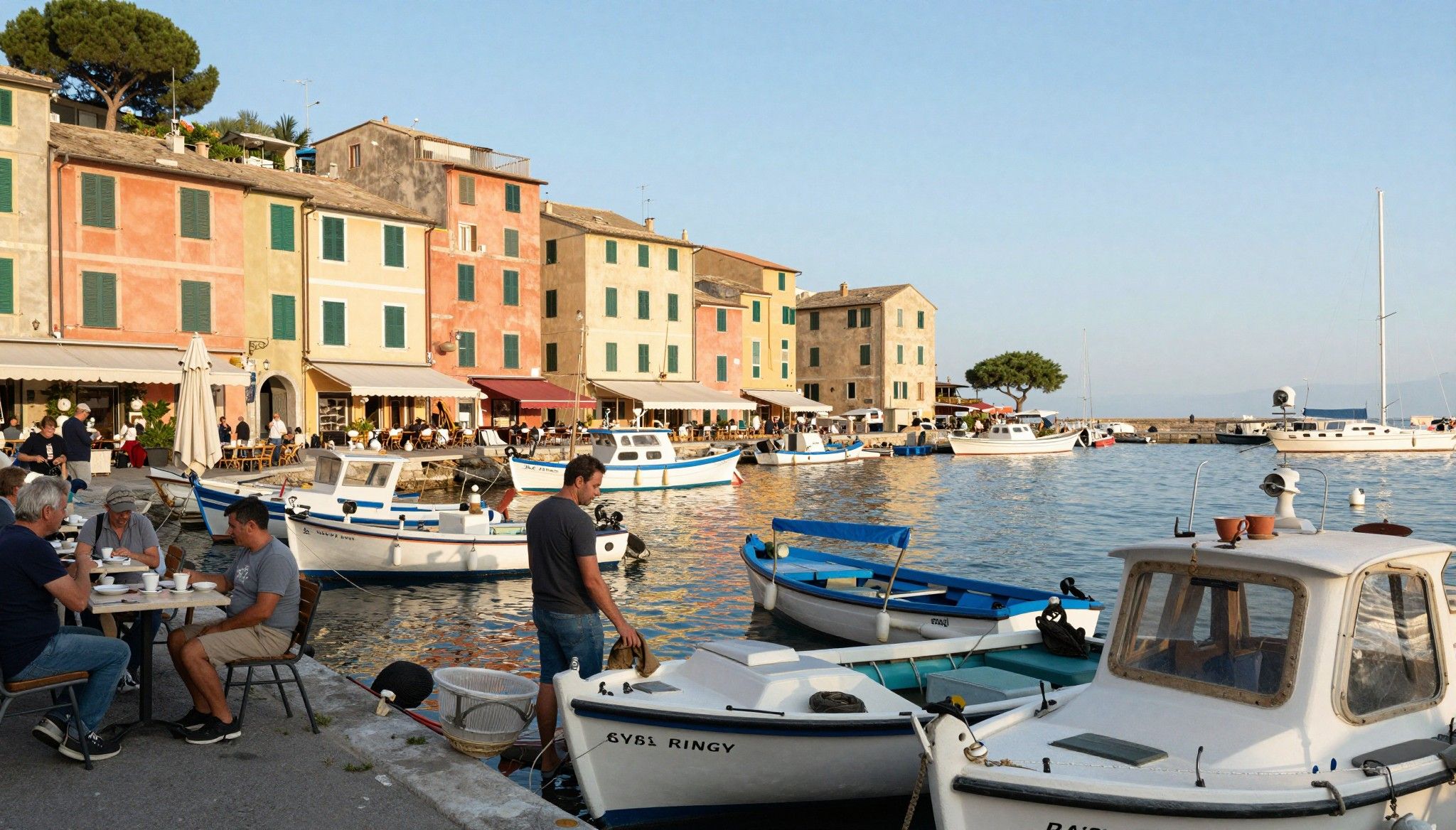
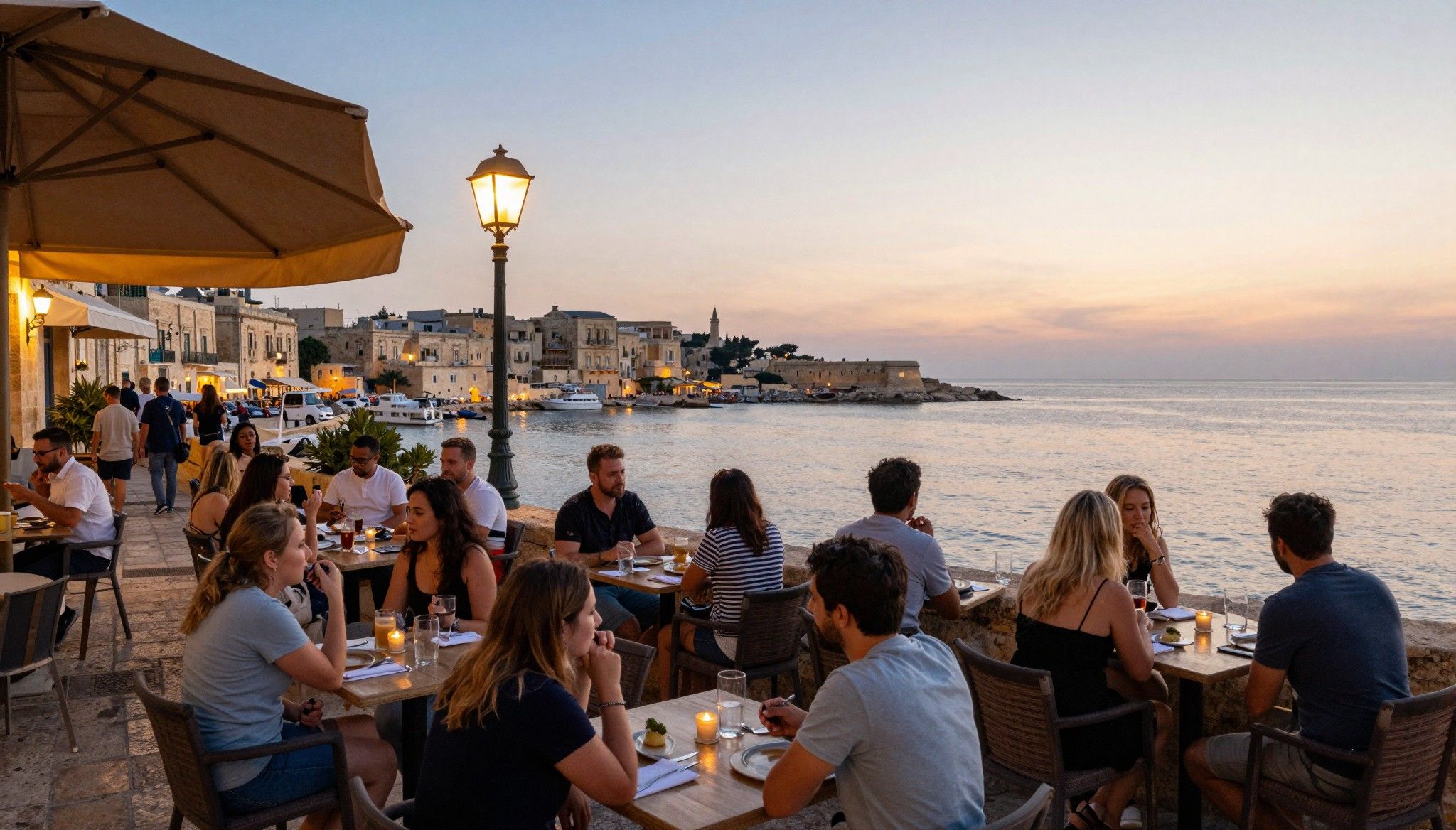
Imagine waking on a narrow Genoa street to the smell of fresh focaccia, or watching fishermen bring in the catch at a Ligurian harbour while your morning espresso cools on a stone balcony. Italy moves at many tempos: metropolitan mornings in Milan, slow coastal afternoons on the Amalfi Coast, and market-chaotic Saturdays in Palermo. For international buyers the romance is immediate — the rhythm, the food, the public squares — but the practical reality of buying is shaped by regional markets, local rules and timing. This article pairs those lived moments with recent market evidence and local tips so you can fall in love confidently.
Living the Italy lifestyle
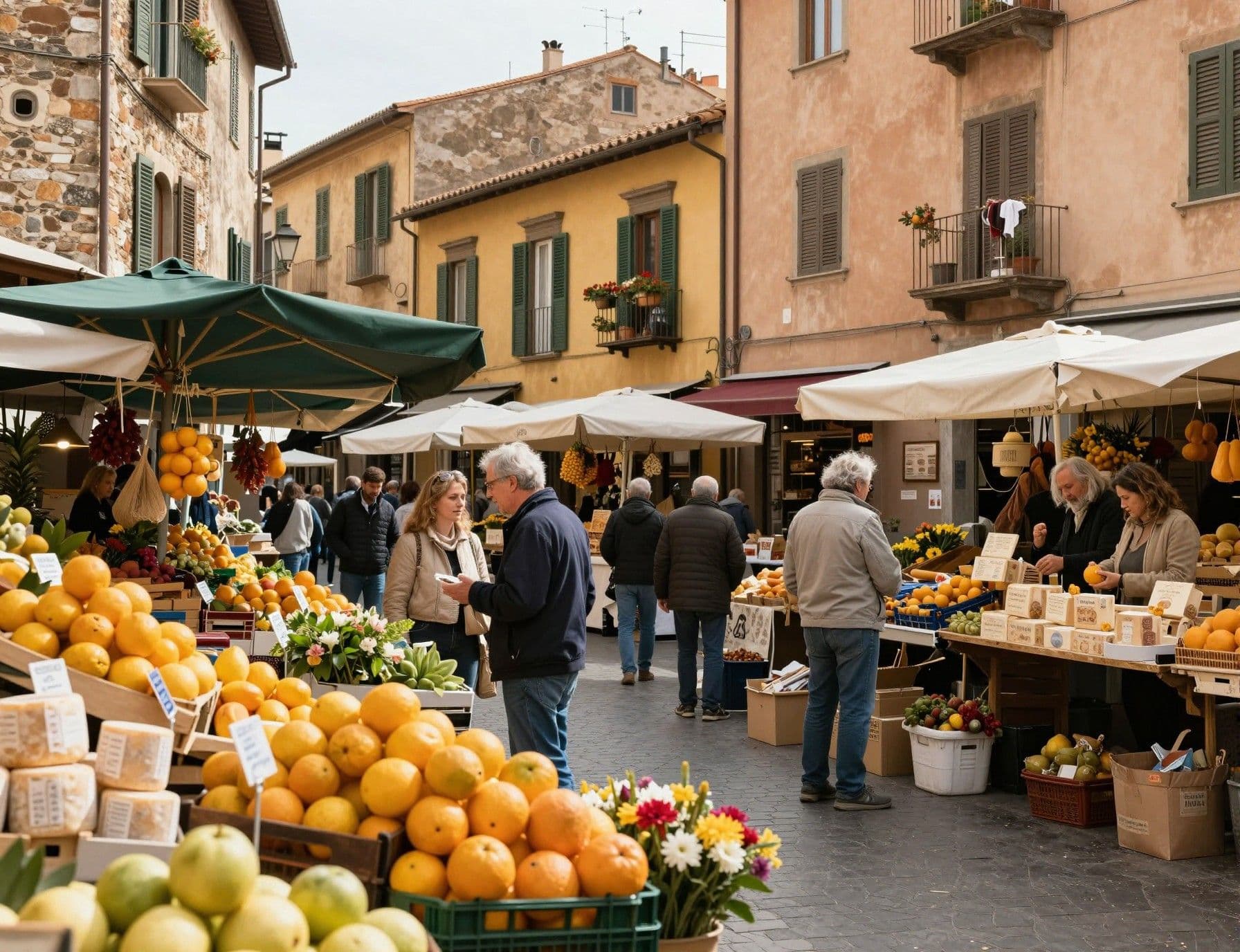
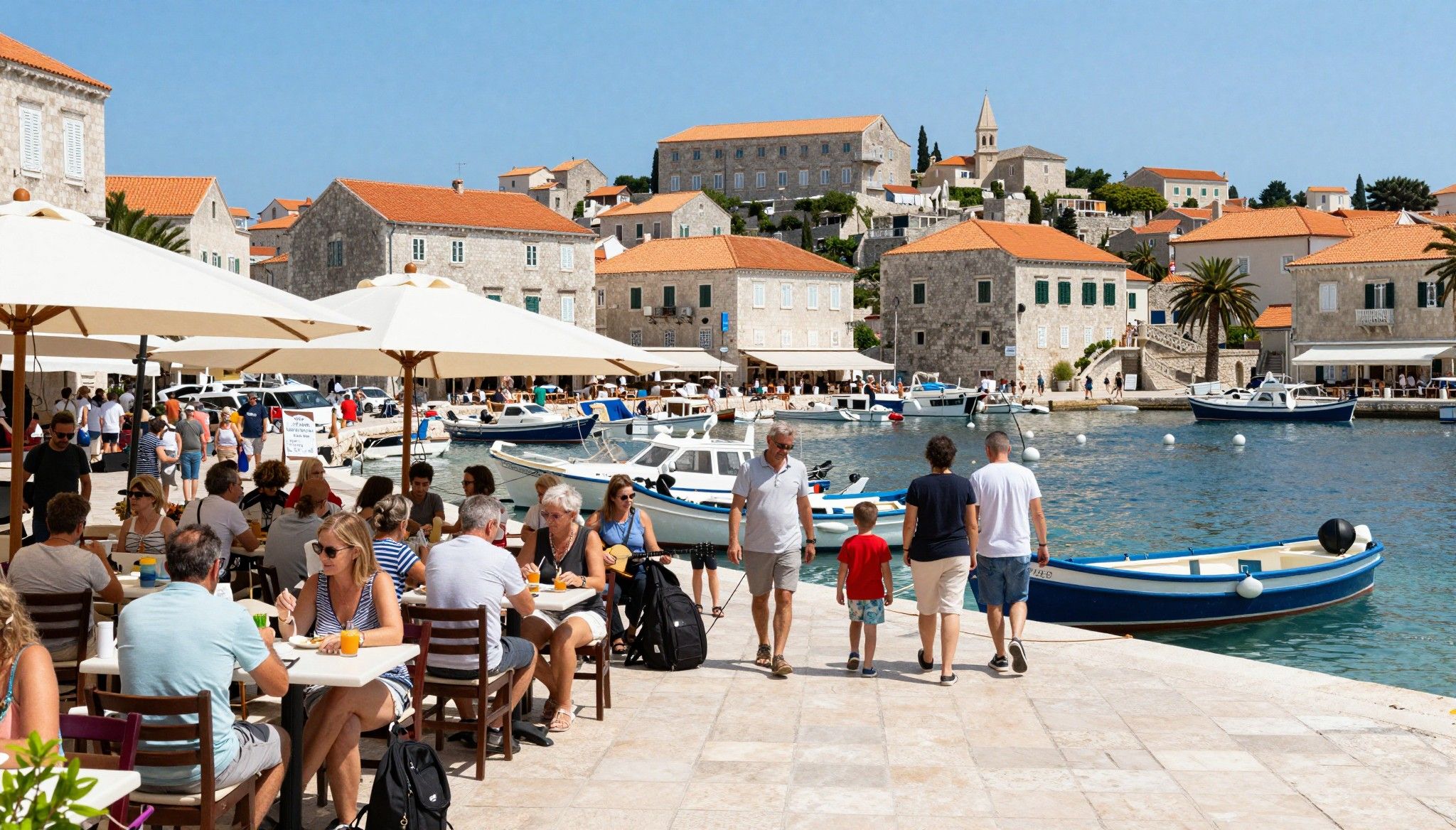
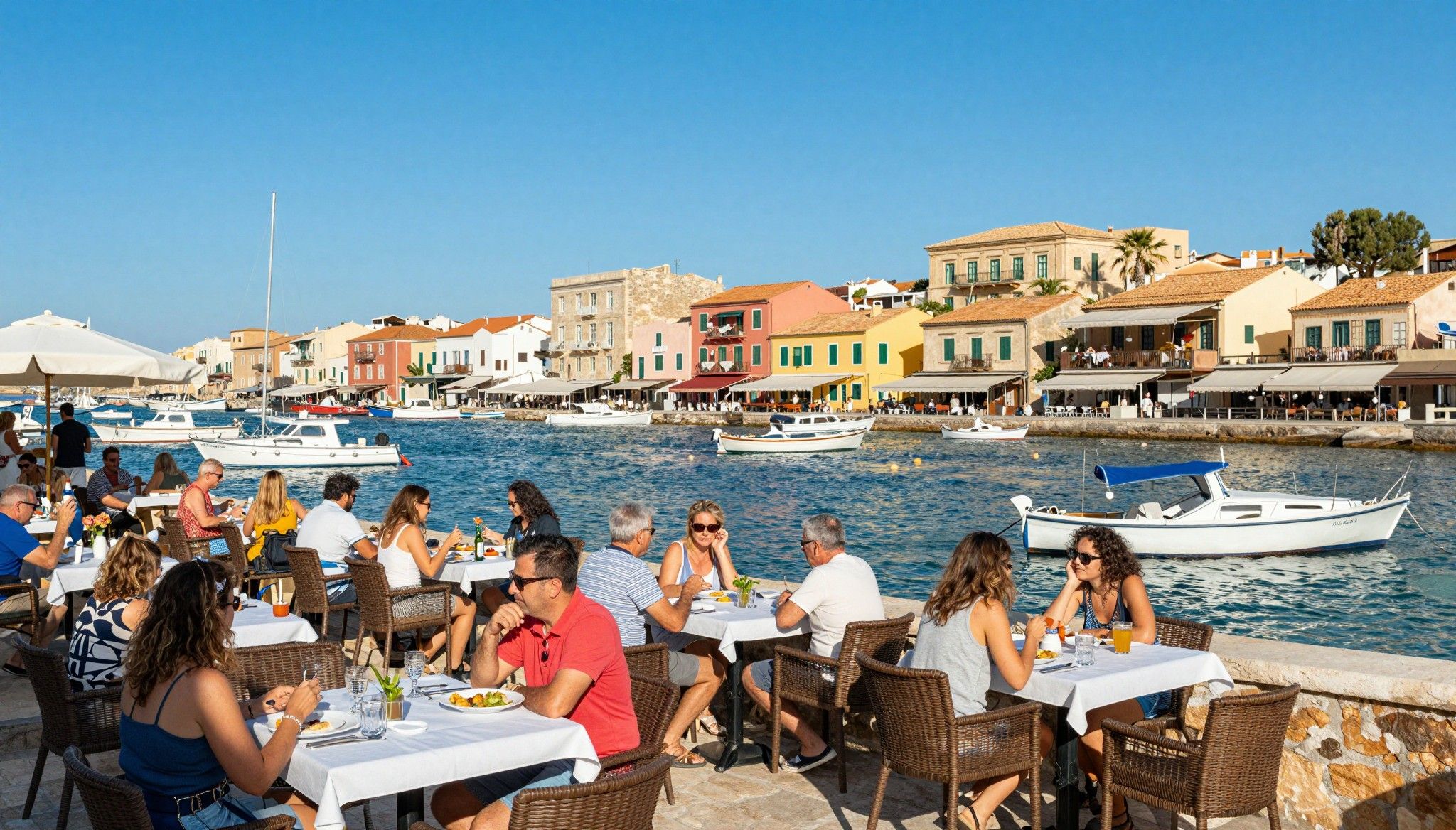
Daily life in Italy is sensory by design: cafés crowding pavements, open-air markets with stacked citrus and cheeses, and afternoon passeggiata where whole neighborhoods stroll and trade news. Coastal towns like Sestri Levante or Positano feel compact and pedestrian; cities such as Turin and Bologna balance canals, porticos and a neighbourhood coffee culture that anchors weekly life. Seasonality matters: summers bring tourists and animated piazzas, winters bring quieter streets and different bargains in the property market. Official statistics confirm regional variation in price movement and transaction volumes, so where you chase the lifestyle should inform how you approach the deal.
Neighborhood spotlight — Liguria & Amalfi corners
Walkable harbours, pastel facades and narrow alleys define much of Liguria and the Amalfi coast. In Genoa, the historic Boccadasse quarter feels like a fishing village inside a city: tiny seafood restaurants, a small pebble beach and apartments with high ceilings. Amalfi and Praiano offer cliffside terraces and quiet mornings after the day-trippers leave — properties there trade on views and access rather than square metres. For buyers seeking an authentic seaside weekday life, inspect mid-week: you’ll see the true character beyond postcard season.
Food, markets and the weekday rhythm
Italian neighbourhoods centre around food: weekly mercati in Palermo’s Ballarò or Florence’s Sant’Ambrogio set the tempo for shopping, socialising and even property choices. Buyers tell us proximity to a market or a favourite trattoria often outranks proximity to a train station when deciding between two similar apartments. Market reports show urban demand is rising in cities with strong rental markets — student towns and Milan in particular — which affects yield prospects for buyers balancing life and investment. That mix of gustatory culture and measurable rental demand is what makes Italy both desirable and pragmatically attractive.
- Lifestyle highlights: real places, real life - Morning espresso at Caffè degli Specchi (Trieste) and a walk along the miramare. - Saturday market in Campo de’ Fiori (Rome) for flowers, cheese and neighbourly gossip. - Late-afternoon aperitivo on Via Torino steps (Milan) before an evening concert. - Sunset stroll from Marina Grande to the old town (Sorrento) with local fishermen hauling nets. - A Sunday cicchetti crawl in Venice’s Cannaregio, sampling small plates and neighbourhood bars.
Making the move: practical considerations
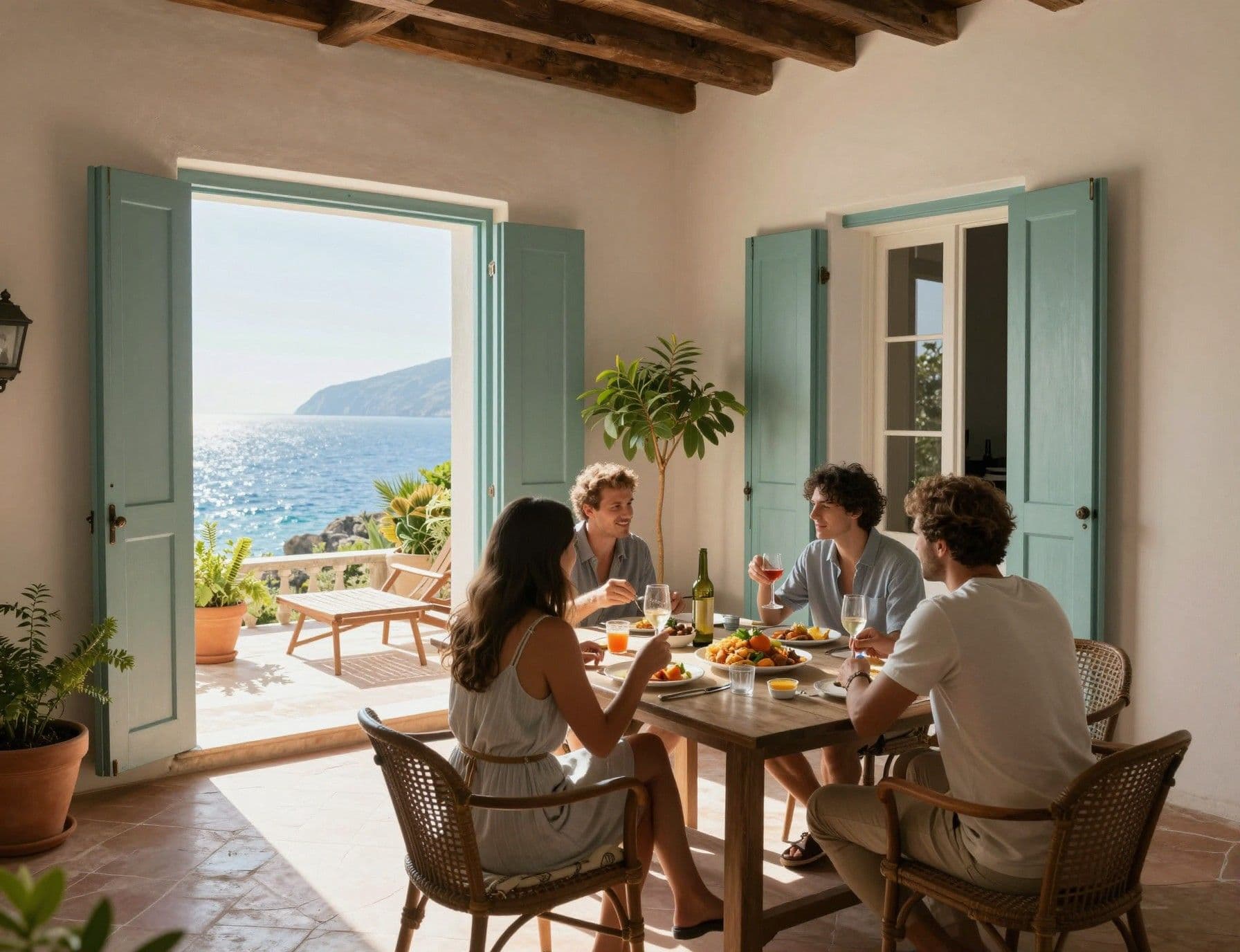
Romance meets paperwork once you start house-hunting: regional price dispersion, differing building traditions and transaction speeds change how you structure offers. Institutional reports from 2025 record stronger activity in Northern and Central Italy while some southern and island markets lag. That means negotiation power and time on market vary substantially by region — a coastal village might sit unsold for months while a sought-after Milan apartment moves in weeks. Factor regional transaction speed, renovation standards and local supply when planning visits and offers.
Property types and how they shape everyday life
Historic apartments in city centres deliver high ceilings, stone floors and a sense of permanence, but often come with tiny kitchens and complex condominium rules. Modern coastal villas offer terraces, parking and indoor-outdoor living — useful if you plan to host friends or rent seasonally — but can have higher upkeep and energy needs. Rural stone houses in Tuscany or Puglia reward with space and autonomy but may require investment in insulation, plumbing and connectivity. Match the property type to the life you want to live every day: morning routines, weekend habits and how often you travel in and out.
Local specialists — a bilingual lawyer, a notary familiar with foreign buyers and a tax adviser who knows IVIE/IVAFE rules — reduce surprise costs and speed closing. Good agents do more than show properties: they explain condominium minutes, heating systems, local zoning quirks and typical renovation pitfalls in older buildings. For cross-border buyers, the notary is central: they certify contracts and tax payments at closing and vary regionally in fee structures. Work with advisors who can translate both language and local custom.
- Practical steps that combine lifestyle and logistics 1. Visit mid-week in your target neighbourhood to feel everyday life and noise levels. 2. Ask an agent for utility bills and condominium minutes for the last two years before offering. 3. Hire a local surveyor to inspect damp, foundations and terracing if coastal or hillside. 4. Confirm internet speeds and mobile coverage if remote work is part of your plan. 5. Factor seasonal rental demand if you plan short-term lettings; student towns and Milan show stronger year-round demand.
Insider knowledge: what expats wish they'd known
Expats often discover the charm first and the complexity second. Common surprises: condo boards that meet rarely but hold outsized power, regional utility quirks like centralised gas systems, and the social value of small shops — losing a local bar can change neighbourhood life more than a new supermarket. The European Commission and national reports highlight how housing affordability and regional differences shape long-term livability, so mix emotional reasons with hard data when choosing a place to base life.
Language, community and everyday integration
Learning conversational Italian opens doors — but you don't need fluency to belong. Local markets, baristas, and small municipal offices reward effort: greetings in Italian, a kept appointment and neighbourhood presence build trust. Expat communities cluster in predictable places — coastal towns, university cities, and parts of Tuscany — and they can be social lifelines in the first year. Balance immersion with patience: friendships often form slowly over shared meals and repeated local interactions.
Long-term lifestyle and value: what to expect
Italy’s market shows pockets of resilience: major cities and tourist-linked coastal towns often see steadier demand and rental performance, while inland and southern markets can offer value with slower liquidity. Institutional investment has increased in 2025, signalling confidence in long-term fundamentals — a useful backdrop for private buyers balancing lifestyle use and capital preservation. Expect gradual price recovery in many regions and increased focus on energy efficiency in renovations; both affect running costs and resale appeal.
- Red flags and local quirks to watch for - Unclear condominium records or pending disputes that delay renovations. - Properties with past landslide or coastal erosion history — request geological reports. - Missing permits for terraces or conversions — regularise before purchase if possible. - Over-optimistic rental yield promises without seasonal occupancy data. - Poor connectivity: limited fibre broadband or weak mobile signal for remote workers.
You’re not choosing a home in isolation — you’re choosing a rhythm of life. Picture a year of weekends at local festivals, weekday markets, friends arriving by train, and slow breakfasts on a terrace; now map that life to neighbourhoods, building types and service access. Use local agents as translators of place, not just property: their knowledge of morning markets, quiet streets and seasonal shifts will shape the quality of your everyday. When practical checks and local flavour align, the decision stops being a transaction and becomes a move into a new tempo.
If you want to take a first concrete step: schedule mid-week visits, ask agents for recent bills and condominium minutes, and commission an independent survey before making an offer. Consult a bilingual notary and a tax advisor to understand registration taxes, IVIE/IVAFE obligations and how residency choices affect long-term costs. An informed, place-led approach turns impulse into strategy — and keeps the heart of Italy at the centre of your purchase.
Next steps: taste the life, then test the paperwork. Start with a short reconnaissance trip focused on the rhythms you care about — market days, commuting, neighbours — then return with a shortlist and local advisors. Blueprintera’s comparison tools can match neighbourhood lifestyle signals to agency expertise so your next viewing is both delicious and decisive.
Danish relocation specialist who has lived in Barcelona since 2016. Helps families move abroad with onboarding, schooling, and local services.