Life Rhythms to Tax Rules: Buying in France
Fall in love with France’s rhythms, then plan taxes and residency that match — real neighbourhood tips plus tax links for non‑residents and transaction data.
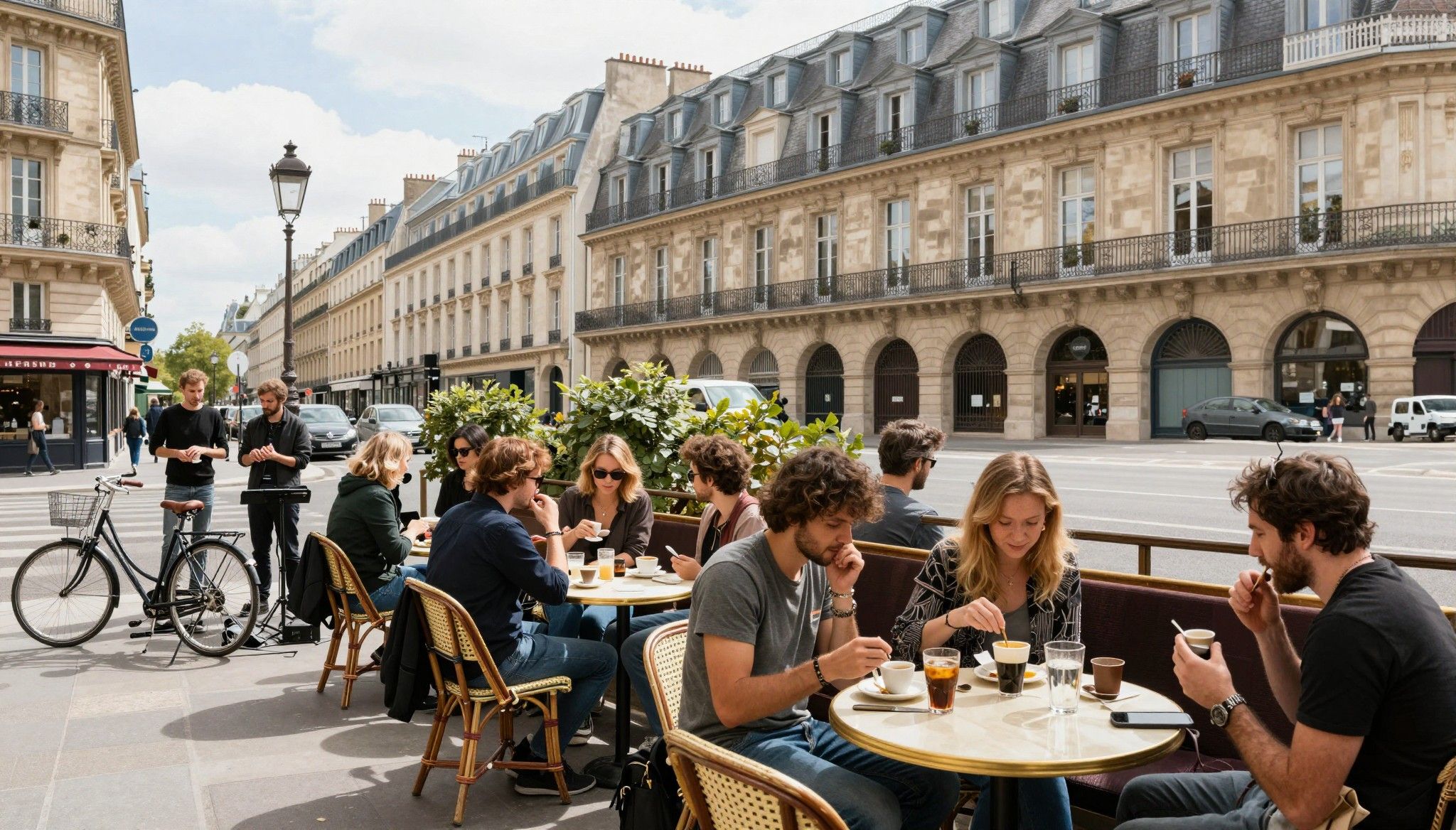
Imagine waking up to the smell of warm croissants on Rue des Martyrs, bargaining for truffled cheese at a weekend marché outside Aix‑en‑Provence, or cycling along the dune‑lined beaches of Landes. France is a collection of local rhythms — Parisian cafés that hum at 10:00, Mediterranean terraces that empty into siesta, and Alpine villages that move to a different winter tempo. For international buyers, those rhythms shape not just lifestyle but tax outcomes, paperwork and long‑term value.
Living the French life: neighborhoods and daily rhythms
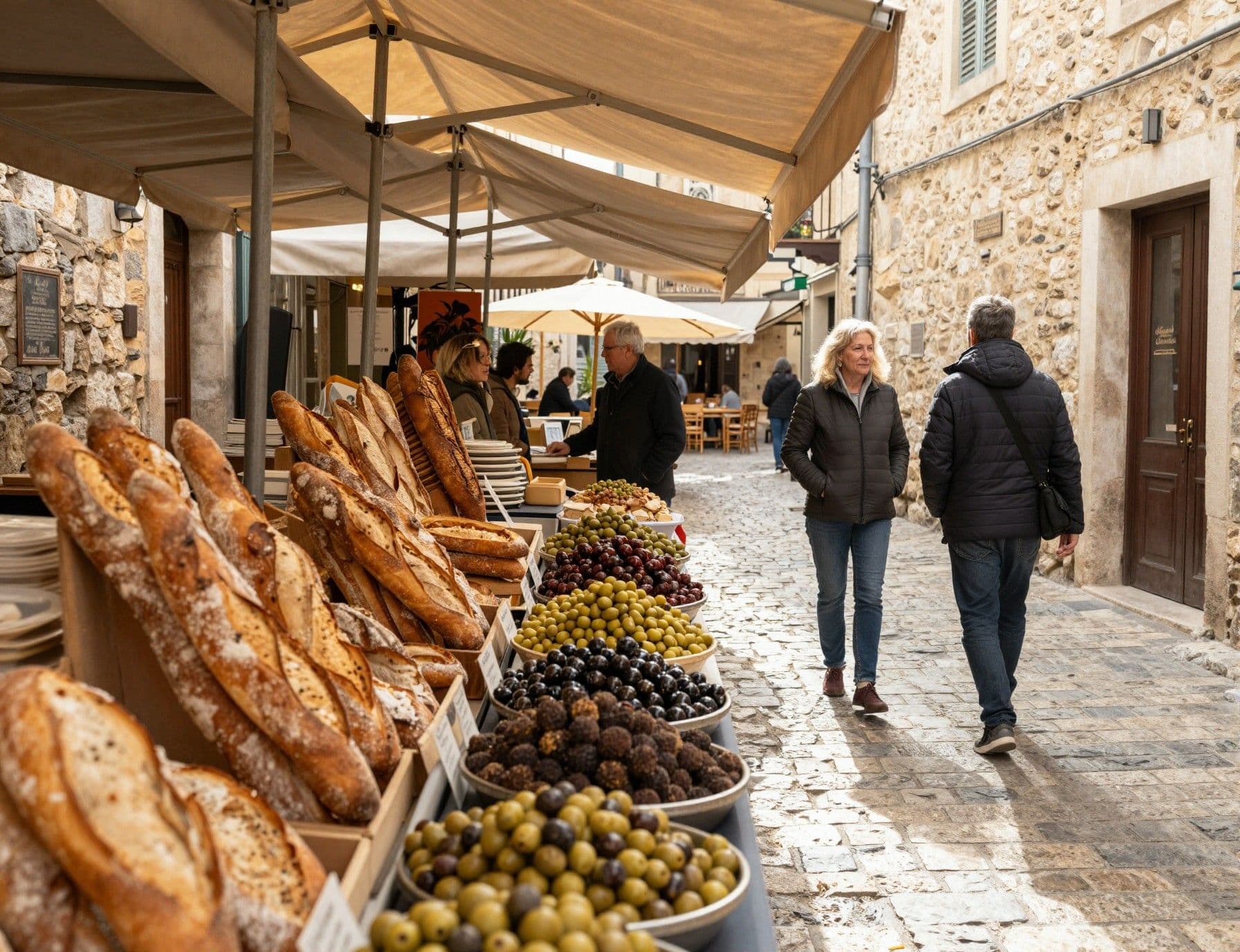
You’ll feel France first in its streets. Big‑city boulevards pulse with theatre and late dinners; coastal towns open early with markets and fishermen’s stalls; inland villages close briefly around lunch. Recent transaction patterns show regional divergence — strong activity in several large cities while some rural markets move slowly — which matters when you want both lifestyle and liquidity. Buy where life fits you; check where buyers are still active. (See national price indices and transaction trends for context.)
Paris & inner suburbs: concentrated culture, concentrated costs
Paris remains a market of tradeoffs: unmatched cultural density, limited supply, and high per‑square‑metre prices in the central arrondissements. Yet many buyers find better rhythm in the 11th or 20th arrondissements — lively streets, reasonable access and younger communities — instead of the postcard areas where supply is tight and bargaining power is low.
Provence, Côte d'Azur & the Riviera weekend life
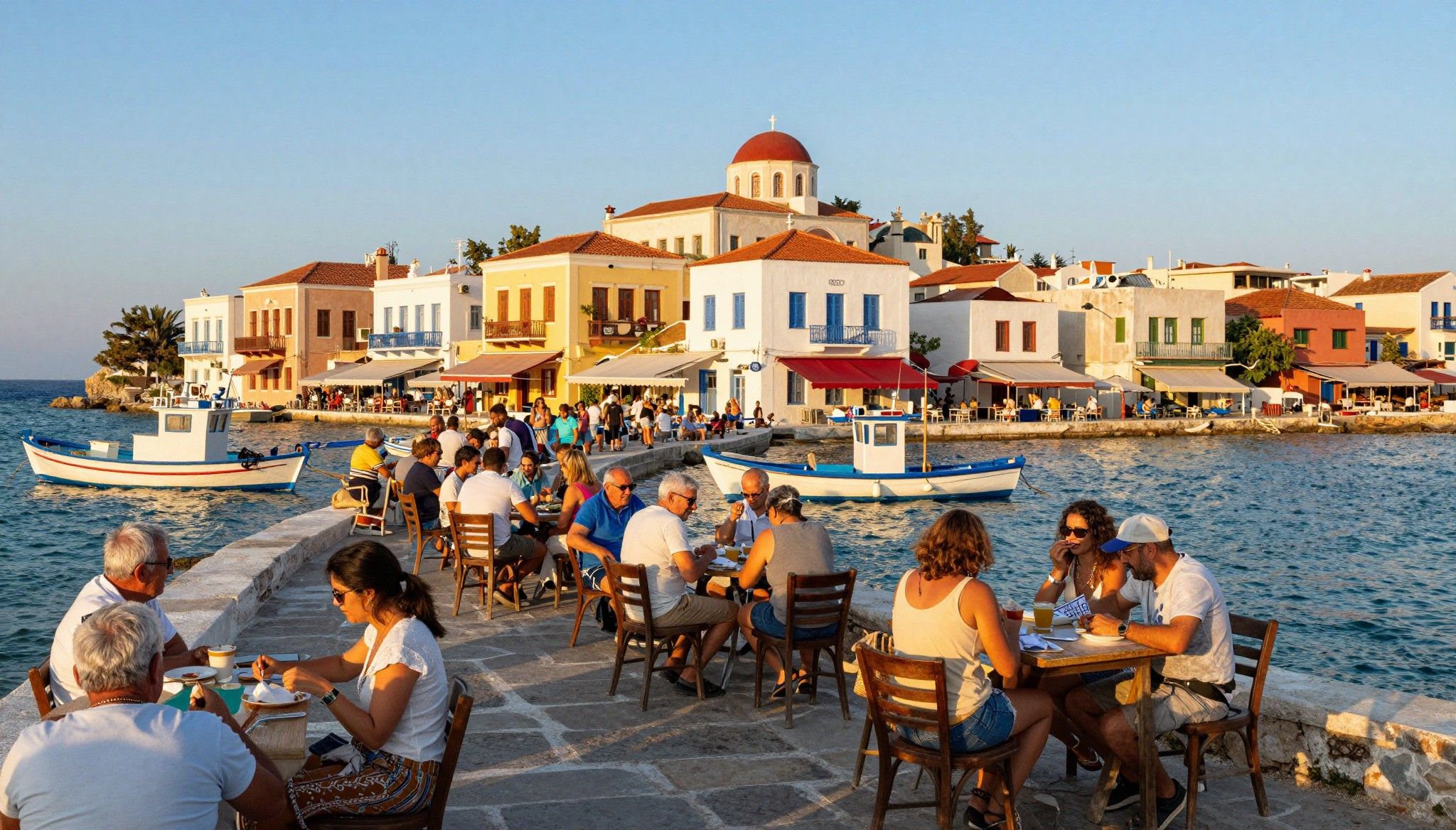
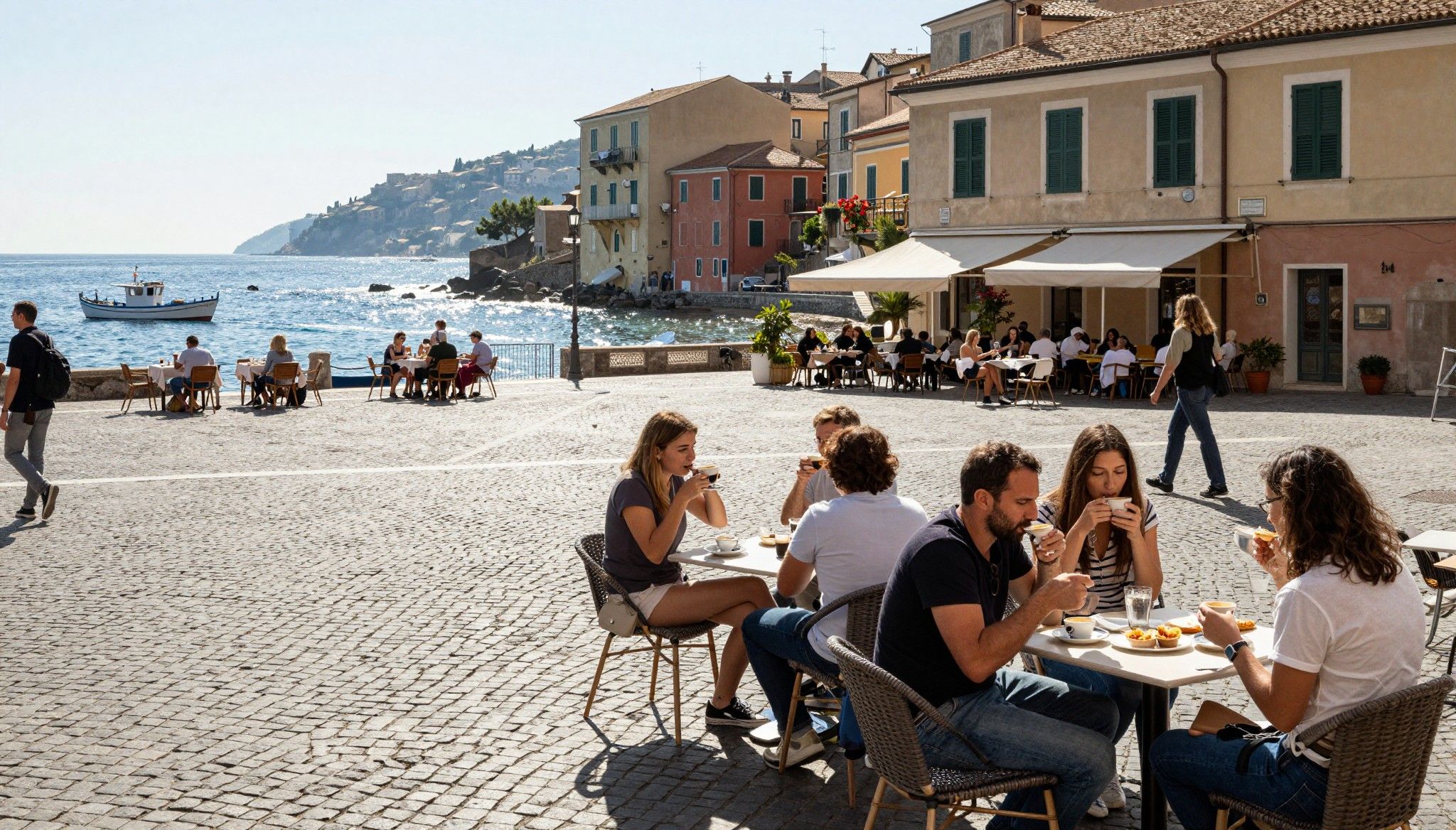
From Menton to Marseille, life follows seasons: summers swell with visitors, springs and autumns feel like the local year. That affects short‑term rental demand, service costs and renovation timelines. If you want to live among locals, look slightly inland from the seafront towns where prices plateau but day‑to‑day authenticity remains.
- Markets & moments that define French daily life: • Marché d’Aligre (Paris) for food‑first mornings • Cours Mirabeau cafés in Aix for long afternoons • Plage de l’Espiguette for raw coastal walks • Saint‑Jean‑Pied‑de‑Port for Basque trail weekends • Local boulangeries on Rue de l’Annonciation for routine rituals
Making the move: how lifestyle choices change tax and regulation
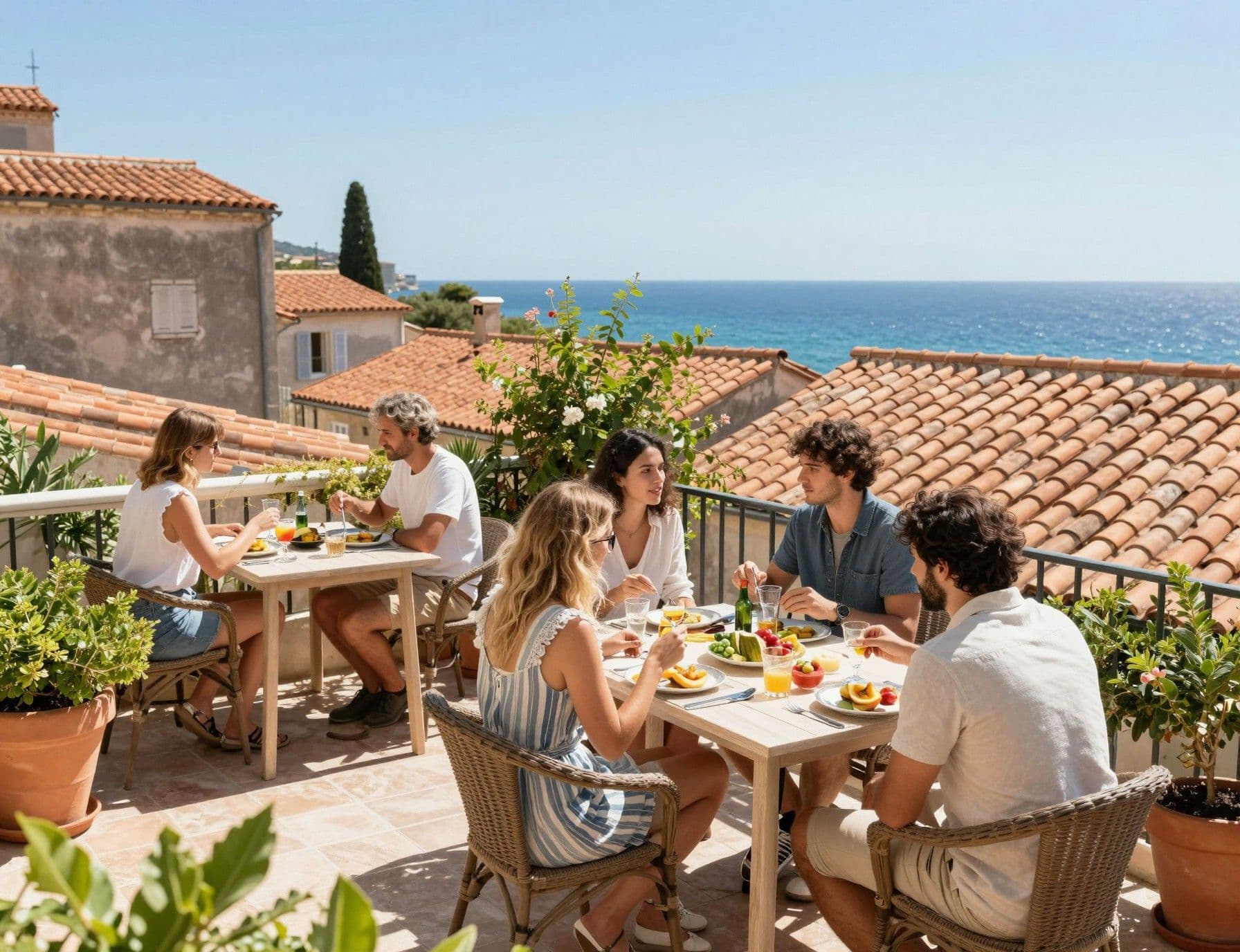
Your lifestyle choice — second home for weekends, full‑time relocation, or a buy‑to‑let in Provence — determines the tax framework you’ll meet. Non‑residents pay local property taxes and are taxed on rental income in France; capital gains rules differ if the property is your main residence. Practical planning at the start avoids expensive surprises at sale or during rental seasons.
Local taxes that matter beyond purchase price
Three recurring charges can surprise buyers: taxe foncière (annual land/property tax), taxe d’habitation (mostly phased out for main residences but still relevant for second homes in some communes), and social charges / capital gains tax on sale. Capital gains taxation can be significant for non‑residents, with reliefs based on ownership duration — factor these into your hold‑period and exit planning.
How property type shapes regulation and cost
- 1. Listed historic properties: stricter planning rules and grant opportunities for restoration. 2. New build (VEFA): VAT and developer warranties but different tax base for stamp duties. 3. Rural houses: lower purchase taxes but potential for higher ongoing maintenance and adaptation costs.
Insider knowledge: stories, red flags and smart local moves
Expats often tell the same story: they fell for a village charm but missed practical details — commune rules on short‑term rentals, winter heating bills, or the notaire’s transfer fees. Checking transaction trends and speaking to a local notaire early highlights likely negotiation space and probable holding costs. Local data matters: where transactions are rising, you have liquidity; where they stagnate, plan for a longer hold.
Cultural tweaks that change how you live (and tax)
French social rhythms — long lunches, municipal council meetings, and strict renovation rules in protected zones — influence cost and timing. Learn local opening hours, the commune’s approach to tourist rentals, and whether the area enforces a second‑home surcharge. These small details affect everyday life and tax bills more than headline price per square metre.
- Red flags and quick checks before an offer: • Commune limits on short‑term lets or tourist tax increases • Unusually low taxe foncière compared with comparable homes • Evidence of major structural works not declared in the diagnostic reports • Poor historical transaction volume near the property (low liquidity) • Ambiguous boundary or access rights on rural plots
Smart buyers pair lifestyle scouting with two local experts: a notaire for legal certainty and a bilingual tax adviser who can model residency effects on income, wealth and capital gains. For many international buyers, structuring the purchase (personal name vs SCI company) changes estate planning and tax outcomes — get that advice before signing.
- Steps to align life and tax in France: 1. Define how often you’ll use the property and your intended hold period. 2. Ask a notaire for total acquisition costs (including registration duties). 3. Run rental‑income projections with a tax adviser, including social charges. 4. Check local short‑term rental rules with the mairie and planning office. 5. Consider financing early — residency affects mortgage offers and rates.
By painting where you’ll drink your morning coffee and mapping the tax consequences to that life, you make decisions that are both romantic and rational. France rewards patience: thoughtful location choice, realistic holding plans and local advice turn a lifestyle dream into a resilient asset.
Next steps: shortlist neighbourhoods based on how you want to live, request recent transaction extracts from the notaire, and commission a tax model for your residency scenario. With local experts in place, you’ll move from dreaming about aperitifs on a sunlit terrace to signing with clarity and confidence.
Danish relocation specialist who has lived in Barcelona since 2016. Helps families move abroad with onboarding, schooling, and local services.