Malta: Buy the Street Rhythm, Not the Postcard
Malta’s compact, apartment‑led lifestyle rewards street‑level knowledge: choose neighbourhood rhythm first, then back it with short‑let checks, permit verification and a local agent.
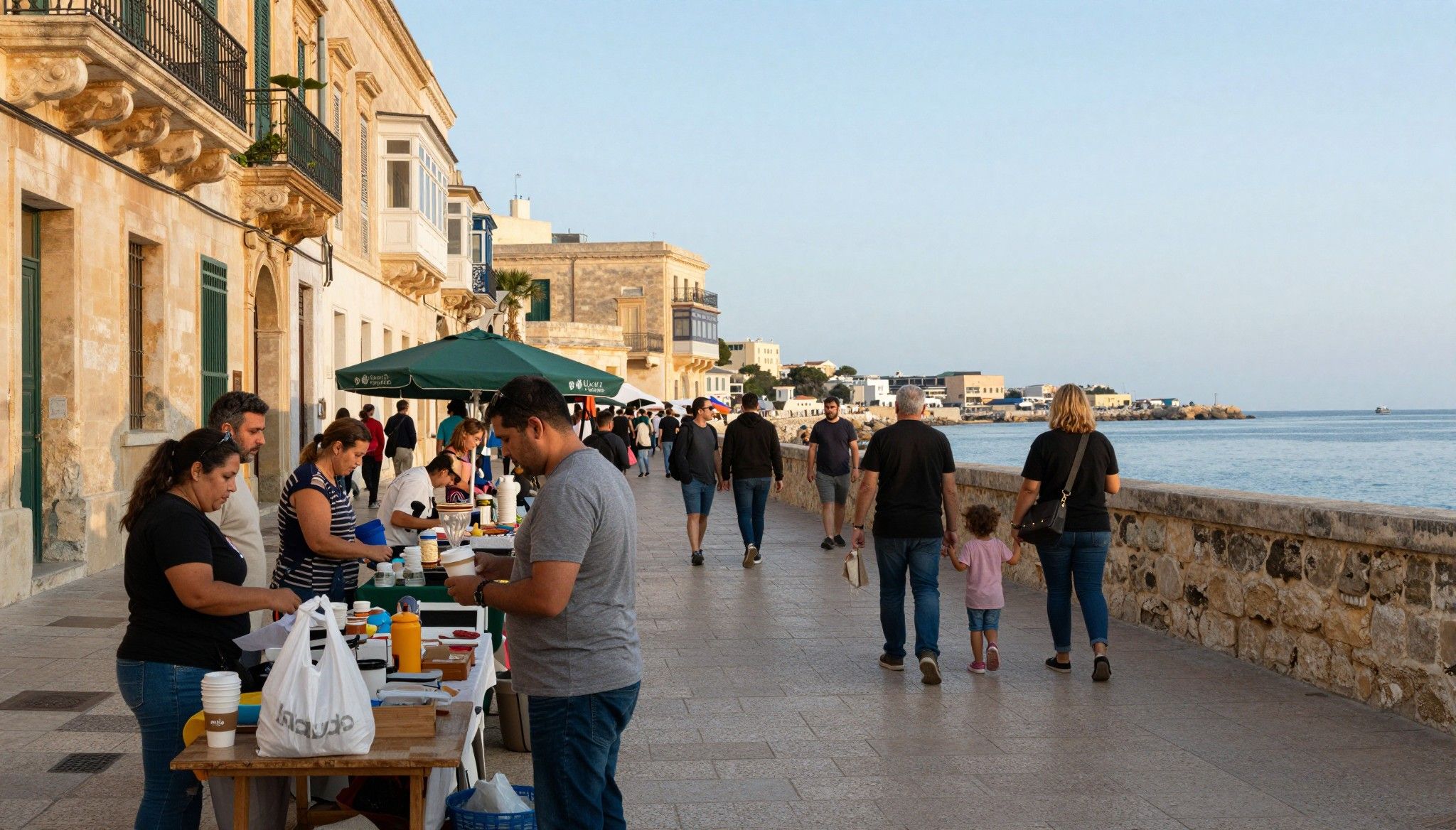
Imagine walking from a sun-warmed terrace in Sliema to a late‑afternoon espresso on Tower Road, then catching a 20‑minute ferry to Valletta for an evening of small‑plate dining and baroque light. Malta is compact—everyday life feels curated and immediate—yet its property market contains surprising tradeoffs: high demand in tight supply, strong tourist flows, and neighbourhood rhythms that reward local knowledge.
Living Maltese Life: small island, big scenes
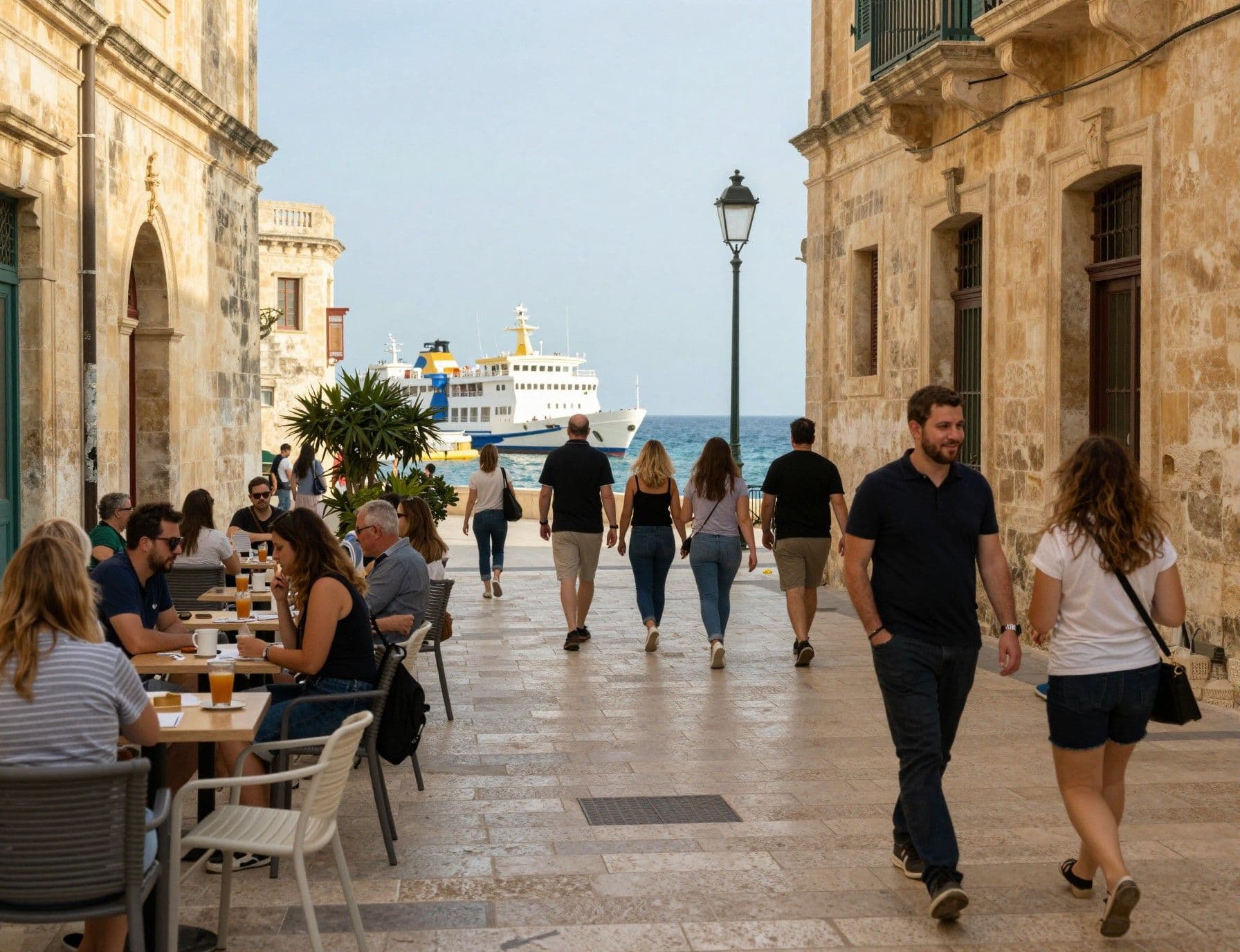
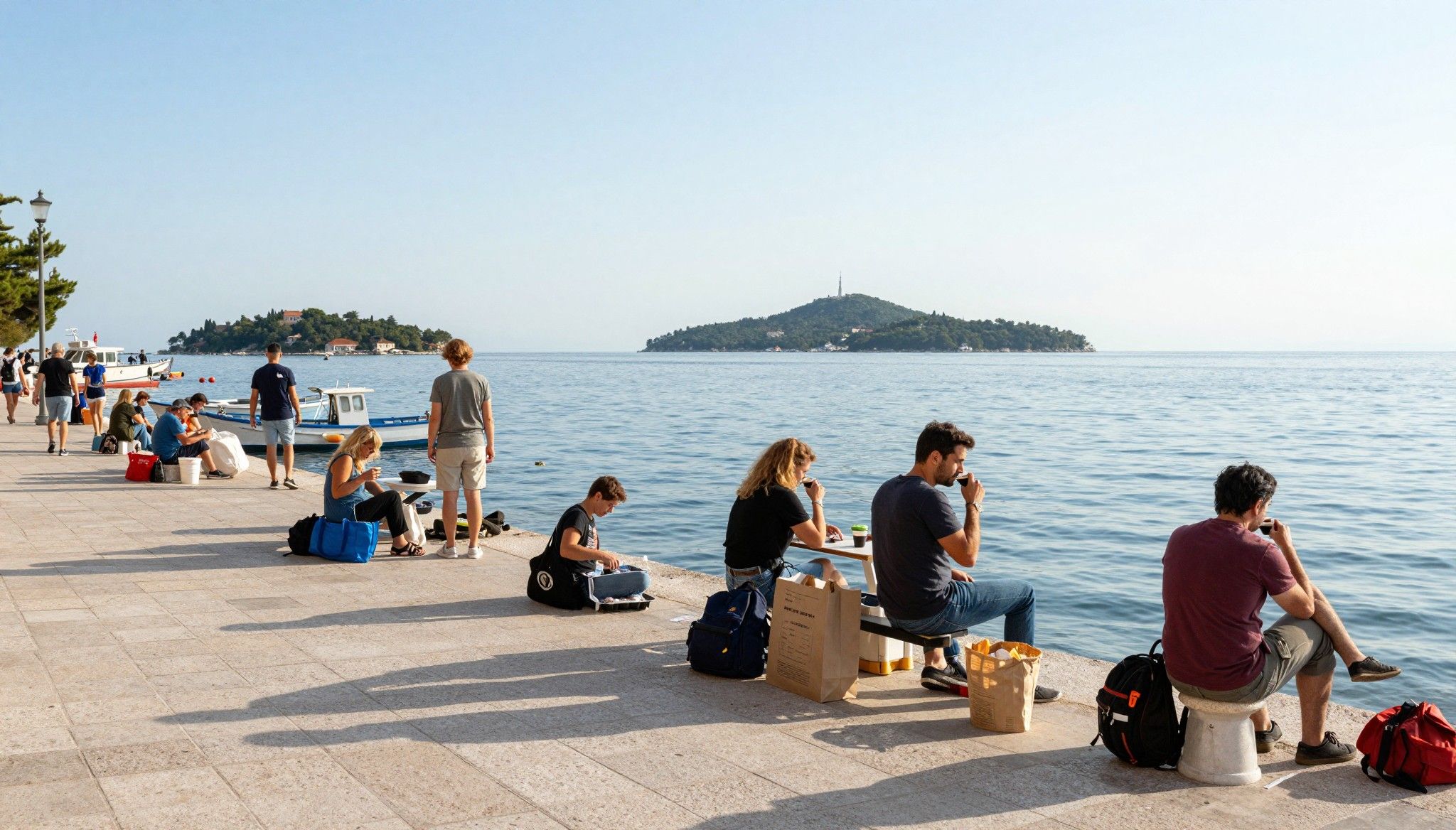
Life in Malta moves on short distances: morning markets in Marsaxlokk, gym classes in Pembroke, and aperitifs on Gzira’s waterfront. The island’s population density and apartment-heavy building stock shape social life—terraces and shared promenades become living rooms. Official data shows apartments and maisonettes make up the majority of dwellings, which explains why outdoor communal spaces matter as much as interior square metres.
Neighbourhoods that feel like different countries
Sliema and St Julian’s are the international heartbeat—cafés, ferries, and apartment living—while Valletta and the Three Cities offer stone‑walled lanes, intimate squares and cultural life. Gozo trades the bustle for rural beaches and a slower Friday market rhythm. For buyers, neighbourhood choice defines daily routines more than the property itself: choose the street you want to live on first, then the apartment.
Food, festivals and seasonal tempo
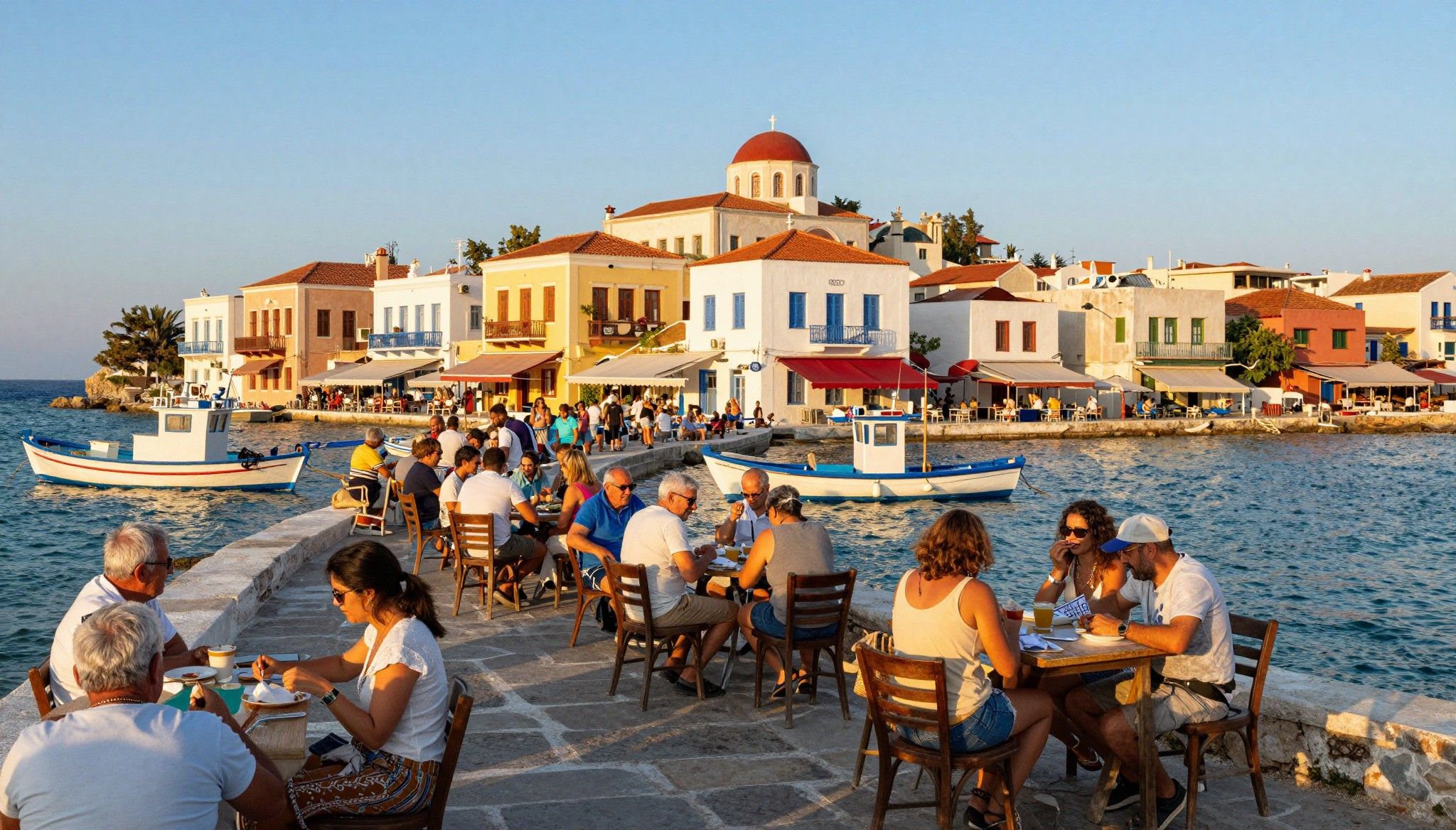
Weekends unfold around fish markets, pastizzi shops and festa fireworks in summer. Short‑stay tourism drives pockets of nightlife and seasonal rental demand—St Julian’s peaks for nightlife, Valletta for cultural festivals, and southern fishing villages host quieter summer rhythms. Those differences shape rental prospects and how lively your neighbourhood will feel across the year.
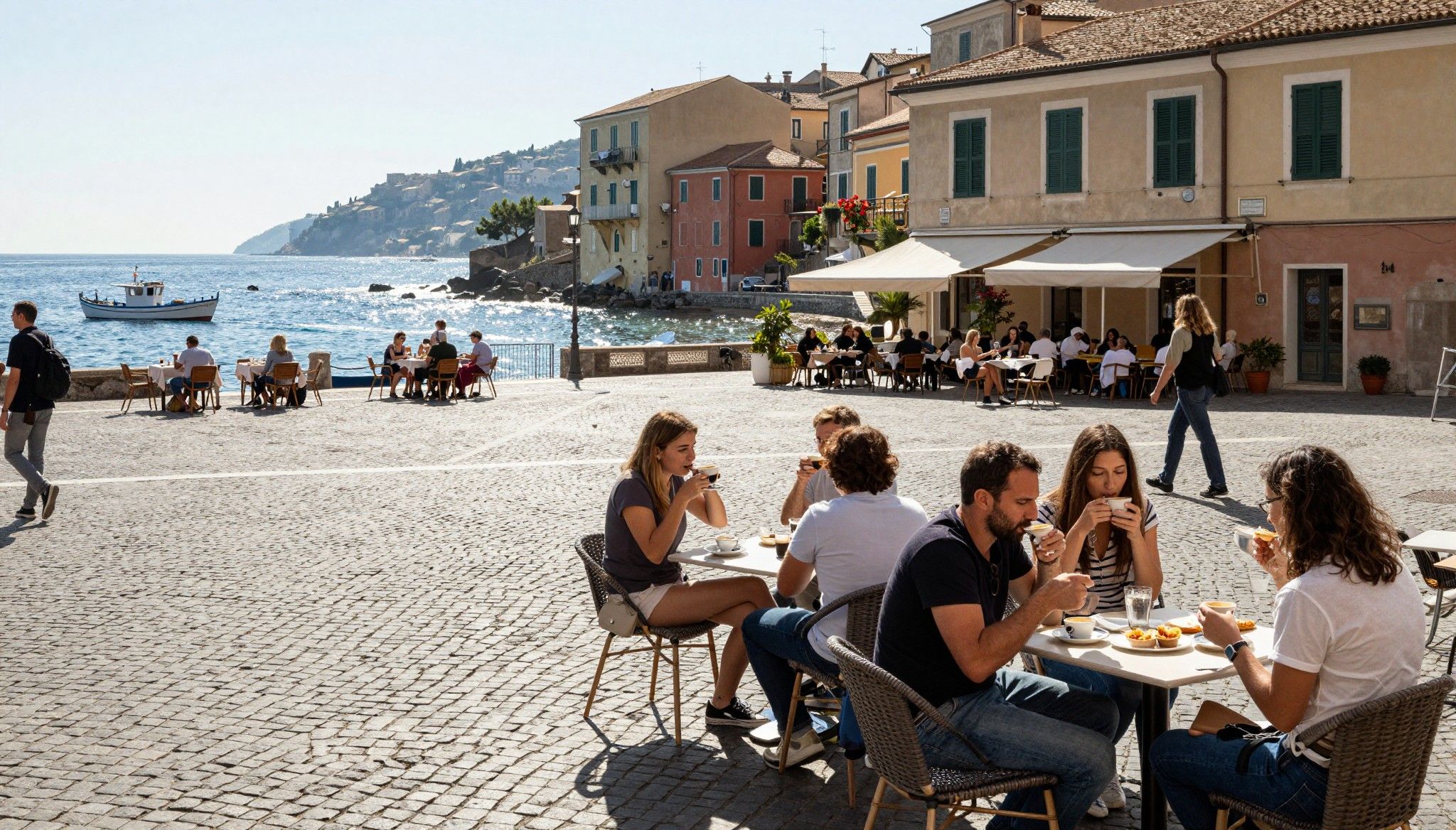
Lifestyle highlights to try before you buy: Valletta’s narrow cafés on Strait Street; an evening swim at St George’s Bay; Sunday market stalls in Marsaxlokk; espresso and people‑watching on Sliema Strand; a weekend in Xlendi, Gozo; a festa night in a village square.
From dream to deed: how Malta’s property market actually behaves
Malta’s market blends steady demand with constrained supply. Recent industry surveys and housing authority reports highlight rising prices in sought districts and a slowdown in new dwelling approvals—both factors that sustain capital appreciation but can compress rental yields. Practical buying here means reading neighbourhood supply pipelines and short‑let regulations before making offers.
Property types and how they map to lifestyle
Apartments and maisonettes dominate—they're convenient for commuters, low‑maintenance for investors, and often come with valuable terraces. Traditional townhouses or restored palazzini in Valletta offer more character and larger interiors, but require maintenance. For families, semi‑detached or terraced houses in the north offer gardens; for remote workers, apartments with reliable indoor workspace and sea views deliver lifestyle value.
Working with local experts who know the rhythm
Steps to align lifestyle goals with buying decisions: 1) Visit neighbourhoods morning and evening to feel the weekly tempo and noise levels. 2) Ask agents for recent promise‑of‑sale records and short‑let licence history to assess rental volatility. 3) Check building fabric and terrace exposure—sun and wind matter. 4) Confirm delivery dates and permits when considering new builds, as approvals have slowed.
Insider knowledge: what expats wish they'd known
Expat experience converges on a few recurring surprises: language is rarely a barrier (English is an official language), community networks form around schools, clubs and cafés, and local bureaucracy responds best to patient, document‑ready buyers. Recent reporting also flags changes to residency and citizenship schemes that affect buying incentives—always verify current rules before assuming a programme applies.
Cultural cues that shape daily life
Respect for festa schedules, quiet on Sunday mornings in village squares, and neighbourly negotiation over terrace use are small cultural rules that affect lifestyle. For buyers, integrating means listening first: local builders, cafés and community councils will tell you more about a street than glossy listings ever will.
Red flags and practical checks before you commit: • Unlicensed short‑lets in a building (ask for licence numbers). • Missing structural surveys for older townhouses. • Unclear delivery timelines on off‑plan contracts. • Over-optimistic rental forecasts based on peak‑season returns.
If Malta’s compactness sold you on life by the sea, remember: the lifestyle is every bit as local as it is Mediterranean. Start with the street that makes you smile on a weekday morning, then back that feeling with targeted due diligence: local agents, recent transaction records and a structural survey. That way the dream of espresso on the promenade becomes a reliable, sustainable life.
Swedish strategist who relocated to Marbella in 2018. Specializes in legal navigation and tax planning for Scandinavian buyers.