Autumn House‑Hunting: Cyprus’s Quiet Window of Opportunity
Autumn and low‑season months reveal off‑market windows in Cyprus: quieter streets, motivated sellers and clearer price signals backed by recent district‑level data.
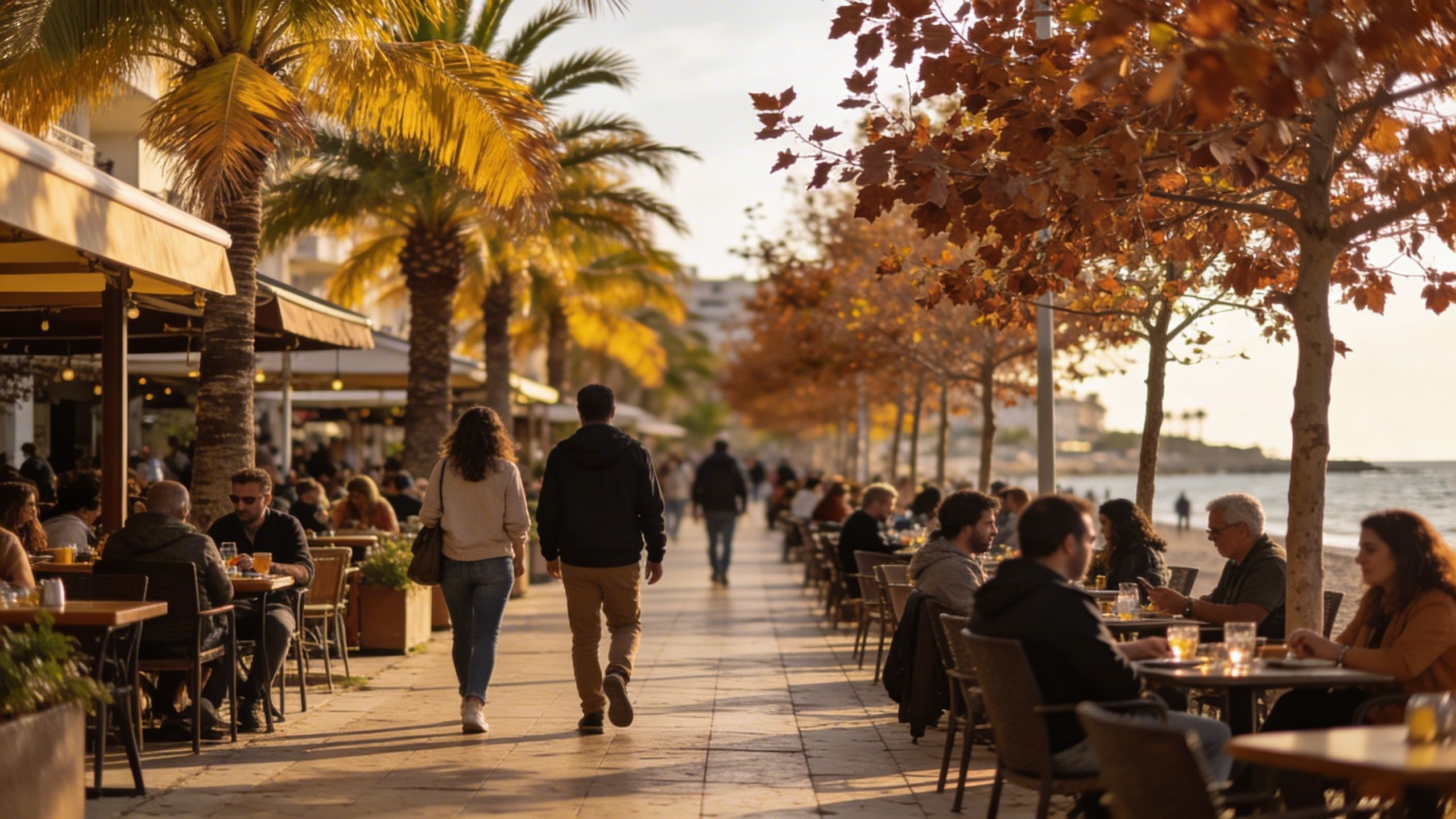
Imagine a November morning in Limassol: cafés on Makarios Avenue fill with laptop-tapping remote workers, fishermen untangle nets on the promenade and orange‑leafed plane trees line quiet streets. That late‑autumn calm is not just pleasant — it reveals market realities you won’t see in high summer crowds: off‑market availability, motivated sellers, and clearer negotiation signals.
Living Cyprus: more than postcards
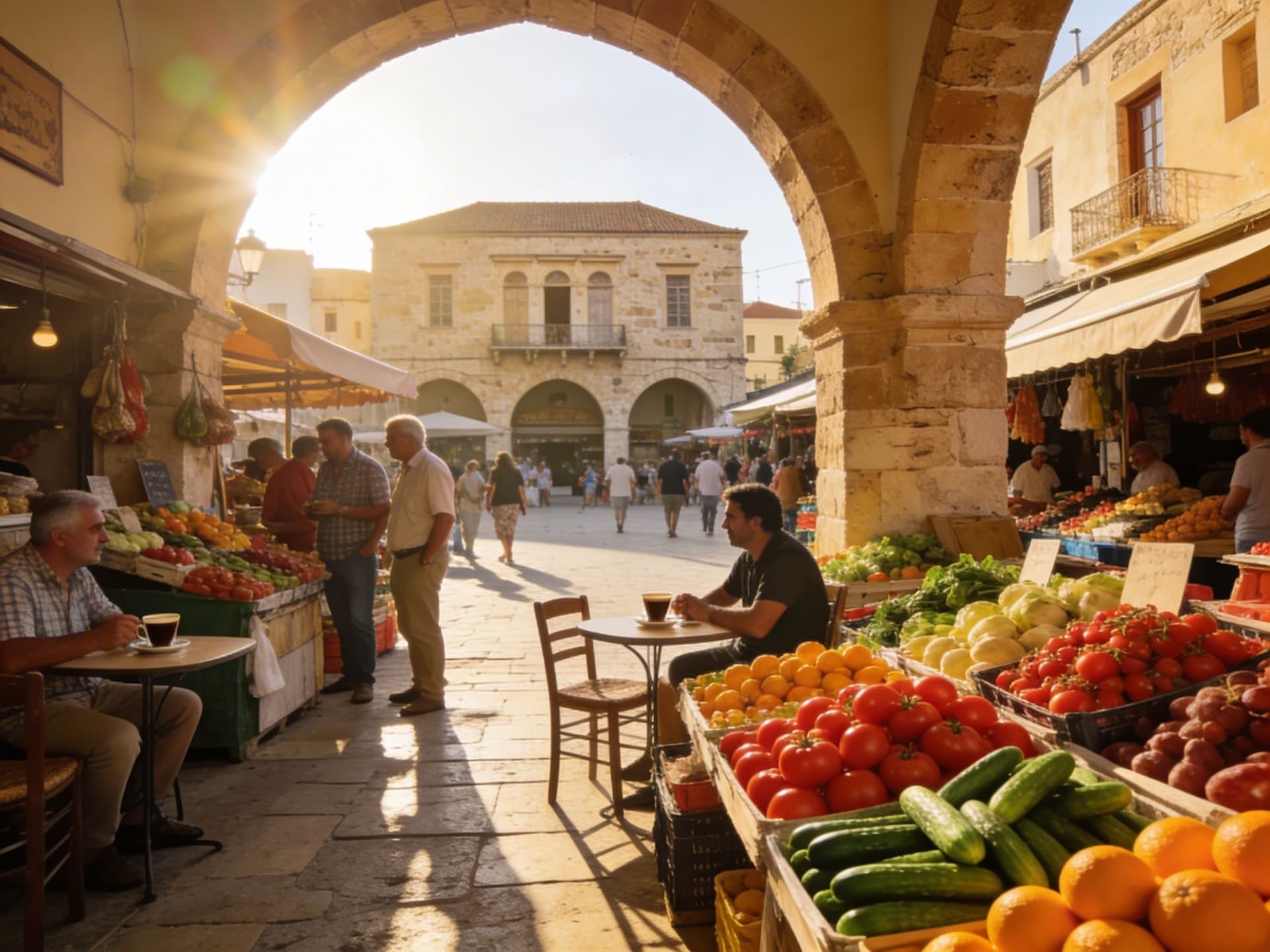
Cyprus is island life with variety: Limassol’s urban coast, Paphos’s layered history, Larnaca’s harbour rhythm and Nicosia’s inland steadiness. The island’s tempo changes by season — summers pulse with tourism and weekends open up for social life, while autumn and winter reveal the routines locals actually live by. These quieter months give buyers a clearer read on neighbourhood dynamics and new‑build availability. Recent sales data show apartments dominate new transactions, a pattern that shapes where lifestyle and liquidity intersect. ([cbn.com.cy](https://www.cbn.com.cy/article/126089/new-residential-property-market-reaches-2-5b-in-2025-with-apartments-accounting-for-eight-in-ten-sales?utm_source=openai))
Neighbourhood notes: where daily life happens
Walk the Old Port in Larnaca at dawn and you’ll hear church bells, smell baking halloumi and see fishermen selling the day’s haul. In Limassol, neighbourhoods such as Agios Tychonas and Germasogeia blend modern complexes with small tavernas where neighbours debate football scores. Paphos’s Kato Paphos offers coastal promenades, while Tala and Emba bring quieter village rhythms within 15–20 minutes of the centre. These are the streets where expats meet neighbours and find services — and where property choice determines whether you’re buying a tourism view or a neighbourhood to join.
Food, weekends and the small rituals
Weekends mean farmers’ markets (try the Limassol Municipal Market), coastal barbecues and late‑afternoon kafeneio conversations. Seasonal festivals — grape harvest events in wine villages, Easter processions in mountain towns — reshape where you want to live. If you prize year‑round food culture and daily social life, prioritise areas with nearby markets, bakeries and small squares over purely touristic strips.
- Lifestyle highlights to scout in person
- Morning espresso on Makarios III Avenue (Limassol), afternoon swim at Lady’s Mile (Paphos), Saturday market in Larnaca, sunset walk at Finikoudes promenade, rustic tavernas in Omodos village.
Making the move: lifestyle meets market mechanics
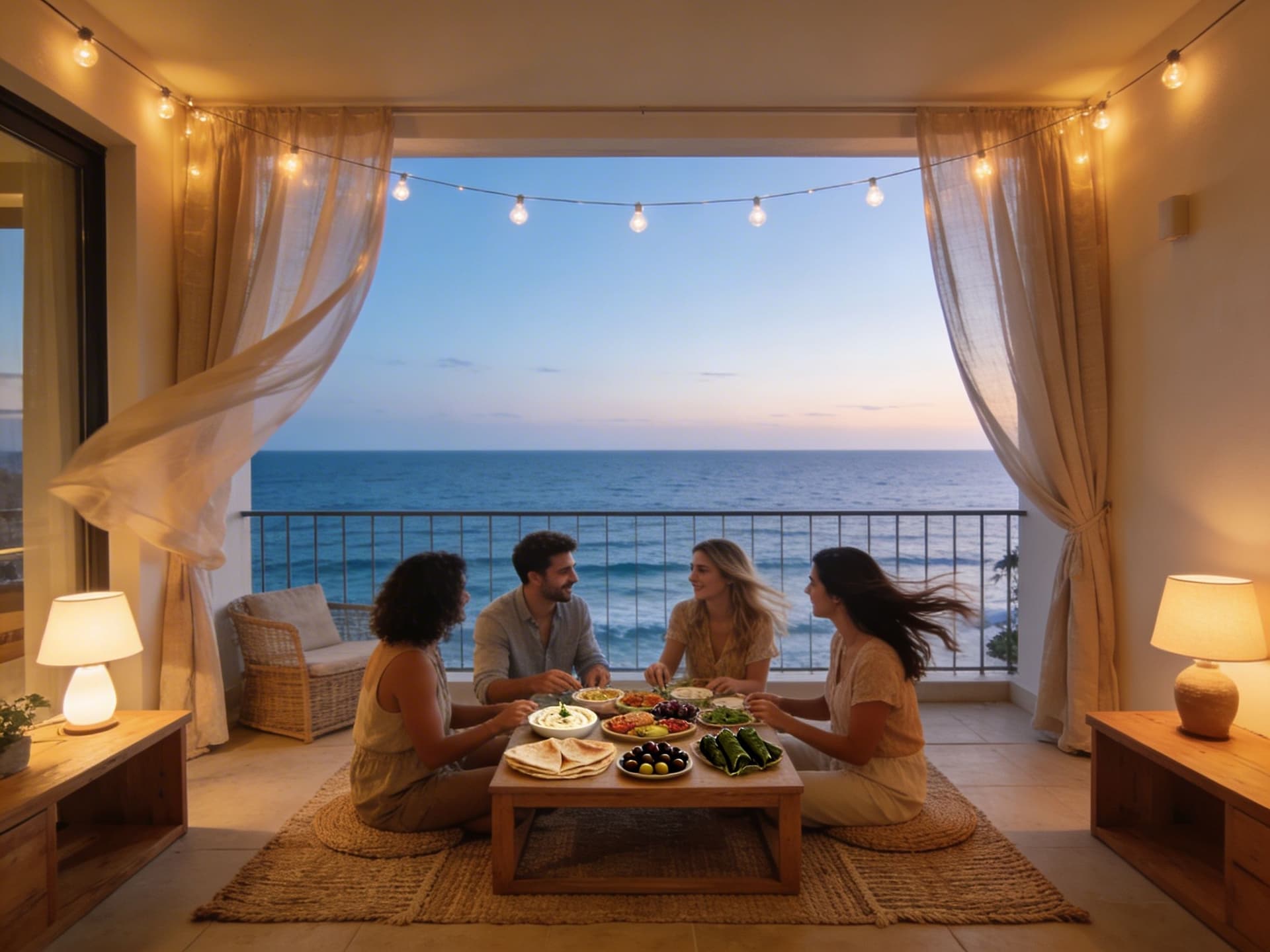
The dream of cafés and sea breezes must reconcile with market patterns. In recent years Cyprus has seen brisk activity in new apartments and a resurgence of luxury sales in Limassol, while districts like Larnaca and Paphos offer more competitive pricing. These trends affect negotiating power: where apartments flood the market, buyers gain choice; where supply is tight, lifestyle premiums persist. Data from new‑build filings and market reports help you time visits and offers with evidence rather than hunch. ([cbn.com.cy](https://www.cbn.com.cy/article/126089/new-residential-property-market-reaches-2-5b-in-2025-with-apartments-accounting-for-eight-in-ten-sales?utm_source=openai))
Property styles and how you’ll live in them
Modern coastal apartments give easy maintenance and rental potential; village houses offer plot space, privacy and a connection to seasonal community life; new‑build gated developments bring amenities but can dilute the local feel. Choose by daily rituals: if morning markets and cafés matter, favour central neighbourhoods; if gardening and privacy matter, village plots around Troodos or Paphos deliver value.
How local experts turn lifestyle aims into offers
- Steps an experienced local agent will add value
- 1) Spot off‑market windows in low season when motivated sellers surface. 2) Translate neighbourhood rhythm into comparable sales — not national averages. 3) Advise on construction quality for coastal saline exposure. 4) Connect you to English‑speaking notaries, surveyors and property managers who operate year‑round. 5) Model rental yield scenarios for both short‑let summer peaks and steady long‑term tenants.
Insider knowledge: what expats wish they'd known
Buyers often arrive enchanted by summer images and mistake short‑term holiday demand for year‑round neighbourhood life. The honest insight from expats: spend time in the slow months, check how streets feel at 9am on a weekday, and prioritise daily services over postcard scenery. Macro indicators — residential price indices and new contract volumes — tell you whether a price is structural or seasonal. The Central Bank’s indices and Landbank’s new‑build filings are good starting points for that read. ([cbn.com.cy](https://www.cbn.com.cy/article/123663?utm_source=openai))
Cultural rhythm, language and community
English is widely spoken in business and service settings, but social integration is eased by learning basic Greek phrases and joining local associations — village festivals, church fairs or sports clubs become your fastest route to friends. Expect a relaxed pace: bureaucratic steps can take longer than in northern Europe, so build timing buffers into your relocation plan.
Longer‑term scenarios to plan for
- Plan for three realistic scenarios: - Conservation: modest price growth (2–5% annually) with steady tourism and rental demand. - Selective premiuming: high appreciation in constrained coastal pockets (Limassol waterfront, parts of Paphos). - Correction: short, localised slowdowns if interest rates push borrowing costs higher; opportunities arise for buyers with cash.
These scenarios rely on verified signals: transaction volumes, planning pipelines and district‑level price indices. Recent reporting shows new‑build transactions dominated 2025 activity and Limassol led high‑value deals — data points that help you position offers sensibly rather than emotionally. ([cbn.com.cy](https://www.cbn.com.cy/article/126089/new-residential-property-market-reaches-2-5b-in-2025-with-apartments-accounting-for-eight-in-ten-sales?utm_source=openai))
- Quick due‑diligence checklist when a lifestyle‑led listing excites you
- • Visit the neighbourhood in low season and at a weekday morning. • Ask for comparable sales for the specific street, not the district. • Check construction specs for coastal corrosion protection and insulation. • Confirm rental restrictions and short‑let licensing if you plan holiday lets. • Get a survey that includes drainage, foundation and moisture checks (especially older village homes).
Conclusion: Cyprus’s charm is tangible — sunlit terraces, tavernas that feel like living rooms, neighbourhood rhythms — but the smartest purchases happen when lifestyle imagination meets market evidence. Time visits for quieter months, work with agents who translate local life into data, and treat festivals, markets and cafés as active research sites. When those elements align, you don’t just buy a property; you buy a place to belong.
Norwegian market analyst who relocated to Mallorca in 2020. Focuses on data-driven market insights and smooth relocation for international buyers.