Malta: Why lifestyle—not square metres—drives value
Malta’s compact island life reshapes value—location, social fabric and property type explain premiums. Combine lifestyle mapping with NSO transaction data to buy smart.
Imagine stepping off a ferry into Valletta at 08:30: limestone warms underfoot, cafés steam with espresso, fishermen unload the morning catch at Marsaxlokk and conversation slides easily between Maltese and English. That proximity — between history, sea and modern life — is Malta’s strongest lure for international buyers seeking compact, high‑amenity living. Yet the island’s reputation as “expensive” can feel simplistic: price tags are real, but the lived trade‑offs — commute times measured in minutes, a neighbourhood café that doubles as your informal office, or a compact maisonette with a 50 m² terrace — change what value means. Below I show how the island’s lifestyle and market realities fit together, where the obvious assumptions mislead, and what moves actually produce the life you pictured.
Living the Malta life: dense, sunlit, sociable
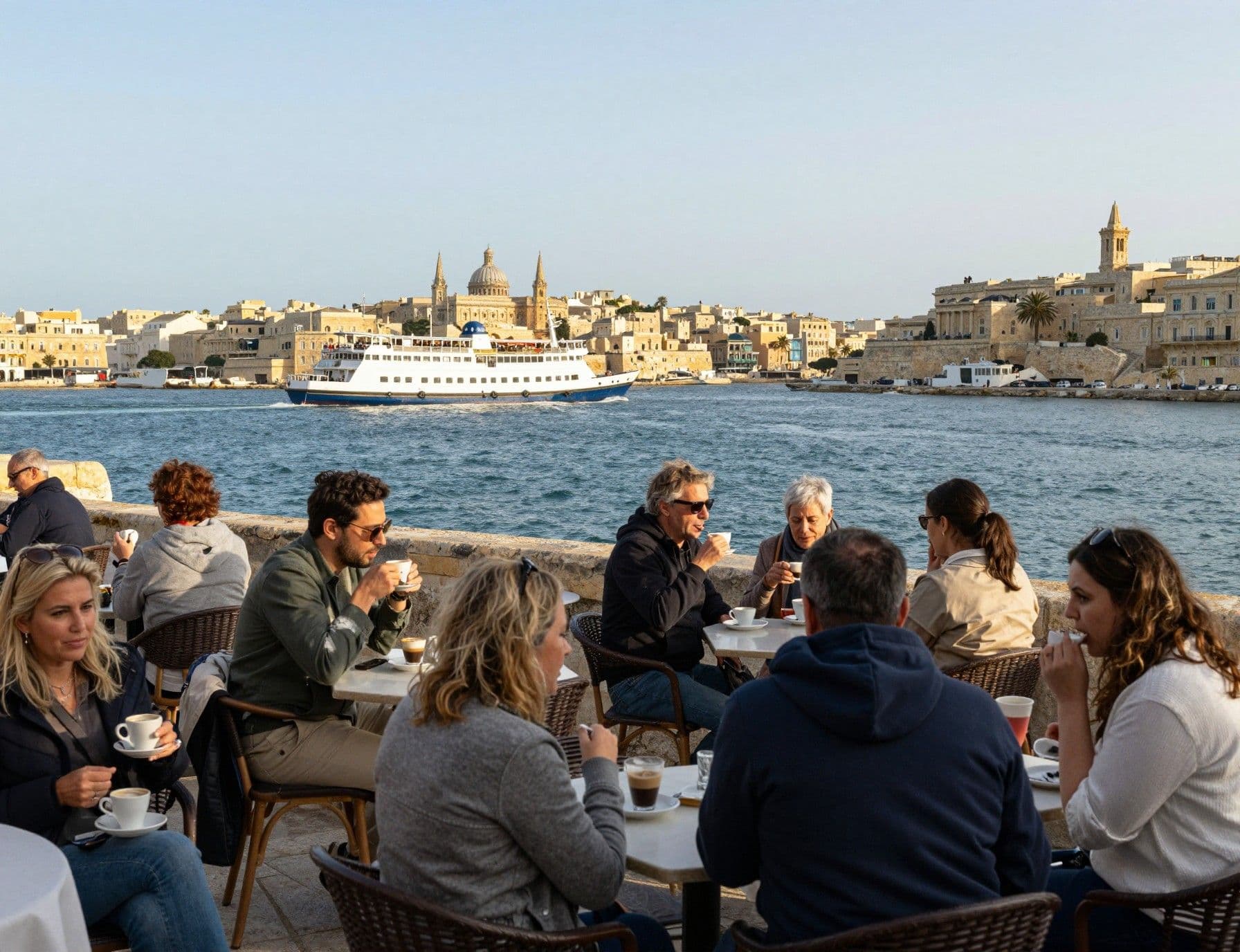
Malta is compact: you can live on a quiet street in Sliema, walk to a coworking hub, jump on a ferry to Valletta for a lunchtime concert and still be home for sunset aperitifs in St Julian’s. Days here have tactile rhythms — early morning market runs, late dinners, and a weekend where Gozo’s slow lanes feel a short escape. For many internationals that mix — urban convenience plus immediate coastline — is what justifies the island premium. The sensory details matter: limestone façades, Mediterranean citrus, narrow lanes that suddenly open to harbours — they shape how you use every square metre of a property.
Sliema & Tigné: promenade living and coffee culture
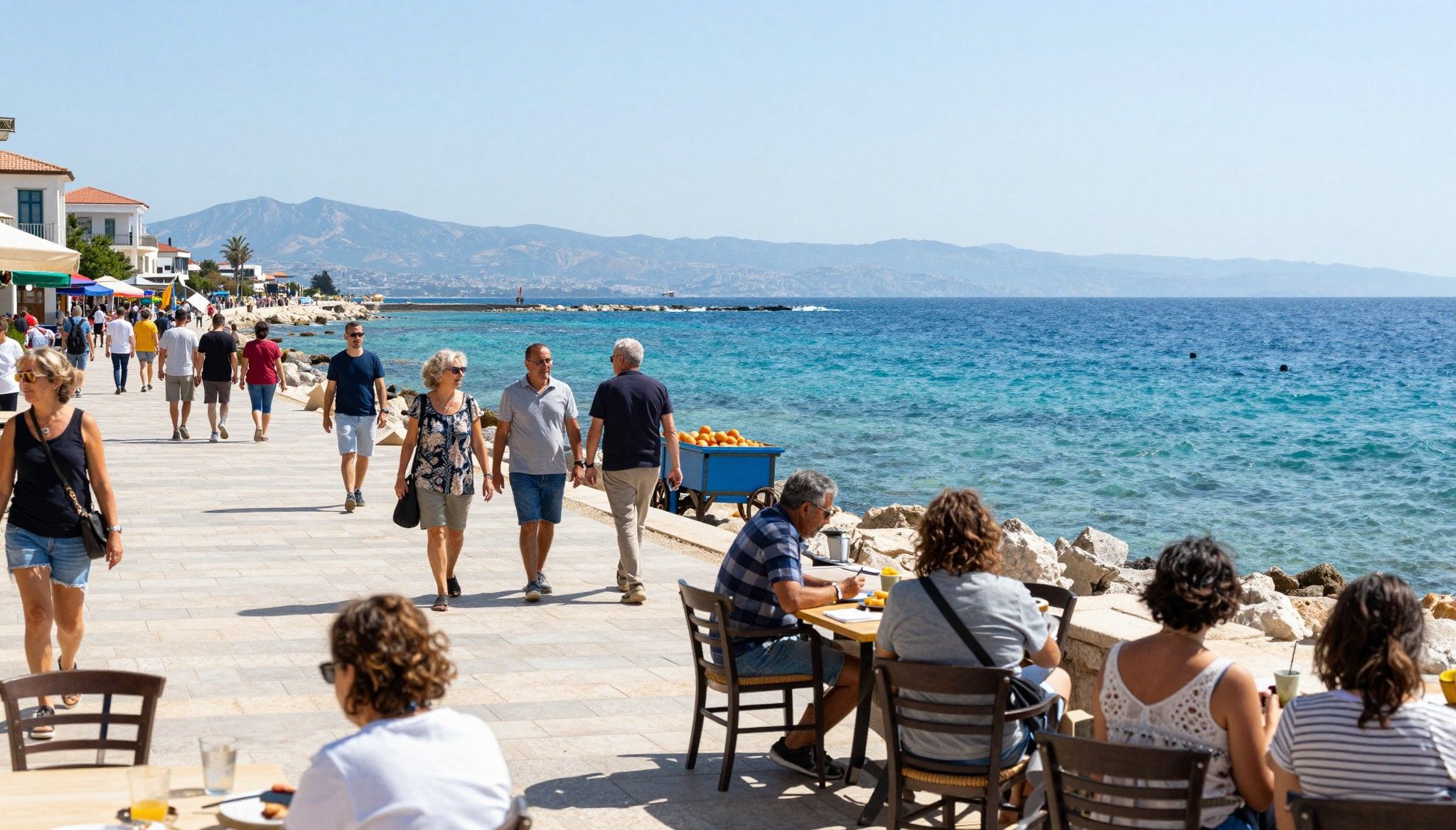
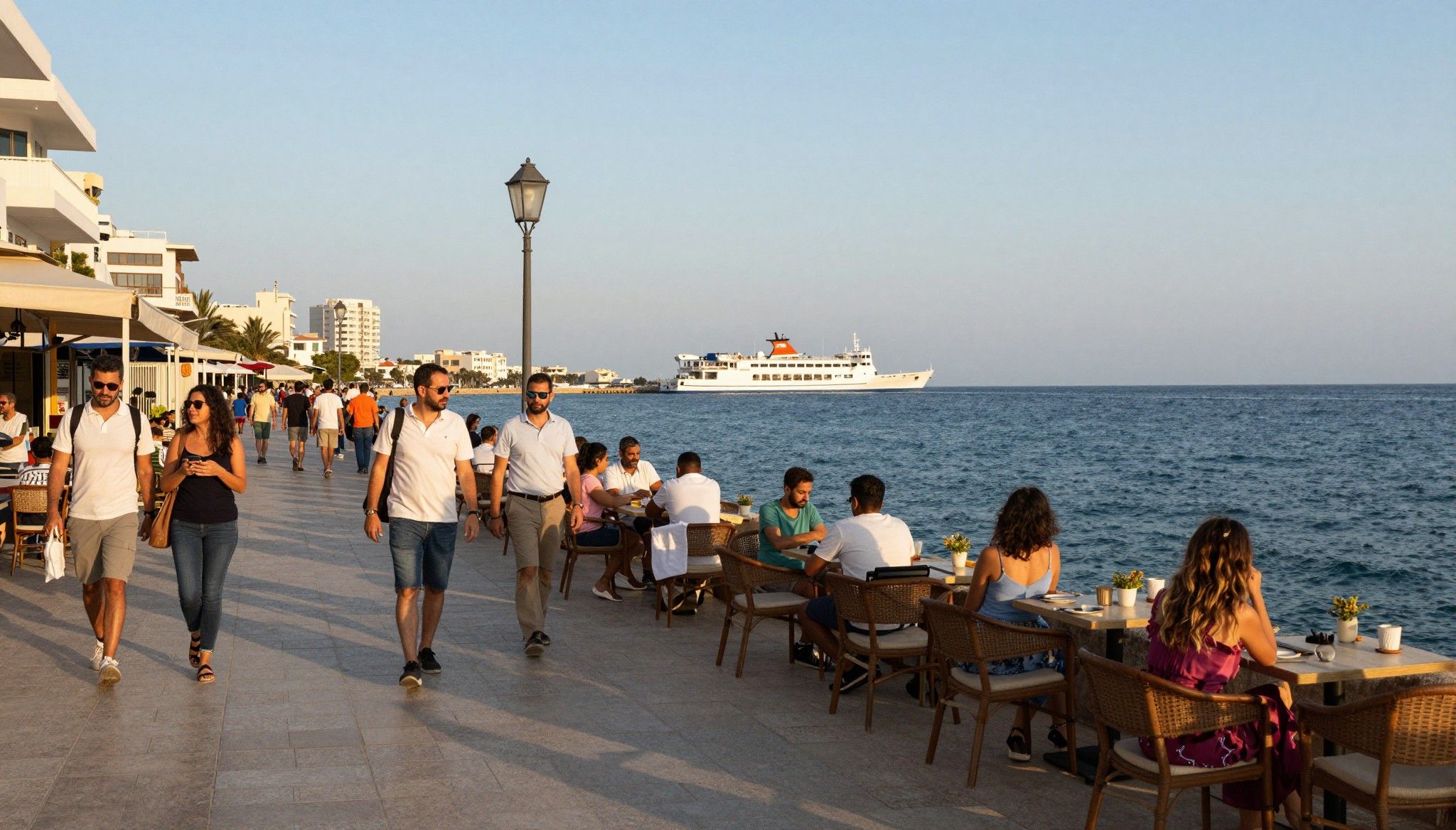
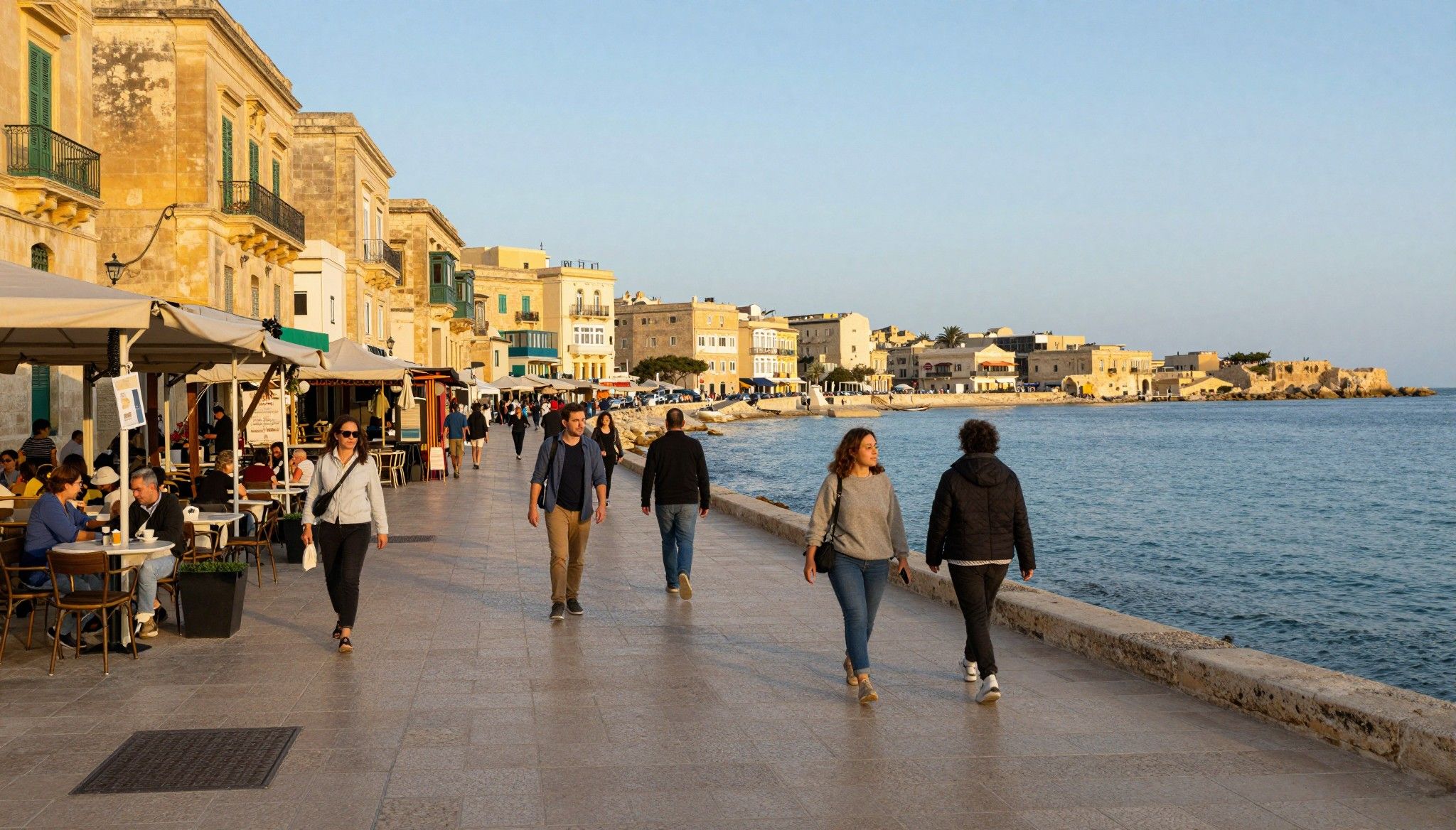
Sliema’s promenade and the Tigné peninsula combine mixed‑use apartment blocks with thriving cafés and reliable ferry links to Valletta. Morning espresso is ritual, boutique grocers punctuate side streets and many buyers choose compact terraces or modern apartments to prioritise location over square metres. If you want a lively, walkable day‑to‑day life, Sliema lets you live outside your front door: shops, gyms and healthcare are within minutes. That ease is why renters and short‑term visitors keep demand steady through the year.
Valletta’s intimate city fabric: heritage as everyday life
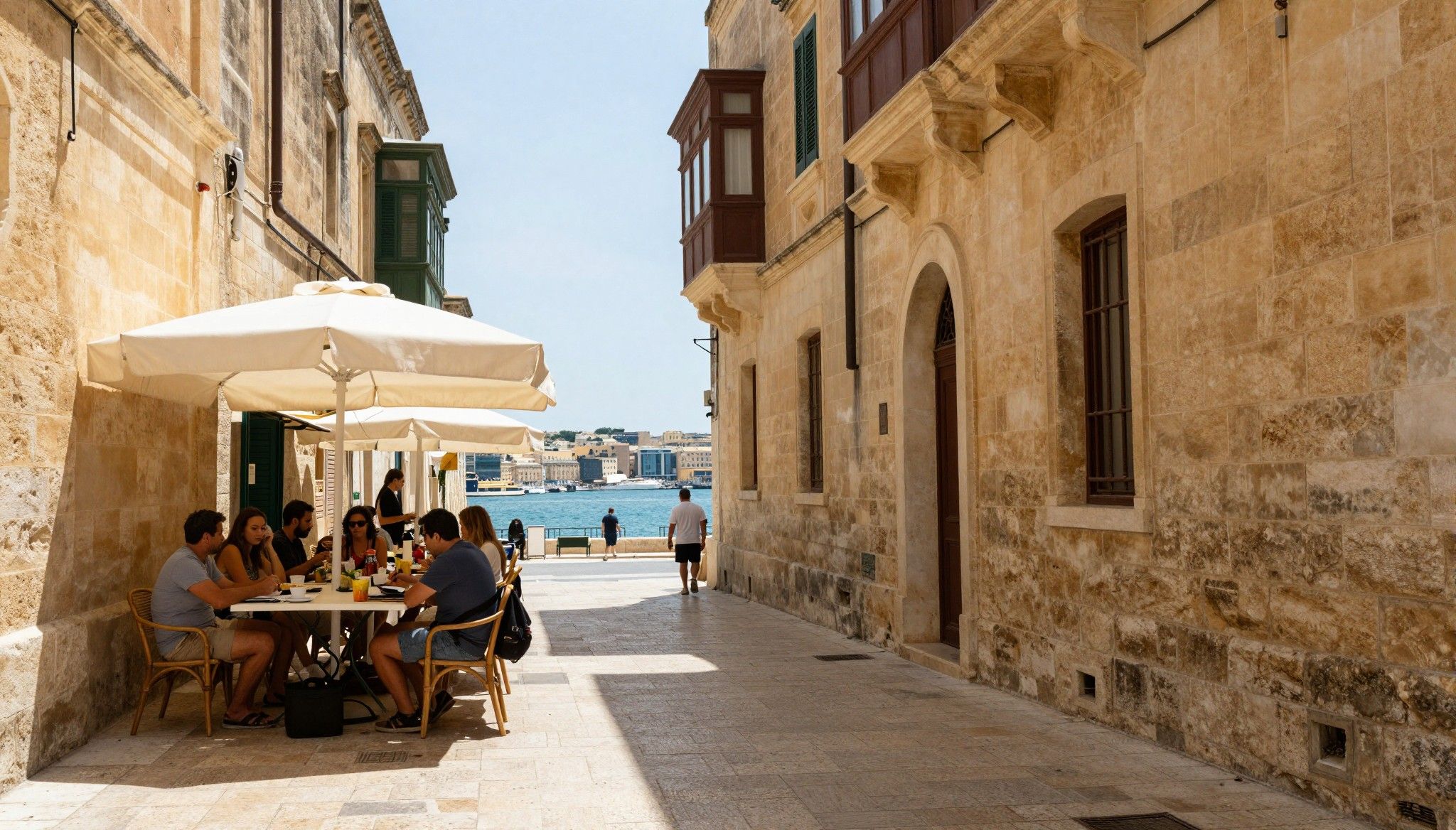
Valletta is an ‘open‑air museum’ you can actually live in: baroque streets, tiny squares and rooftop terraces that frame the harbour. Properties here range from classic townhouses requiring careful restoration to smartly converted apartments with high ceilings. Lifestyle trade‑offs are clear — less private outdoor space, but unmatched cultural proximity — and that’s precisely why some buyers pay a premium. For a buyer who values daily access to theatres, galleries and a scenic commute across the water, Valletta’s density feels like an asset, not a constraint.
Lifestyle highlights to feel the island: 1) Morning walk along Sliema promenade and ferry to Valletta; 2) Sunday fish market in Marsaxlokk; 3) Aperitifs in Balluta Bay, St Julian’s; 4) Weekends on Gozo’s Ramla Bay; 5) Late‑night dining in Strait Street; 6) Community fêtes in small villages.
Making the move: practical choices that preserve the lifestyle
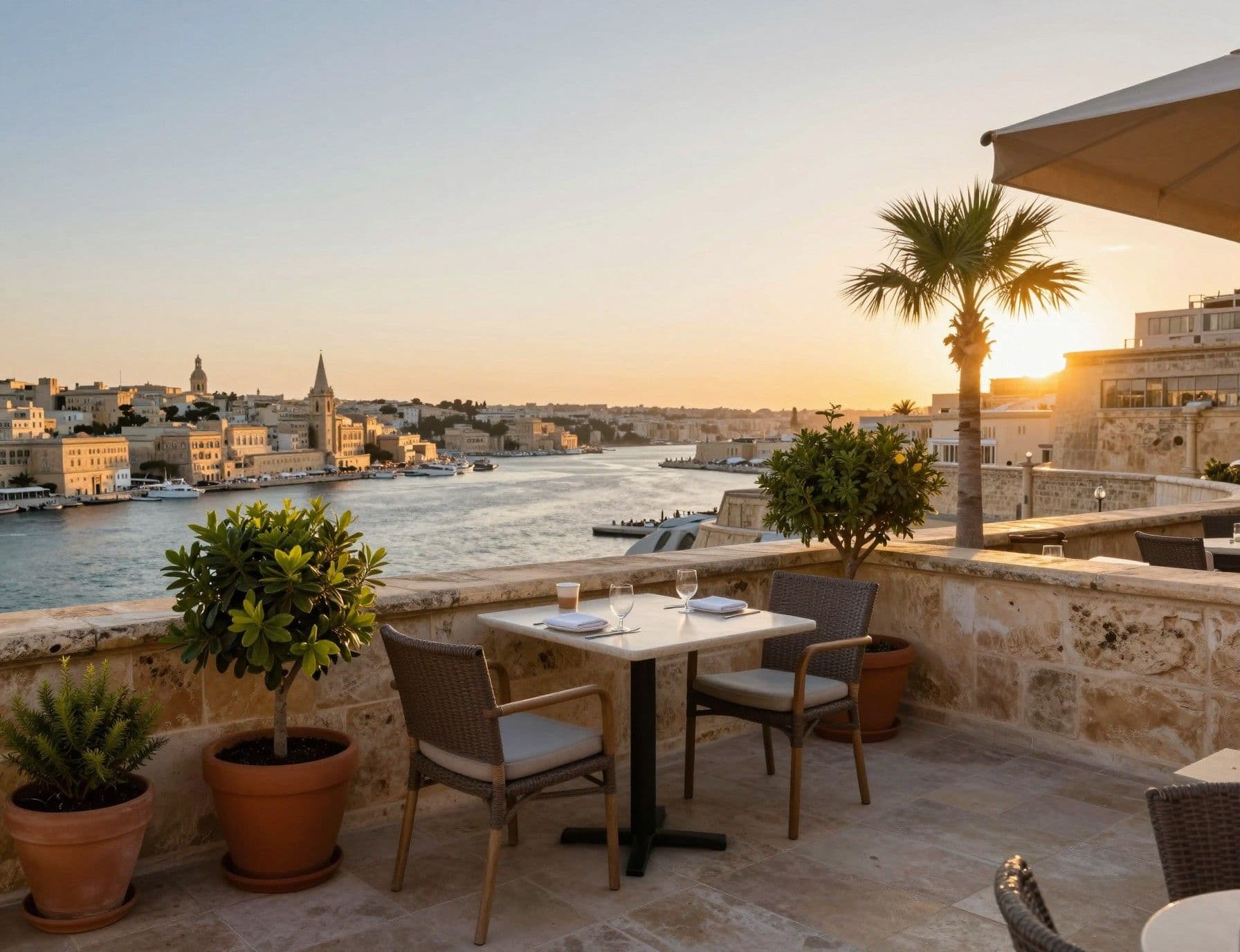
Malta’s market shows steady residential price growth — NSO figures reported year‑on‑year increases in recent quarters — which means location choice and property type matter more than a raw island vs. mainland price comparison. That microsegmentation is why buyers who focus on lifestyle first, then data, make smarter purchases. Work with that two‑step brief: (1) define daily life needs (walkability, terraces, noise tolerance), (2) overlay those priorities with transaction data for specific streets and towns.
Which property types match your life
Apartments and maisonettes dominate Malta’s pipeline; new builds bring modern insulation and terraces, while older townhouses offer character and larger private roofs. If you plan a remote‑work life, prioritise broadband-ready new builds or renovated terraced homes with room for a dedicated workspace. For rental investors, smaller coastal apartments near Sliema and St Julian’s maintain consistent demand. The key is balancing size with location: a 70 m² apartment on the promenade often rents and sells faster than a larger unit inland.
Working with agencies who know how Maltese life translates to value
1) Brief your agent with a lifestyle map: commute limits, café radius, and terrace priorities; 2) Ask for transaction evidence on the street — not just zone averages; 3) Request a renovation estimate from a local contractor before offer; 4) Confirm rental demand seasonality if you plan short‑term lets; 5) Insist on clear timelines for planning/permitting if considering restoration.
Insider knowledge: what expats wish they’d known
Expats often arrive enchanted by Malta’s social ease and English usage, but surprised by two realities: seasonal crowds reshape neighbourhood character in summer, and paperwork (permits, notarised contracts) moves at a different pace. Long‑term satisfaction usually comes from integrating locally — learn basic Maltese phrases, join a neighborhood association, and try village festas — these create practical social networks that smooth municipal processes and home maintenance. Also, local banks and mortgage practices can be conservative; secure local advice early to match financing with your cross‑border cash flow.
Cultural cues that change where you buy
Maltese social life is neighbourhood‑based: people form ties through cafés, clubs and festa committees. This means a street with active local life — shops, a parish church, a weekly market — will feel safer, more supported and often has stronger rental appeal than a superficially prettier but quieter lane. Accepting that social capital translates to monetary value changes where you look: sometimes a busy square is an advantage, not a nuisance.
Longer view: how life evolves after you move
After a year in Malta many buyers report a shift: what felt like paying a premium becomes an accepted cost for time saved and quality of life gained. Practical adjustments — using a local property manager, joining expat groups, scheduling maintenance before high season — make the lifestyle sustainable. If you plan a five‑ to ten‑year horizon, factor in steady demand for coastal apartments and the premium for restored townhouses in Valletta and Mdina.
Red flags and quick checks before you sign: 1) Confirm actual transaction prices (NSO) not just asking prices; 2) Check planning history for rooftop alterations; 3) Verify noise sources from neighbouring nightlife (Paceville effect); 4) Ask homeowners about insulation and humidity issues; 5) Request a local‑market rental comparison if relying on income.
Malta rewards buyers who think like locals: prioritise a lifestyle map, verify neighbourhood transaction evidence, and treat heritage restoration as a long‑term craft, not a quick flip. If you want help turning a feel‑for‑place into a transaction, a reputable local agency becomes your translator — of language, planning rules and where the everyday life you fell for will actually happen. Ready for the next step? Ask for a street‑level dossier that matches your lifestyle brief and I’ll show you real examples that fit those rhythms.
Norwegian market analyst who relocated to Mallorca in 2020. Focuses on data-driven market insights and smooth relocation for international buyers.