Malta: Where Neighbourhood Choice Matters More Than Price
Malta’s compact island life pairs immediate Mediterranean rituals with steady price growth; pick the neighbourhood that matches your daily life and verify with local data.
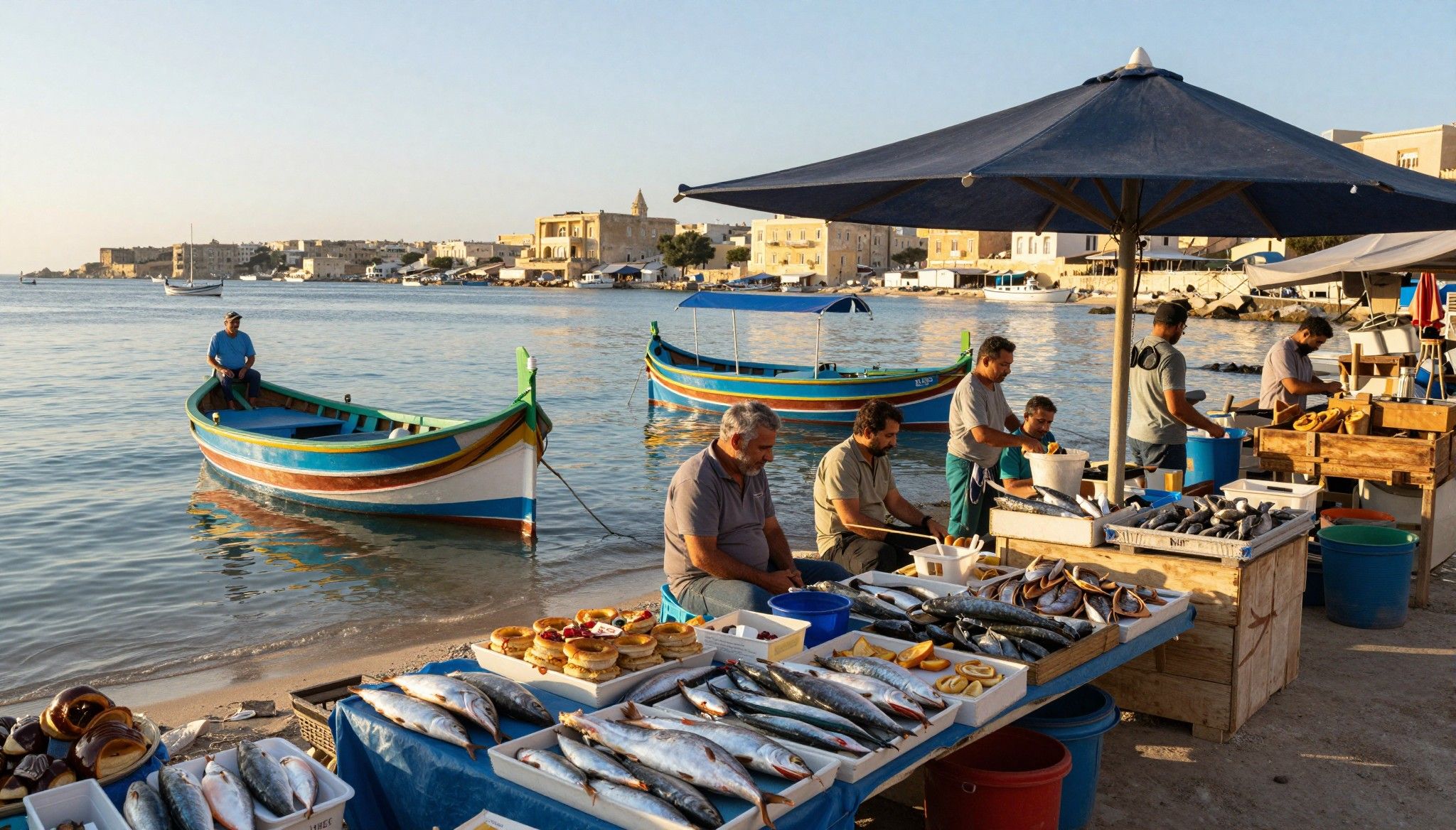
Imagine walking from a limestone townhouse onto a narrow Valletta street at dawn: espresso steam, fishermen unloading the day’s catch in Marsaxlokk, and children racing bikes past sun-warmed balconies. Malta’s compact scale means the sea, history and neighbourhood life arrive at your doorstep — but buying here is as local as the lunch menu. Recent market analysis shows steady, island‑wide price growth, and that reality reshapes how international buyers should think about lifestyle and long‑term value.
Living Malta: small‑island rhythms and big‑city options
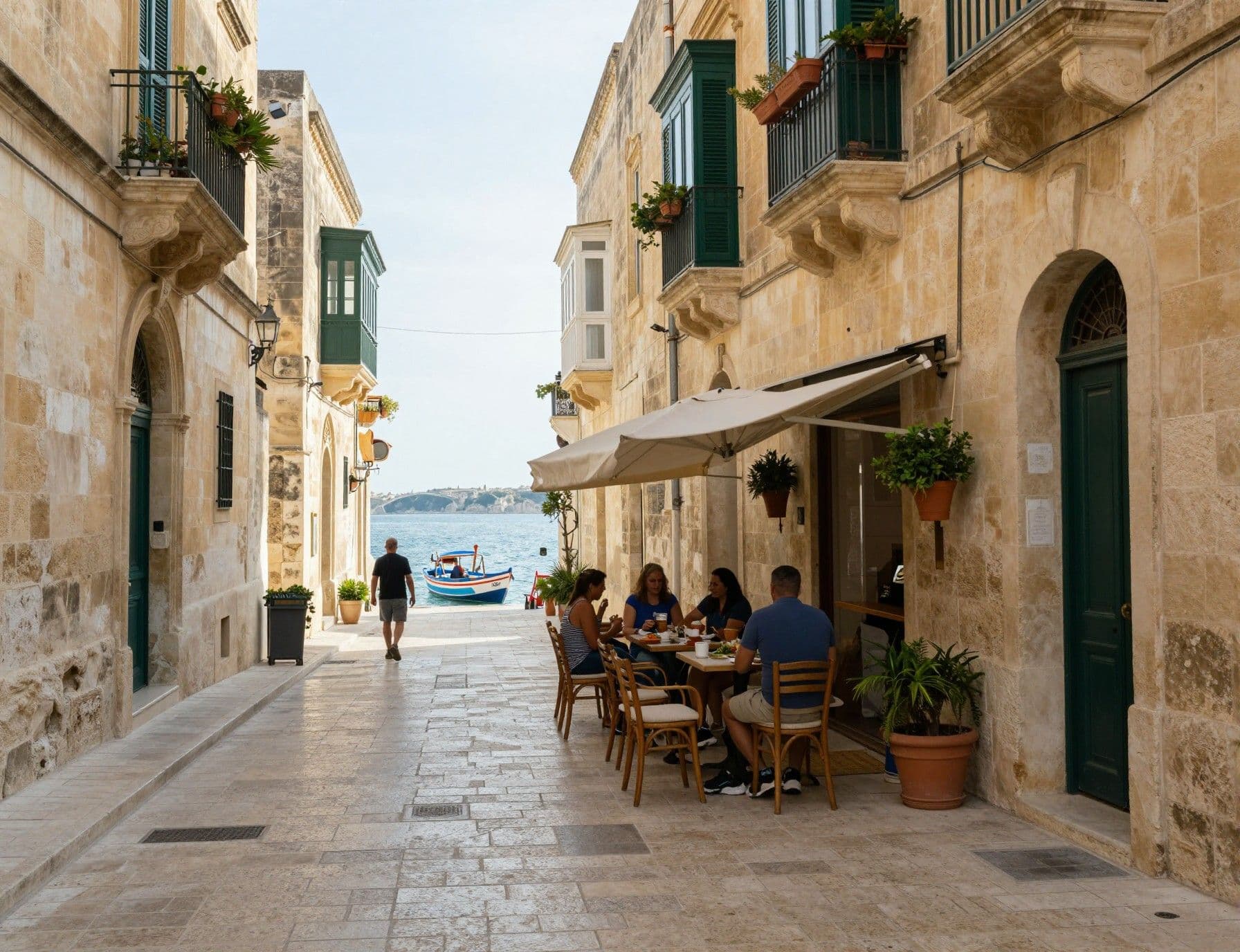
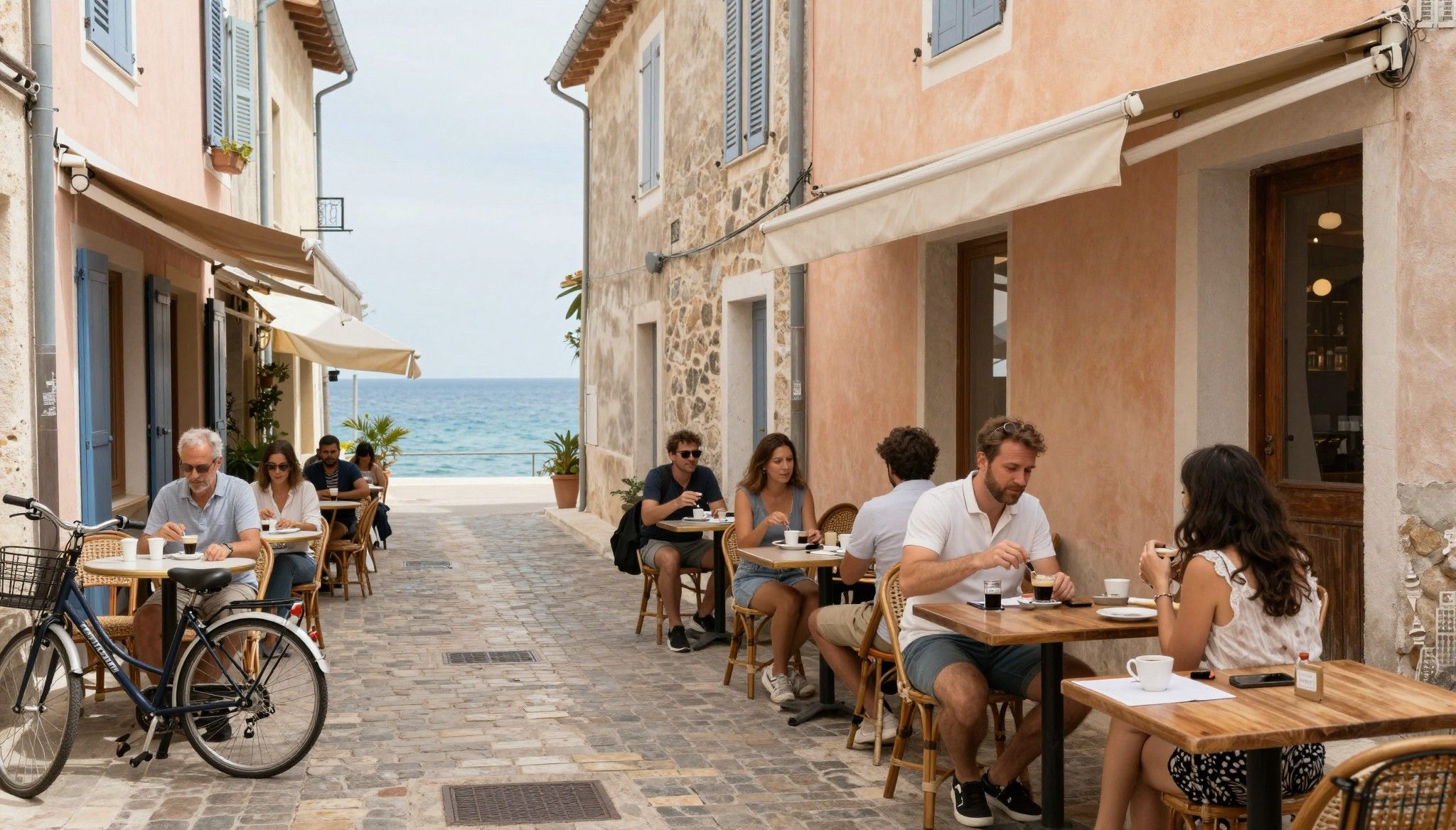
Malta feels like a Mediterranean village stretched across a modern services economy. Mornings begin at corner cafés, afternoons migrate to rocky coves or rooftop terraces, and evenings gather in piazza‑style squares where live music and family dinners thread together. The island’s English language use, compact transport links and dense mix of new build and historic housing make it unusually easy to slip into daily life fast — provided you pick the right neighbourhood for your rhythm.
Valletta & Three Cities: history, cafés and a walkable life
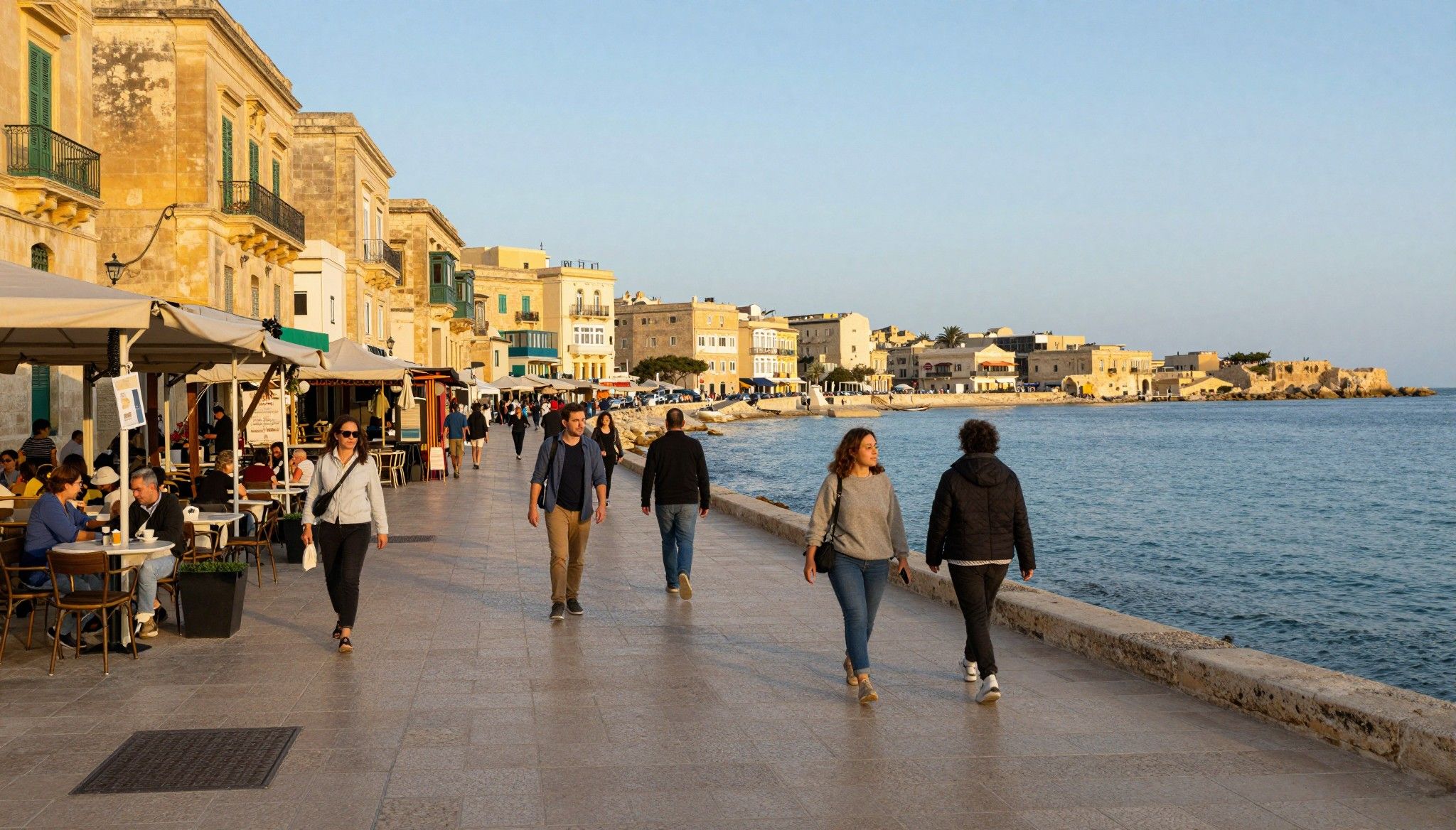
Valletta’s baroque streets and the waterfront promenades of the Three Cities (Senglea, Cospicua, Birgu) are magnetic for buyers who want cultural density and short walks to theatres, museums and harbourside restaurants. Apartments here often mean restored heritage with thick stone walls, high ceilings and smaller footprints — perfect for those prioritising urban rituals over sprawling terraces.
Sliema & St Julian’s: contemporary terraces and social life
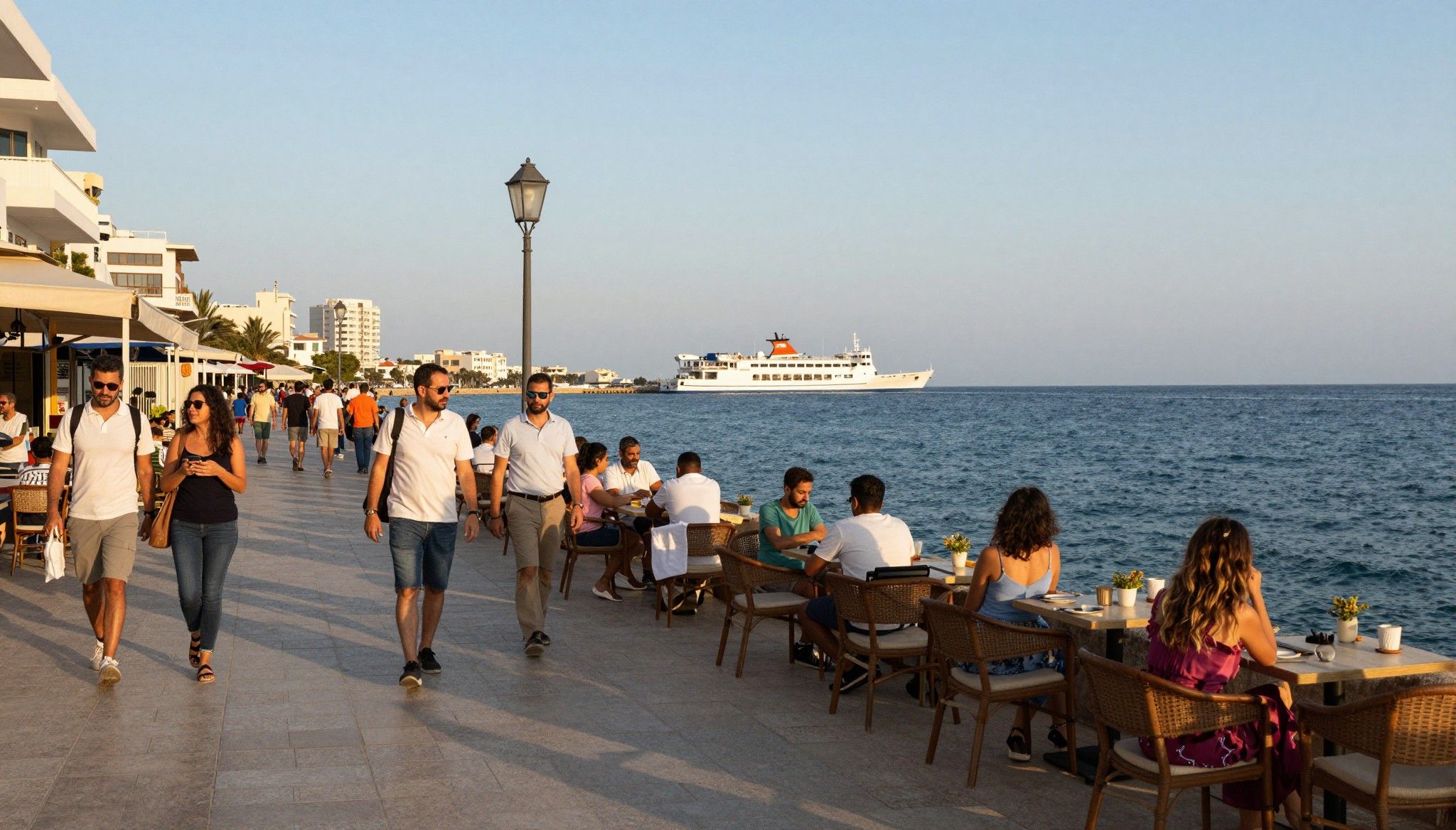
If you want cafés that stay open late, seafront promenades and a stronger expat social scene, Sliema and St Julian’s deliver. Expect modern apartment blocks, rooftop pools and a short commute to international schools, coworking spaces and nightlife. These areas trade historic charm for convenience and rental demand — a key factor for buyers thinking of hybrid living or letting income.
- Lifestyle highlights: Valletta theatre nights, Marsaxlokk fish market, Blue Grotto boat trips, Sliema promenade walks, Ġnien l‑Kunsill quiet gardens, local festas in village squares.
Making the move: how lifestyle choices map to property types
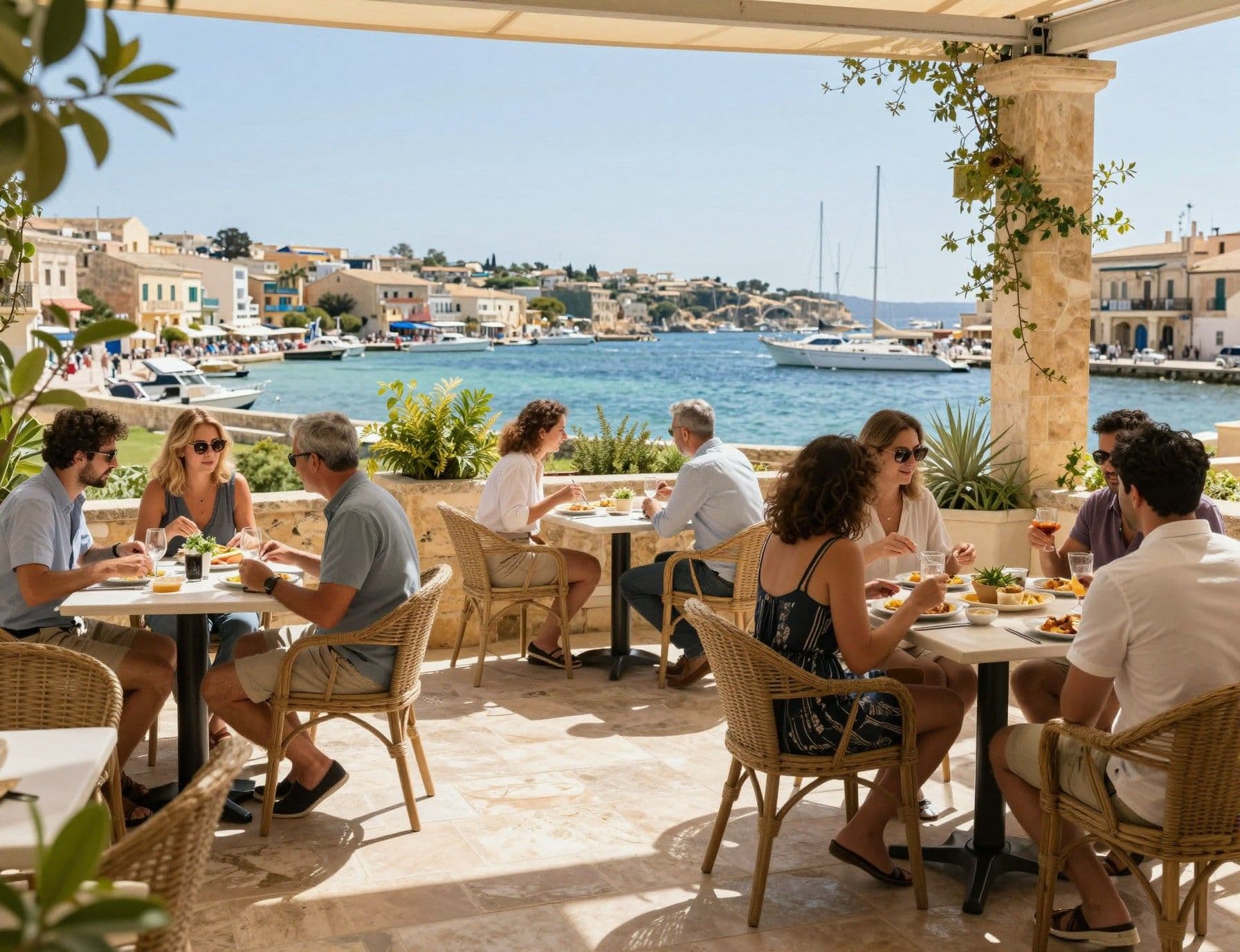
Your lifestyle wish‑list — small historic apartment, modern seafront flat, or townhouse with roof terrace — directly affects search tactics and legal steps. Malta’s purchase rules differ for EU and non‑EU buyers, and early consultation with a local notary and agent prevents surprises in contracts, permit needs and neighbourhood suitability. Government guidance walks buyers through the process but local expertise speeds it up.
Property styles and how you’ll live in them
Apartments and maisonettes are dominant in central areas; maisonettes often include private street entrances and small terraces useful for pets or outdoor meals. Townhouses and terraced homes in older towns require attention to insulation and moisture management but reward you with character. New‑builds in Sliema and Pembroke offer modern amenities like lifts and private parking — conveniences that shape day‑to‑day comfort more than headline price per square metre.
Working with local experts who understand place and pace
Agents who live in the neighbourhood guide you toward lifestyle fits (morning cafés, ferry routes, noise levels) while notaries and mortgage brokers handle legal transfer and finance. Use an agent to shortlist based on how you want to live — a harbour view at dawn or a quiet street for weekend family life — and verify market data locally because island averages mask sharp locality differences.
- Steps that blend lifestyle and practical sense: 1) List daily rituals (coffee, swim, commute) before viewing; 2) Target 3 neighbourhoods that match those rituals; 3) Ask agents for running costs and common maintenance issues; 4) Schedule viewings at different times to test noise and light; 5) Involve a local notary early to check titles and permits.
Insider knowledge: what expats say and what the data confirms
Long‑time expats warn that Malta’s small size concentrates both charm and competition: good homes don’t stay on the market. NSO figures show price growth concentrated in apartments and central areas, confirming what locals feel on the ground — steady demand, particularly near services and transport. That means speed and local connections matter more than low‑ball offers.
Cultural integration and everyday practicalities
English is an official language, easing paperwork and social life, but small‑town customs — festas, neighbourly timings, municipal expectations — shape your experience. Learning basic Maltese phrases and showing up to local events speeds acceptance. Plan for compact storage, seasonal cooling rather than heavy heating, and occasional local bureaucracy that moves at village pace.
Long‑term lifestyle considerations buyers often miss
Think beyond initial charm: parking scarcity, maintenance of older stone buildings, and neighbourhood change can alter day‑to‑day life and resale prospects. Use data to test your assumptions — island‑wide indices show growth, but micro‑markets (harbourfront vs inland village) behave differently. That nuance should inform whether you buy to live, let, or both.
- Red flags and practical checks: Title anomalies or missing permits; inconsistent utility upgrades; high service charges in newer developments; seasonal noise around festa routes; limited resale comparable sales in niche pockets.
If the lifestyle picture has you saying “yes,” act like someone who knows the neighbourhood before buying. Spend 48–72 hours living there on repeat, talk to local shopkeepers, and have an agent arrange off‑market viewings. Good properties in Malta are as much about street life as square metres.
Conclusion: Malta offers an immediately livable Mediterranean life anchored by walkable streets, sea access and a bilingual culture. Pair that lifestyle with local data — NSO indices and recent market reports — and you get a clear playbook: define the life you want, test it in the neighbourhood, and use experienced local advisers to protect both your day‑to‑day happiness and your investment.
Swedish strategist who relocated to Marbella in 2018. Specializes in legal navigation and tax planning for Scandinavian buyers.