Italy: Choose the Neighbourhood Rhythm, Not the View
Italy’s charm masks regional market reality — choose neighbourhood rhythms over headline views; ISTAT and Nomisma data show steady demand but big local variation.
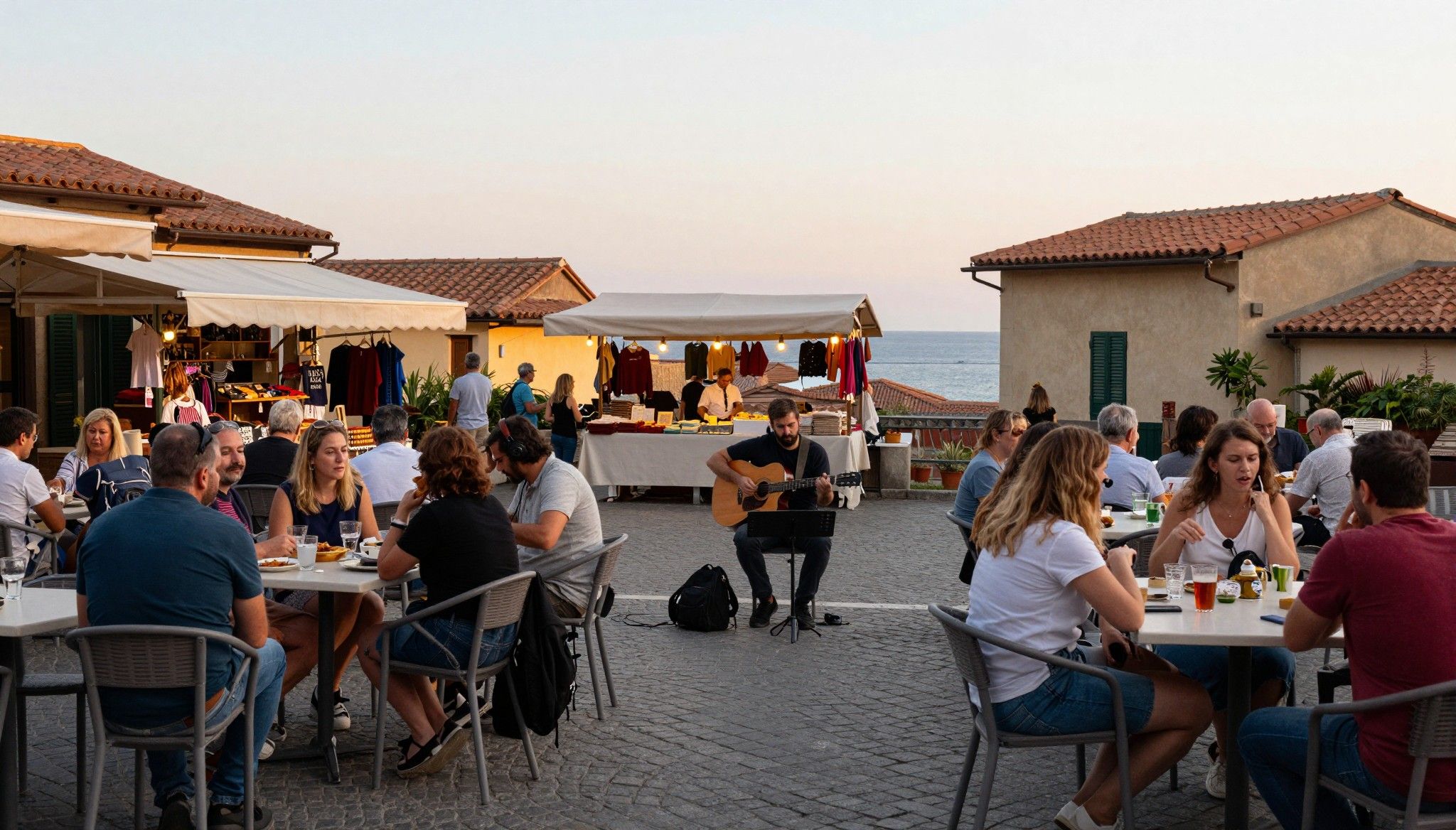
Imagine waking to an espresso on a narrow balcony in Trastevere, then swapping cobbled alleys for a late‑afternoon swim on the Ligurian coast — that mix of timeless routine and seaside spontaneity is Italy. But beyond the postcard, life here is a patchwork of rhythms: slow market mornings in hill towns, lively aperitivos in Milanese courtyards, winter quiet in ski towns. For international buyers the romance is immediate; the practical trade‑offs — seasonal markets, local regulations, and neighbourhood nuance — require insider knowledge. Read on for a lifestyle-first comparison of how Italy feels, where value hides, and the smart moves expats tell us they wish they’d known earlier.
Living the Italian Life — more than a view
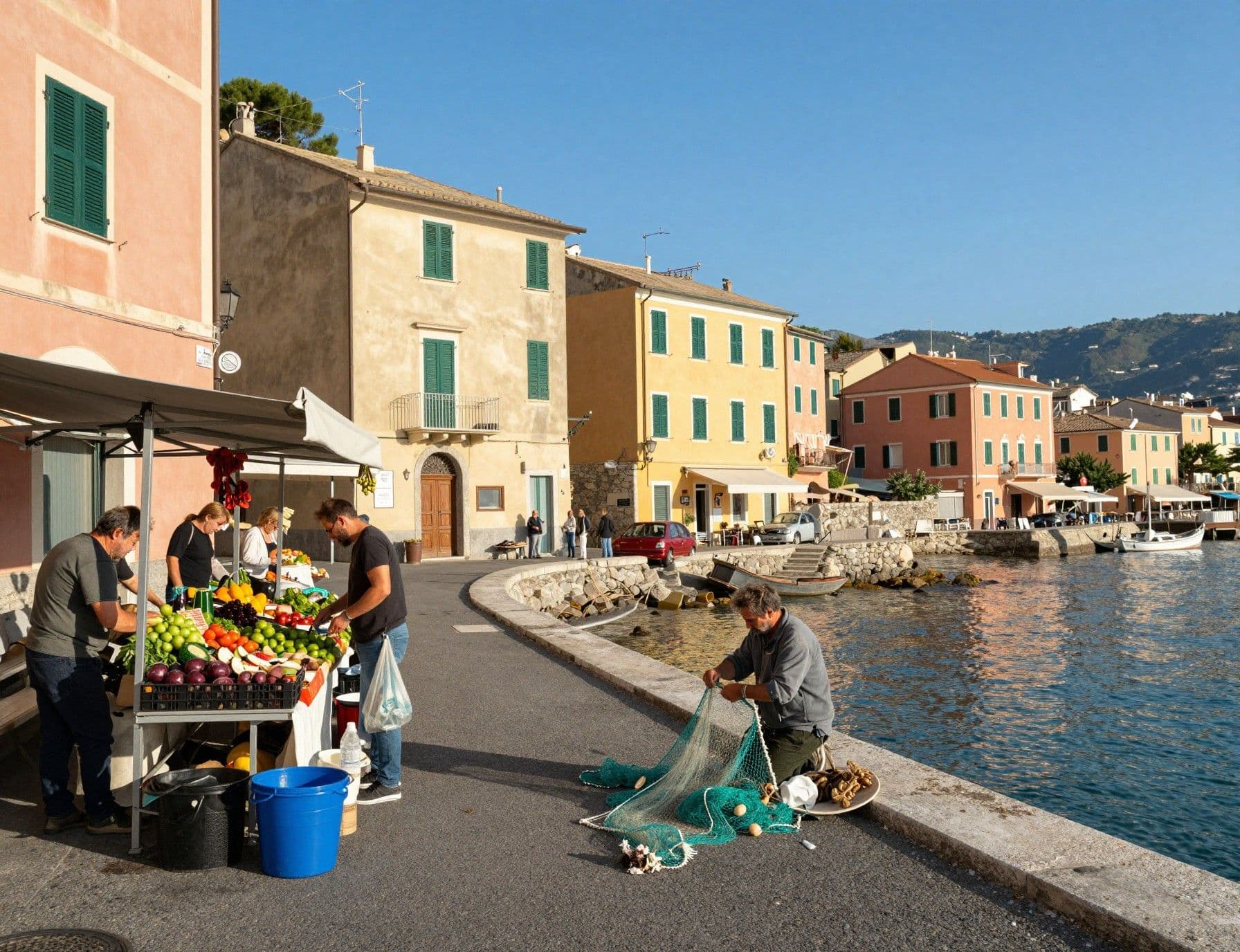
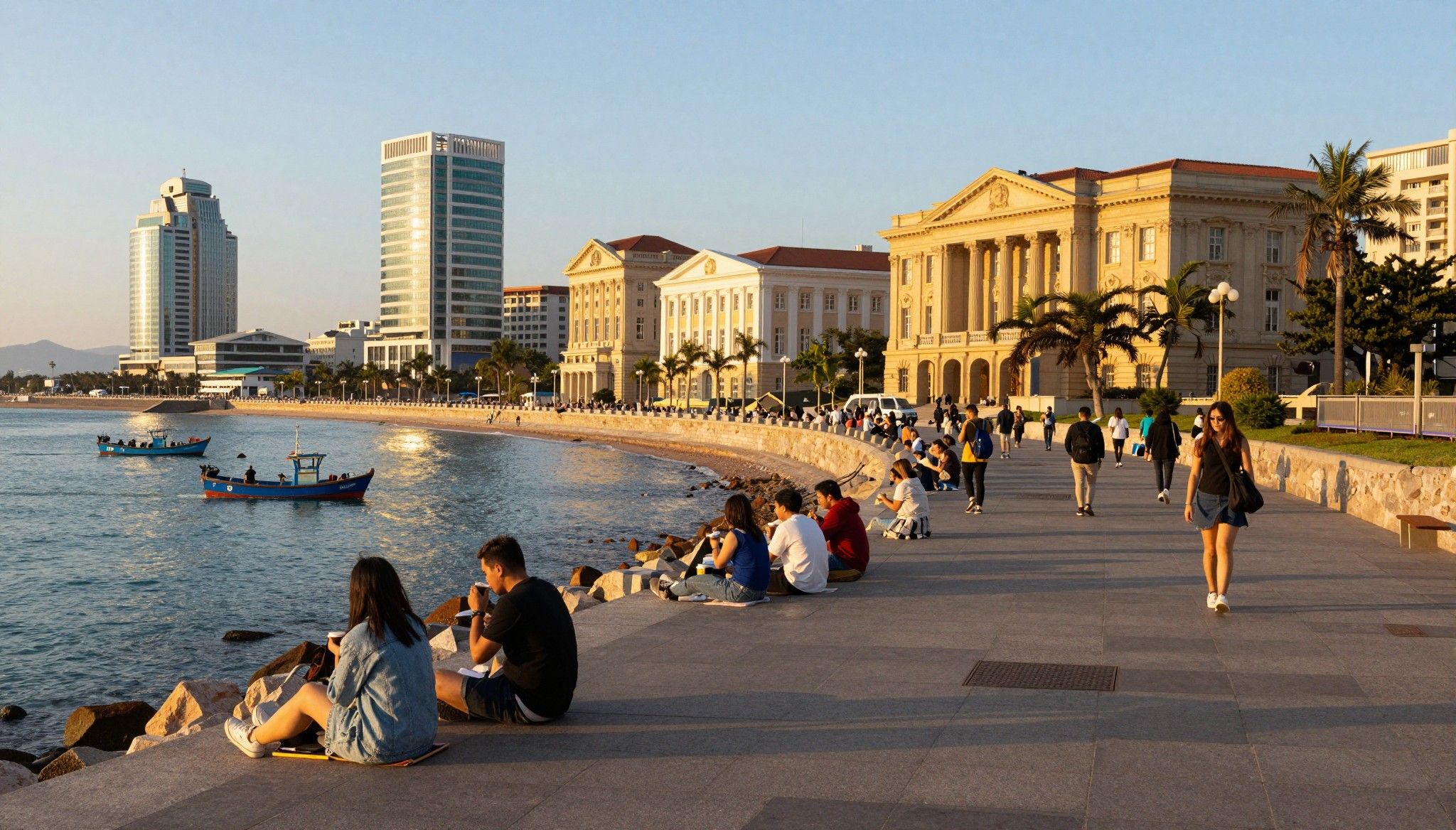
Daily life in Italy is sensory and local: morning markets selling fragile pastries, a butcher who knows your order, and piazzas that shoulder the week’s social life. Where you live changes the soundtrack — scooters and late dinners in Naples, quiet midweek passeggiata in Siena, designer coffee counters and coworking in Milan. These lifestyle choices also shape markets; urban demand lifted prices in 2024–25 even as regional variation remained large, according to national statistics. Use those patterns to match a daily routine to a property type rather than chasing a single headline price.
Rome: neighbourhoods that feel like a village
Trastevere, Prati and Monti each offer different daily rhythms: Trastevere for evenings and community, Prati for family life near the Vatican, Monti for independent shops and a short walk to the Colosseum. Apartments tend to be older, with high ceilings and small kitchens — perfect if you already picture a life of markets and cafés but expect renovation and building‑bylaws to influence your budget. If you want morning light and a neighbourhood that’s walkable to everything, prioritise courtyard flats over noisy street‑front units.
La Liguria & the Italian Riviera: coastal life, scaled down
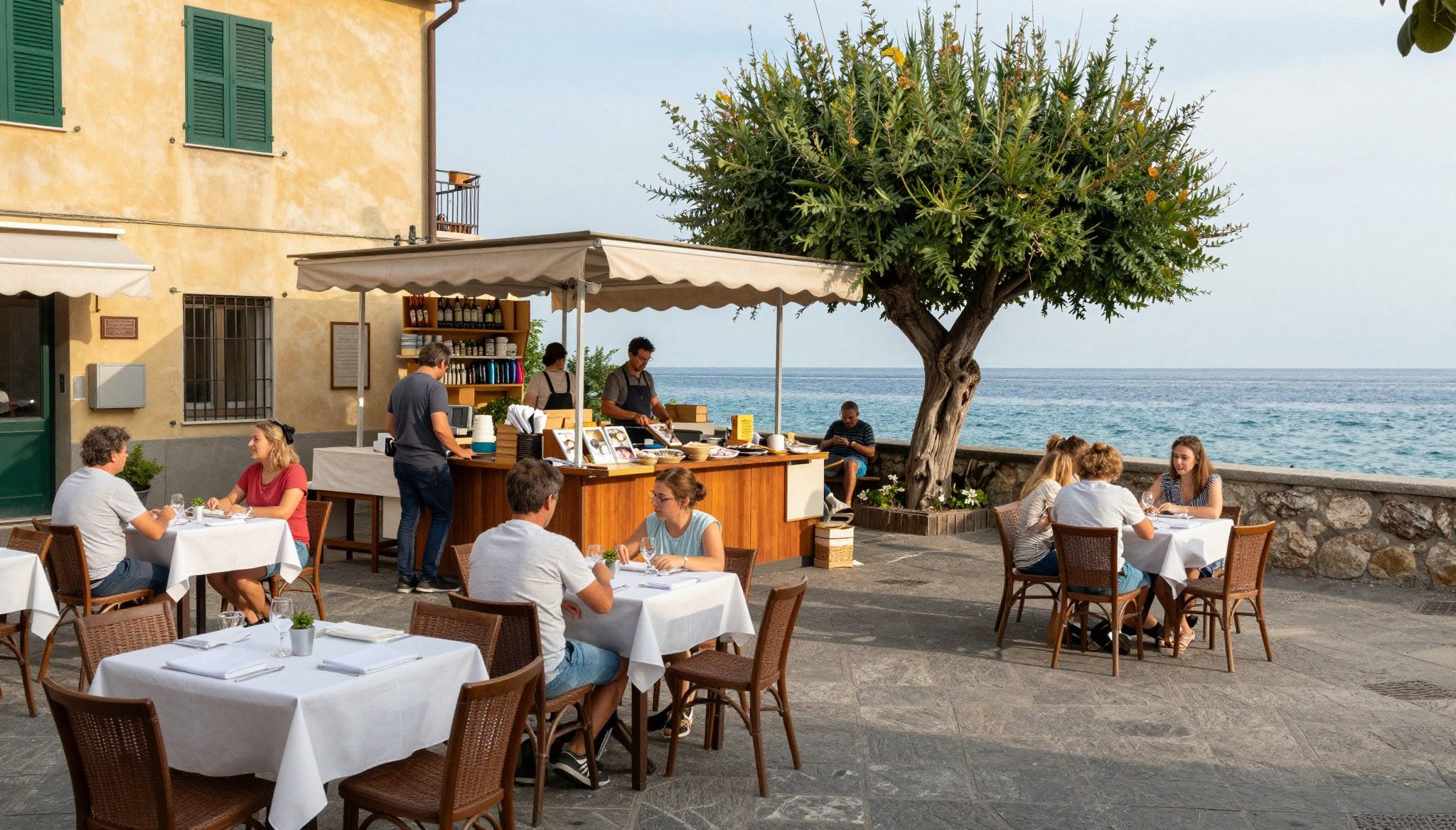
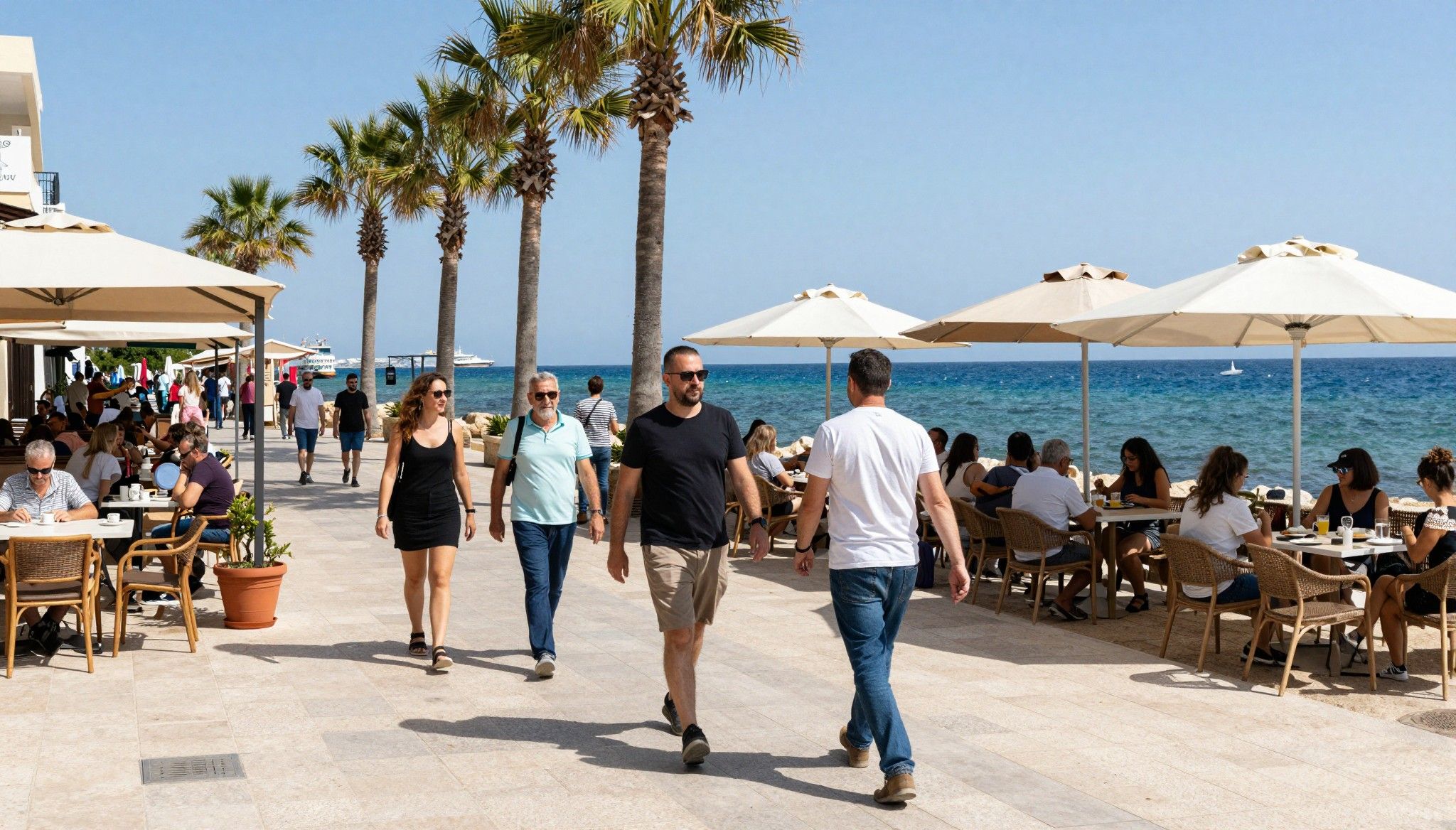
From Portofino and Santa Margherita to quieter Rapallo and Levanto, the Riviera mixes tight stone streets, small marinas and steep terraces. Coastal properties often trade interior square metres for outside space — terraces, loggias and sea glimpses — and expect seasonality in rental demand. For buyers wanting everyday seafront life rather than summer tourism peaks, look for towns with year‑round services (train links, local markets, schools) rather than headline prestige addresses.
- Lifestyle highlights to sample before you buy:
- Wander the Mercato di Porta Portese in Rome for second‑hand treasures and local colour.
- Take the Genoa–Camogli trail for sunrise sea views away from the afternoon crowds.
- Spend an evening aperitivo in Navigli, Milan, then note the urban rhythm and transport links.
- Visit a friday market in Bologna for fresh prosciutto and to feel neighbourhood life.
Making the move: lifestyle-aware practicalities
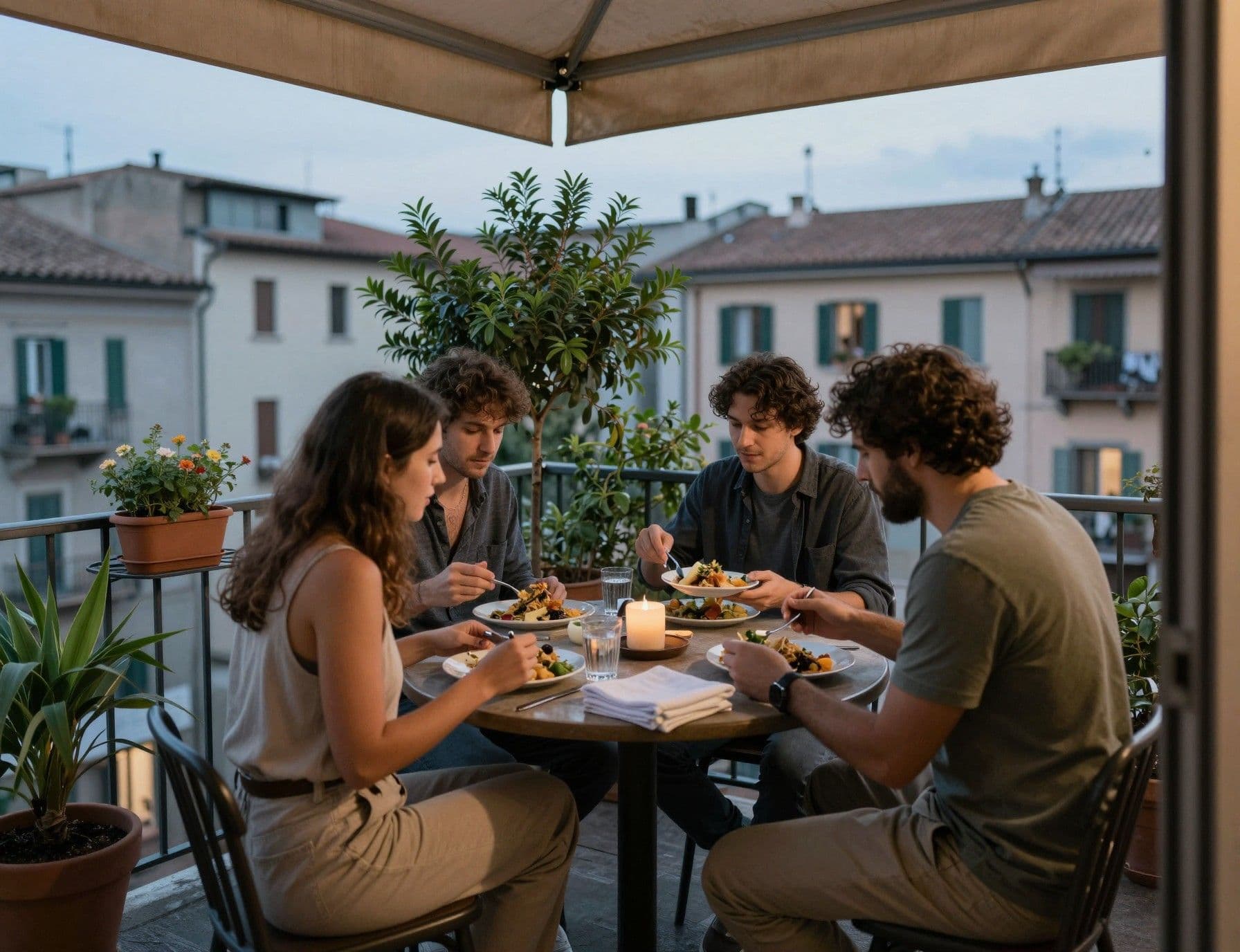
The dream—aperitivo on a terrace, weekly market—meets reality at the viewing. Italy’s market showed resilience through 2024–25 with modest national price growth and sustained transaction volumes, though regional splits and the timing of mortgage costs matter. Reports from market analysts recommend tempering expectations for immediate capital gains in 2026, and instead focus on lifestyle fit, rental seasonality and building condition. This section translates those market signals into concrete steps you can follow while keeping the life you want at the centre of decisions.
Property types and how they shape daily life
Historic centre apartments often mean tall ceilings, thin walls, and limited parking — great for walkers, less so for families with cars. Newer developments on city outskirts deliver light, parking and modern systems but cost you commute time and a different social life. Coastal terraced houses and cliff‑side apartments prioritise outdoor space and sea access; inland villas buy square metres and privacy. Check energy class (Classe Energetica), insulation and maintenance needs—these will shape living costs and comfort year‑round.
Working with local experts who preserve lifestyle intent
Choose agencies that ask about your weekday routine and favourite weekend activities rather than just square metres. Local notaries and surveyors should be part of the early team—Italy’s property conveyancing is document‑heavy and nimble local advice prevents surprises. Good agents connect you to contractors who understand historic fabric, and to property managers who balance seasonal rental income with respectful long‑term tenancy. Expect to pay for expertise; the right local team preserves the lifestyle you fell in love with.
- Steps to align lifestyle and purchase (practical + lived experience):
- 1. Spend at least two separate weeks in different seasons to trial daily life and transport patterns.
- 2. Prioritise walkability, local services and train links over one-off sea views when year‑round life matters.
- 3. Have an engineer check structure and moisture risks in older buildings; budget for façade and roof works.
- 4. Use a local notary early to flag cadastral issues and verify energy efficiency paperwork.
Insider knowledge: what expats wish they'd known
Expat buyers often underestimate seasonal service drops in smaller towns — a town that buzzes in summer may be quiet or closed in winter, affecting resale and long‑term happiness. Many also misjudge renovation timelines for historic properties; permits and heritage restrictions add weeks or months. On the positive side, long‑term residents enjoy strong community ties, neighbourhood markets and services that return value in daily life even if short‑term yield is modest. Weigh daily quality of life above headline capital gains when choosing where to plant roots.
Language, social integration and local rhythms
Learning basic Italian opens doors to neighbourhood life faster than reliance on English alone — shopkeepers, local administrators and neighbours respond to effort. Many towns have active expat meetups, English‑language cafés and international schools in larger cities, so think where community is available for your profile. Social customs such as long lunches, late dinners and the importance of local festivals (sagre) will shape your calendar and how you plan visits and rentals.
Longer-term lifestyle: maintenance, services and future-proofing
Think beyond acquisition: access to reliable tradespeople, energy upgrades and whether a property will be easy to rent or resell matter most over a decade. National data shows modest price growth and regional divergence; properties in well‑connected provincial capitals and coastal towns with rail links tend to hold value better. Budget for 2–5% annually for maintenance and set aside funds for seismic reinforcement or energy improvements where required — these are common hidden costs that affect quality of life.
- Red flags local buyers avoid (and you should too):
- Unregistered building works or missing permits; they stall sales and renovations.
- Properties with chronic damp or rising‑damp issues; repair costs compound quickly.
- Reliance on seasonal tourism for rental income in towns with limited year‑round demand.
- If you find a promising property, this is the short sequence most agents recommend:
- 1. Offer subject to survey and clear title confirmation; 2. Instruct local engineer for a structural review; 3. Engage a notary to review cadastral and energy paperwork; 4. Agree on deposit and timing with staged payments tied to paperwork.
Conclusion — the life you want, backed by local clarity. Italy rewards buyers who prioritise daily rhythm over headline prestige: choose a neighbourhood that fits your mornings, invest in the right local team, and plan for older buildings’ realities. Current data from ISTAT and market analysts shows steady demand but meaningful regional variation, so pair your lifestyle wish‑list with those statistics and a trustworthy notary and agent. If you want, we can shortlist towns that match a specific routine — morning markets, coastal swims, or city cafés — and map them to likely price bands and renovation profiles.
British investor turned advisor after buying in Costa del Sol since 2012. Specializes in cross-border compliance and data-driven investment strategies for UK buyers.