Croatia: Read the Season, Not the Postcard
Croatia’s headline price growth hides regional nuance: coastal glamour coexists with inland momentum and falling transaction volumes — read seasonality, not postcards.
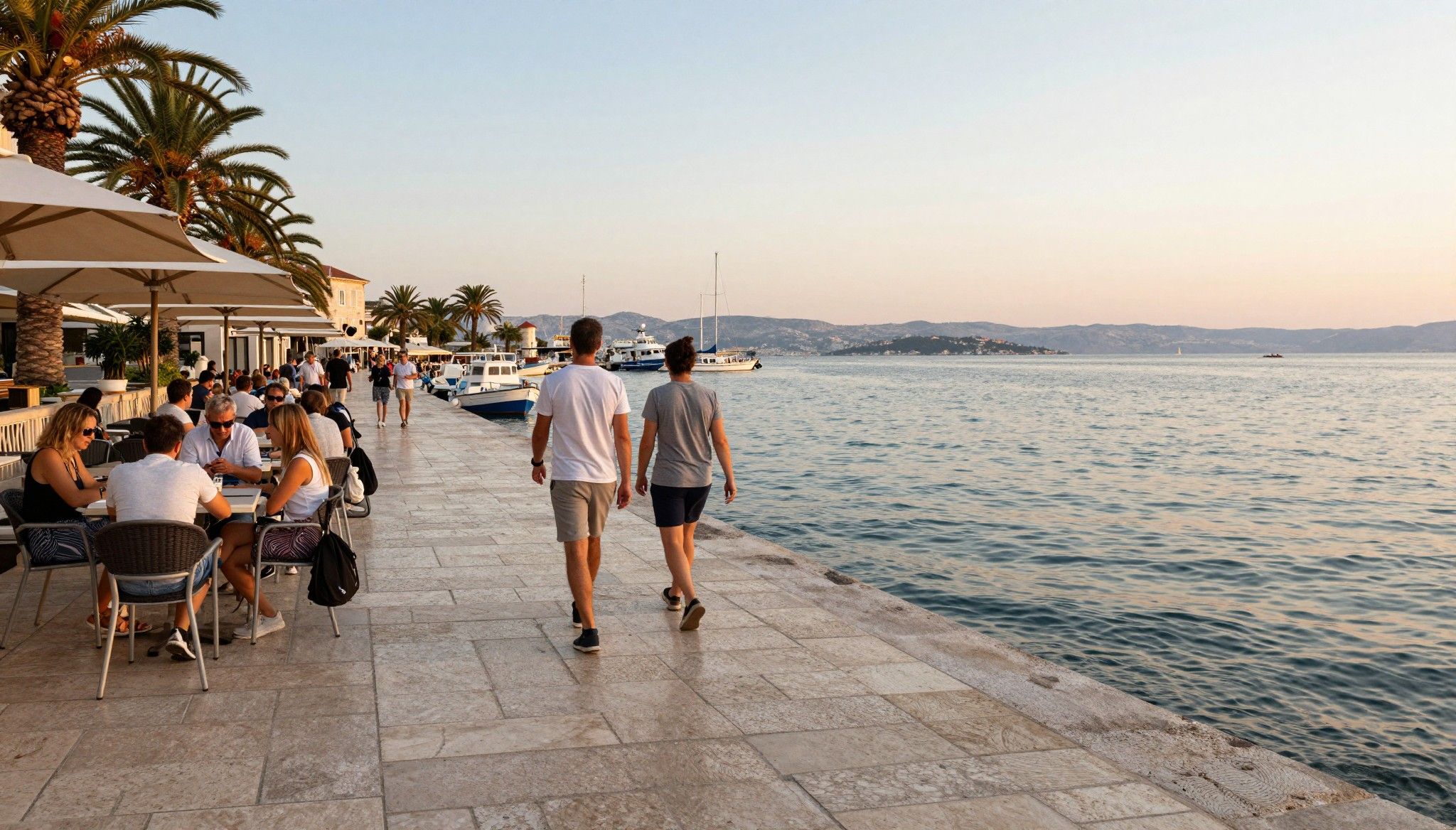
Imagine sipping an espresso on Split’s Riva at 9 a.m., then browsing stone‑lined lanes for a century‑old apartment that feels like yours — and discovering prices that don’t match the postcards. Croatia’s coastal postcards sell a dream; the market data tells a subtler story. For international buyers, that gap between perception and price is where opportunity — and pitfalls — live.
Living Croatia: more than sea and stone
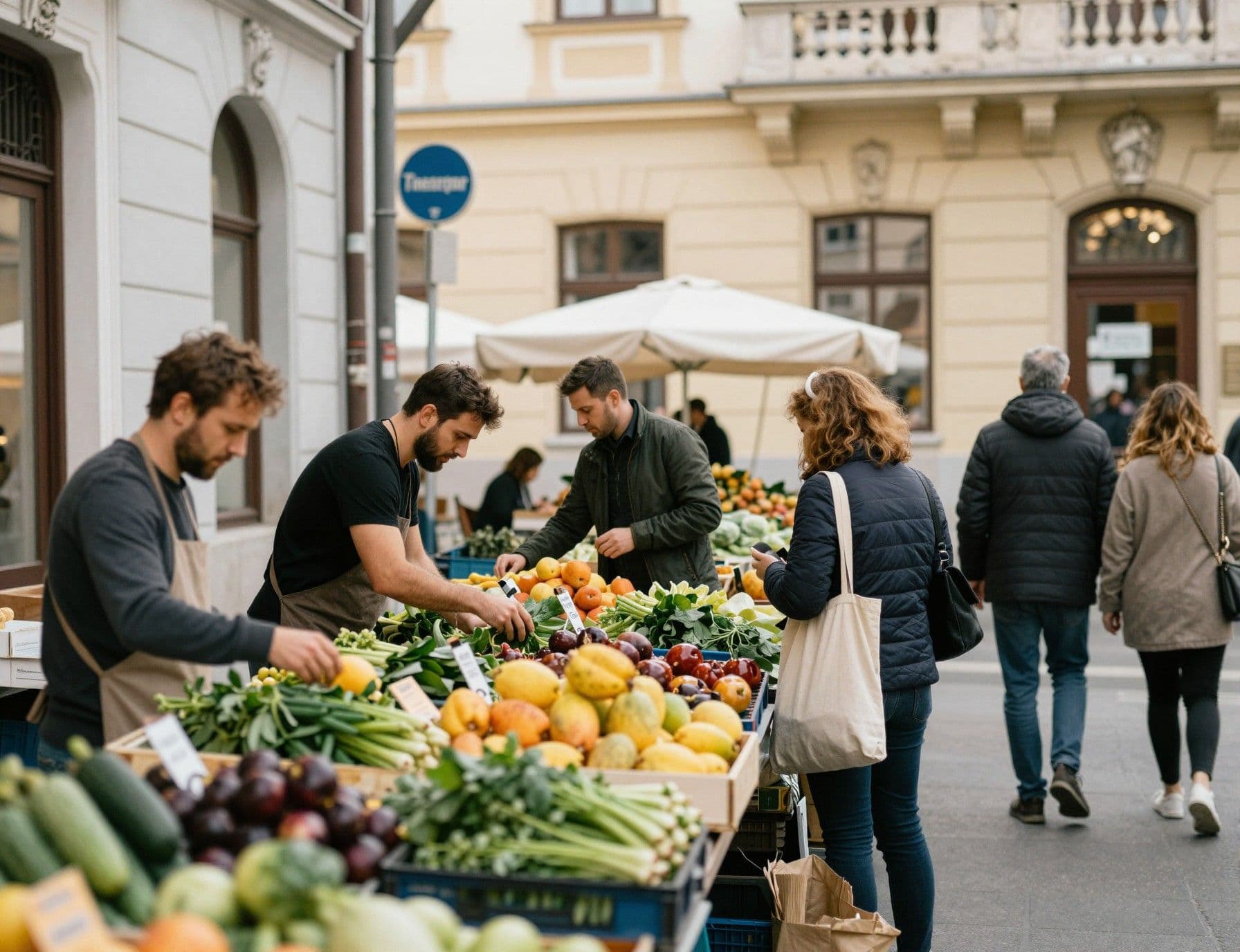
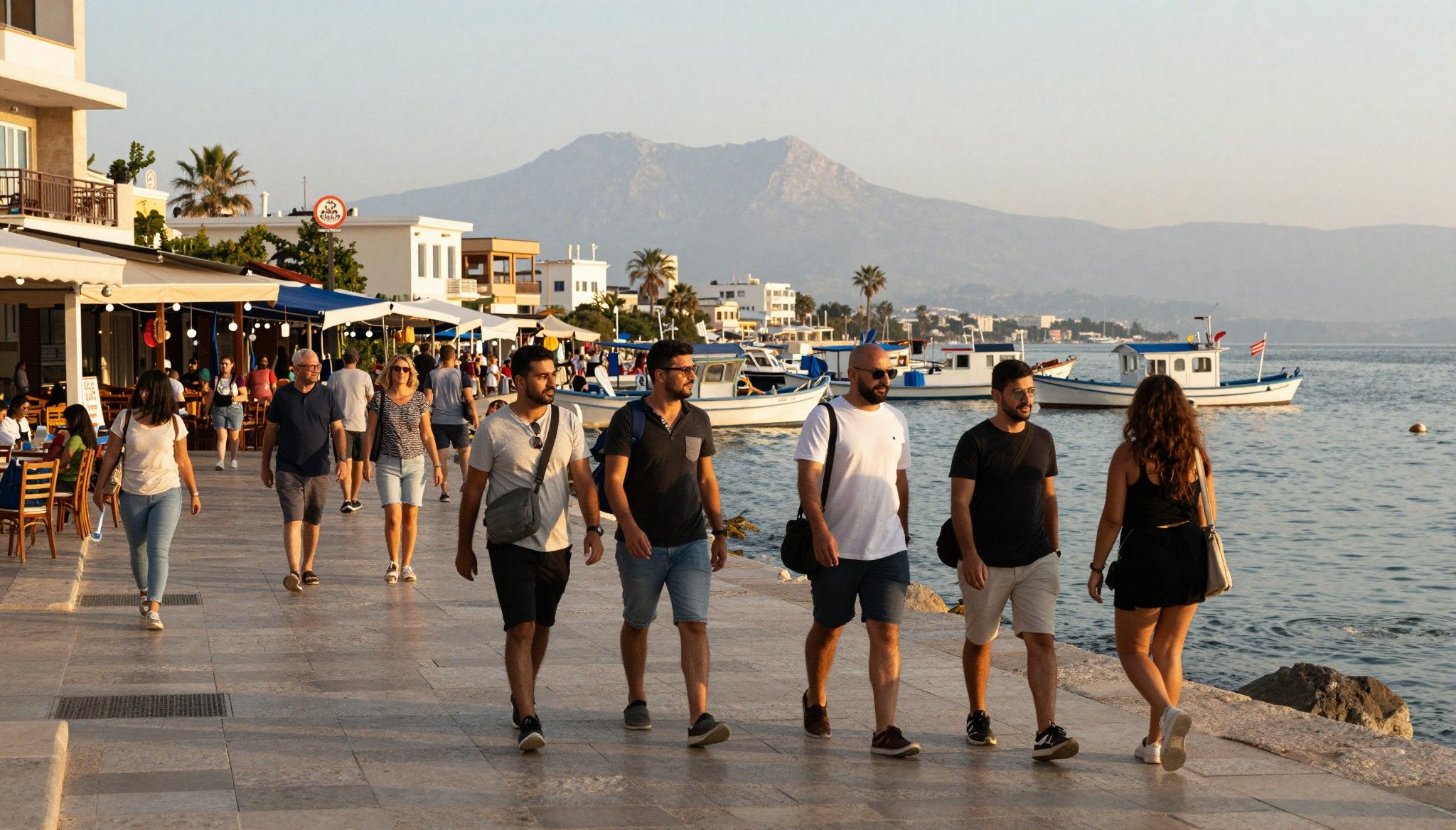
Croatia moves at Mediterranean speed but with Central‑European structure: slow weekday mornings in coastal towns, lively outdoor evenings at konobas, and efficient public services in Zagreb. Weather shapes routines — long summers for island life, crisp winters for inland oak forests and weekend market runs in places like Varaždin. The result is a varied country where lifestyle choices map directly onto property types.
Coastlines and old towns: Split, Dubrovnik, Zadar, Rovinj
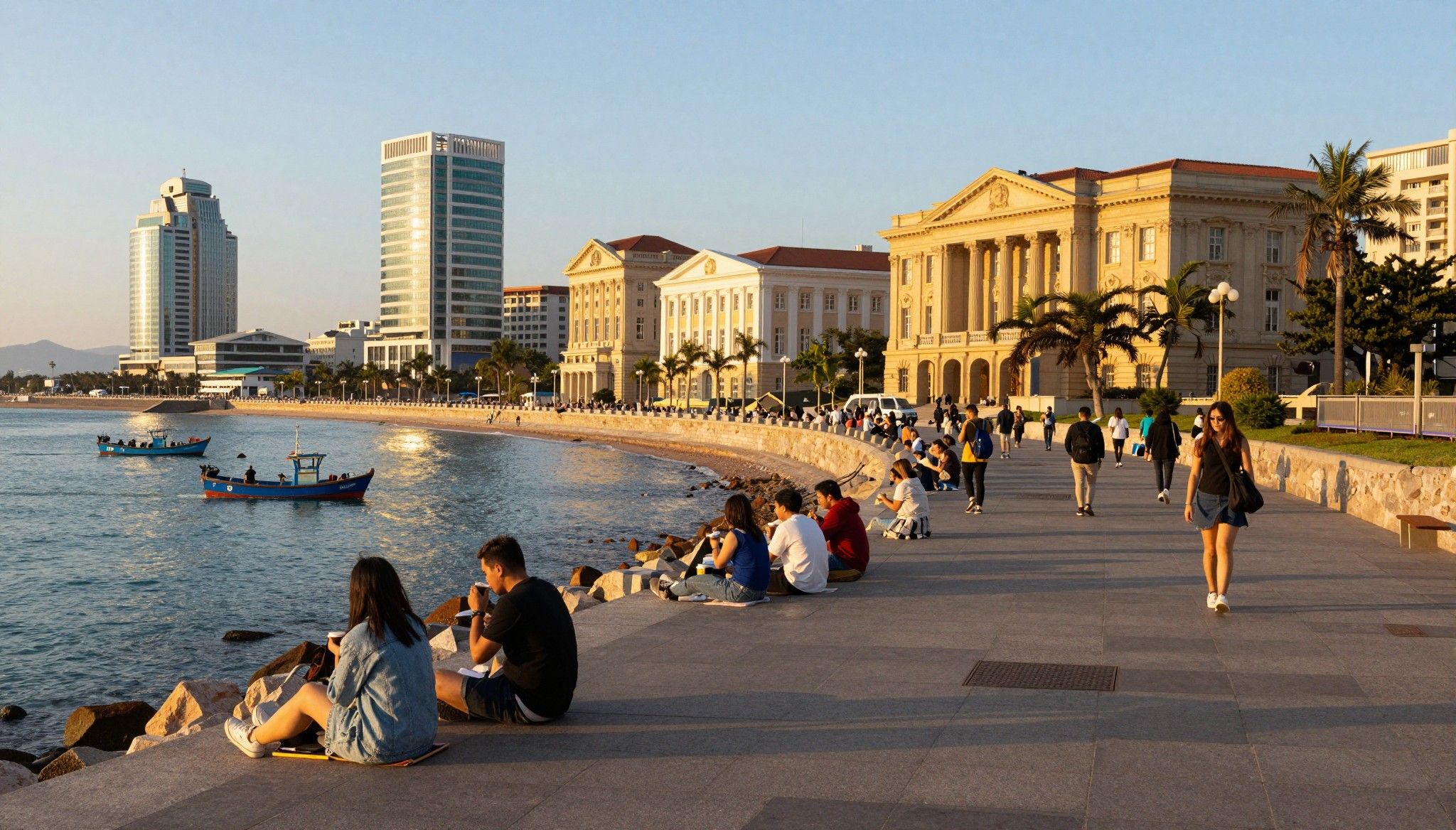
On the Dalmatian coast you’ll find pebble bays, maritime cafés and centuries‑old stairways that become your daily cardio. Split’s Veli Varos and Bačvice offer a mix of local life and short‑let demand; Rovinj’s old town feels like an art studio cluster. These places draw tourists — and a premium on square metres — but they also offer rental demand and seasonal income streams for owners who understand occupancy cycles.
Inland and city life: Zagreb, Istria’s hinterland, Slavonia
Zagreb’s leafy neighbourhoods (Maksimir, Pantovčak) serve families and professionals with year‑round demand and more stable prices than tourist towns. Istria’s hilltop villages and the plains of Slavonia offer lower entry prices, rural space and fast‑growing interest from buyers seeking peaceful, long‑term living rather than seasonal yield.
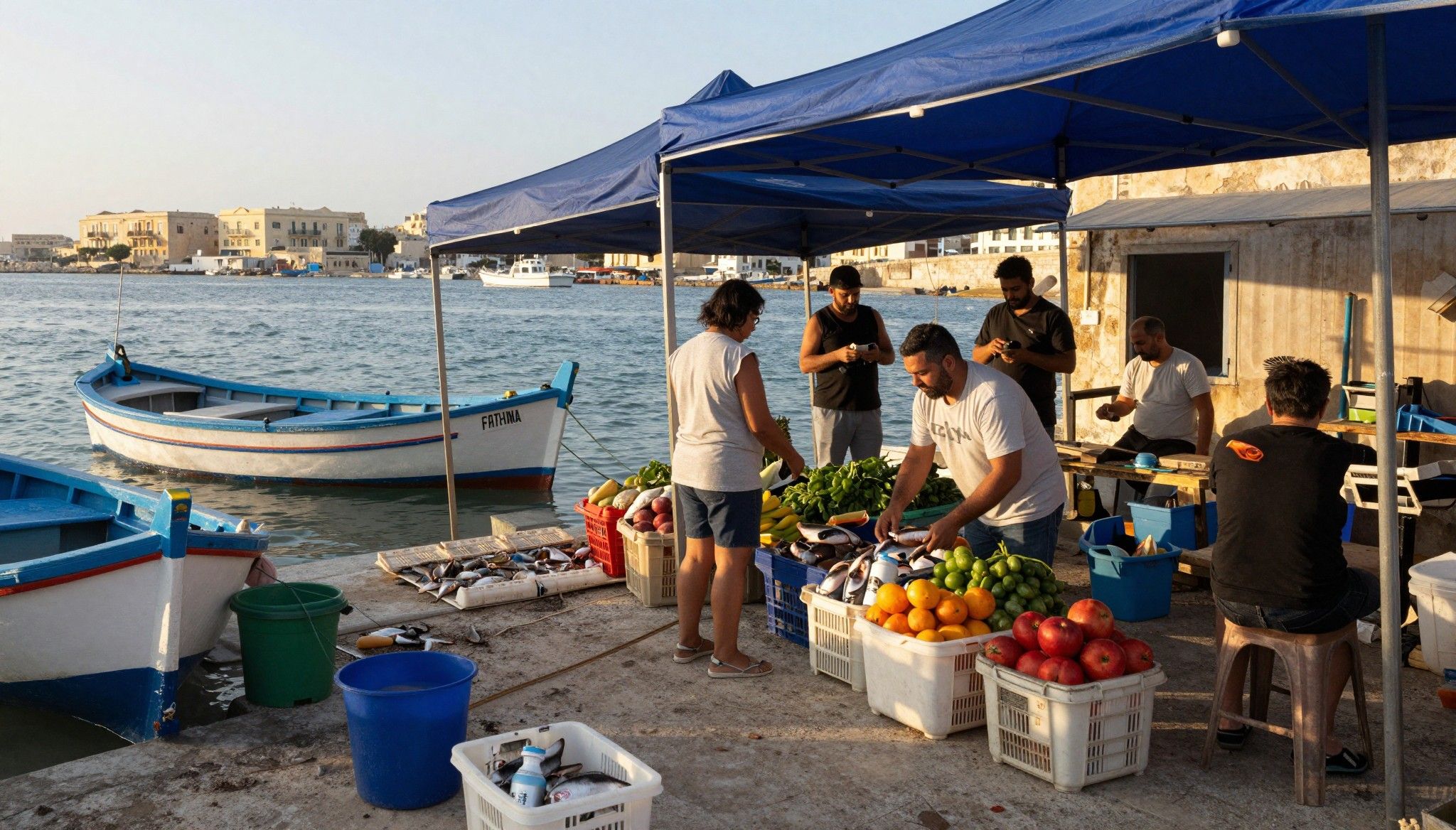
- Lifestyle highlights: morning market at Dolac (Zagreb); afternoon swim at Bačvice (Split); fresh fish at Zadar’s fish market; weekend truffle hunts in Istria; evenings listening to klapa on small Adriatic squares.
Price trends: headline growth, regional nuance
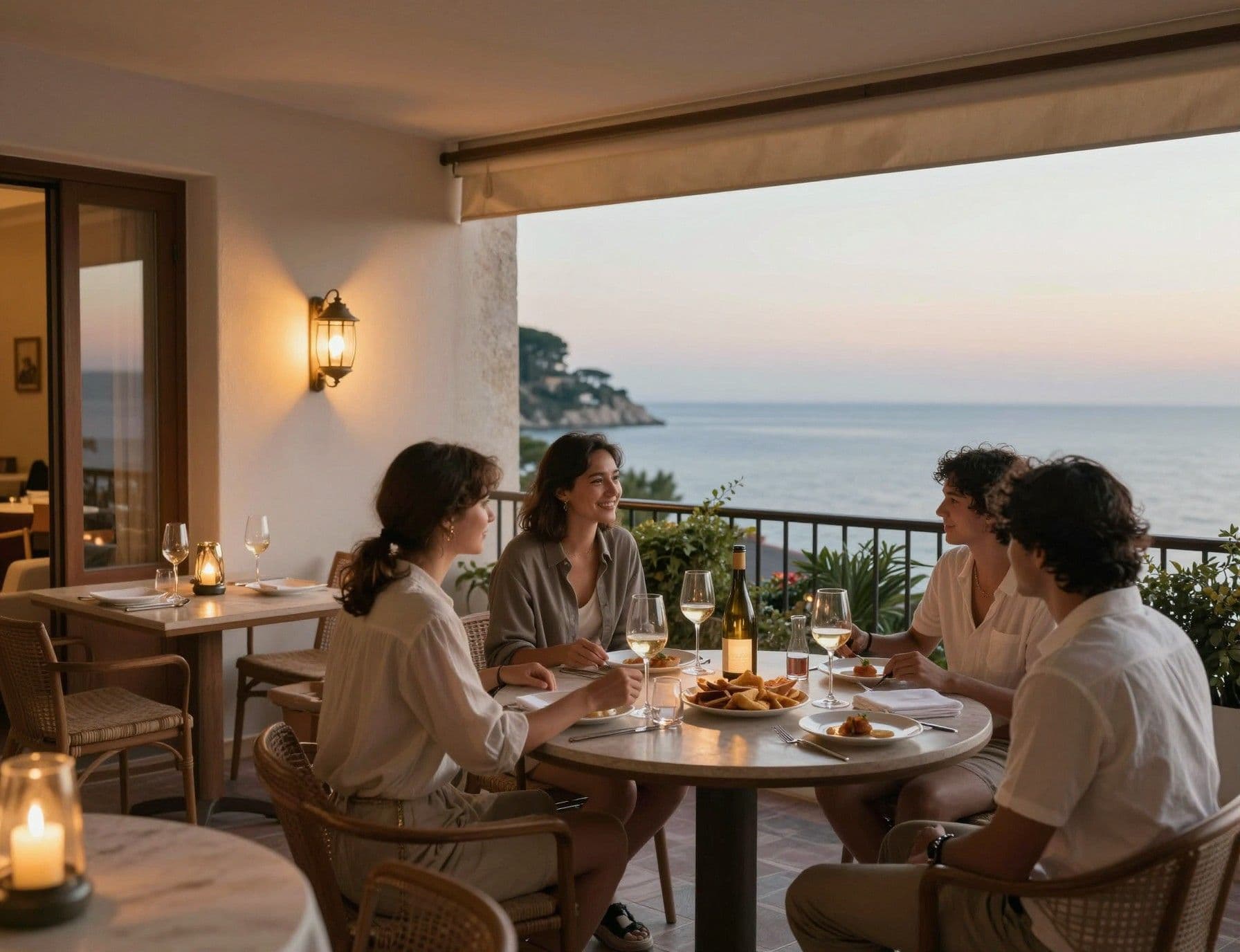
Headline data show strong national price growth: official house‑price indices reported double‑digit year‑on‑year gains through 2024–2025, but regional variation is meaningful. Zagreb and many inland areas have recorded faster increases than some coastal pockets, while asking prices on the Dalmatian islands remain the highest per square metre. Read the official index before assuming the coast is uniformly expensive.
Why prices can feel mismatched to perception
Two forces shape the disconnect: (1) tourism inflates seasonal asking prices and skews online listings; (2) transaction volumes have cooled, so headline median prices rise even as available stock tightens. In short: looking only at holiday‑season listings will overstate what a well‑timed, informed buyer can achieve.
Price signals to watch (data‑driven checklist)
- Check these in order when assessing market momentum: 1) official house price index by region; 2) transaction volume trends (falling sales can presage slower appreciation); 3) local asking vs. achieved prices; 4) pipeline of new builds in the specific coastal town; 5) tourism occupancy rates if you plan short lets.
From romance to reality: practical tips for buyers who want the life
If your goal is living the Mediterranean rhythm rather than purely chasing capital gains, match property type to lifestyle: a small stone flat in an old town for culture and proximity; a modern apartment near Zagreb for schools and year‑round services; a villa in Istria for privacy and land. Local market intelligence — not postcards — tells you where that lifestyle is affordable.
Working with agents who think like neighbours
- Choose agents who: 1) show recent comparable sales, not just listings; 2) understand seasonality of demand; 3) can introduce reliable local trades for renovation; 4) have experience with residency/tax advisors; 5) provide realistic cash‑flow scenarios if you plan short lets.
A six‑step buying rhythm (practical and paced)
- 1) Decide lifestyle priority (coast vs inland). 2) Choose three target towns and track HPI + transactions for 3 months. 3) Visit off‑season to feel daily life. 4) Get local comparables from two agents. 5) Request rented‑out occupancy and costs for at least two years. 6) Negotiate with a fall‑back plan (rental manager or renovation partner).
Insider knowledge: what expats wish they’d known
Expats tell two recurring truths: first, the off‑season reveals the real neighbourhood — quieter streets, friendlier shopkeepers, and true running costs. Second, coastal glamour sometimes means smaller usable space; a historic apartment can have uneven floors and thin walls. Love the life, but inspect the lived‑in reality.
Cultural cues that change where you buy
Local habits — late dinners, Sunday family gatherings, seasonal shop closures — shape convenience. A home close to a farmer’s market matters if you cook daily; proximity to a ferry matters if you own an island property. These soft factors often outperform headline yields for long‑term happiness.
- Red flags buyers often miss: 1) listings marketed at summer peak without year‑round comparables; 2) unclear ownership history for stone homes; 3) lack of winter accessibility on small islands; 4) missing energy certificates or renovation quotes.
Data suggests Croatia remains an attractive lifestyle market with strong price momentum, but the smart buyer reads the seasonality beneath the numbers. Official indices and regional portals show growth — yet transaction falls indicate a maturing market where due diligence and local partnerships create advantage.
If you’re ready to move from daydream to decision: start with three off‑season visits, ask for recent sold prices, and connect with an agent who treats lifestyle and data as equal partners. The Adriatic lifestyle is real — pair it with grounded market signals and you’ll own not just a home, but a way of life.
Danish relocation specialist who has lived in Barcelona since 2016. Helps families move abroad with onboarding, schooling, and local services.