Greece: Lifestyle First, Market‑Smart Moves
A lifestyle‑first look at Greece — from Athens lanes to island coves — paired with market data and an action checklist for international buyers.
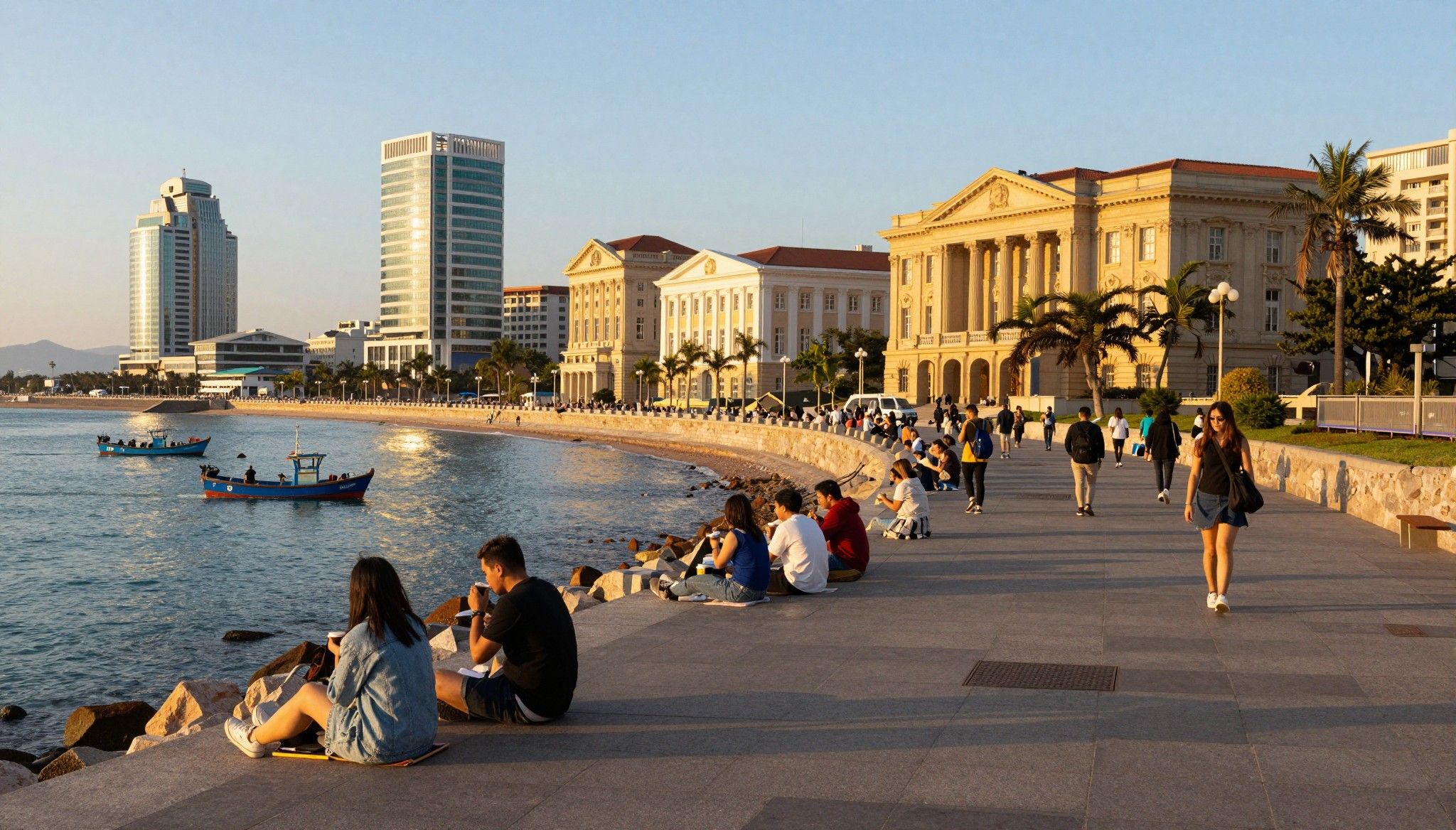
Imagine waking to the smell of strong espresso, walking down a narrow lane where a neighbourhood baker arranges last‑minute koulouri, then catching an afternoon ferry to a pebble cove. Greece moves at a rhythm that blends late‑morning markets and evening plates piled with grilled fish; living here is sensory, social and seasonal. But that easy‑living image sits beside a market that has seen sharp price moves and regulatory shifts; for buyers who love the lifestyle, understanding both sides matters. This piece pairs place‑forward scenes with the facts you need to decide where and how to buy in Greece today.
Living the Greece lifestyle
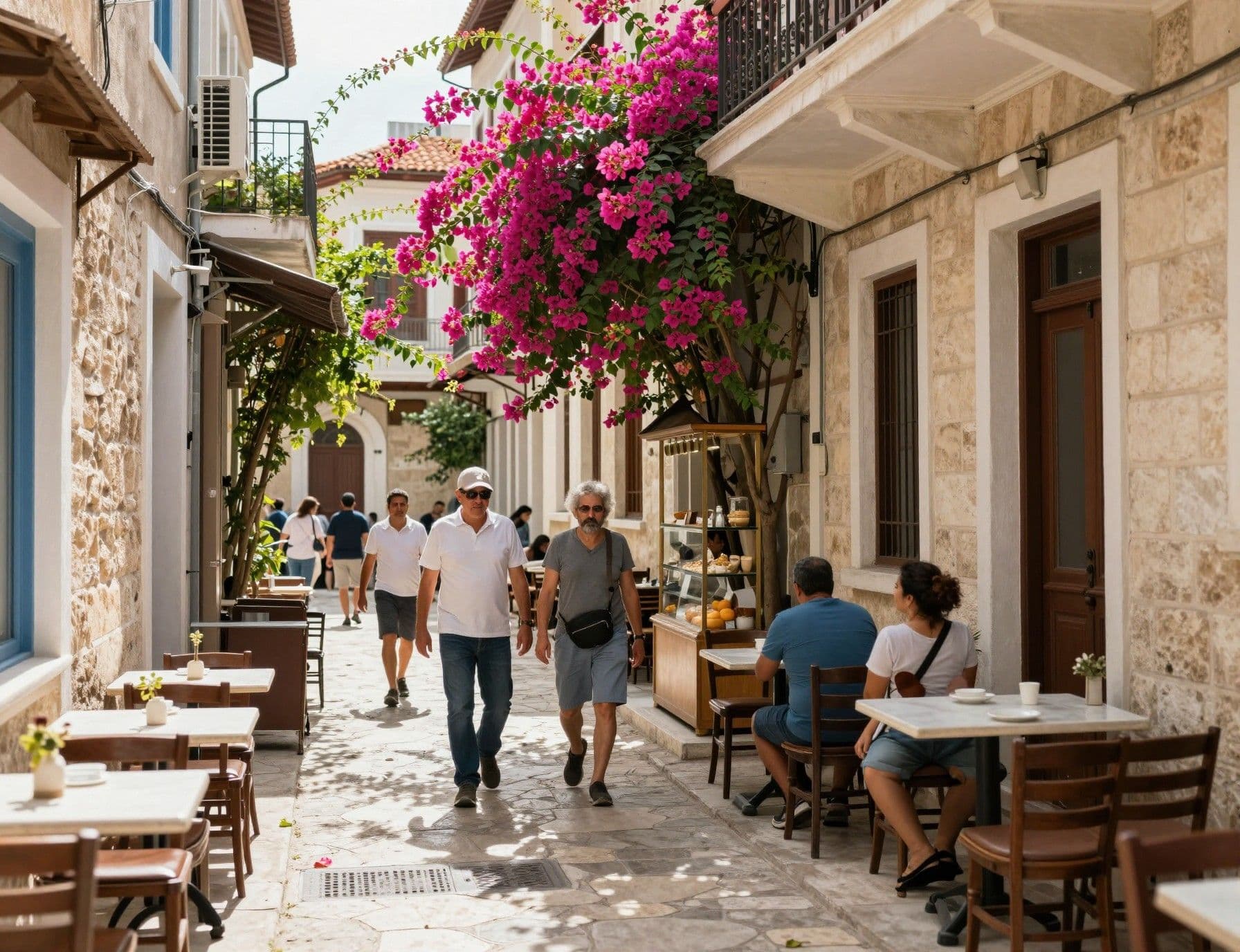
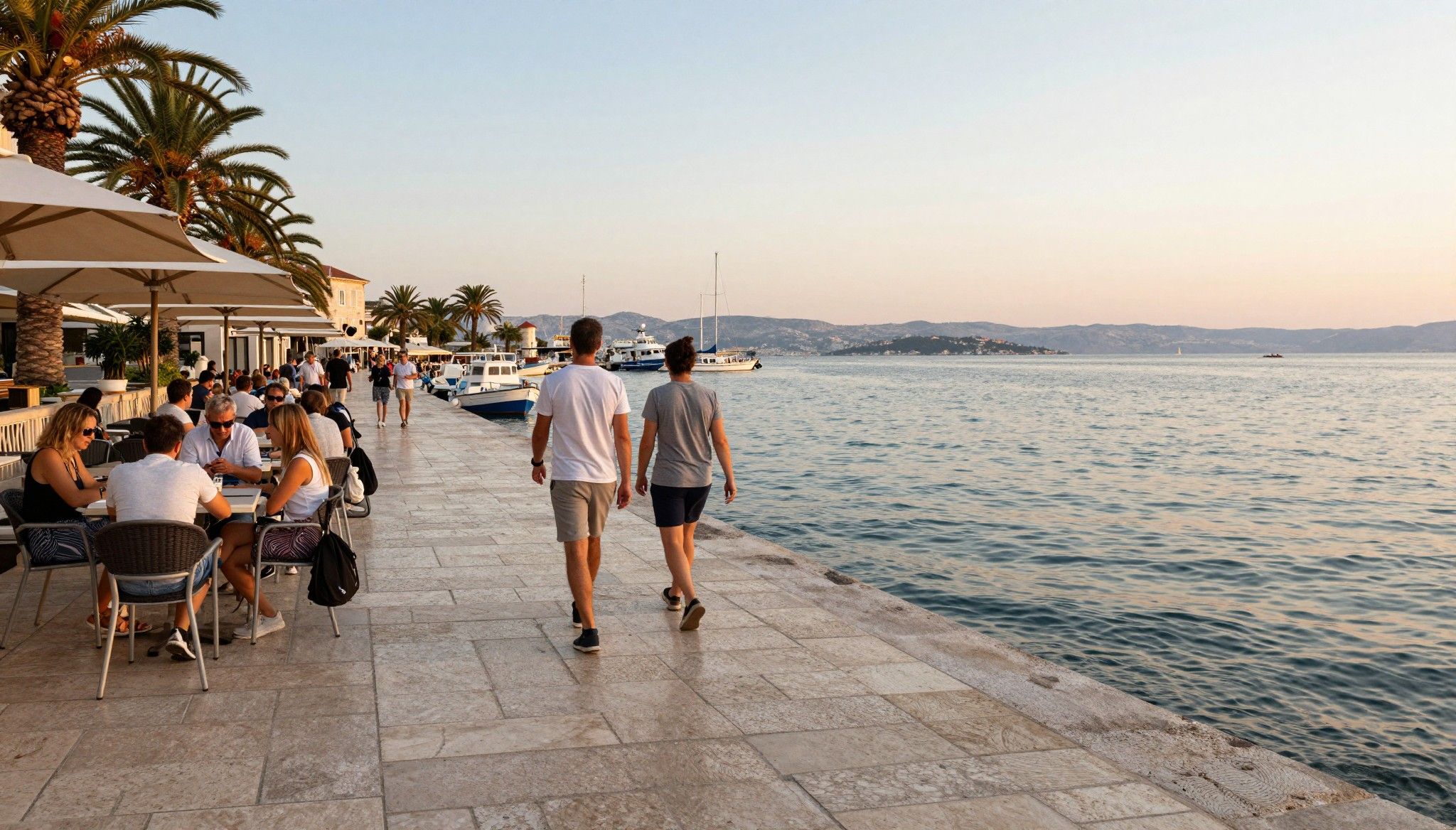
From Athens’s compact historic quarters to Cycladic islands and the Aegean coastline, daily life in Greece is outdoors first. Mornings are for coffee and errands, afternoons for a siesta or a beach visit, and evenings for long meals that unfold across a table of friends. Whether you’re in Koukaki watching local baristas on Veikou Street or in Glyfada choosing a taverna by the marina, the rhythm is the same: social, culinary and place‑centred. That atmosphere shapes what you buy — terraces and courtyards matter as much as internal square metres.
Athens: streets that change mood by the hour
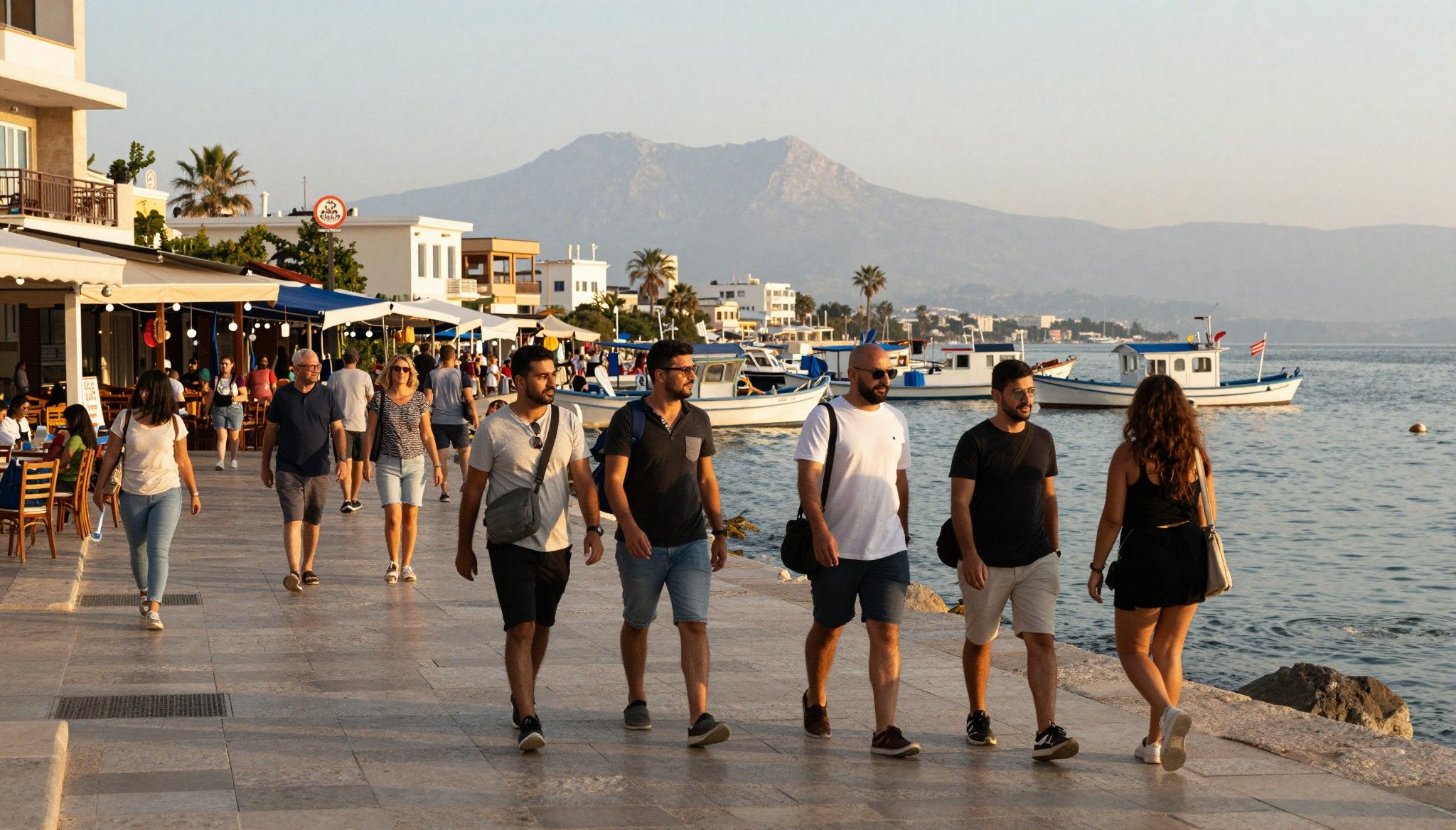
Walkable neighbourhoods like Koukaki, Monastiraki and Psiri compress civic life: bakeries, small galleries and late‑night tavernas cluster within five minutes of each other. Morning espresso is a ritual; by dusk, squares fill with older residents and students arguing about theatre and politics. If you favour city energy with easy access to cultural institutions, central Athens neighborhoods offer apartments with character — often older buildings with high ceilings and narrow balconies. For buyers, those attributes mean renovation opportunities, but also the need to check building status and soundproofing.
The Athenian Riviera and island life
Glyfada, Vouliagmeni and nearby coastal suburbs trade city bustle for sea breezes, marinas and beachside cafés. Island life — think Paros, Naxos or Serifos rather than the highest‑priced Mykonos or Santorini — mixes slow mornings, fishing tavernas and intense summer months. Many buyers pick a city‑plus‑island lifestyle: weekdays in Athens, weekends on an island reached by a two‑hour ferry. That split dictates property type: compact city flats for everyday life and stone houses or modern terraces for coastal downtime.
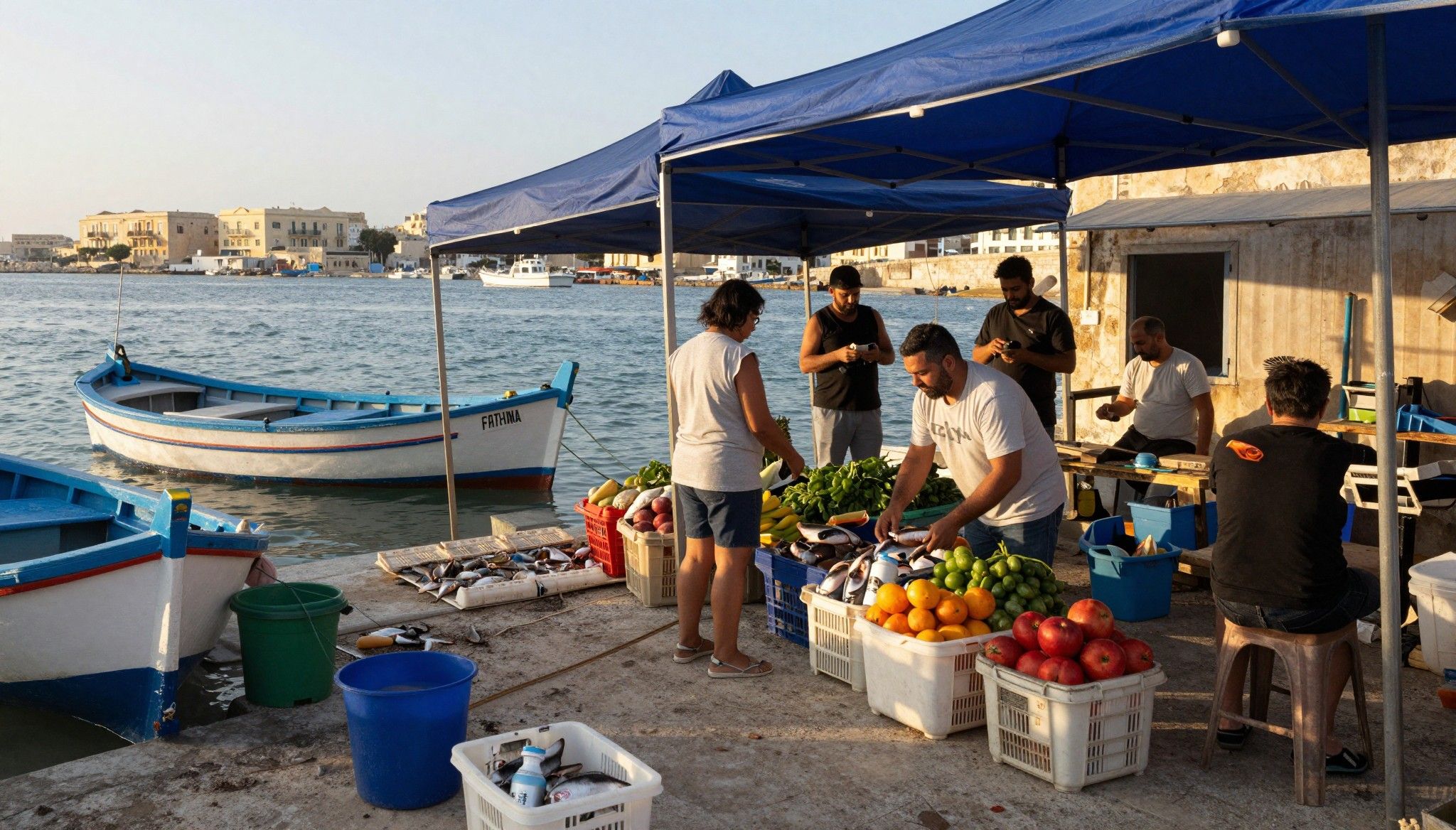
- Lifestyle highlights to weigh when choosing where to live in Greece: Glyfada marina dining; Koukaki’s café scene on Veikou Street; Vouliagmeni’s beach and sea‑water spa; the farmers’ market at Kifisia on Saturday mornings; Paros’s quiet winter coves; the port square in Nafplio for sunset ouzo.
Making the move: practical considerations

If the lifestyle sings to you, the market needs equal attention. Nationwide house prices have been rising in recent years, with strong growth in urban and coastal hotspots, and national indices monitored by the Bank of Greece give the clearest picture of trends. Expect to pay a premium for renovated properties in central Athens and for sea‑facing plots on popular islands, while second‑tier islands and some northern coastal towns still offer relative value. Before making offers, check recent comparable sales, energy efficiency class, and whether any restoration restrictions apply.
Property types and how you'll live in them
Traditional stone houses on islands, contemporary Athenian flats and modern coastal developments each come with trade‑offs. Stone or neoclassical homes offer character and outdoor courtyards but often need structural or thermal upgrades; new builds promise insulation, parking and warranties but can be set back from local life. Think beyond square metres: terraces, shaded courtyards, and a small storeroom for mopeds or beach gear shape daily comfort. Factor renovation timelines and local building permit speed into budgets — many historic areas impose stricter rules that extend project durations.
Working with local experts who know the lifestyle
- 1. Ask agents for examples of buyers they’ve helped move into the exact lifestyle you want — city flat + island weekend or full‑time island life. 2. Hire a bilingual lawyer familiar with local cadastral (land registry) issues and renovation permits. 3. Insist on an in‑person survey to check coastal erosion, damp and insulation — pictures alone miss seasonal problems. 4. Use a local property manager with references for rental and maintenance if you plan to rent in high season. 5. Verify energy performance certificates and recent utility bills to avoid surprises in running costs.
Insider knowledge: what expats wish they'd known
Expats often tell the same stories: a seaside terrace bought for weekend escapes needed more insulation than expected, or the perfect Plaka flat turned out to be above a bar. Regulatory changes — notably adjustments to residency‑by‑investment thresholds — reshape demand and can lift prices in targeted regions. For example, reforms that adjusted minimum property values for residency routes have concentrated demand in Attica and certain islands, changing liquidity patterns for buyers who want easy resale. Learn the local rules early; they will change where value accumulates.
Cultural integration, language and daily routine
Greek social life revolves around food, family and community rituals; expect long lunches and late evenings in summer, and quieter, intimate winter gatherings. Learning basic Greek phrases opens doors — shopkeepers and neighbours appreciate attempts at language even if English is common in tourist hubs. Join local clubs, volunteer at a farmers’ market or take a cooking lesson to meet neighbours and test whether day‑to‑day life matches the dream. Practical tip: build a small network before you move to ease logistics like utilities and renovation contractors.
Long‑term lifestyle and future proofing your purchase
Think five to ten years ahead: the market shows steady demand for energy‑efficient homes and renovated historic properties, while headline growth has been strongest where tourism and residency schemes overlap. Consider resilience — access to healthcare, ferry reliability in winter and local services are vital if the property becomes a full‑time home. Protect value by prioritising energy upgrades, legal clarity on land use, and a local manager who can keep the property ready for both personal use and short‑term lets.
- Checklist before making an offer: recent comparable sales; cadastral extract; energy performance certificate; proof of clear title; renovation permit status; contact details for a local lawyer and property manager.
Greece offers a life defined by light, food and community. To turn that dream into a lasting home or a successful investment, pair the romantic with the rigorous: visit in more than one season, verify market signals from sources such as the Bank of Greece and OECD, and work with local professionals who understand the cultural and regulatory details. Start by picking three neighbourhoods that match your lifestyle, commission a legal check, and visit properties in both high and low season — small choices now will protect both your days and your capital later.
Swedish strategist who relocated to Marbella in 2018. Specializes in legal navigation and tax planning for Scandinavian buyers.