The Neighbourhood Tourists Skip in Cyprus — Where Prices Lag
Cyprus’s price headlines hide quiet neighbourhoods where lifestyle value outpaces coastal hype—mix street-level visits with official indices to find better buys.
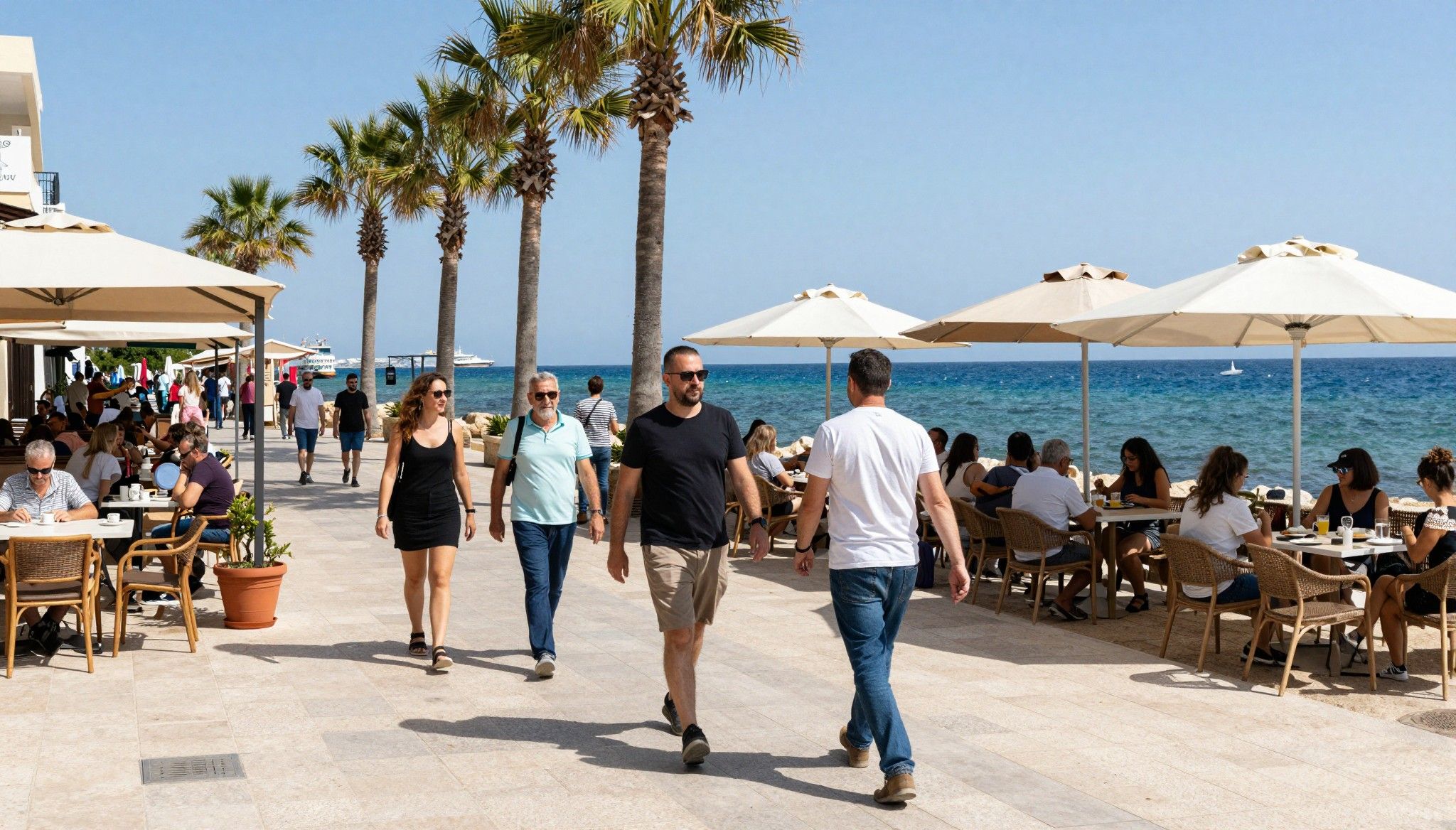
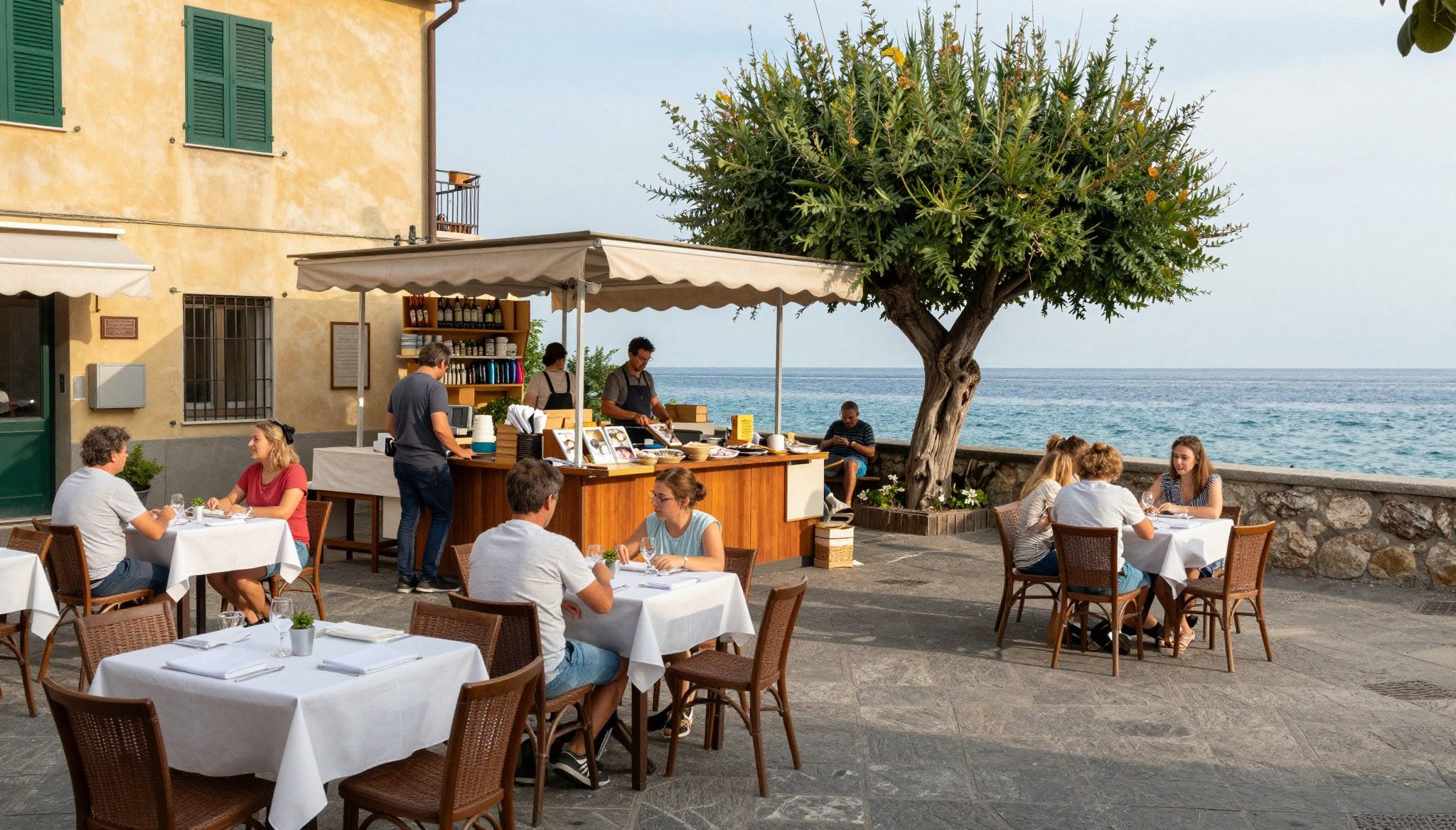
Imagine sitting at a pavement table in Kato Paphos as fishermen mend nets and a neighbourhood barista calls you by name. Summers are bright and loud, but much of Cyprus’s quieter value is found in the streets tourists don’t linger on. Recent market analysis shows resilient demand, record transaction values and price growth concentrated in pockets that look ordinary at first glance. This guide pairs those lifestyle vignettes with the price signals international buyers should watch before making an offer.
Living Cyprus: mornings, markets and impossible light
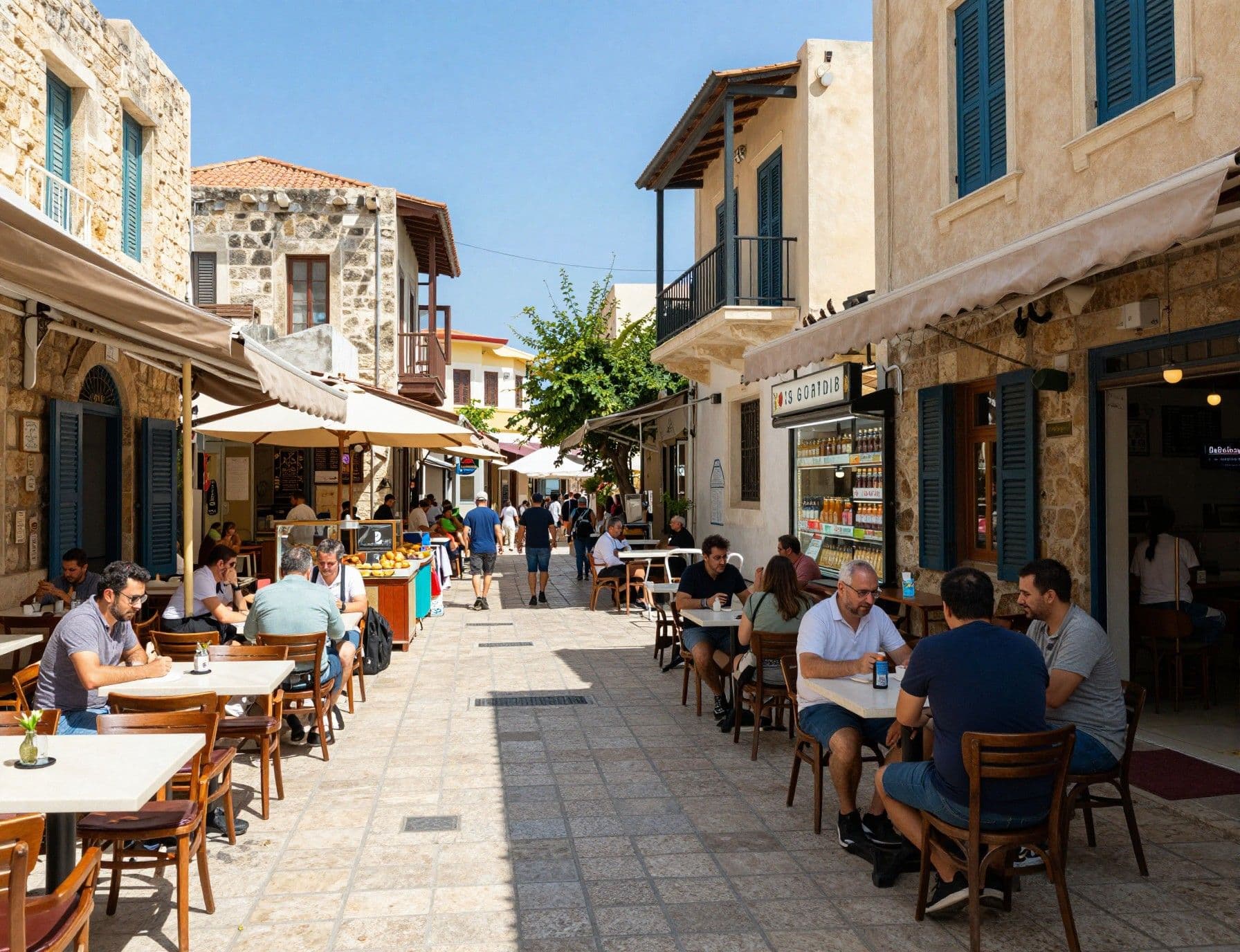
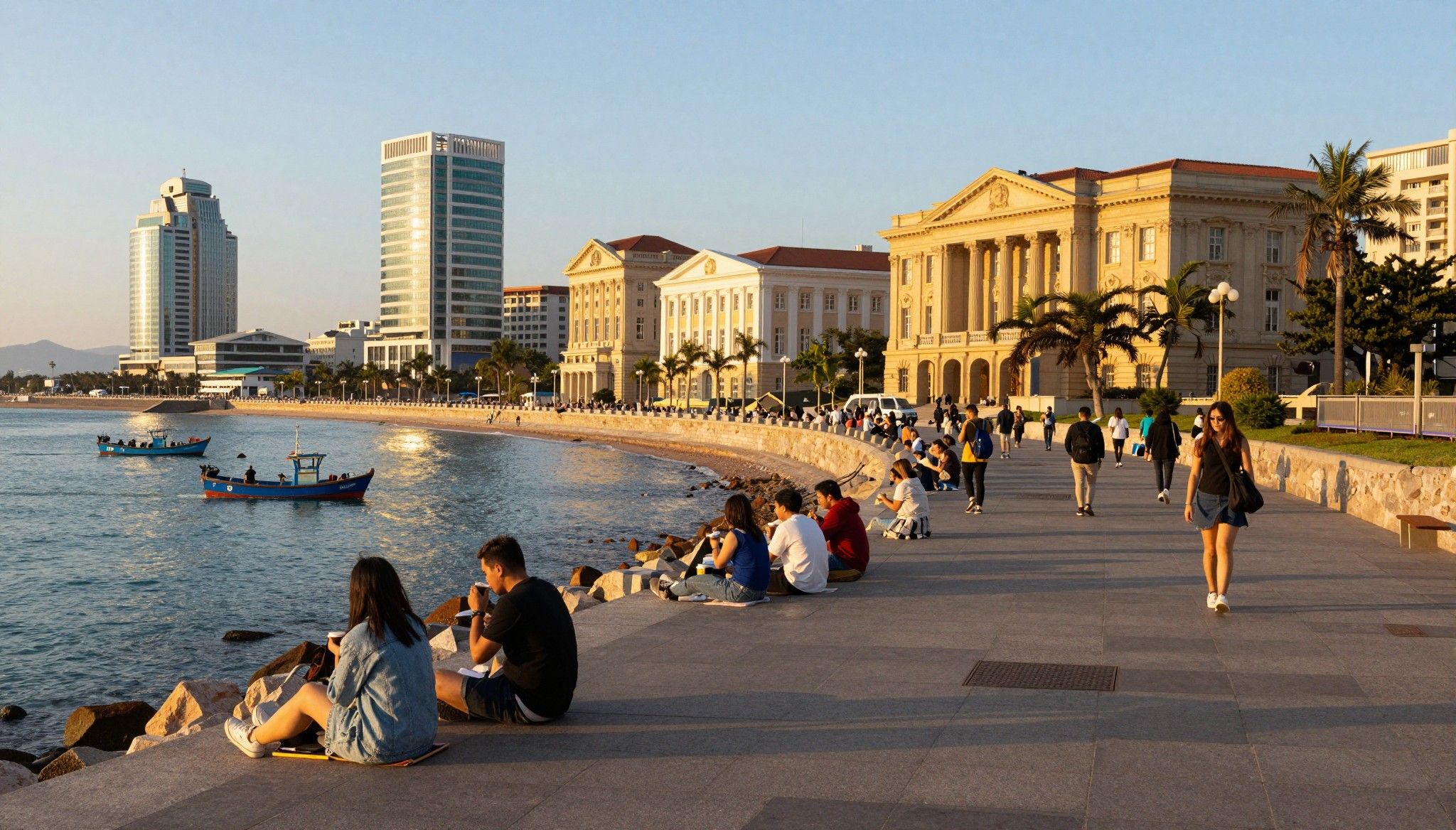
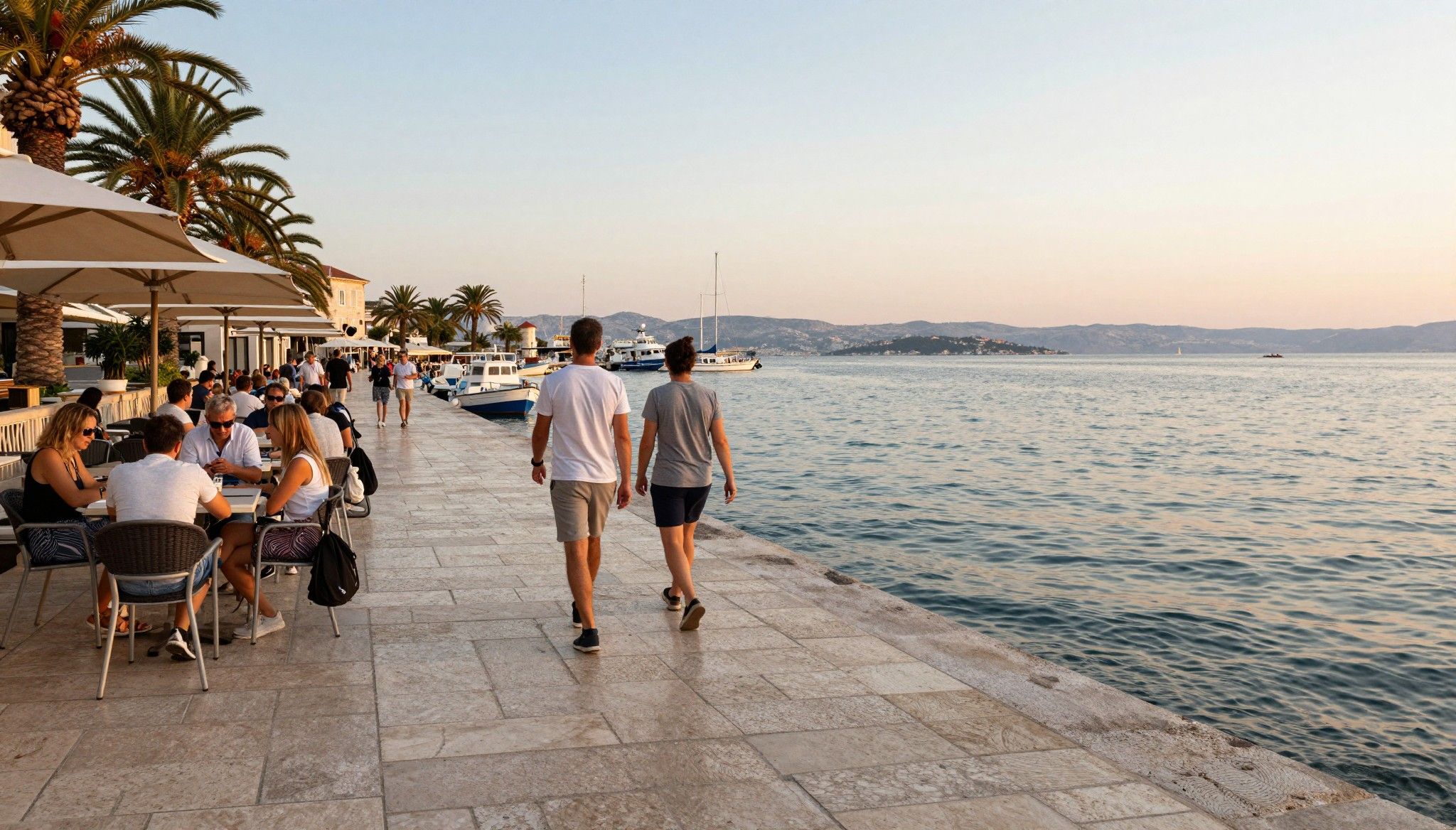
Cyprus moves at an outdoor rhythm: cappuccinos at 09:00, late lunches beneath plane trees, and evenings that stretch into harbour promenades. Cities like Limassol and Nicosia have distinct beats — Limassol leans coastal and cosmopolitan, Nicosia is warm, layered and compact — while Paphos and Larnaca offer calmer seaside routines. For many internationals, the island’s draw is less postcard glamour and more lived detail: neighbourhood tavernas, village bakeries, and small markets where shopkeepers remember your order. That daily texture is what shapes property desirability and, ultimately, price momentum.
Neighbourhood spotlight: Kato Paphos and the overlooked backstreets
Walk five minutes from Paphos’s tourist strip and you find streets of low-rise homes, small cafés and family-run workshops where rent and asking prices have lagged the headline coastal listings. These backstreets offer terraces, traditional stone features and larger plots than newer seafront builds, yet attract fewer short-term holiday buyers. For a lifestyle buyer wanting community and outdoor space, these pockets often deliver more daily satisfaction than a flashy penthouse. From a price-trend perspective, they can show steadier, less speculative gains.
Food, markets and the week's rhythm
Local food life matters: morning markets in Larnaca and family-run fish tavernas in Paphos pack the social calendar and sustain neighbourhood shops year-round. Tourism rebounds — more than 4 million visitors in 2024 — feed coastal demand but also concentrate price pressure on a handful of hotspots. Smart buyers who prefer quiet, authentic living look slightly inland or to older apartment blocks near the centre where community life is stronger and headline price growth is softer. That trade-off often translates into higher lifestyle value per euro.
- Lifestyle highlights to scout in person: Kato Paphos backstreets; the old town of Limassol near the Molos park; Larnaca’s Finikoudes side-streets; small village squares in Tala and Peyia; the Kouklia archaeological zone day markets; weekend farmers’ markets in Troodos foothills.
Making the move: how lifestyle maps to price signals

The island’s lifestyle pockets are readable in the numbers: national indices show steady increases but the gains are uneven by district and by property type. Official data indicate house price growth through 2025 with apartments often outpacing houses — a sign that compact, well-located units near services remain in demand. For buyers prioritising daily life — cafes, short walks to the sea, markets — price per square metre can be lower off the main strip, and long-term rental demand remains healthy where locals and expats mix.
Property types that suit lived-in Cyprus
Traditional village houses with courtyards, older mid-rise apartments near town centres, and modest modern townhouses each support distinct lifestyles: courtyards for gardeners, central apartments for café life, townhouses for families. New-build seafront developments attract premium pricing but can lack the everyday community feel many internationals prize. Matching property type to lifestyle reduces the need to compromise and often improves net return if you later rent the home.
How local experts turn lifestyle into the right purchase:
- 1. Ask agents for recent comparable sales on the street not the town; 2. Inspect multiple times (morning, afternoon, market day) to feel the rhythm; 3. Request breakdowns of running costs and seasonal utility variations; 4. Prioritise agencies with local after-sales networks (management, contractors, rentals).
Insider knowledge: what expats wish they'd known
Expat voices converge on a few truths: learning the small phrases in Greek opens doors; local neighbourhood committees decide much about street life; and the off-season reveals the difference between tourist gloss and genuine community. Price growth often follows social upgrades — a revived market square, a new promenade, or improved transport links — so watch local civic plans as closely as listings. Seasonality matters: summer prices can mislead buyers about year-round demand and service levels.
Cultural and seasonal realities that affect daily life
In winter many coastal towns quieten and village life becomes the centre of social activity — that shift affects heating, maintenance and local services. Family ties and community events shape who uses neighbourhood spaces; joining a local club or group accelerates integration. For buyers, that means checking not just property condition but the year-round availability of shops, medical services and transport, especially outside the peak season.
Common expat red flags to spot during visits:
- Poor daylight in apartments claiming 'sea views'; unclear boundaries on older plots; absence of written minutes from homeowners’ associations; unrealistic short-term rental projections based on peak-season occupancy; and roads that flood or become impassable in winter storms.
Conclusion: choose the life, then the ledger. Cyprus rewards buyers who prioritise the everyday—market cafés, short walks, neighbours who know your name—over headline addresses. Read the official indices and tourism reports to understand macro momentum, but do your street-level homework: visit off-peak, ask local questions, and work with an agent who measures value in both euros and everyday moments. If you begin with lifestyle and confirm with data, you’ll more often find homes that give both pleasure and prudent returns.
British investor turned advisor after buying in Costa del Sol since 2012. Specializes in cross-border compliance and data-driven investment strategies for UK buyers.