Why Buying in Italy After Summer Pays Off
Why autumn and winter often give international buyers better negotiation power, clearer comparables and renovation advantages across Italy’s varied neighbourhoods.
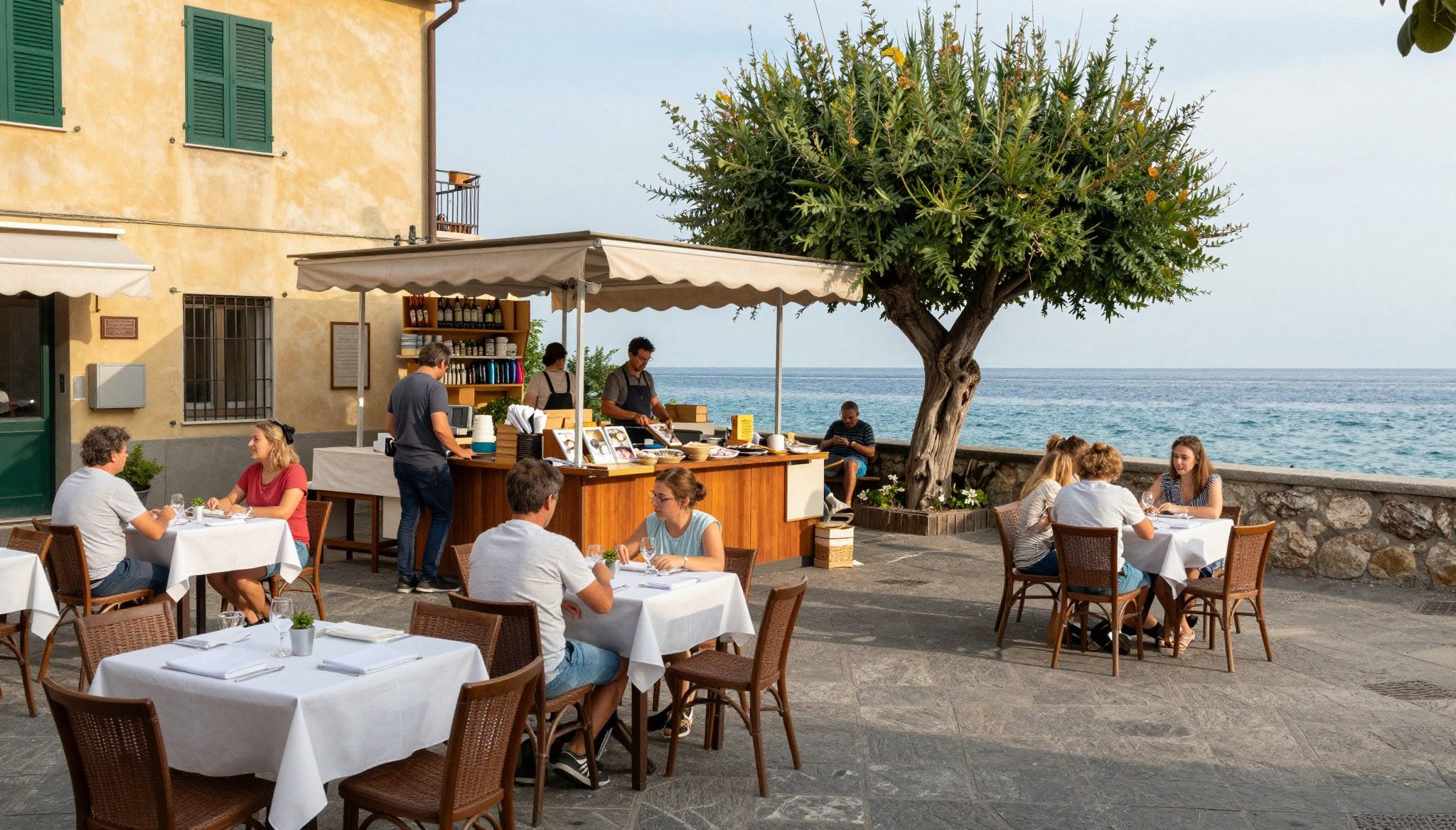
Imagine stepping out at 08:30 on a cool September morning in Trastevere, espresso in hand, while the city unwraps itself at a human pace — markets arriving, artisans opening shutters, and piazzas filling with neighbours rather than tourists. That slow, everyday Italy is the life many international buyers picture, but the smartest moves happen when the postcard moment fades and real neighborhood life returns. Recent data show prices and transaction patterns in Italy are shifting beyond summer heat, changing when and where buyers get the best bargains and the truest sense of community. For international buyers chasing both lifestyle and value, timing your approach to the market—especially after the tourist surge—can alter negotiation power, renovation timelines and long‑term returns.
Living the Italy lifestyle: more than a postcard
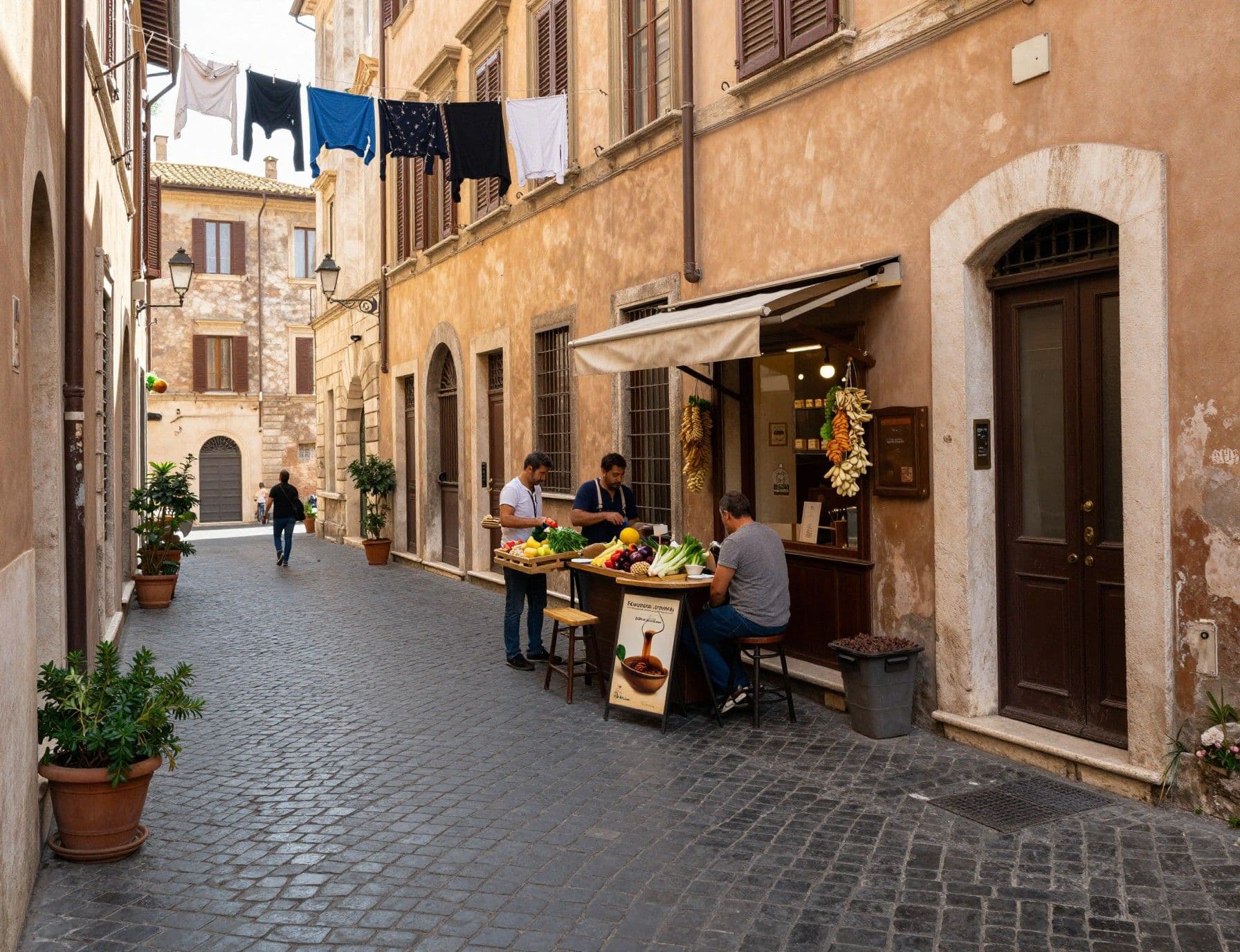
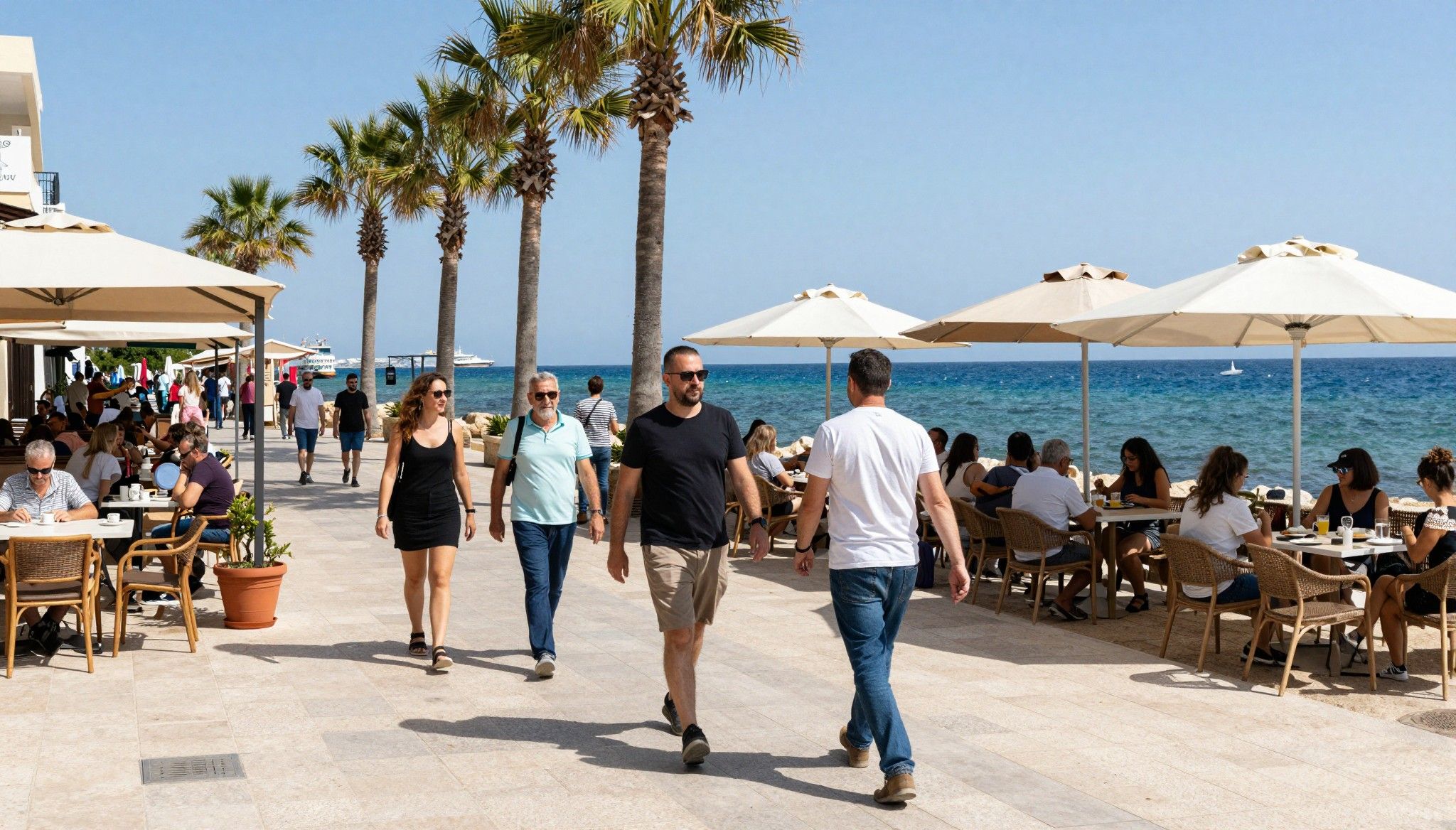
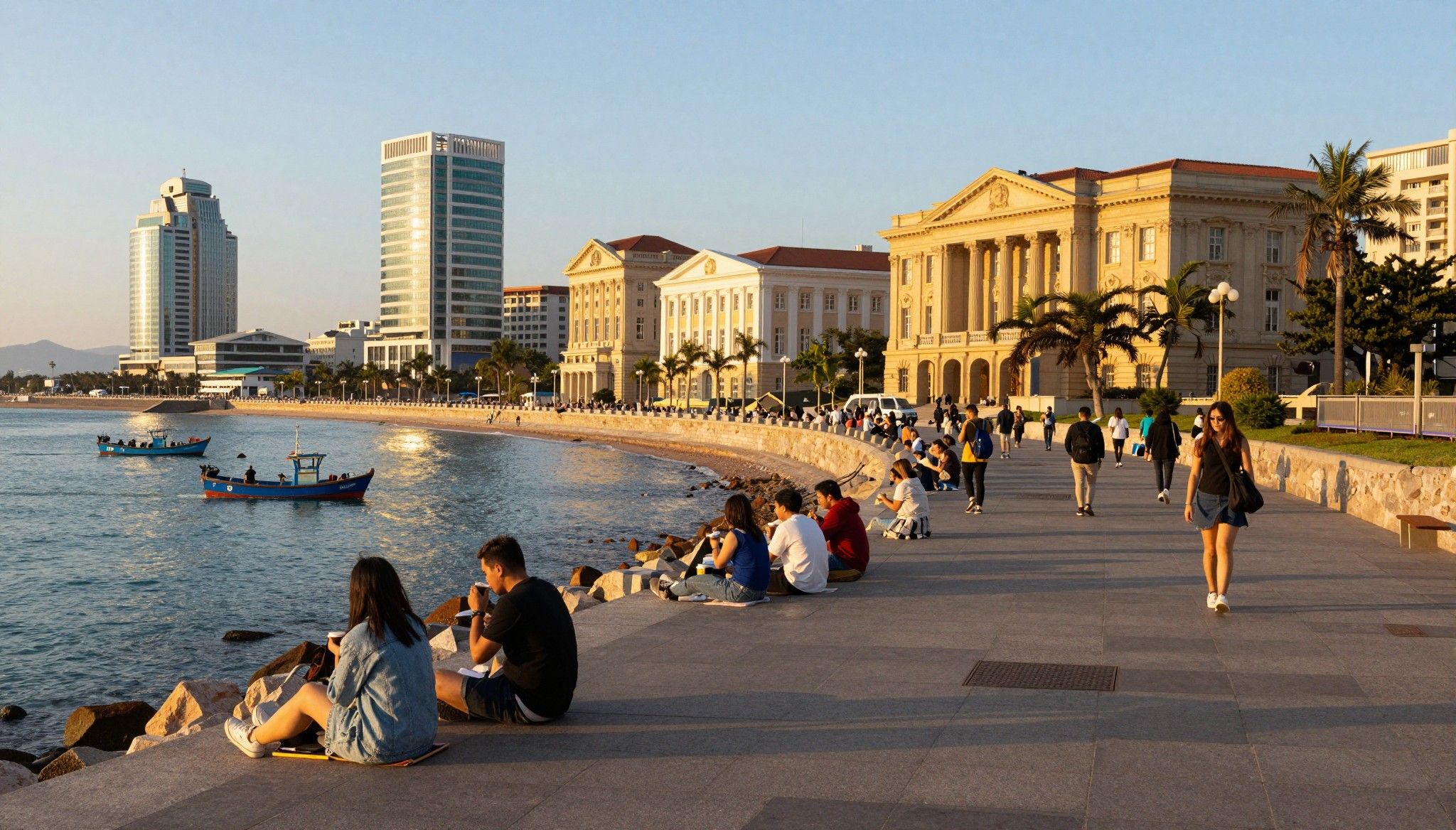
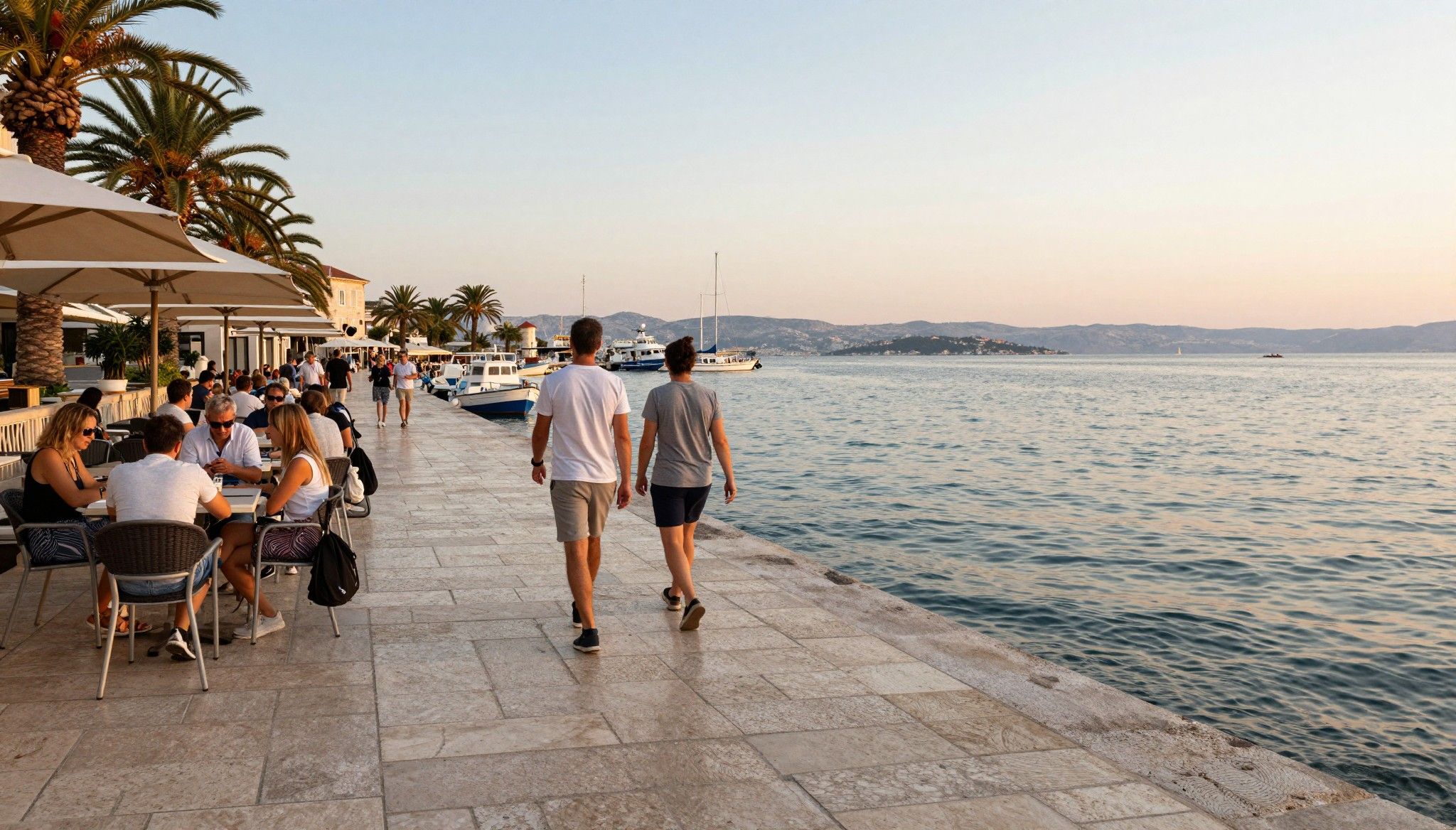
Italy moves at different speeds depending on where you are. In central Rome’s Trastevere, narrow cobbled lanes lead to lantern‑lit piazzas where locals still gather for a late night aperitivo; in Milan, mornings are about espresso and efficient commutes. Coastal places such as the Amalfi Coast or Sardinia offer a seasonal swell of visitors, then a quieter, more authentic winter rhythm. These varied paces shape which property suits you: an apartment for year‑round city life, or a seaside villa for seasonal living. Sensing the daily rhythm is as important as checking prices — it tells you whether a place will feel like 'home' or 'a holiday rental' outside high season.
Neighborhood spotlight: Trastevere, Rome
Trastevere still feels like the best theatrical version of Roman life — basilicas with ancient mosaics, family‑run osterie, and a Sunday market that pulls in locals and collectors. Walkable streets mean you live in layers: a morning fruit stall, midday chatter in the piazza, and late dinners under string lights. For buyers, Trastevere’s charm brings premium pricing but also predictable rental demand and a strong sense of community that sustains value beyond short seasons. If you prefer quieter blocks, head up toward the Janiculum hill where quieter lanes and terraces trade tourist noise for neighborhood calm.
Food, markets and weekend life: how culture shapes where you buy
Picture yourself buying produce at Mercato di Campo de' Fiori, choosing summer peaches in Emilia‑Romagna, or joining fishermen at a Sorrento harbour at dawn. Food culture alters daily routines: ample storage, a functional kitchen and a market‑facing flat become lifestyle priorities. Coastal buyers should weigh access — a narrow alley leading to the sea can be magical, but it complicates deliveries, maintenance and renovation logistics. The house you buy must fit the life you want to lead every day, not just the week you spend on holiday.
Morning espresso in a local bar on Via della Lungaretta (Trastevere)
Weekend seafood market in Sorrento or Palermo’s Ballarò for fresh produce
Strolls and aperitivi along Navigli canals in Milan during long summer evenings
Hidden piazzas and artisan workshops in Puglia’s old towns
Making the move: practical considerations that protect the lifestyle
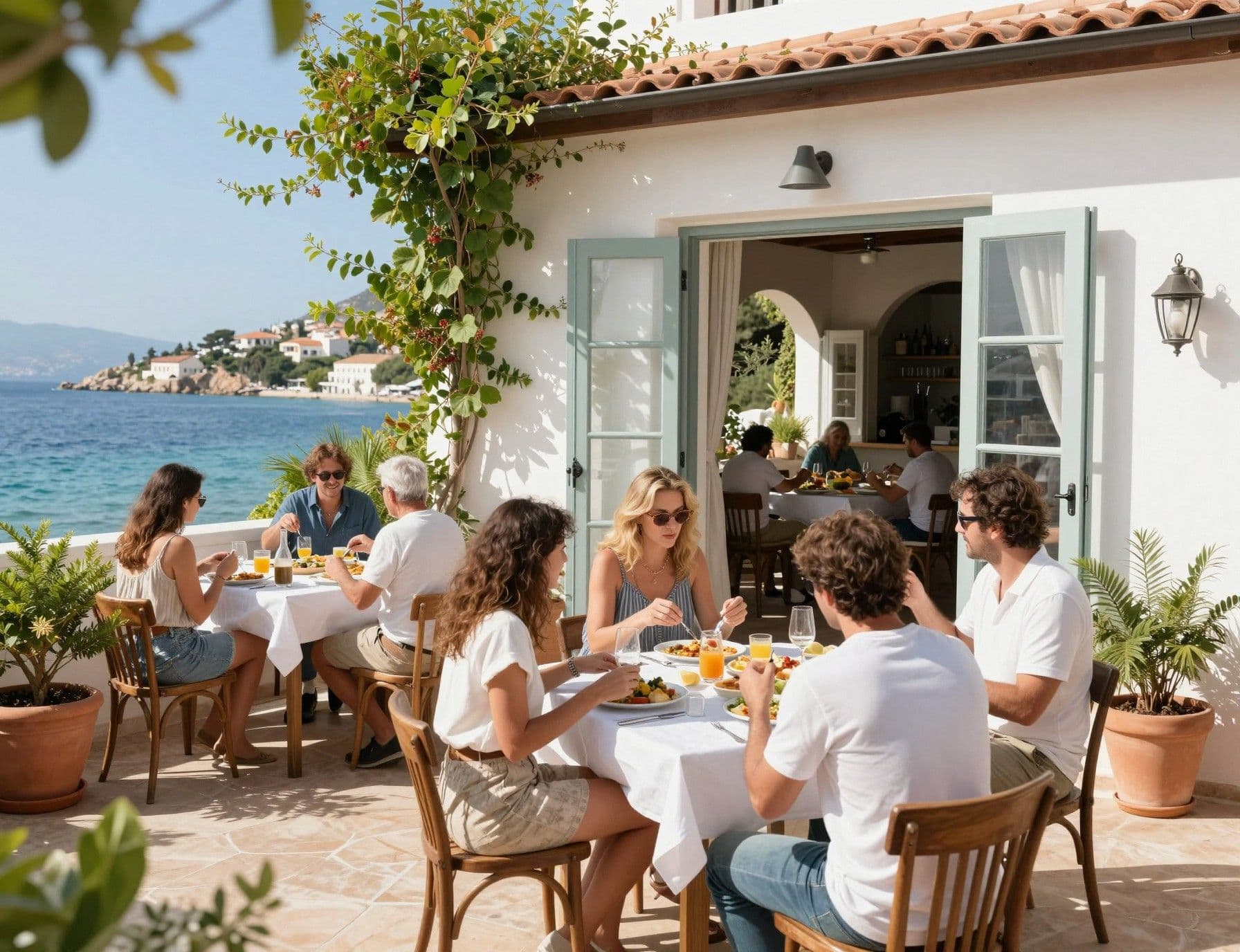
Lifestyle choices meet market mechanics. Istat’s recent house‑price data show modest national price growth into 2025, but regional shifts are decisive: Milan and central coastal hotspots outperformed many inland provinces. That means timing matters: buying after the summer peak often gives you clearer comparables, less tourist distortion in rental estimates, and stronger negotiation leverage with sellers who’ve had seasonal viewings. Local market reports from leading brokerages confirm that transaction volume and asking‑price adjustments often appear in autumn and winter, when serious buyers return. Aligning your search with that cycle improves both lifestyle matching and financial outcomes.
Property styles and what they mean for daily life
Historic centre apartments (centro storico) offer walkability, character and immediate access to culture, but they can have limited natural light and higher renovation costs due to protected facades. Newer suburban developments around Milan or Bologna deliver modern amenities, parking and better space for remote work, but trade off on immediate charm. Coastal villas provide outdoor living and rental potential, though maintenance, access and seasonal demand are practical tradeoffs. Match property type to how many months you’ll live there, whether you’ll rent, and how much renovation you’ll manage from abroad.
Working with local experts who know the lifestyle
A local agent who knows a neighborhood’s year‑round rhythm is invaluable: they can distinguish between a piazza that hums with residents and one propped up by summer rentals. Seek agencies that publish neighbourhood dossiers, seasonal occupancy data and actual rental examples rather than glossy projections. Ask for recent comparable sales from autumn–winter months and references from other international buyers who closed in off‑peak seasons. Local architects and builders are equally important — historic properties often require specialist permits and conservation‑grade materials that affect timelines and budgets.
Schedule your purchase steps around post‑season realities: 1) Autumn viewings for realistic comparables and negotiation, 2) Contract and due diligence during quieter months, 3) Renovation planning to use slower winter months for permits and contracting, 4) Market re‑assessment before listing if you plan to rent the next summer.
Insider knowledge: what expats wish they'd known
Expats often tell the same story: they bought during a holiday visit and later discovered seasonal quirks — noisy summer rentals next door, or a lack of local services in winter. Data shows rental yields in some city markets remain attractive, but they vary widely by neighbourhood and season. Knowing where locals live (not just where tourists flock) will protect your lifestyle and income expectations: Genoa, Bologna and certain university towns can offer steadier yields outside headline coastal markets. Practical prep — fluent local contacts, a shortlist of trusted builders, and mapped out permit procedures — cuts months off stressful renovations.
Cultural integration and everyday life
Language matters for deeper integration: learning Italian opens doors to neighborhood circles, local tradespeople and better negotiation outcomes. Expect slower bureaucracy but generally predictable processes when you work with proven local partners; patience is part of the reward. Social life forms around food, festivals and markets — joining a cooking class or market circuit accelerates friendships and gives you immediate belonging. For families, research local schools and healthcare access early; for remote workers, check fast internet availability and coworking options in cities like Milan, Florence and Bologna.
Longer‑term lifestyle and market considerations
Think in seasons: prices and demand shift as towns move from tourist peak to resident reality. Investing post‑summer often allows you to negotiate repair credits, schedule winter renovations, and list for the next holiday season with a refreshed product. Macro trends — improving employment in northern hubs and steady interest in lifestyle coastal and historic centres — support a diversified portfolio approach: combine a city pied‑à‑terre with a smaller coastal or hill property to balance use and income.
Conclusion: buy the life, back it with seasonal strategy and local expertise. Fall and winter are not just quieter months — they are the smartest windows for international buyers to see neighbourhoods clearly, negotiate from strength and plan renovations without summer pressure. Start by shortlisting three neighbourhoods, commission autumn viewings, and engage an agency that provides seasonal occupancy data and local contractor references. If you want help connecting to agencies who work with international buyers and publish neighbourhood dossiers, we can suggest vetted partners who blend lifestyle insight with market data.
British investor turned advisor after buying in Costa del Sol since 2012. Specializes in cross-border compliance and data-driven investment strategies for UK buyers.