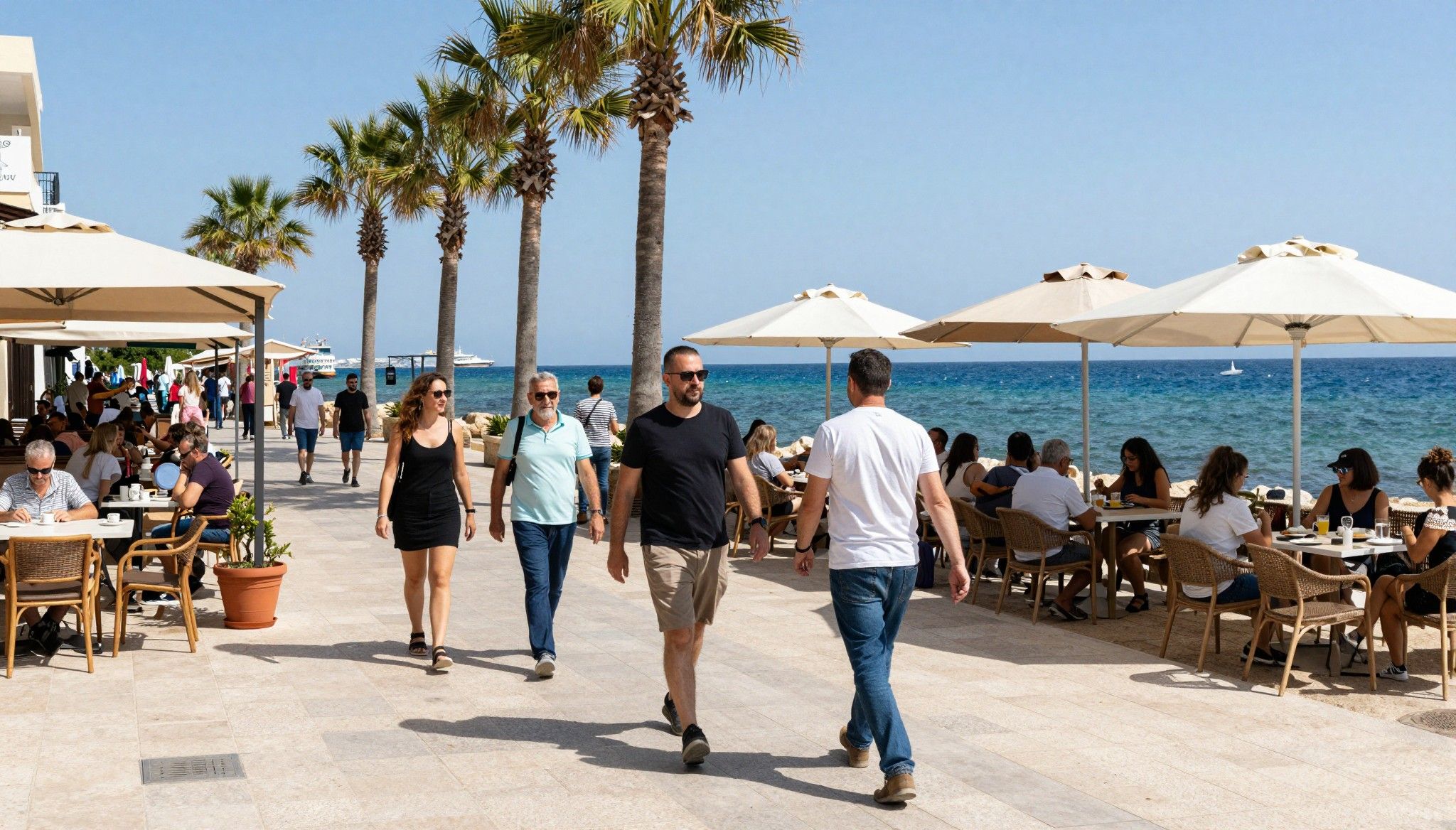
Why Cyprus’s 5% VAT Is a Timing Play, Not a Freebie
Cyprus’s 5% VAT on new primary homes can save tens of thousands — but only if you time permits, document residency and use local experts to avoid costly reversals.

Imagine sipping strong coffee on a shaded Nicosia pavement, then driving 40 minutes to an almost-empty beach in Larnaca — that split life is Cyprus. The island’s sunshine and neighbourhood rhythms seduce buyers, but tax rules — especially the 5% VAT on new primary residences — quietly shape what’s affordable. This guide blends that island daydream with the exact legal and timing moves international buyers should know, so the lifestyle you fall for stays practical and profitable.
Living the Cyprus lifestyle
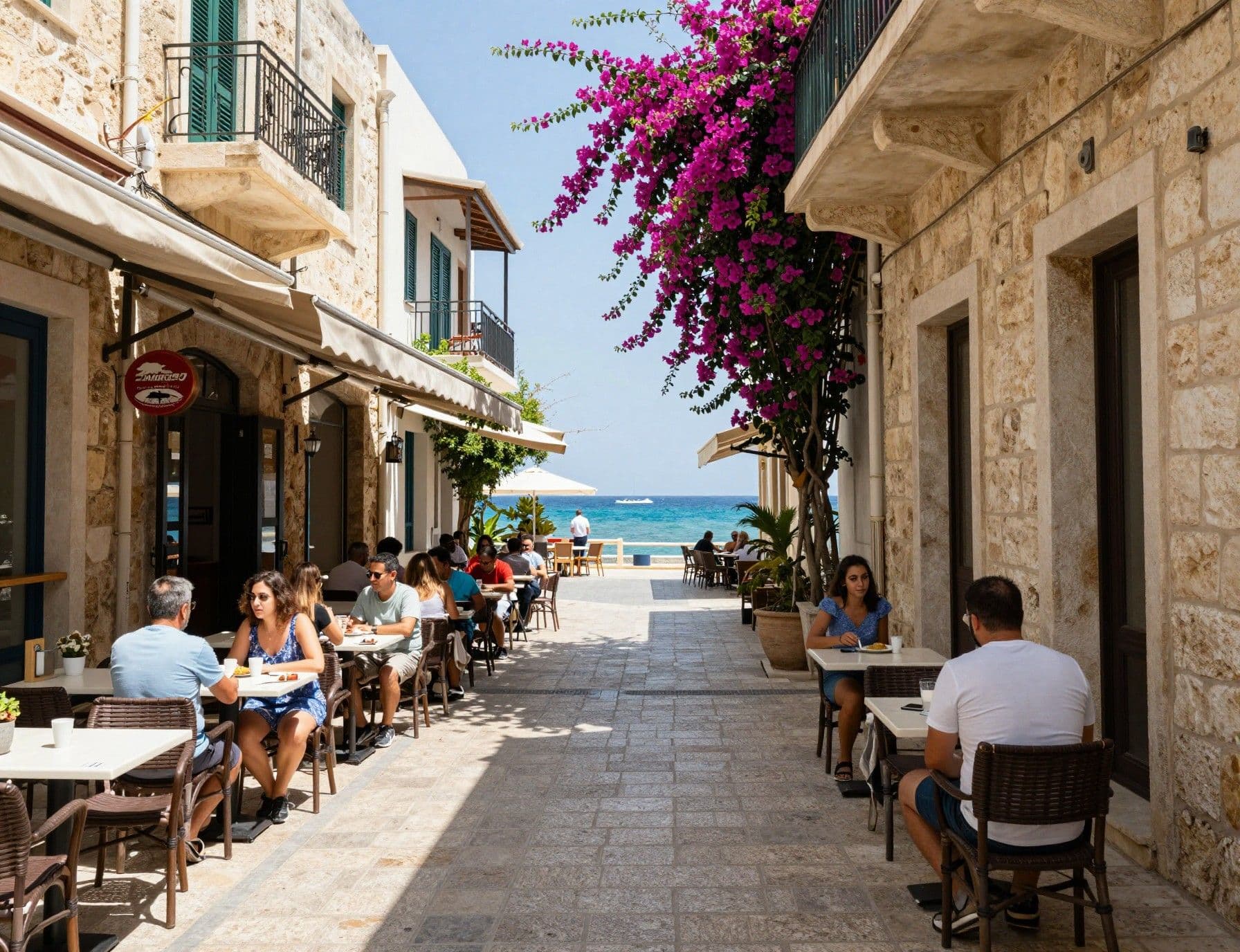
Cyprus feels Mediterranean but moves on its own timetable: mornings start with bakeries on Ledra Street in Nicosia or cafés along Limassol’s Molos, afternoons are for sea swims on Governor’s Beach, and evenings stretch over mezze, wine and neighbours who know each other by name. English is widely spoken, island rhythms are seasonal, and small-town social life — from Paphos harbour to the Troodos villages — matters when choosing where to anchor your daily routine.
Neighborhood spotlight: Limassol’s coastal stretch
Limassol’s seaside promenade balances boutique cafés, new-build developments and pockets of historic streets like Old Port. Walkable neighborhoods near Agios Nikolaos feel cosmopolitan; inland suburbs such as Mesa Geitonia offer quieter village life with easier parking and lower zone prices. For buyers chasing beach-adjacent life, consider how morning light, breeze and proximity to marinas shape daily living — and what tax incentives you can realistically capture for a primary home.
Food, markets and micro‑rituals
Weekly farmer markets in Larnaca and Paphos set the island’s tempo: fresh halloumi, citrus, and late-afternoon tavernas where owners recognise regulars. For internationals, these rituals double as social lifelines — your neighbourhood choice influences where you shop, which cafés you join, and whether you’ll feel local fast or stay a visitor longer.
- Lifestyle highlights: actual places and experiences • Morning espresso at To Kafeneio in Old Nicosia • Sunset strolls along Limassol Molos to Saripolou Square • Weekend farmer market at Paphos Municipal Market • Sea swims at Governor’s Beach, then seafood in Zygi • Wine-tasting road trips into Troodos villages
Making the move: practical considerations

The island’s tax architecture is straightforward once you map the rules onto how you plan to live. The most consequential lever for many buyers is VAT on new builds: under current law a reduced 5% VAT may apply to a qualifying primary residence, but eligibility, size limits and timing are the traps that turn a headline saving into a costly mistake. Read the formal guidance and prepare documents before you sign — bureaucratic timing matters as much as price.
Property types and what they mean for daily life
New builds: modern finishes, pool terraces, and developer warranties — but VAT (19% standard, 5% reduced in qualifying cases) is the financial variable. Resales: no VAT, simpler transfer fees, and often quicker closing. Traditional village homes: charm and renovation upside, but factor in maintenance, seismic standards and building permits.
Working with local experts who know island life
Choose advisors who combine legal precision with lived experience: a lawyer who has closed Limassol seafront contracts, an accountant used to TFA VAT filings, and an agent who knows which streets fill with expats and which retain village rhythms. They’ll protect your 5% VAT claim, spot planning delays, and advise on long-term residency implications.
- Six practical steps that blend lifestyle and tax sense 1. Confirm whether the property is a "first supply" (new-build) or resale — ask for the developer’s VAT status. 2. Before exchange, get a VAT pre-approval strategy with your lawyer and accountant. 3. Align intended use: the 5% reduced rate demands primary and permanent residence commitments; document your plans. 4. Use the Tax For All (TFA) portal early; missing windows can cost 14% of value in VAT difference. 5. Budget transfer fees, municipal taxes and a contingency for any VAT re-assessment within 10 years. 6. Plan seasons: move-ins outside peak tourist months help establish residency and smooth permit timing.
Insider knowledge: what expats wish they'd known
Real buyers tell the same story: you fall for a beach terrace, then the VAT paperwork or a delayed building permit steals weeks and months. Officials have updated transitional rules (extensions through 2026 in some cases), but these are narrow and document-driven. Expect extra communications, proof-of-use checks, and occasionally a demand to repay VAT benefits if you stop using the property as your main residence within a set period.
Cultural and practical integration: language, neighbours, services
English gets you far in Cyprus — day-to-day admin, cafes and agents — but Greek helps with municipality matters, neighbours and local trades. Social integration accelerates if you join small local rituals: church festivals in Troodos, village market mornings or beach clean-ups along the south coast. That local visibility also makes proving "primary residence" more natural if you ever face VAT or residency scrutiny.
Long-term lifestyle and regulatory trade-offs
If you plan to rent the property, operate as a remote worker, or split time across countries, be explicit about it at purchase. The 5% VAT is targeted at owner-occupiers; if you change that use within ten years you may need to repay the VAT gap. For investors, resales or conversion-to-rental strategies often perform better after accepting resale (no VAT) pricing rather than chasing the reduced-rate paperwork.
- Red flags and quick checks before you sign • No clear VAT status from the seller/developer — ask for registration proof. • Pending building permit older than 6 months — can delay VAT decisions. • Purchase contracts that tie VAT responsibility unclearly — insist on clarity. • Lack of documented intention to use the property as your main residence. • No local accountant or lawyer on your team — paperwork is island-specific.
Conclusion: Cyprus is as much about lifestyle choreography as tax strategy. The island’s beaches, markets and neighbourhood rituals are why buyers fall in love; the 5% VAT relief and residency rules determine whether that love survives closing. Work with advisors who read local mood and legal text, time your purchases to planning realities, and let lifestyle choices — morning cafés, weekend vineyards, village neighbors — guide the technical decisions.
Next steps: Visit a neighbourhood, meet a lawyer, and ask the developer for VAT documentation. If the 5% reduced rate matters to your budget, request a pre‑transaction VAT plan from your team and use the Tax For All (TFA) portal early. A small amount of prep preserves the island life you came for.
British investor turned advisor after buying in Costa del Sol since 2012. Specializes in cross-border compliance and data-driven investment strategies for UK buyers.