France: Tax Tactics That Make the Lifestyle Affordable
France’s pricey reputation hides regional opportunities and tax levers; mix seasonal visits, local experts and official data to buy the life you want.
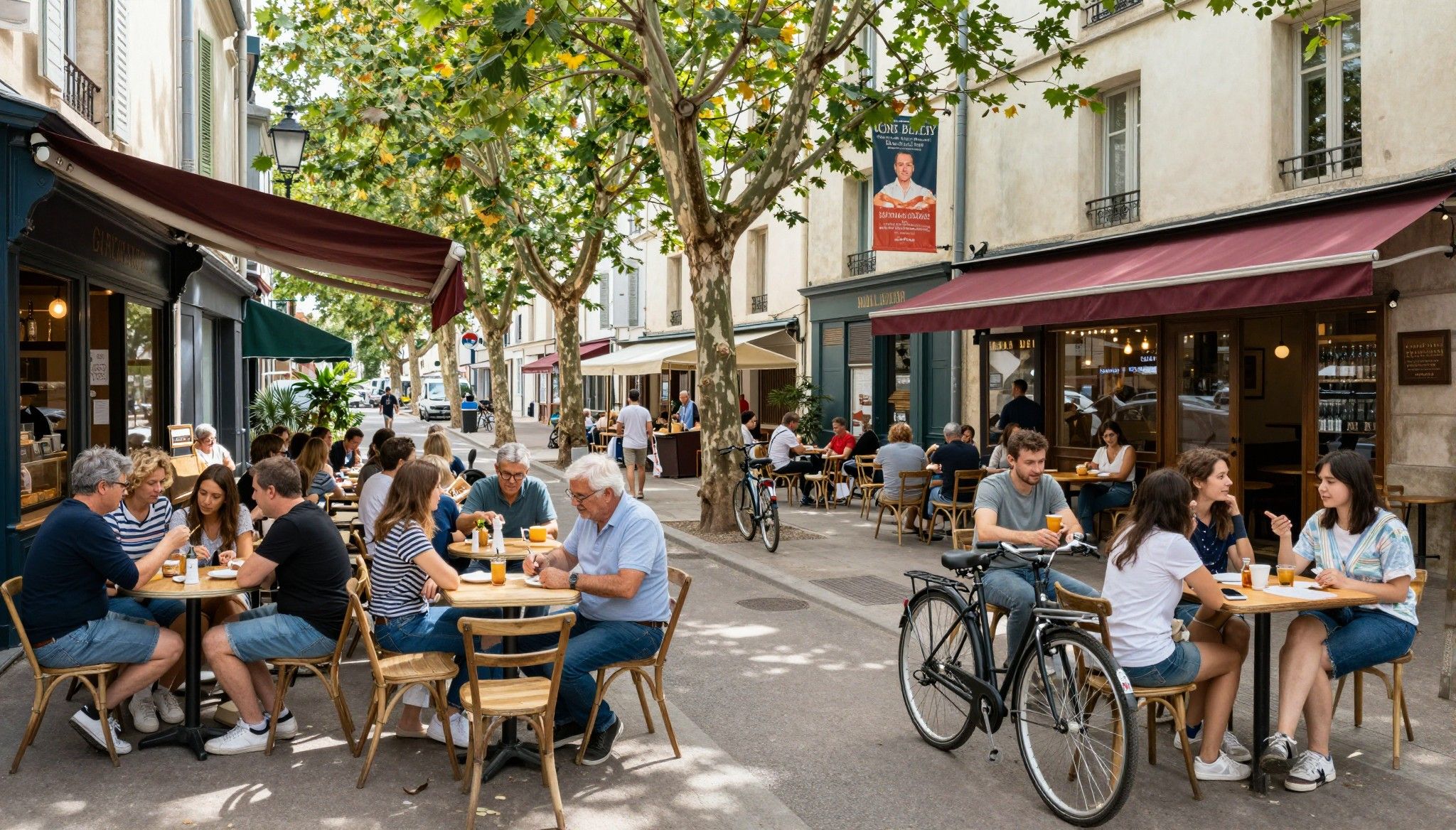
Imagine a weekday morning in Lyon’s Croix‑Rousse: a baker’s van sighs open, the scent of warm brioche threads through narrow streets, and a neighbour racks up bouquets from the marché. That sensory scene is the practical lure for buyers—yet it’s also where the reality of French property ownership begins: balancing lifestyle with rules, local taxes and seasonal rhythms. For many international buyers France feels expensive on paper, but what those headlines miss are regional price dynamics, tax exemptions and planning moves that change the arithmetic. This guide mixes market data and lived experience to show how to buy a life in France, not just a ledger line.
Living the France life: daily rhythms and neighbourhood character

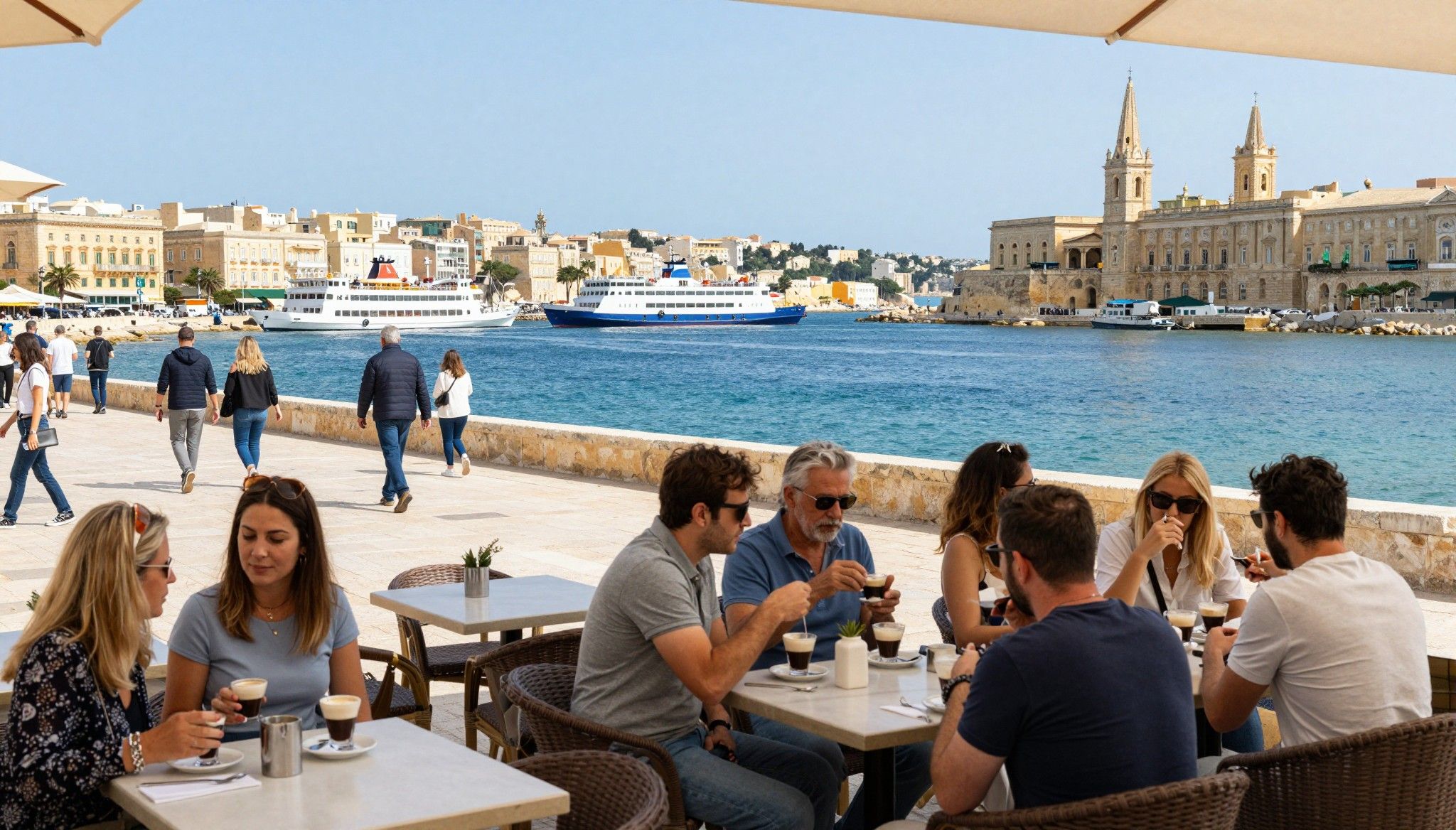
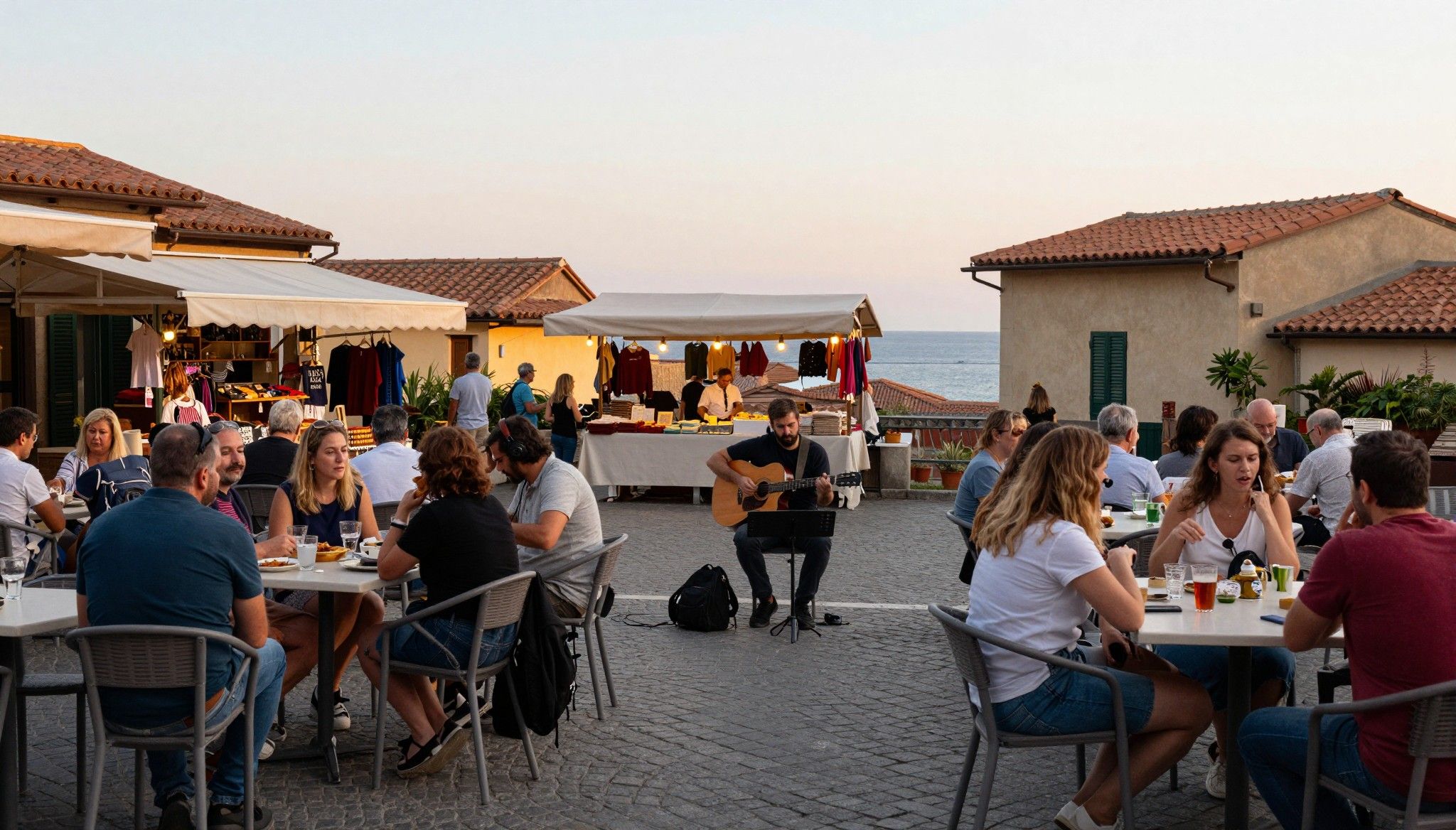
France is not a single tempo. Morning cafés set the pace in Parisian arrondissements, while Provençal towns run on marché timetables and siesta pauses. Coastal rhythms along the Côte d’Azur revolve around outdoor dining, yacht traffic and a tourism calendar that makes some months feel like a different country. Understanding these micro‑rhythms helps you choose the right property type — a compact apartment in a lively quarter behaves differently from a village house that sleeps for months after high season.
Neighbourhood spotlight: Le Marais, Nice’s Old Town, and Bordeaux Chartrons
Le Marais hums with boutique cafés, art galleries and tightly packed Haussmannian and medieval streets that reward walking and short‑term rentals but carry premium prices and strict building rules. Nice’s Vieux‑Nice gives buyers seaside atmosphere, narrow lanes and an active evening scene — yet also municipal restrictions on short‑term lets in parts of the city. Bordeaux’s Chartrons blends wide boulevards with wine merchants and quieter residential pockets; it’s illustrative of mid‑sized cities where quality of life can outpace headline coastal prices.
Food, markets and seasonality: living by taste and calendar
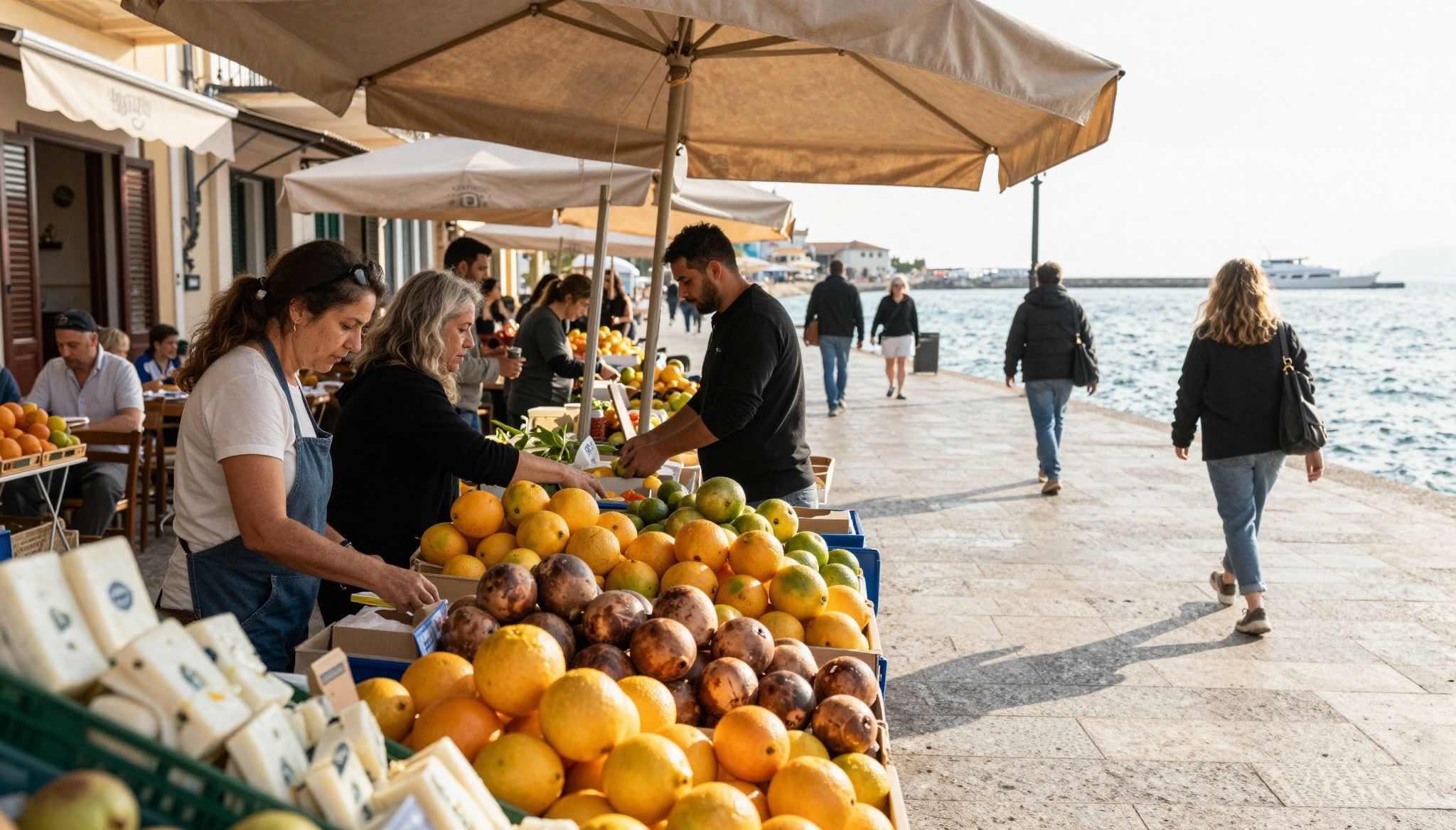
Markets are social infrastructure in France: Saturday marché at Place du Verbe‑Après in a small town or the covered market in Les Halles set your social life and grocery routines. Seasonal produce, festival weeks and truffle or grape harvests change neighbourhood energy and short‑term demand for rentals — a fact that affects rental yields and maintenance planning. When you imagine life here, picture Sundays at a marché then a late café; when you budget, account for seasonal cleaning, municipal tourist levies and variable occupancy.
- Lifestyle highlights to map during visits: Marché des Enfants Rouges (Paris), Cours Julien street cafés (Marseille), Plage de l’Espiguette (Camargue), Marché Forville (Cannes), Marché Saint‑Michel (Bordeaux).
Making the move: tax, regulation and where assumptions fail

Headlines that France is uniformly expensive come from averages. National indices show price softness in some quarters, regional resilience in others. For buyers this means a checklist: identify regional price trajectories, confirm non‑resident tax exposure and model social levies, and factor in transaction costs (notaire fees and registration) that vary by property type and region. The French administration publishes clear rules for non‑residents and local taxes; using those sources avoids costly surprises.
Property types and how they shape tax outcomes
A seaside apartment used for short lets will attract different duties and municipal rules than a rural farmhouse used for long lets. Ownership structure matters: buying personally, through an SCI (société civile immobilière), or via a foreign company changes inheritance rules, tax transparency and flexibility. For investors who value cash flow, factor in social charges on rental income for non‑residents; for lifestyle buyers, focus on local residency rules that affect benefits and obligations.
Working with local experts who know the practice, not just the law
- 1. Choose a notaire early to clarify transfer taxes and pre‑emption issues. 2. Ask a tax adviser experienced with cross‑border clients about IFI (real estate wealth tax) exposure and bilateral treaties. 3. Hire an agent who understands municipal short‑let restrictions and local rental markets. 4. Insist on written estimates for renovation, running costs and municipal taxes.
Insider knowledge: contrarian moves and expat lessons
Expats often assume Paris or the Riviera are the only secure bets. In reality, mid‑sized cities and peri‑urban corridors (examples: Nantes, Rennes, Montpellier outskirts) combine accessible prices with improving transport and stronger rental demand. Notaires and INSEE reporting show regional divergence: some city markets have stabilised while national indices swing quarter by quarter. Smart buyers look where local planning and transport projects hint at future demand rather than chasing postcard prestige.
Cultural realities that shape daily living—and long‑term value
Language matters beyond conversation: building works, municipal services and even market negotiation often require French documentation and local contacts. Social life centers on neighbourhood institutions — the boulangerie, the marché, the mairie — which influence how quickly you integrate. Over time, integrated buyers find value in community ties more than in cosmetic upgrades, and that social capital often protects property value during market swings.
- Red flags and practical checks before you sign: Confirm short‑let legality with the mairie, check energy performance certificate (DPE) and retrofit costs, request the last three years of building charges, verify property use in cadastre records, and get a local structural survey.
Longer term, think about succession and IFI. France’s real estate wealth tax affects higher net worth owners, and purchase structure influences inheritance tax exposure. Use an estate plan that aligns French rules with your home‑country regime and consider holding vehicles like an SCI for family transitions. These are not legal abstractions — they materially change what your heirs receive and what you pay each year.
- 1. Visit in multiple seasons to understand place rhythm. 2. Obtain a French tax checkup (non‑resident filing needs) before offer. 3. Set a renovation reserve of at least 10–15% for older properties. 4. Lock in a notaire and local agent early to review pre‑emption and rental rules. 5. Build community checks into your due diligence: speak to neighbours and the mayor’s office.
What we wish we’d known: an expat confession
We assumed the coastal dream meant instant rental income; instead, municipal short‑let rules and seasonal volatility required patient planning. A neighbour introduced us to a local builder who saved more on energy upgrades than any tax reduction. Real life in France rewards patience and local networks: meet the baker, attend the marché, and ask the mairie about planned works — each conversation reveals a practical detail that changes value.
France offers a blend of predictable institutions and highly localised living. If you want the daily pleasures — markets, cafés, cultural life — match them to the right legal and tax framework before you commit. Start with official sources (INSEE, Notaires, impots.gouv), hire French‑speaking specialists, and plan for seasonality. Then buy the life first; use data and local experts to make the purchase safe and sensible.
Next steps: compile a dossier before traveling — proof of funds, preferred neighbourhoods, tax questions for an adviser, and a shortlist of three local agents. Schedule visits in at least two seasons, request notaire quotes early, and ask your agent for municipal short‑let rules and recent building copropriété procès‑verbaux. With the right planning, France’s complex fiscal landscape becomes a set of tools you can use, not a barrier you must accept.
Swedish strategist who relocated to Marbella in 2018. Specializes in legal navigation and tax planning for Scandinavian buyers.