Malta: Match Neighbourhood Tempo to Lifestyle, Not Labels
Malta’s charm hides nuanced value: match neighbourhood tempo to lifestyle, prioritise outdoor living, and use deed-level data to buy smart.
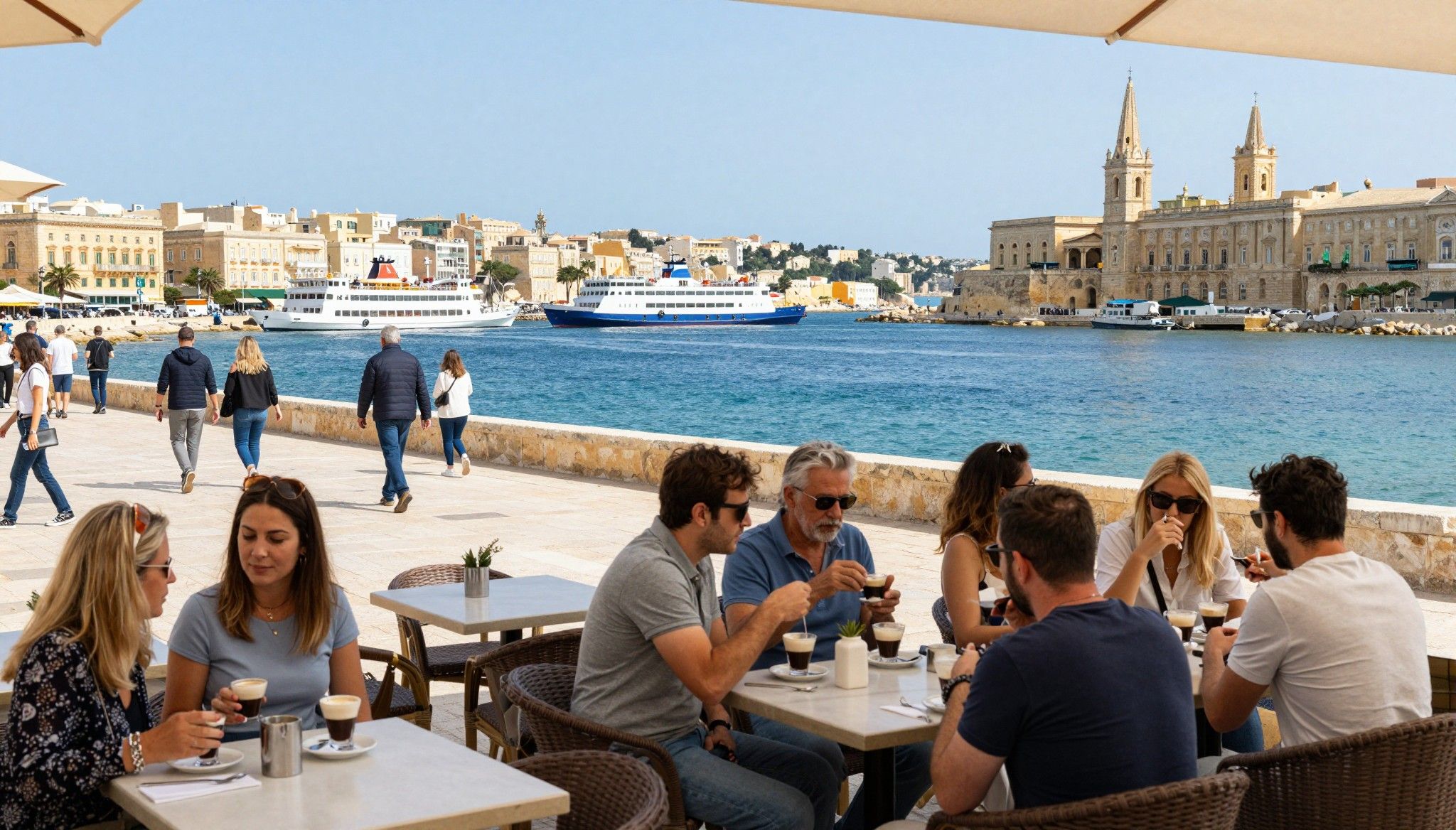
Imagine waking to espresso and sea breeze on a narrow Valletta street, then heading for a late-morning market in Marsaxlokk before an afternoon swim off Mellieħa Bay. That compact, lived-in Mediterranean rhythm — cafés, ferries, limestone lanes, and balconies overflowing with bougainvillea — is what draws buyers to Malta. Yet the island’s reputation as either ‘too expensive’ or ‘only for retirees’ misses key realities: prices vary sharply by neighbourhood and buyer intent, while local lifestyle options are unexpectedly diverse. This piece pairs the island’s sensory life with hard signals you can use to pick the place that matches how you want to live.
Living the Malta lifestyle

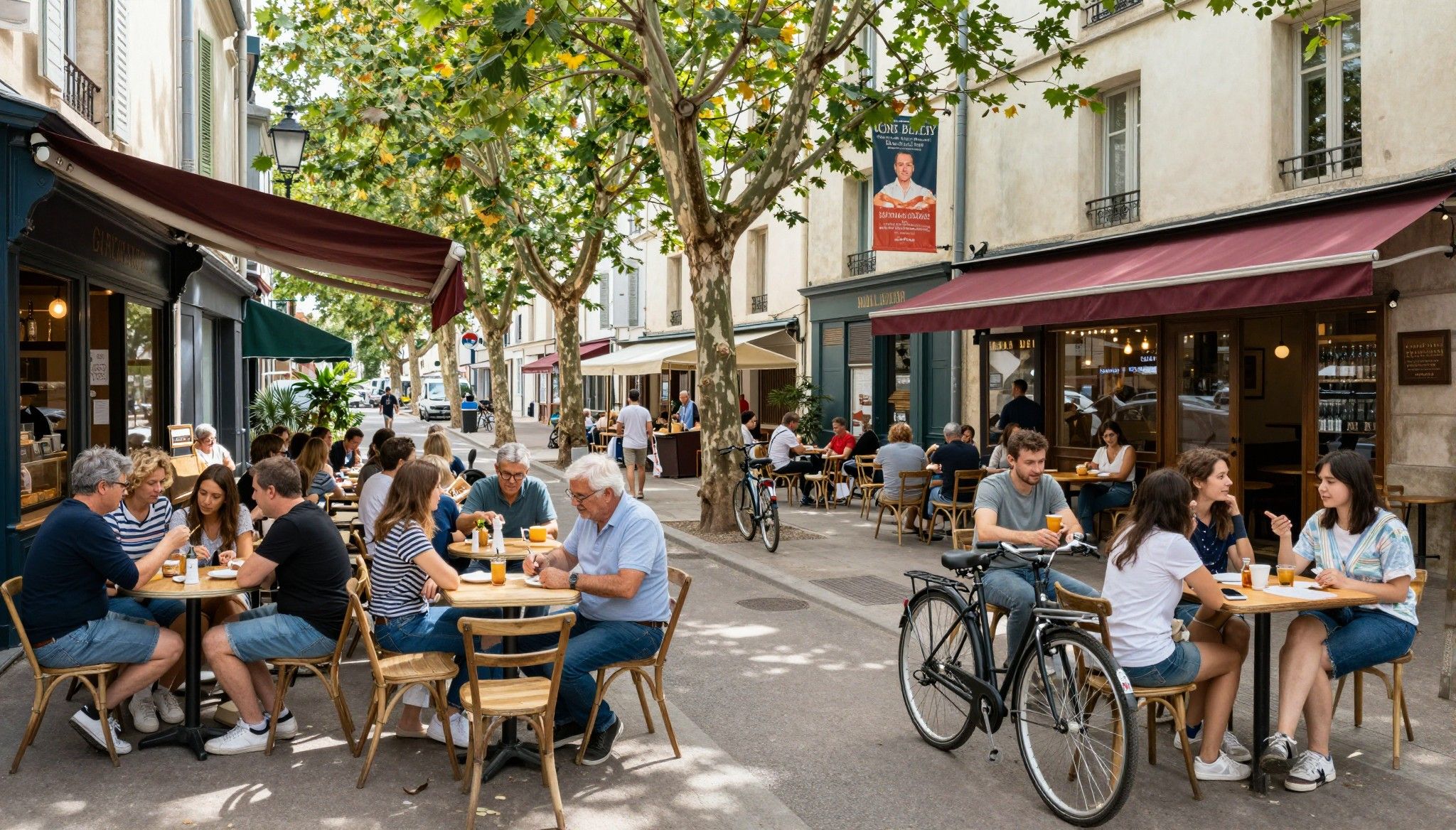
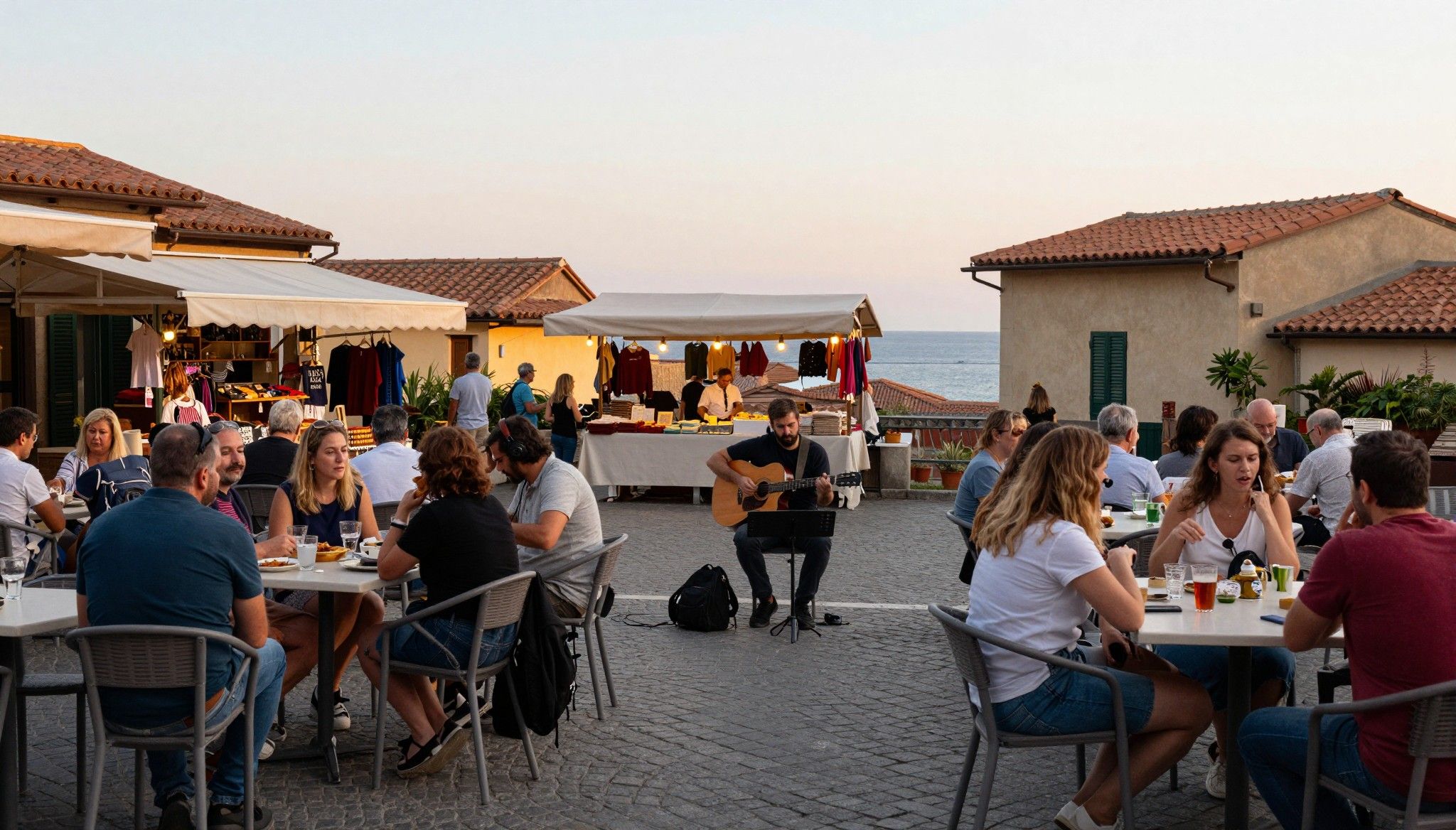
Malta feels like a set of small villages stitched together by a long coastline. In inner suburbs you hear church bells, in Sliema the seafront promenade hums with walkers and cafés, and in St Julian’s the marina and Pendergardens pulse with younger professionals and tech workers. The island is walkable: daily life is measured in 10–30 minute journeys rather than long commutes, which reshapes how people use space and what property types suit them. Local services in English make integration smoother for many internationals, but each town has its own tempo and social code.
Sliema & St Julian’s: seaside convenience and urban rhythm
If you want walk-to-coffee, evening dining, and predictable rental demand, Sliema and St Julian’s are the obvious choices. Properties here range from converted Victorian-era townhouses to contemporary seafront flats; balconies and roof terraces are premium features because outdoor living matters year-round. Expect a mix of professionals, families and short-stay visitors — which keeps the cafés busy and the service offering high. For buyers focused on lifestyle, these areas deliver convenience at the cost of smaller internal square metres compared with quieter inland towns.
Valletta, Three Cities & Ta’ Xbiex: history with proximity
Valletta gives you stone streets, theatres, and compact apartments with character; the Three Cities (Vittoriosa, Senglea, Cospicua) offer waterfront quays and lower headline prices but require trade-offs in parking and modern amenities. Ta’ Xbiex attracts owners seeking marina views and quieter mornings while remaining minutes from central business pockets. These places are for buyers who prize cultural texture and a strong sense of place over open-plan square metres.
- Sliema promenade cafés, Valletta’s evening passeggiata, Mellieħa’s family beaches, Marsaxlokk Sunday fish market, Pendergardens nightlife and co‑working, Ferry link to Manoel Island
Making the move: practical considerations that preserve lifestyle

Lifestyle decisions must be mapped onto market signals. Malta’s Residential Property Price Index and official transaction counts show continued activity and modest price growth in recent years, but movements are neighbourhood-specific. That means you can find relative value if you match what you want to pay for (space, seafront, renovation projects) with local supply realities. Work with agents who can show sale-to-list gaps and recent deed values rather than relying on headline asking prices.
Property styles and how they shape daily life
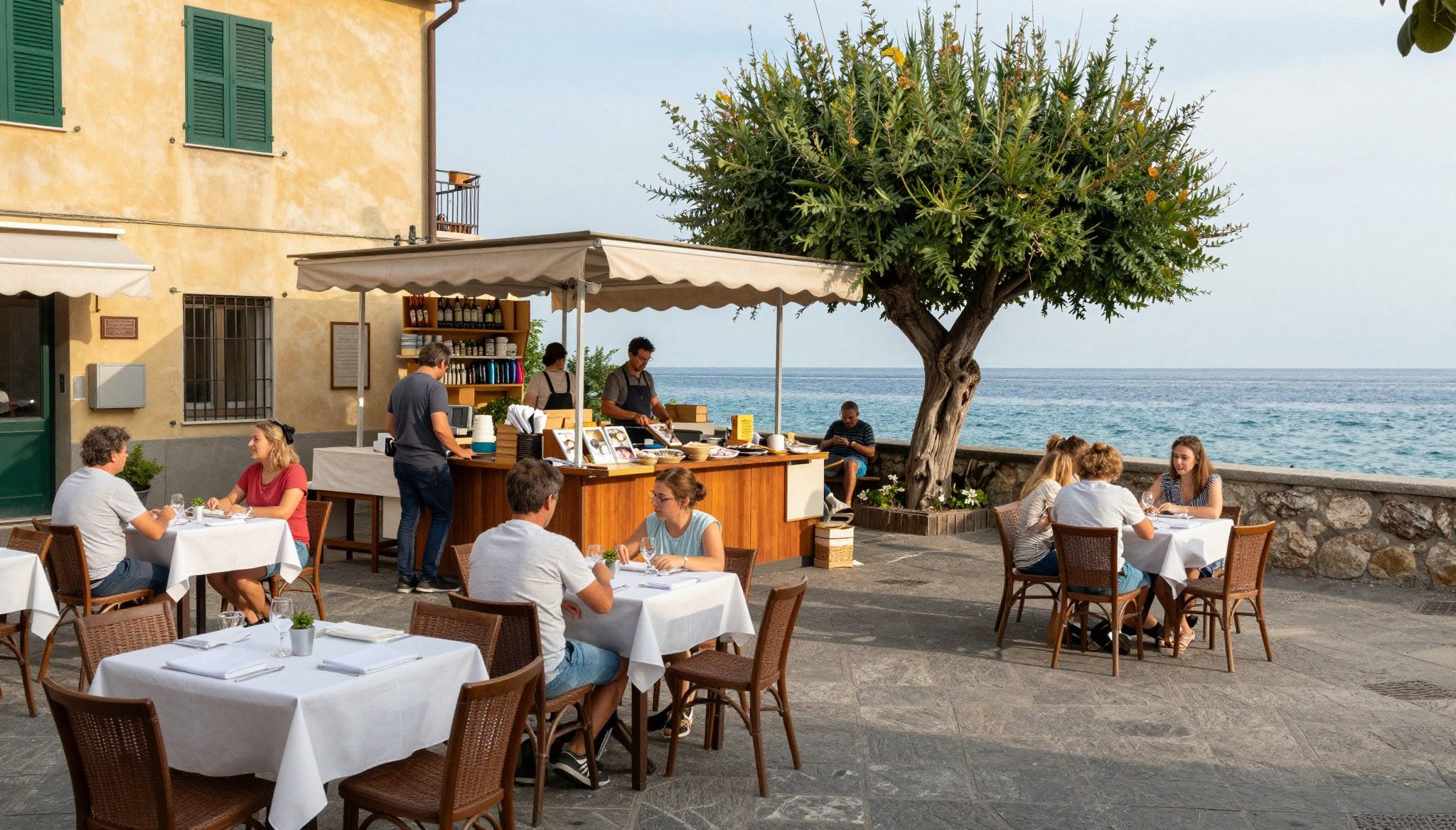
Apartments and maisonettes dominate coastal towns; traditional townhouses and penthouses with terraces are common in heritage zones. If you value outdoor living, prioritise roof terraces or ground-floor courtyards — they become your summer rooms. For families seeking quieter streets, the northern villages such as Mellieħa and Għargħur offer larger footprints and garden space but longer drives to central services. Consider acoustic insulation and double glazing in inner-city stone buildings: they materially affect comfort and resale appeal.
Working with local experts who know how Malta lives
- Choose agents who: 1) show deed-level comparables and recent RPPI movements; 2) understand seasonal rental dynamics if you plan to let; 3) advise on conversion and renovation limits in heritage zones; 4) can introduce trusted architects and property managers; 5) explain community rules for shared buildings and maintenance practices.
Insider knowledge: what expats wish they’d known
Expats often arrive expecting year-round resort life and discover an island of neighbourhood rules, family rhythms and intense summer crowds in coastal hotspots. Parking limitations, narrow streets, and community-led maintenance are daily realities that affect convenience more than purchase price. Many wish they’d prioritised a practical roof terrace or outdoor storage over an extra room inside because outdoor space is where life happens in Malta. Finally, local social integration — volunteering at festas or joining a diving club — accelerates feeling at home more than language classes alone.
Cultural integration and local quirks
English is widely spoken and used in business, easing practicalities for most internationals, but social rituals — festa calendars, market bargaining, and siesta-like slow afternoons in village cafés — shape where and when you’ll meet people. Many communities still organise around parish life and local committees; being aware of these rhythms helps when you renovate or request building permissions. Respect for limestone façades and heritage detailing is more than aesthetic: it’s often regulated, and neighbours will notice if a restoration feels out of character.
Long-term lifestyle & investment realities
- Expect gradual capital appreciation in core coastal towns; rental demand is durable in Sliema and St Julian’s because of professionals and tourism; heritage restorations often outperform generic refurbishments when sensitively done; and on‑island supply limits (land and conservations rules) can support long-term value in well-located units.
Conclusion: if Malta’s attraction is its compact, social Mediterranean life, plan your purchase around how you want to live that life. Start with a short stay in your target neighbourhood to test mornings, markets and evening rhythms. Ask agents for deed-level comparables and recent RPPI context, prioritise outdoor living and local permissions when you inspect, and line up an architect or property manager before exchange. With the right local team, you buy more than a property in Malta — you buy a daily routine you’ll look forward to.
Danish relocation specialist who has lived in Barcelona since 2016. Helps families move abroad with onboarding, schooling, and local services.