Italy: Lifestyle Signals, Seasonal Opportunities & Market Facts
Italy’s lifestyle beats — markets, aperitivo, coast — and market reality: regional price gaps, energy premiums and seasonal buying windows backed by ISTAT and market portals.
Imagine starting the day with an espresso at a corner bar in Trastevere, wandering a morning market in Bari, then ending it on a cliffside terrace on the Amalfi Coast — that is Italy’s everyday choreography. This piece is for dreamers who want more than a postcard: we pair the lived-in pleasures of Italian streets, food and community with concrete market signals so you can fall in love without losing your head. Read on for sensory neighbourhood scenes, contrarian neighbourhood picks, and up-to-date data-backed context from national statistics and leading market platforms.
Living the Italy life: daily rhythms that shape where you buy
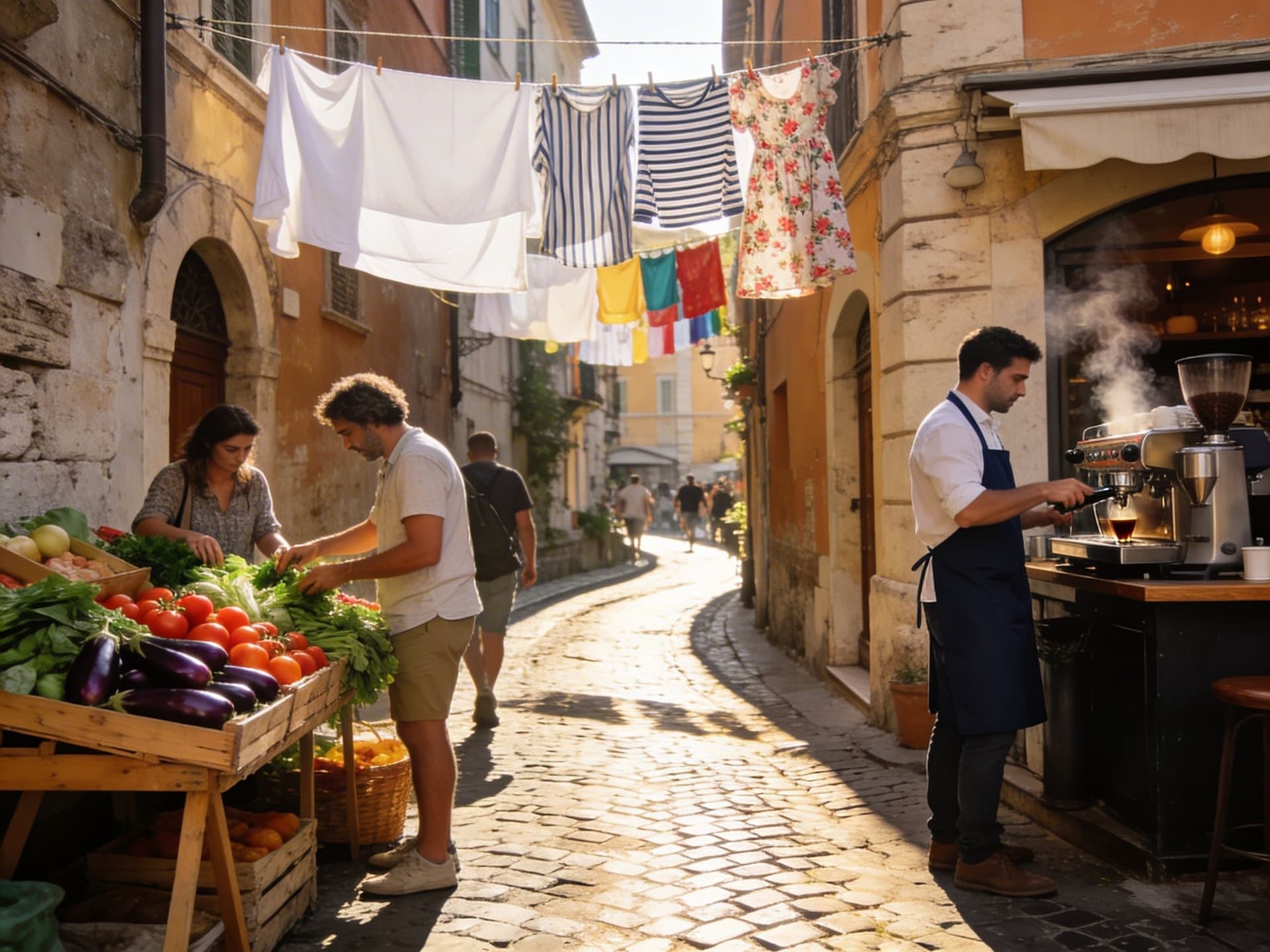
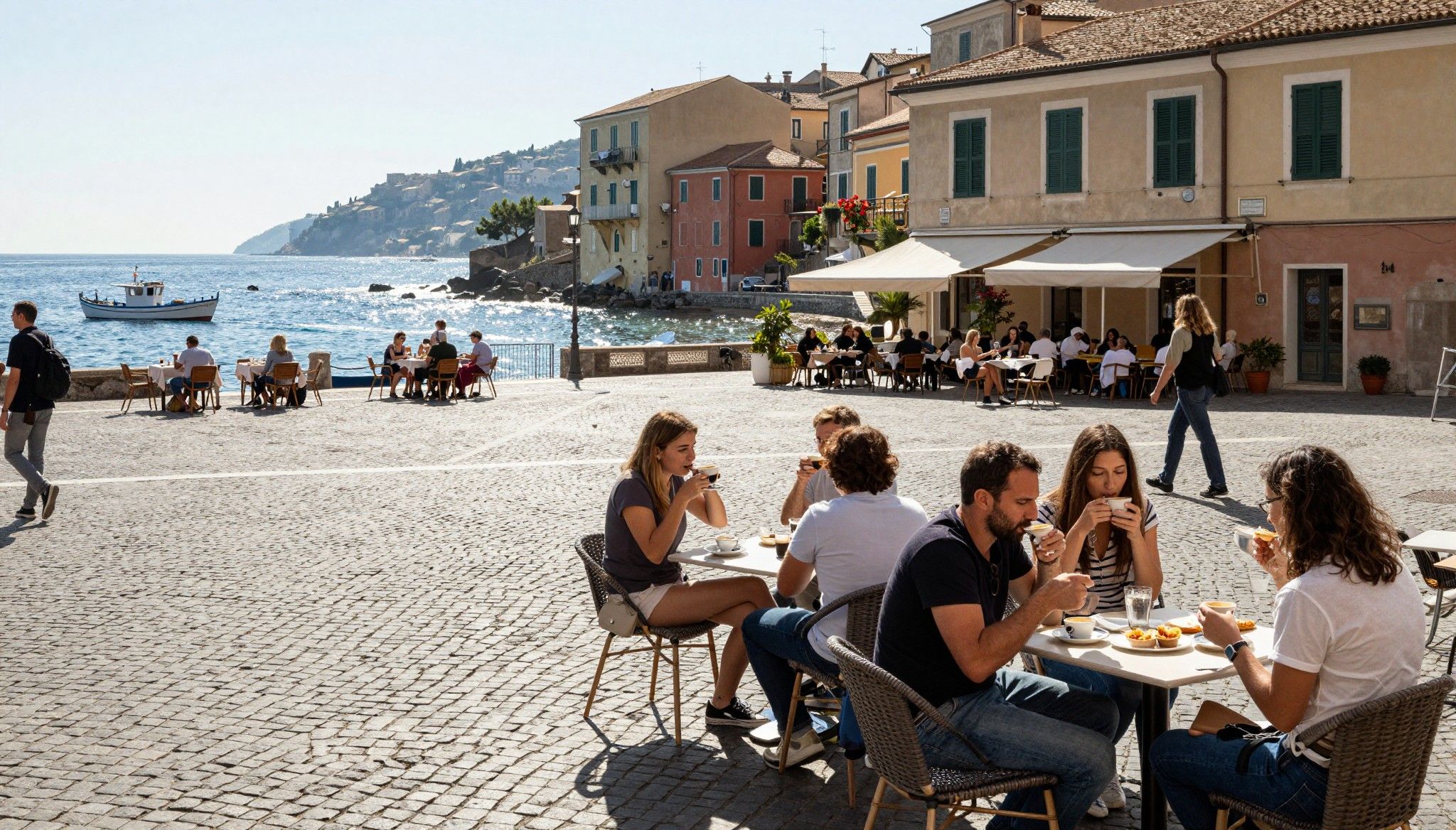
Italy is a country of rhythms — morning markets, long lunches, espresso breaks, aperitivo at sunset — and those rhythms shape what a property needs to deliver. An apartment off Milan’s Via Solferino offers compact, efficient city life; a 19th‑century palazzo in Florence centres on light and storage for seasonal living; a maze-like alley house in Puglia rewards you with outdoor courtyards. Think less square metres, more moments: a balcony for late-afternoon light, a ground-floor shop that hums with life, or a cellar for wines you’ll buy at the mercato.
Neighbourhood spotlight: Rome — Trastevere and Prati in contrast
Trastevere gives you cobbled lanes, trattorie where chefs still greet regulars, and a neighbourhood that feels lived in year-round; it trades quiet parking for atmosphere. Prati, north of Vatican City, offers wider streets, gated palazzi and better parking — it’s the practical choice for families who want city life without constant foot traffic. Both deliver distinctive lifestyles; your choice depends on whether you prioritise nocturnal street life or daytime family routines.
Coast to city: Amalfi Coast’s cliffside villages vs. Liguria’s promenades
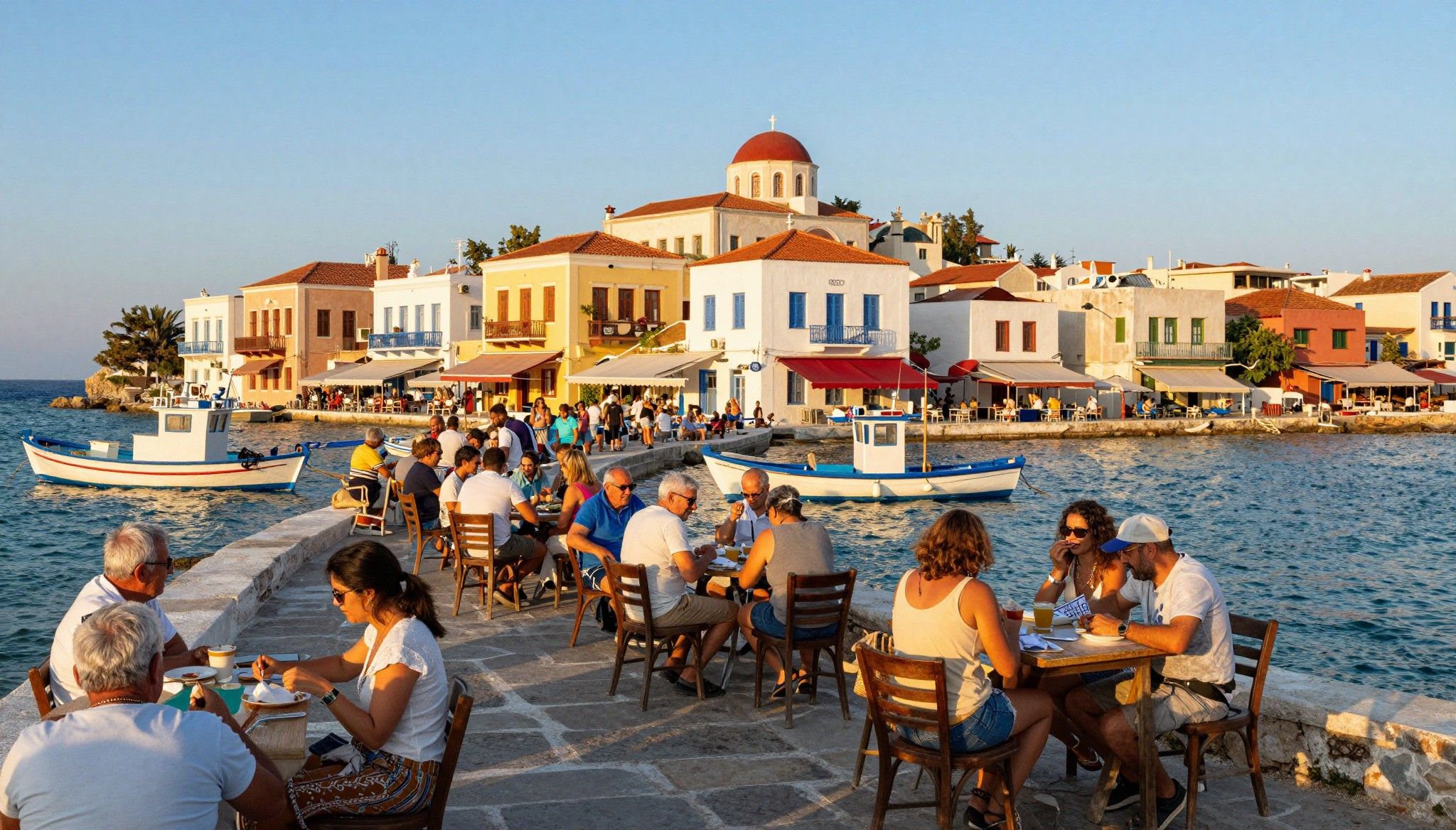
Amalfi and Positano provide dramatic outdoor living — terraces, stairways, and immediate sea access — but expect smaller interior footprints and higher maintenance for historic stone houses. Liguria (Camogli, Levanto) leans into promenades, longer beaches and rail links that make seasonal life easier. If you crave daily seaside rituals, weigh access and services: ferries, winter connectivity and local markets matter as much as a view.
- Lifestyle highlights: streets, tastes and hidden corners
- Morning market at Mercato di Campo de’ Fiori (Rome) — fresh produce, flowers and the rhythm of local shopping.
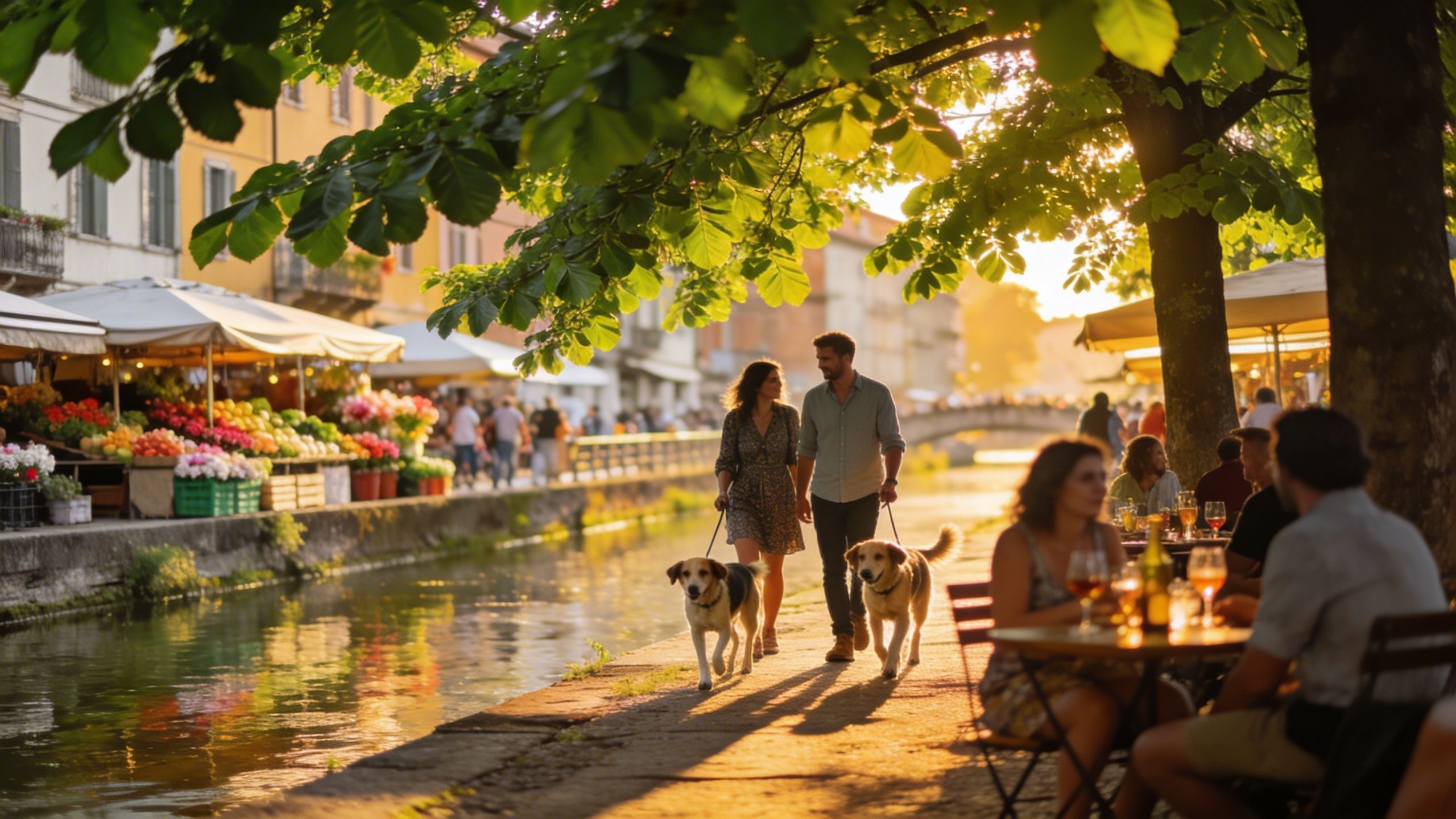
- Aperitivo on Naviglio Grande (Milan) — canalside social life, small plates and people-watching.
- Sunday passeggiata in Alberobello (Puglia) — trulli-scattered lanes and community fêtes.
- Sunset swims at Spiaggia della Pelosa (Sardinia) — turquoise water with a local, low-key vibe outside peak weeks.
Making the move: how lifestyle choices map to property types
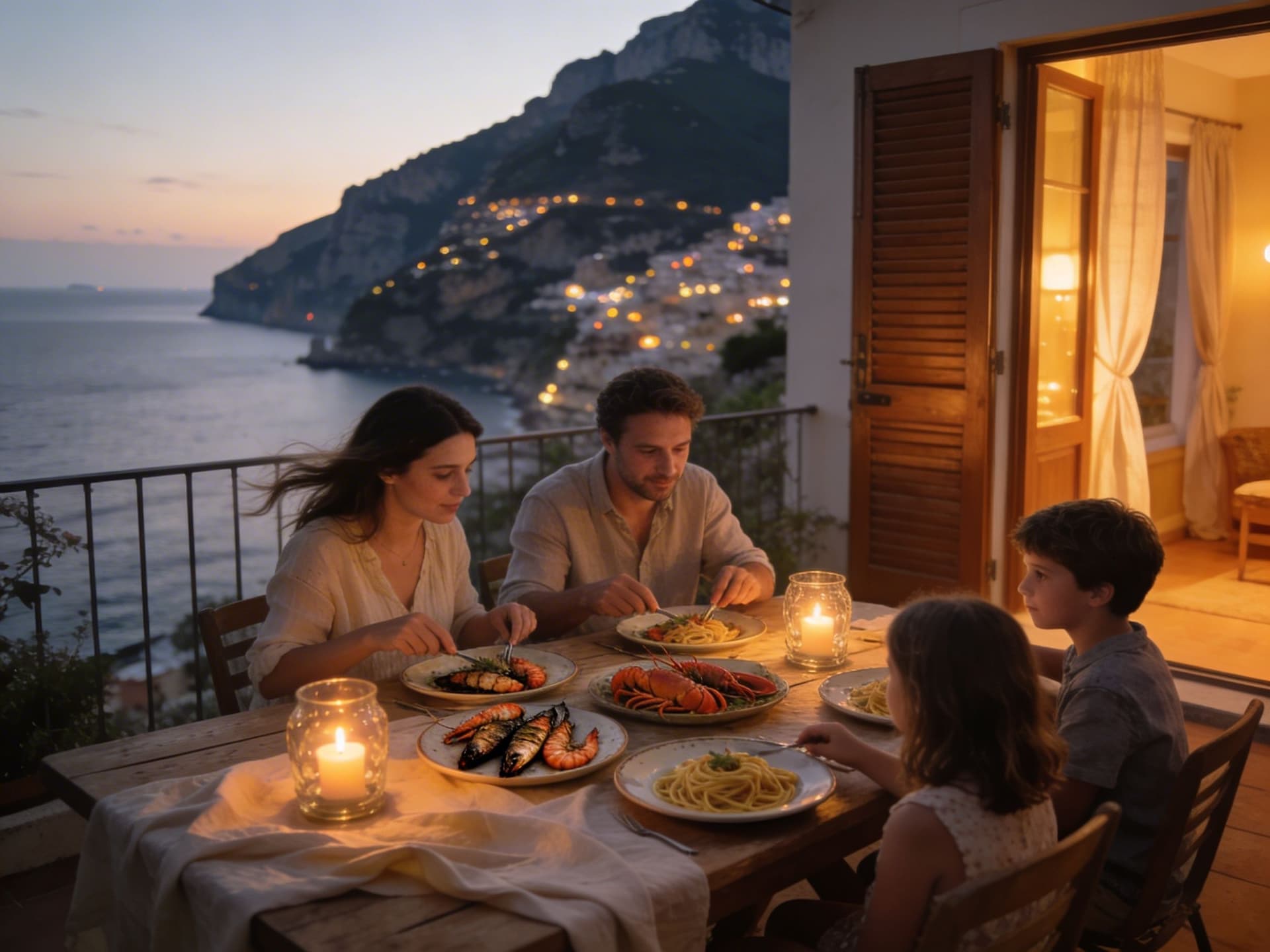
The practical side follows your lifestyle: small historic flats for neighbourhood immersion, sea-facing terraces for seasonal living, and modern new-builds for lower maintenance and energy efficiency. National price data shows strong regional dispersion — expect dramatic per-square-metre differences between Milan and southern regions — so match the neighbourhood rhythm to your budget and plans. For numbers and regional averages, consult national portals and ISTAT for reliable trend context while you plan viewings.
Property styles and what they actually give you
Historic apartments: character, thick walls and smaller windows mean cooler summers but often fewer insulation upgrades. New builds: better thermal performance, lifts and parking but less immediate ‘local’ feel. Restored rural homes: large outdoor space and renovation upside, yet zoning and heritage rules can limit changes. Choose a style that supports your day-to-day: if you value outdoor meals, prioritise terraces and courtyards over extra interior square metres.
Working with local experts who know life, not just listings
An agent who knows the street rhythm will steer you away from properties that ‘look good’ but fail in everyday life — for example, a top‑floor apartment without a lift or a coastal home exposed to winter storms. Look for agencies that publish local market statistics and energy-class details, and ask for recent comparable sales, not just asking prices. A lawyer (notaio) and a bilingual agent will save you time; insist on seeing energy certificates, cadastral plans and recent condominium minutes before bidding.
- Steps to align lifestyle and purchase (practical + tactile)
- Visit the neighbourhood at different times: market morning, weekday afternoon, and weekend evening to feel daily life versus tourist peaks.
- Check energy class and reachability: confirm train/airport links, winter road access, and mobile/internet signal if you’ll work remotely.
- Ask for comparable sale prices and recent condominium meeting minutes to uncover upcoming repairs or unexpected levies.
Insider knowledge: expat realities, red flags and surprising opportunities
Expats often fall for the postcard moment and miss seasonal softness: many coastal towns quieten dramatically outside July–August. Yet that off-season calm is when you’ll find better negotiating leverage, local connections and clearer views of community life. Market data indicates prices rose year-on-year in early 2025, but regional variation is large — southern regions can still offer renovation bargains with high lifestyle upside, while Milan and Florence remain premium markets.
Cultural integration: small customs that change where you buy
Learn basic Italian phrases: neighbours appreciate effort and practical conversations (condominio, amministratore, bolletta). Expect slower municipal processes — permits and sign-offs take time — so factor bureaucracy into renovation schedules. Embrace local systems: buying at a weekly market, joining the parish festa, or supporting a barista creates social capital that eases daily life and sometimes opens off‑market property opportunities.
Long-term lifestyle and investment signals to watch
Watch regional demand shifts: Puglia and parts of southern Italy are seeing rising interest from international buyers, altering supply dynamics and renovation costs. Energy improvements and EU-driven efficiency rules are creating a premium for upgraded homes; expect better resale and rental yields for Class A/B properties. Finally, monitor national statistics from ISTAT to track sales volumes and price momentum as a guardrail against overpaying in hot micro-markets.
- Red flags and quick checks before you bid
- Unexplained differences between asking and recent sale prices in the same street.
- Missing energy certificate (APE) or unclear cadastral map references.
- Large upcoming condominium repairs noted in minutes or a building with chronic damp issues.
Conclusion: Italy as lived choice — romance informed by rigorous local knowledge
Italy gives you a daily theatre of food, community and landscape; make that lifestyle durable by pairing sensory exploration with careful, data-based checks. Use ISTAT and major portals to verify trends, tour neighbourhoods at varied times, and hire local experts who translate cultural nuance into practical safeguards. The best purchases are those that let you inhabit the everyday — a café table for morning rituals, a balcony for evening light, and neighbours who become friends.
Norwegian market analyst who relocated to Mallorca in 2020. Focuses on data-driven market insights and smooth relocation for international buyers.