Croatia: Life‑First Price Signals and Seasonal Opportunity
Croatia’s coast and cities combine strong price growth with seasonal nuance — buy for the life you want and use data (Eurostat, Colliers, local listings) to time the deal.
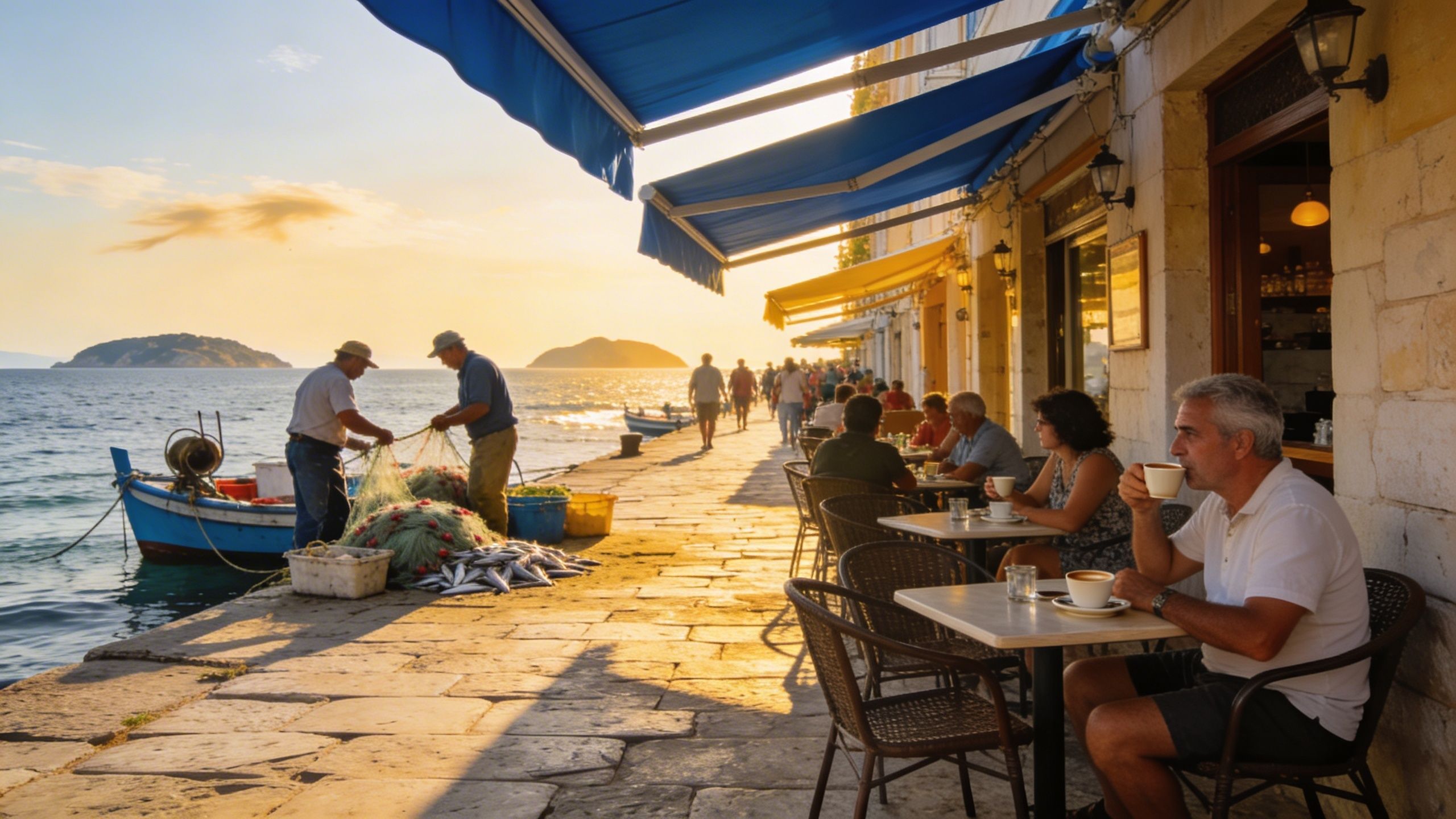
Imagine an early morning in Split: espresso steaming, fishermen hauling nets at the Riva, limestone streets still cool underfoot. In Istria, stone farmhouses smell of wood smoke and truffles; in Zagreb, trams clip-clop past bakeries with queues at 07:30. Croatia’s coast and cities feel lived-in — not a postcard frozen in time — and that texture matters when numbers push a market story.
Living Croatia: the everyday that sells
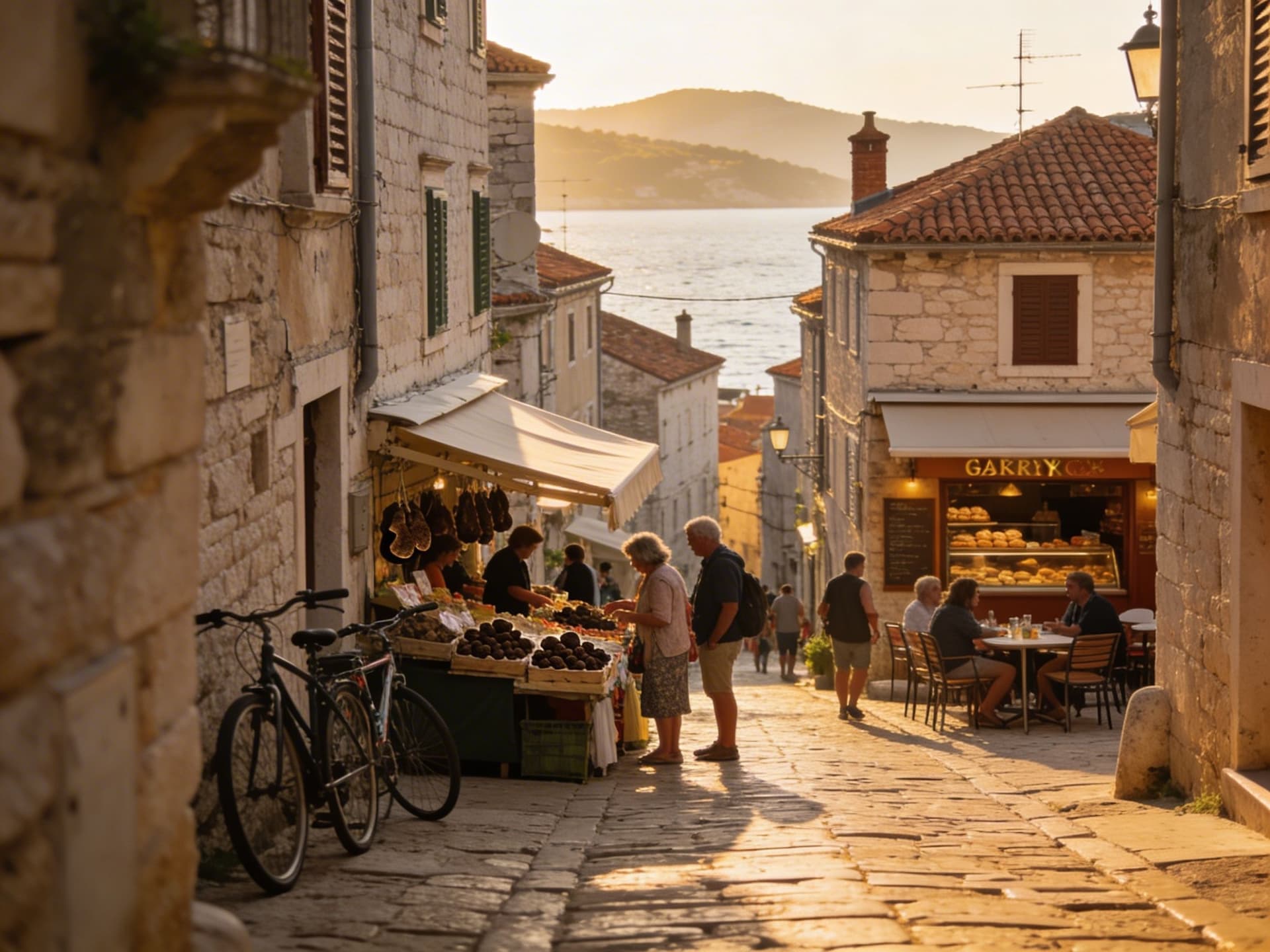
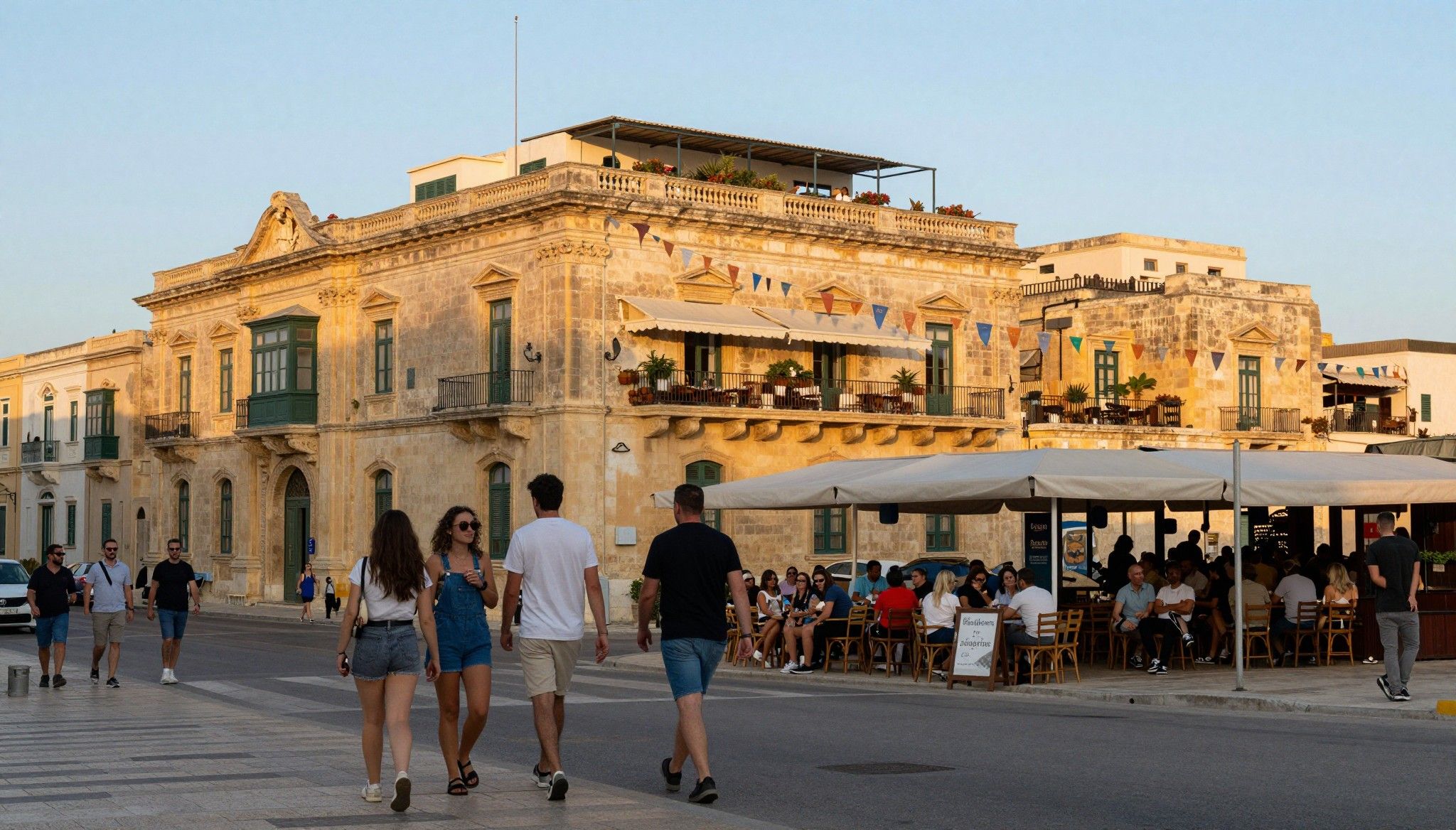
Croatia’s appeal is sensory: coastal light that shapes terraces, markets that set the week’s rhythm, a summer calendar of festivals that doubles as a neighbourhood open house. Those lifestyle textures explain persistent demand even when transaction volumes cool — a point highlighted in recent market briefs that show continued investor interest in quality coastal and Zagreb projects.
Split & Dalmatian coast: town life with sea access
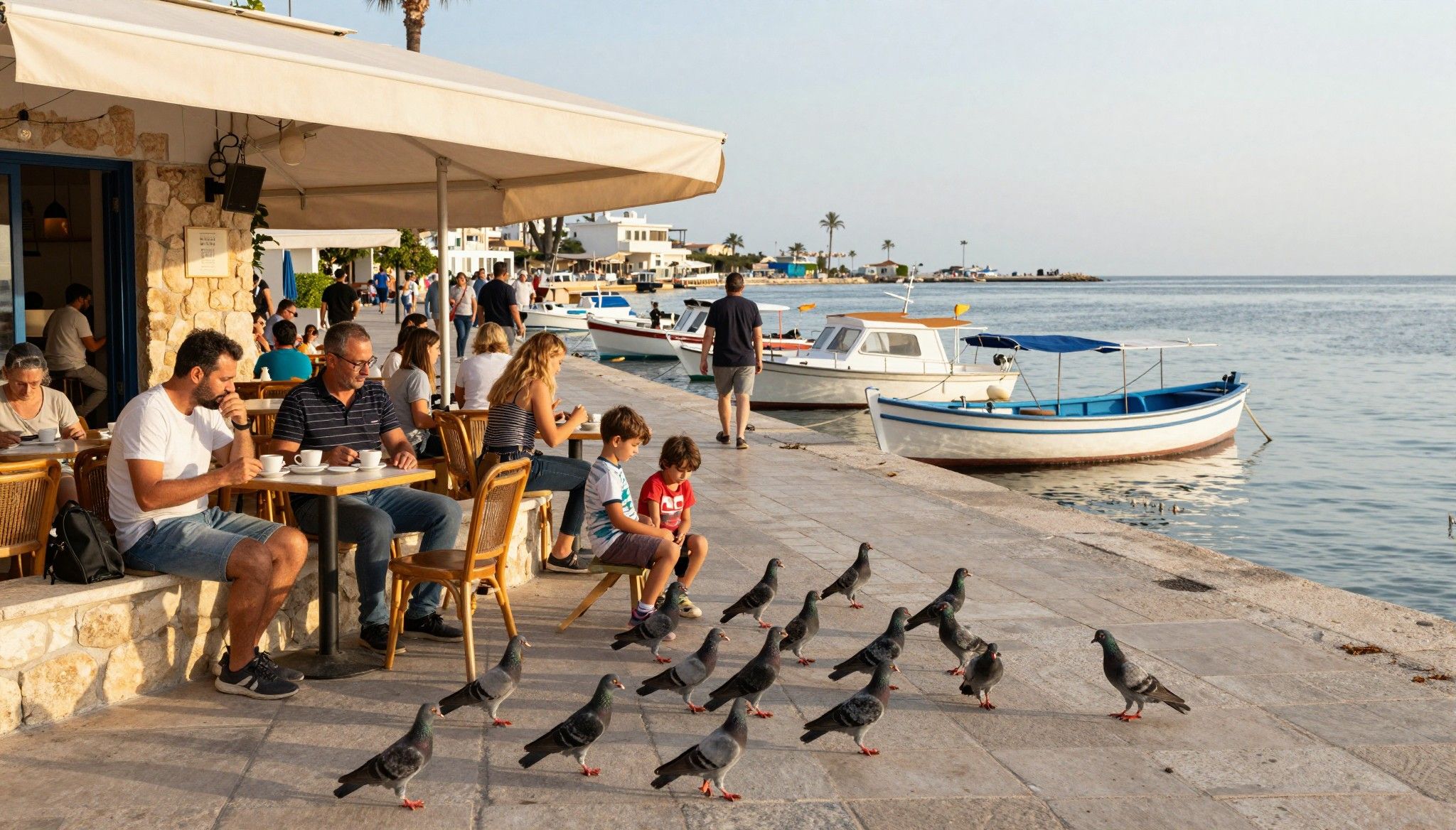
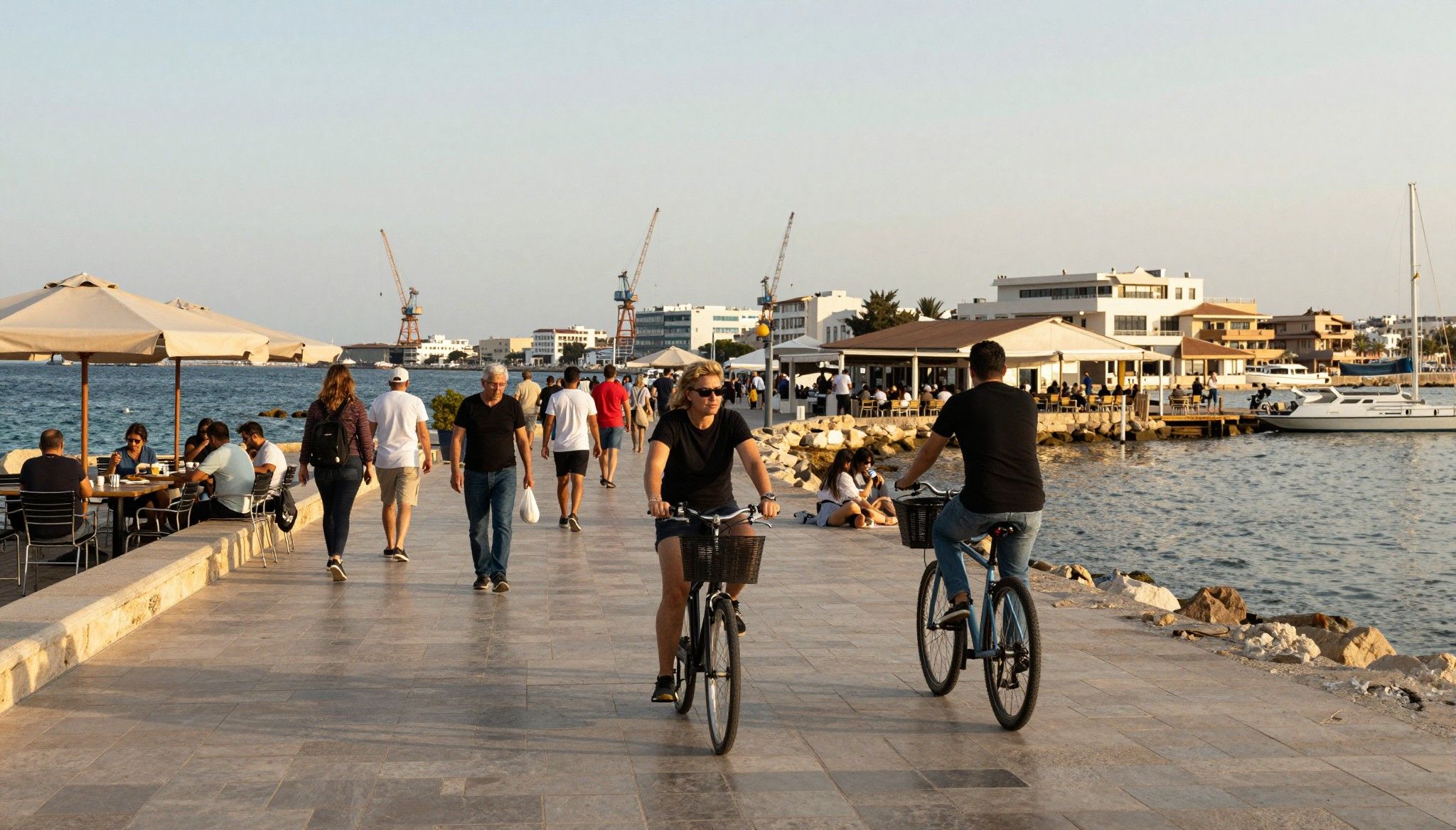
Walkable old towns, afternoon sea breezes, and compact marinas are the daily reality here. Properties with private terraces and easy mooring are prized: buyers pay a premium for effortless coastal life rather than for dramatic architecture alone — a trend visible across recent high-end listings and villa sales.
Istria & Kvarner: countryside living and food culture
Here life moves around markets, truffle season, and family-run konobas. Buyers seeking land, renovated stone houses or agritourism projects find a different rhythm: investment is about living with the landscape and seasonal income as much as capital appreciation.
- Lifestyle highlights: Riva espresso in Split; Truffle fairs near Motovun; Afternoon swims at Zlatni Rat; Zagreb’s Dolac market Sundays; Café culture on Korčula’s main square.
Making the move: when lifestyle meets price signals
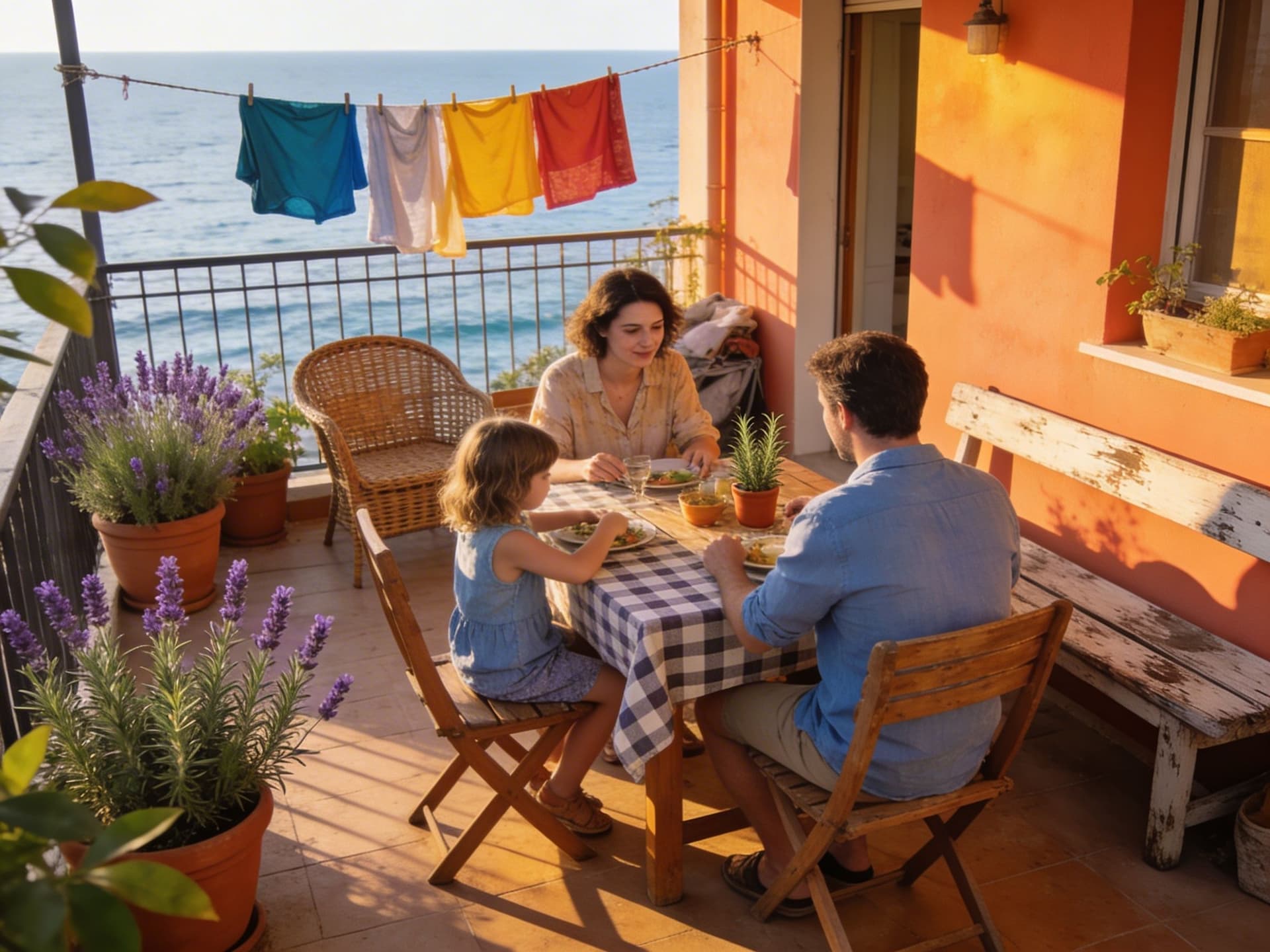
Data matters: Croatia recorded some of Europe’s strongest house price growth recently (annual increases in the low double digits according to official Eurostat releases), yet transaction counts and seasonality temper the headline. That split — rising prices but fewer deals — is the practical window for international buyers: choose quality and timing over chasing the hottest postcode.
Property types and what they mean for daily life
Stone houses in Istria deliver privacy, control and outdoor kitchens; Split apartments put you close to cafés and cross‑season rental demand; new-builds near Zagreb provide modern insulation and better year‑round comfort. Match a property’s physical traits (insulation, terraces, storage) to how you’ll actually live there — not just to how it photographs for listing portals.
Work with experts who translate lifestyle into value
- 1. Ask agents for recent supply timelines and off‑season viewings to see how neighbourhoods breathe beyond summer. 2. Insist on comparable sales within a 500 m radius and the last 12 months — coastal pockets move fast. 3. Request energy/renovation estimates for older stone properties; maintenance changes ownership cost more than stamp duty. 4. Verify tourist zoning if you plan short-term lets — the lifestyle you want often determines acceptable rental use.
Insider knowledge: myths, seasonality and red flags
Myth: "Croatia is only for summer buyers." Reality: price growth and investor focus increasingly favour year‑round amenities and quality construction. But beware: transaction volumes fell in recent periods, signalling that patience — and local knowledge — unlocks better deals.
Cultural and practical red flags
- Watch for: titles with unclear land use near coastlines; properties advertised with vague 'sea view' labels beyond realistic sightlines; sellers who insist on cash-only deals without formal receipts; seasonal-only infrastructure (roads closed in winter) that changes livability.
When to move: a contrarian season tip
Contrary to the summer open‑house rush, late autumn and early spring expose a place’s real life: local services, transport links, year‑round neighbours and building performance. Those seasons are when serious buyers see how neighbourhoods function beyond postcards — and when motivated sellers are likelier to negotiate.
What expats wish they'd known (real stories)
An English teacher we know bought a stone house near Rovinj because of the garden. Six months later she found the thin winter walls costly to heat. Lesson: live a season before committing. Another buyer who focused on a Zagreb tram line found everyday life simpler than a sea-view dream. Taste, commute and community — in that order — decide long-term happiness.
Long-term lifestyle and market factors
Croatia’s strong recent price growth reflects tourism, EU integration and supply constraints — but macro variables (interest rates, policy changes) can reshape local momentum. Think of purchases as a lifestyle investment first, with capital returns as a secondary, data‑informed benefit.
- Quick checklist before you buy: visit off-season; confirm utility and road access; get a local surveyor for foundations and moisture; check local planning rules for terraces and additions; ask for 12 months of neighbour noise and service patterns.
If you want to feel Croatia first and act with data second, start with a season’s visits, a shortlist of neighbourhoods (Zagreb’s Donji Grad, Split’s Veli Varos, Rovinj’s old town), and a local agent who can show comparable sales and off‑market options. The right agency turns lifestyle imagination into realistic property choices.
Conclusion: Croatia sells a life — coastal rhythms, market depth and seasonal surprises. Marry that feeling with data: use official indices, local price lists and off‑season inspections to buy with confidence rather than nostalgia.
Norwegian market analyst who relocated to Mallorca in 2020. Focuses on data-driven market insights and smooth relocation for international buyers.