Buy for the Rhythm, Not the Postcard
Greece is a rhythm — buy the tempo, not the postcard. Blend neighbourhood life with up-to-date market data and legal advice to make a confident lifestyle purchase.
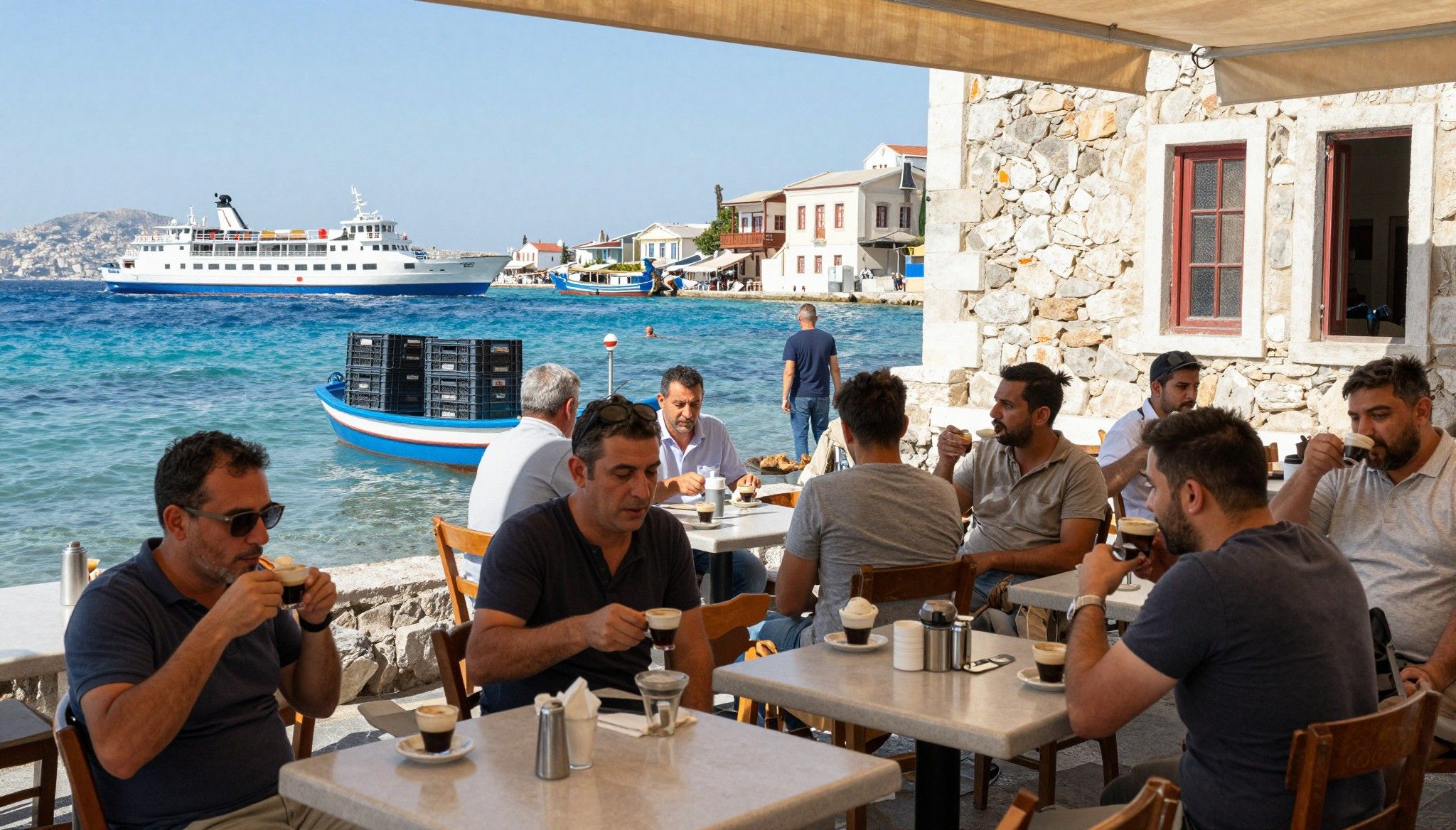
Imagine waking to the smell of fresh espresso in Plaka, buying fish at Piraeus’ market for tonight’s grill, then catching a late afternoon ferry to an island where stone lanes outnumber cars. Greece is less a postcard and more a rhythm — loud summers, quiet winters, neighbourhood cafés, and neighbourhood politics — and that rhythm reshapes how you buy.
Living the Greek rhythm: city pulse and island hush
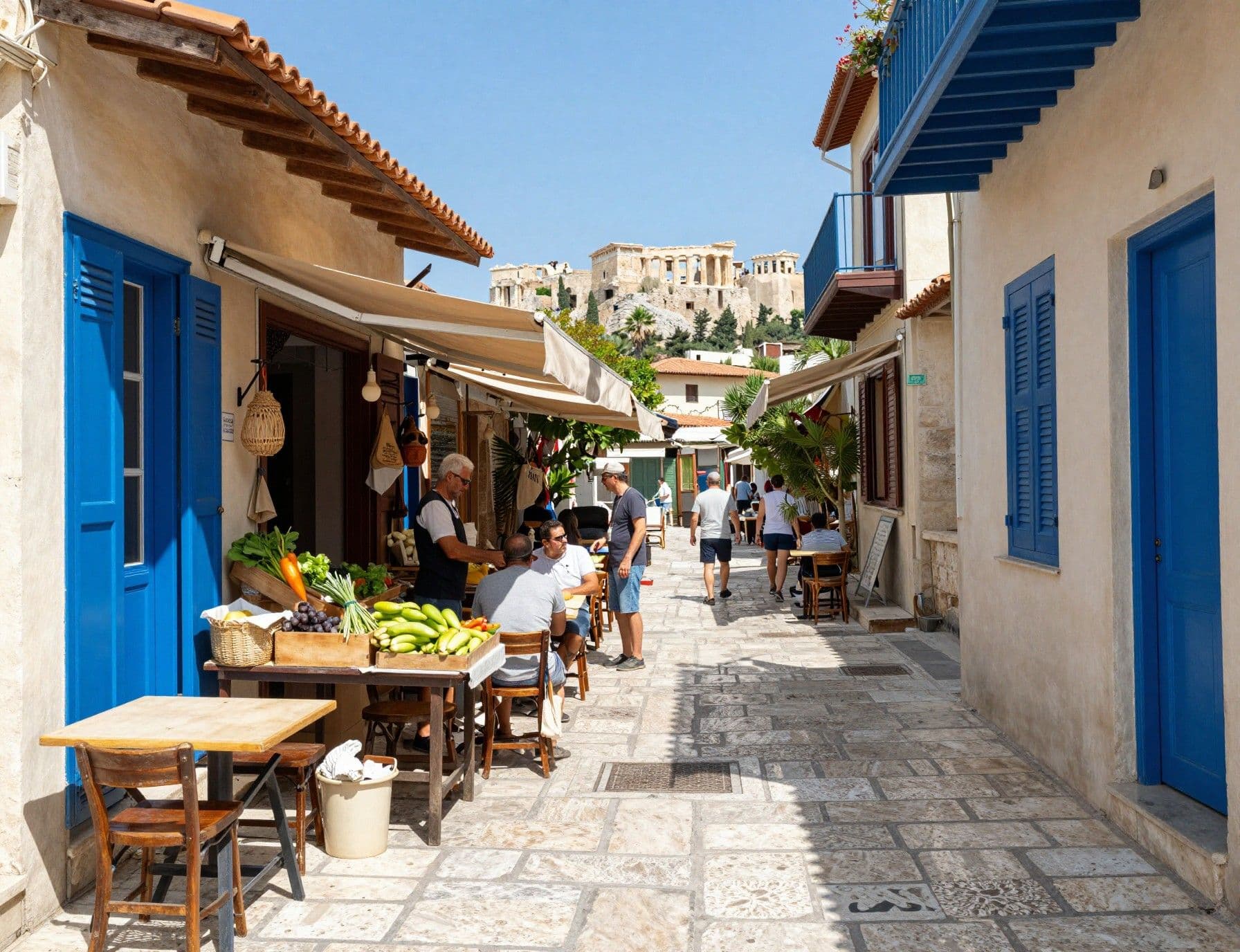
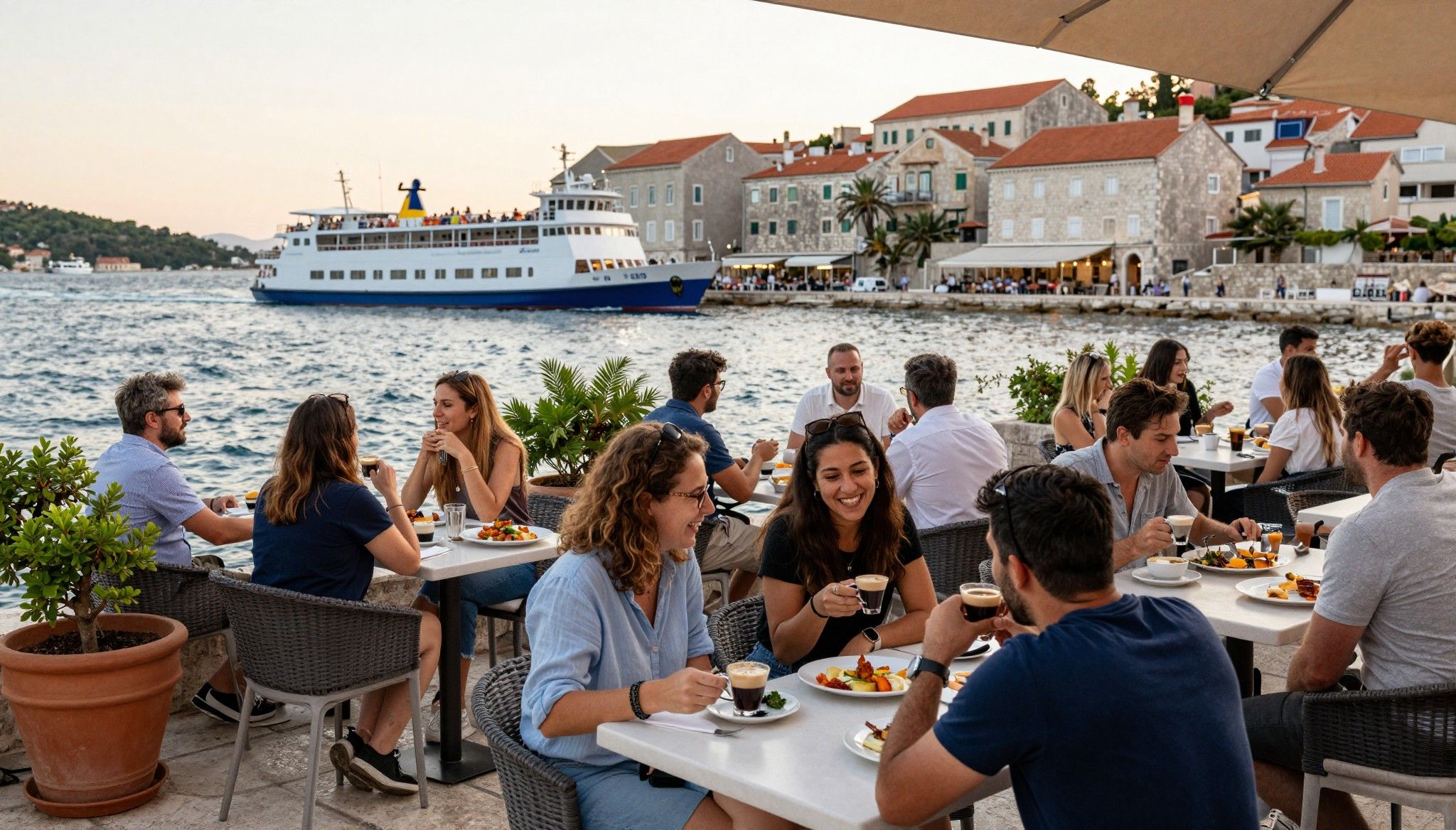
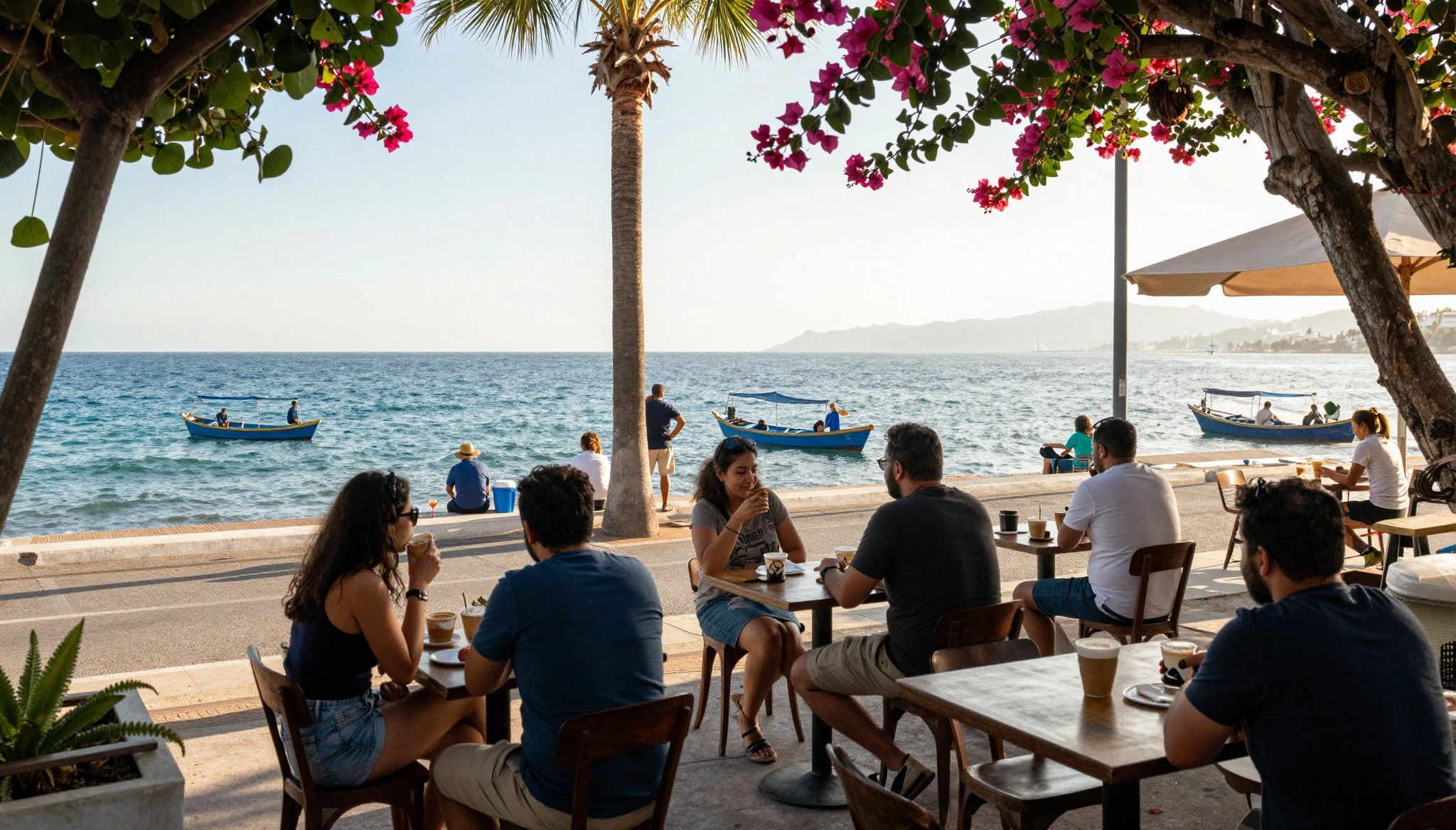
Mornings in Greece often mean espresso and a half hour of people-watching; evenings are for long meals that end after dark. In Athens you’ll find neighborhoods that behave like small towns — Koukaki’s slow-café tempo, Exarchia’s bookshops and murals, Glyfada’s coastal sprawl — while islands from Paros to Hydra trade nightlife for narrow streets and seasonal population swings. These rhythms matter: when you buy, you’re buying a tempo as much as a view.
Neighbourhood: Koukaki, Anafiotika and the Polykatoikia life
Koukaki — a 10–15 minute walk from the Acropolis — feels lived-in: small bakeries, late-night tavernas, and families on balconies. Anafiotika’s Cycladic houses are an architectural whisper in central Athens; they’re atmospheric but tiny, meaning buyers often accept steep compromises in interior space for unmatched character. The common building type — polykatoikia apartment blocks — lets you mix a city life with quick escapes to the sea.
Food, markets and the weekly rhythm
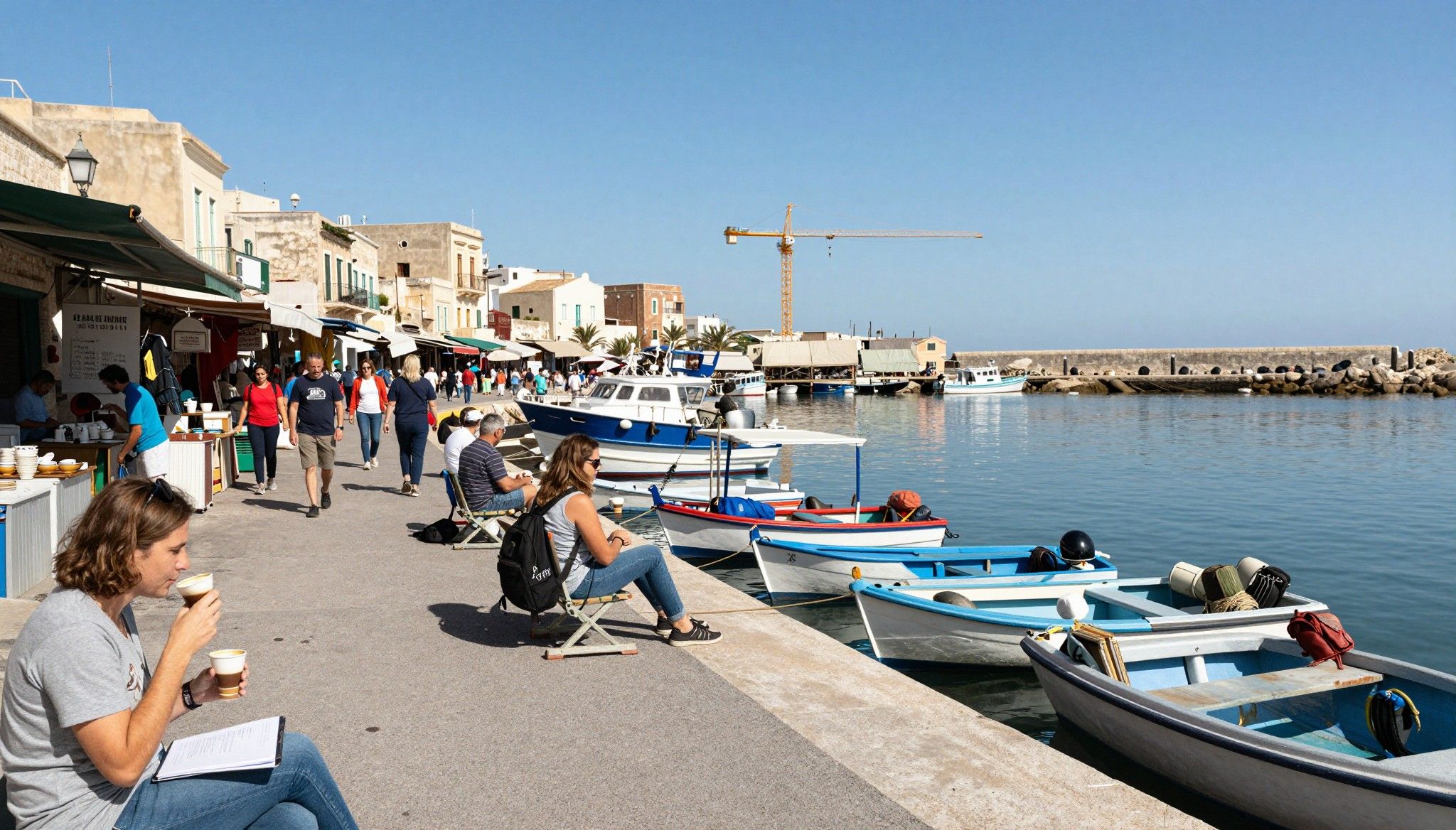
The week in Greece orbits around food markets and kafeneia. Morning fish stalls at Varvakios in central Athens, Saturday farmer markets in suburban squares, and seaside tavernas on islands dictate what life looks like. If you crave a daily market and dinner outdoors, search for ground-floor homes near squares; if you value quiet winters, pick locations with year-round residents rather than purely tourist economies.
- Lifestyle highlights to scout when you visit: Varvakios central market, Koukaki’s Dimitrakopoulou Street cafés, Glyfada waterfront promenade, Hydra’s traffic-free lanes, Vouliagmeni beach for weekend families, and Plaka’s evening pedestrian bustle.
Making the move: properties that match how you’ll live
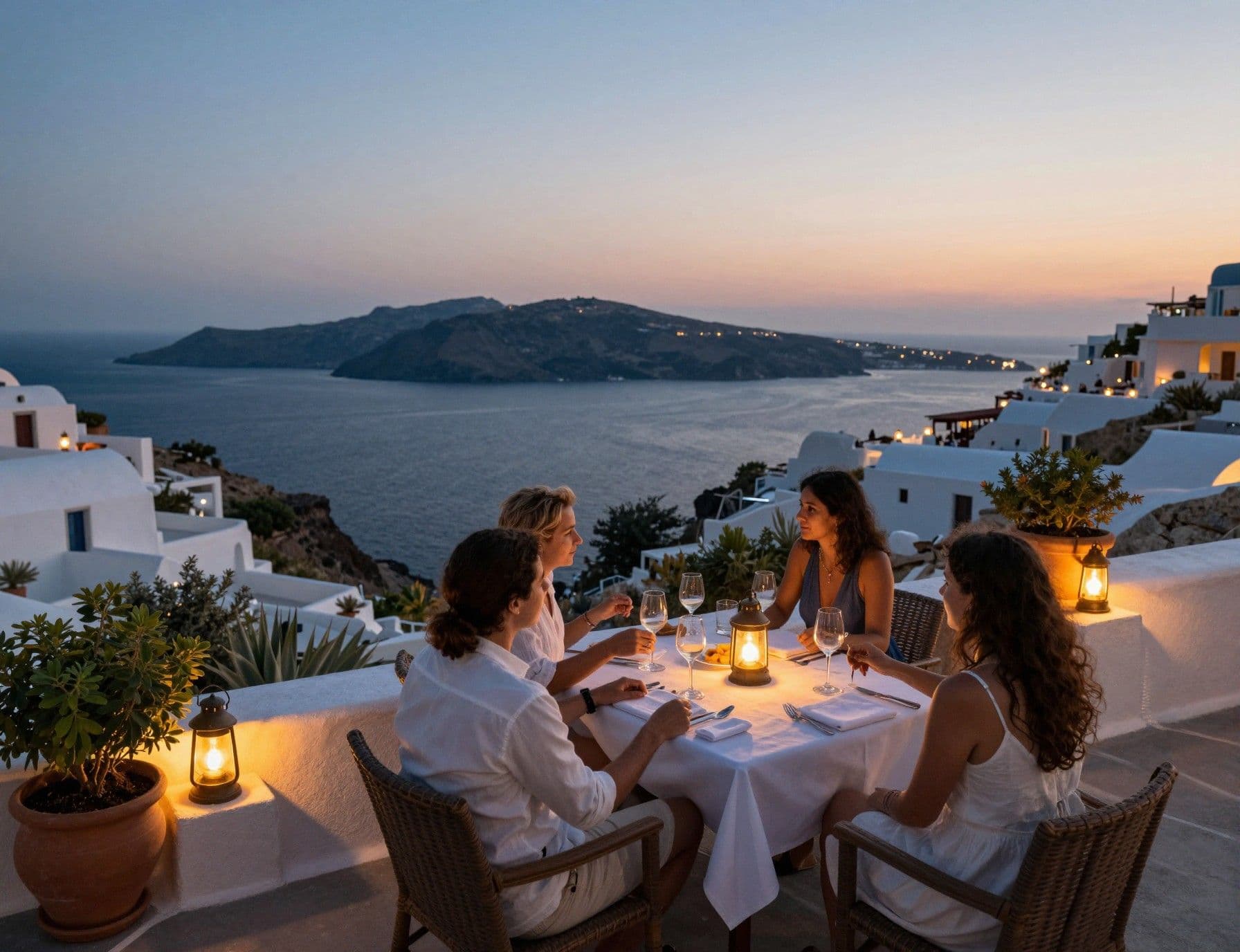
Buying in Greece right now means reconciling lifestyle with a market that has recovered strongly: urban prices rose noticeably through 2024–2025 and pockets of demand remain concentrated in Athens and popular islands. Use recent national data to temper emotions — prices aren’t uniform, and seaside islands can behave very differently to Athens’ neighbourhood market. Local data will tell you whether your dream beach apartment is a seasonal play or a year-round asset.
Property styles and what they mean for daily life
A Cycladic stone house offers awe and maintenance; a renovated polykatoikia flat gives easier maintenance and rental potential. Terraces and shutters are not decorative extras — they define summer comfort. If you plan remote work, prioritize reliable electricity, insulation for winter, and broadband availability; island properties are idyllic but sometimes lag on connectivity.
How local experts bridge lifestyle and logistics
An agent who knows when neighbourhood cafés fill with locals versus tourists will steer you away from an overpriced ‘postcard’ block. Legal advisors and agents also interpret rules that affect investment value — for example, changes to residency-linked property thresholds and short‑term rental restrictions that came into force in recent years. Good advisors keep your lifestyle brief front-of-mind while protecting you from regulatory surprises.
- Steps to align lifestyle with purchase: 1) Spend at least one week in target neighbourhoods across seasons; 2) Map daily conveniences (market, clinic, transport) within 10–15 minutes’ walk; 3) Confirm broadband and service reliability with providers; 4) Ask your agent for three recent comparable sales, not listing prices; 5) Build 8–12% contingency for renovation and tax timings.
Insider knowledge: what expats wish they’d known
Expats tell similar stories: the magic of Sunday family dinners, the challenge of bureaucratic waits, and the surprise that islands ebb and flow with tourism in ways that change neighbour profiles. Crucially, policy shifts — notably the 2024–2025 tightening of investment residency rules — changed buyer motivations, reducing some speculative pressure and shifting interest toward lifestyle buyers. When planning a move, treat legal rules as part of the neighbourhood’s character.
Language, community and integration
You don’t need fluent Greek to live well, but a few phrases open doors — literally and socially. Volunteer at a local festival, join a neighbourhood kafeneio, and you’ll be invited to dinners. Expat communities cluster predictably: English-speakers in parts of Athens, Brits and Scandinavians on certain islands, and international families near international schools in northern suburbs.
Long-term lifestyle and market signals
If your goal is long-term living rather than short-term gain, prioritise neighbourhoods with year-round services, medical centres, and low seasonal vacancies. Market data from national sources show steady recovery, but growth concentrates in urban and touristic pockets; treating islands as lifestyle purchases avoids disappointment if rental returns are seasonal.
- Expat red flags to watch: properties relying solely on short-term tourism revenue; houses with informal renovations lacking permits; areas with shrinking resident populations outside high season; and offers that insist you’ll secure residency solely through property purchase without checking current thresholds.
Conclusion: Picture yourself here — a morning espresso in a shaded square, a late swim at a near-empty cove in October, a neighbor bringing olives from her garden — and then back that feeling with on-the-ground data. Work with an agency that curates neighbourhood rhythm, provides up-to-date market comparables, and connects you to a local lawyer and notary. That combination turns Greek life from dream into a practical, sustainable home.
Swedish strategist who relocated to Marbella in 2018. Specializes in legal navigation and tax planning for Scandinavian buyers.