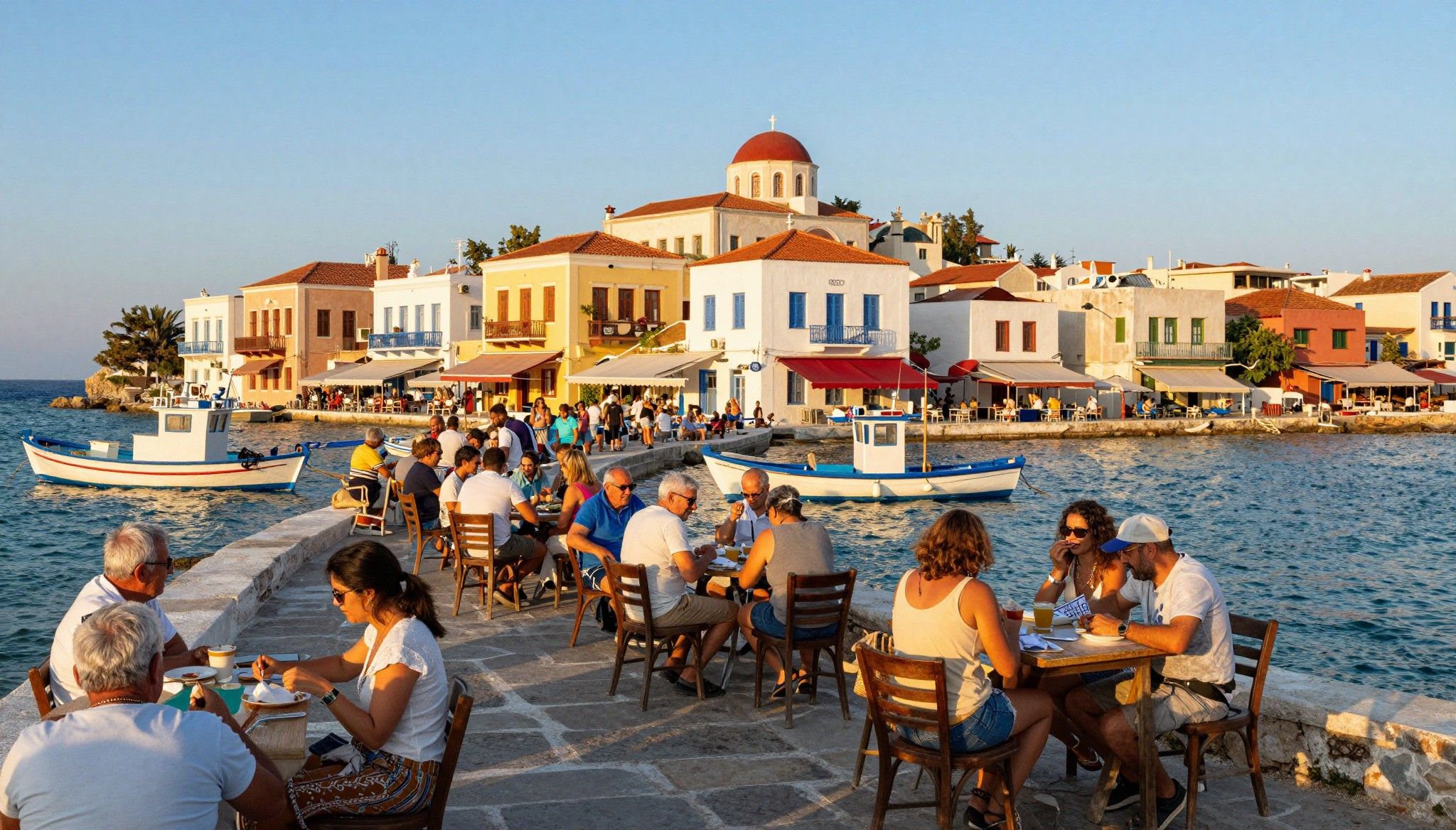
Imagine stepping out at 08:30 to buy warm koulouri at a corner stall in Koukaki, then swapping the city hum for crystal-blue sea by noon on a small Cycladic ferry—Greece asks you to live in two rhythms at once. That split personality is exactly the opportunity for international buyers: Athens offers a steady urban tempo of cafés, galleries and neighbourhood markets; the islands promise seasonal micro-economies, beach rituals and slow summers. Understanding both lifestyles is the first practical step toward buying well.
Living Greece: City Pulse vs Island Tempo
Daily life in Greece is sensory and social: espresso sipped standing, late-night tavernas, neighbourhood cleaners who know your name. Athens neighbourhoods—Koukaki, Pangrati, Mets—mix restored neoclassical blocks with modern apartments and give a year-round rhythm that suits remote work. By contrast, islands such as Paros, Naxos or Crete speed up in summer and quieten into local life by November. Price growth across Greece has been positive in recent years, reinforcing the value of choosing a rhythm, not a postcard. (See Bank of Greece and market reports below.)
Athens neighbourhood spotlight: Koukaki to Pangrati
Walkable streets, neighbourhood bakeries and an evening of theatre at the Acropolis Museum set Athens apart. Koukaki’s narrow lanes hold coffee bars like TAF or small cocktail spots where neighbours linger; Pangrati cushions this with parks and family-friendly restaurants. These areas deliver year-round rental demand, steady resale prospects and a lifestyle that feels lived-in — not staged for tourists.
Island life: seasonal intensity and slow winters
On islands like Paros or Milos, June–September pulses with tourism, seafood tavernas and late-night squares; October to April reveals quiet harbours, local markets and a different community. That seasonality changes how you use a property: short-term revenue spikes coexist with months of near-zero tourist activity. For lifestyle buyers who crave summer sociability and winter seclusion, islands can be ideal — but that trade-off affects rental strategies and running costs.
Making the Move: Property Types and Practical Tradeoffs
Dreams meet logistics at the contract table. Property style — neoclassical Athens flat, new-build seafront apartment, or an inland stone house — determines heating, maintenance and year-round comfort. New legislation and program changes (including Golden Visa thresholds and deadlines) also change buyer calculus: know the dates and eligibility criteria before committing to an investment that was chosen for residency reasons alone.
Property styles and how they shape daily life
An Athens apartment with double-glazed windows and a small balcony suits remote work and daily errands; a Cycladic villa offers outdoor living, but higher seasonal upkeep. New-build apartments typically include central heating and modern insulation — useful in mountainous Crete or Thessaloniki winters — while older stone houses need thoughtful renovation budgets. Match the property envelope to how you want to live: indoor-outdoor flow, storage for seasonal gear, or compact urban convenience.
Working with local experts who understand lifestyle
Agencies with local roots help translate ‘what it feels like’ into ‘what it costs’. Choose agents who know seasonal occupancy patterns, municipal rules on short-term rentals, and the maintenance realities of older stone buildings. Ask for audited utility bills, recent condo minutes and a neighbourhood rental calendar; a lifestyle-fit agent will show you morning routes to markets and realistic guest seasons alongside price comps.
- Practical lifestyle-plus tips before you buy
- Check winter comfort: heating, insulation and access during storms
- Confirm service continuity: ferry timetables, seasonal flights, and grocery deliveries
Insider Knowledge: Myths, Costs, and What Expats Wish They'd Known
Myth: "Islands are always cheaper than Athens." Reality: that depends on the island, season and infrastructure. Paros and Mykonos command premium prices in summer; smaller islands can be bargains but may lack healthcare or flights. Another myth: "Golden Visa is a simple ticket to residency." Recent law changes tightened criteria and added deadlines — treat residency-linked purchases as separate from lifestyle buys.
Cultural integration and daily rhythms
To feel at home, learn basic Greek phrases, join a local market routine and accept the later dining hours. Expats who treat neighbours as more than utilities find invitations to festivals and harvests — the real currency of belonging. Practical note: language and local goodwill make maintenance and municipal interactions easier, which reduces unexpected costs and delays.
Long-term picture: supply, demand and the rental squeeze
Greece has seen steady price rises and a tightening rental market in recent years, with urban rents up and many properties left vacant off-season. For investors, yield expectations should be conservative — gross yields in major cities often sit around 4–5% — while lifestyle buyers should value resilience: pick neighbourhoods with year-round demand (near universities, hospitals or transport links) to future-proof resale or rental options.
- Step-by-step checklist to marry lifestyle and investment
- Decide your rhythm: full-time Athens, island-seasonal, or split residency.
- Shortlist neighbourhoods that fit daily life — test them with 48–72 hour visits.
- Ask an agent for utility histories, condo minutes and realistic rental calendars.
- Confirm legal/regulatory changes affecting residency before signing (Golden Visa deadlines are time-sensitive).
Conclusion: Buy the life first, the asset second
Step into Greek life deliberately: choose the neighbourhood that delivers the daily rituals you crave and then back that choice with data. Whether you want Athens mornings and island summers or a single coastal routine, pair local wisdom with up-to-date market checks — price indices, Golden Visa rules and rental seasonality — and work with agents who show you both the market and the morning coffee spot. That combination turns a property from a postcard into a life.