Italy: Lifestyle Rhythms That Reveal Smart Buys
Italy’s romance meets a pragmatic market: learn how neighbourhood rhythm, seasonal timing and targeted due diligence reveal smart buying opportunities backed by ISTAT and industry data.
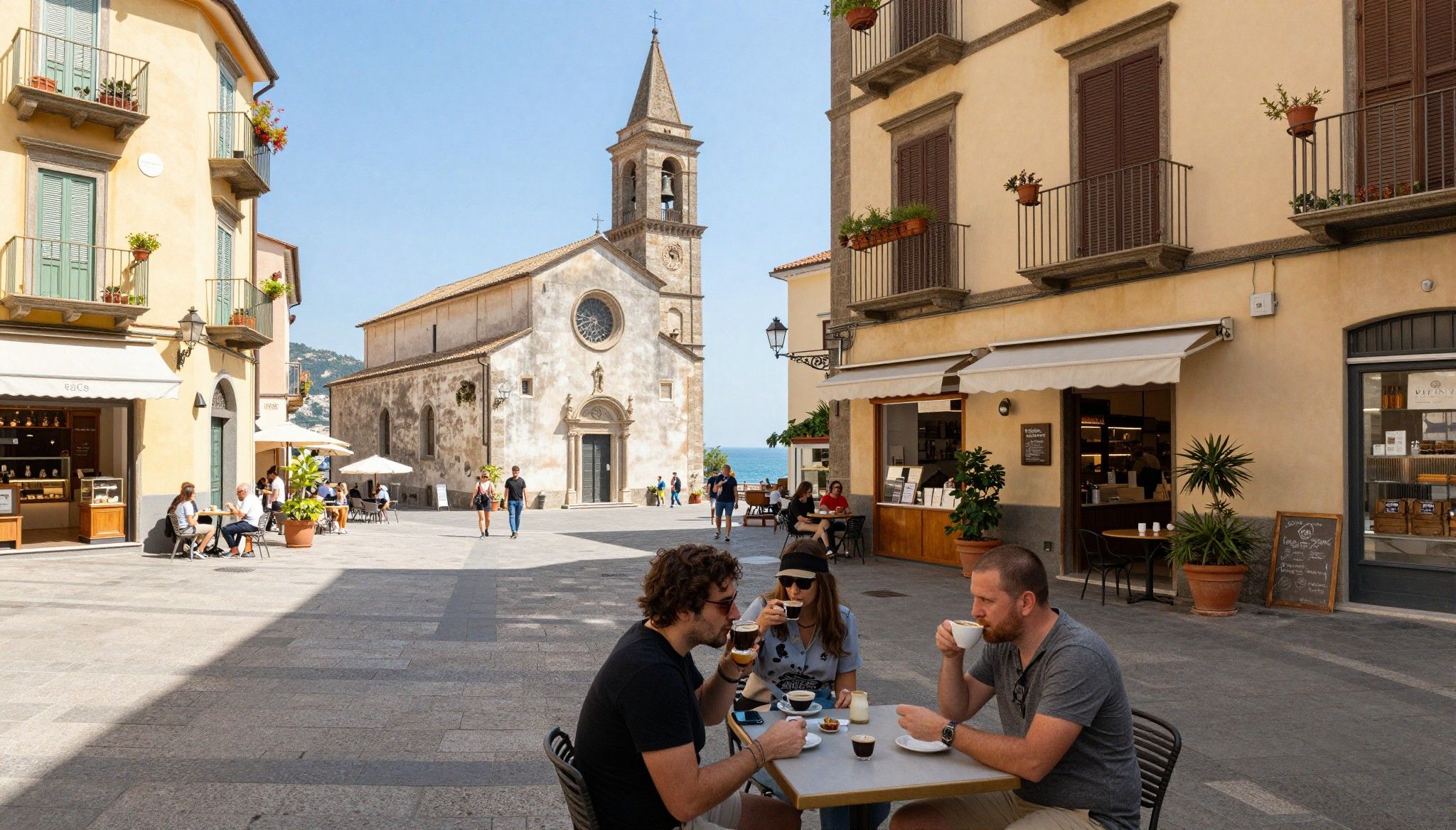
Imagine walking the narrow lanes of Trastevere at dawn, espresso steam curling from a tiny cup, while craftsmen sweep cobbles and a bakery opens its shutters. Picture weekends on the Ligurian coast—pebbled beaches, early-morning markets in Sestri Levante, and terraced vineyards inland where life moves by seasons, not schedules. For many international buyers, Italy is equal parts everyday poetry and a pragmatic market: atmospheric streets and clear buying pathways. This piece shows what living in Italy actually feels like, then turns to the real estate choices that let that life happen—where to look, when to move, and which trade-offs matter most.
Living the Italy lifestyle: rhythms, tastes and corners
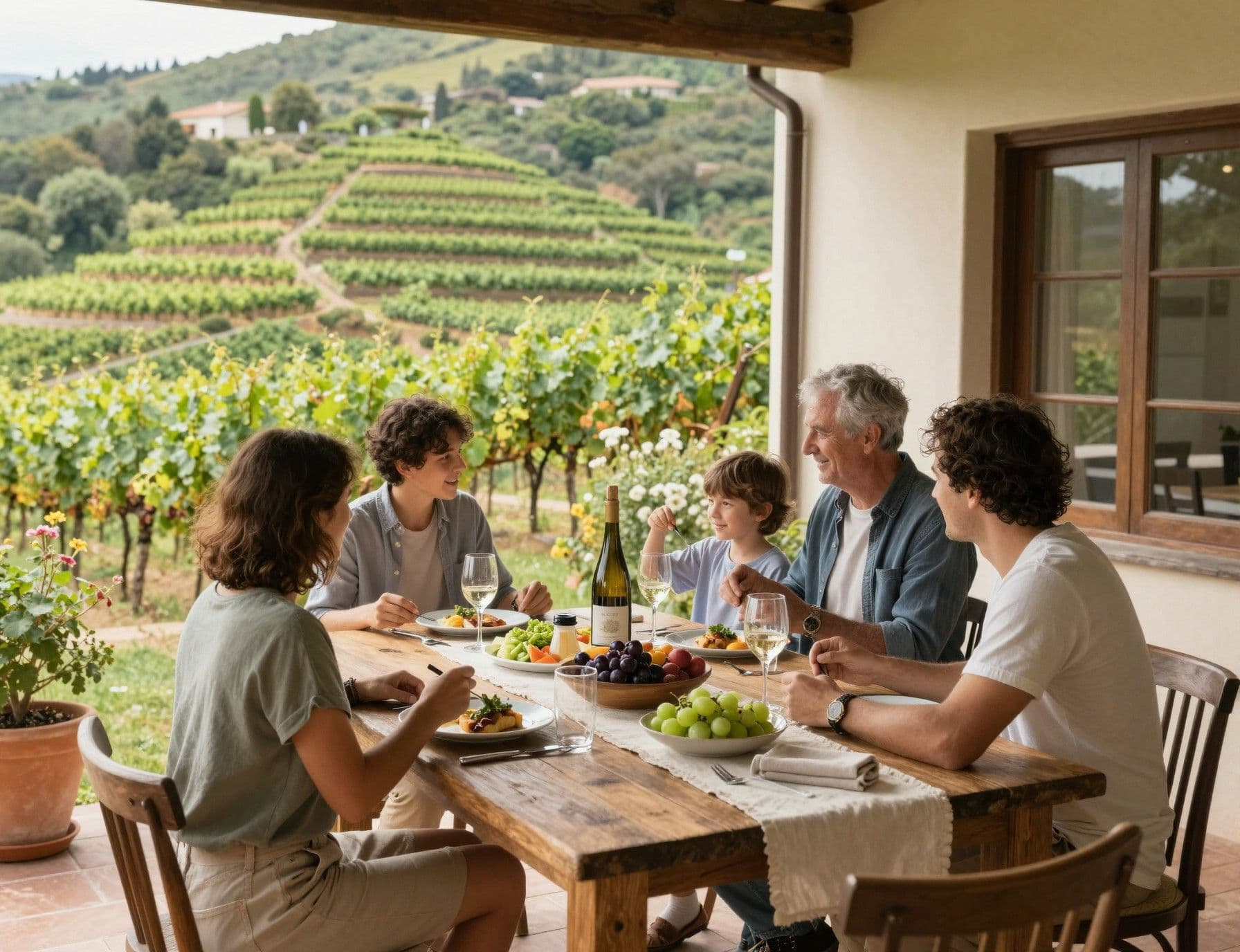
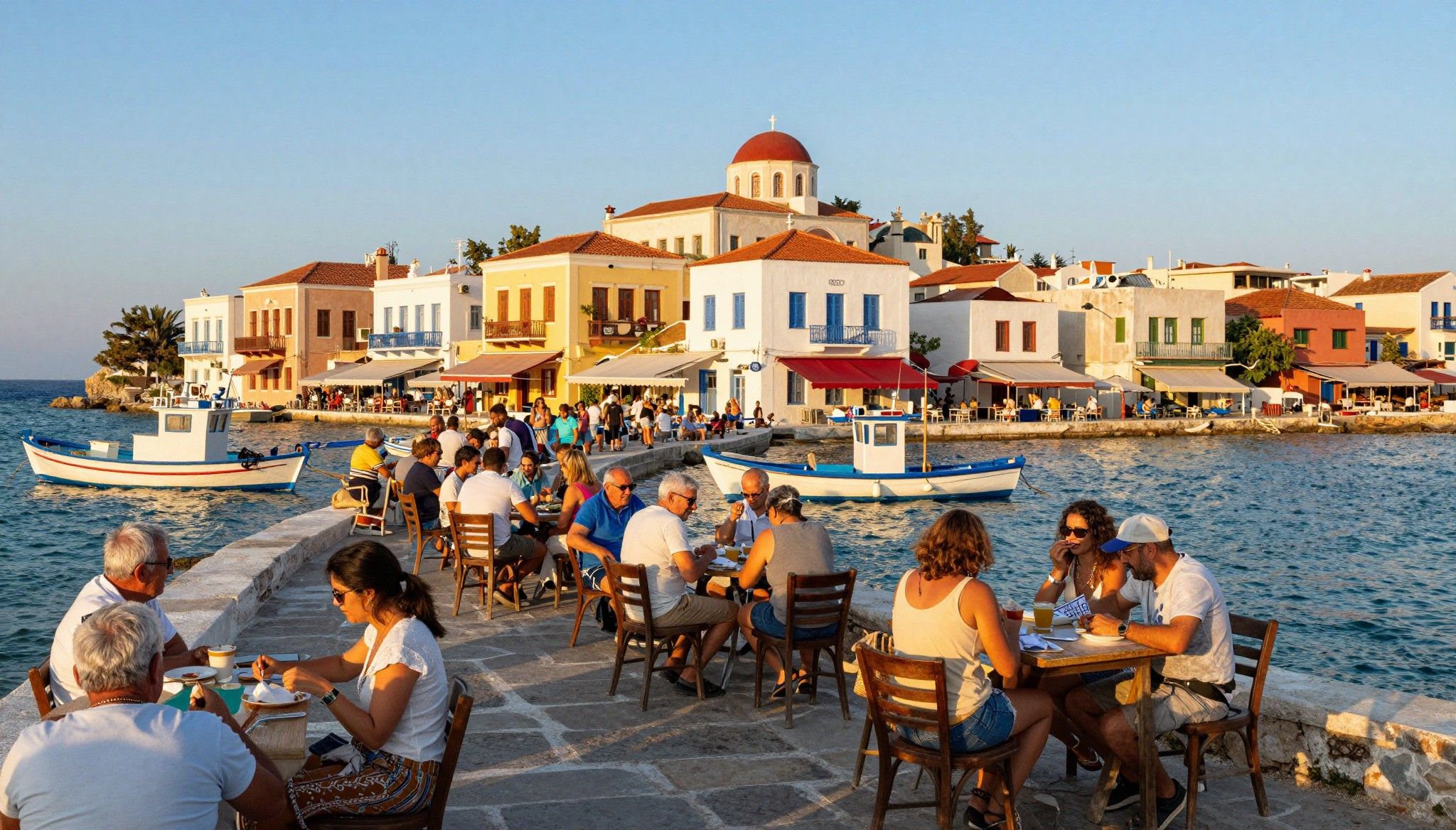
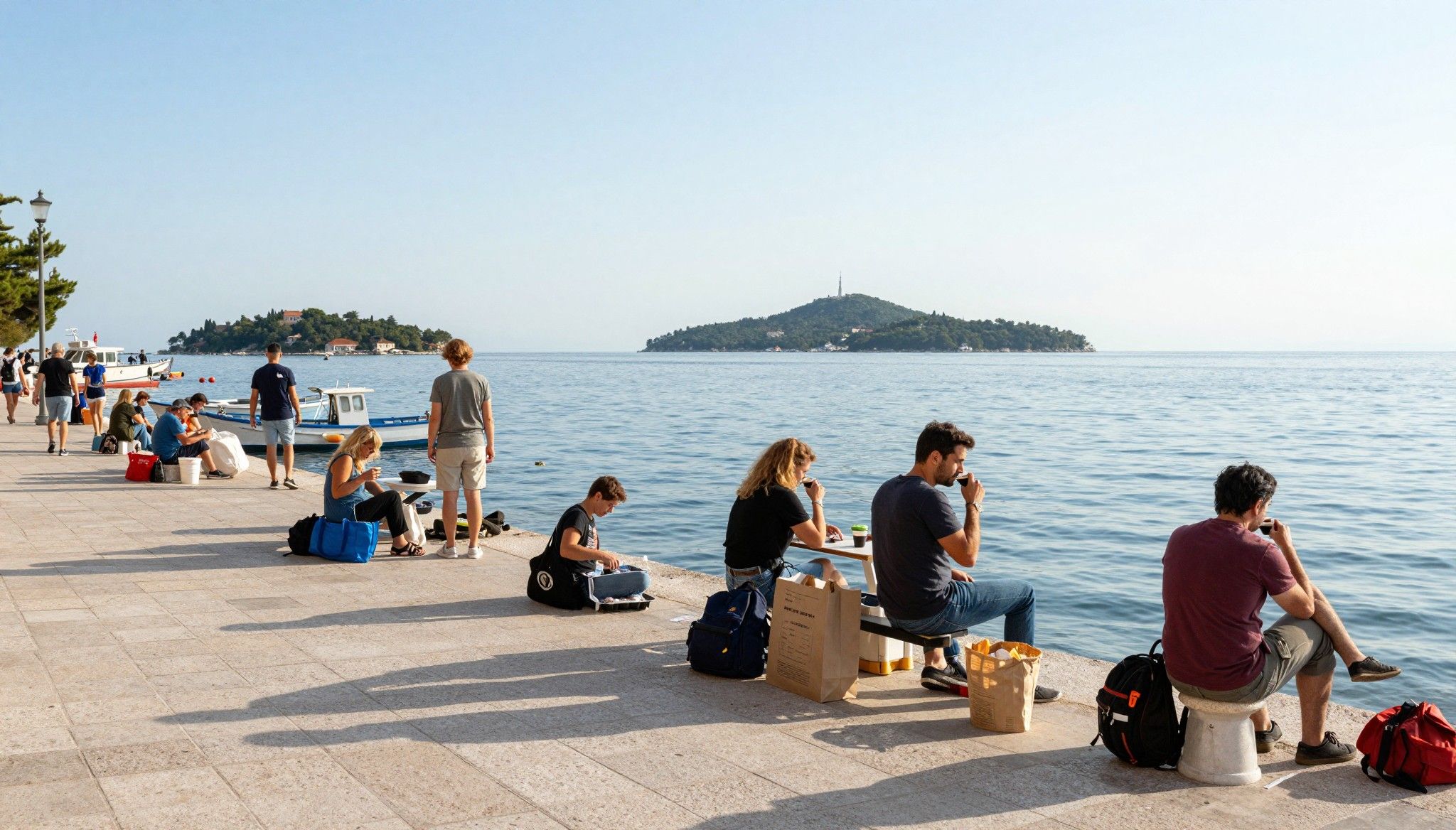
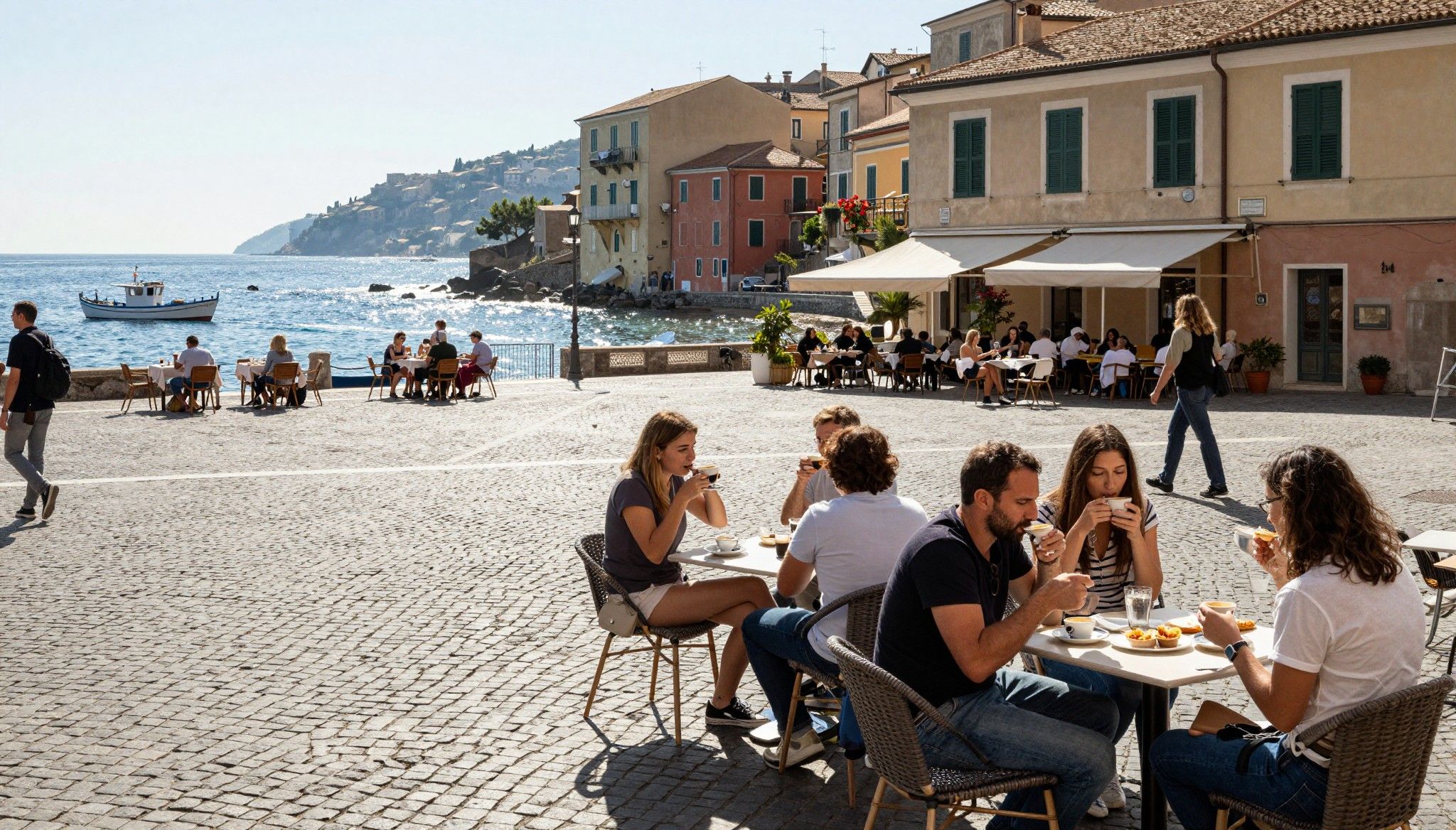
Daily life in Italy threads public life with private rituals: early coffee at a bar counter, a market run midweek for seasonal produce, and long dinners that start late and end with laughter. Cities pulse differently—Milan moves with design and commerce, Bologna hums around food and universities, Genoa carries the sea in its air—while small towns reward slower, tactile pleasures. Weather shapes choices: Mediterranean coasts favor outdoor living from April to October, while hill towns offer winter stillness and wood-fired ovens. The result for buyers is clear: property must suit a lifestyle rhythm, not just a photo-ready facade.
Neighborhoods that define how you live
If you want café culture and evening passeggiata, Rome’s Trastevere or Florence’s Oltrarno deliver cobbled intimacy and artisan shops within walking distance. For coastal weekends and port-side seafood, consider Liguria’s Golfo dei Poeti or Puglia’s Portovenere-adjacent towns for a quieter maritime life. If work is central, Milan’s Porta Romana and Navigli offer coworking, quick trains, and design-led cafés that make remote work viable. Each micro-neighbourhood has a pulse—listen to it before you buy, because the wrong rhythm turns romance into friction within months.
Food, markets and the social calendar
Markets are weekly calendars of community life: in Naples you’ll buy fish at sunrise, in Parma you’ll hunt for culatello, and in Palermo markets spill into alleys with citrus and street food scents. Seasonal festivals—from Alba’s truffle fairs to Umbria Jazz—reshape short-term rental demand and local energy, so timing a purchase around festival calendars affects both enjoyment and yield. For buyers who love food, choosing a home near a market or a piazza is not trivial: it’s a daily utility that delivers fresher meals and faster friendships.
- Lifestyle highlights: piazzas, markets and hidden beaches
- Morning espresso at Bar San Calisto, Trastevere (Rome)
- Weekend market in Mercato Centrale (Florence) for seasonal produce
- Sunset swims at Paraggi Beach (near Portofino) and quiet coves on the Amalfi coast
- Truffle season in Alba for culinary weekends and lifestyle-driven rental demand
Making the move: practical considerations that protect lifestyle
The romance of Italy meets a market that is currently active but regionally uneven. National statistics show modest price increases in recent quarters, driven by existing-home demand and stronger foreign interest; local hotspots (Milan, Florence, Lake Como) outpace provincial areas. Official ISTAT data confirms price upticks in 2024–2025, while market platforms report rising transactions in major cities. These facts mean: you can buy lifestyle and expect resiliency, but where you buy determines liquidity and short-term upward potential.
Property types: match architecture to how you’ll live
Historic centro apartments offer light, thick walls, and a location at the heart of civic life, but often come with smaller kitchens and renovation needs. New-builds and converted warehouses in Milan provide modern insulation, elevators, and layout flexibility—ideal for remote work and longer stays. Country villas deliver gardens and privacy but expect maintenance cycles, heating upgrades, and seasonal occupancy costs. Choose a building style that supports your daily routines: if you love hosting, prioritise terraces and kitchens; if you want low friction, seek elevator access and updated systems.
Working with local experts who know both life and law
Agencies and buying agents translate lifestyle brief into search criteria and handle technical due diligence—from cadastral checks to local planning constraints. Look for advisers who can show neighbourhood day-to-day realities (noise, sun exposure, winter damp), not just glossy photos. For international buyers, a bilingual notary and a lawyer who understands cross-border tax implications are indispensable. The most effective teams combine neighbourhood fluency with legal rigor so your lifestyle promise survives the contract.
- Steps to align lifestyle and purchase
- Visit the neighbourhood at different times (weekday morning, Saturday market, late evening) to test rhythms and noise levels.
- Ask for utility records and recent maintenance invoices to understand running costs tied to the lifestyle you want.
- Get a technical survey focused on lived-in risks: damp, insulation, and heating systems that affect comfort across seasons.
- Confirm local rental rules and tourist registration requirements if you plan short-term lets around festivals or summer months.
Insider knowledge: things expats wish they’d known
Expat life in Italy is rich but occasionally surprising: communal heating schedules, shared water tanks in villages, and comunale (municipal) calendars that affect everything from rubbish collection to local festivals. Many buyers underestimate seasonal noise—coastal towns fill rapidly in July and August, altering daily life and rental dynamics. Another common surprise is bureaucracy pacing: building permits and renovation approvals can be delightfully thorough but slow, making timelines stretch beyond weekend fantasies.
Language, community and making local friends
Learning basic Italian opens doors—shopkeepers, municipal clerks, and neighbours respond to effort and warmth. Local clubs (sailing associations in Liguria, food co-ops in Emilia-Romagna) are faster routes to integration than expat groups alone. Many international buyers find that volunteering at market associations or joining a neighborhood sports club accelerates belonging and practical support—someone always knows a reliable plumber or carpenter.
Long-term lifestyle thinking: seasons, renovations and resale
Plan renovations around seasons: heavy works suit autumn and winter in milder areas, while exterior landscaping is best scheduled for spring. Energy upgrades—insulation, double-glazing, heat pumps—pay lifestyle dividends in comfort and future resale appeal. Finally, balance emotional attachment with resale realism: properties close to train stations or town centres keep demand steady, while extremely remote charm can limit buyers to a niche audience.
- Red flags to watch for before you sign
- No recent electrical or gas certification—this raises safety and renovation costs.
- Unclear condominium minutes about planned works that could trigger heavy levies.
- Properties without clear cadastral alignment—resolved before purchase to avoid registration issues.
Italy can surprise you: markets are lively, local rhythms matter, and national data confirms a steady interest from foreign buyers in recent years. Using ISTAT and market reports, buyers can ground desires in facts and still prioritise the piazza over the spreadsheet. The final step is practical: visit, test the rhythm, hire a bilingual team, and plan renovations around lived seasons. When lifestyle and due diligence align, Italy becomes less a purchase and more a lived choice.
If you’re ready to convert a dream into a shortlist, start with in-person visits and neighbourhood fieldwork supported by a local agent who demonstrates both lifestyle fluency and legal competence. Ask agents for recent comparable sales, festival calendars, and running-cost estimates tied to the lifestyle you love. This combination of sensory research and factual back-up protects both heart and wallet.
Dutch investment strategist with a Portugal-Spain portfolio. Expert in cross-border financing, rights, and streamlined due diligence for international buyers.