Street Rhythm & Price Gaps: France’s Real Market Signal
France’s national prices are stabilising, but lifestyle-rich streets and seasonal rhythms create local price gaps. Match daily life to municipal data before you buy.
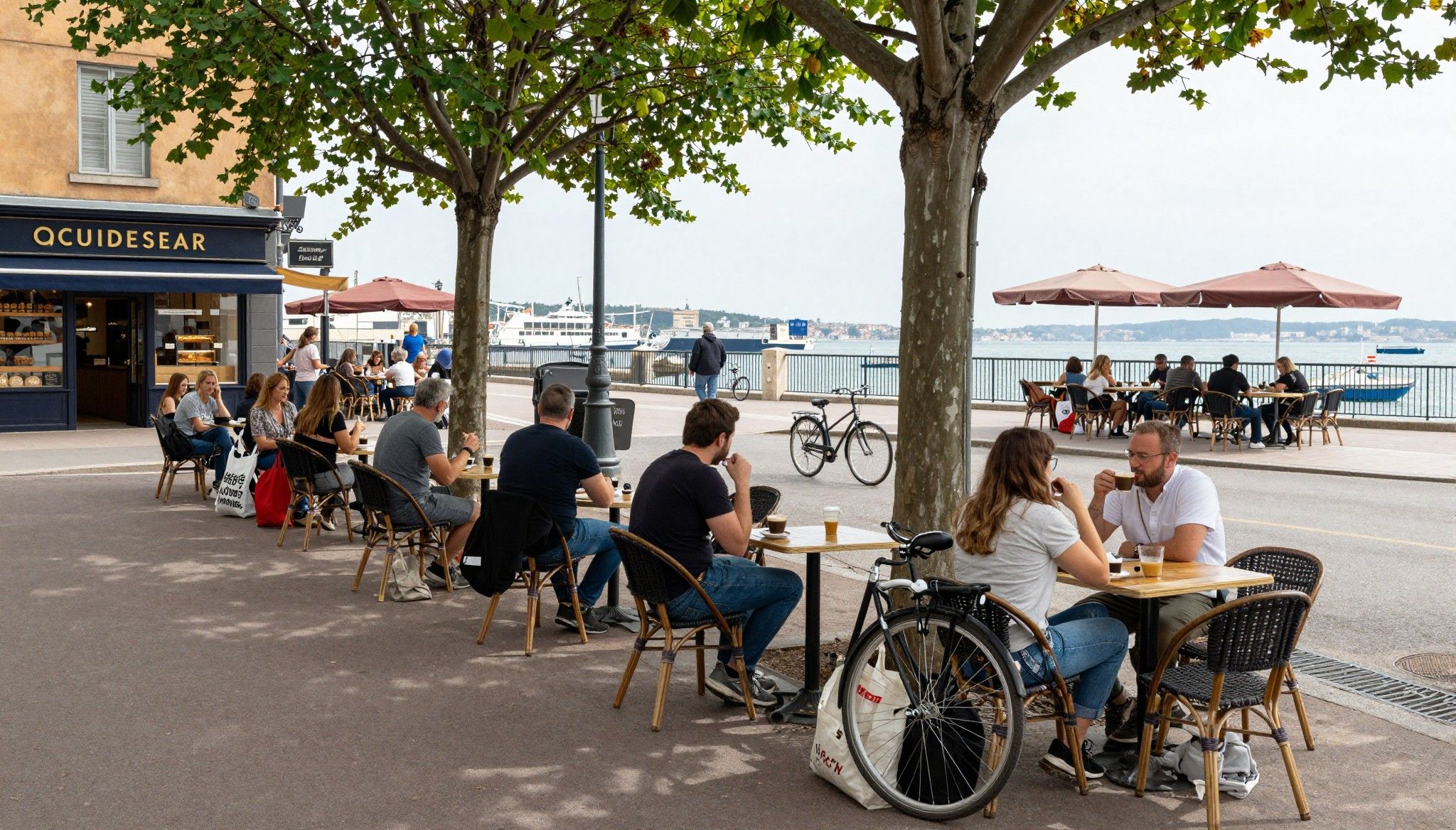
Imagine waking on a Saturday to the smell of fresh croissants, markets full of chatter and trays of oysters on the quay — but also to a property market that no longer behaves like a single story. France’s coastal towns, university cities and central arrondissements each hum to their own price rhythm. Recent INSEE data show the national picture is stabilising after a period of correction, yet local gaps remain wide. For buyers who want lifestyle first and market logic second, understanding where atmosphere and price trends diverge is the secret to a confident purchase.
Living the France life — a day that explains what you’re buying
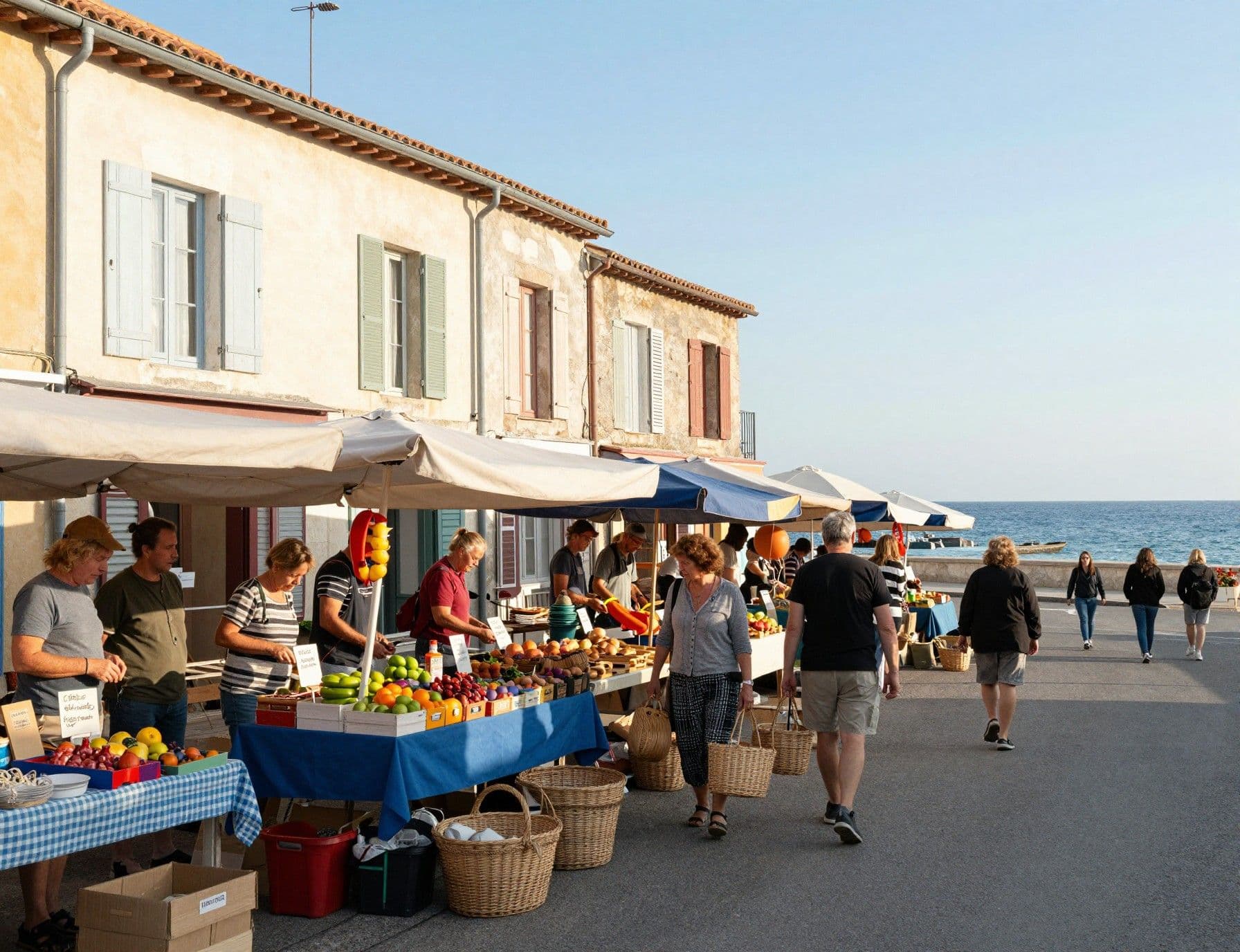
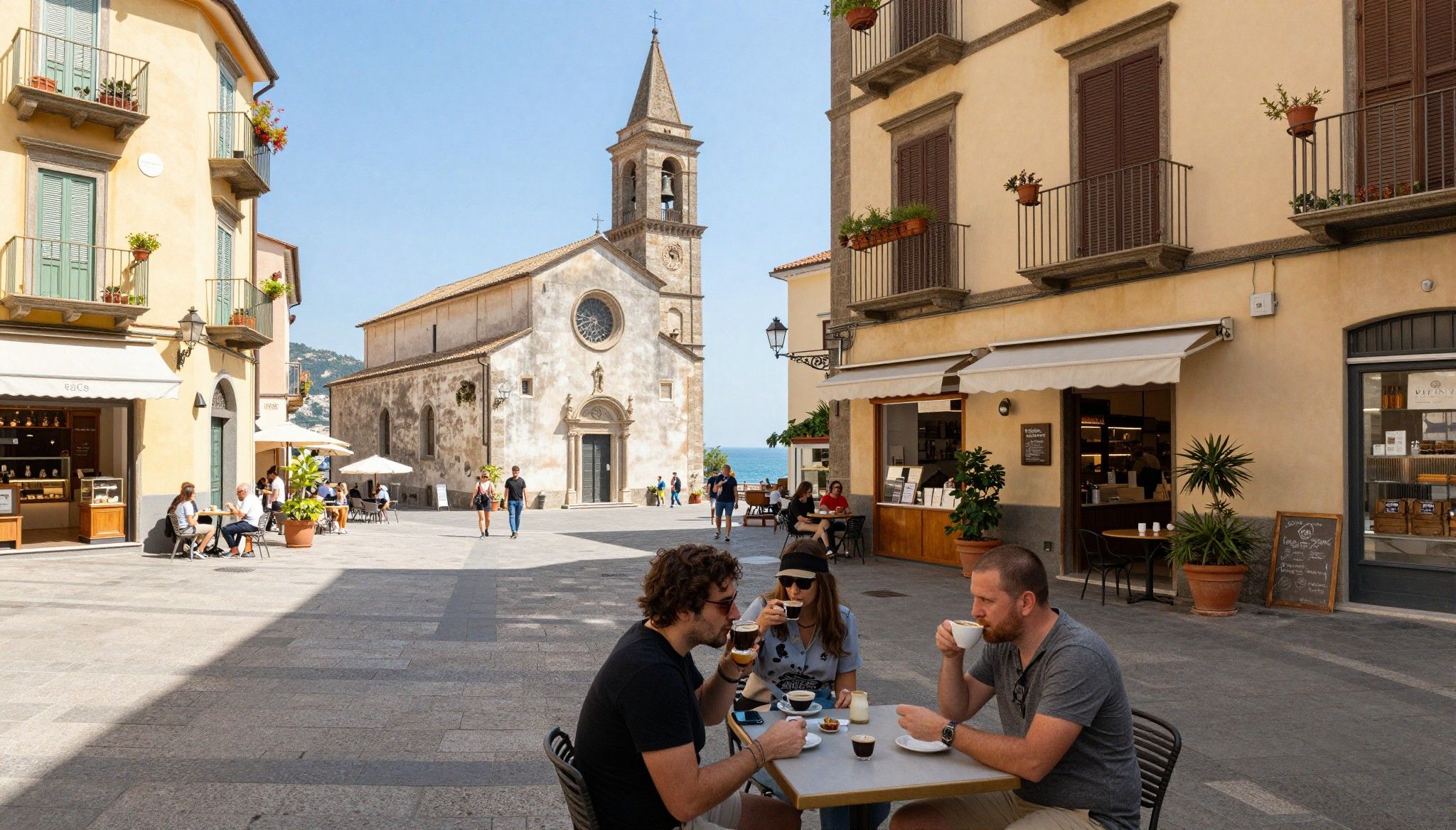
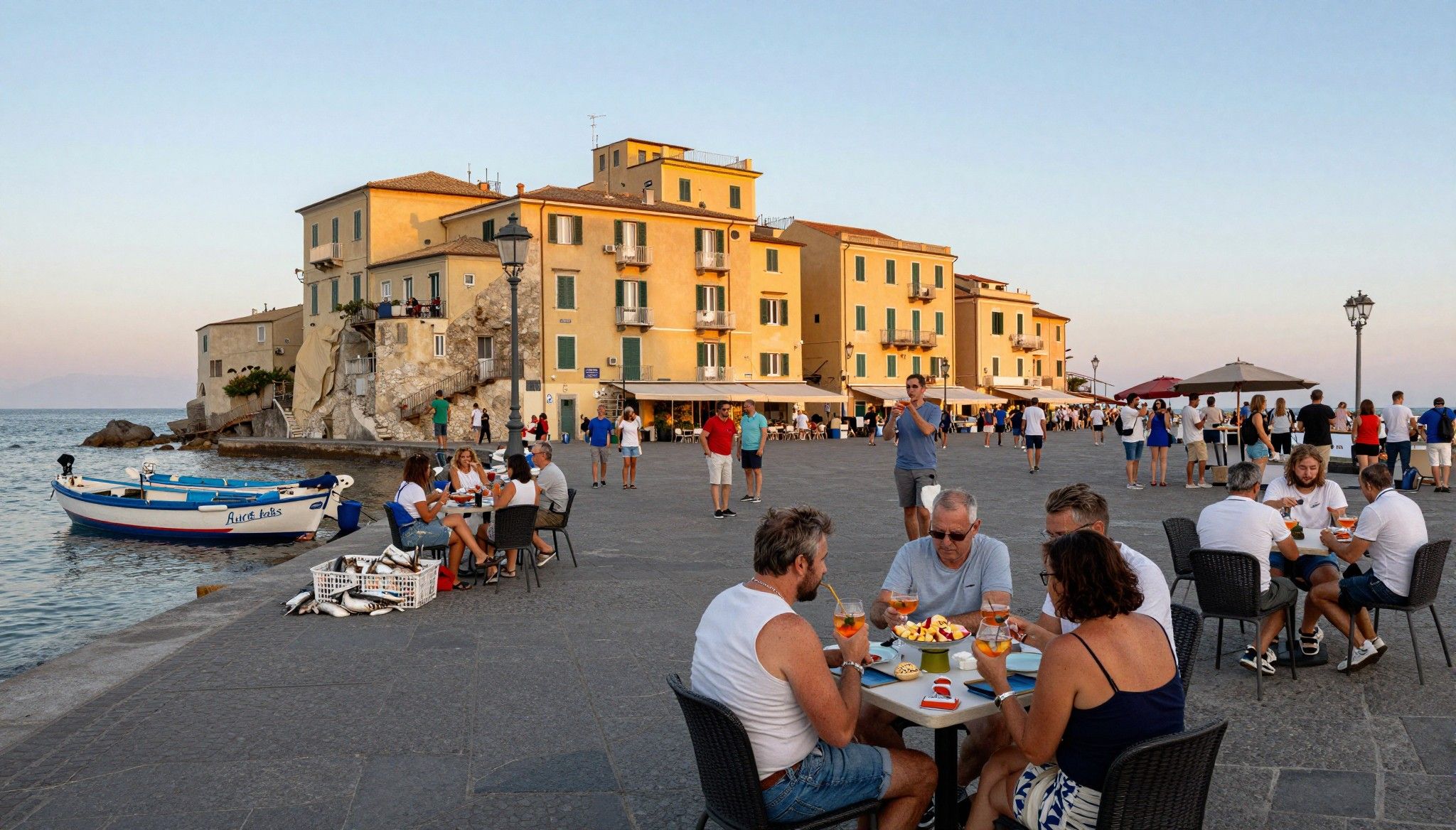
Start in Marseille’s Le Panier with a café espresso, move through marché Noailles smelling spices, and end on a small terrace in Cassis at dusk. That sequence captures the rhythm many buyers seek: urban texture, working harbours and a coastal weekend. Each moment is reflected in micro‑markets — a narrow, cobbled street will hold different price drivers than a seaside promenade, and that affects what you can buy, how you’ll renovate, and the rental profile if you want income when you’re away.
Neighbourhood pulse: Paris arrondissements, Bordeaux quays, Nice promenades
Paris is its own market: demand concentrates in a handful of central arrondissements and pushes per‑square‑metre prices high, while many regional cities show wide variance between historic centres and suburbs. In Bordeaux, for example, riverfront addresses command premiums tied to cultural regeneration; in Nice the Promenade des Anglais remains aspirational while nearby residential streets can offer more affordable lifestyle access. Knowing which street carries the lifestyle you want — morning boulangeries, evening terraces, weekend markets — is as important as a headline price per m².
Food, markets and seasons: how they shape where you’ll live
In Lyon the week‑long market culture and bouchons define neighbourhood habits; in Provence, harvest season reshapes short‑term rental demand and community energy. Seasonality matters: coastal towns spike in summer for lifestyle and short lets, while university towns like Montpellier and Rennes keep steadier year‑round occupancy because of students and local demand. If you want a lived‑in neighbourhood rather than a postcard, choose places with permanent amenities — markets, clinics, reliable public transport — not just seasonal appeal.
Market-minded lifestyle highlights:
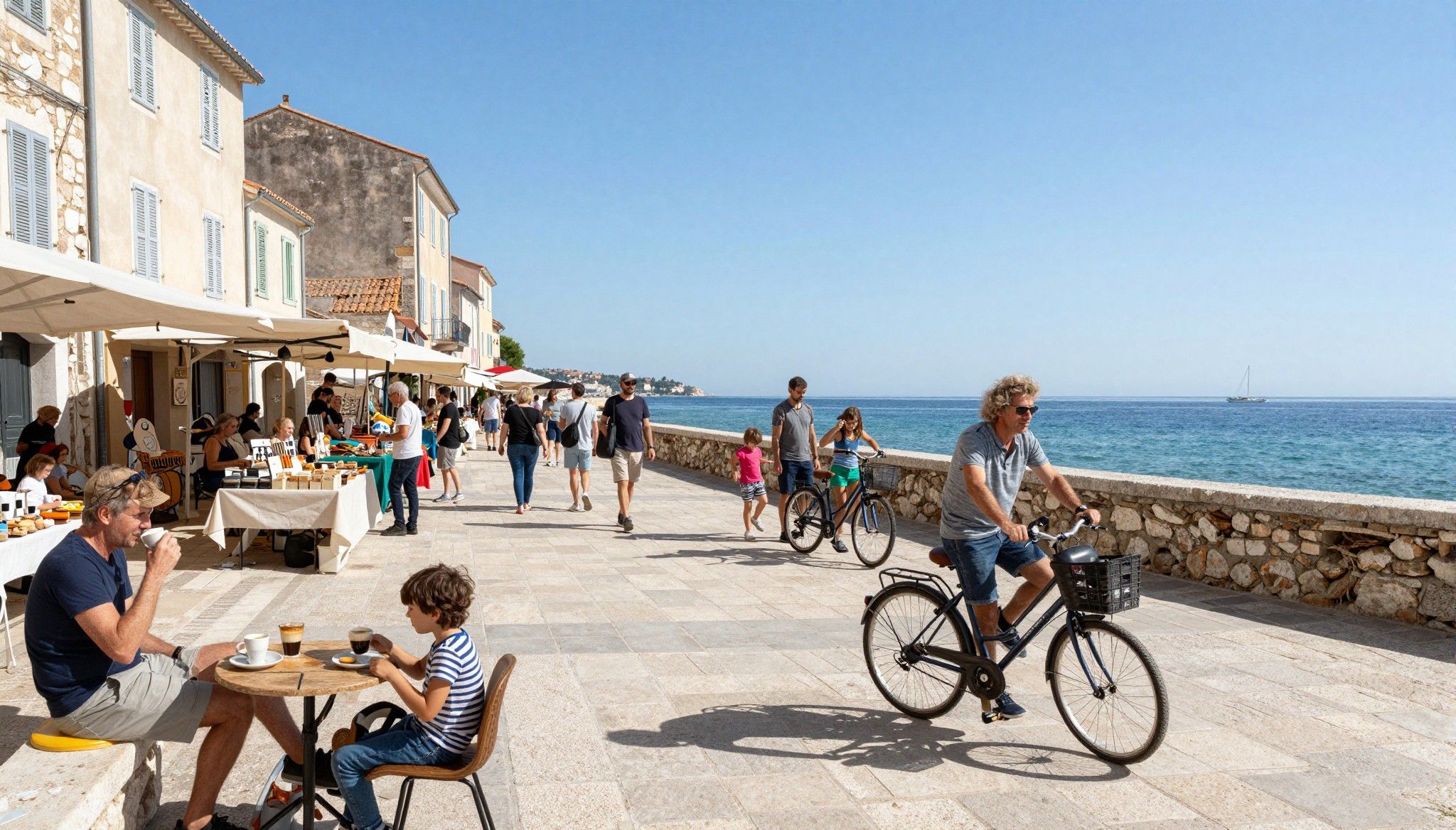
Strolls and cafés: Rue des Rosiers, Paris 4th — daily life that supports resale demand
Seaside rhythm: Plage de la Salis, Antibes — high summer rental potential but seasonal liquidity
University energy: Quartier Saint‑Germain, Rennes — steady rental and local services year‑round
Making the move: where lifestyle meets price indicators

Lifestyle gives you reasons to fall in love; indicators give you reasons to act. National indices from INSEE and Notaires show a stabilising market after correction — INSEE reported a return to quarter‑on‑quarter growth in early 2025 — but that national comfort masks local divergence. Coastal prime markets and some regional centres recovered faster, while outer suburbs and certain post‑pandemic 'zoom towns' corrected more. Use headline indices to set strategy, then drill to municipal or arrondissement data to set price expectations.
Property types and what they mean for daily life
An apartment on Rue de la Huchette and a small maison in a Provençal village both promise 'French life' but deliver different returns. Apartments in major centres often have higher per‑m² prices but lower running costs and better year‑round rental profiles. Rural maisons tend to be larger, require more maintenance and offer lifestyle space — gardens, proximity to nature — at lower capital cost but higher upkeep. Match physical features to how you want to live: terraces for slow evenings, compact kitchens for market cooking, double glazing for winter comfort.
Work with the right local experts
A local notaire, a bilingual agent familiar with expat logistics, and an inspector who knows French building practices are non‑negotiable. Choose agencies that specialise in the neighbourhood rhythm you want — prime Parisian flats, coastal rentals, or country restorations — because they’ll spot micro‑trends other agents miss. Agencies also translate lifestyle promises into contract realities: parking rights, copropriété rules, rental potential and realistic renovation scopes.
Practical next steps (lifestyle + market):
List the three daily rituals you want (market visit, evening walk, weekend beach) and map them to streets/neighbourhoods rather than cities.
Compare municipal price trends (Notaires/INSEE) for the last 12 months to see where recovery or correction is concentrated.
Ask agencies for recent comparable sales on the exact street — proximate comps reveal real liquidity and renovation premiums.
Insider knowledge: myths, seasonal traps and expat realities
Myth: 'France is uniformly expensive' — false. National averages hide pockets of affordability and pockets of concentration. Myth: 'Coastal = always a safe investment' — counter: high seasonality and short‑let restrictions can reduce net returns. Expat reality: language gaps and misunderstanding copropriété (shared building) rules cause the most post‑sale regrets, not price alone. Good due diligence focuses on how neighbours live as much as on the roof condition.
Cultural cues that change how you live (and what to budget for)
French daily life privileges local shops, slower shop hours and strong neighbourhood associations; these cultural features affect renovation permissions, refuse schedules, and noise expectations. Expect neighborly rules in copropriétés and seasonal fluctuations in service availability in small towns. Budget a local buffer for small administrative needs — translations, certified documents, and occasionally longer waits for permits than you’d see in some other countries.
Longer horizon thinking: where lifestyle holds value
Places with year‑round community life — active markets, schools, healthcare, and reliable transport — hold lifestyle value that supports price resilience. Areas renewed through cultural investment, tram extensions or university expansion often out‑perform. For buyers seeking a blend of life and investment, prioritise neighbourhoods where daily life is sustainable beyond a single season.
Conclusion: Love the life, check the data, then move with confidence. France rewards buyers who commit to a lifestyle first and use local data to limit surprises. Start with street‑level visits, ask agents for precise comparables, and cross‑check with INSEE and Notaires figures to validate price momentum. When lifestyle and indicators align, you’ll not only buy a home — you’ll buy into a way of life that pays dividends in daily joy.
British investor turned advisor after buying in Costa del Sol since 2012. Specializes in cross-border compliance and data-driven investment strategies for UK buyers.