Greece: Life Rhythms That Should Shape Your Buy
Greece pairs island leisure with city rhythm; buyers who visit in shoulder season and pair lifestyle priorities with targeted legal checks find the best balance of life and liquidity.
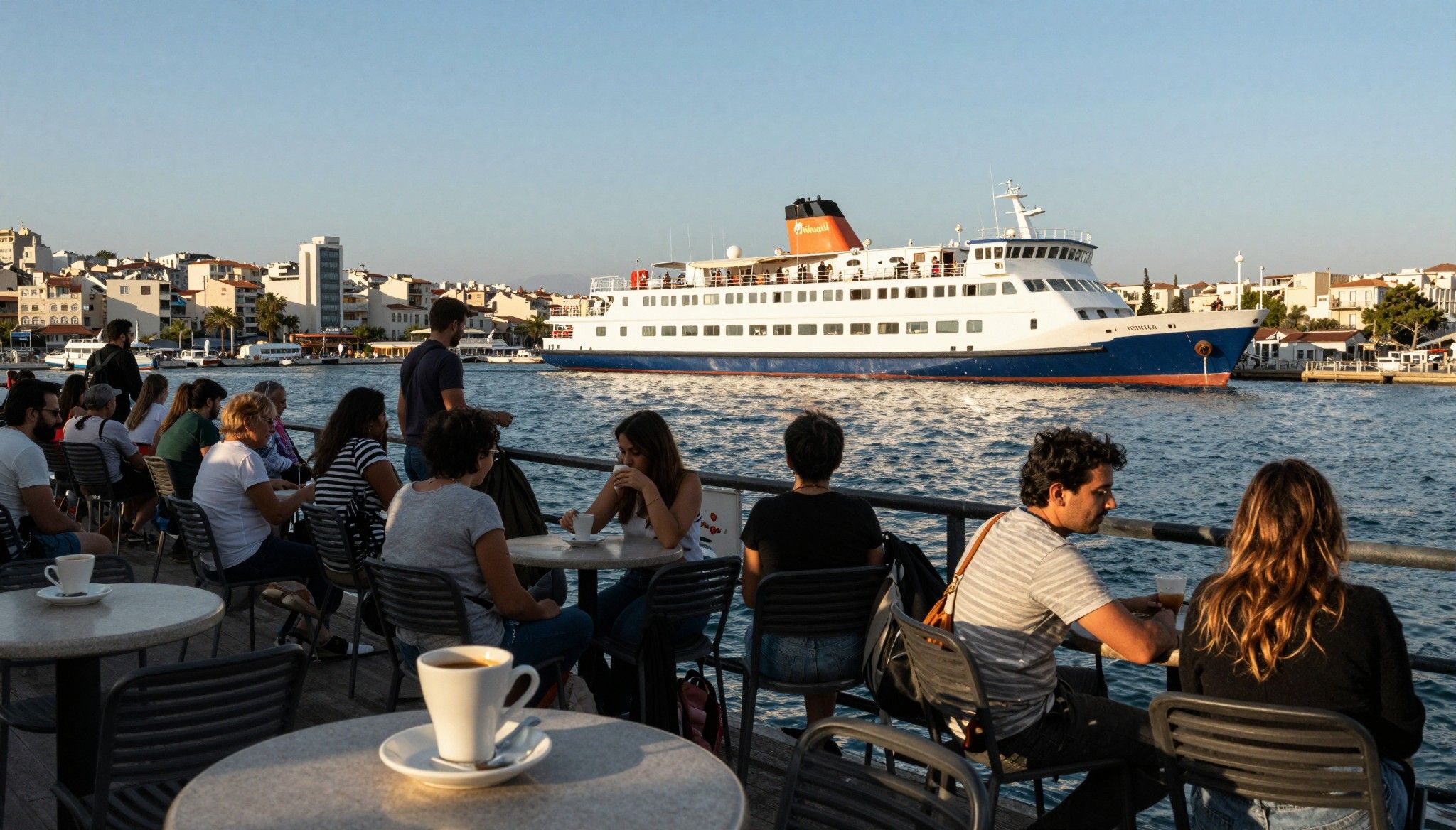
Imagine waking to a morning espresso on a narrow Athenian balcony, then swapping the metro for a weekend ferry to a Cycladic beach — that alternating pulse of city and island life is Greece. For international buyers, Greece combines day-to-day warmth (neighbourhood bakeries, late-evening tavernas) with market dynamics that demand strategy: strong tourist demand in islands, recovering domestic prices in cities, and regulatory changes that reshape foreign buying incentives.
Living the Greek life: city rhythm and island calm
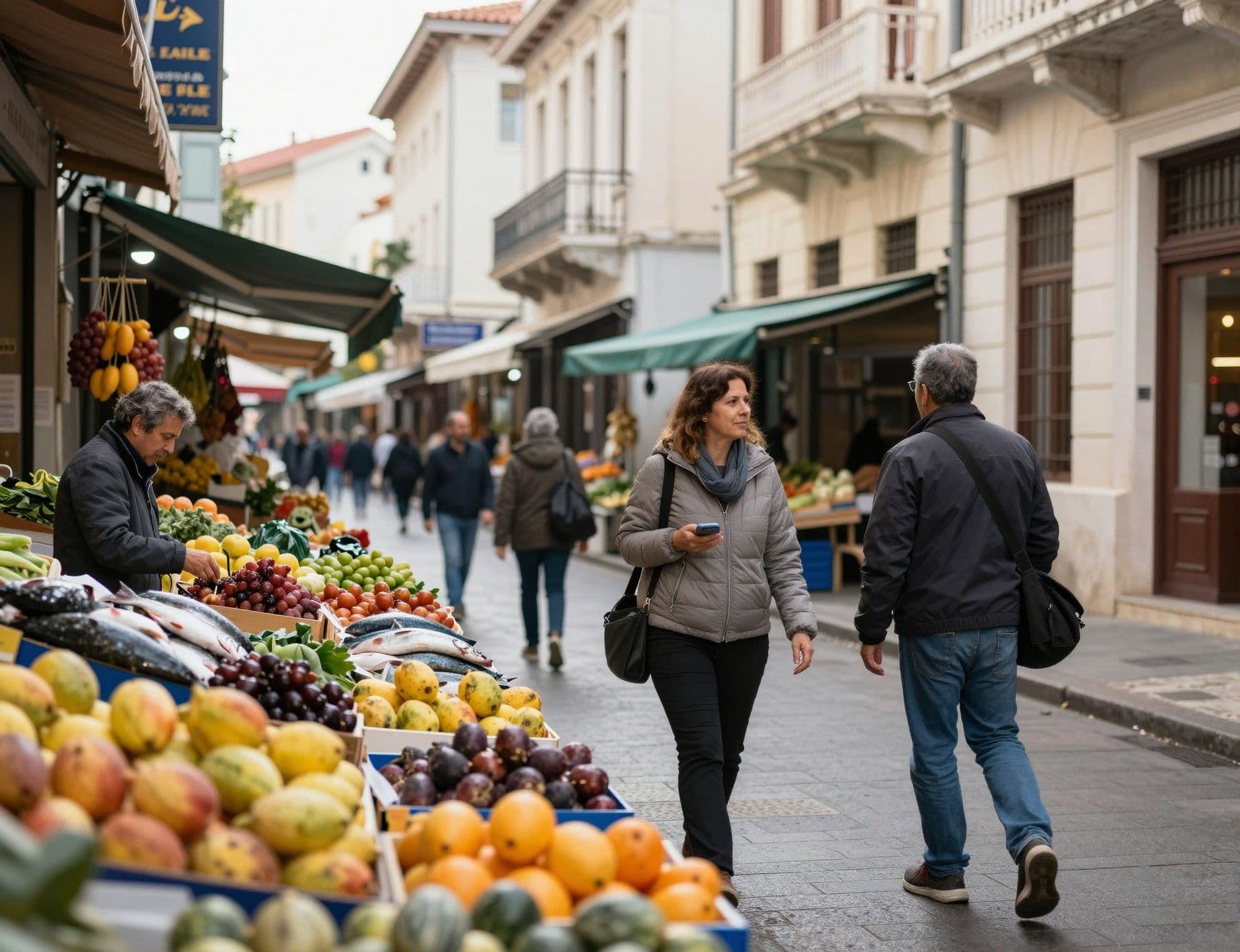
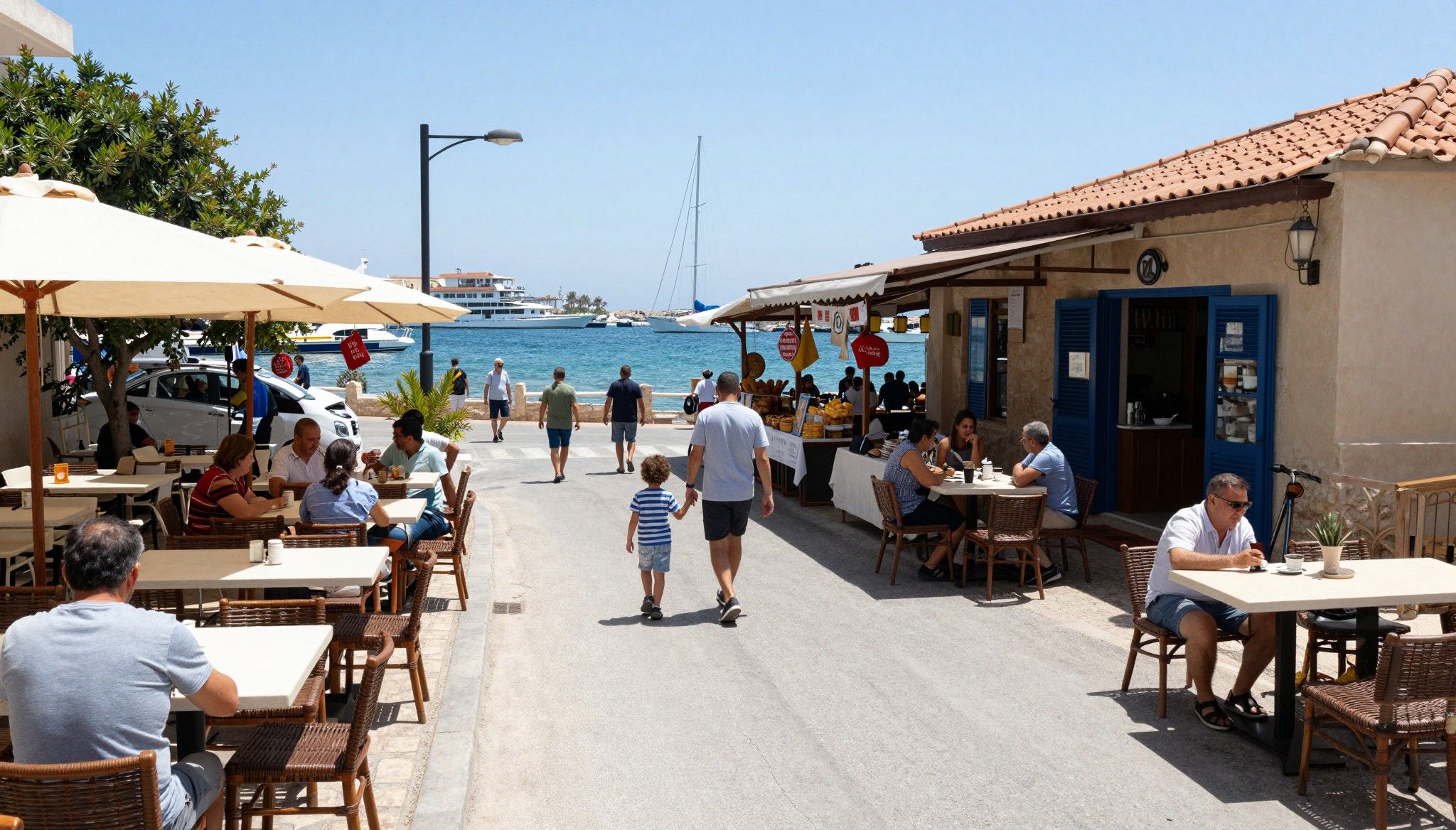
Greece is not one place but a set of daily rhythms. In Athens, mornings are brisk — cafes on Koukaki and Pangrati fill with people buying flaky bougatsa on the way to work. By contrast, islands such as Paros, Naxos and parts of Crete move at island time: markets, seaside tavernas and late‑afternoon swims shape the day. These different tempos affect what properties feel like home: a compact, light-filled flat near Syntagma is a different life to a stone villa near Elafonissi.
Neighbourhood spotlight: Athens — Koukaki, Kolonaki, Piraeus edges
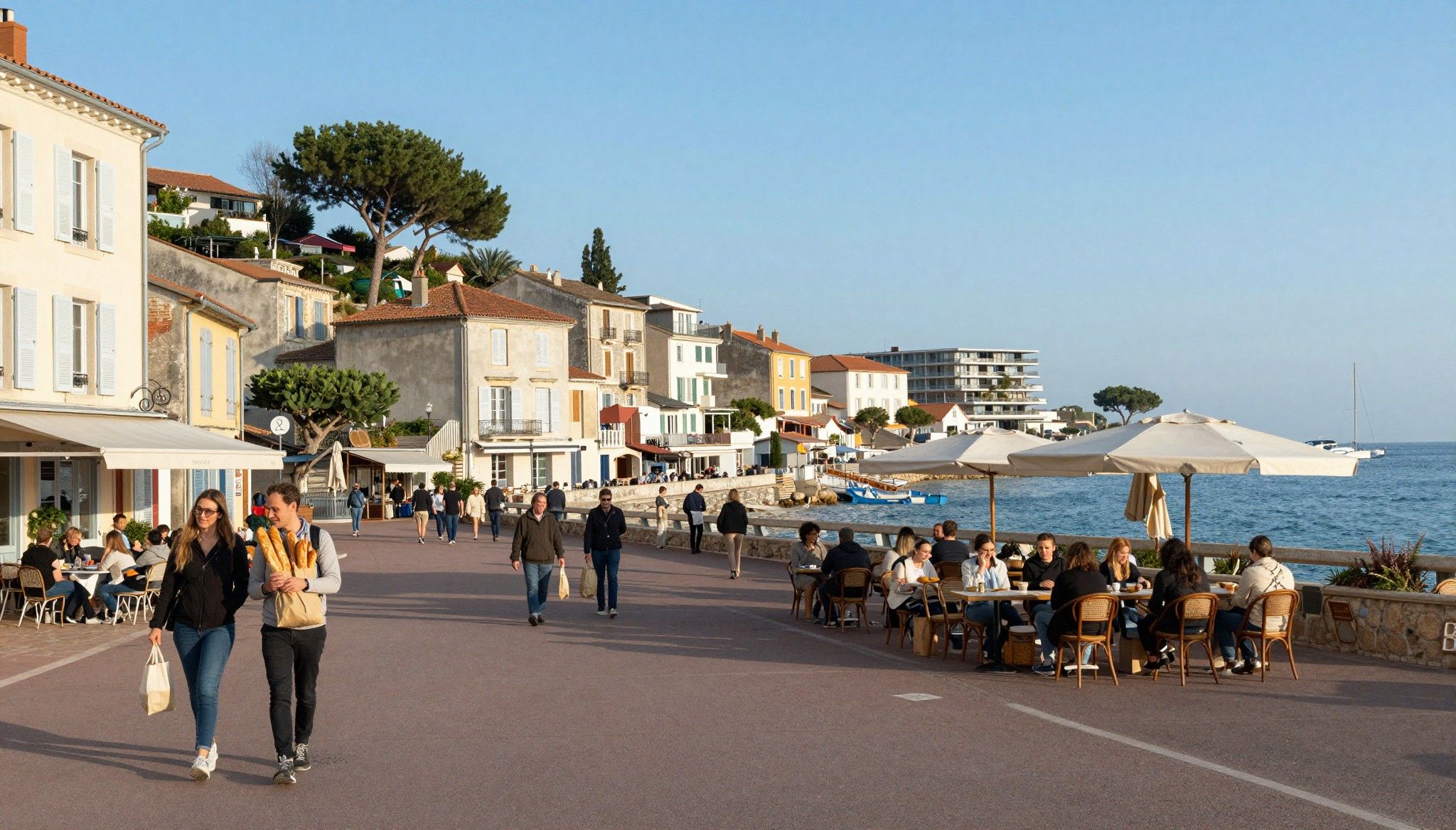
Koukaki offers pedestrian lanes, corner cafes and quick access to the Acropolis — suited to buyers wanting walkable daily life and short-term rental potential. Kolonaki is quieter, tree-lined and more residential, attractive to long-term residents and downsizers. On the waterfront, Piraeus and newer Glyfada pockets blend marina life with urban infrastructure. Each area delivers a distinct daily soundtrack — scooters, church bells, or harbour gulls — and that soundtrack should match how you imagine living.
Food, markets and social life — how meals shape neighborhoods
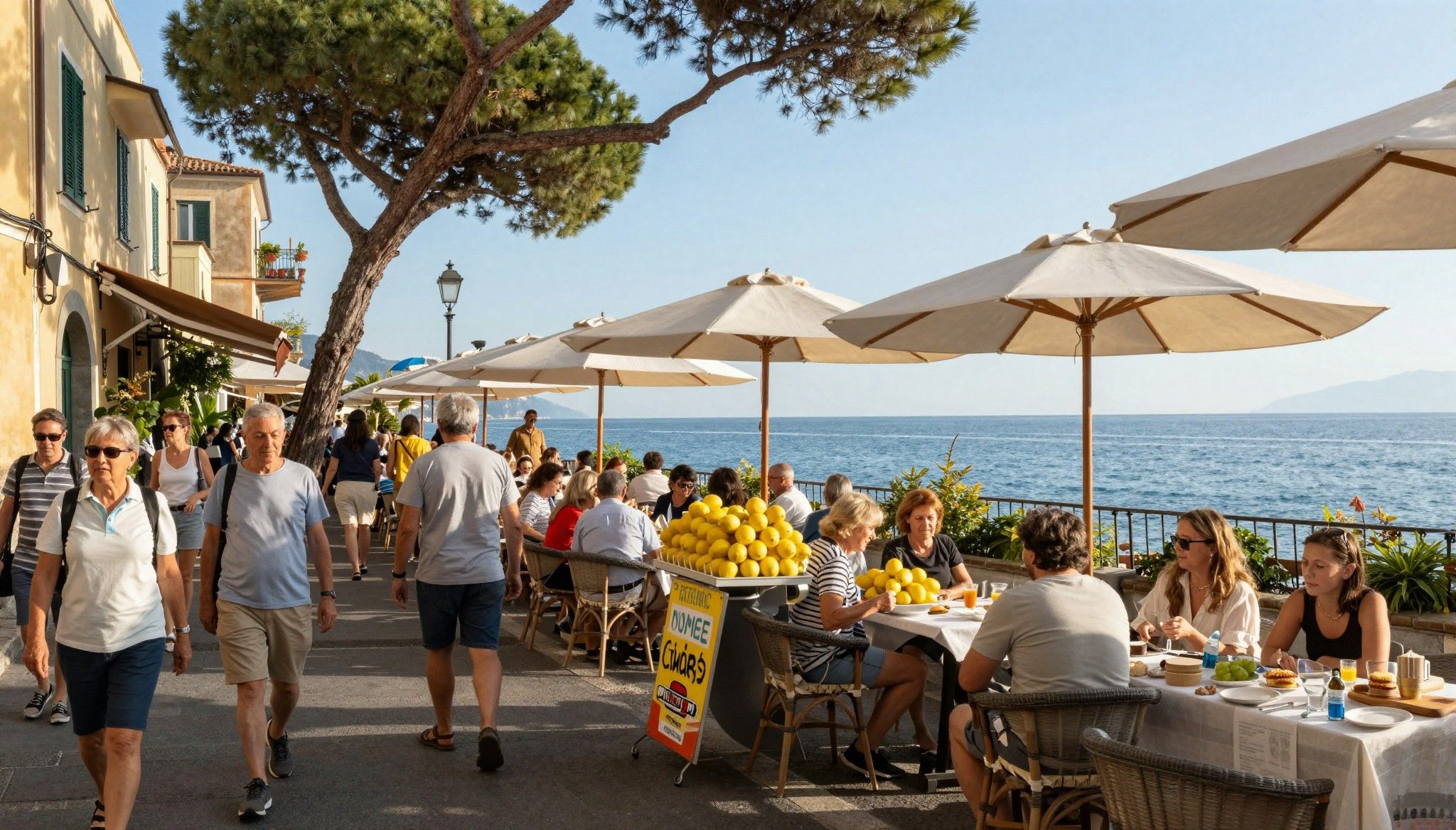
Eating in Greece is communal and local markets matter: weekends at Varvakios in Athens or Modiano in Thessaloniki define neighbourhood rhythm and property appeal. For buyers, proximity to daily markets, a favoured kafeneio or a beloved fish taverna often matters more than square metres. Properties with ground-floor access to lively streets will feel alive; tucked-away courtyards suit those seeking calm.
- Lifestyle highlights: actual places and experiences
- Morning espresso on Dimitrakopoulou (Koukaki); late-night meze at To Kafeneio (Kolonaki)
- Sunday market stroll and seafood lunch in Piraeus' old port
- Island rhythm: ferry to Antiparos from Paros for a day on secluded beaches
- Thessaloniki food scene: Modiano market and waterfront promenades
Making the move: property styles, market realities and timing
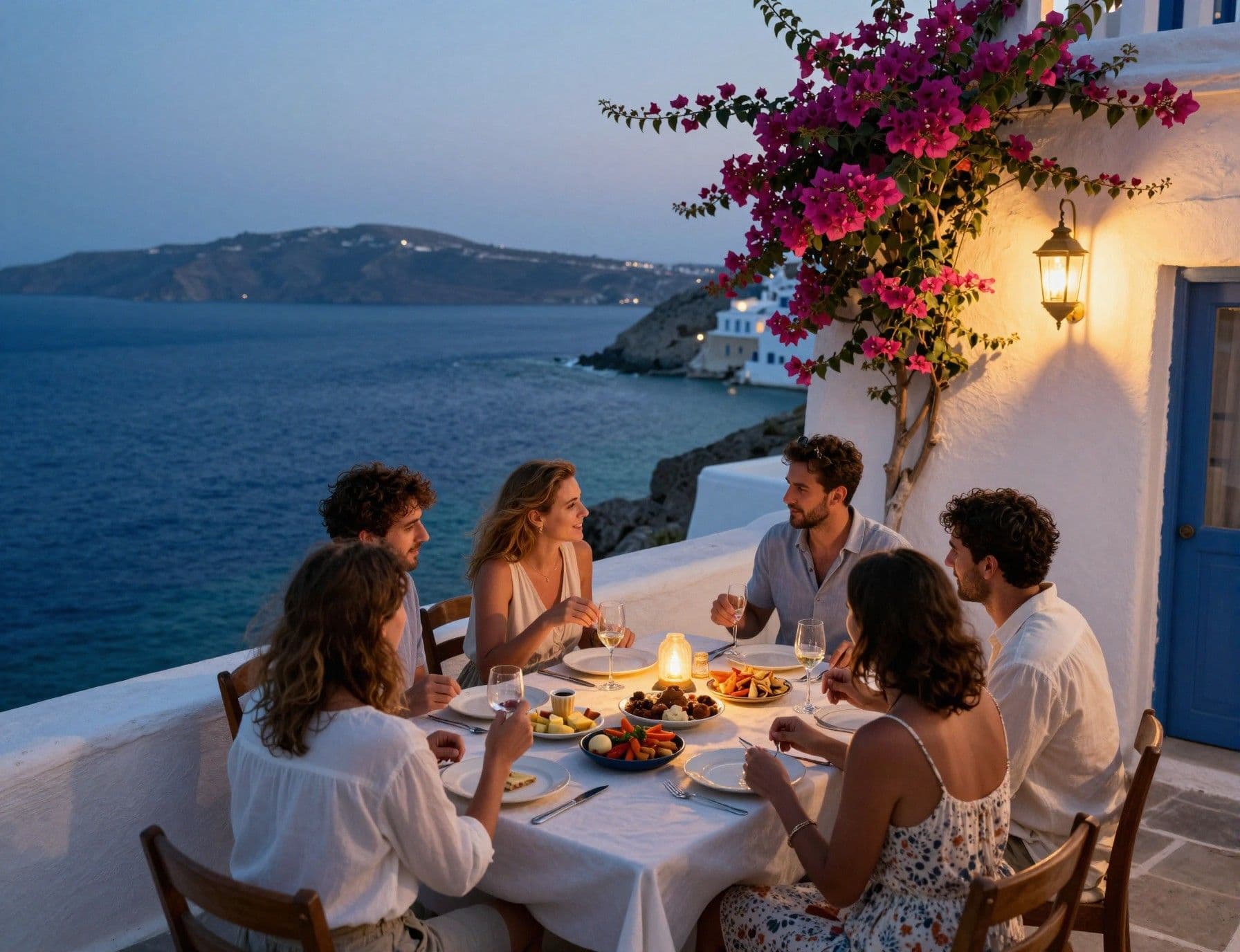
Turning a lifestyle dream into a purchase means matching the property type to both seasonality and your use-case. Island assets outperform in summer but require management in winter; central Athens flats provide year-round rental and living flexibility. Recent data shows foreign capital remains significant for Greek real estate, particularly on popular islands and in Athens' prime neighbourhoods, so expect competition and a tightened inventory in those pockets.
Property styles and how you'll live in them
Stone island houses with shaded courtyards suit slow summers and alfresco dinners; modern Athens flats with AC and insulation support year-round remote work. New-build apartments near Thessaloniki's revitalised waterfront are attractive to families seeking schools and city services. Consider storage for seasonal gear, priorities for outdoor living (terrace, pool) and readiness for local building standards — many older houses need insulation or electrical upgrades.
Work with agencies that live the lifestyle, not just list it
Choose agents who understand seasonal demand, local rental rules and which neighbourhoods quiet down in winter. A good firm will show you comparable stays (actual guest calendars), introduce property managers, and explain renovation realities. For island purchases, insist on visit windows outside peak months to assess true winter habitability.
- Steps that blend lifestyle and practicalities
- Visit in two seasons (shoulder season + summer) to feel daily life and check infrastructure.
- Ask agencies for recent occupancy data and neighbour profiles (families, retirees, seasonal rentals).
- Budget for 10–15% above purchase price for renovation, registration, and localised upgrades.
Insider knowledge: policy shifts, common pitfalls and expat truths
Recent regulatory changes have altered the calculus for some buyers. Modifications to residency-by-investment rules and stricter short-term rental interpretations have cooled speculative demand in parts of the market. That makes timing and local advice critical: policy changes can quickly shift which locations offer liquidity versus lifestyle stability.
Cultural integration and daily life — what expats wish they’d known
Language helps but isn't a barrier — many services cater to English speakers, yet learning basic Greek changes daily interactions. Expect slower administrative timelines than in northern Europe, and value personal introductions: a neighbour's recommendation often unlocks a trusted builder or a reliable notary. Embrace the local pace: markets, church festivals and community rhythms create social capital that benefits long-term homeowners.
Long-term lifestyle and investment signals
Long-term, Greece shows recovery patterns: national indices report rising house prices after a prolonged downturn and island scarcity supports premium pricing. For lifestyle buyers who value community and seasonal variety, this combination offers both enjoyment and asset resilience. If you aim to hold long-term, prioritise neighbourhoods with year-round services and established communities to avoid off-season isolation.
- Red flags and quick checks before you sign
- Unclear title histories or missing building permits — insist on a cadastral extract.
- Properties marketed as “good for rentals” without verifiable occupancy records.
- Access and winter services on islands — check road maintenance, healthcare proximity and year-round shops.
- How to proceed — a pragmatic sequence
- 1) Shortlist 3 neighbourhoods after a scouting trip in shoulder season.
- 2) Commission a local lawyer to run title, permits and tax clearance before offers.
- 3) Meet local managers and request actual 12-month occupancy and utility bills for island properties.
Conclusion: fall for the life, buy with a map. Greece rewards buyers who prioritise lifestyle cues — markets, tavernas, ferry timetables — and pair them with disciplined due diligence. Work with agents who live the rhythm, commission targeted legal checks, and visit outside high season. Then you can spend summers on a Cycladic terrace and weekdays in a neighbourhood cafe that already knows your name.
Dutch investment strategist with a Portugal-Spain portfolio. Expert in cross-border financing, rights, and streamlined due diligence for international buyers.