Don’t Chase Limassol: Where Cyprus’ Real Value Hides
Cyprus offers diverse coastal and village lifestyles; use neighbourhood rhythms, Central Bank and CYSTAT data to match daily life with property choices and avoid seasonal price traps.
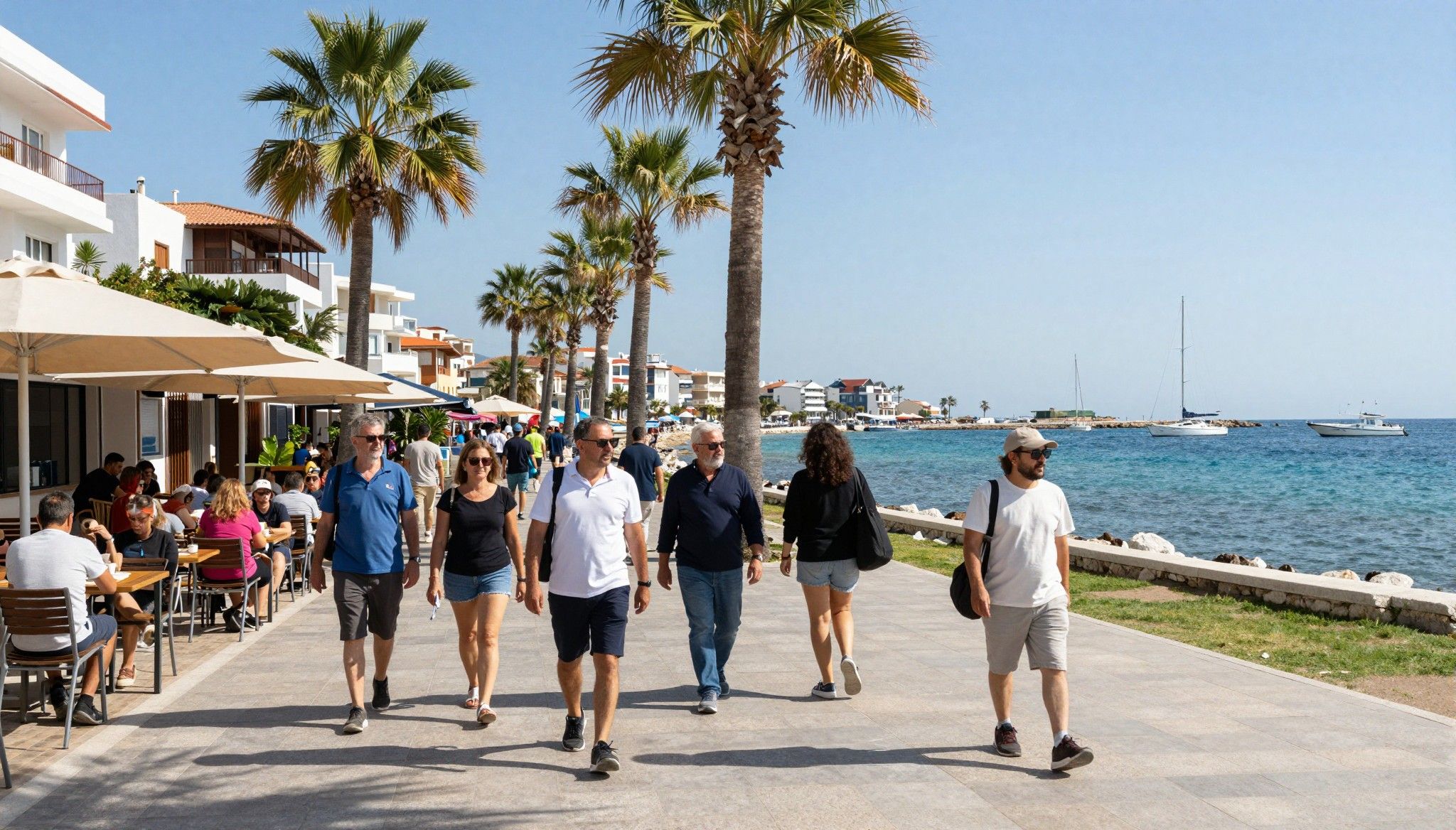
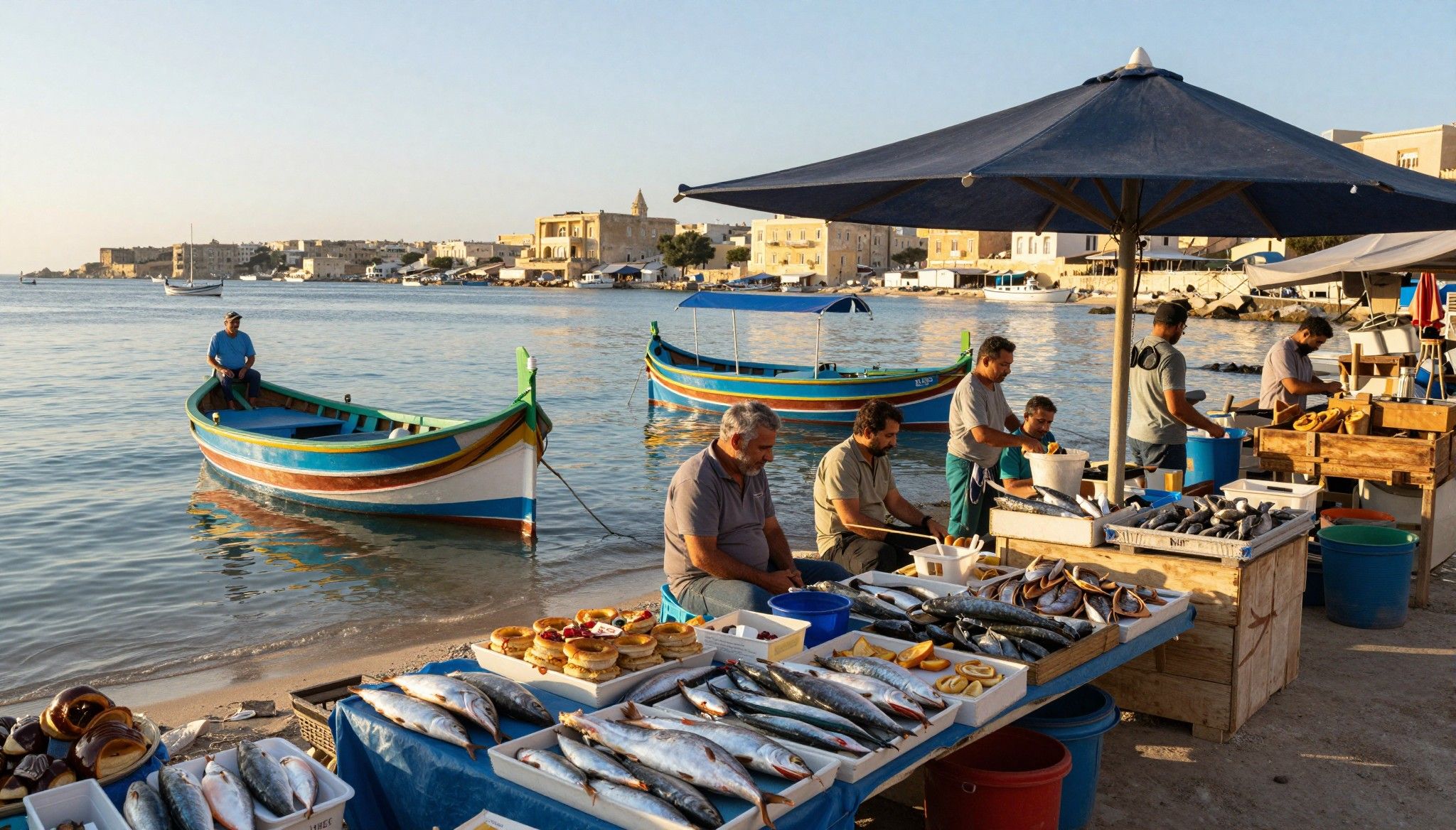
Imagine early morning in Larnaca: espresso steam hovering over a sun-warmed pavement, fishermen hauling nets on Finikoudes, a local hardware shop already open and a quiet row of townhouses where families hang laundry from balconies. That contrast—lived-in streets next to new developments—is the real Cyprus. Here, lifestyle and market moves intertwine, and the smartest buyers look where the daily life is changing before prices catch up. According to recent Central Bank data, residential prices are rising unevenly across the island, creating neighbourhood-level opportunities for international buyers.
Living Cyprus: sunlit routines, neighbourhood rhythms
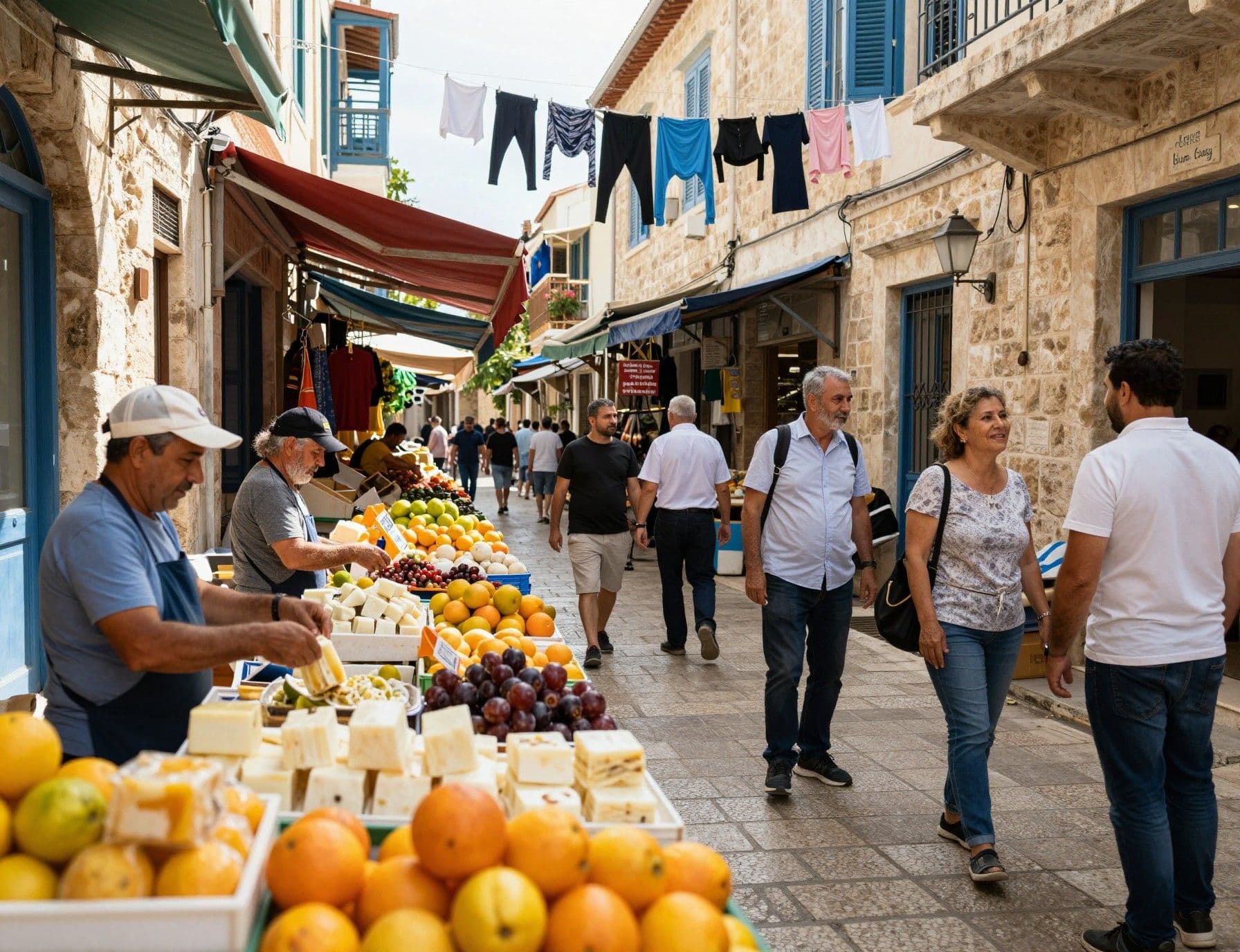
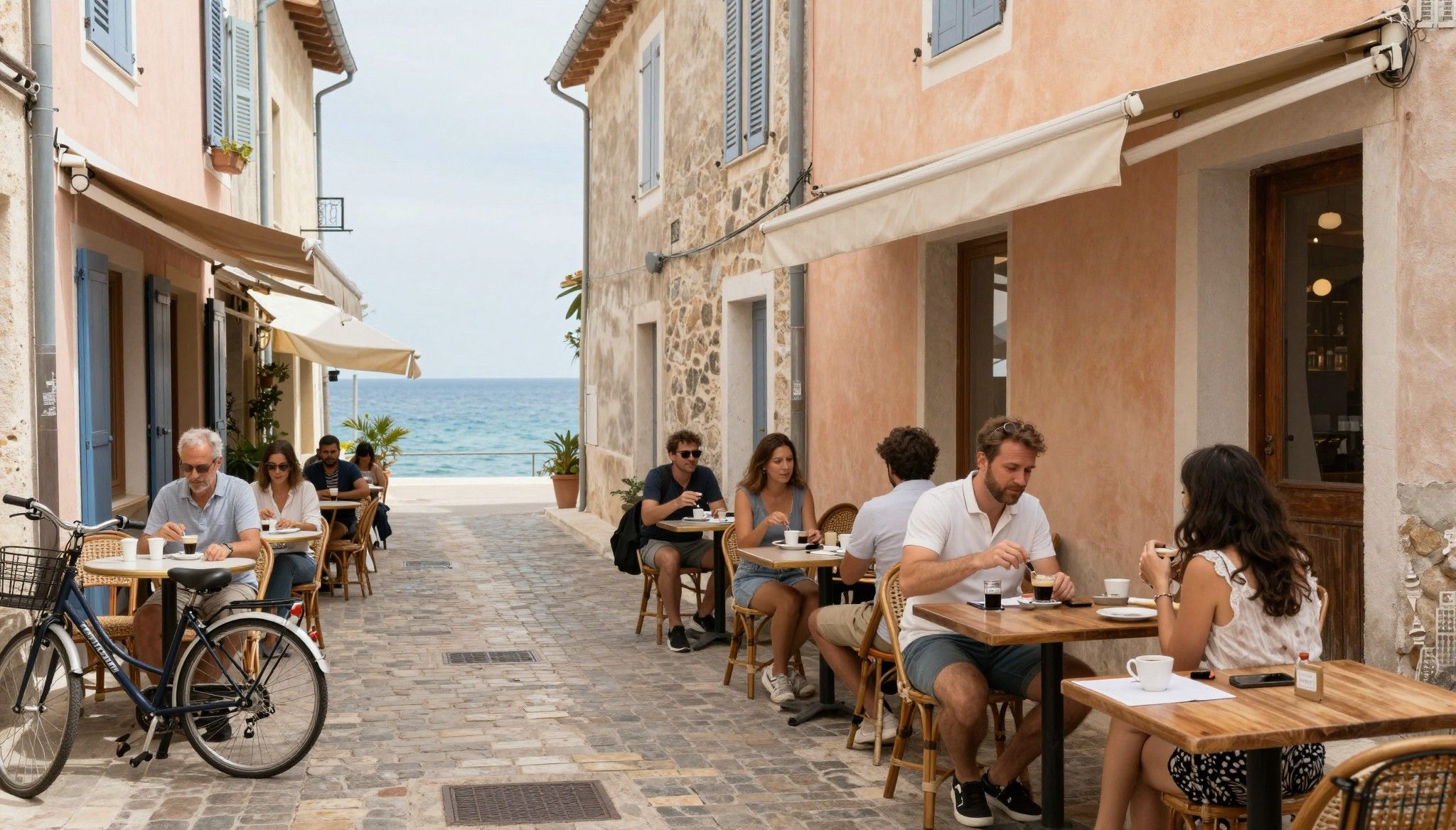
Cypriot life moves at a Mediterranean tempo: mornings for market produce and bread, late afternoons for siesta-style pauses, evenings for social cafés and tavernas that stretch past sunset. Whether you prefer the coastal promenade of Limassol, the compact historic lanes of Nicosia’s old town, or the quieter, olive-grove framed villages of the Troodos foothills, daily life shapes the kind of property that suits you. The island’s bilingual leaning—Greek with widespread English—makes everyday integration smoother for many internationals, but the lived experience still depends on street-level choices: where you buy determines whether you’ll sip filter coffee with fishermen or shop weekly at a farmers’ co-op.
Coastlines with different moods: Limassol, Larnaca, Paphos
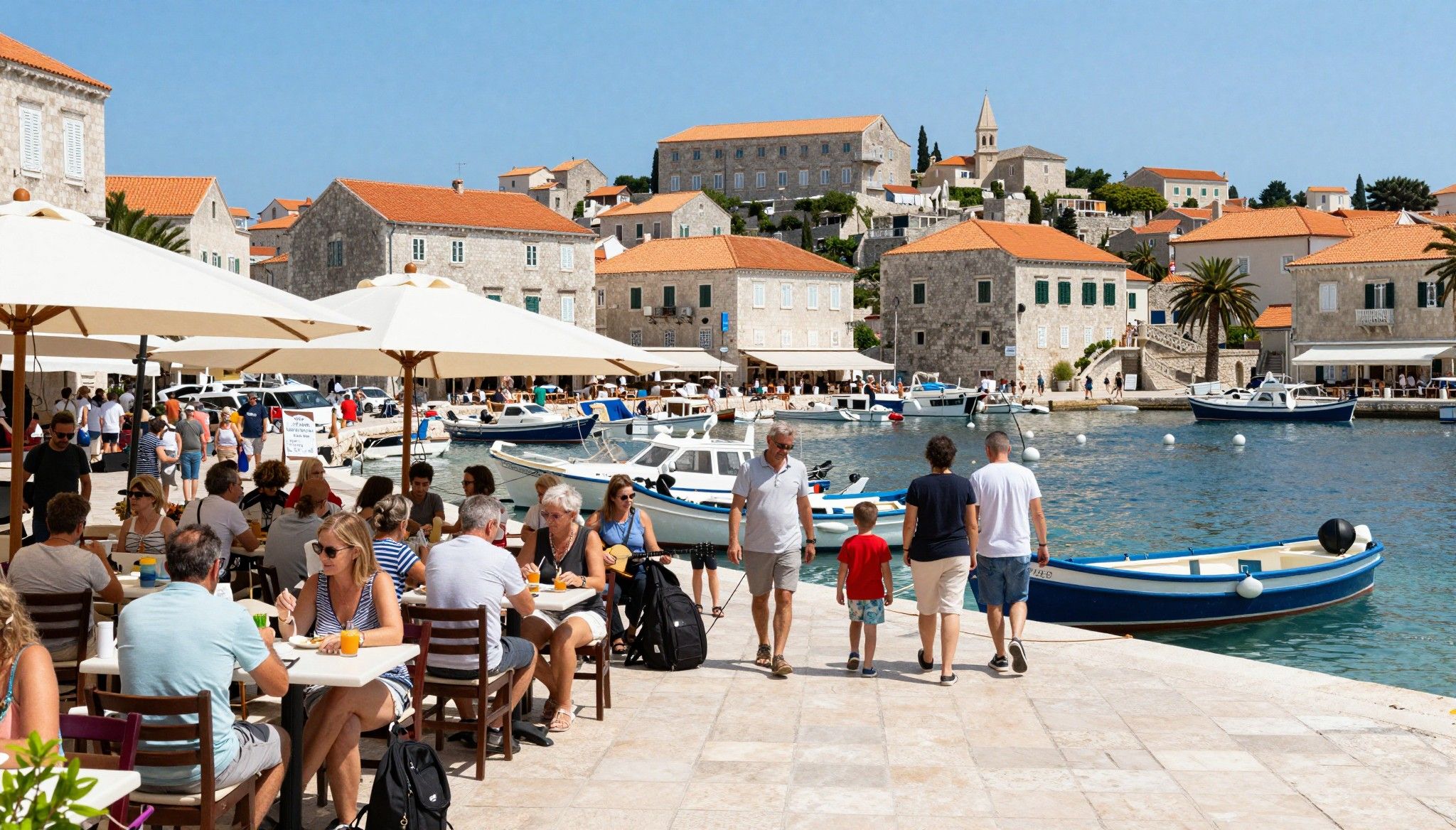
Limassol is energetic and cosmopolitan—yachts, modern apartments, conference hotels—while Larnaca feels more intimate: low-rise seafront, family-run eateries, and a resurgent new-build market focused on longer-term residents. Paphos mixes UNESCO‑listed history with quiet suburban pockets that are increasingly attractive to retirees and holiday-rental investors. Each coast offers distinct rhythms: Limassol’s nightlife and business calendar, Larnaca’s morning markets and community beaches, Paphos’s archaeological weekends. Match the rhythm to the life you want to lead, not the headline price.
Food, cafés and weekend rituals
Sunday in Cyprus often means a visit to a local market—think halloumi stalls, mountain honey, and grapefruit sellers—followed by a slow lunch of meze. In Nicosia and Limassol you’ll find specialty coffee shops (try Pitto in Nicosia for a neighbourhood vibe) and small wine bars where producers pop up for tastings. These daily rituals shape neighbourhood desirability: streets with thriving cafés and weekly markets typically sustain demand, an insight that can be more predictive than broad regional price indexes.
- Lifestyle highlights — real places and experiences
- Finikoudes promenade, Larnaca — morning walks and family cafés
- Old Town (Nicosia) — narrow lanes, artisans, intimate tavernas
- Germasogeia, Limassol — beaches, contemporary apartment living, active nightlife
- Kathikas and Omodos (Paphos hinterland) — vineyards, slow rural life, restoration opportunities
Making the move: property that fits how you’ll actually live
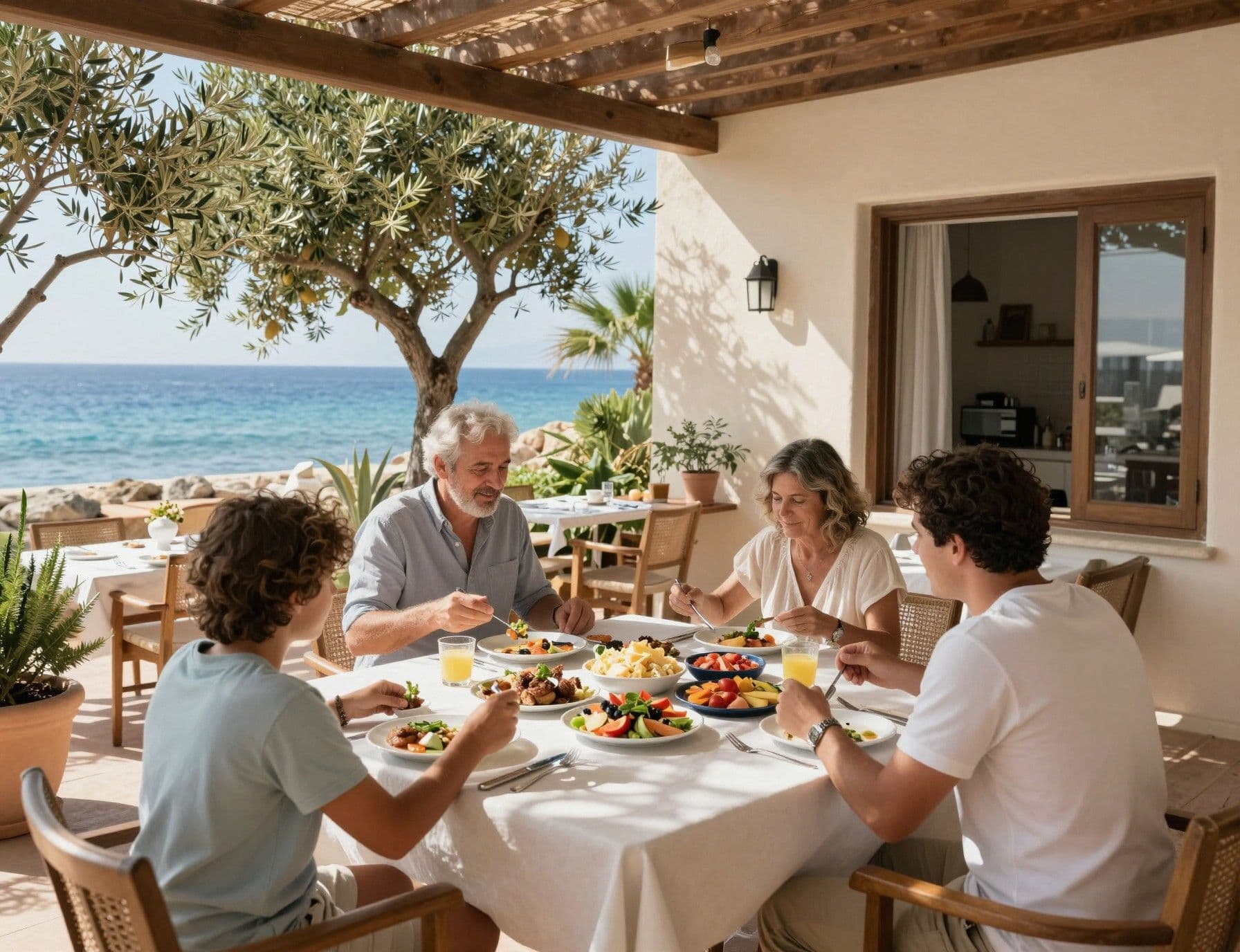
Dreams collide with logistics: which layout lets you host long, late dinners? Which neighbourhood has morning markets instead of supermarket chains? Recent market reports show transaction values and new-build activity rising in 2024–2025, but that growth is concentrated in specific segments and precincts—new coastal developments and regenerating town centres—so a lifestyle match is also a market strategy. Use macro reports as a map, then drill down street by street.
Property types and how they shape daily life
New-build apartments deliver low-maintenance coastal living and amenities like pools and concierge; traditional village houses offer garden space and community ties but need renovation; townhouse clusters combine outdoor terraces with walkable streets. The Central Bank’s residential price indices show faster gains in some apartment-heavy coastal pockets, which explains why buyers focused on lifestyle may pay a premium for turnkey living while renovators can find value inland.
How local experts turn lifestyle briefs into realistic searches
Working with the right agency is about matching routines, not just specs. Practical steps:
- 1. Map your day: identify three non-negotiables (market, commute time, café culture) and ask an agent to show streets that match them.
- 2. Visit at different times: morning market, weekday evening and Sunday lunch to feel how life flows.
- 3. Mix new-build and resale viewings: tangible comparisons reveal trade-offs between convenience and character.
Insider knowledge: the small realities expats often learn late
Expats tell a common story: you fall for a view, then discover the street shutters by 11pm for noise, or you pick a village for peace and realise grocery access is limited. Official house price indices confirm that price growth varies by quarter and region; this volatility rewards buyers who prioritise real, everyday living patterns over glossy listings. Knowing local rhythms—school dropoff routes, ferry timetables, weekly market days—keeps surprises small.
Language, community and making a life
English is widely spoken, but small courtesies in Greek open doors: learn a few phrases for your neighbourhood grocer and you’ll be invited to the next village festival. Expat enclaves exist—groups in Limassol and Paphos who share social networks—but integrating into local circles brings access to renovation crews, seasonal produce, and a truer sense of the place than a rental platform can provide.
Longer-term life: where your purchase pays in quality of life
Think beyond resale value: a walkable street with a bakery and an evening square will sustain happiness year after year, and often outperform flashy but isolated developments in everyday use. For families, proximity to international schools and healthcare matters; for remote workers, reliable broadband and quiet daytime streets are non-negotiable. These lifestyle anchors should guide property choice as much as projected capital gains.
- Red flags and practical checks before you bid
- Unclear land titles or incomplete planning permissions — insist on solicitor confirmation
- Overpriced new builds in headline locations — compare unit size, finishing and service charges
- Seasonal streets that are lively in summer but empty off-season — visit across seasons
When offer time comes: a short checklist
- 1. Confirm title and planning status with a Cyprus solicitor.
- 2. Get a local valuation and compare with Central Bank / CYSTAT indices to avoid overpaying.
- 3. Budget for ongoing service charges and potential renovation costs—factor these into lifestyle choices.
Conclusion: live the life you’re buying into — and let data protect the dream. Cyprus offers a mosaic of lifestyles—from beachside promenades and market mornings to mountain retreats and vineyard weekends. Use national indices and market reports to understand broad trends, but choose by street, café, and season. Work with a local agency that listens to how you want to live, verifies titles and permissions, and shows you both the postcard and the backstreet where real neighbourhood life happens. When lifestyle and due diligence align, Cyprus stops being a holiday and becomes home.
Dutch investment strategist with a Portugal-Spain portfolio. Expert in cross-border financing, rights, and streamlined due diligence for international buyers.